
Lawn Care Guides
Choose your next task
Search and filter guides
About search and filters
Search checks titles, introductions, and summaries inside this topic. Reading depth uses the listed minutes; sorting uses update date, title, or reading time.
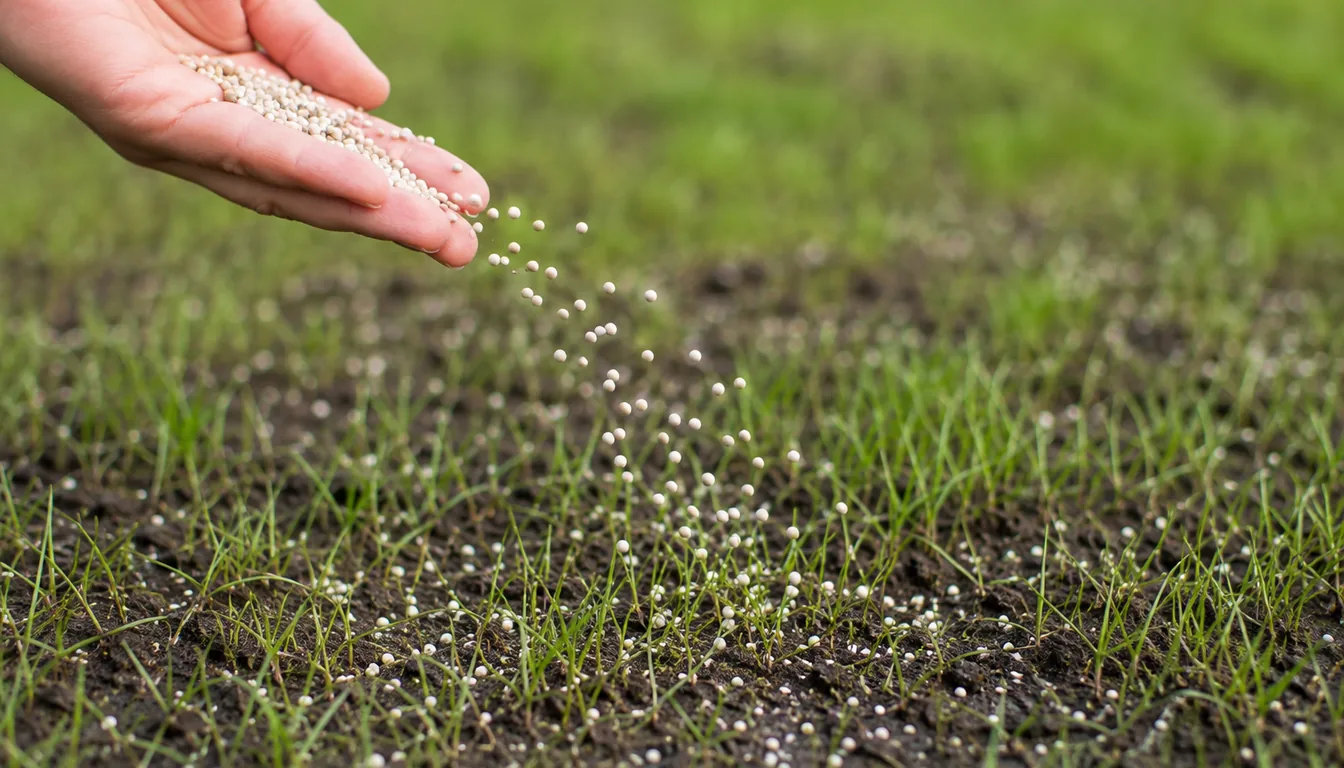
When Should You Fertilize New Grass From Seed or Sod?
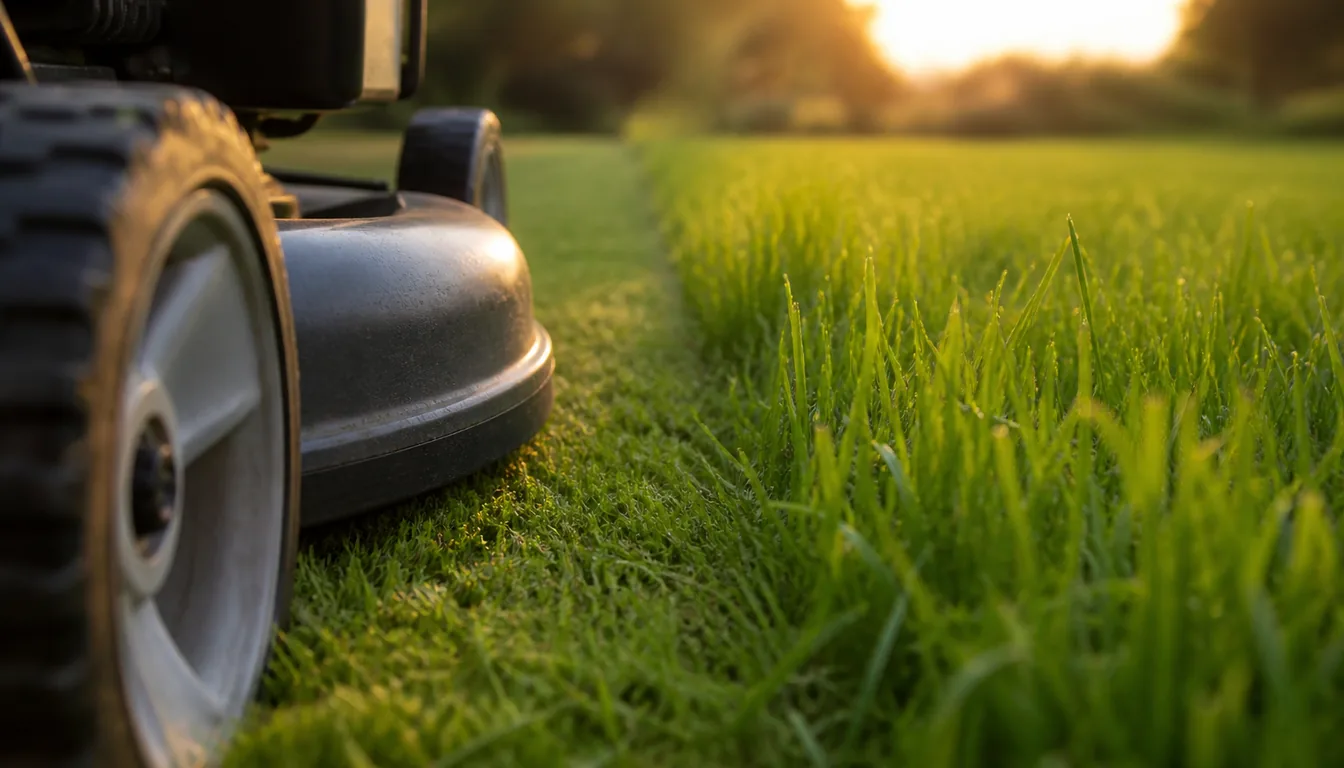
When Should You Mow New Grass for the First Time?
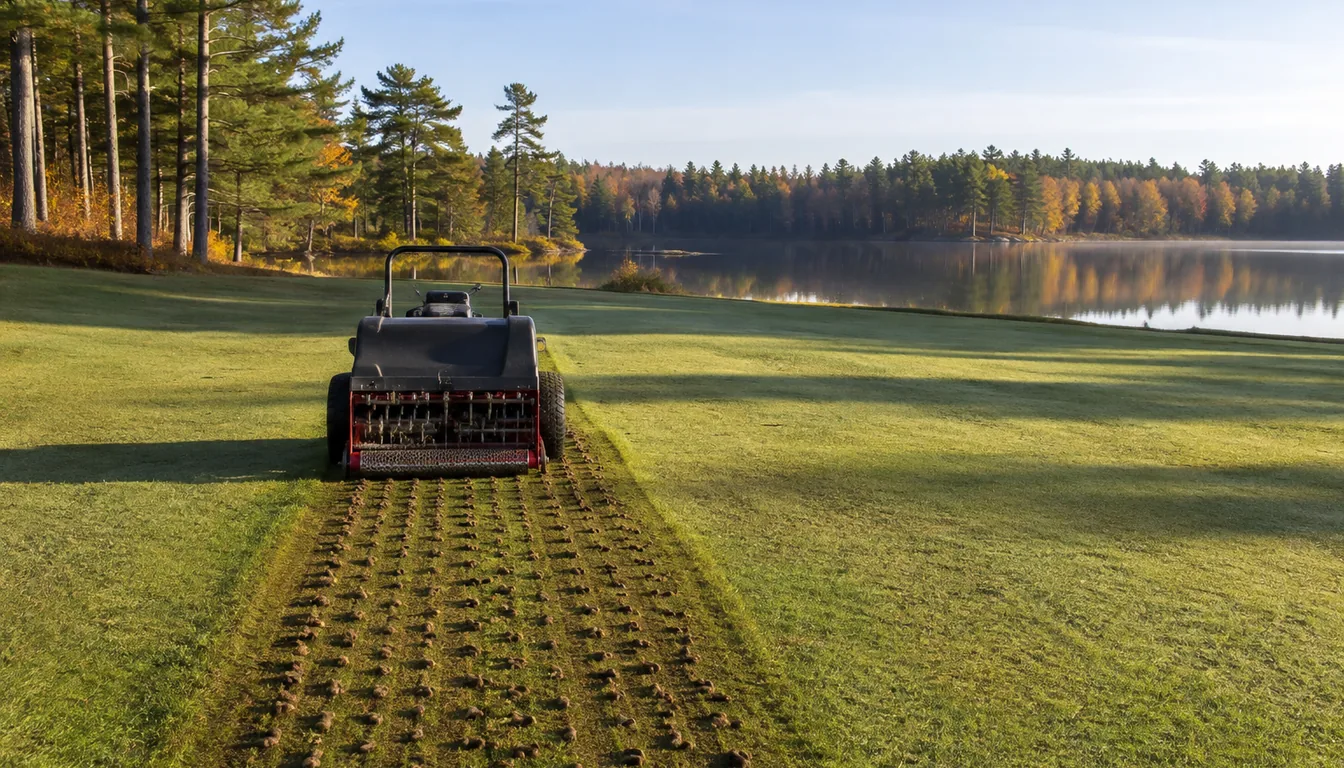
When to Aerate a Lawn in Michigan, and When Clay Soil Needs It Twice
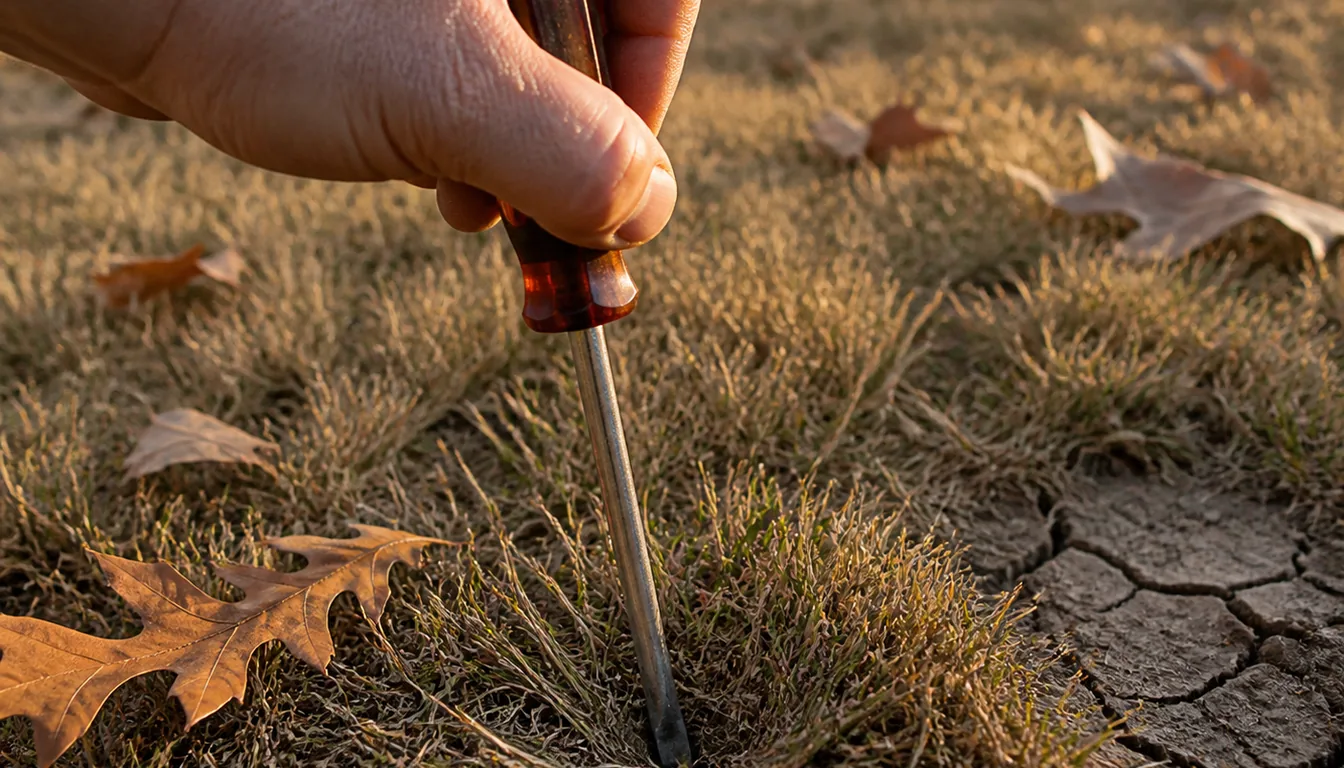
When to Aerate an Ohio Lawn, and How Your Region Changes It
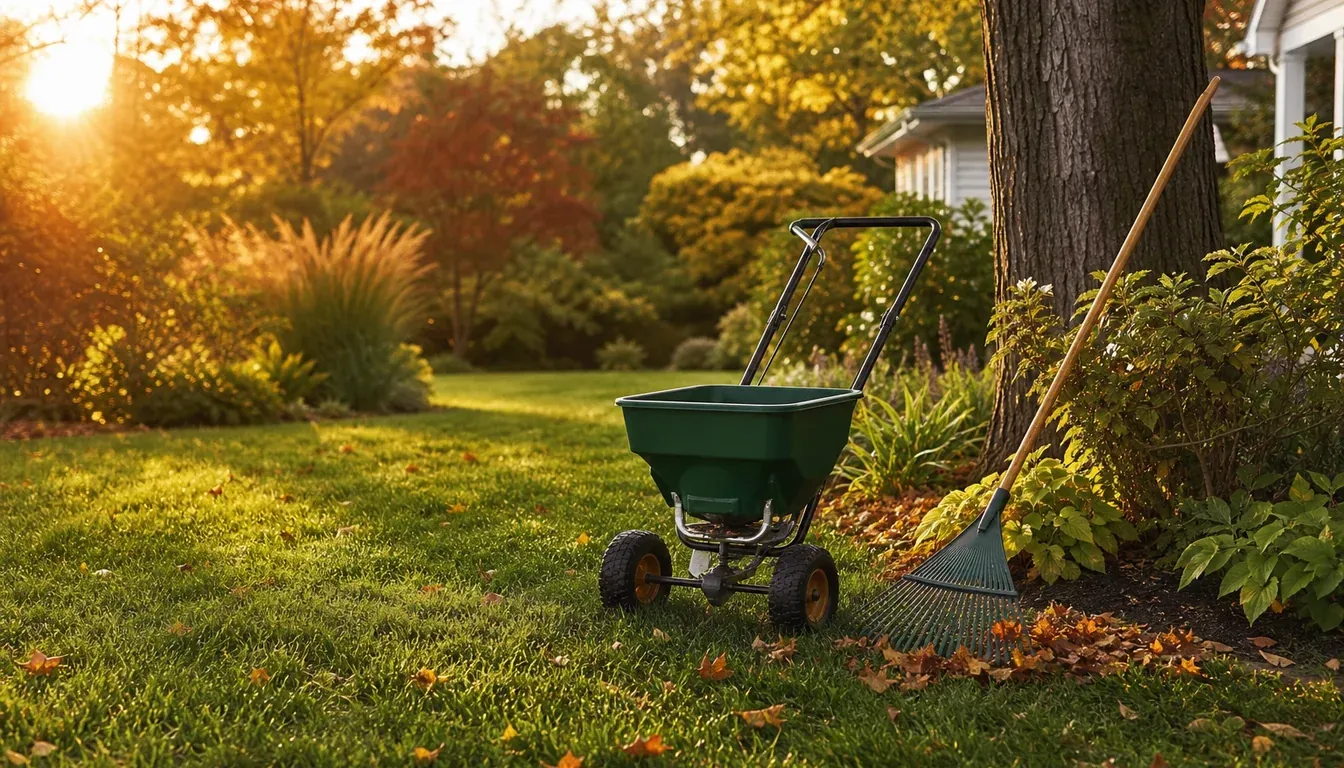
When to Do Each Lawn Care Task by Grass Type and Soil Temperature
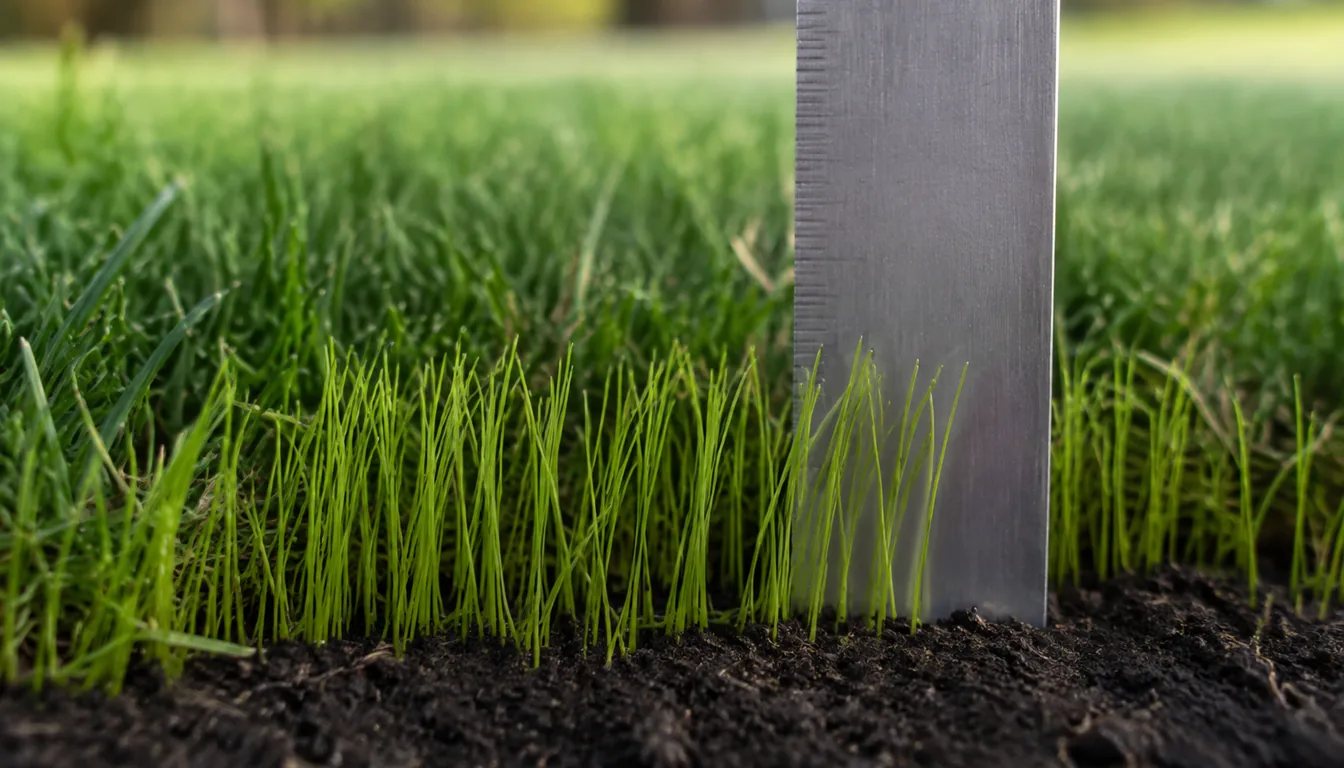
When to Mow After Overseeding, for Cool-Season and Bermuda Lawns
Find the guide for the job in front of you
Every guide by job
These guides help you time lawn work to your grass type and soil temperature, and choose between jobs that are easy to confuse, such as dethatching and core aeration.
The seasonal plan
3 guides
The lawn calendar starts each job at a soil temperature or a growth stage instead of a date, because crabgrass and grass growth both follow soil temperature. Feeding guides follow the same timing.
Aerating and dethatching
4 guides
Dethatching removes a thick layer of stems and roots above the soil, while core aeration pulls plugs out of compacted soil. These guides tell the two apart, then time aeration by grass type and region.
Overseeding and new grass
9 guides
Overseeding guides begin with whether seed is worth buying, then cover timing by region, seeding without an aerator, watering new seed, and when the new grass can take feet and the first mowing.
Weeds, shade, and slopes
3 guides
The remaining guides handle site problems, including grass weeds, St. Augustine grass thinning in partial shade, and a sloping yard that needs leveling.
Common questions
How soon after seeding can I fertilize new grass again?
For cool-season seed, Penn State's follow-up is 1/2 pound of nitrogen per 1,000 square feet 4 to 8 weeks after the starter, and only when the new turf needs help thickening. Iowa State puts a possible second feeding 3 to 4 weeks after germination. For warm-season seed, Clemson times it to seedlings 1 1/2 to 2 inches tall.
How soon after seeding can I mow new grass?
There is no fixed week count. Mow when the grass is no more than one-third above the height you plan to keep it at, the plants spring back upright after a walk, and the soil is firm. Iowa starts new seedlings at 3 inches, and Pennsylvania starts a 3-inch lawn just before it reaches 4 inches.
How often should I aerate my lawn in Michigan?
Lawns with frequent foot traffic, especially on clay, benefit from yearly aeration. Lawns that are not compacted and have less than half an inch of thatch do not need it every year. For lawns with a high clay content, MSU turf specialist Kevin Frank often recommends coring in both spring and fall.
From When to Aerate a Lawn in Michigan, and When Clay Soil Needs It Twice
How often should an Ohio lawn be core aerated?
As often as needed, as Clemson puts it, and Ohio State does not give a fixed number of years. Iowa State recommends aerating twice a year on heavy clay soils or with heavy traffic, and once a year on well-drained soils with little traffic. Tall fescue and perennial ryegrass do not form thatch, so thatch is mostly a bluegrass and fine fescue concern.
From When to Aerate an Ohio Lawn, and How Your Region Changes It
When should I start lawn work in spring?
When each job's soil temperature is reached, not on a fixed date. Crabgrass preventer goes down before the soil average at 2 inches reaches 55°F, since seeds germinate once that average holds for three to five days. Feeding waits until the grass is growing, which means after green-up for a warm-season lawn and after the spring flush for a cool-season lawn.
From When to Do Each Lawn Care Task by Grass Type and Soil Temperature
Keep exploring
Lawn Grasses
Turf grasses by climate, sun and upkeep. 11 plant profiles.
Fertilizing guides
What to feed, when, and how much. 19 guides.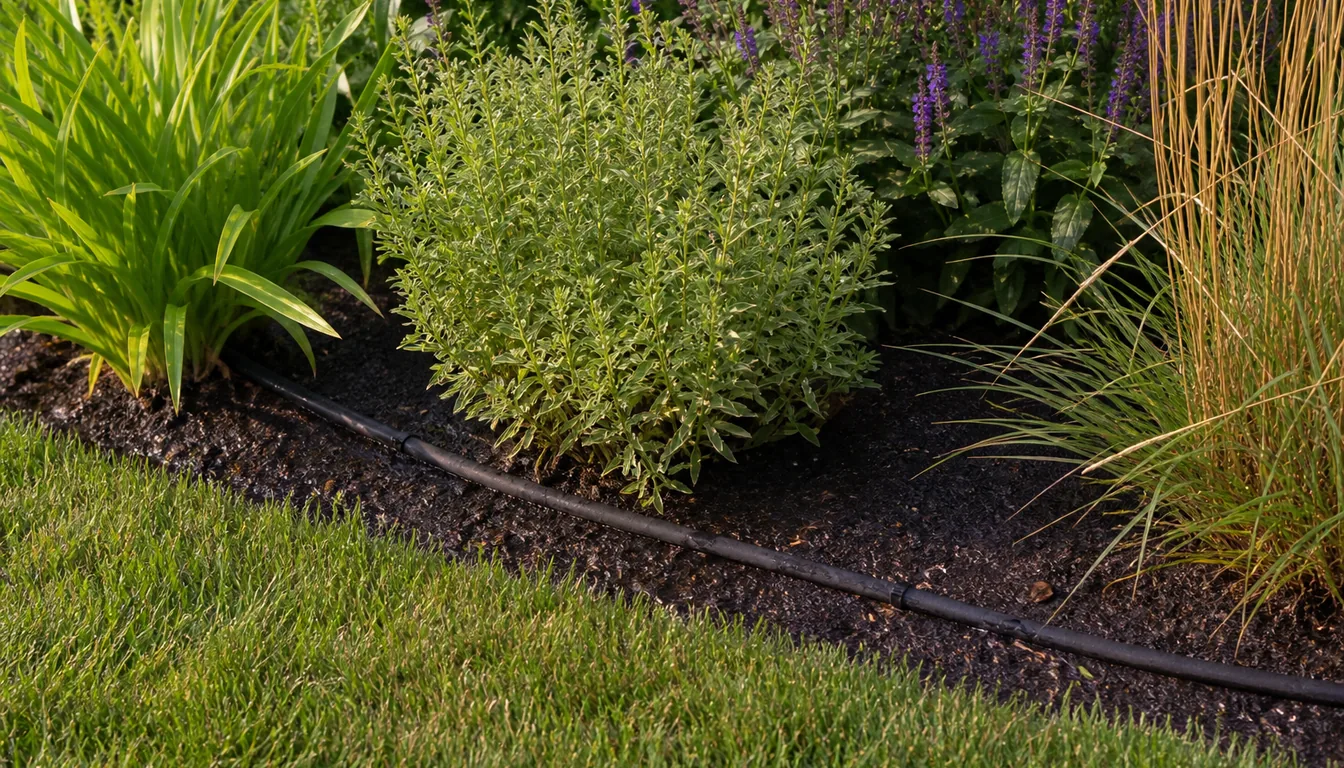
Watering guides
How much, how often, and how to tell. 17 guides.Check the plant and the symptom
Three decisions that shape the result
Identify the lawn
Confirm whether the grass grows most strongly in cool or warm weather.Set the cutting limit
Use the grass type and current height to choose a safe mowing height.Read the soil
Check moisture and compaction before adding water, seed, or fertilizer.
Before you begin
- Confirm the right season.
- Gather the listed tools.
- Read the final checks before starting.
About this list
- Available guides
- 19
- Average read
- 11 min
- Sources cited
- 199

How every guide is made

KnowTheYard Editorial publishes every guide, with its sources and last-changed date on the page.