
Best Time to Overseed a Northeast Lawn for Thick Turf
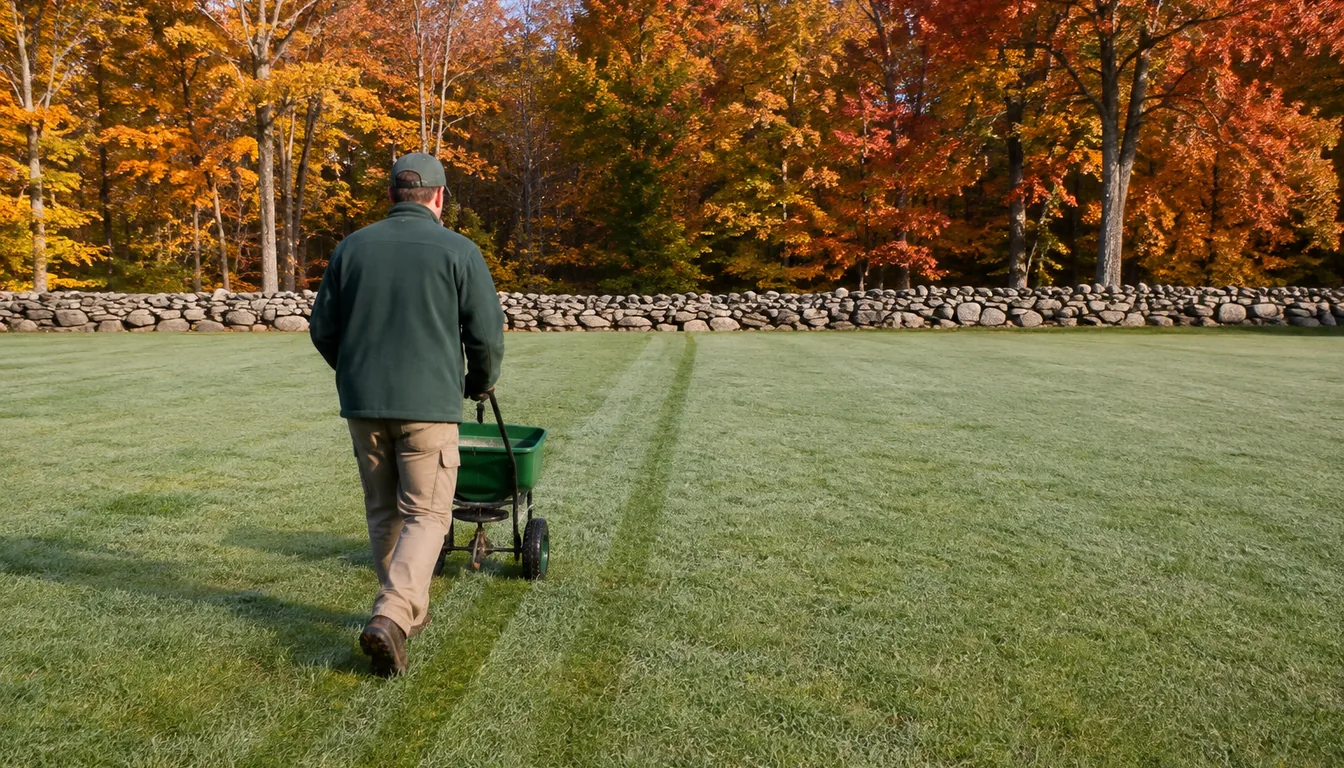
Overseeding in the Northeast is all about catching that short window when soil is warm, air is cool, and weeds are slowing down.
Hit it and your lawn thickens fast.
Miss it and you are watering dirt and feeding crabgrass.
Below you will find the best time to overseed a Northeast lawn, broken down by zones 4–7, plus what to do in spring if you totally whiff on fall.
We will also flag how to line up seeding with your overall lawn schedule. That way you are not fighting fertilizer or weed killer at the same time.
Know Your Northeast Growing Zone First
The sweet spot for overseeding in the Northeast depends on your USDA zone, not your ZIP code. A yard in coastal New Jersey behaves very differently from one in northern Vermont.
Most Northeast lawns sit in zones 4–7.
Northern New England and upstate New York lean toward zone 4–5, while southern New England, New Jersey, and much of Pennsylvania live in zones 6–7.
Zone matters because soil cools at different speeds. Zone 4 cools like a typical cold-climate garden, giving you a short fall seeding window.
Zone 7 hangs onto warmth longer, which stretches your calendar into mid fall.
Cool-season grasses like Kentucky bluegrass lawns and tall fescue mixes do their best rooting when soil sits around 50–65°F. That range often lands a month or more apart between northern Maine and southern New Jersey.
Soil temperature is a better guide than the month printed on a lawn-care bag.
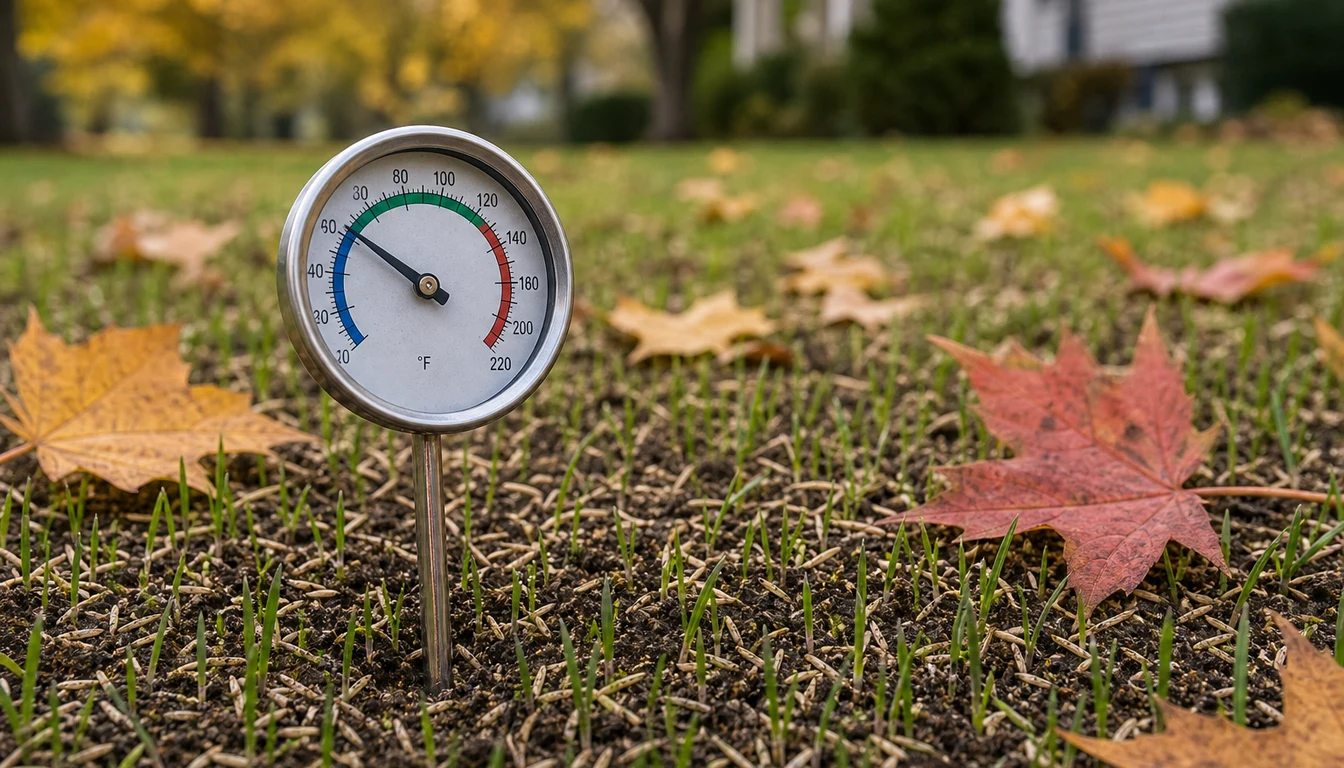
Use the zone as your first filter, then let soil temperature pick the weekend.
- Zone 4-5 focus
- Very narrow fall window, earlier start
- Zone 6-7 focus
- Longer fall window, later first frost
- Target grasses
- Cool-season types like bluegrass, rye, and fescue
- Key tool
- Cheap soil thermometer at 2-3 inch depth
Why Fall Is King for Overseeding in the Northeast
In the Northeast, fall is not just a good time to overseed, it is the best by far. Cool nights, mild days, and warm soil create an easy environment for new grass.
Weeds like crabgrass and many broadleaf types are checking out for the season just as cool-season grasses wake up.
That means less competition for water, light, and fertilizer, which is exactly what you want for baby seedlings.
For most Northeast lawns, the prime window is late August through early October, depending on your zone. Zone 4 areas need to lean hard on the early side, while zone 7 homeowners can slide into early October without much risk.
Aim to overseed about 6–8 weeks before your average first hard frost.
That gives new grass time to sprout, tiller, and handle its first winter with some strength. If you are choosing between overseeding a little early or a little late in fall, earlier is almost always better.
Tie your overseeding to aeration when you can. Core aeration in late August or early September pairs perfectly with overseeding, especially on compacted lawns shown in many step-by-step seeding guides.
| Factor | In fall |
|---|---|
| Main goal | Deep rooting before ground freezes |
| Weed pressure | Lower than in spring |
| Disease pressure | Lower as nights cool off |
| Water needs | Moderate, usually supported by fall rains |
Dial In Timing by Zone and Soil Temperature
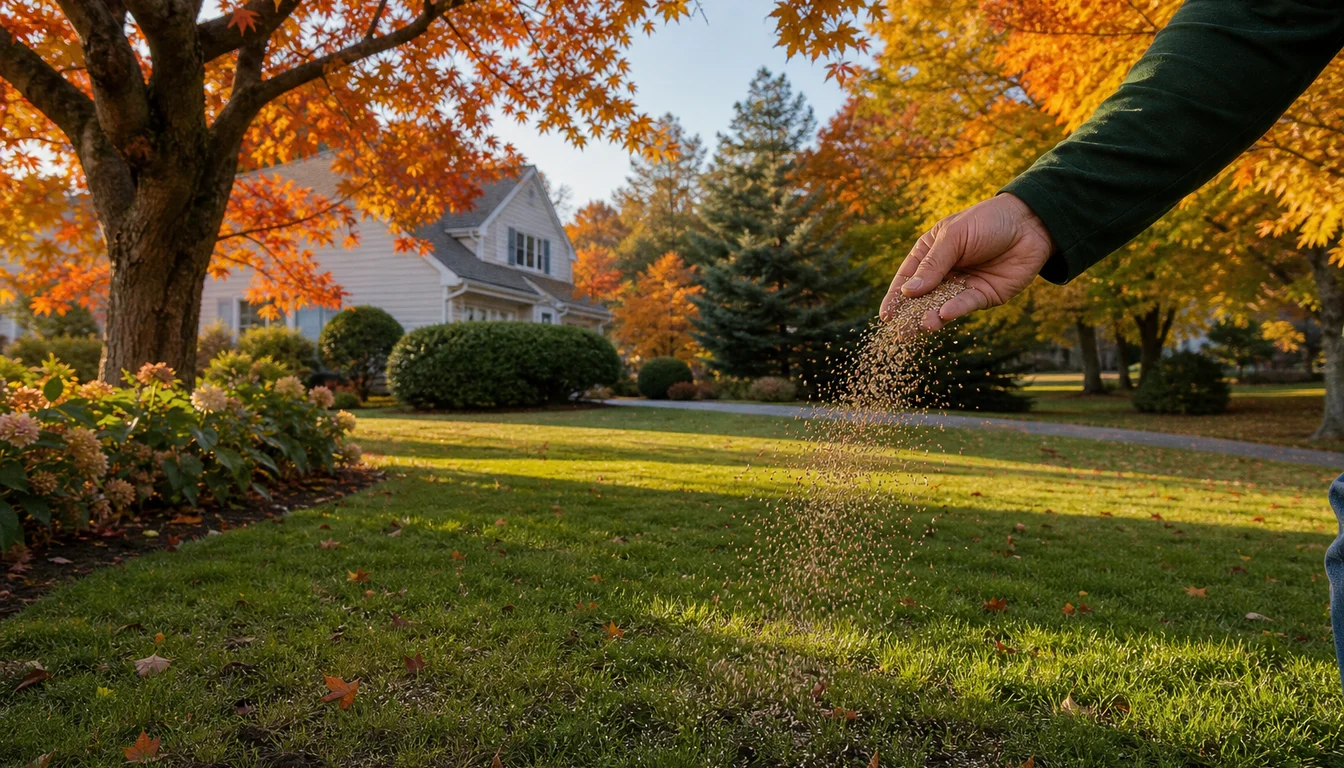
Soil temperature tells you more than any calendar chart. New grass seed germinates best when soil hovers between 50–65°F at a 2 inch depth.
Grab an inexpensive soil thermometer and check in the late afternoon. When soil cools into the 60s and is trending downward, your overseeding window is opening.
Here is a practical target by zone for most Northeast lawns.
| USDA Zone | Typical Fall Window | Soil Temp Target |
|---|---|---|
| Zone 4 | Mid Aug – Early Sep | Start near 65°F, finish by 50°F |
| Zone 5 | Late Aug – Mid Sep | Aim for 60–65°F on average |
| Zone 6 | Early – Late Sep | Good from mid 60s down to low 50s |
| Zone 7 | Mid Sep – Early Oct | Start high 60s, wrap up near 55°F |
Zone 4 and cold zone 5 lawns behave a bit like early blooming daffodil beds. They want to get going early, long before the first hard freeze, or they stall.
Warmer zone 6–7 yards act more like lilac shrubs around NYC or Philly. They keep active later into fall, so you can seed a few weeks after your northern neighbors have packed it in.
Keep the frost deadline visible while you track soil readings.
- Push the thermometer at least 2 inches deep
- Watch for two or three cool readings in a row to confirm timing
- Track your frost date using local extension data for accuracy
- Adjust yearly, since hot or cool summers can shift these ranges
Spring Overseeding: Backup Plan, Not First Choice
Missed fall? You can still overseed in spring, but expectations need to change.
You will fight more weeds, more disease pressure, and summer heat bearing down.
Spring overseeding works best in cooler zone 4–5 areas where summers are shorter and less brutal. In warmer parts of the Northeast, seedlings often get hammered by heat before roots run deep.
The best spring window is when soil reaches 50–55°F and rising, well before crabgrass germinates. That often lines up with early blooming tulip beds and the first flush of early peony foliage.
If you use a crabgrass pre-emergent, you cannot toss down seed at the same time.
In spring, focus on thinner areas, not full-lawn renovation. A light overseed to thicken bare patches is more realistic than trying to rebuild the entire yard.
Pair overseeding with careful feeding. A gentle fertilizer, timed using safe lawn fertilizing practices, helps seedlings without burning them when days suddenly warm.
- Ideal spring target
- 4-6 weeks before soil hits steady 65-70°F
- Seed choice
- Drought-tough mixes like perennial rye blends
- Mowing plan
- Keep blades sharp to avoid tearing tender growth
- Watering
- Light, frequent moisture early, then deepen roots over time
Prepping the Lawn Right Before You Seed
Good seed on bad prep still gives a thin lawn. The soil surface and existing turf need to be set up so new seed touches soil and stays there.
Mow lower than your usual cut, around 2 to 2.5 inches, for your final pass before overseeding.
Bag or rake up clippings so seed does not get hung up in the leftover grass.
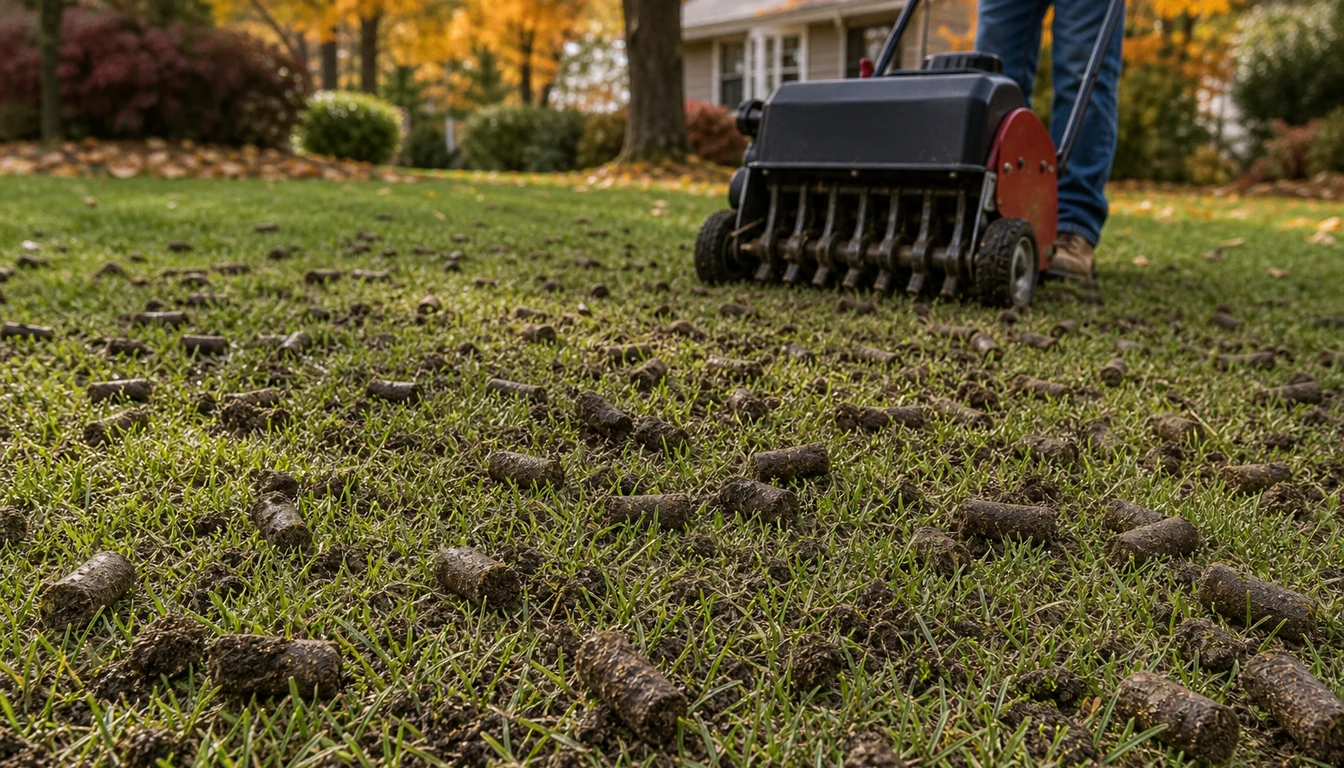
Core aeration makes a huge difference for Northeast clay and compacted soils. Pulling plugs before seeding creates pockets where seed and water sit instead of running off.
If you are unsure what your soil can support, a fall soil test guides lime and fertilizer choices better than guessing.
That pays off for cool season grasses like dense Kentucky bluegrass that want specific pH.
- Mow to 2 to 2.5 inches before overseeding
- Bag or rake to expose the soil surface
- Core aerate to pull 2 to 3 inch plugs across the yard
- Clear thatch chunks, sticks, and heavy leaf mats
Watering Schedule After Overseeding
Most Northeast overseeding fails from watering, not seed quality. New seed needs constant surface moisture, then deeper moisture once roots form.
Right after you spread seed and starter fertilizer, water until the top 0.5 inch of soil is evenly damp.
You want shiny, not puddled, soil. Standing water floats seed and leaves bare patches.
For the first 10 to 14 days, light and frequent is the goal. Aim for 2 to 3 short cycles daily if there is no soaking fall rain.
Early morning and midafternoon work well, skipping any time the surface is still wet.
Once most seed has sprouted and blades are 1 to 2 inches tall, switch to fewer, deeper waterings. That means every 2 to 3 days, putting down about 0.5 inch each time to train deeper roots.
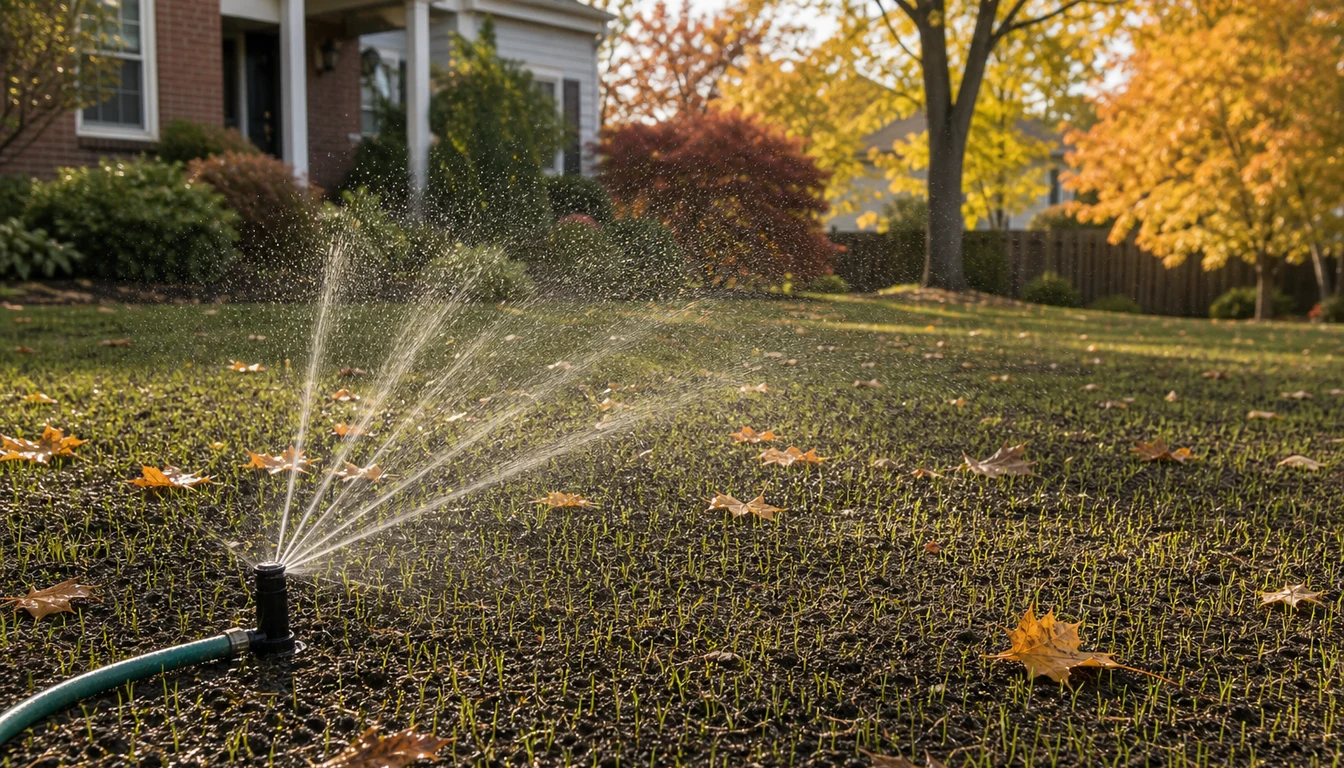
If you have irrigated beds nearby, you already know deep watering builds tougher roots on shrubs like evergreen boxwood hedges. Cool season turf acts the same way when you back off frequency and increase depth.
First Mows, Fertilizer, and Traffic After Seeding
New grass plants act fragile for the first few weeks, even though they look like a normal lawn from a distance. How you mow and feed during this time either thickens or thins the stand.
Wait to mow until most seedlings are around 3 to 3.5 inches tall.
Use a sharp blade and take off no more than one third of the height, just like you would with established turf.
Use a starter fertilizer at seeding time, then skip any heavy feeding for at least 4 to 6 weeks. Too much nitrogen right away stretches young blades and increases disease risk in damp fall weather.
Traffic matters too. Keep kids, pets, and wheelbarrows off heavily seeded areas until you have cut the new grass at least two times.
Seedlings that get crushed early never really catch up.
| Action | Rule |
|---|---|
| First mow timing | When seedlings reach 3 to 3.5 inches |
| Fertilizer plan | Starter at seeding, then delay heavier feeding |
| Traffic limit | No sports or heavy play for 4 to 6 weeks |
| Blade care | Sharpen mower to avoid tearing tender growth |
Fixing Bare Spots and Patchy Germination
Even with good timing, a Northeast overseed rarely comes in 100 percent perfect. Shaded corners, high spots, or dog routes often lag behind the rest.
Start by checking soil moisture in weak areas.
Dry, hard soil that sheds water instead of soaking it usually explains why those patches look different from the rest of the yard.
If you seeded right before a heavy storm, some seed may have washed into low spots or along sidewalks. That leaves stripes of thick grass next to bare streaks where the seed moved.
Lightly rake thin sections to loosen the top 0.25 inch of soil, then sprinkle more seed at the original rate.
Press it in with your feet or a roller, then restart the light watering cycle for another 7 to 10 days. Heavy shade under big trees may never match sunlit areas, just like shade perennials such as mature hosta clumps fill in slower than sun beds.
If only certain spots fail twice, consider whether grubs, dogs, or constant foot traffic are part of the story. The full overseeding process walks through pest checks and soil fixes if patches keep returning.
Advanced Tweaks for Busy Northeast Lawns
Once you have the basics down, a few advanced moves can squeeze more benefit out of each overseeding in the Northeast. These tricks matter most for lawns that see hard use or tricky weather swings.
Blend seed types for what your yard sees every week.
High traffic yards with kids and dogs often hold up better with mixes heavy on durable tall fescue clumps instead of only fine bladed species.
If summers keep getting hotter where you live, you can lean on drought tolerant cool season species. Some fine fescues handle dry spells better than classic bluegrass front yards that neighbors in older suburbs still love.
Timing overseeding with other work saves effort.
Aerate, dethatch if needed, then seed and follow up with the schedule in a broader calendar like year round lawn planning so tasks are spread out.
If you are also feeding shrubs and trees, match your lawn fertilizing to regional advice like seasonal shrub feeding timing so you are not overloading the yard with nitrogen at once. That keeps growth steady instead of soft and disease prone.
Pro Tips
- Use a soil thermometer, not your phone weather app, to decide the true overseeding window.
- Schedule fall overseeding 6–8 weeks before your local average hard frost date for best rooting.
- Core aerate compacted soil right before seeding so seed and water reach the root zone.
- Avoid overseeding within 4–6 weeks of most pre-emergent crabgrass treatments to prevent poor germination.
- Mow the lawn shorter than usual right before overseeding so seed falls to the soil surface.
- Water lightly two or three times a day at first, then shift to deeper, less frequent watering as seedlings grow.
- Choose cool-season mixes with tall fescue, Kentucky bluegrass, or fine fescue that match your zone and shade level.
- Skip heavy foot traffic for at least three weeks after overseeding to avoid crushing new sprouts.
Frequently Asked Questions
What month is best to overseed a lawn in the Northeast?
Most Northeast lawns do best with overseeding between early September and early October. Soil is still warm for fast germination, but nighttime air is cool, and fall rains help keep the seedbed evenly moist.
Can I overseed in the Northeast after a first light frost?
You can overseed after a light frost if soil temperatures are still near 55 to 60 degrees. If hard freezes are in the forecast within a couple weeks, hold off and plan a heavier overseed the following early fall instead.
Should I aerate every time I overseed in the Northeast?
Core aeration is not mandatory, but it greatly improves seed-to-soil contact on compacted or clay soils. If your yard sees regular traffic or you have heavy soil, aerating each fall overseed is worth the rental cost or service visit.
Do I need starter fertilizer when overseeding an existing lawn?
Starter fertilizer gives new seedlings an early boost, especially on soils that have not been fed recently. Use a product labeled for seeding, apply at the bag rate, and avoid overdoing nitrogen to reduce disease risk in cool, damp fall weather.
How short should I cut my grass before overseeding?
Drop your mower to about 2 to 2.5 inches for the final cut before overseeding, then bag the clippings. That exposes more soil surface, which improves seed contact without scalping and stressing the existing lawn.
Sources & References
Related Guides
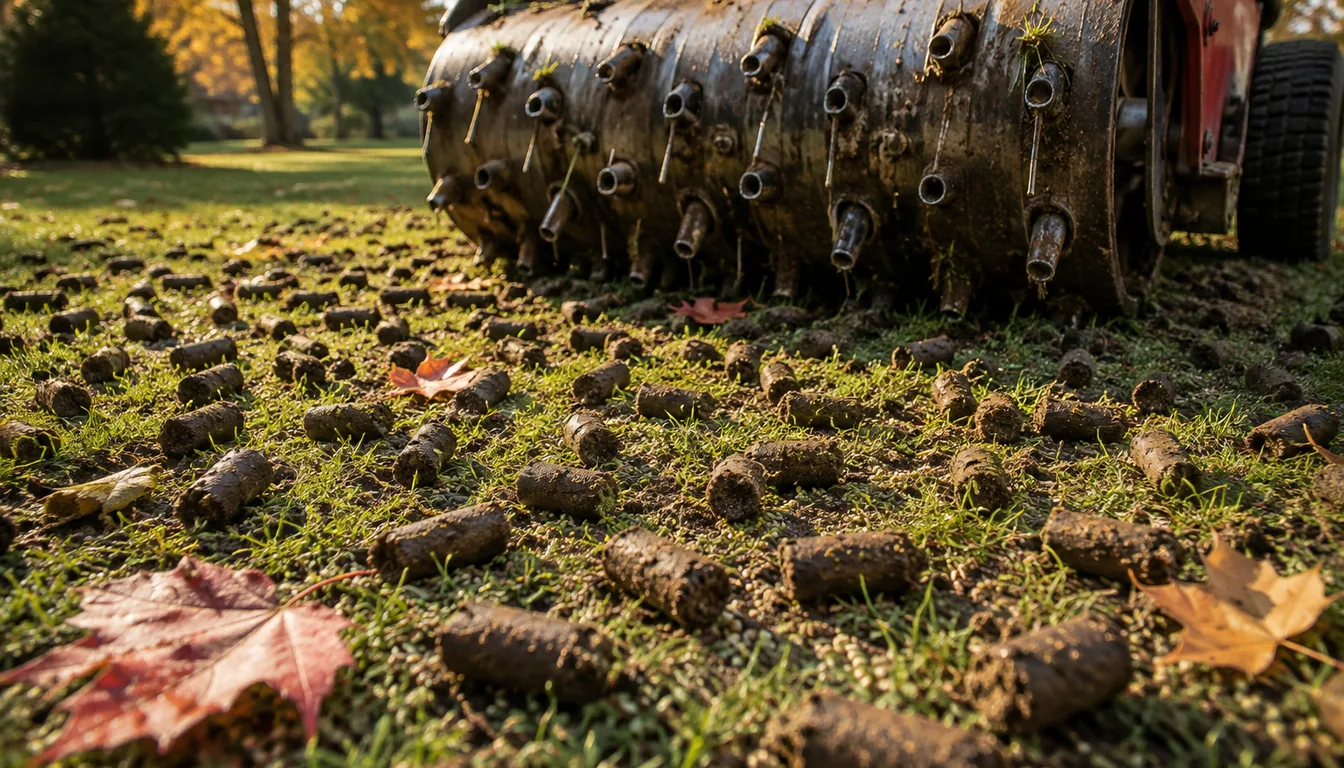
Best Time to Aerate and Overseed for a Thicker Lawn
Most lawns never reach their potential because aeration and overseeding happen at the wrong time.
11 min read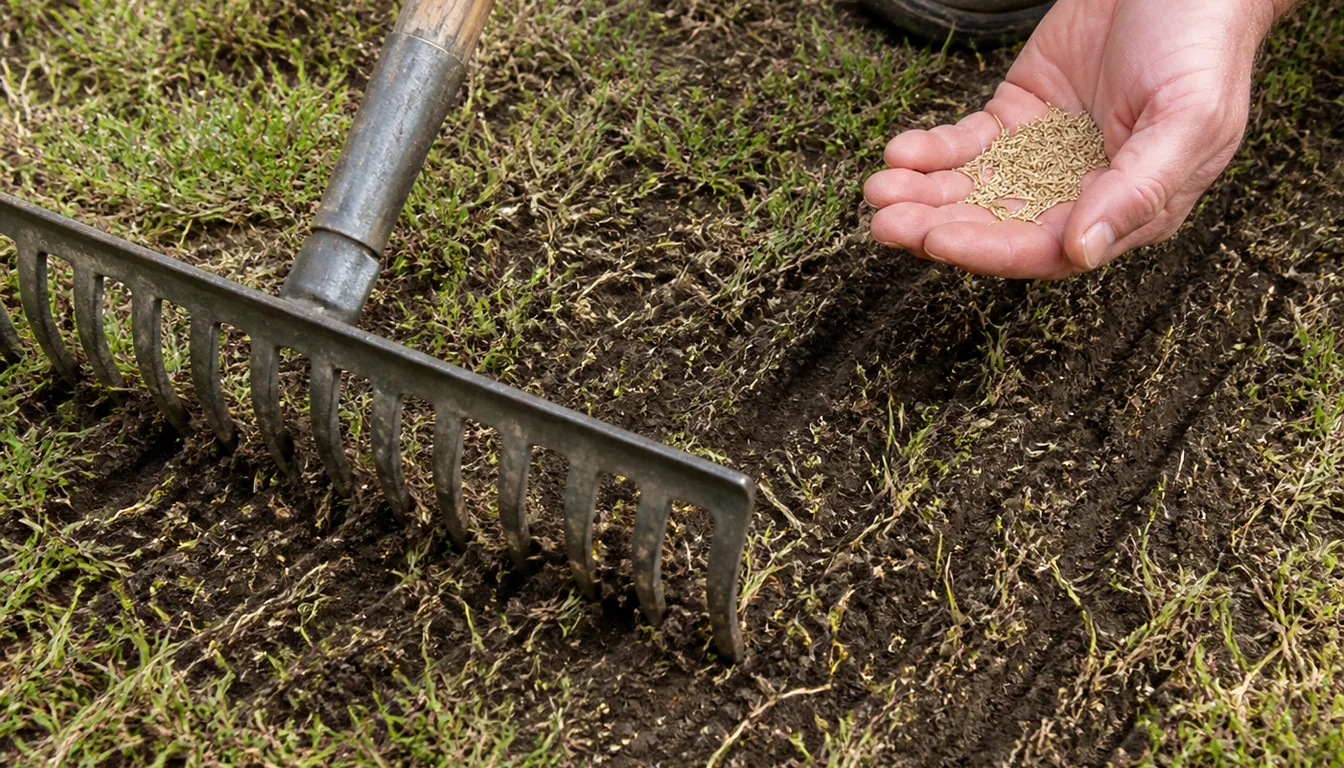
Can You Overseed a Lawn Without Aerating It First?
Thin turf and bare patches do not always mean you need to rent an aerator.
11 min read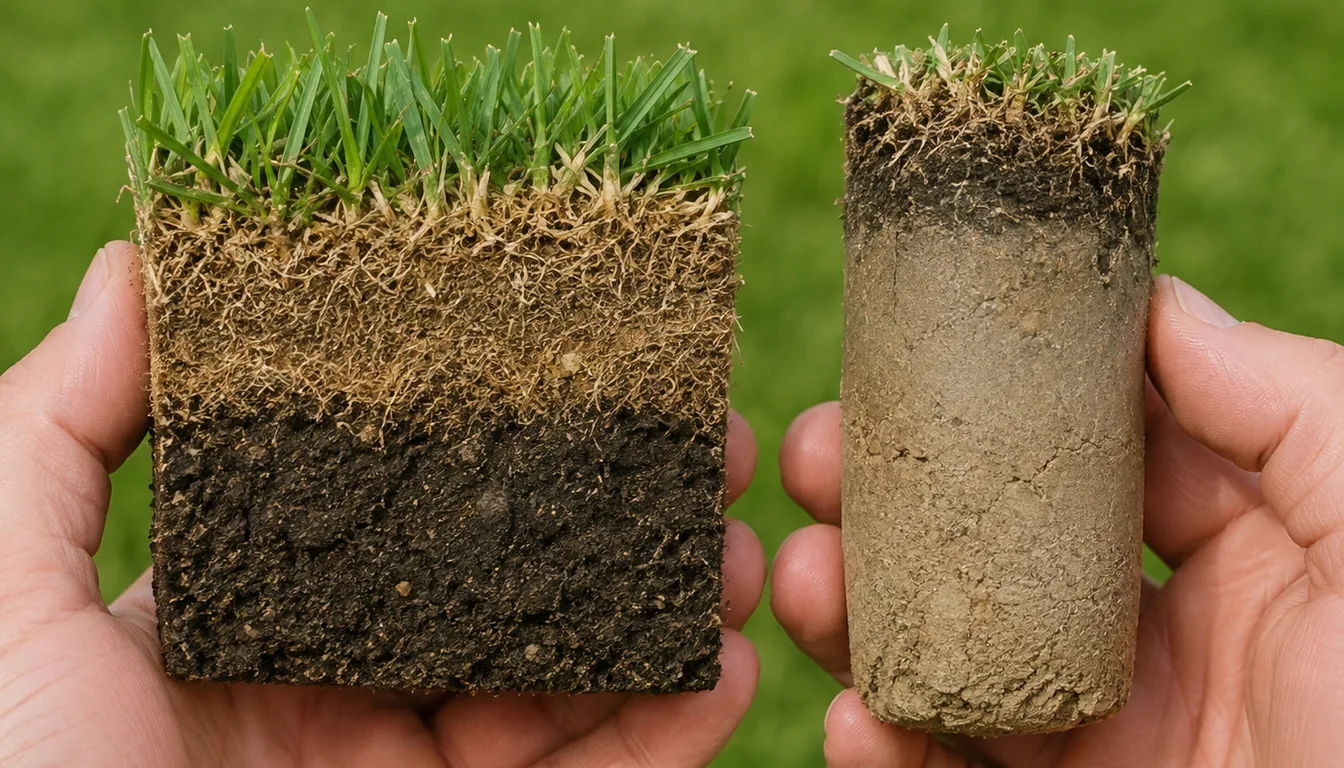
Dethatching vs Aerating: Which Does Your Lawn Need?
Choose dethatching when a measured layer of thatch has become excessive.
16 min read
How Long After Planting Grass Seed Can You Walk On It Safely
Most new lawns fail not from bad seed, but from feet, paws, and mower wheels showing up too soon…
11 min read
How to Fertilize a Lawn Without Burning It
Those yellow stripes and crispy patches after fertilizing are almost always user error, not bad…
14 min read
How to Find Frost Dates by ZIP Code and Use Them Safely
A ZIP-code frost date is a planning estimate from a nearby weather station, not a forecast for your…
15 min read