How to Find Frost Dates by ZIP Code and Use Them Safely
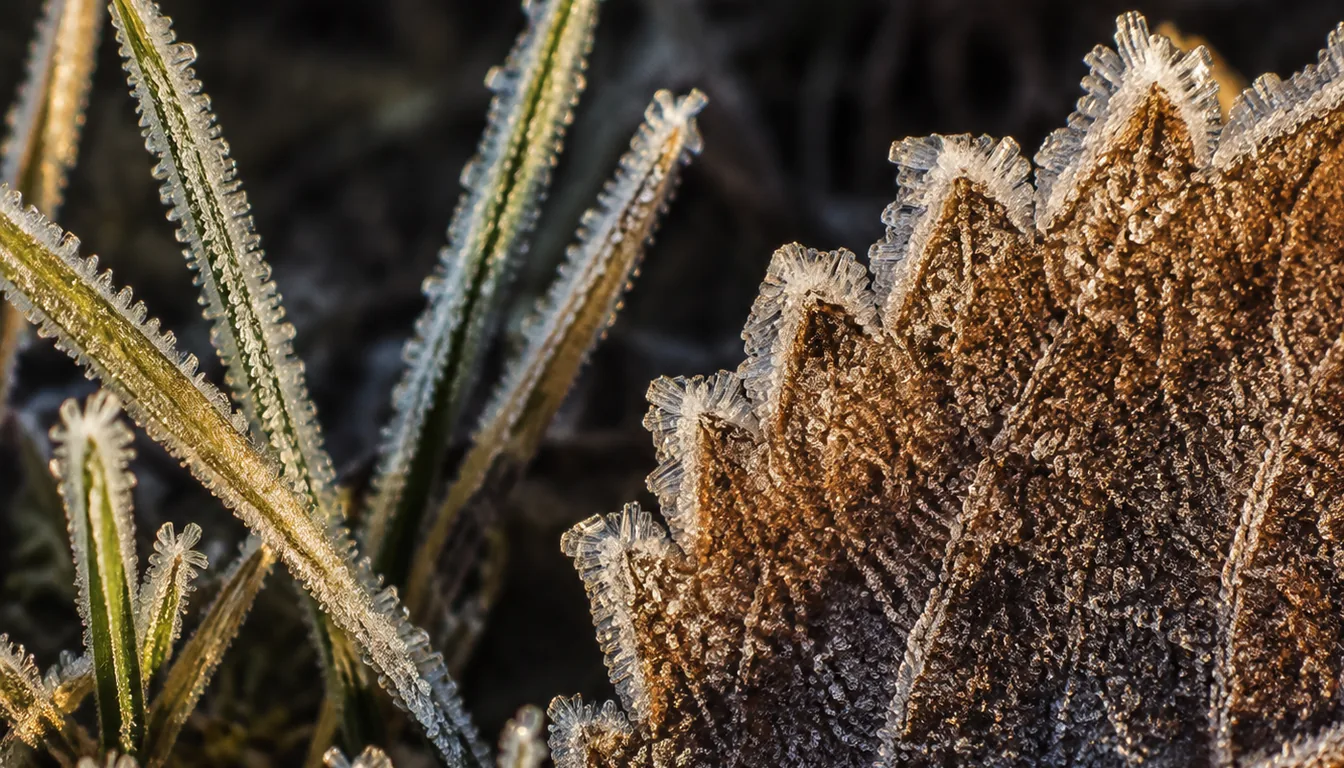
A ZIP-code frost date is a planning estimate from a nearby weather station, not a forecast for your yard.

Garden Guides / Lawn Care
Match mowing height, watering, fertilizer, aeration, and overseeding timing to your grass type, soil, and season.
Use the foundation first, then choose a narrower guide for your exact task.
These guides help you time lawn work to your grass type and soil temperature, and choose between jobs that are easy to confuse, such as dethatching and core aeration.
The lawn calendar sets each job by soil temperature instead of by month, because April in Georgia and April in Michigan are different seasons for grass. Feeding guides follow the same timing.
Dethatching removes a thick layer of stems and roots above the soil, while core aeration pulls plugs out of compacted soil. These guides tell the two apart, then time aeration by grass type and region.
Overseeding guides begin with whether seed is worth buying, then cover timing by region, seeding without an aerator, watering new seed, and when the new grass can take feet and the first mowing.
The remaining guides handle site problems, including grass weeds, St. Augustine grass thinning in partial shade, and a sloping yard that needs leveling.
20 matching guides
Search checks titles, introductions, and summaries inside this topic. Reading depth uses the listed minutes; sorting uses update date, title, or reading time.
A ZIP-code frost date is a planning estimate from a nearby weather station, not a forecast for your yard.
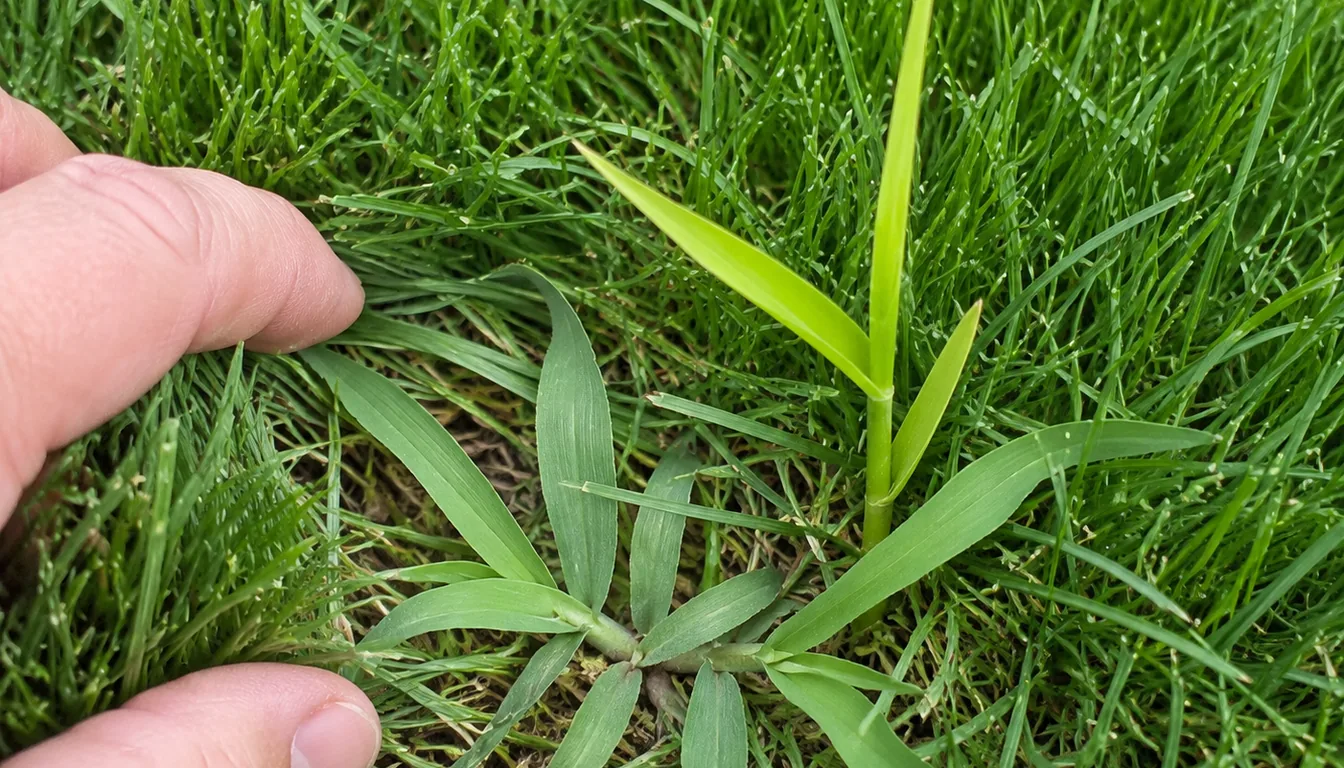
Misidentifying grass weeds leads straight to wasted herbicide and thin turf.
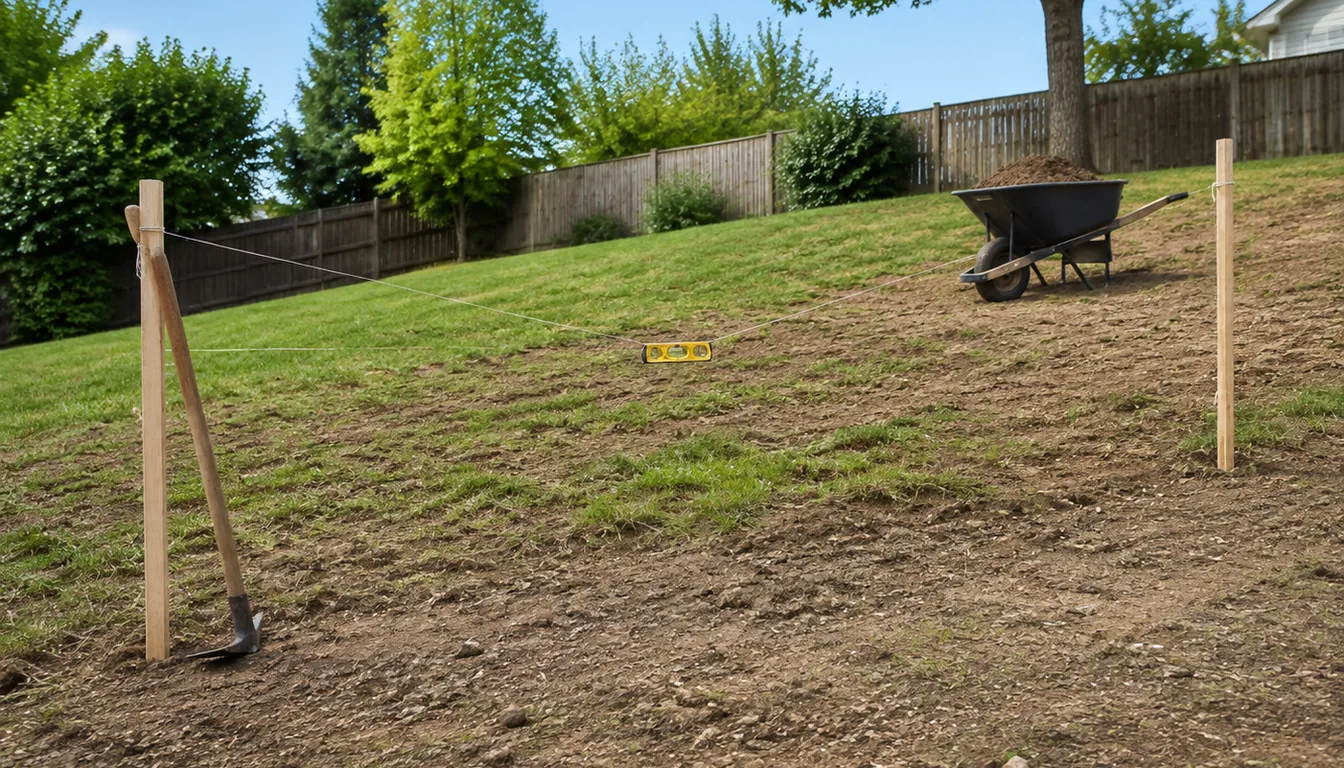
To level a sloping yard, flatten only the area you will actually use, cut soil from the high side to fill the low side, and keep at…
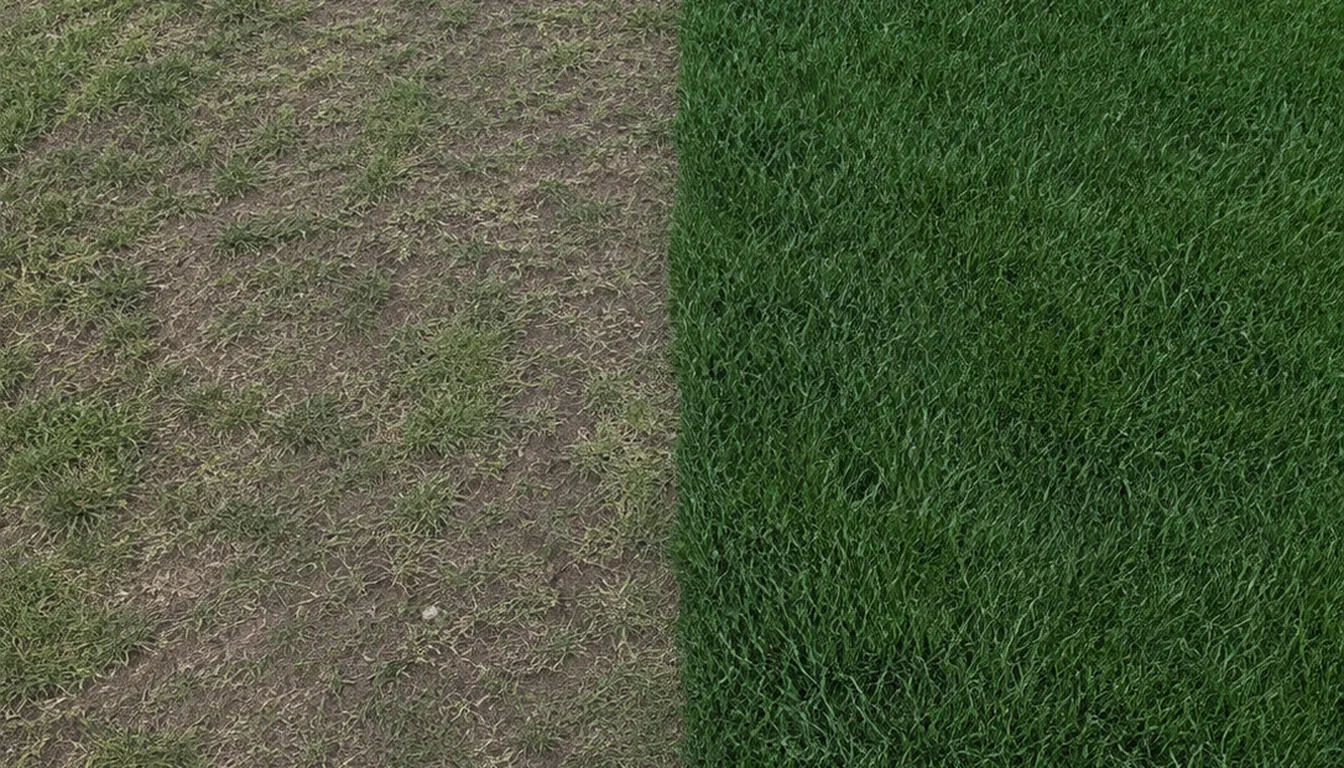
Thin, tired grass usually is not a mowing problem, it is a plant-count problem.
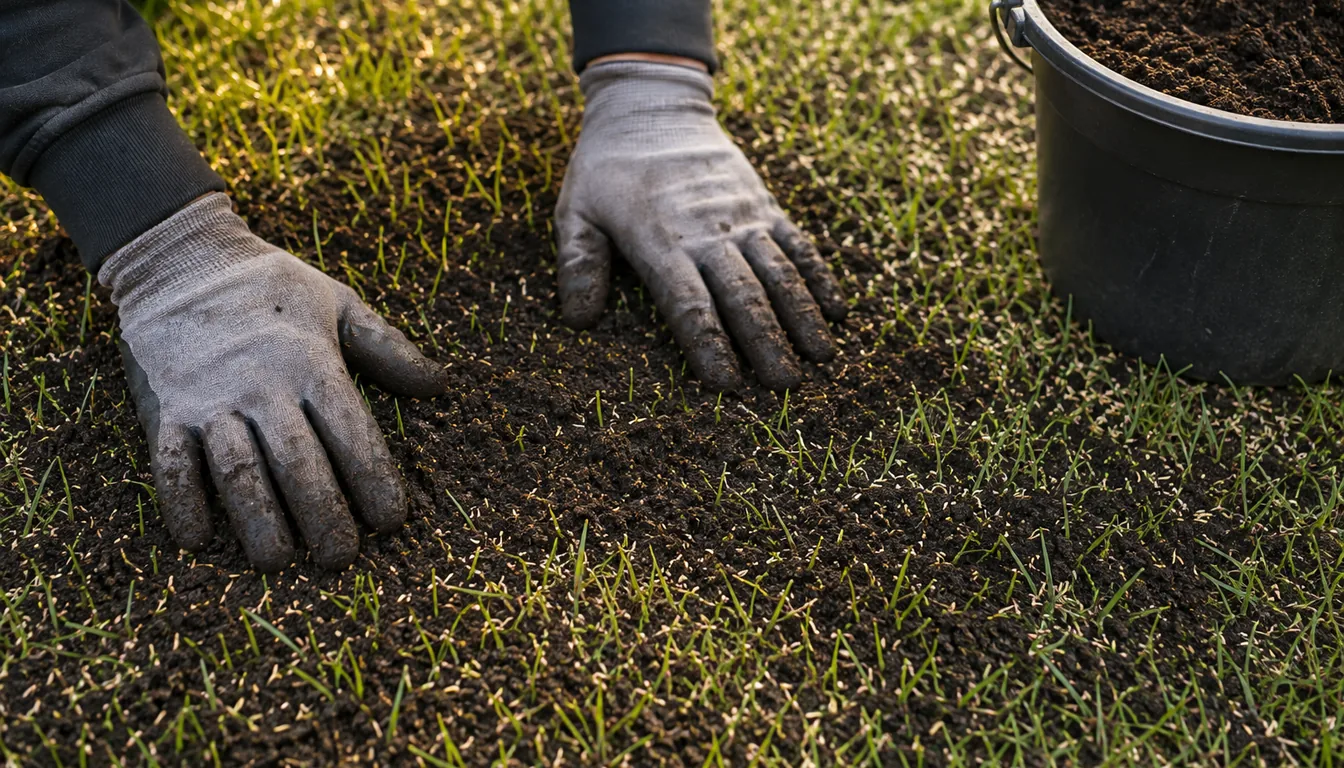
Overseeding is worth it when desirable grass still occupies much of the lawn, open soil can be exposed for seed contact, and you have…
St. Augustine can grow in partial shade, but the cultivar and the site determine whether it will stay dense.
Confirm whether the grass grows most strongly in cool or warm weather.
Use the grass type and current height to choose a safe mowing height.
Check moisture and compaction before adding water, seed, or fertilizer.