Peony vs Rose
Herbaceous peony gives a concentrated spring display. A repeat-blooming rose can extend the flower season, while a locally hardy shrub rose may need much less care than a tender hybrid tea.
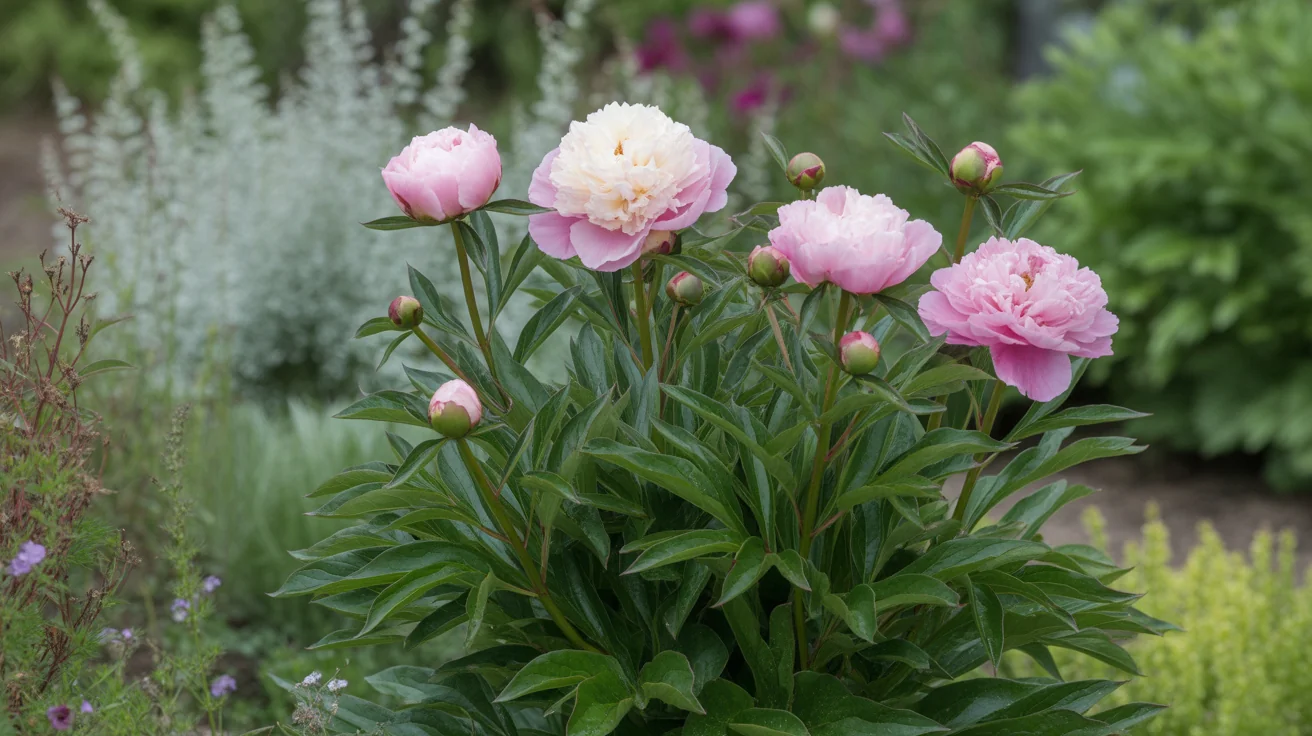
Peony
Paeonia lactiflora
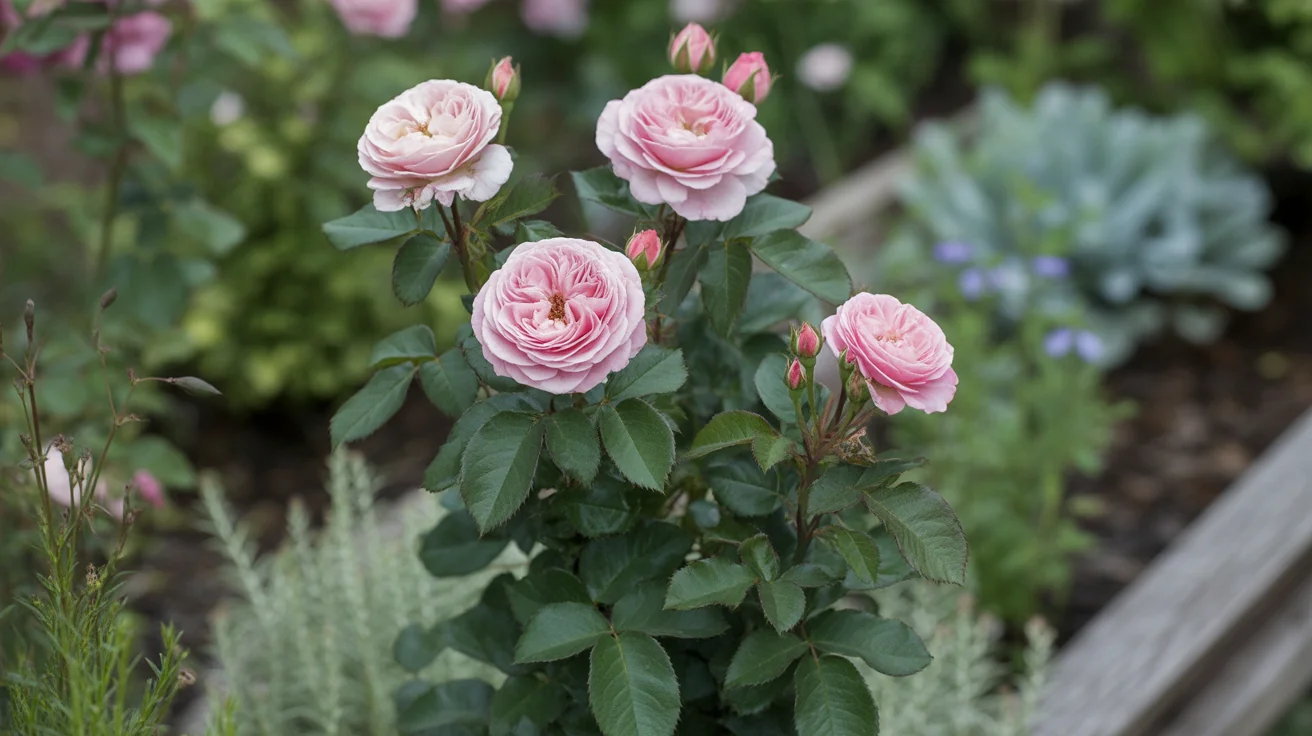
Rose
Rosa spp.
The useful distinction between peony and rose is the flowering season and the type of care, not a universal “easy versus difficult” ranking. This comparison concerns herbaceous garden peonies and garden roses. Tree peonies need different treatment.
Peony foliage can remain part of the border after its flowers finish. A repeat-blooming rose serves a different role, but some roses bloom only once, so the cultivar name matters before you buy.
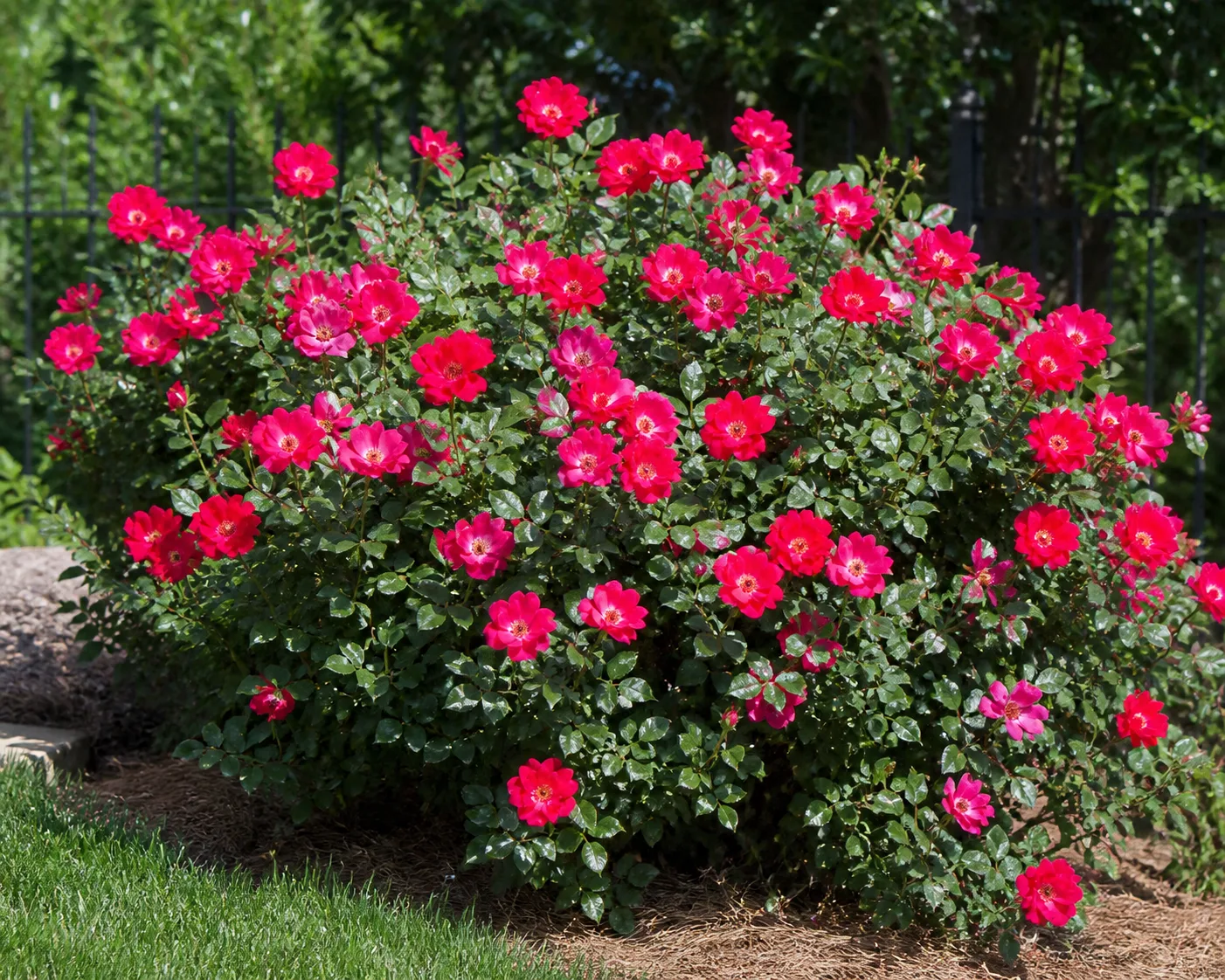
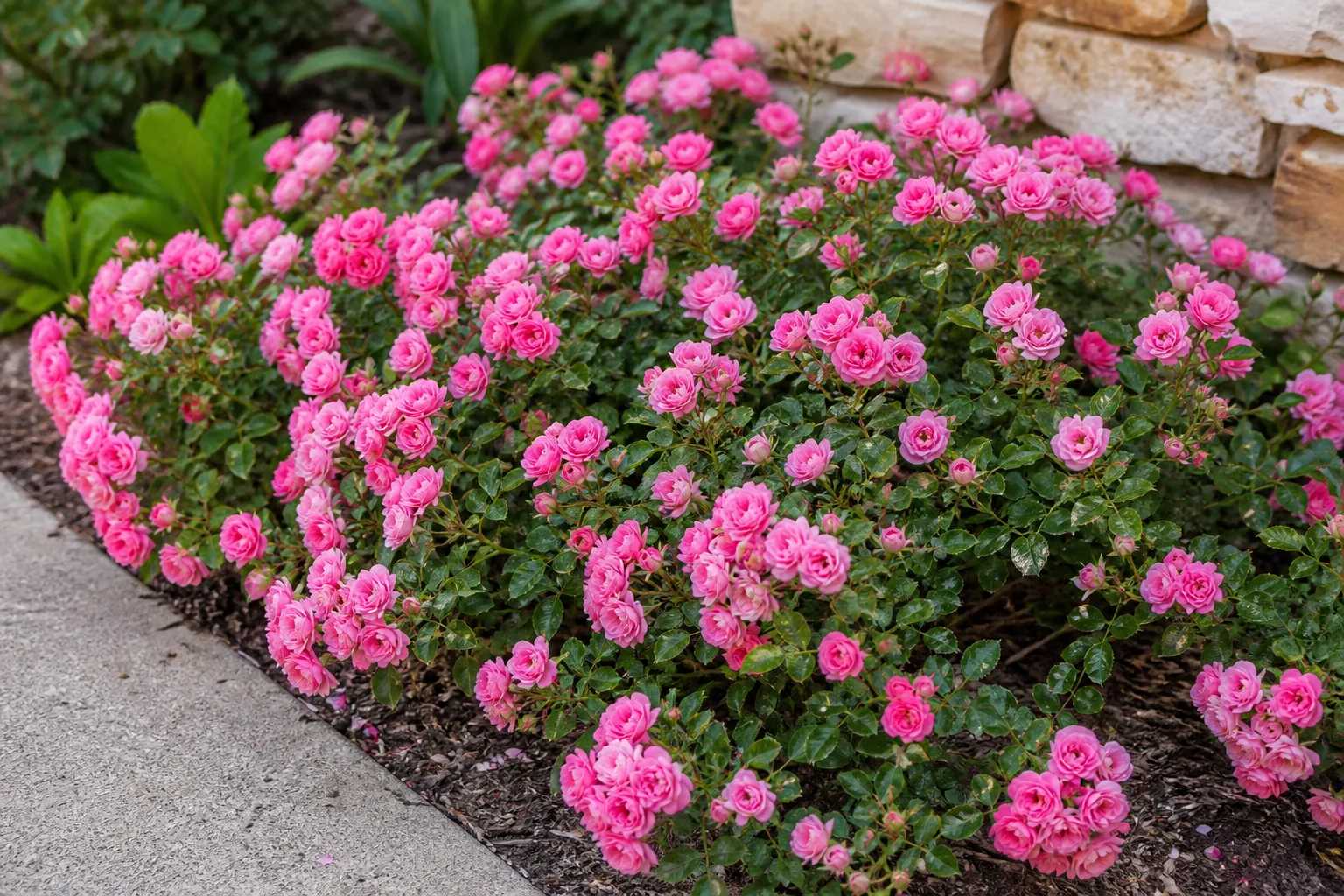
A cold-hardy, disease-resistant shrub rose can be a practical choice for a busy garden. A tender rose chosen for exhibition blooms brings a different commitment even though both carry the same common name.
Specifications
Compare the traits that change the growing decision.
| Feature | Peony | Rose |
|---|---|---|
| Family | Paeoniaceae | Rosaceae |
| Light (outdoors) | Full sun | Full sun |
| Bloom duration | A short spring burst | Repeat bloom on suitable cultivars; some roses flower once |
| Watering considerations | Moderate, deep | Moderate, regular |
| Growth habit | Herbaceous clump; mature width varies | Shrub or climber, depending on cultivar |
| Pet toxicity | Species-specific ingestion risk needs confirmation; not established as pet-safe here | ASPCA lists Rosa species non-toxic to dogs, cats, horses; thorns remain a hazard |
| Soil preference | Rich, well-drained | Fertile, well-drained |
Flowering habit and cultivar determine the strongest differences. The rose label covers too many forms for one pruning routine or hardiness range to be useful.
Cost & Value
Peony
- A healthy peony clump can remain in place for many years, without scheduled division or replacement.
- Large double flowers may need reusable supports; selecting lighter flower forms can reduce that job.
Rose
- A locally hardy, disease-resistant shrub rose can avoid some of the protection and treatment needs of a susceptible variety.
- Pruning, support, and winter protection depend on the rose type. No fixed minutes-per-plant or replacement age applies to the entire group.
Sustainability
Long-term care depends on the cultivar and site, not simply whether the label says peony or rose. A rose chosen for local disease resistance can require less intervention than a susceptible cultivar.
Repeat bloom and a short spring display serve different planting goals. Neither establishes a measured annual water-use advantage or a standard number of pesticide applications.
Best Use Cases
Choose by the job the planting needs to do.
Season-long color
Beds and borders
Herbaceous peonies provide a spring flowering period rather than repeated summer flushes. Their foliage can form a backdrop for later-flowering plants, so the bed need not depend on peony flowers for the entire season.
A repeat-blooming shrub rose can carry color later in the season alongside salvia. A once-flowering rose cannot fill that same role; bloom habit is a cultivar-level buying check.
Cut flower use
Vases and gifting
Peonies suit arrangements centered on their spring bloom. Flower form and fragrance vary, so choosing a named cultivar is more useful than assuming every peony produces the same cut stem.
Repeat-blooming roses offer additional cutting opportunities, but not a guaranteed weekly supply. Stem length, fragrance, weather, and the health of the plant determine what is available for a vase.
Cold climate yards
Zone 3–5 gardens
Herbaceous peonies are established choices for cold-climate gardens such as Iowa. Their seasonal dieback differs from damage to a woody rose cane, which makes winter care easier to compare when the plant type is clear.
University of Minnesota rose breeding includes cultivars selected for severe winters. Hardy shrub roses and tender hybrid teas should not share a single winter-survival rating or protection routine.
Maintenance load
Pruning and care
Heavy double peony flowers may need supports; lighter flower forms are less likely to flop. Fall foliage cleanup helps manage disease, and a healthy clump does not need division on a fixed schedule.
Rose pruning follows the type and flowering habit. Routine spraying is not an unavoidable cost: local disease resistance and the actual problem determine whether treatment is needed.
Small space planting
Tight beds or pots
A mature garden peony may spread wider than its height suggests; Iowa State describes clumps reaching 3–5 feet across. Leaving room at planting is preferable to repeatedly moving a plant that could remain undisturbed.
Roses include compact shrubs and large climbers, so the mature size on the cultivar label matters. A container adds watering and winter-root protection needs even when the aboveground plant fits the space.