Knock Out Rose vs Drift Rose
The original Knock Out suits a shrub-sized space, while Drift roses spread across the front of a bed. Petite Knock Out is an important exception to that size contrast. The exact cultivar, available width and access for care matter more than choosing a brand as the universal winner.
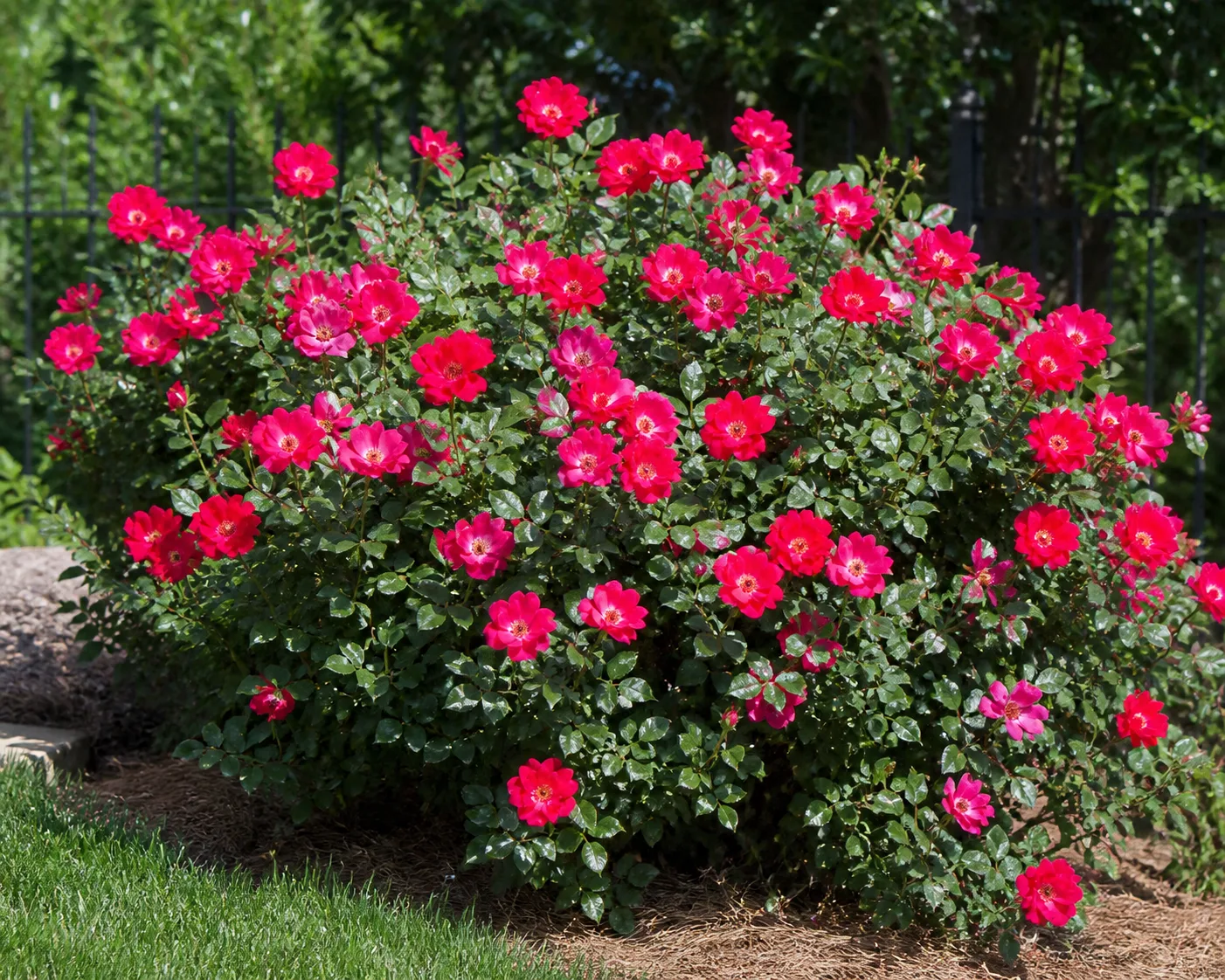
Knock Out Rose
Rosa cultivars in the Knock Out family
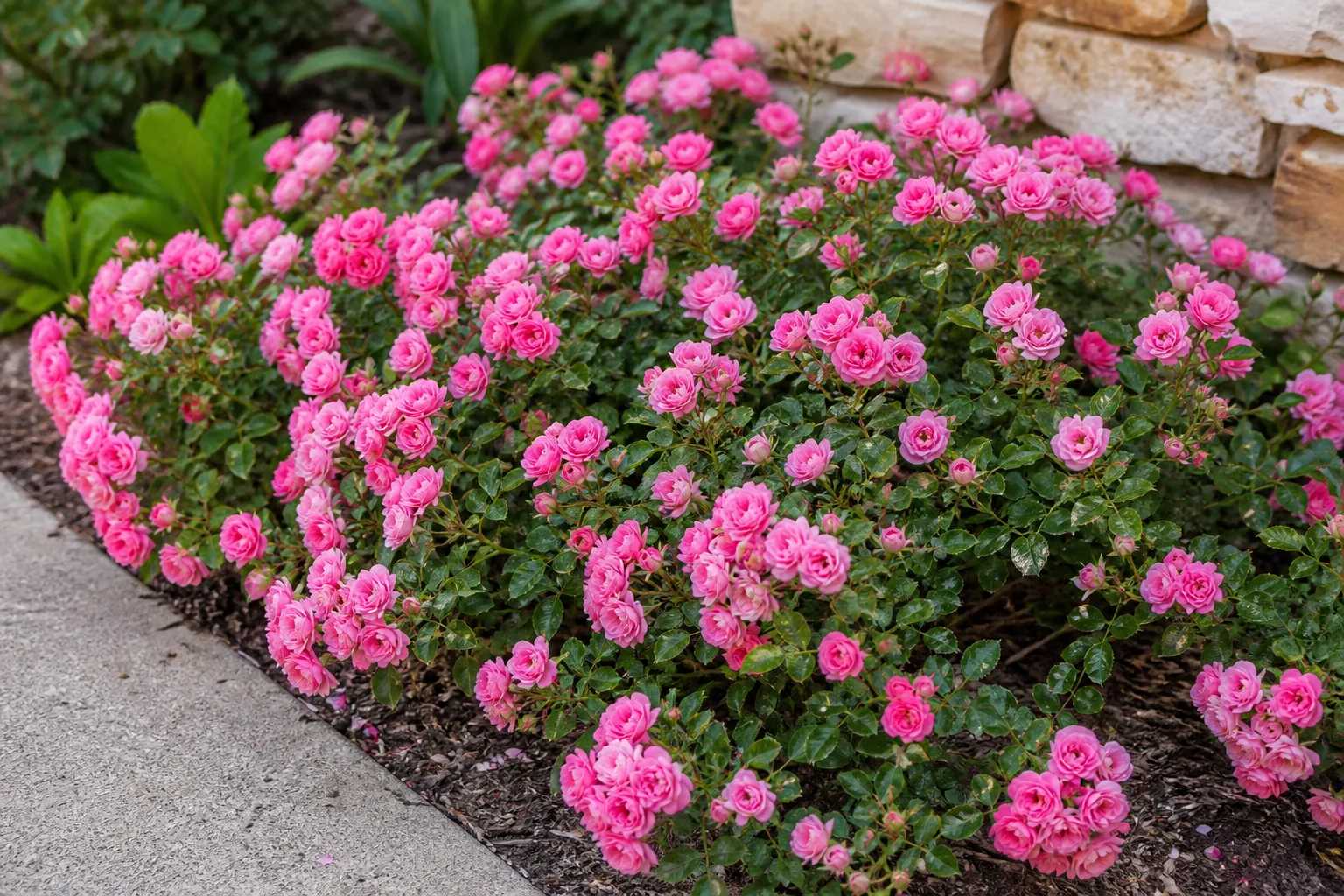
Drift Rose
Rosa cultivars in the Drift series
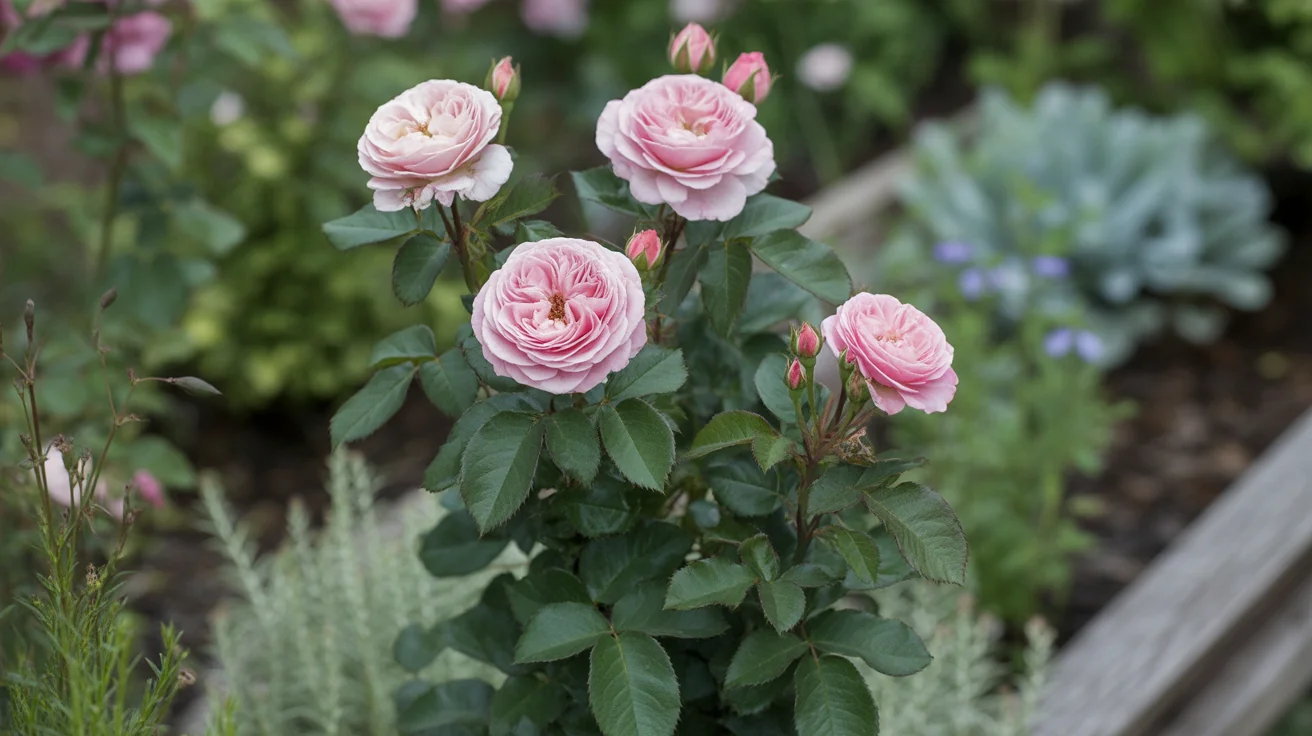
Both families offer repeat-flowering landscape roses, but their names cover more than one plant. The original Knock Out, ‘Radrazz’, is listed by its producer at an average 3–4 feet tall and wide. Pink Drift, ‘Meijocos’, is listed around 1½ feet tall and 3 feet wide, giving a lower outline without eliminating the need for growing room.
These dimensions explain the main placement difference. A shrub rose can provide height behind lower plants, while a spreading rose can keep a view open above the bed. A low plant can still reach across a walkway, and a compact rose in a pot still needs water and winter protection appropriate to the climate.
Specifications
Compare the named selections by the traits that matter in your garden.
| Feature | Knock Out Rose | Drift Rose |
|---|---|---|
| Reference cultivar size | Original ‘Radrazz’, average 3–4 feet tall and wide | Pink Drift ‘Meijocos’, about 1½ feet tall and 3 feet wide |
| Important exception | Petite Knock Out is listed at about 18 inches tall | Drift cultivars differ in flower color and form |
| Typical placement | Shrub layer or flowering hedge for the original type | Low bed front or spreading mound |
| Repeat bloom | Spent-flower removal is optional | Spent-flower removal is optional |
| Container use | Possible with room for the selected cultivar | Compact height suits pots, with adequate root space |
| Disease resistance | Does not mean immunity to every rose disease | Does not mean immunity to every rose disease |
Best Use Cases
Choose by the job the planting needs to do.
A flowering shrub behind a border
A 3–4-foot plant can supply the middle layer of a bed. Its width also needs room, so a narrow strip beside paving is a poor place to rely on repeated hard pruning.
A named compact selection is more useful than a promise that any rose can be kept small.
A low edge or a patio container
Drift supplies a spreading shape, while Petite Knock Out offers a small bushy option. These are closer alternatives than a full-sized Knock Out and a Drift rose.
The lower height keeps sight lines open, but prickly stems still need clearance from seating, paths and places where children play.
The miniature Knock Out changes the small-space choice
Petite Knock Out, ‘Meibenbino’, is listed by the producer at about 18 inches tall. It therefore overlaps Drift in height rather than behaving like the original shrub-sized Knock Out. Buying by the large family label alone can obscure that distinction.
Drift’s low height and spreading width answer different questions. Height determines what the planting hides, while width determines whether it crosses an edge or crowds a neighbor. Pink Drift’s listed 3-foot width is a reminder that “groundcover” does not mean a plant stays inside a thin strip.
For a row, spacing depends on the mature width of the actual cultivar and whether the goal is separate shrubs or a joined planting. The needed plant count follows that layout. Price per pot alone cannot establish which complete bed costs less, and neither family comes with a guaranteed time to fill the gaps.
Repeat flowers still depend on the growing conditions
The producers recommend roughly 6–8 hours of full sun for these roses. UF/IFAS gives Drift a minimum of six hours. A shaded bed that produces weak growth or few flowers is not made suitable by switching between two sun-loving rose families.
Both repeat without mandatory deadheading. Removing faded blooms can tidy the display, but repeat flowering arrives in flushes rather than an identical number of open flowers every day. A short lull after a flush does not by itself show that the rose needs more fertilizer.
Both families can grow in containers. A pot limits the rooting volume and dries faster than an in-ground bed, so the compact top does not remove the need to monitor moisture. Drainage holes and a container potting mix are part of a workable setup, rather than treating garden soil and a decorative closed pot as equivalent.
A cultivar’s in-ground winter rating also does not guarantee survival in an exposed container. Roots in a pot experience different protection from cold than roots in the ground. The producer’s winter advice includes sheltered storage for container roses in cold climates, with checks that the root ball does not dry completely.
Lower maintenance still includes pruning and observation
The Knock Out producer separates pruning advice for its larger shrubs from advice for Petite. That distinction matters because cutting every rose to the same height ignores the plant’s intended scale. Local seasonal growth and damaged canes also matter more than copying a calendar date from a different climate.
Pruning to manage the shrub and deadheading to remove a spent flower are separate jobs. A rose can rebloom without deadheading while still developing a damaged, crossing or badly placed cane that needs attention. “Self-cleaning” is not a promise that a planting never needs inspection.
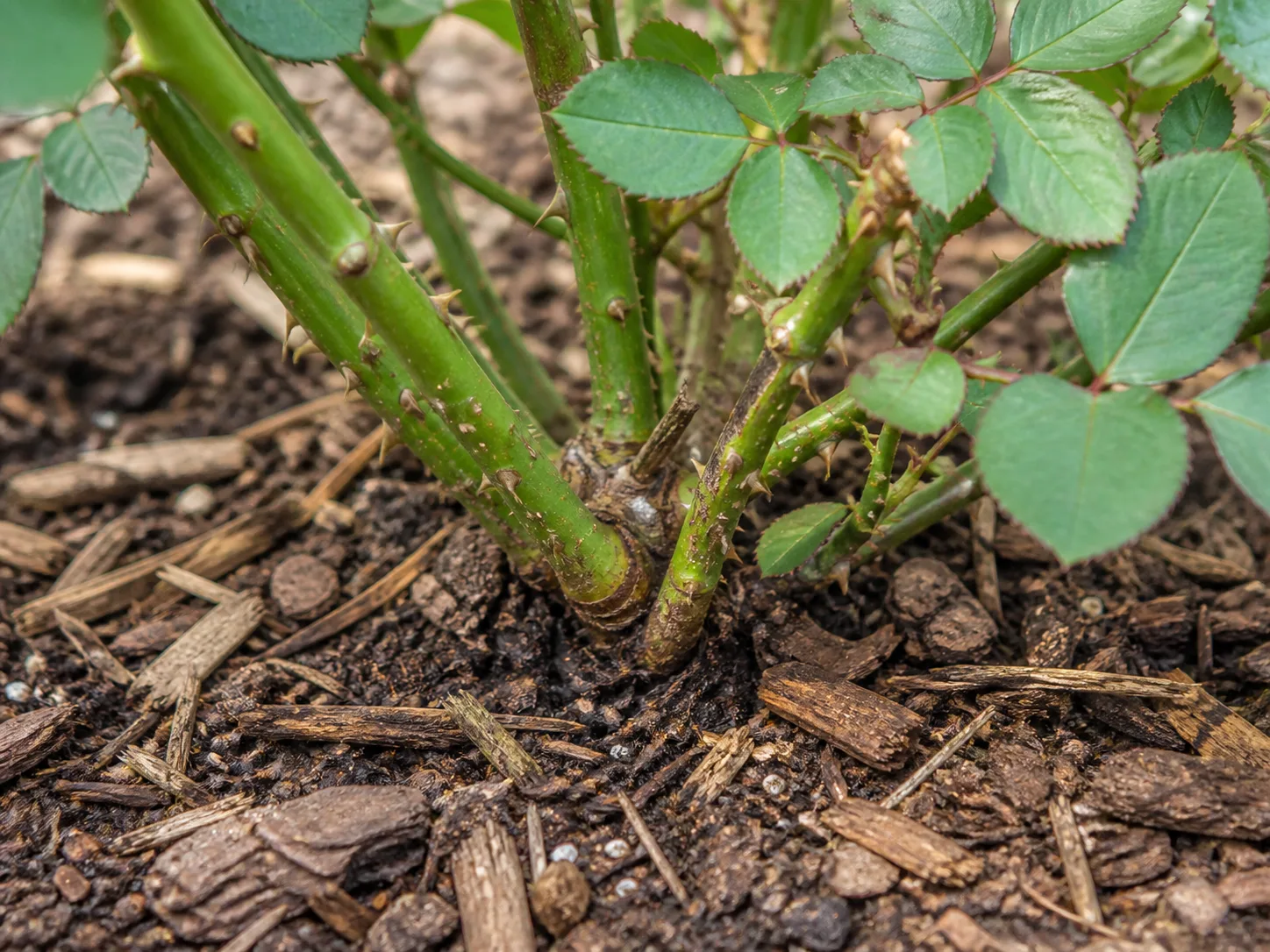
Young plants need water while roots establish. Once established, watering still follows the soil, rainfall and container conditions rather than a fixed weekly comparison score. UF/IFAS advises keeping mulch away from the top of the rose’s root ball, and a clear view of the cane bases also makes inspection easier.
Disease resistance is not a guarantee against rose rosette
Good resistance to black spot or other fungal diseases is useful, but it does not establish resistance to an unrelated virus. UF/IFAS also notes that Drift roses can have problems such as Cercospora leaf spot and chilli thrips. Symptoms need their own explanation rather than the assumption that a branded rose cannot become sick.
Rose rosette disease can affect cultivated roses. Maryland Extension describes a combination of unusually congested growth, distorted leaves, abnormal prickles and malformed flowers. Red new growth alone does not diagnose it.
The disease is systemic, so cutting off a visibly affected shoot does not remove an established infection. Where rose rosette has been confirmed, changing from Knock Out to Drift is not a reliable solution to the exposure problem. A non-rose replacement may be more appropriate after diagnosis and assessment of nearby infection sources.
This also changes the cost discussion. A low purchase price or a claim of less spraying cannot account for every disease scenario. The useful comparison is the plant’s fit for the site and known local pressures, without inventing lifetime savings.
A lower rose is not automatically safer beside a path
Both groups have prickly stems. Keeping the prickles closer to the ground does not prove fewer injuries, particularly where a child reaches into a bed or a pet pushes through the planting. Clearance depends on the plant’s spread and how people use that space.
ASPCA lists Rosa species as non-toxic to dogs, cats and horses. That classification concerns plant toxicity. It does not remove the physical hazard from prickles, make treated foliage edible or establish the safety of products applied to the plant.