Tomato vs Bell Pepper
Tomatoes suit meals built around juicy fruit or sauce. Bell peppers suit sweet, crisp pieces or stuffing. Available support, the chosen variety, and time for fruit to ripen matter more than a blanket yield ranking.
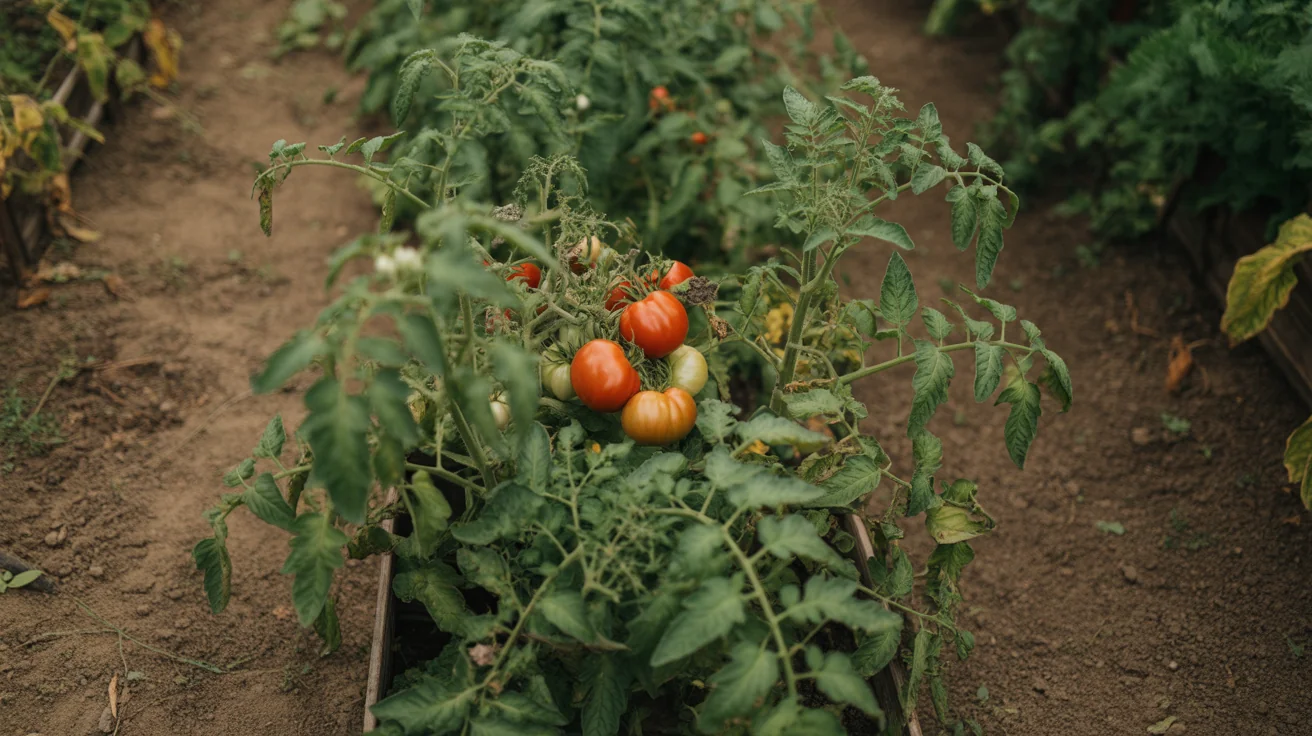
Tomato
Solanum lycopersicum
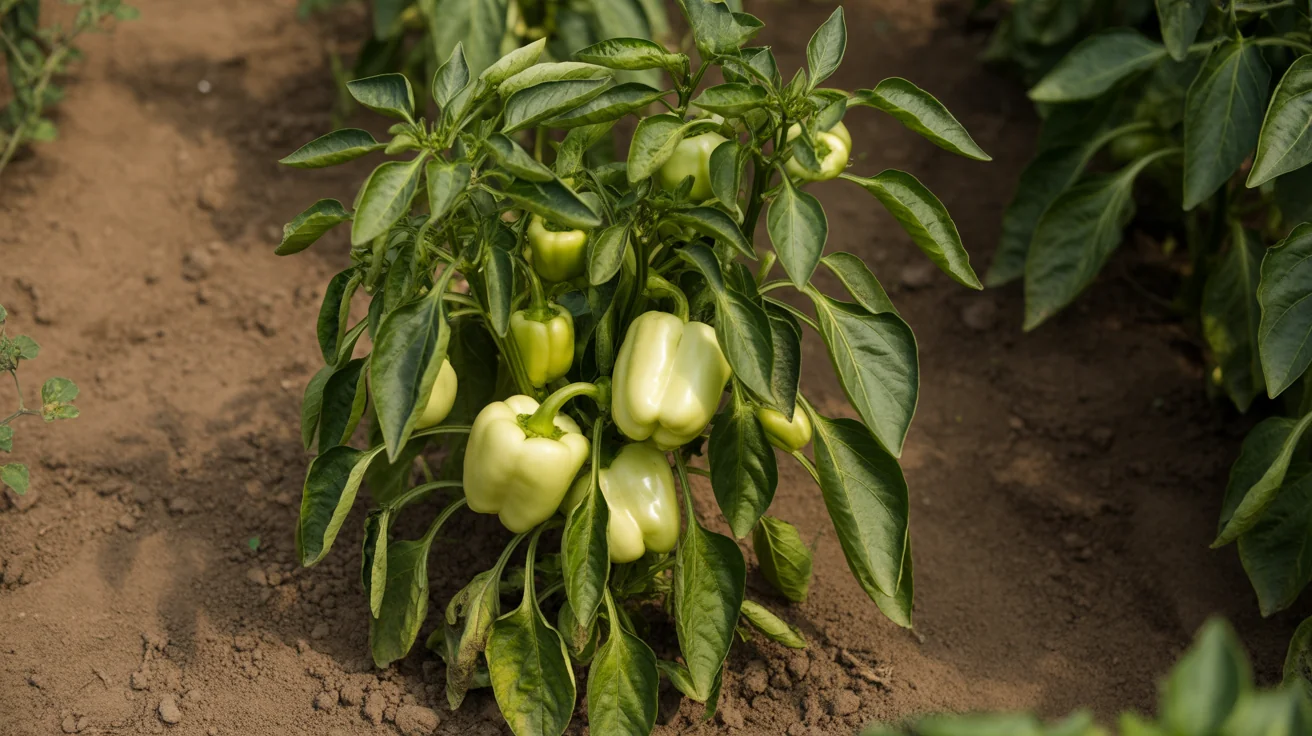
Bell Pepper
Capsicum annuum
Tomatoes and bell peppers both compete for a sunny, frost-free growing space, but they supply different ingredients. A sauce-centered kitchen has a clear reason to prioritize tomatoes, while regular use of sweet peppers can justify giving peppers that space.
The crop name alone does not settle size or harvest timing. Tomatoes include compact plants and tall vines, and bell peppers can be picked green or left longer to reach their mature color. Those choices change what fits the garden and when it becomes useful.
This comparison is for outdoor vegetable beds and containers. It weighs the space and season each crop needs without assuming that one plant will supply a household or outperform the other in every climate.
Specifications
Compare the traits that change the growing decision.
| Feature | Tomato | Bell Pepper |
|---|---|---|
| Primary kitchen use | Juicy fresh fruit, sauce, or paste according to type | Sweet flesh for fresh pieces, cooking, or stuffing |
| Outdoor site | Full sun and well-drained soil | Full sun and well-drained soil |
| Plant shape | Compact or vining, depending on cultivar | Usually a branching bush |
| Harvest decision | Variety and ripeness suited to the intended use | Full-size green fruit or later mature color |
| Support planning | Match cage or trellis to the growth habit | Support branches when plant size and fruit load require it |
| High heat | Fruit set can be interrupted | Flowers can drop and exposed fruit can sunscald |
Steady soil moisture supports fruit quality in both crops. Rain, soil texture, plant size, and container exposure determine when watering is needed, so a fixed weekly timetable is a poor way to separate them.
A mixed planting can provide both ingredients if each plant has enough space. Where space is tight, the vegetable garden planning guide helps turn mature size and access into a workable bed rather than squeezing in an extra plant.
Best Use Cases
Choose by the job the planting needs to do.
Meals you actually cook
Ingredient before plant count
Tomatoes provide the body of tomato sauces and a juicy ingredient for salads or sandwiches. Paste, cherry, and slicing varieties serve different uses, so the best tomato for a large sauce batch may not be the one you most enjoy fresh.
Bell peppers provide sweet flesh for strips, roasting, stuffing, and mixed dishes. Neither fruit count nor a generic pounds-per-plant estimate says which ingredient you will use more. A short list of regular meals is a better basis for splitting a small bed.
A container or narrow bed
Cultivar size and support
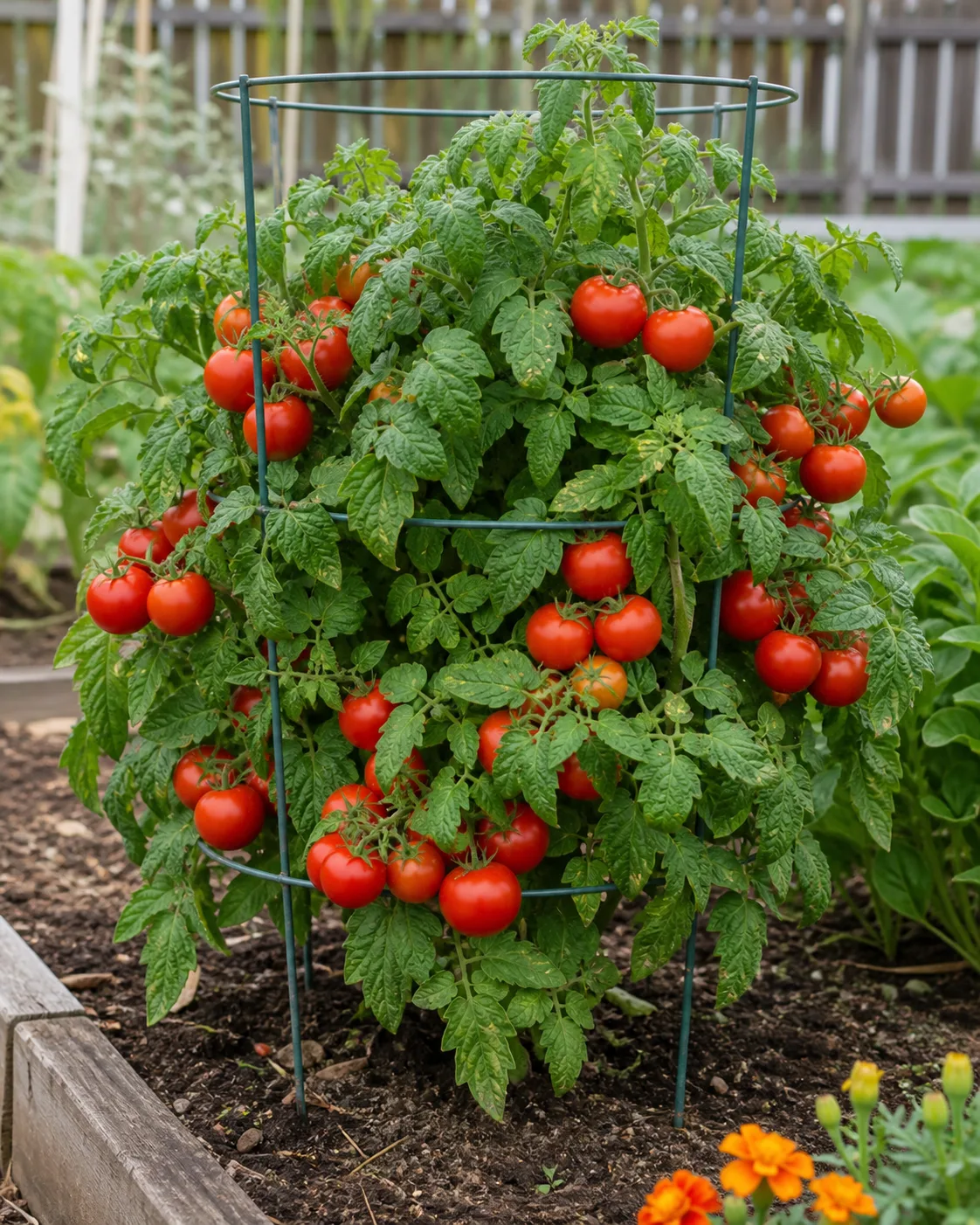
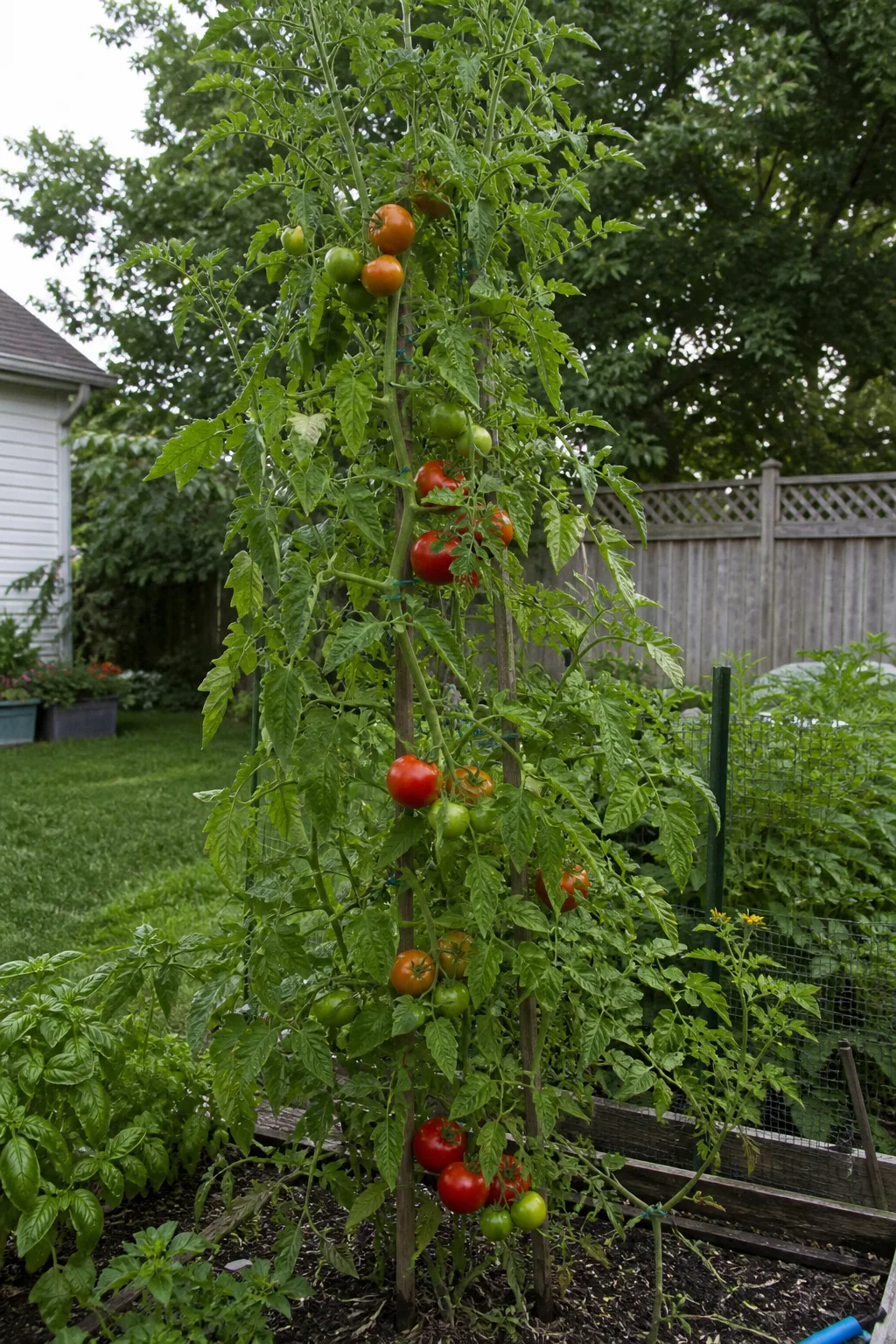
A tall indeterminate tomato needs room for its support and access for tying and picking. A compact tomato changes that comparison. The difference between tomato growth habits matters more than treating all tomatoes as sprawling vines.
A bell pepper usually has a bushier outline, but its mature spread and a fruit-laden branch still need room. A container has to accommodate the selected plant and stay watered through hot weather. A small pot that fits neatly today can become difficult to manage once roots and fruit develop.
Hot weather and fruit set
Warmth has an upper limit
Tomatoes need warmth, yet adverse temperatures can interrupt fruit production. Existing green fruit and new flowers respond at different stages, so a plant with no new fruit during a heat spell has not necessarily stopped for the entire season.
Bell peppers can also drop flowers in hot weather. Utah State identifies hot days as one cause, and Minnesota notes that hot days with hot nights reduce production. That rules out a general promise that peppers will keep setting fruit whenever tomatoes stop.
A short usable season
Green harvest versus fully colored fruit
Days to maturity describe a variety under suitable conditions, not every tomato. An early cultivar can be useful when the season is limited, but determinate versus indeterminate is a separate trait from how soon the first fruit ripens.
A full-size green bell pepper is already a usable harvest. Waiting for its mature red, yellow, or other color takes longer, so a gardener satisfied with green peppers faces a different deadline from one wanting only fully colored fruit.
Sources & References
- University of Minnesota Extension: Growing tomatoes in home gardens
- University of Minnesota Extension: Growing peppers in home gardens
- Utah State University Extension: How to Grow Peppers in Your Garden
- NC State Extension: Growing Tomatoes in the Home Garden
- University of Minnesota Extension: Trellises and cages to support garden vegetables
Related Comparisons
Determinate vs Indeterminate Tomatoes: Which Fits Your Bed
Read Comparison
Bell Pepper vs Jalapeno: Sweet Heat Comparison
Read Comparison
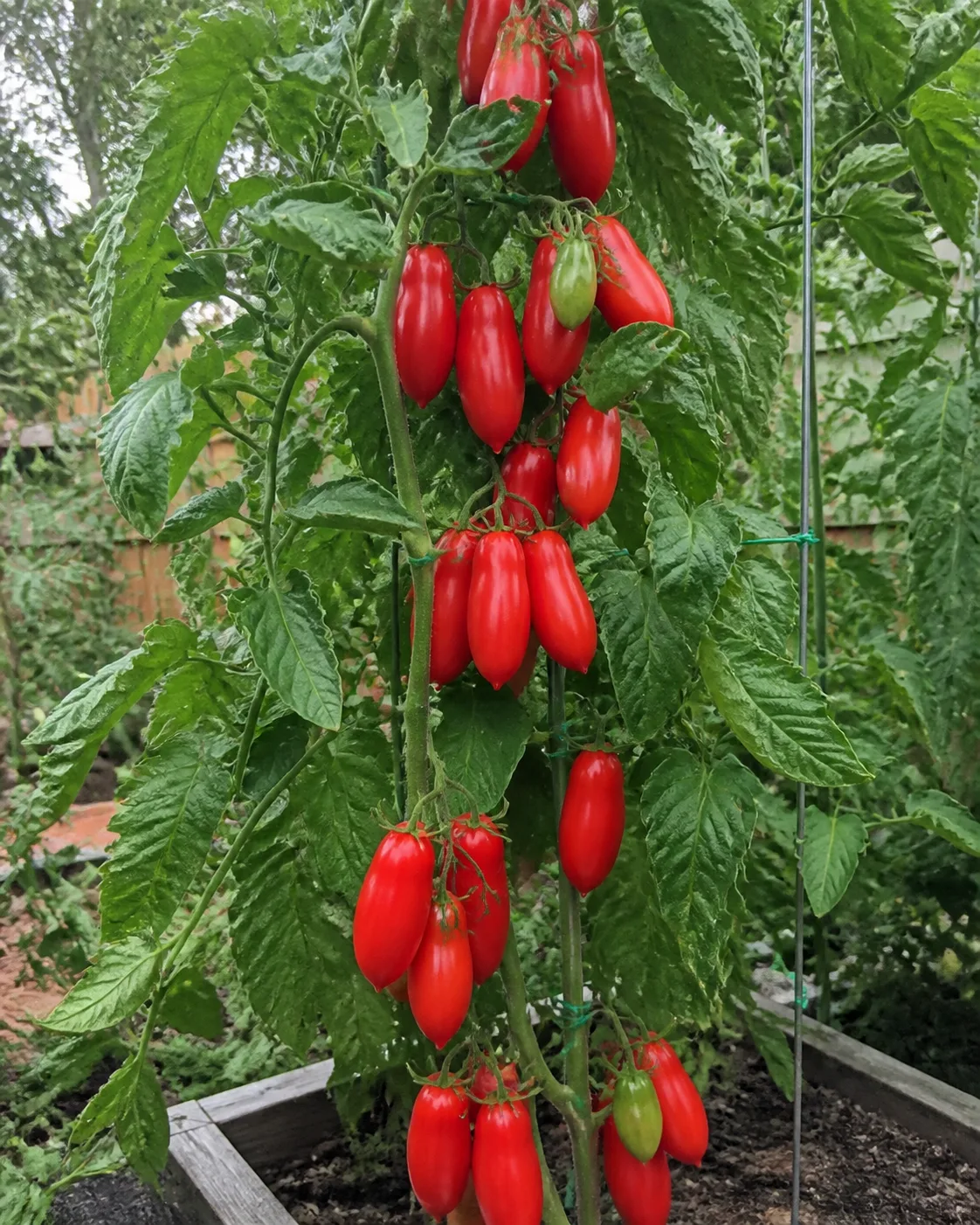
Tomato Roma vs San Marzano: Best for Sauce
Read Comparison