Organic Fertilizer vs Synthetic Fertilizer
Neither fertilizer category is automatically better. Match the nutrient analysis, release behavior, rate, timing, and placement to a soil test or a documented plant need.
Organic Fertilizer
Plant, animal, or mined nutrient sources
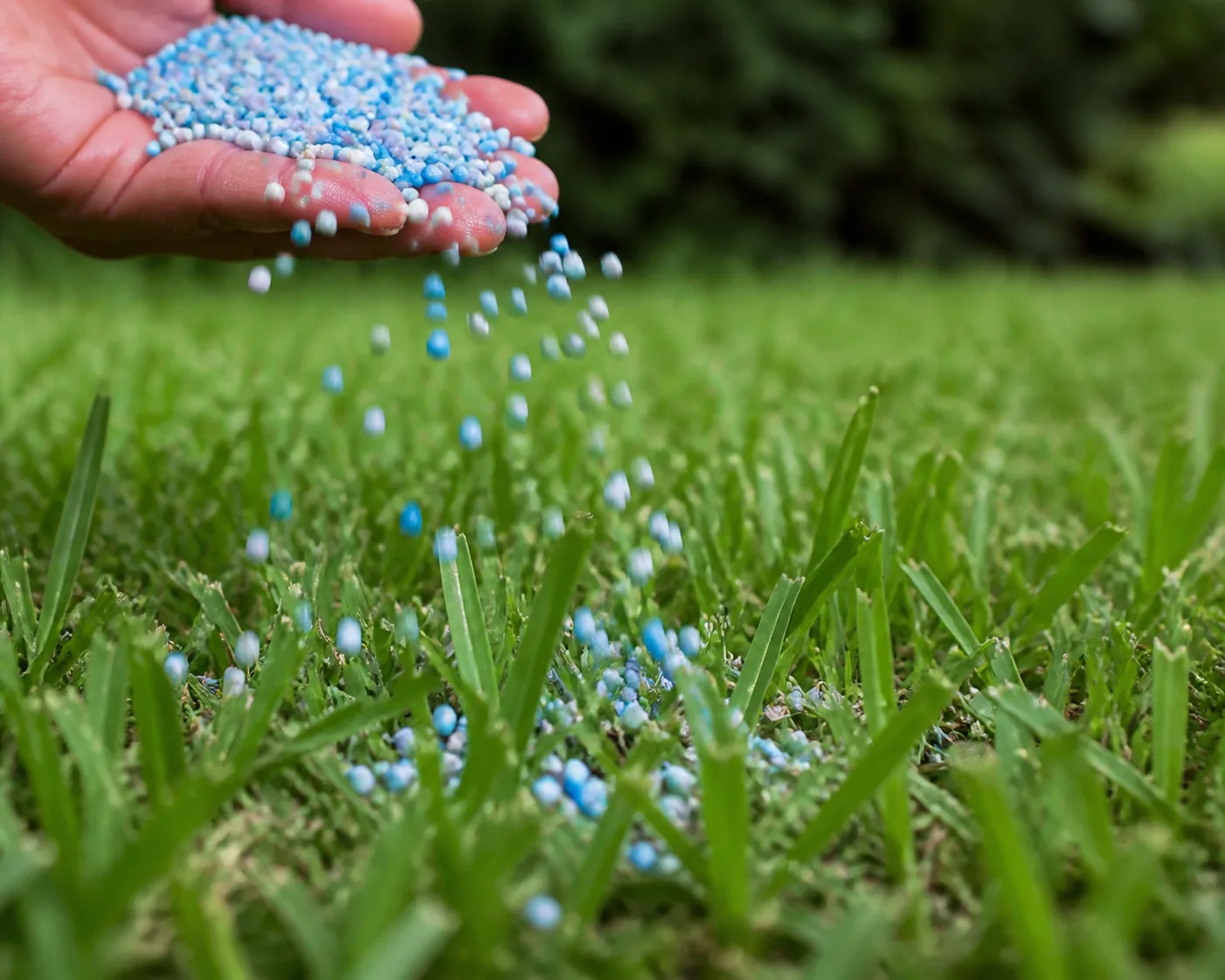
Synthetic Fertilizer
Manufactured mineral nutrient sources
Plants absorb nutrients as usable chemical forms in soil water, regardless of whether those nutrients began in a plant meal, manure, mined mineral, or manufactured fertilizer. The source changes concentration, release, handling, and environmental risk rather than the basic nutrient a root takes up.
Organic fertilizers often have lower analyses and release part of their nitrogen after microbes act on them. Synthetic products can deliver soluble nutrients quickly, but coated or chemically slow-release synthetic products can also feed over weeks or months.
Choose the product that supplies what the soil lacks without oversupplying what is already there. The soil test and label analysis matter more than a green or conventional marketing claim.
Specifications
Compare what each material does once it is on or in the soil.
| Feature | Organic Fertilizer | Synthetic Fertilizer |
|---|---|---|
| Typical source | Plant, animal, or mined material | Manufactured mineral compounds |
| What roots absorb | Plant-available nutrient ions | Plant-available nutrient ions |
| Nutrient concentration | Often lower | Often higher |
| Release range | Soluble to microbe-dependent | Quick to controlled release |
| Cold-soil response | Often slower | Soluble forms remain available |
| Application volume | Usually more product per nutrient | Usually less product per nutrient |
| Organic matter added | Meaningful only in bulky materials | Usually negligible |
| Burn or runoff risk | Possible when rate or source is wrong | Possible when rate or timing is wrong |
| Best buying control | Test need plus label analysis | Test need plus label analysis |
Release speed does not divide perfectly along organic and synthetic lines. Fish emulsion may act quickly, while polymer-coated synthetic nitrogen is designed for controlled release.
A concentrated fertilizer is not a soil-building amendment. Compost, cover crops, and retained plant residue add much more organic matter than the small amount of most bagged fertilizers.
Best Use Cases
Choose by the job the bed needs done.
Cold spring vegetable bed
Nitrogen availability is slow
Many dry organic meals need warm, moist soil and microbial activity before much nitrogen becomes available.
A soluble product can supply nitrogen sooner, but the rate still comes from the crop plan and soil test.
Established lawn
Uniform release and coverage
Natural organic nitrogen can release gradually when soil conditions support microbial activity.
Coated synthetic nitrogen can also release slowly and reduce the surge associated with soluble forms.
Houseplant in a small pot
Little soil buffers mistakes
Organic liquids and granules can still leave salts or release too much when overapplied.
Synthetic liquids are easy to dilute precisely, but repeated strong doses can build salts in the mix.
Soil high in phosphorus
Supply only the missing nutrient
A balanced organic blend may add phosphorus the soil does not need.
A single-nutrient synthetic source may fit better, though some organic single-nutrient products also exist.
Do plants know whether fertilizer is organic or synthetic?
Roots take up nutrients in plant-available forms dissolved in soil water. Oregon State Extension notes that the form absorbed from organic and conventional fertilizers is identical once the organic source has been converted into a usable form.
The conversion path can differ. Nitrate in a soluble fertilizer is immediately available, while much of the nitrogen in feather meal, composted manure, or another organic material must be mineralized by soil organisms first.
That process depends on soil warmth, moisture, aeration, and the material itself. Cold or saturated soil can slow microbial activity, so a calculated organic application may release nitrogen later than a cool-season crop needs it.
Synthetic does not always mean instant. Sulfur-coated, polymer-coated, urea-formaldehyde, and other controlled-release nitrogen products are manufactured to release over time.
Organic does not always mean gentle. Soluble fish products, guano, blood meal, and manure-based inputs can injure roots, add salts, or oversupply a nutrient when the dose or placement is wrong.
How do you match a fertilizer label to a soil test?
Start with the plant and the tested soil. A standard garden test can identify pH and plant-available phosphorus, potassium, and other nutrients, then recommend amounts for the crop or lawn named on the submission.
A fertilizer grade such as 5-3-4 means the bag contains 5 percent nitrogen, 3 percent phosphate, and 4 percent potash by weight. Those three numbers are an analysis, not an instruction to apply all three nutrients.
University of Minnesota Extension warns that using a blend with the wrong ratio can oversupply phosphorus while leaving potassium short. This can happen with an organic blend, a synthetic blend, composted manure, or repeated compost applications.
Use this buying sequence.
- Read the soil-test recommendation for the intended crop or lawn.
- Note which nutrients are needed and which are already high.
- Compare the N-P-K analysis and any secondary nutrients on candidate labels.
- Check whether the listed rate fits the measured area and plant type.
- Calculate the product amount from the percentage of the nutrient you need.
- Account for recent manure, compost, or fertilizer applications before adding more.
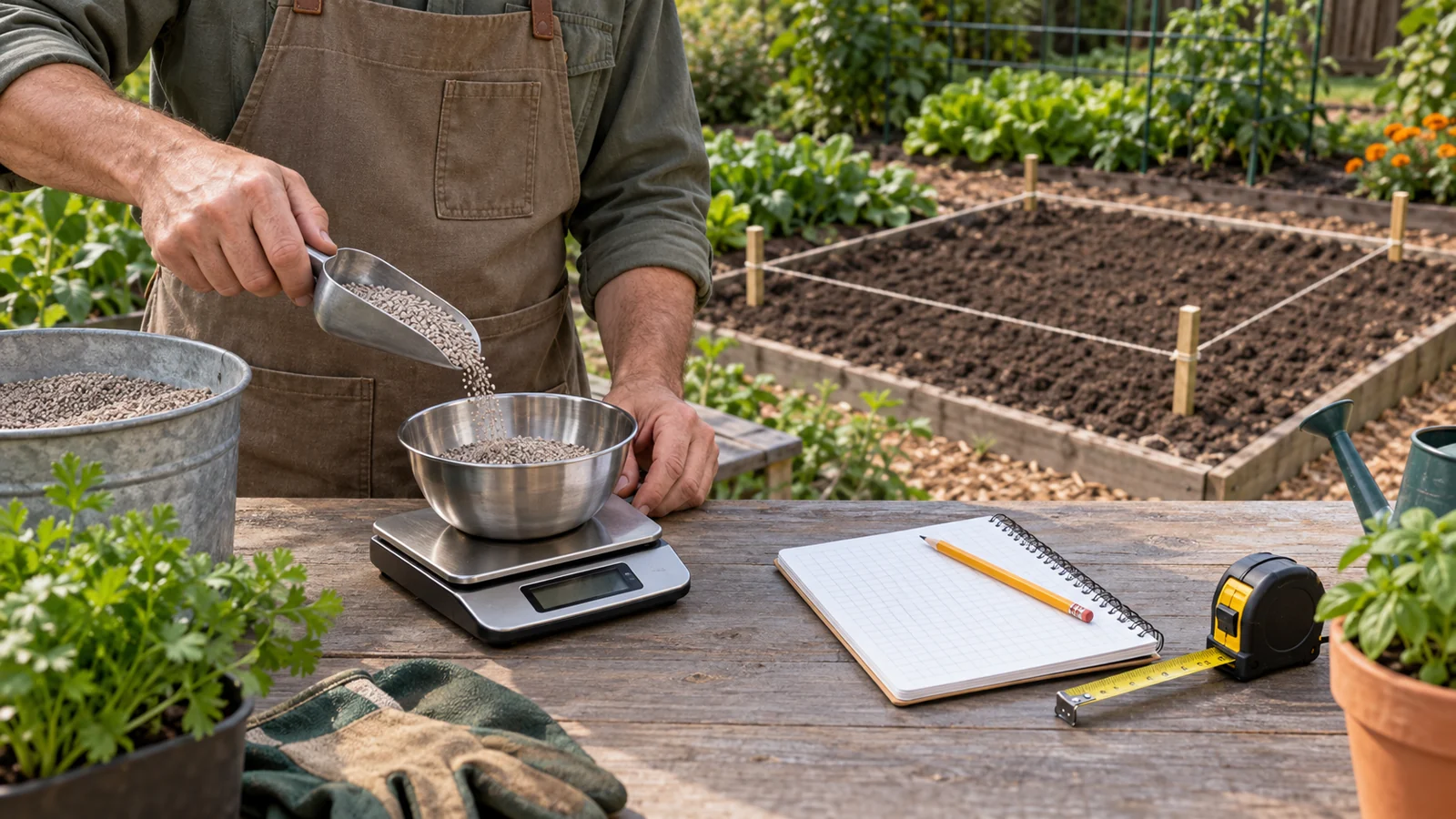
For example, a recommendation for 0.1 pound of actual nitrogen over a measured area would require 2 pounds of a 5 percent nitrogen product because 0.1 divided by 0.05 equals 2. A 20 percent nitrogen product would supply the same nitrogen in 0.5 pound, but that example is only arithmetic and does not set a garden rate.
The image shows why area and product weight belong in the same calculation. Guessing by handfuls defeats the precision printed on either label.
Which fertilizer releases nutrients faster?
Soluble synthetic fertilizers usually provide the quickest predictable response because water makes their nutrients available without waiting for decomposition. That speed can help a confirmed nitrogen shortage, but it also shortens the gap between a useful dose and an excessive soluble-salt concentration.
Many organic fertilizers release more slowly because microbes must digest complex compounds. Warm, moist soil speeds that work, while cold soil delays it.
Products within each category still vary enough to overturn the simple rule.
- Quick-release organic sources include some fish emulsions and soluble plant-derived liquids.
- Slow organic sources include many seed meals, feather meal, and other dry materials that require mineralization.
- Quick-release synthetic sources include soluble salts such as ammonium sulfate and many water-soluble blends.
- Controlled-release synthetic sources use coatings or chemical forms that meter nutrients over a stated period.
Match release to uptake. Annual vegetables may need available nitrogen during rapid growth, a lawn program may favor a steadier curve, and a dormant or drought-stressed plant may not use either source efficiently.
Do not use fast color change as the only measure of success. Excess nitrogen can make leaves look lush while delaying flowers, weakening growth, or increasing losses beyond the root zone.
The timing for fertilizing plants should follow active growth, local climate, watering, and the product label. A correct source applied when roots cannot use it remains a poor application.
Does organic fertilizer build healthier soil?
Some organic nutrient sources arrive with carbon-rich material, but the amount varies widely. A bulky application of composted plant material affects organic matter much more than a few pounds of concentrated meal spread across the same area.
Packaged organic fertilizer should therefore be judged as fertilizer first. It may feed soil organisms, yet a low application volume cannot replace the physical input from compost, cover crops, roots, or retained residue.
Synthetic fertilizer generally adds little organic matter. It can still support plant growth accurately when a test identifies a nutrient shortage, while separate practices protect soil structure and biology.
Keep these jobs separate.
- Fertilizer supplies one or more plant nutrients at a stated or estimated concentration.
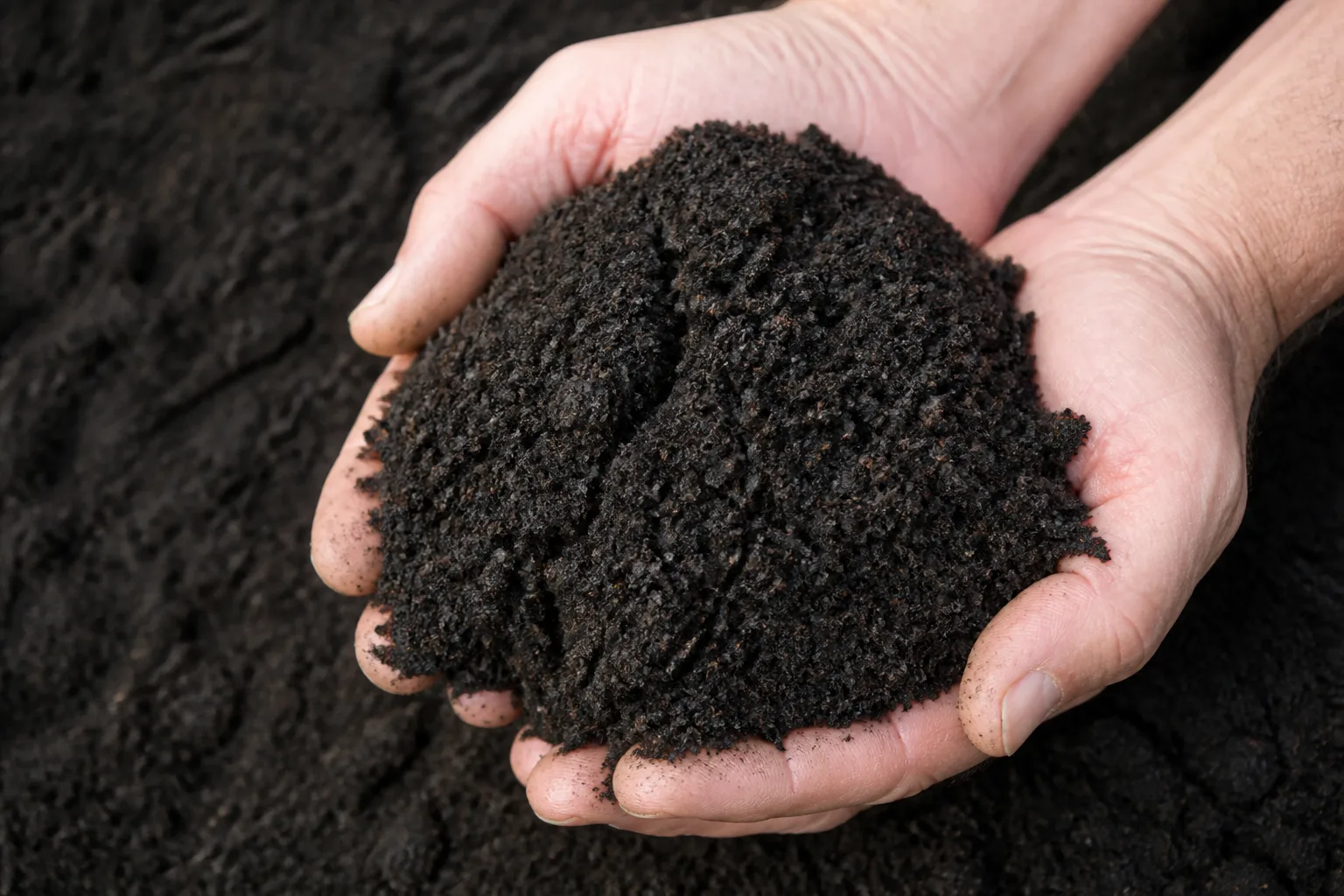
- Compost adds relatively stable organic matter and limited nutrients.
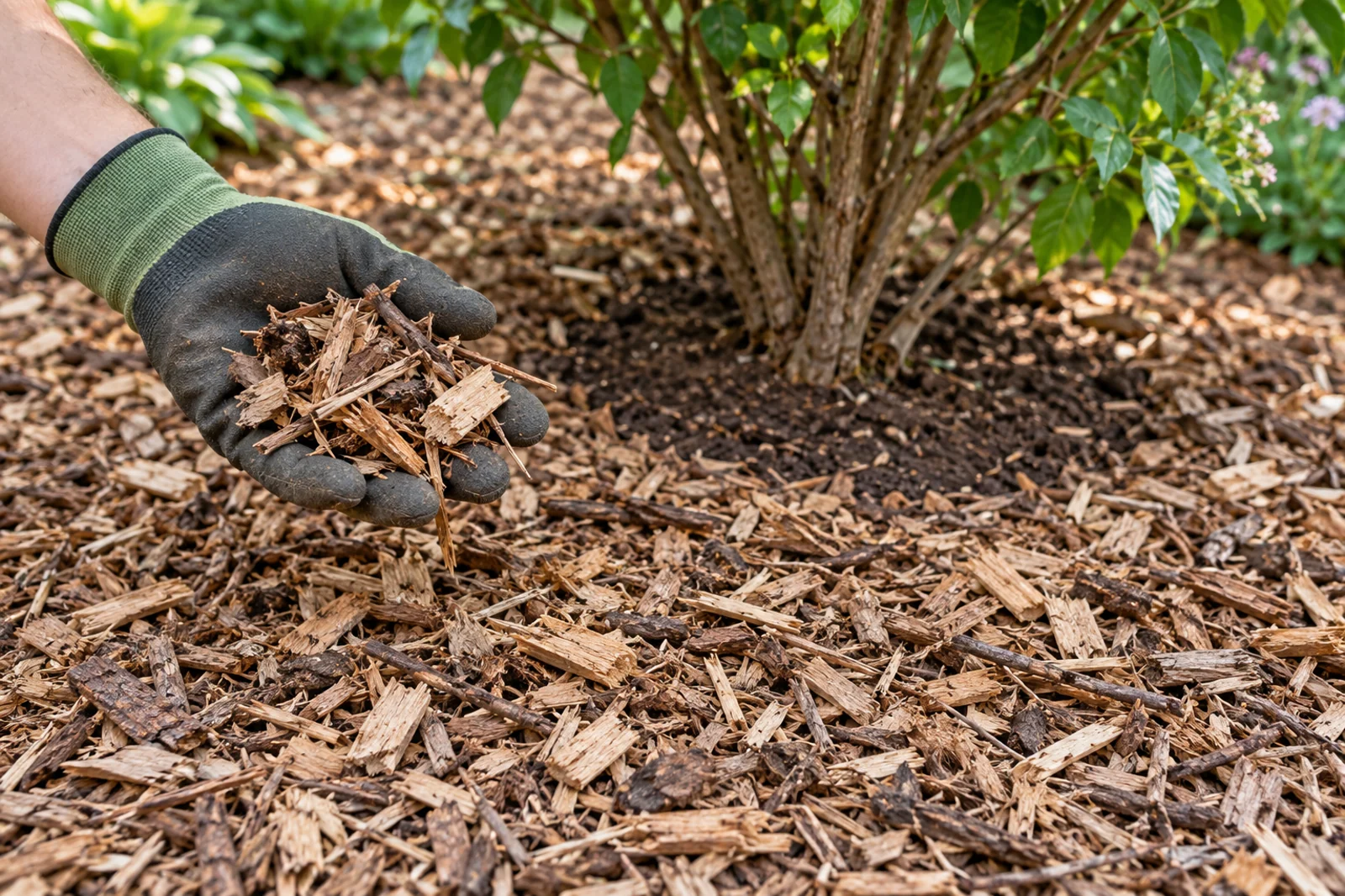
- Mulch protects the soil surface and may contribute organic matter as it decays.
- Cover crops protect soil and return roots or shoots to the system.
- Lime changes soil acidity and supplies calcium or magnesium depending on the material.
The mulch and compost comparison explains why neither material is a substitute for a diagnosed fertilizer need. Oregon State describes compost as a soil amendment with low fertilizer value compared with concentrated fertilizers.
Soil health comes from the whole management program. Choosing an organic fertilizer cannot repair compaction, poor drainage, bare soil, erosion, or chronic overwatering by itself.
Which type fits gardens, lawns, and containers?
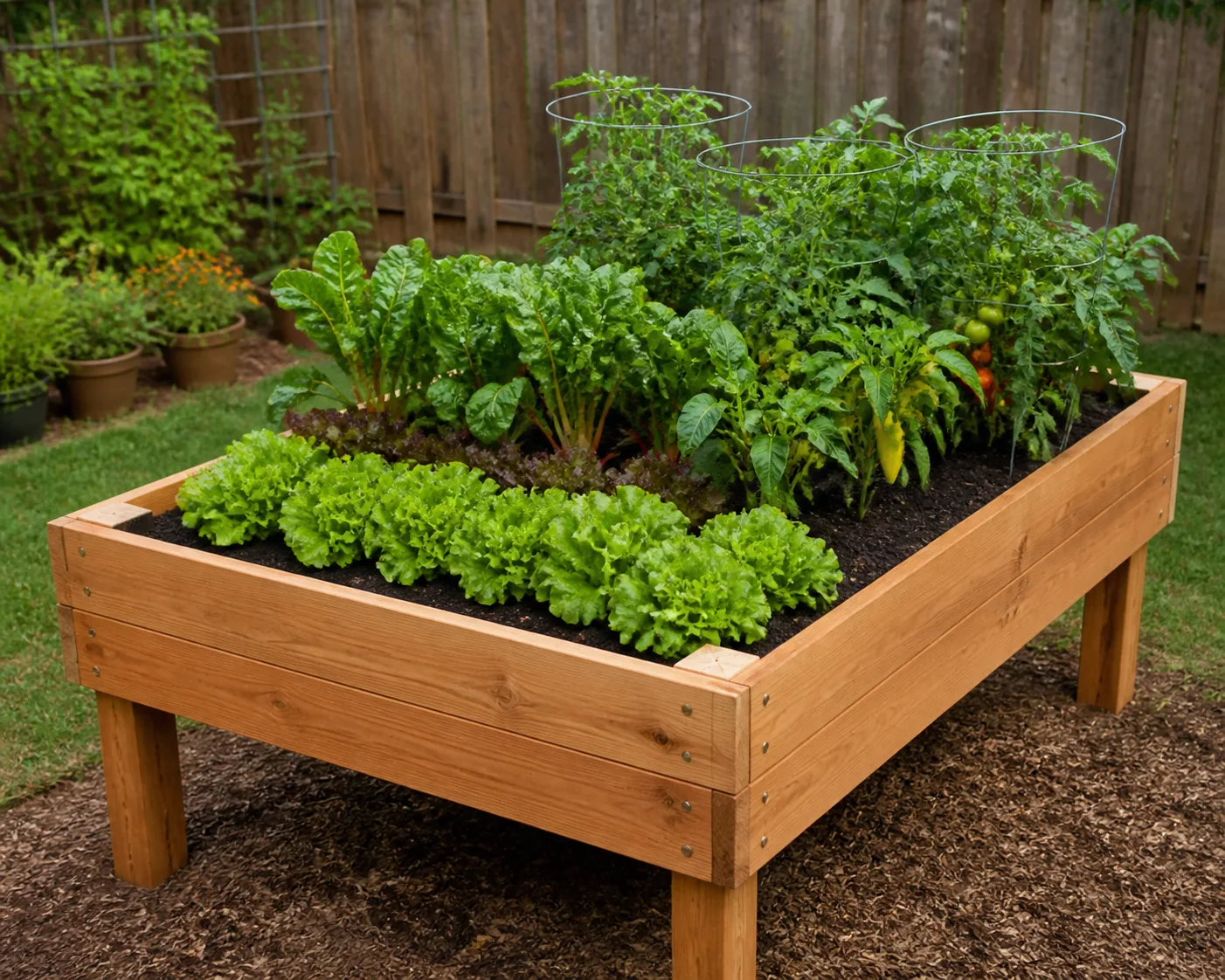
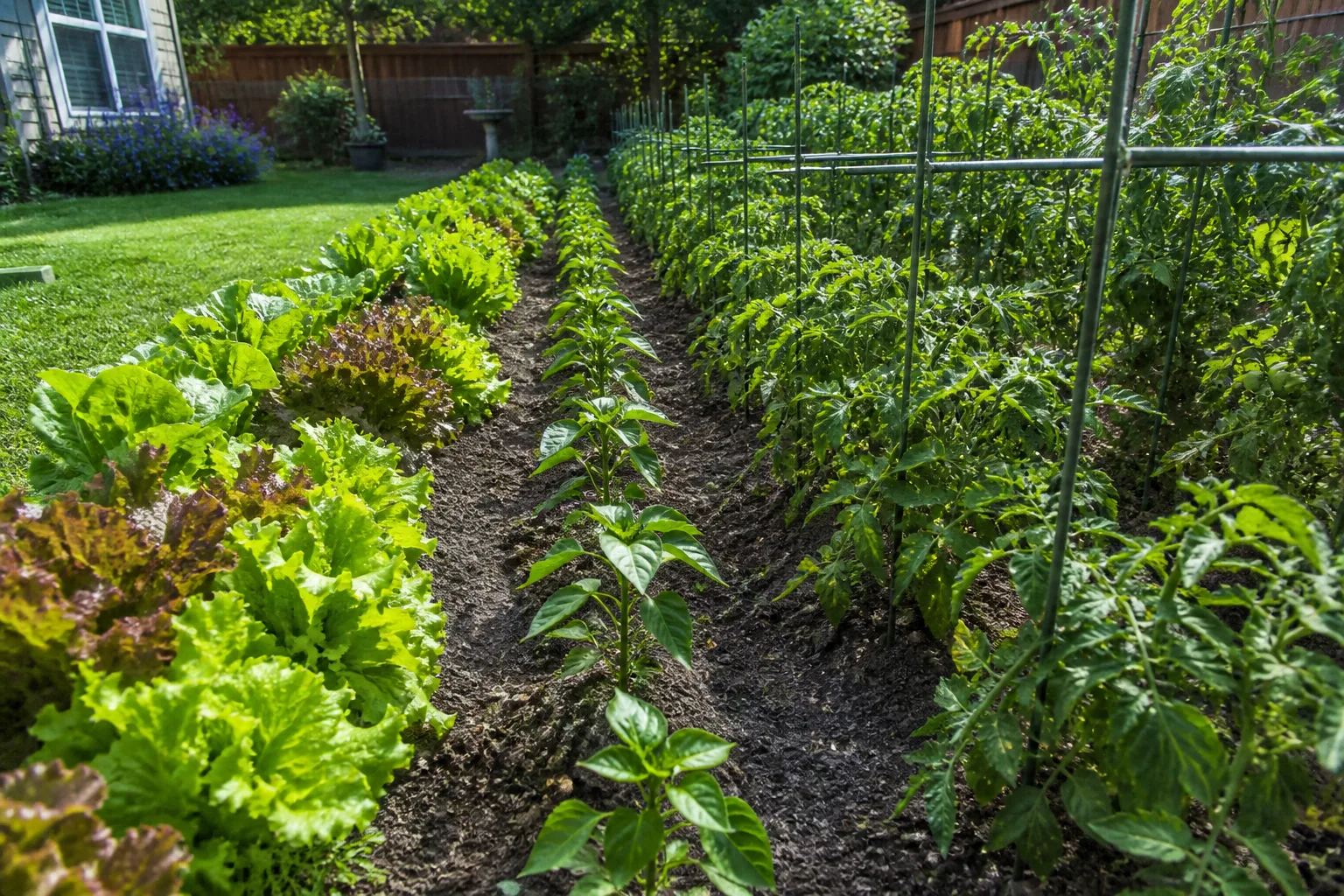
In a vegetable bed, choose the nutrient ratio and release pattern that match the soil report and crop timing. Organic sources may suit a planned program, while a targeted soluble source may correct a known shortage without adding more phosphorus or potassium.
Use the vegetable fertilizing workflow to calculate rates by bed area and crop stage. Do not copy a lawn rate into a food bed or assume every vegetable needs the same feeding schedule.
Lawns need uniform coverage and species-appropriate timing. Natural organic nitrogen and controlled-release synthetic nitrogen can both provide gradual feeding, while quick-release sources demand closer control of weather, spreader calibration, and irrigation.
The complete lawn fertilizing process also covers boundary passes, overlap, watering, and spill cleanup. Product choice cannot correct uneven application.
Containers hold a small volume of mix and receive repeated watering, so soluble nutrients can leach out while salts can also accumulate between flushes. Dose accuracy, drainage, active growth, water quality, and the existing charge in the potting mix matter more than whether the bottle carries an organic claim.
Follow the indoor fertilizer guide for pot-specific choices. White crust, burned tips, stalled roots, or a plant fed during low-light dormancy can all signal that the program is too strong or poorly timed.
For trees and shrubs in a fertilized lawn, test before adding a separate routine. Roots extend well beyond the trunk, so the plant may already receive nutrients from the surrounding turf program.
How can you recognize fertilizer injury?
Fertilizer injury often follows a recent application, concentration error, spill, or repeated feeding in a container. Soluble salts make it harder for roots to take up water and can damage root tissue at high concentrations.
Look for the pattern rather than diagnosing from one brown edge.
- Leaf tips or margins brown soon after feeding.
- Seedlings collapse or roots darken near a concentrated band.
- Lawn stripes match spreader overlap or missed passes.
- Granules sit against wet foliage or collect in one pile.
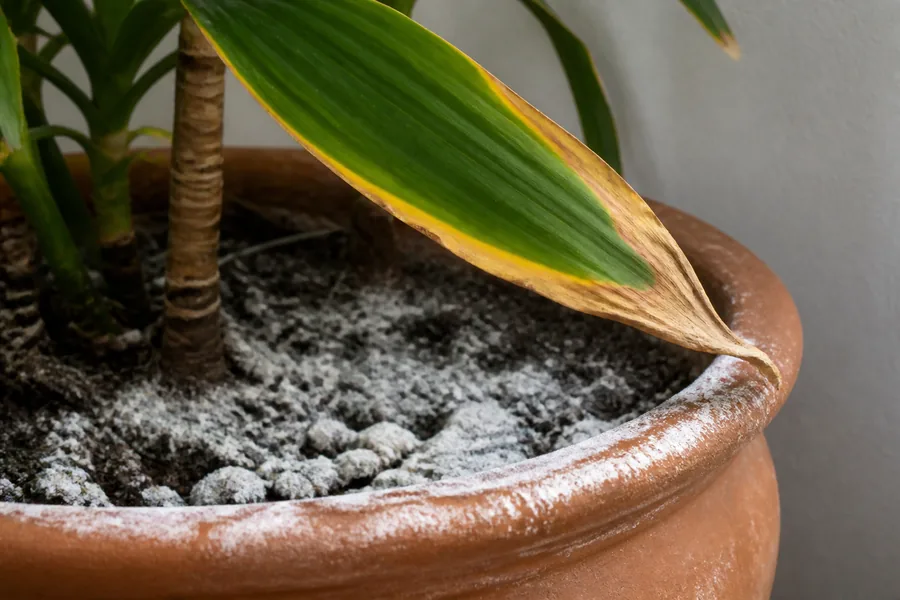
- A white crust forms on potting mix or around a porous pot rim.
- Growth remains weak even though more fertilizer has been added.
Drought, root rot, compacted soil, cold roots, high-pH nutrient lockout, and some diseases can resemble a fertilizer problem. Check moisture, roots, application history, and soil or substrate test results before adding another product.
If a fresh overapplication is suspected, remove visible granules and follow the product label or local Extension advice. Do not improvise heavy flushing where drainage is poor or runoff would carry nutrients into a street or waterway.
The photograph shows a useful warning combination in a container. The crust records mineral accumulation, while the damaged leaf margin shows stress that deserves a full root-zone check.
How do you apply fertilizer with less waste?
Nutrients can leave a yard when excess product dissolves into runoff, leaches below roots, blows onto hardscape, or is applied while plants are not taking it up. Organic and synthetic sources can both contribute nitrogen or phosphorus losses.
EPA guidance centers on need, amount, timing, and placement. Apply only the recommended nutrient, near active uptake, away from waterways, and without creating runoff.
Use this application checklist.
- Measure the treatment area and weigh or measure the calculated product amount.
- Calibrate the spreader or mixing container before treating the whole site.
- Check the label, forecast, soil moisture, wind, and local fertilizer rules.
- Keep granules and spray off leaves unless the label permits foliar use.
- Keep fertilizer out of streets, drains, patios, and water.
- Sweep accidental hardscape spills back into the treatment area or collect them for label-directed use.
- Water in only when the label calls for it, and stop before runoff begins.
- Record the product, analysis, rate, area, and date before the next application.
Slow release may reduce some loss risks, but it does not excuse overapplication. A low-concentration organic product can still add too much phosphorus when used repeatedly, and a controlled-release synthetic product can still be swept into a drain.
Store every fertilizer in its original closed container, dry and out of reach of children and animals. Wash measuring tools and protective equipment according to the label without sending concentrated residue into stormwater.
The pictured cleanup is small but important. Granules left on concrete have no roots to feed and can move directly toward a drain during the next rain.

Sources & References
- Choosing the Right Fertilizer for Your Garden — Oregon State University Extension
- Fertilizing Your Garden: Vegetables, Fruits and Ornamentals — Oregon State University Extension
- Interpreting Soil Tests for Fruit and Vegetable Crops — University of Minnesota Extension
- Soil Testing for Lawns and Gardens — University of Minnesota Extension
- Turfgrass Fertilization: A Basic Guide — Penn State Extension
- What You Can Do in Your Yard — US Environmental Protection Agency
- Set Houseplants Up for Success — Oregon State University Extension
- How to Use Compost in Gardens and Landscapes — Oregon State University Extension