
What's Bell Pepper? How to Set Sweet Fruit in Summer
Capsicum annuum Solanaceae
Bell Pepper rewards growers who manage flowers, roots, and heat together. Big plants mean little if nights stay cool, soil swings dry, or fruit sits exposed in harsh sun.
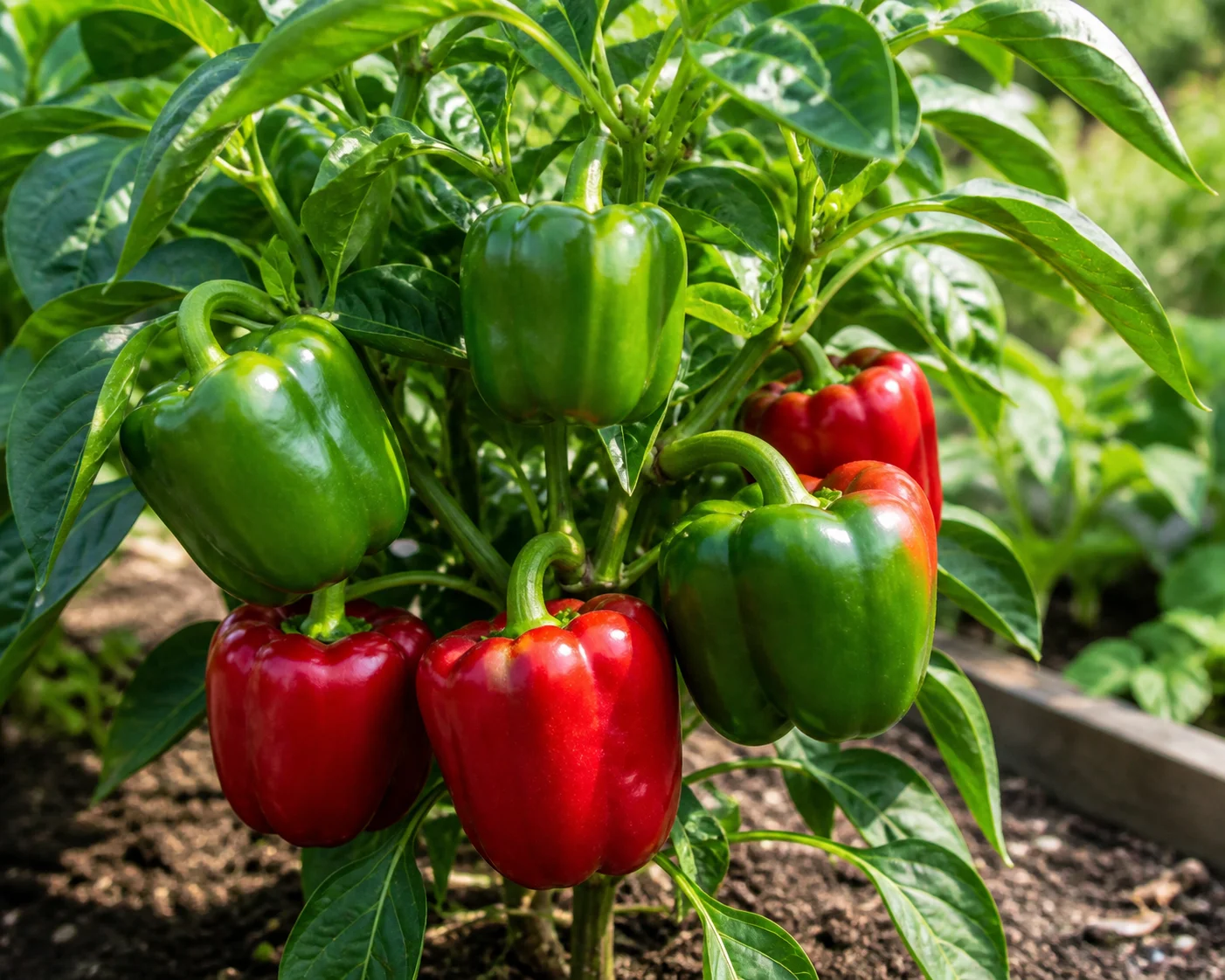
Care snapshot
Why Should You Check Bell Pepper Flowers Before Fruit Size?
Bell Pepper (Capsicum annuum) is a non-pungent nightshade grown for hollow, thick-walled fruit.
Bell Pepper success starts with fruit set. A huge plant that keeps dropping blossoms is still failing at the main job.
Cool nights, hot spikes, and dry root swings can all interrupt fruit set. The plant often waits for steadier weather, which is why Bell Pepper can suddenly load up after weeks of looking impressive but unproductive.
That pattern should sound familiar if you also grow tomatoes. Both are nightshades, and both punish growers who judge the season by leaf size instead of the weather around bloom time.
The strongest clue is what happens after bloom, not before it. Once tiny fruit starts to hold, you know the roots, temperature, and canopy are finally working together.
That is why early patience beats constant tinkering. When the first healthy set appears, the plant usually accelerates on its own if you stop disturbing the root zone.
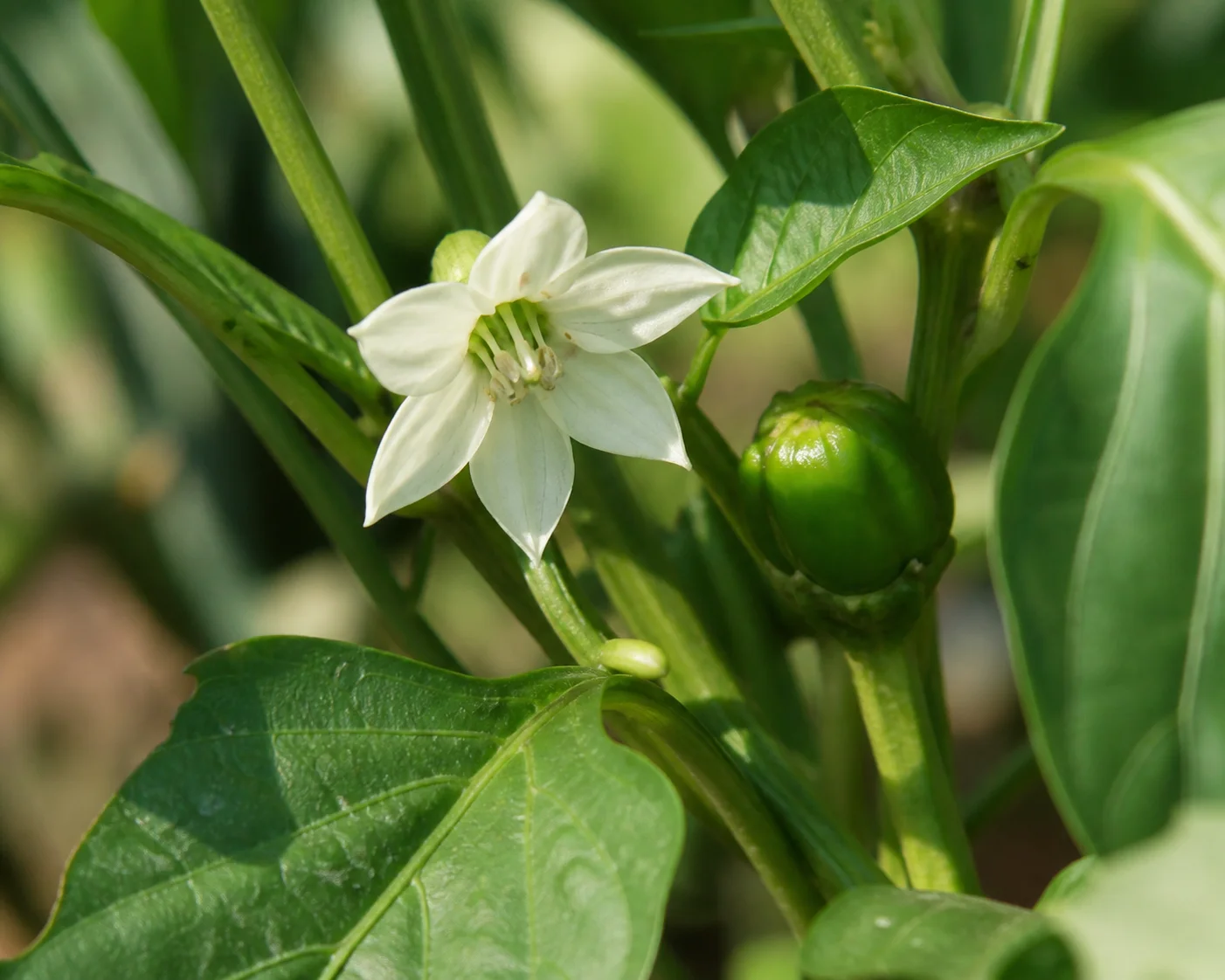
Each bell pepper flower carries both male and female parts, so the plant can pollinate itself without help.
Wind and visiting bees still improve fruit set by shaking loose pollen that would otherwise sit still in a calm, sheltered spot.
When Is It Warm Enough to Transplant Bell Peppers?
Cold soil can pause a pepper plant so long that the season never fully recovers. Wait for nights above 60 F and a bed that feels warm below the surface, not just pleasant in the afternoon sun.
Many gardeners get better results from sturdy transplants than from a rushed direct sowing. If you raise your own, follow a real pepper seed starting schedule so the seedlings are stocky, not tall and weak.
Set transplants out only when the bed is truly warm and nights have settled. A week of delay in warm soil usually beats a month of stalled roots in a cold one.
Hardening off still matters even in hot climates. A plant that goes straight from sheltered growth to bright wind often pauses exactly when you need it to keep moving.
A black pot, warm mulch, or protected bed edge can matter more than the date on the calendar. Roots respond to actual warmth, not to your impatience.
Seed started indoors needs real warmth to germinate at a useful pace, ideally soil near 80-85F under the tray rather than ambient room temperature. Cool trays can take three weeks to sprout what warm ones manage in ten days.
- Best transplant look
- Short, sturdy, dark green, not root-bound
- Bad start sign
- Tall pale plants that already look stretched or checked
- Bed condition
- Warm soil and settled nights before planting out
How Much Sun Do Bell Peppers Need Without Sunscald?
Sweet blocky fruit needs strong sun, but the fruit also needs leaf cover once summer glare turns harsh. The goal is ripening, not exposed shoulders baking on the branch.
This is why overpruning backfires. The leaves are not wasted bulk when they protect fruit from sunscald and help the root system feed thick walls instead of thin pale shells.
If the bed sits beside tall beans or a trellised crop, keep peppers on the brightest side. A few stolen morning hours matter when the plant is already trying to color fruit in heat.
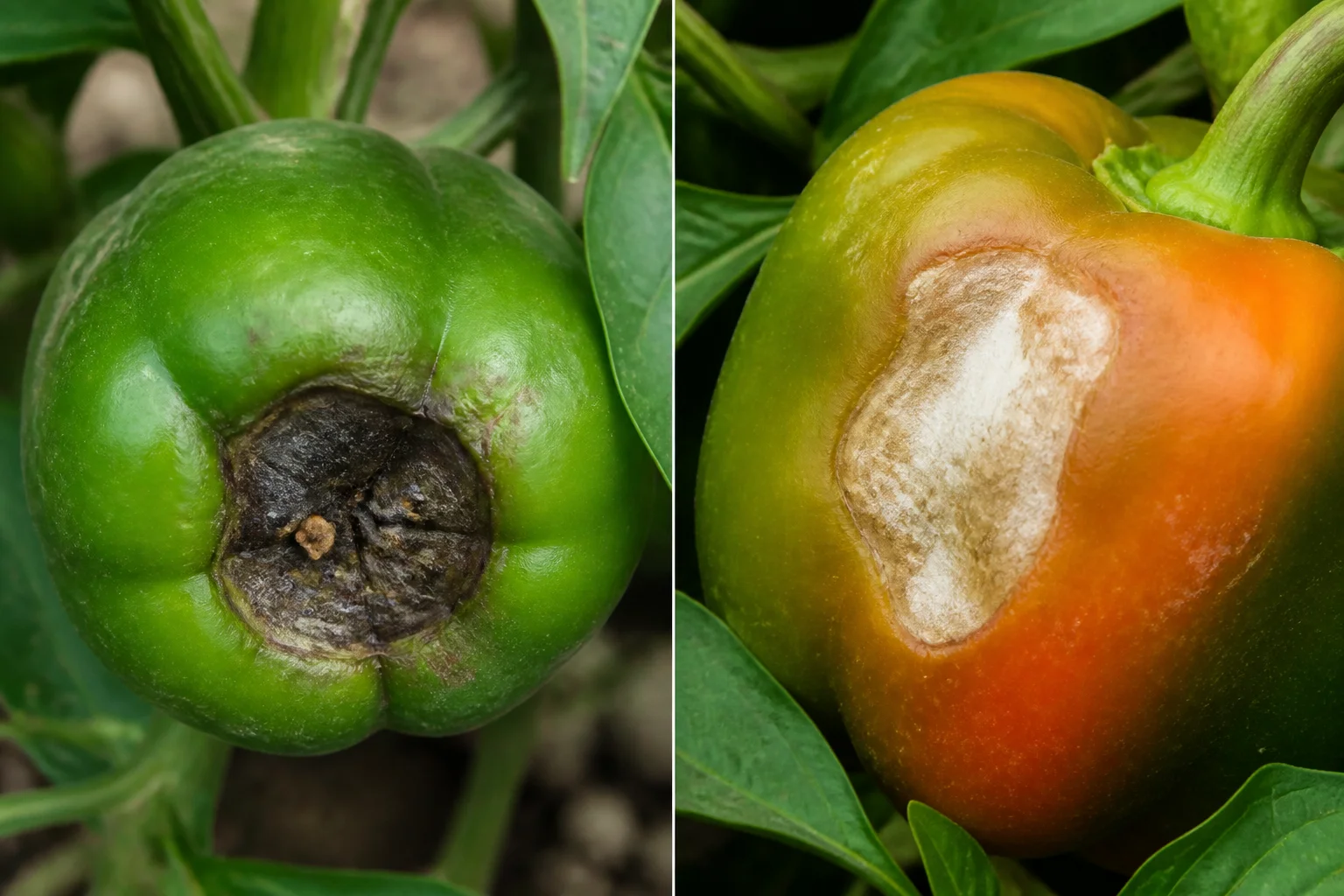
Sunscald is not just cosmetic. Intense UV breaks down chlorophyll and the cell walls underneath, leaving a papery white or tan patch that can rot before the rest of the fruit even colors.
Afternoon shade cloth over exposed rows can save a fruit set that full-day desert sun would otherwise scorch. Even 30 percent shade during the hottest hours often makes the difference between a keeper and a discard.
- Keep the canopy airy, but do not strip fruit bare.
- Stake heavy plants before loaded branches lean into hot soil.
- Watch west-facing beds first during heat waves.
How Do You Keep Bell Pepper Root Moisture Steady?
Even moisture is what turns flowers into blocky peppers with real wall thickness. Dry-wet swings can lead to stalled fruit, thin flesh, and blossom-end rot symptoms that look like a calcium mystery.
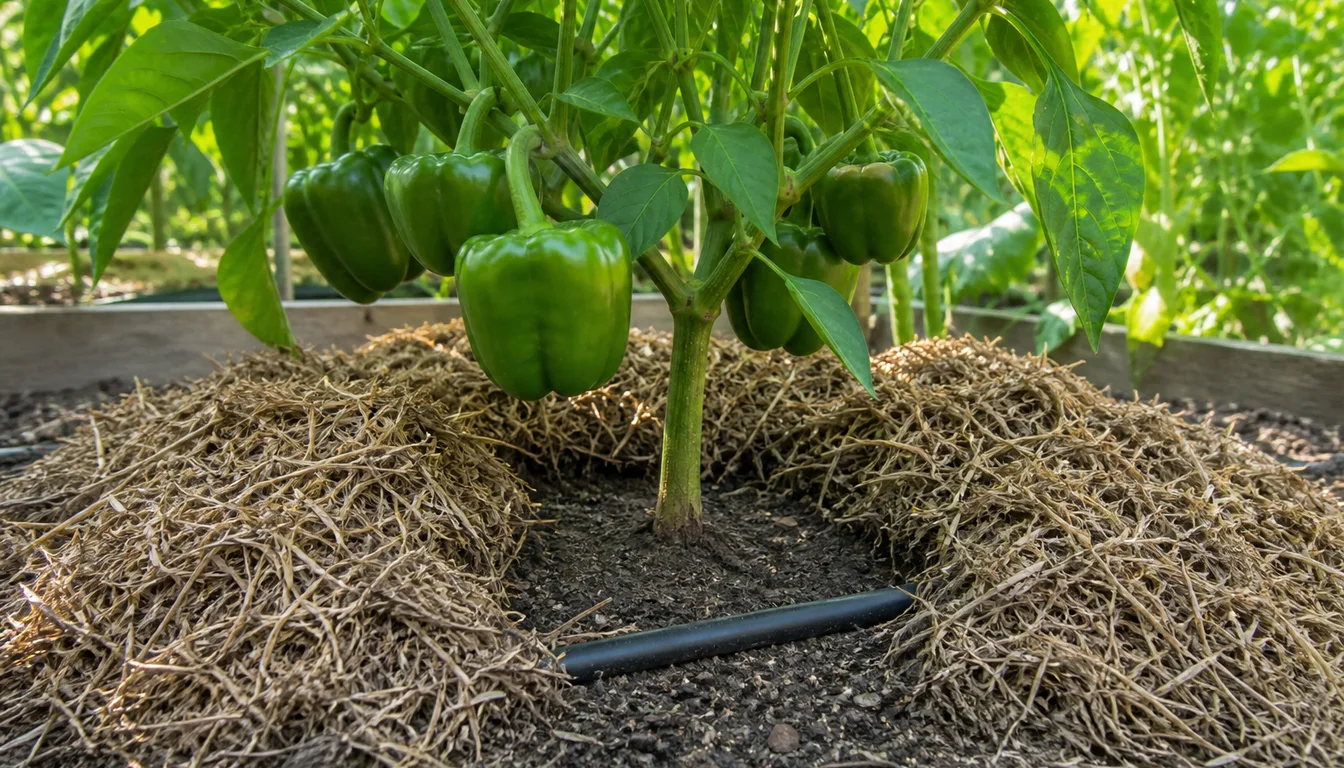
After the plants are established, use the rhythm of deep watering instead of shallow daily sprinkles. You want a stable root zone, not a plant that chases moisture at the surface.
When black sunken patches appear on the fruit tip, think water movement first. The same root-zone logic behind blossom-end rot applies here too, even though the crop is different.
Mulch helps here because it calms the top layer where heat and dry wind do the fastest damage. The goal is not wet soil all the time, but a root zone that changes slowly enough for fruit to keep filling.
- Dry roots then flood
- Thin walls, split growth, or blossom-end rot
- Steady moisture
- Better fruit fill and smoother ripening
- Shallow daily wetting
- Weak surface roots and unstable growth
What Soil Helps Bell Peppers Grow Thick-Walled Fruit?
Bell Pepper wants a slightly acidic to neutral pH, roughly 6.0-6.8, in loose soil that drains within a day after a heavy rain.
Raised beds and mounded rows warm faster in spring than flat ground, which matters more here than for cooler-season crops, since cold soil is what stalls transplants before they even start flowering.
Heavy clay holds water around the crown long enough to invite root rot before the plant ever gets a fair shot at fruiting. Work in compost or coarse organic matter rather than planting straight into unamended clay.
In containers, use a loose potting mix instead of garden soil, which compacts fast in a pot and starves roots of the oxygen they need to keep pushing new growth through a long fruiting season.
A mid-season side-dressing of compost refreshes nutrients without the surge risk of a fresh synthetic feeding.
Working it lightly into the top few inches keeps roots from sitting directly against a concentrated pocket of fertilizer.
- Test soil pH before planting and aim for 6.0-6.8.
- Amend heavy clay with compost rather than planting directly into it.
- Use a loose, well-draining mix in pots, never straight garden soil.
- Warm beds with mulch or black plastic if spring soil stays cold late.
How Should You Feed Bell Peppers Without Excess Leaves?
Rich soil helps, but the crop needs balance more than abundance, since a pepper plant pushed too hard on nitrogen can stay handsome and still be late.
Use compost or a balanced feed plan that matches vegetable fertilizer timing. Once the plant starts setting fruit, think steady support, not a hard push.
If growth is soft and the canopy looks oversized for the pot or bed, pause the feeding and let the plant redirect. More fertilizer at that stage often delays the fruit you are trying to speed up.
Think of feeding as steering, not pushing.
Once the plant has flowers and young fruit, a calmer hand usually grows better peppers than one last hard shove.
Fruiting plants often tell on overfeeding with soft stems and delayed color. If the crop looks lush but the peppers stay few, back off and let the plant catch up.
Potassium matters more once fruit is sizing, since it moves sugars into the developing walls. A soil test beats guessing, especially in containers where nutrients wash out faster than in garden beds.
When Should You Pick Bell Peppers Green or Fully Colored?
Green fruit is a usable stage, not a failed one. The choice is about speed versus sweetness, so pick according to what the kitchen needs and how much warm weather remains.
Use a clean snip instead of yanking fruit loose. Loaded branches can crack, especially late in the season when peppers get heavier than the plant frame looks capable of carrying.
You do not need to wait for every fruit to color. Many growers pick part of the crop green to keep the plant moving, then let the strongest late fruit finish for flavor.
Color change takes time because sugar, pigment, and wall thickness all keep developing after the fruit reaches full size. That is why the sweetest pepper on the plant is often not the biggest green one.
A pepper left to fully color also gains real nutrition along with sweetness, since vitamin C and beta-carotene both climb as the fruit ripens from green toward red, orange, or yellow.
- Pick green when you want quicker turnover from a loaded plant.
- Wait for full color on the best fruit if flavor matters more than speed.
- Clip heavy fruit instead of twisting it off by hand.
What Causes Fruit Damage on Bell Peppers?
Pepper trouble often shows up on the fruit before it shows up on the leaves. Scars, misshapen fruit, missing blossoms, and chewed shoulders tell you more than spraying the whole plant on instinct.
Aphids cluster on new growth and flower buds, leaving sticky honeydew that can trigger blossom drop on its own. Pepper weevils lay eggs inside young fruit, so a tiny puncture scar near the stem end is worth a closer look before you blame the whole plant.
Walk the plant from fruit to flower to foliage, then use calm natural pest control habits if insects are the issue. Broad panic treatments make less sense on a crop you harvest by hand all season.
Rotate Bell Pepper away from eggplant when you can. Give potatoes a different bed too, because those crops carry similar nightshade pressure through the soil and debris.
Keep notes on which bed held the crop and what the worst problem was.
That small record saves guesswork next year when you decide which row gets the nightshades.
A three-year gap between nightshade crops in the same bed gives soil-borne disease pressure time to fade. Even a two-year rotation beats none, especially in small yards where bed space is tight.
Are Bell Pepper Fruit, Leaves, and Stems Safe?
The fruit itself is food-safe for people, but no ASPCA or NC State pet toxicity record was found for Capsicum annuum, so its safety for pets is unknown. Bell pepper carries none of the capsaicin heat that makes hot pepper varieties irritate eyes and skin on contact.
Like tomato and other nightshade relatives, the leaves and stems carry mild solanine-type compounds. A pet that chews foliage rather than fruit can end up with an upset stomach, so keep curious dogs away from the plant itself, not just the peppers.
Ecologically, self-pollinating flowers mean bell pepper does not depend on pollinators to set fruit, but bees and other visitors still forage the blooms and help fruit set along the way.
Frequently Asked Questions
Why are my bell pepper flowers falling off?
Bell Pepper flowers often drop because nights are too cool, heat spikes hit during bloom, or the root zone keeps swinging dry and wet. Check recent weather and watering before changing feed.
Do bell peppers need full sun?
Yes. Bell Pepper plants need full sun for strong fruit set, but the fruit still benefits from enough leaves to avoid sunscald during harsh afternoon heat.
When should I pick bell peppers?
Pick Bell Pepper fruit green if you need earlier harvest, or wait for full color when you want sweeter flavor. Cut the fruit off cleanly so heavy branches do not tear.
What causes blossom-end rot on bell peppers?
Blossom-end rot on Bell Pepper is usually about uneven moisture and weak calcium movement through the plant, not simply a missing bag of calcium.
Sources & References
Related Plants
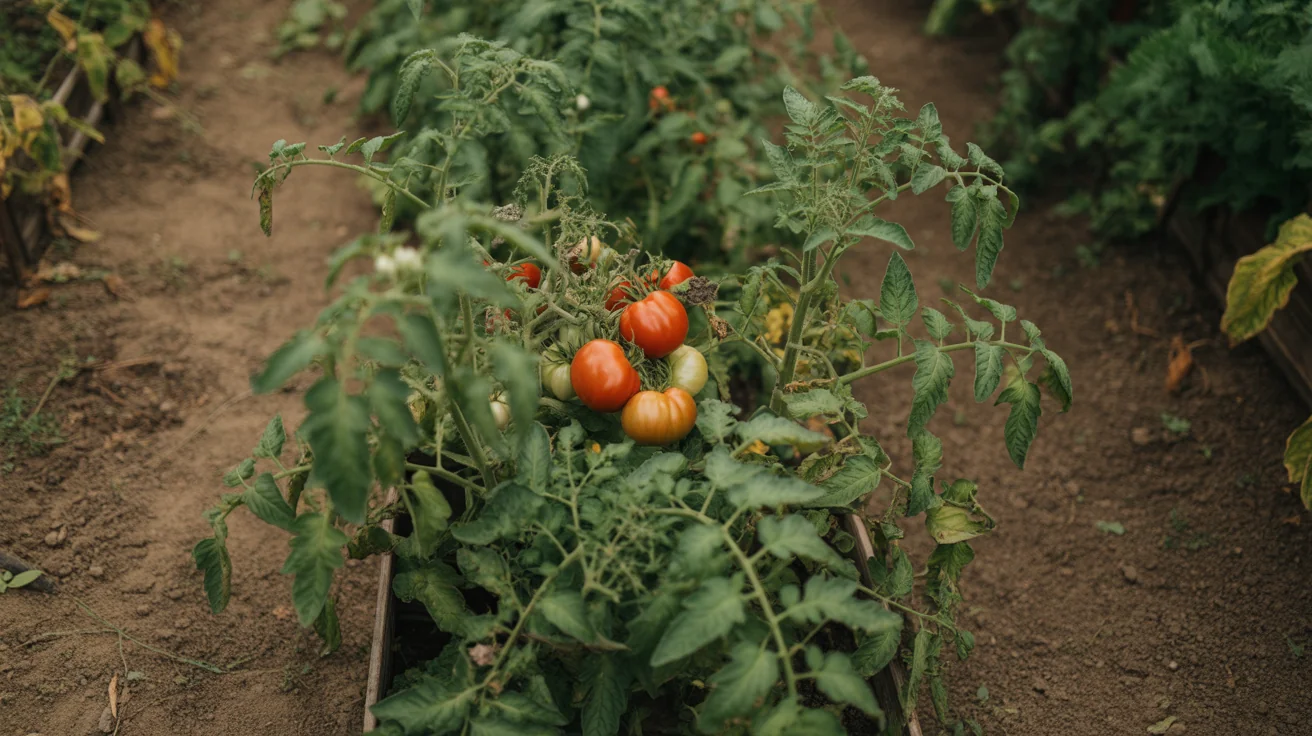
Tomato
A fellow nightshade with the same cool-night blossom drop and blossom-end rot risks as bell pepper.
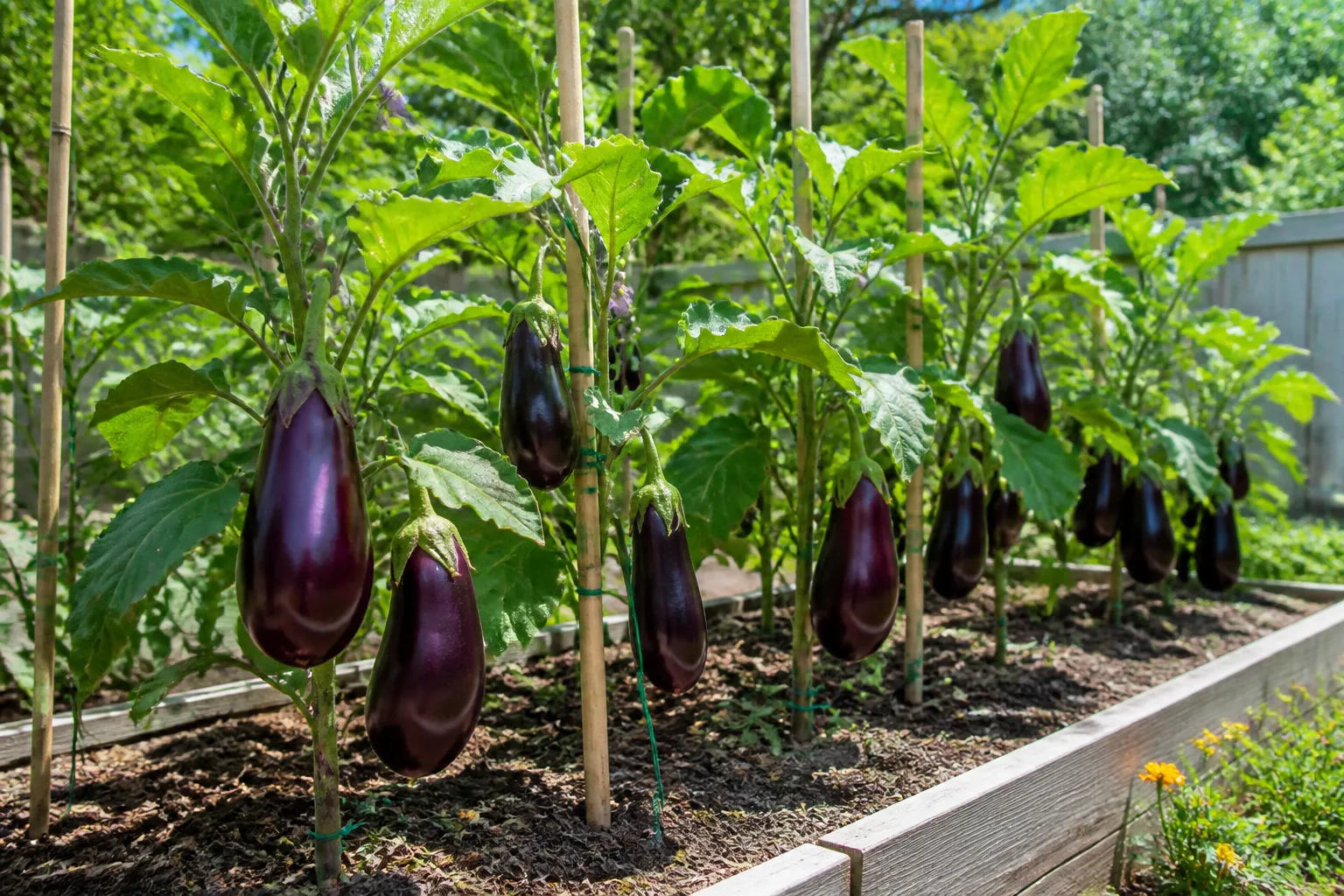
Eggplant
Another warm-season nightshade that shares rotation risk with bell pepper and wants similar heat and steady moisture.
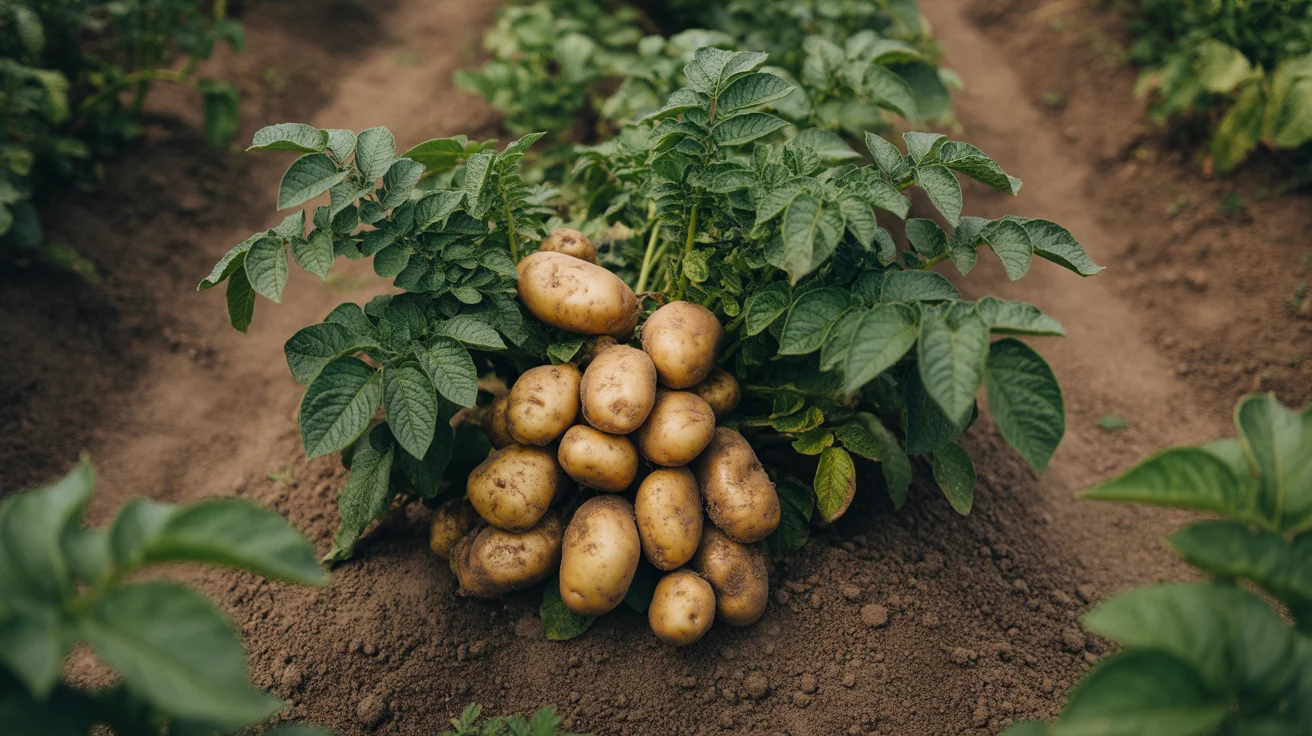
Potato
A nightshade grown for roots instead of fruit, best kept in a different bed than bell pepper to break disease pressure.
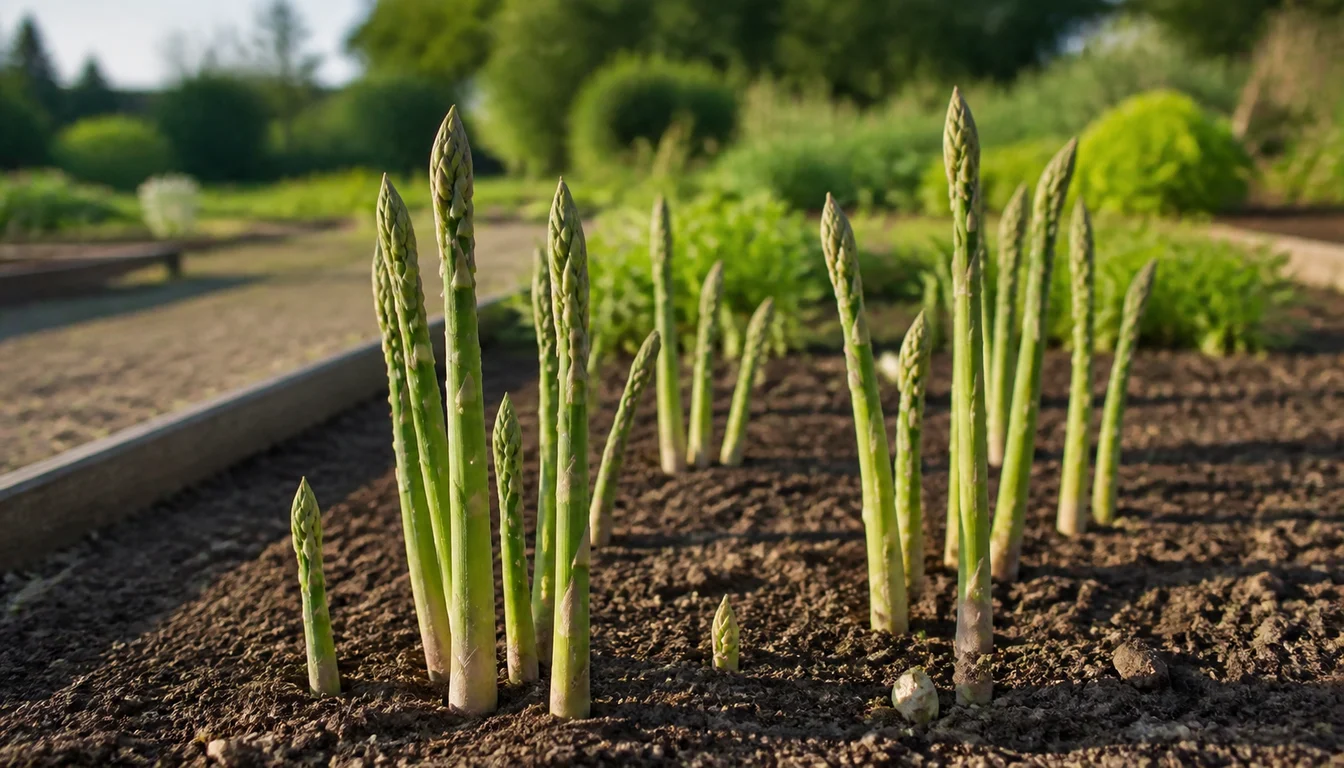
Asparagus
Asparagus rewards careful establishment with spring harvests for many years.
Beans
Two different plants share the name bean, one that stays knee-high and gives most of its crop inside two or three…
Beet
Beet care starts with one unusual fact. Each seed ball can make several seedlings, so the crop needs early thinning…