Determinate Tomatoes vs Indeterminate Tomatoes
Determinate tomatoes put more of their crop into a limited harvest period. Indeterminate tomatoes keep extending and flowering when conditions allow. The difference changes pruning and support, but it does not by itself predict first harvest or total yield.
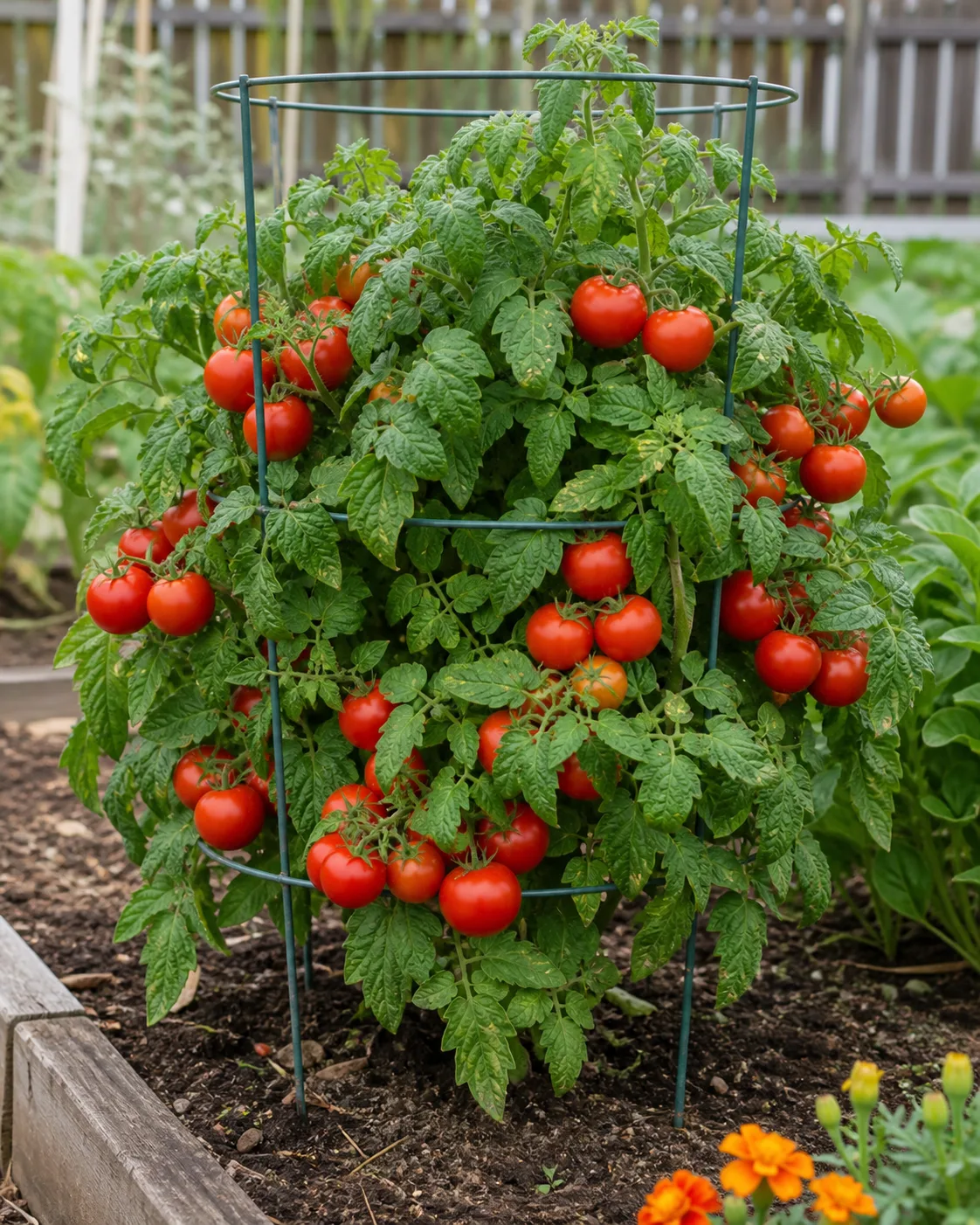
Determinate Tomatoes
Solanum lycopersicum (determinate types)
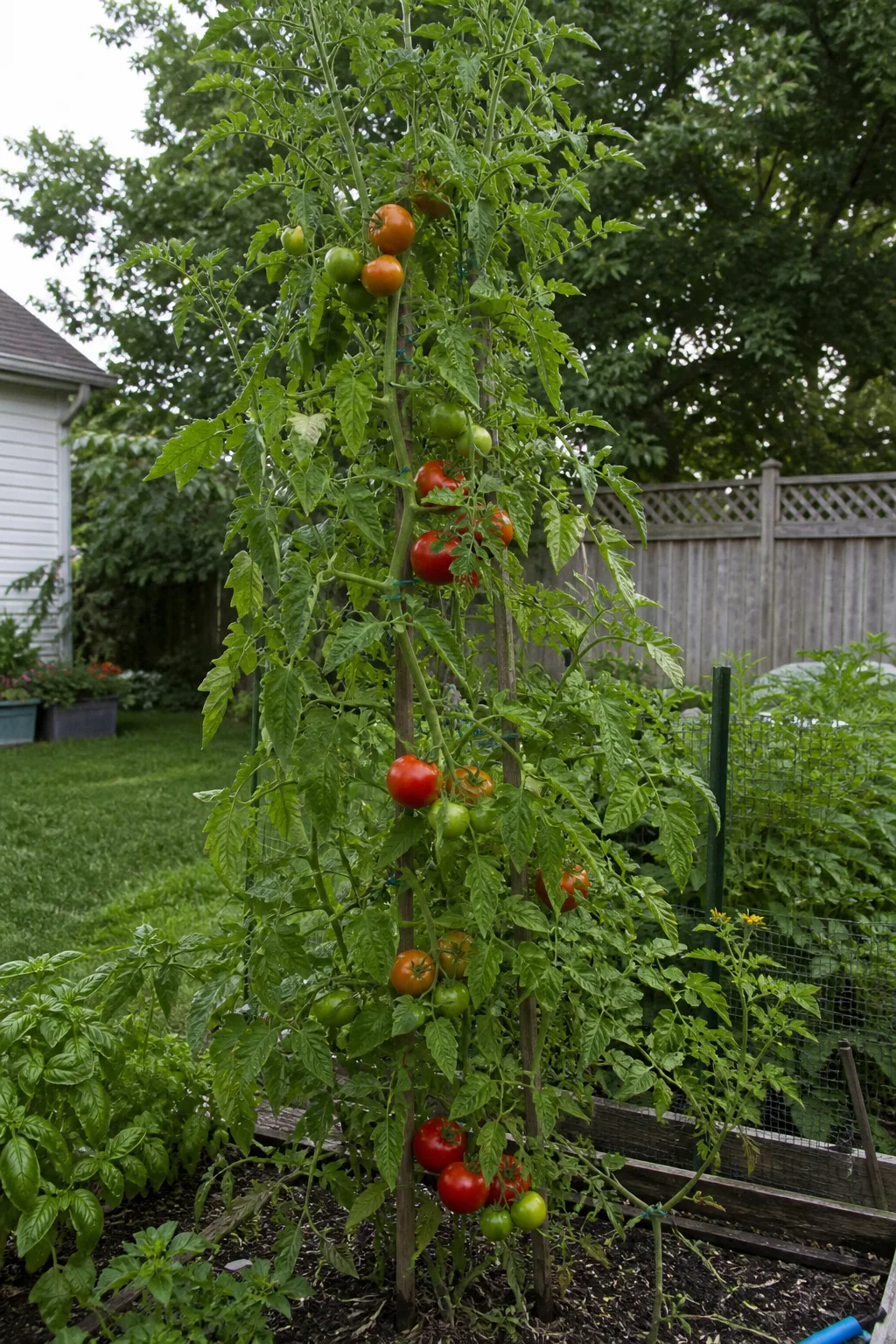
Indeterminate Tomatoes
Solanum lycopersicum (indeterminate types)
The key difference is what happens at the growing tip. A determinate tomato ends its main growth in flowers and fruit, while an indeterminate tomato continues extending and produces flower clusters along its growing stems.
That explains the practical tradeoff. Determinate types tend toward a more concentrated crop, while indeterminate types offer a longer opportunity to keep picking. Neither promises a harvest on a fixed date, and weather or disease can interrupt either one.
The terms describe growth habit, not fruit flavor, fruit size, or whether a tomato is an heirloom. Choosing between them is mainly a question of support, pruning, and when you want the crop. The tomato profile covers the shared growing conditions.
Specifications
Compare the named selections by the traits that matter in your garden.
| Feature | Determinate Tomatoes | Indeterminate Tomatoes |
|---|---|---|
| Growing tip | Ends in a flower cluster | Continues extending |
| Crop pattern | Usually more concentrated | Can continue over a longer suitable season |
| Pruning question | Avoid treating all side shoots as expendable | Match training and pruning to the support method |
| Support fit | Sized to the mature bush and fruit load | Sized for continued vine growth |
| First ripe fruit | A separate cultivar characteristic | A separate cultivar characteristic |
| Fruit use | Slicing, sauce, or other use depends on cultivar | Slicing, sauce, or other use depends on cultivar |
| What can end production | Crop completion, adverse weather, or disease | Adverse weather, disease, or end of season |
Days to maturity and harvest duration answer different questions. A packet number estimates the wait for usable fruit under suitable conditions. It does not mean a determinate plant has finished producing by that day or that an indeterminate will then crop for a fixed number of months.
A practical choice pairs the habit with a named cultivar and a support you can manage. A concentrated crop helps only when there is time to use it, while a longer crop helps only when plants remain healthy and the season permits more fruit. For a sauce planting, Roma and San Marzano illustrate why the exact label still matters.
Best Use Cases
Choose by the job the planting needs to do.
Harvests for a planned batch
Concentration is useful, not exact
A shorter ripening period can suit sauce making or another project that needs several ripe fruits together. A main flush is still a period of repeated picking, not a single guaranteed harvest day.
An indeterminate planting can also supply sauce, but picking may be spread out. Its advantage is the opportunity for later fruit rather than certainty that every week will produce enough for a large batch.
Available height and access
Support follows the cultivar
A determinate plant is often easier to contain in a shorter cage. Compact does not mean tiny, and a heavy crop can still need support. The mature dimensions on the cultivar description are more useful than the word bush alone.
An indeterminate plant can make good use of a tall support when the gardener can reach and maintain it. A cage that contains a compact plant may be overtopped by continued growth. Room for the support, hands, and harvest matters as much as bare soil area.
Pruning decisions
Removing growth changes the crop
Routine removal of all side shoots is a poor default for a determinate plant. It removes growth from a plant with a limited overall framework, so a smaller outline is not necessarily a more productive one.
Training an indeterminate plant to a stake can involve pruning and tying, while a larger cage allows a different arrangement. The support method determines how much growth can be carried. Pruning for access or training should not be presented as a guaranteed increase in total fruit.
An early first harvest
Maturity is a separate trait
A determinate label does not establish an early maturity date. NC State lists early-season tomatoes separately from growth habit, and favorable conditions are part of those estimates. A short harvest pattern and a short wait for the first ripe fruit are different things.
An early indeterminate can begin producing before a late determinate. In a short season, the first-ripe estimate and local frost risk deserve attention even if continued picking is the main reason for choosing the vine.
Related Comparisons
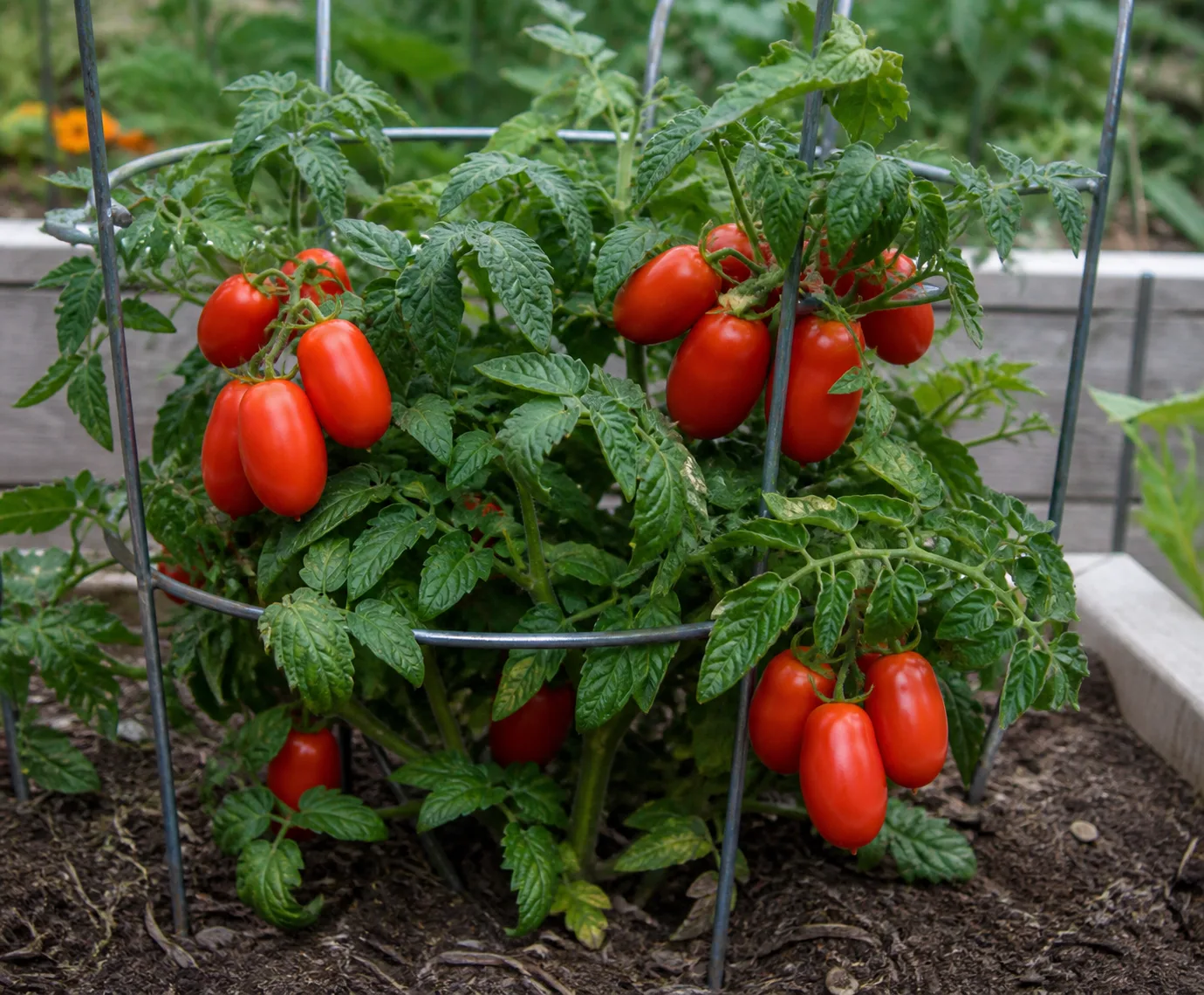
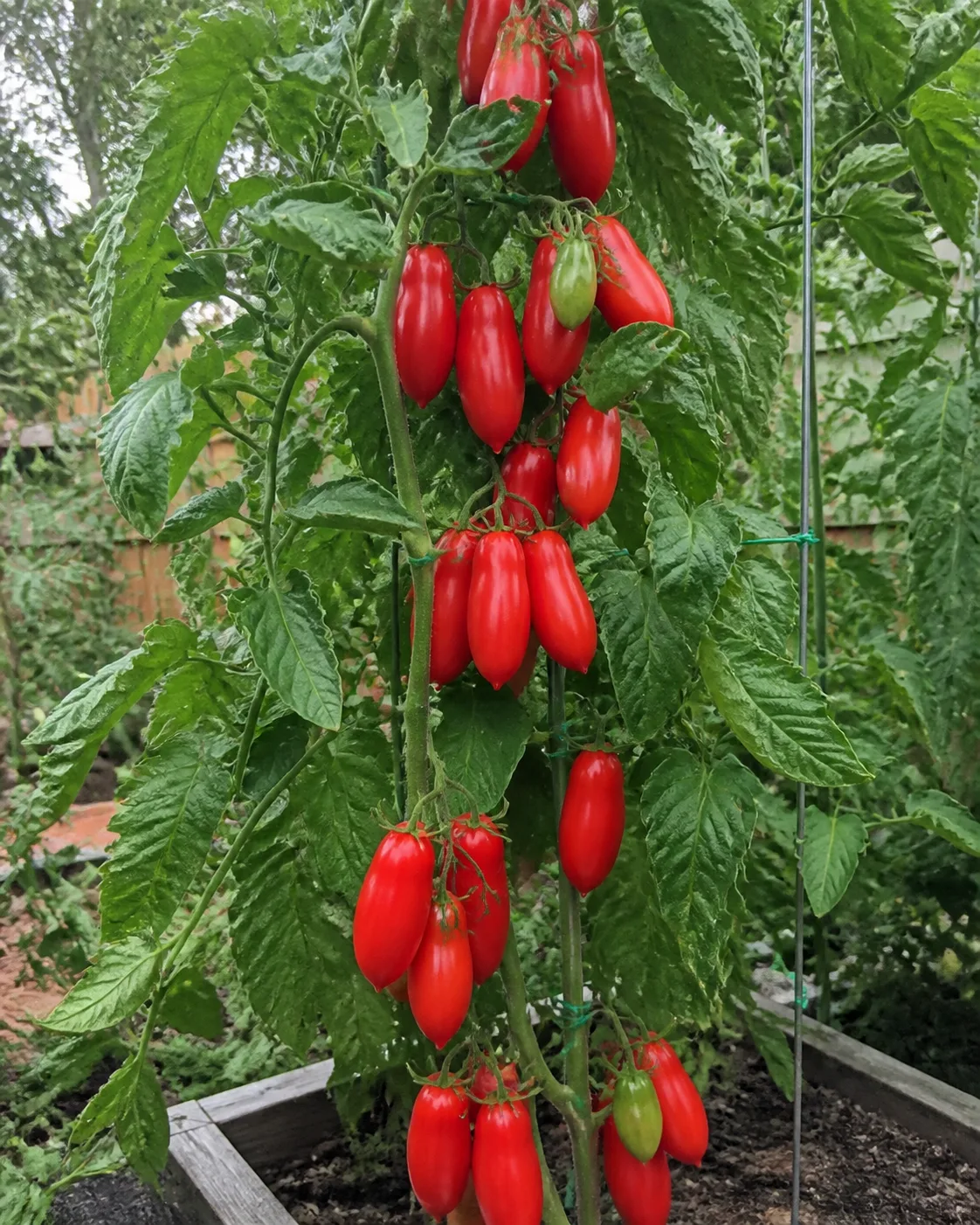
Tomato Roma vs San Marzano: Sauce Tomato Showdown
Read Comparison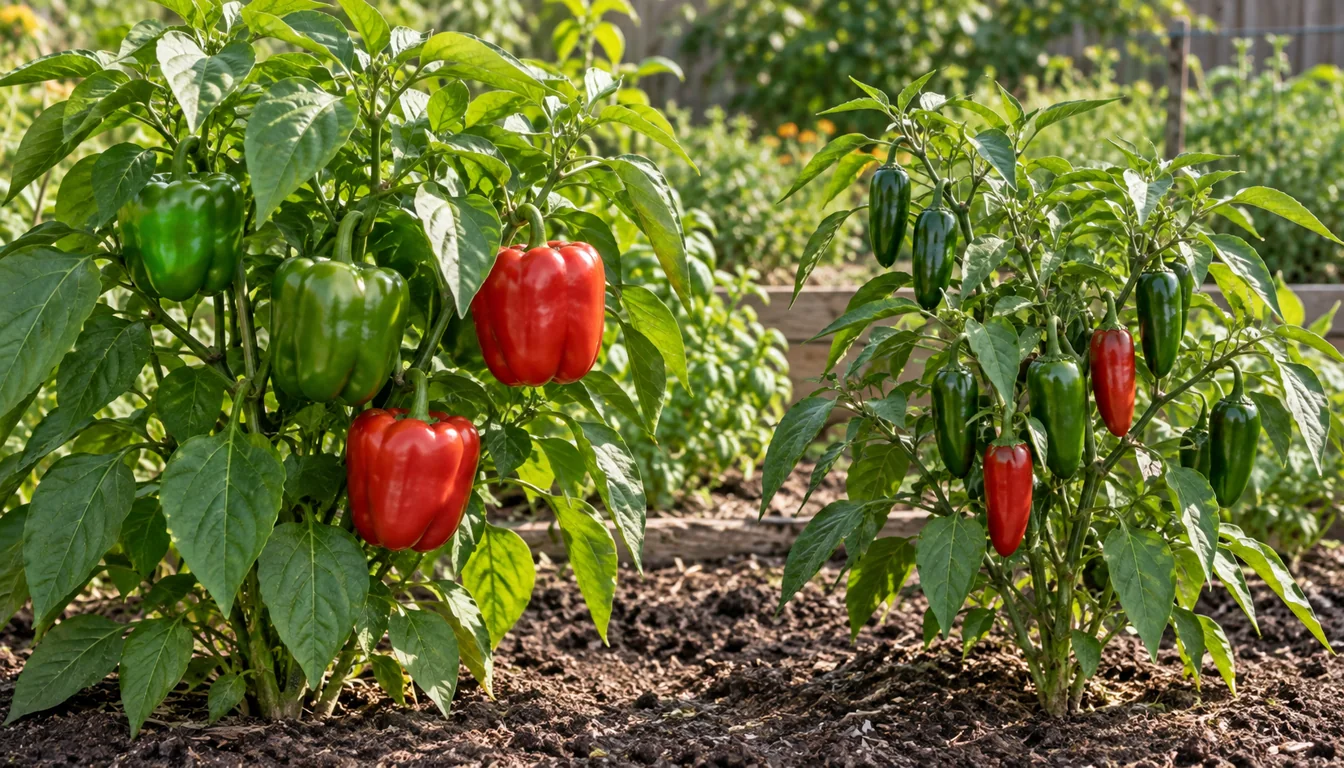
Bell Pepper vs Jalapeno: Heat, Yield, and Garden Space
Read Comparison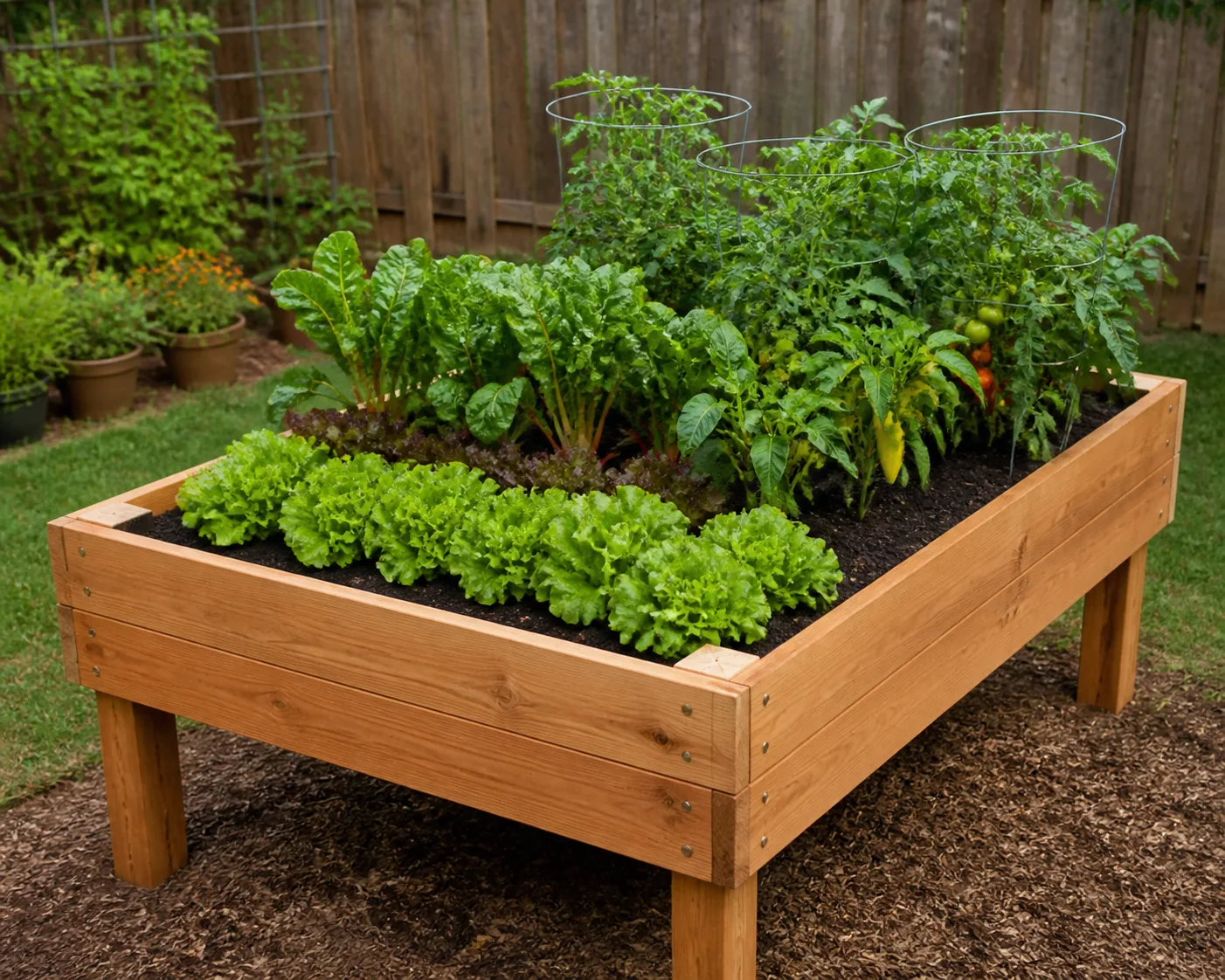
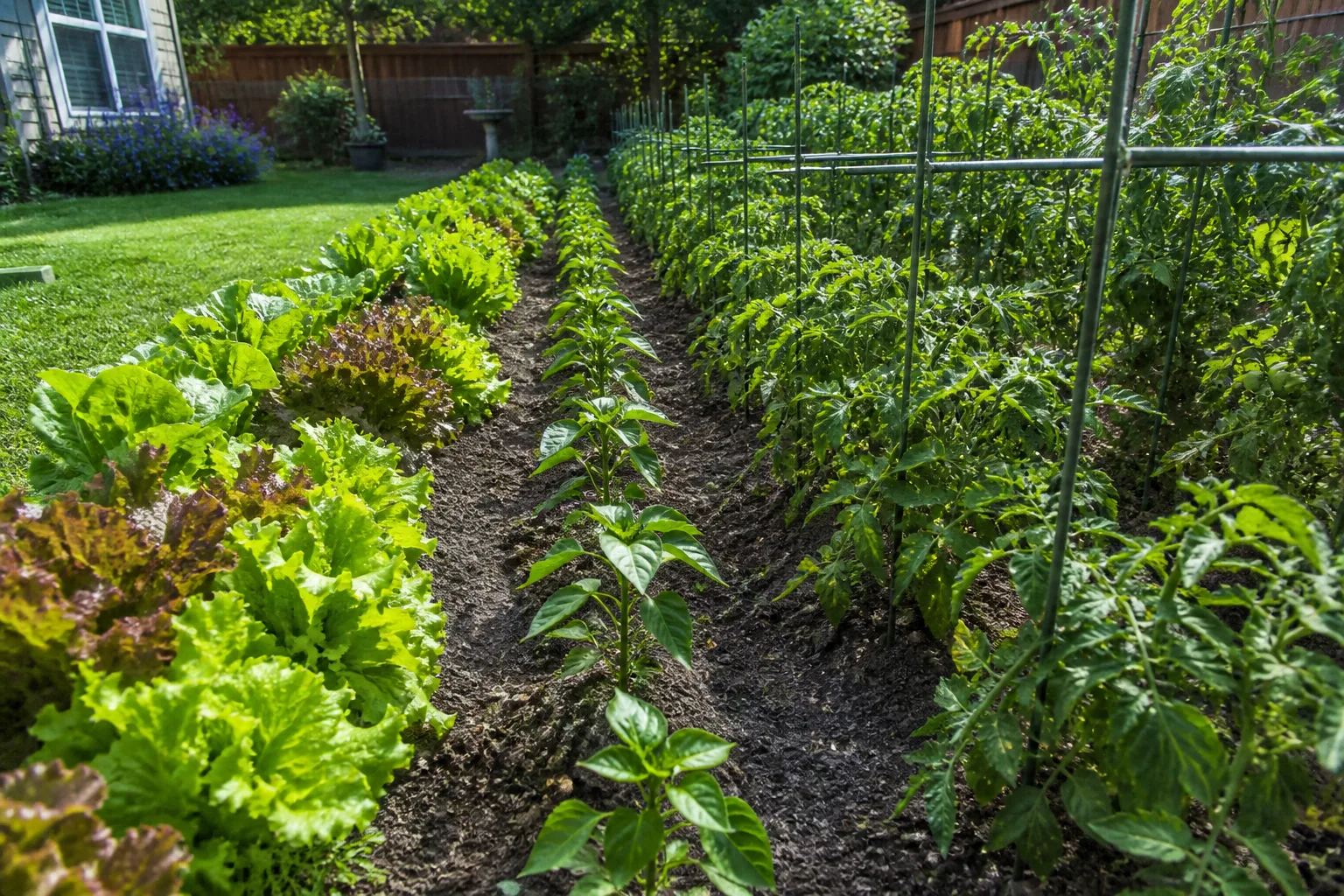
Raised Bed vs In Ground: Best Setup for Tomatoes
Read Comparison