Mint vs Lemon Balm
Culinary mint offers flavors from mild spearmint to stronger peppermint. Lemon balm offers a lemon scent and flavor. Both can spread beyond their planting space, so lemon balm is not an escape from containment work.
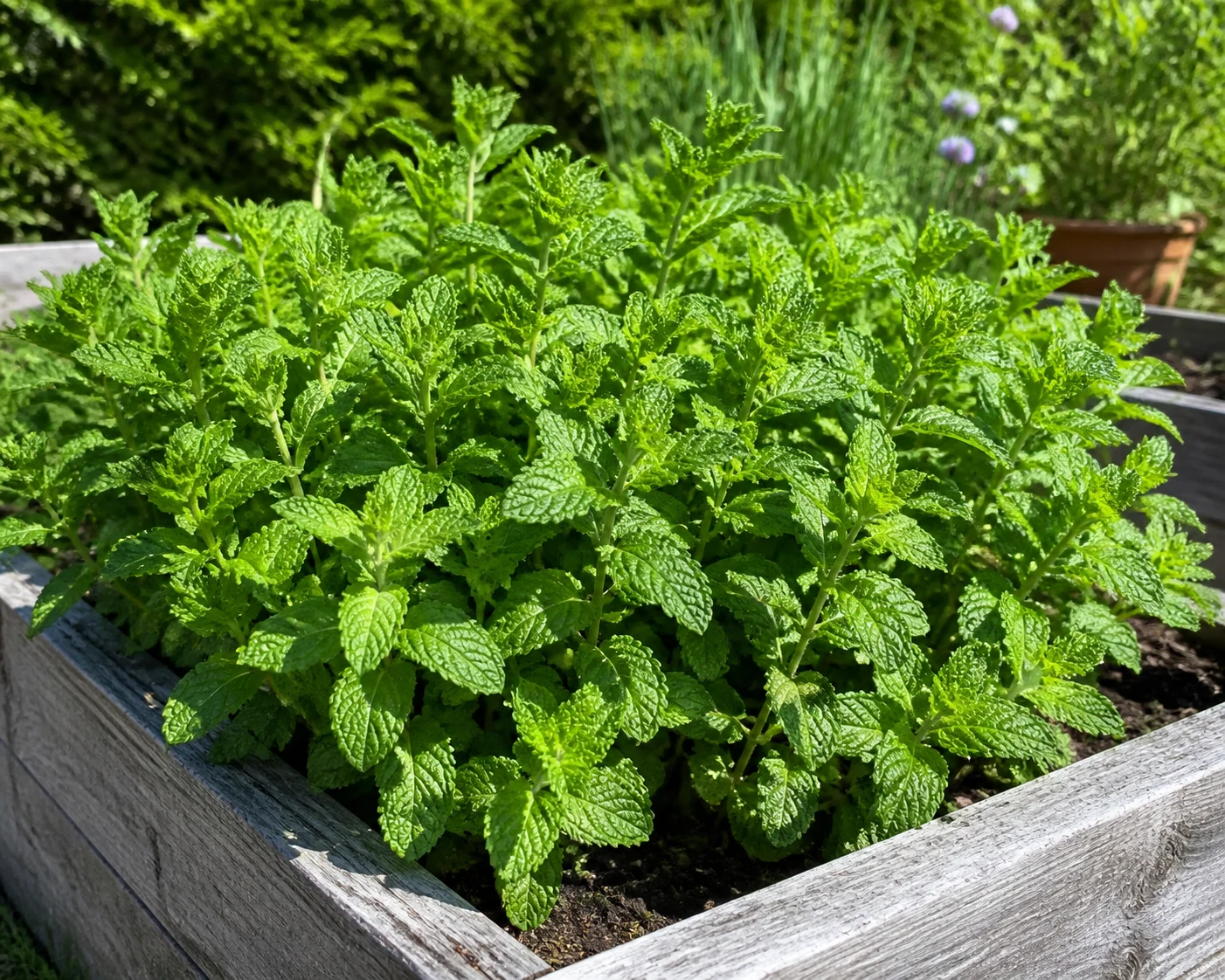
Mint
Mentha spp.
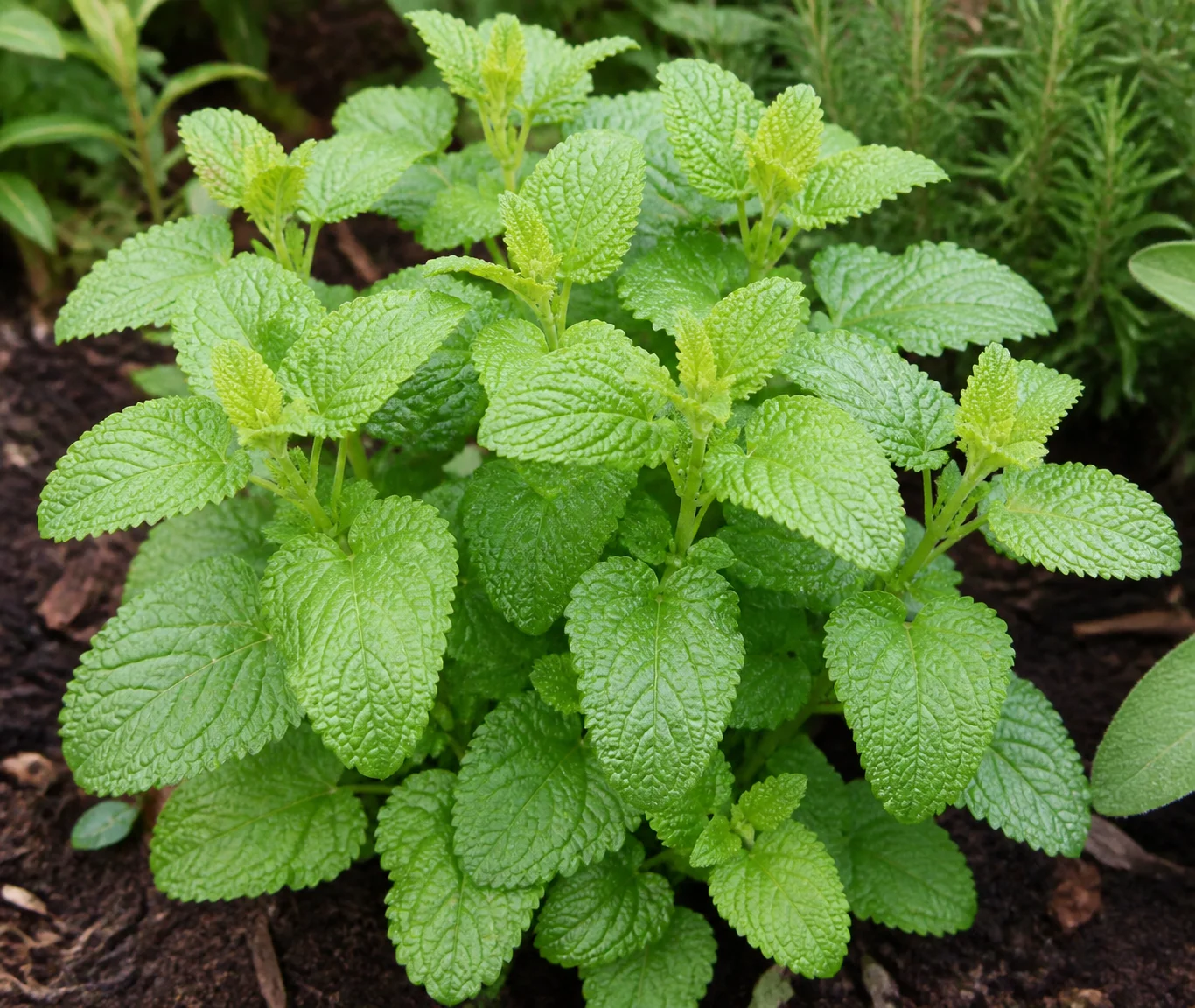
Lemon Balm
Melissa officinalis
The useful choice between mint and lemon balm starts with the flavor you want to harvest. “Mint” covers several species and hybrids, so peppermint’s strong cooling character does not describe every mint. Lemon balm is Melissa officinalis, a different genus in the same family.
Growing habit is the second decision. Mint’s spreading underground stems can invade neighboring plants. Lemon balm also expands into clumps, seeds readily, and is described by NC State as spreading by rhizomes. A softer scent does not mean it will stay inside a small gap in an herb bed.
Separate containers make the two easier to manage beside other herbs. Roots still fill pots, container soil dries, and lemon-balm flowers can produce seed outside the pot.
Specifications
Compare the traits that change the growing decision.
| Feature | Mint | Lemon Balm |
|---|---|---|
| Botanical identity | Mentha species and hybrids | Melissa officinalis |
| Flavor | Variety-specific, including spearmint and peppermint | Lemon-scented foliage |
| Spread to manage | Rhizomes and rooting stems | Expanding rhizomatous clumps and self-seeding |
| Light outdoors | Full sun to partial shade | Full sun to partial shade |
| Moisture | Moist, well-drained soil | Well-drained soil; avoid waterlogging |
| Making more plants | Division or cuttings preserve a known variety | Seed, division, or cuttings |
| Animal safety | ASPCA lists Mentha as toxic to dogs, cats, and horses, with vomiting and diarrhea after large ingestions. | ASPCA lists Melissa officinalis as non-toxic to dogs, cats, and horses; this is not an essential-oil safety claim. |
Containment follows two different paths. A container separates spreading roots from the bed, while managing flowers addresses seed dispersal. Lemon balm needs attention to both its expanding clump and its seedlings.
Hardiness also belongs to the actual variety and growing situation. A winter rating for one Mentha species does not establish the hardiness of every culinary mint or describe its summer water needs.
The animal-safety entries concern the named plants and exposures in ASPCA records. They do not turn culinary use into permission for pets to eat the plants or establish essential-oil safety.
Best Use Cases
Choose by the job the planting needs to do.
Flavor for food and drinks
The variety changes the result
Spearmint is commonly used in savory dishes and drinks, while peppermint gives a stronger cooling flavor suited to many sweets and beverages. Iowa State distinguishes these uses rather than treating all mint leaves as equally strong.
Lemon balm adds a lemony herb flavor to teas and food. It is an alternative flavor, not a weaker version of peppermint. The choice can be made around the dishes you actually prepare without promising one plant produces more usable servings.
Fresh or dried leaves
Keeping the aroma you want
Culinary mints can be harvested for fresh use, drying, or freezing. Utah State recommends obtaining a named variety through a known plant or vegetative propagation when its flavor matters, because seedlings may not remain true to type.
Wisconsin Extension notes that dried lemon balm loses much of its aroma. A plant near the kitchen may therefore be more useful for fresh leaves than as a source of strongly flavored dried tea. These culinary uses do not establish a sleep treatment or a recommended dose for children.
A shared garden bed
Avoiding unwanted spread
Mint can outcompete neighboring plants through spreading stems. Root confinement or a separate container is easier to plan before planting than after the herb has moved into a vegetable bed.
Lemon balm can also become difficult to remove. Removing faded flower stems limits seed production, but it does not make the existing clump stop expanding. Its tendency to spread means it is not automatically a suitable companion for slow-growing lavender or a small mixed pot.
Flowers for pollinators
Harvesting and flowering compete for stems
Mint flowers attract pollinators, but frequently cutting leafy stems can reduce the flowers left available. A plant managed for tender kitchen leaves is doing a different job from one left in bloom.
Lemon balm flowers also attract bees. Allowing bloom and then removing faded stems balances that use with the desire to limit seedlings. The sources do not establish a universal pollinator winner between the two.
Container care
Keeping useful herbs close by
Mint needs moist, draining growing medium rather than stagnant water. The RHS notes that pots dry faster than garden soil, so a fixed weekly watering count would miss changes in weather and pot size.
Lemon balm also needs drainage, and a container restricts its spreading habit. The RHS recommends periodic division when clumps become large. As either plant fills its container, crowding and water demand can change. The growing plant’s condition is more useful than an assumed repotting schedule.
Sources & References
- Iowa State University Extension: Growing Mint in the Home Garden
- Utah State University Extension: How to Grow Mint in Your Garden
- NC State Extension: Melissa officinalis
- University of Wisconsin Extension: Lemon Balm, Melissa officinalis
- RHS: How to grow mint
- RHS: How to grow lemon balm
- ASPCA: Mint (Mentha)
- ASPCA: Lemon Balm (Melissa officinalis)