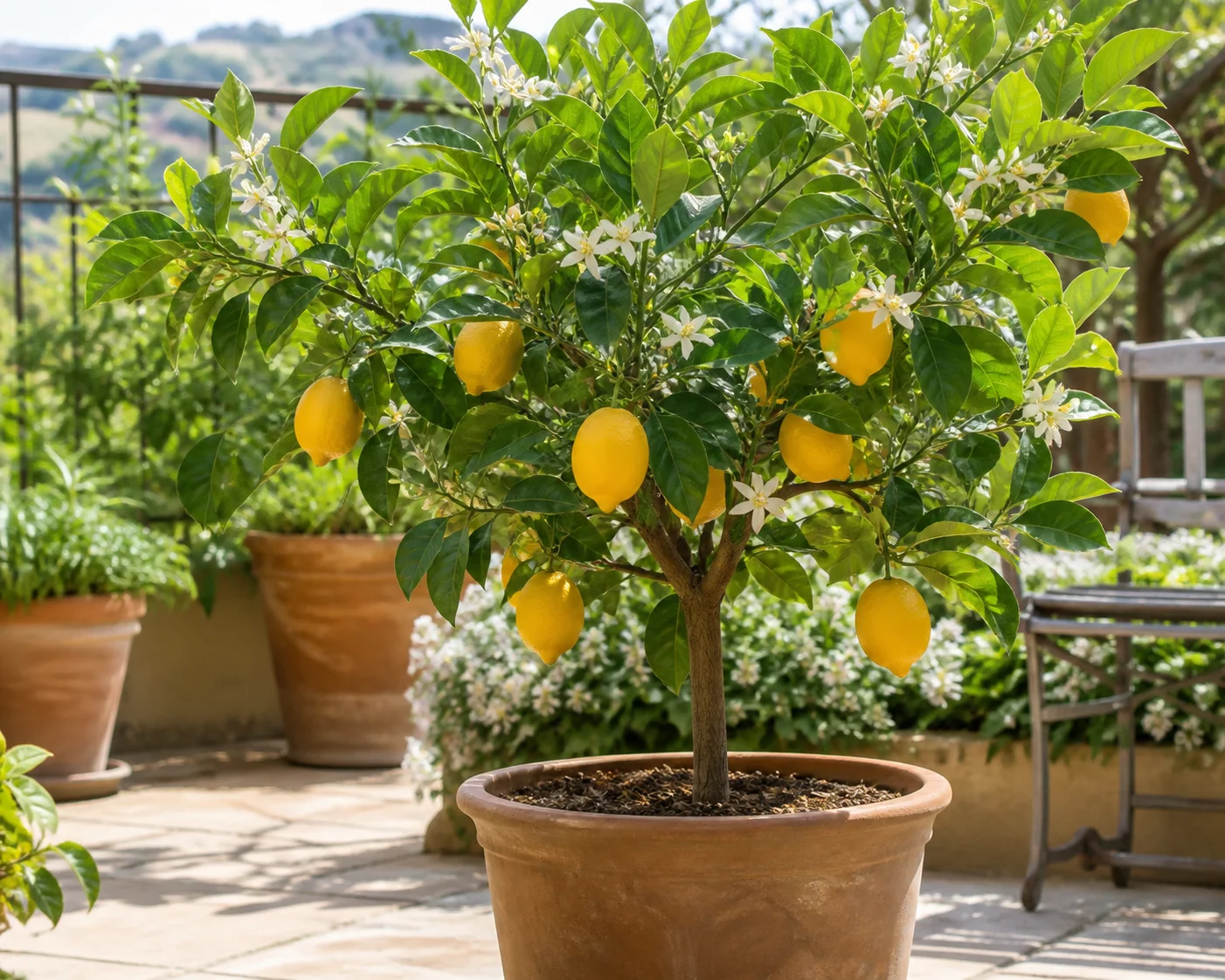
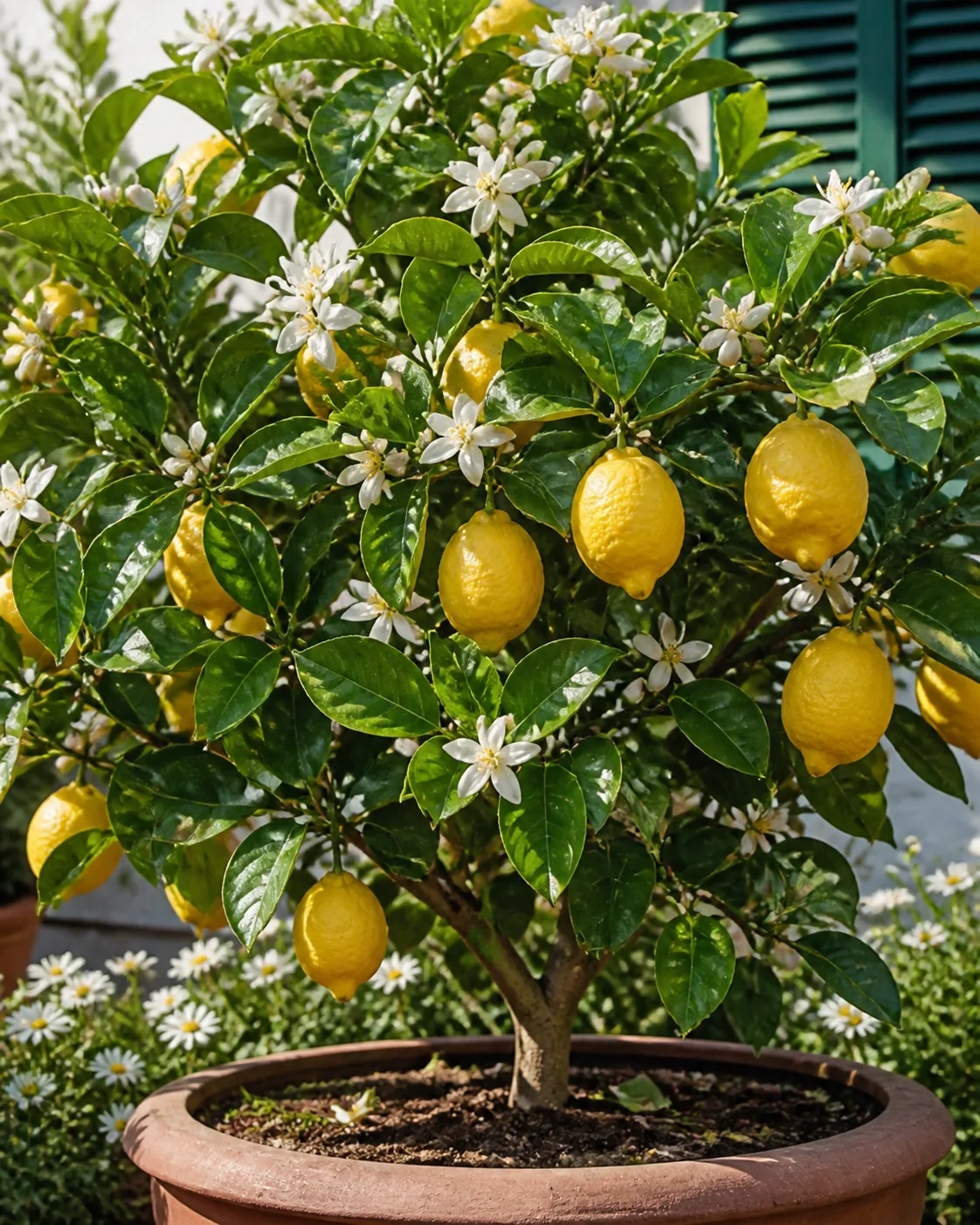
Lemon Tree vs Lime Tree
Lemon suits a preference for lemon juice and peel, while lime suits a preference for lime flavor. The growing decision depends on the named variety, especially Key versus Persian lime, and whether you can provide winter protection and enough light.
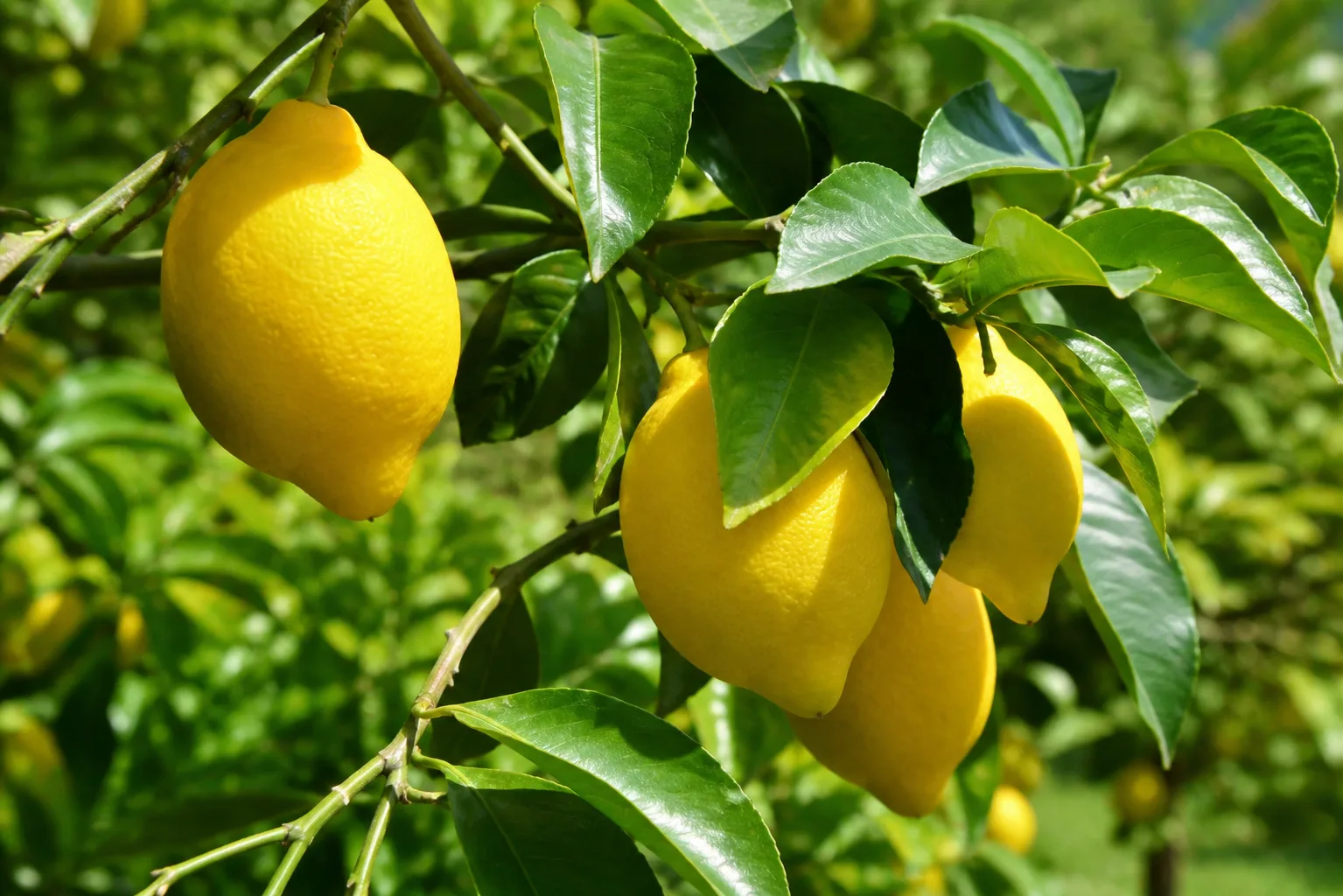
Lemon Tree
Citrus × limon
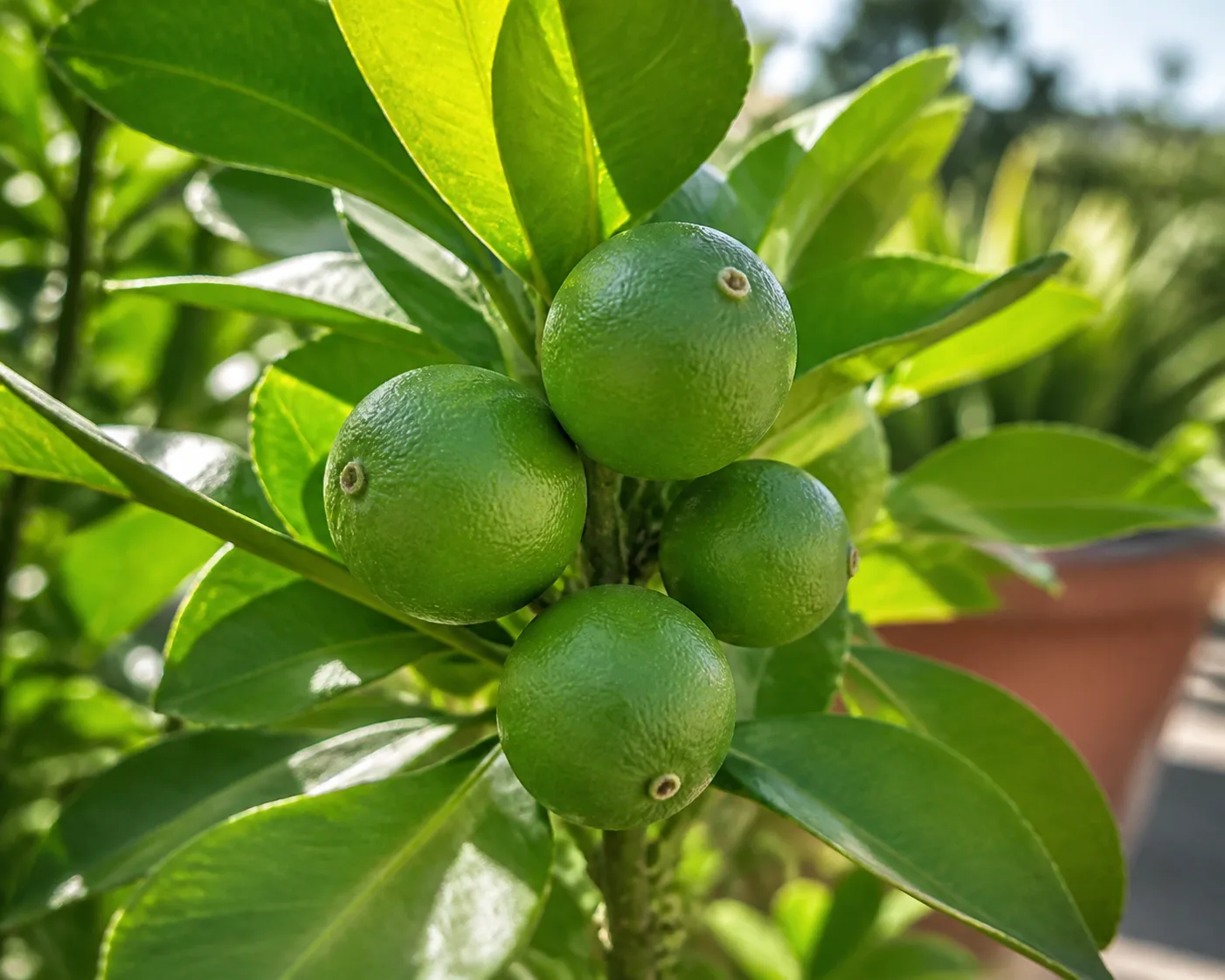
Lime Tree
Citrus × aurantiifolia / Citrus × latifolia
Lemons and limes are tender citrus with meaningful differences among the plants sold under each name. A lime can become a substantial tree, while a compact lemon selection may fit a patio container.
Key lime and Persian lime differ in fruit, growth and cold sensitivity. Among lemons, Meyer also differs from standard tart types such as Eureka. Comparing the nursery labels gives you a better starting point than choosing from fruit color alone.
Specifications
Compare the traits that change the growing decision.
| Feature | Lemon Tree | Lime Tree |
|---|---|---|
| Fruit types | Standard lemons include Eureka and Lisbon; Meyer is a distinct hybrid selection | Key/Mexican lime differs from Persian/Tahiti/Bearss lime |
| Fruit character | Typically tart, yellow fruit with familiar lemon juice and peel | Key is small and often seedy; Persian is larger and usually seedless |
| Cold exposure | Tender, with differences among cultivars | Key is especially sensitive; Persian tolerates more cold than Key |
| Container suitability | Possible with a suitable selection and ongoing care | Possible, but Persian lime is not inherently a dwarf tree |
| Outdoor site | Full sun and well-drained soil | Full sun and well-drained soil |
| Winter indoors | Strong light, suitable temperature and pest monitoring | The same needs, with attention to the particular lime’s warmth requirements |
The fruiting variety and, on a grafted tree, the rootstock both matter. A compact nursery plant is still young, so its current pot size is not its mature size.
Key and Persian Limes Change the Comparison
Key or Mexican lime is Citrus × aurantiifolia. Its small fruit and warm-climate needs differ from Persian lime, also sold as Tahiti or Bearss lime, which belongs to Citrus × latifolia. UCR describes Bearss as a vigorous, spreading tree with few thorns, rather than a naturally compact patio plant.
Persian fruit is larger than Key lime and usually seedless. Its rind becomes pale yellow at full maturity, so green skin is not a universal test of ripeness. Key lime has its own distinctive culinary use, including Key lime pie, while standard lemons supply the familiar tart juice and peel used in baking and cooking.
For a household choosing one tree, the useful question is which fruit you regularly use. A large crop of the wrong flavor is less useful than a modest harvest that suits your kitchen. If lemon is already the preference, the Meyer and Eureka comparison narrows the choice further.
Cold Risk Is More Specific Than Lemon Versus Lime
Key lime is particularly cold-sensitive. UF/IFAS places its outdoor growing in the warmest parts of southern Florida, whereas UCR notes that Persian lime is more cold-hardy than Key and can succeed where lemons grow. The particular lime on the nursery label changes the cold-risk comparison.
Even among lemons, cultivar matters. Meyer offers more cold tolerance than many standard lemons, but neither its name nor a USDA zone guarantees fruit or undamaged shoots after a freeze. UC IPM explains that exposure, duration of cold, preceding weather and fruit maturity affect injury.
A surviving tree and an undamaged crop are different outcomes. Where freezing weather is routine, a movable container and a suitable winter space may be necessary for either choice. Historical frost dates help with seasonal planning, while the current forecast and conditions around the tree govern an approaching cold spell.
Plan for the Tree You Will Move
Container suitability depends on the plant's vigor and propagation, as well as its fruit name. A rootstock is the root system joined to the fruiting variety by grafting. Some rootstocks restrict growth, but a rooted cutting has no separate dwarfing rootstock, so the nursery needs to describe the actual plant being sold.
Both lemon and lime can grow in pots. The practical limit may be the doorway, winter window or weight you can move, rather than available patio space in summer. A spreading Persian lime can be a poor fit for a narrow indoor corner even when its fruit is small.
The container needs drainage and a potting medium suited to containers. Moving a small root ball straight into an oversized tub can leave much of the mix wet for too long. Pot size needs to follow root growth, with room and equipment to move the eventual tree, rather than a fixed lemon-versus-lime gallon allowance.
Good Leaves Do Not Guarantee a Harvest
Both choices need strong light for productive growth. Outdoors, a sunny site also needs drainage and shelter from damaging wind. Indoors, keeping a citrus alive is easier than providing enough light and suitable conditions for a dependable crop.
University of Minnesota Extension cautions that indoor citrus may be best regarded as a houseplant with fruit as a bonus. A bright-looking room to a person can still limit a tree, and seasonal moves need gradual adjustment to stronger or weaker light.
Watering also changes with the setting. A warm, windy patio can dry a pot much faster than a cool winter room, so a weekly schedule can fail in either direction. Moisture in the root zone and free drainage provide the basis for deciding when to water.
Key lime and lemon do not require a second variety for cross-pollination. That does not remove the need for suitable growing conditions, and fruit development takes time. Seasonal harvest descriptions from Florida or Riverside are regional observations, not a promise of continuous fruit from a young indoor tree.
Nursery Health and Pet Access Belong in the Choice
In citrus-growing regions, disease pressure can outweigh a small difference in flavor or size. UF/IFAS warns that canker and citrus greening can seriously limit home lemon and Key lime production. A locally appropriate, documented nursery plant is a better basis for a long-term planting than an unidentified seedling or exchanged branch.
The fruit's use in human food does not make the whole plant a pet-safe chew. NC State flags Citrus × limon for dogs, cats and horses, and ASPCA lists Key lime under Citrus aurantifolia as toxic to those animals, with concerns involving oils, psoralens, skin and other plant material.
That Key lime record is not a cultivar-by-cultivar assessment of Persian lime, and it does not establish a harmless dose. Keep pets from chewing leaves or peel and contact a veterinarian after a suspected harmful exposure. The animal, plant part and amount involved all matter to that assessment.
Sources & References
- Bearss lime, Givaudan Citrus Variety Collection at UCR
- Key Lime Growing in the Florida Home Landscape, UF/IFAS
- Lemon Growing in the Florida Home Landscape, UF/IFAS
- Citrus Site Selection, UC IPM
- Citrus, UF/IFAS Gardening Solutions
- How to Grow Citrus, Royal Horticultural Society
- Growing Citrus Indoors, University of Minnesota Extension
- Growing Dwarf Citrus, University of Maryland Extension
- Citrus × limon, NC State Extension Plant Toolbox
- Lime, ASPCA Poison Control