Lavender vs Rosemary
Choose English lavender for a cold-winter garden, dried flowers, and a compact 1 to 2 foot mound. Choose rosemary for a kitchen herb you cut often, a larger shrub where winters stay above about Zone 8, or a home with pets that chew plants.
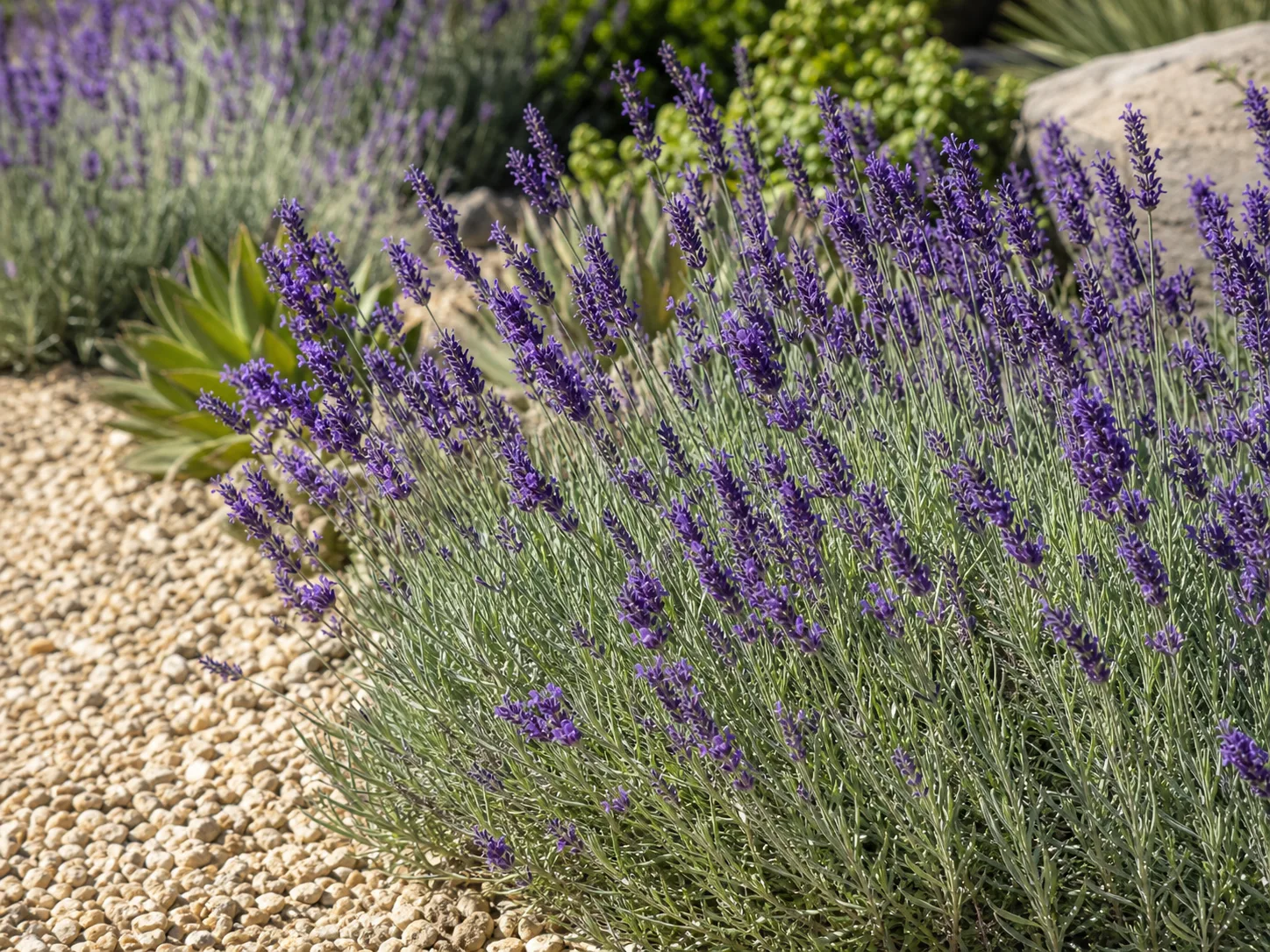
Lavender
Lavandula angustifolia
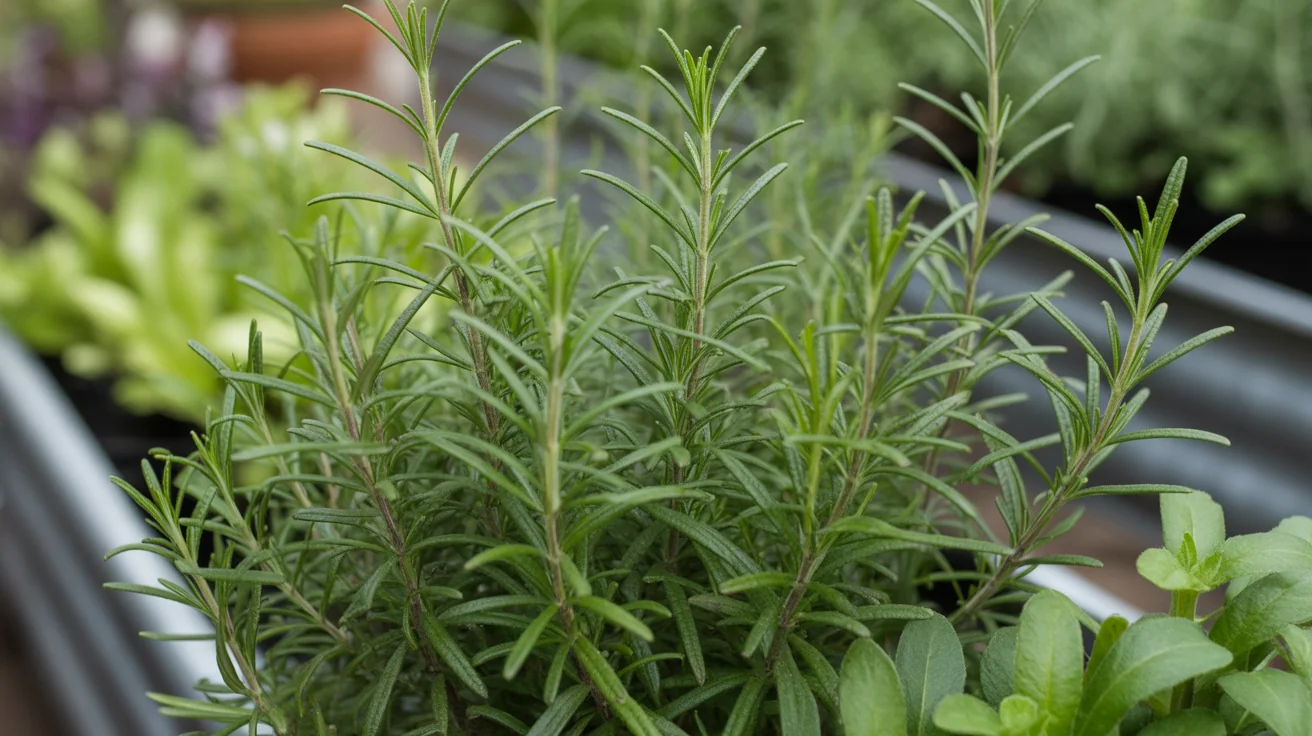
Rosemary
Salvia rosmarinus
English lavender and rosemary are both woody mint-family herbs that need full sun and sharp drainage, so the planting spot rarely decides between them. Winter, size, what you plan to harvest, and pets in the house do.
The two plants here are English lavender, Lavandula angustifolia, and rosemary, Salvia rosmarinus, formerly Rosmarinus officinalis. In much of the northern half of the country, lavender is the only one of the two that stays in the ground year-round.
Above ground they grow very differently. NC State describes lavender as a 1 to 2 foot mound that does not regrow well from old wood, and rosemary as a shrub of 4 to 5 feet that tolerates heavy pruning. The pet question also splits them, since the ASPCA lists English lavender as toxic to dogs, cats, and horses and rosemary as non-toxic.
Specifications
Compare the traits that change the growing decision.
| Feature | Lavender | Rosemary |
|---|---|---|
| Family | Lamiaceae (mint family) | Lamiaceae (mint family) |
| USDA Zones | 5a to 9b | 8a to 10b. 'Arp' and 'Madeline Hill' to 7a |
| Mature size | 1 to 2 ft tall, 2 to 3 ft wide | 4 to 5 ft tall, 3 to 4 ft wide |
| Light | Full sun, 6 or more hours | Full sun, tolerates partial shade |
| Soil pH | Neutral to alkaline | Slightly acidic |
| Wet or clay soil | Dies out in heavy clay or wet soil | Overwatering is the common cause of decline |
| Bloom | Summer spikes, purple, pink, or white | Small flowers in spring and summer, blue, lavender, or white |
| Pruning | Light only, does not regrow well from old wood | Tolerates heavy pruning |
| Pet toxicity (ASPCA) | Toxic to dogs, cats, and horses | Non-toxic to dogs, cats, and horses. Does not cover concentrated oils. |
The zone and pruning rows carry most of the decision. The pH row matters only when both share one bed, and the sections below explain how to handle it.
Best Use Cases
Choose by the job the planting needs to do.
Cold-winter beds
Zones 5 to 7
English lavender is rated to Zone 5, with compact cultivars such as 'Hidcote' and 'Munstead' recommended for Iowa. Drainage, more than cold, decides whether it survives.
Rosemary is hardy to Zone 8a, and to about 7a for 'Arp' and 'Madeline Hill'. Colder than that, it is a pot that moves indoors before the first frost.
Everyday cooking
Sprigs cut through the season
Rosemary leaves are the savory herb, and Wisconsin Horticulture advises picking small amounts as needed without removing more than 20 percent of the growth at a time.
English lavender has culinary uses too, and NC State mentions jellies and vinegars, but its floral flavor is used in small amounts. Lavender bought as an ornamental may have been treated with products not meant for food.
Dried flowers and sachets
Bundles, potpourri, and cut stems
NC State rates English lavender as good for both cut and dried flowers. Iowa State harvests stems just as the flower buds begin to open, in the morning after the dew dries, and hangs bundles upside down somewhere warm, dry, and shaded.
Rosemary is dried for its leaves rather than its flowers. Wisconsin Horticulture cuts sprigs for drying before the plant flowers.
Homes with pets that chew plants
Dogs, cats, and horses
The ASPCA lists rosemary as non-toxic to dogs, cats, and horses. That listing covers the plant, not concentrated essential oils.
The ASPCA lists English lavender as toxic to dogs, cats, and horses, naming linalool and linalyl acetate as the compounds, with nausea, vomiting, and loss of appetite among the signs.
A larger evergreen shrub
Hedges, slopes, and screening
Rosemary reaches 4 to 5 feet tall and 3 to 4 feet wide where it is hardy, according to NC State, and it tolerates heavy pruning, salt, and some shade.
Lavender stays a 1 to 2 foot mound, 2 to 3 feet wide. It edges a path or fills a border front, but it will not fill the space of a shrub.
Which one survives a cold winter outdoors?
NC State rates English lavender for Zones 5a to 9b and rosemary for Zones 8a to 10b. That gap of three zones is the main reason the two herbs are not interchangeable in northern gardens.
Lavender's winter losses usually come from water rather than cold. Iowa State calls root rot the most common problem and ties it to poorly drained soil or overwatering, with plants most at risk when the soil stays saturated through winter freeze and thaw. It recommends compact English cultivars such as 'Hidcote', 'Munstead', 'Blue Cushion', and 'Royal Velvet', all rated for Zone 5.
Rosemary has a narrower margin. Wisconsin Horticulture describes the species as winter hardy only to Zone 8a, with 'Arp' hardy to Zone 7a and possibly 6a with protection, and 'Madeline Hill' surviving to 7a or 6a in protected sites. In a Zone 5 or 6 garden without that protection, rosemary is grown in a pot, kept outside in full sun for the summer, and brought in before the first frost.
Indoor winters are their own problem. NC State notes that rosemary can be difficult to overwinter indoors, and Wisconsin Horticulture names overwatering as the biggest cause of decline and death, so a potted rosemary needs a bright window and soil that dries between waterings.
Can lavender and rosemary share the same bed?
They can share sun and drainage, and both fail in wet soil. NC State says English lavender does not like wet feet and dies out in heavy clay, and that overwatering is the common cause of rosemary decline or death. Iowa State often uses raised beds or berms for lavender in clay soil, and the same lift helps rosemary.
Soil pH is where they differ. NC State lists English lavender as preferring neutral to alkaline soil, and Iowa State adds lime where soil is too acidic. Rosemary is listed for light, slightly acidic soil. A bed limed for lavender can still grow rosemary, but it sits outside rosemary's preferred range, so a soil test before liming tells you which plant the bed favors.
Light is the other small difference. Both are full-sun plants, but NC State lists rosemary as tolerating partial shade, while lavender is listed for full sun of 6 or more hours. The shadier end of a shared bed suits the rosemary.
How much room and pruning does each need?
Size is the difference you see first. NC State describes English lavender as a mound 1 to 2 feet tall and 2 to 3 feet wide, and rosemary as a shrub reaching 4 to 5 feet tall and 3 to 4 feet wide where it is hardy.
Pruning follows from how each plant regrows. Iowa State warns that lavender does not readily produce new growth from old wood, so it prunes lightly after flowering to keep the shape and removes dead stems in spring. NC State prunes lavender yearly and removes the spent flower spikes after bloom. Cutting a leggy lavender back into bare wood usually leaves bare stems that do not refill.
Rosemary is far more forgiving. NC State lists it as tolerating heavy pruning, and notes that once flowering has passed, a severe pruning is an option to encourage dense foliage. That makes rosemary the better choice for a clipped hedge or a plant kept to a fixed size.
New plants come most reliably from rosemary cuttings. Wisconsin Horticulture takes 4 to 6 inch tip cuttings from shoots without flowers in late spring to early summer, and prefers cuttings to seed.
Which harvest are you growing it for?
Lavender is grown for its flower stems. NC State rates English lavender as a good cut and dried flower, used in potpourri, dried arrangements, and herb pillows, with culinary uses such as jellies and vinegars. Iowa State harvests stems just as the flower buds begin to open, in the morning after the dew dries, and dries bundles upside down in a warm, dry, ventilated spot away from sun to keep the color. The timing details are in cutting lavender stems.
Rosemary is grown for its leaves. Wisconsin Horticulture picks small amounts as needed and removes no more than 20 percent of the growth at a time, and for drying cuts sprigs before the plant flowers and hangs them in an airy space.
The harvest also decides how many plants you need. A rosemary plant cut a little at a time supplies a kitchen through the season, while a lavender harvest for drying takes the season's flower stems at once, so drying lavender in quantity takes several plants.
Which is safer around pets, and which feeds more pollinators?
The ASPCA lists English lavender as toxic to dogs, cats, and horses. It names linalool and linalyl acetate as the toxic compounds and lists nausea, vomiting (not in horses), and loss of appetite as signs. NC State rates the severity as low. The ASPCA lists rosemary as non-toxic to the same three animals. Neither listing covers concentrated essential oils, which need separate advice.
Both herbs feed pollinators, at different times. NC State lists lavender's flowers in summer and notes that they attract butterflies and other pollinators, while rosemary flowers in spring and summer and attracts butterflies, bees, and hummingbirds. Growing both spreads bloom across a longer season in a pollinator planting.
Related Comparisons
Basil vs Cilantro: Which Herb Fits Your Kitchen?
Read Comparison
Rosemary vs Thyme: Best Woody Herb for Your Garden
Read Comparison
Lavender English vs French: Picking the Right Type
Read Comparison