Japanese Maple vs Red Maple
Japanese maple suits a smaller focal planting with ornamental foliage and branching. Red maple suits a larger shade-tree space and tolerates wetter soil, with room needed for its canopy and surface roots.
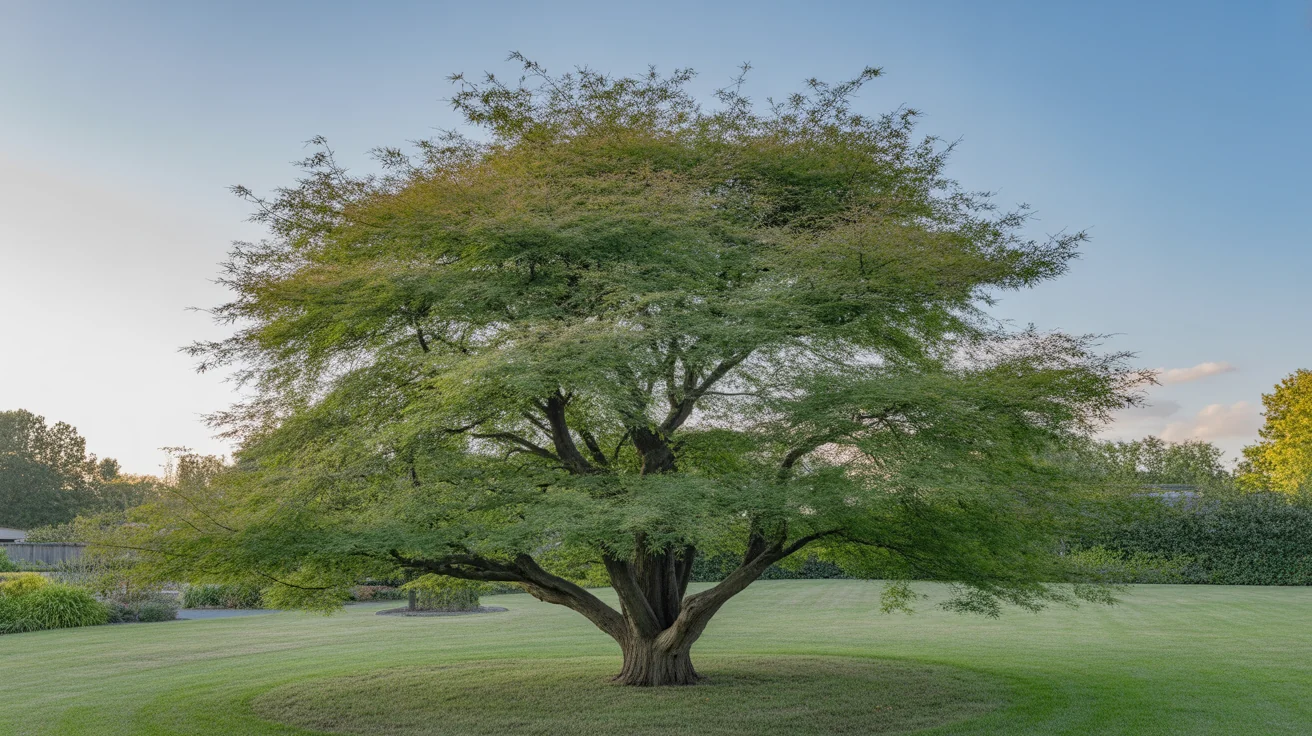
Japanese Maple
Acer palmatum
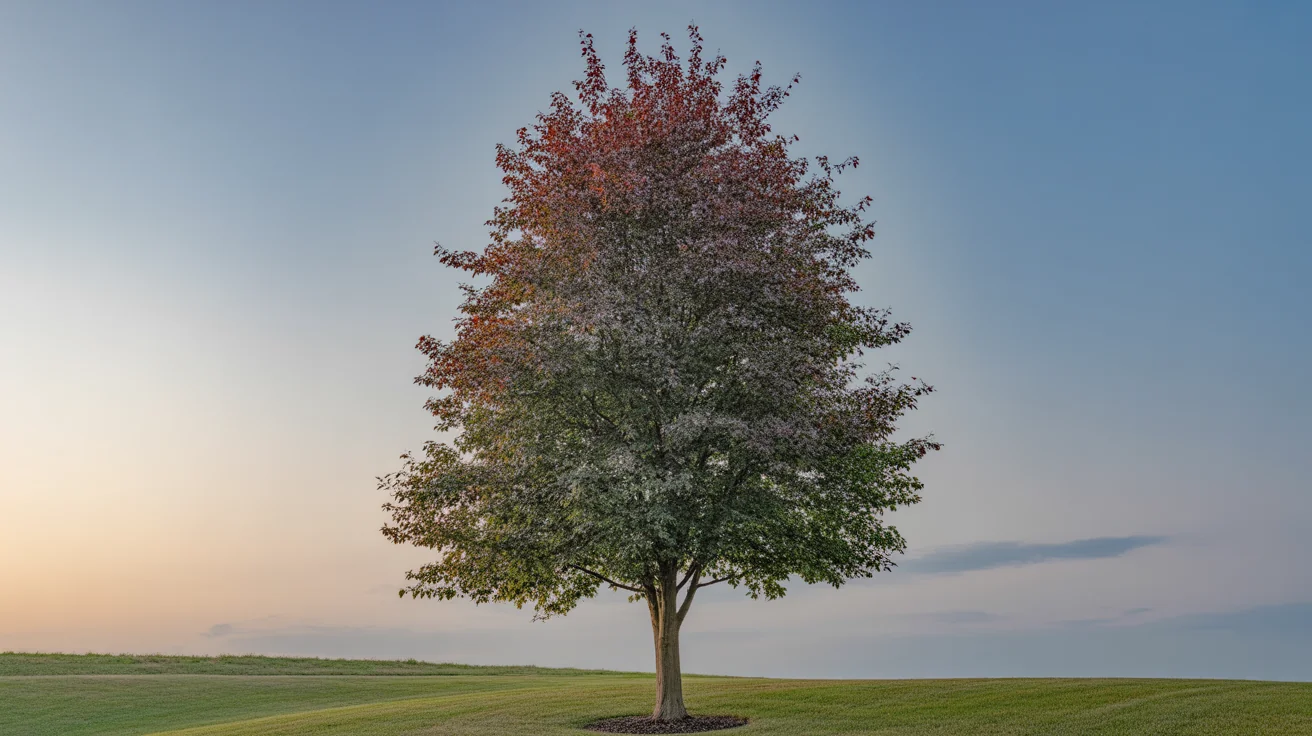
Red Maple
Acer rubrum
Japanese maple usually serves as a smaller specimen tree, while red maple can form a much larger shade canopy. The mature tree’s space comes before the leaf color that attracts attention at the nursery.
Japanese maple cultivars vary in form and size, so even the smaller choice needs a planting allowance for its branches. Red maple needs space for a broad crown and surface roots. A young tree fitting beside a walkway does not mean the mature tree will fit.
Both are deciduous. Their summer shade and fall color do not provide year-round screening, and neither a species name nor a USDA-zone range guarantees a particular autumn color.
Specifications
Compare the traits that change the growing decision.
| Feature | Japanese Maple | Red Maple |
|---|---|---|
| NC State species hardiness listing | 5a–8b; cultivar selection still matters | 2a–9b; not a promise of local performance |
| Mature height | Species listing 15–25 feet; cultivars vary | Commonly 40–70 feet; can grow taller |
| Mature spread | 10–25 feet in the species listing | 30–50 feet |
| Light (outdoors) | Dappled shade | Full sun to partial shade |
| Animal safety | No animal-specific safety conclusion established here for Acer palmatum. | ASPCA lists Acer rubrum as toxic to horses, especially wilted leaves, and non-toxic to dogs and cats. |
| Soil preference | Rich, well-drained | Moist, acidic |
The hardiness rows describe winter-cold context. They do not measure summer heat, late-frost damage to new leaves, or drainage. Those conditions still matter when a tree’s listed zone includes your address.
Japanese maple foliage can scorch under excessive sun, wind, or drought. Red maple can develop chlorosis in alkaline soil and can compete strongly with nearby planting. These specific limitations are more useful than declaring one tree low-maintenance in every yard.
Where horses can reach fallen branches or leaves, red maple’s ingestion risk changes the decision. The ASPCA distinction for horses must not be generalized to dogs and cats, and the absence of a reviewed Japanese maple record here is not proof that it is safe.
Best Use Cases
Choose by the job the planting needs to do.
Small front yard
Tight urban space
Japanese maple has upright and weeping cultivars, including small selections suited to a focal position. The named cultivar’s mature dimensions determine its distance from a porch or path. A generic “small tree” label is not clearance advice.
Red maple commonly reaches 40–70 feet tall, with a broad canopy and shallow roots that can affect nearby paving. That size makes it a poor fit where the tree would have to be repeatedly reduced to stay within the available space.
Big backyard shade
Cooling patios and lawns
Japanese maple gives more localized shade and a closer view of its branching and foliage. It fits a specimen-tree role where broad lawn coverage is not the main objective.
Red maple’s larger crown suits a yard with room for shade. No fixed number of years guarantees that shade over a patio, because the starting tree, cultivar, growing conditions, and position all affect the result.
Wet or heavy soil
Low spots and clays
Japanese maple needs evenly moist, well-drained soil and protection from drying winds. A wet site that lacks drainage does not become suitable just because compost is added to the planting hole.
Red maple tolerates clay and occasional flooding, although NC State still describes moist, well-drained soil as suitable. Flood tolerance does not establish success in every permanently saturated or compacted site.
Ornamental focal point
High-impact color
Japanese maple cultivars offer different leaf shapes, colors, and branching forms. The smaller canopy can complement shade perennials where the plants share suitable conditions.
Red maple can also be a specimen tree, with spring flowers and fall foliage in addition to its shade role. Fall color varies by tree and cultivar, so it is not inherently the less ornamental choice.
Planting beneath the tree
Shade and root competition
A Japanese maple’s smaller scale can suit a layered border. Its protection from drying winds and strong sun remains part of the site choice, rather than a promise that a smaller tree always needs less care.
Red maple forms a dense surface-root mat that competes with plants beneath it. A shaded lawn or perennial bed can struggle even when its light tolerance appears suitable, because competition below ground changes the planting conditions.
Related Comparisons
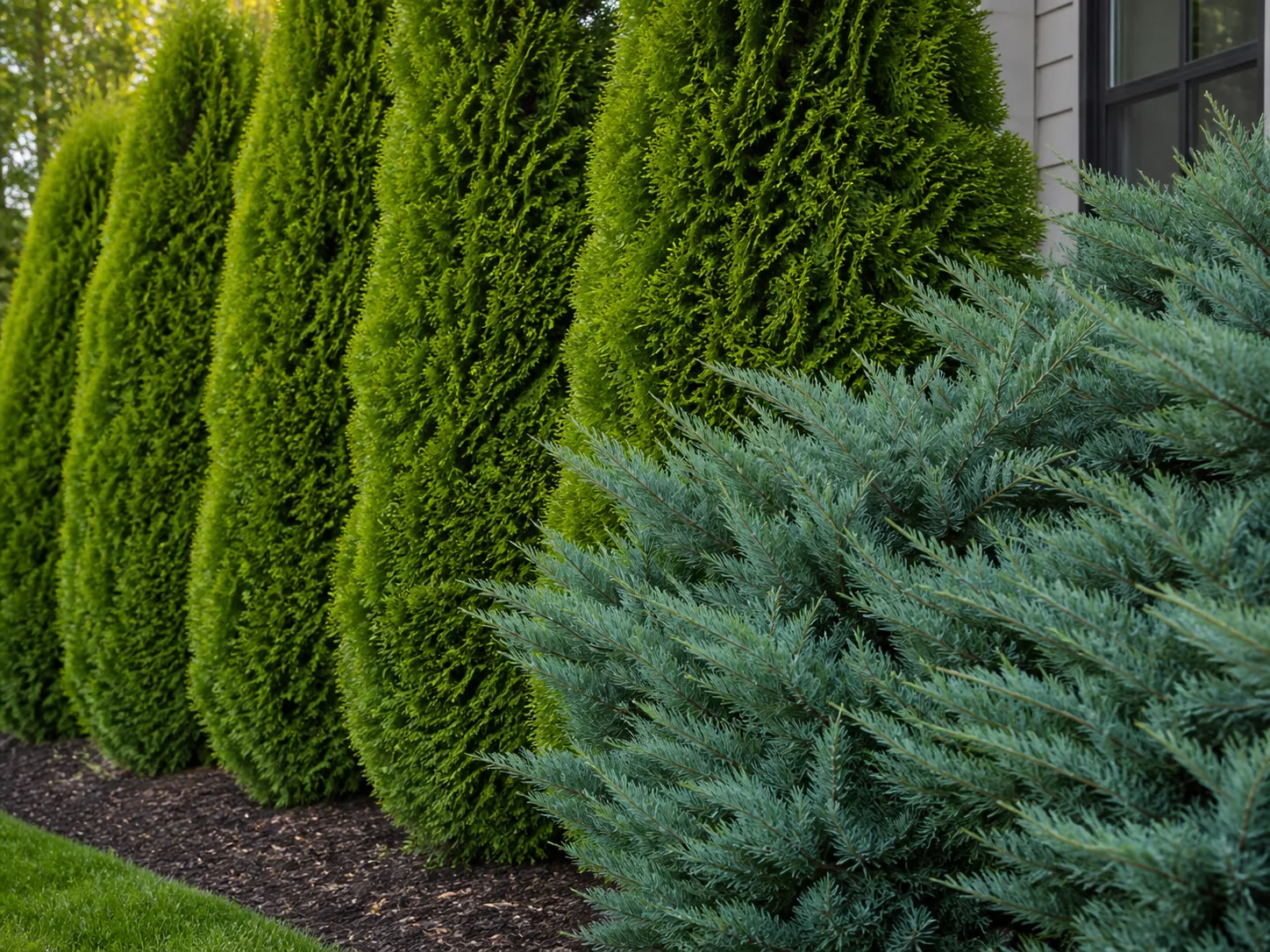
Arborvitae vs Juniper: Evergreen Structure Compared
Read Comparison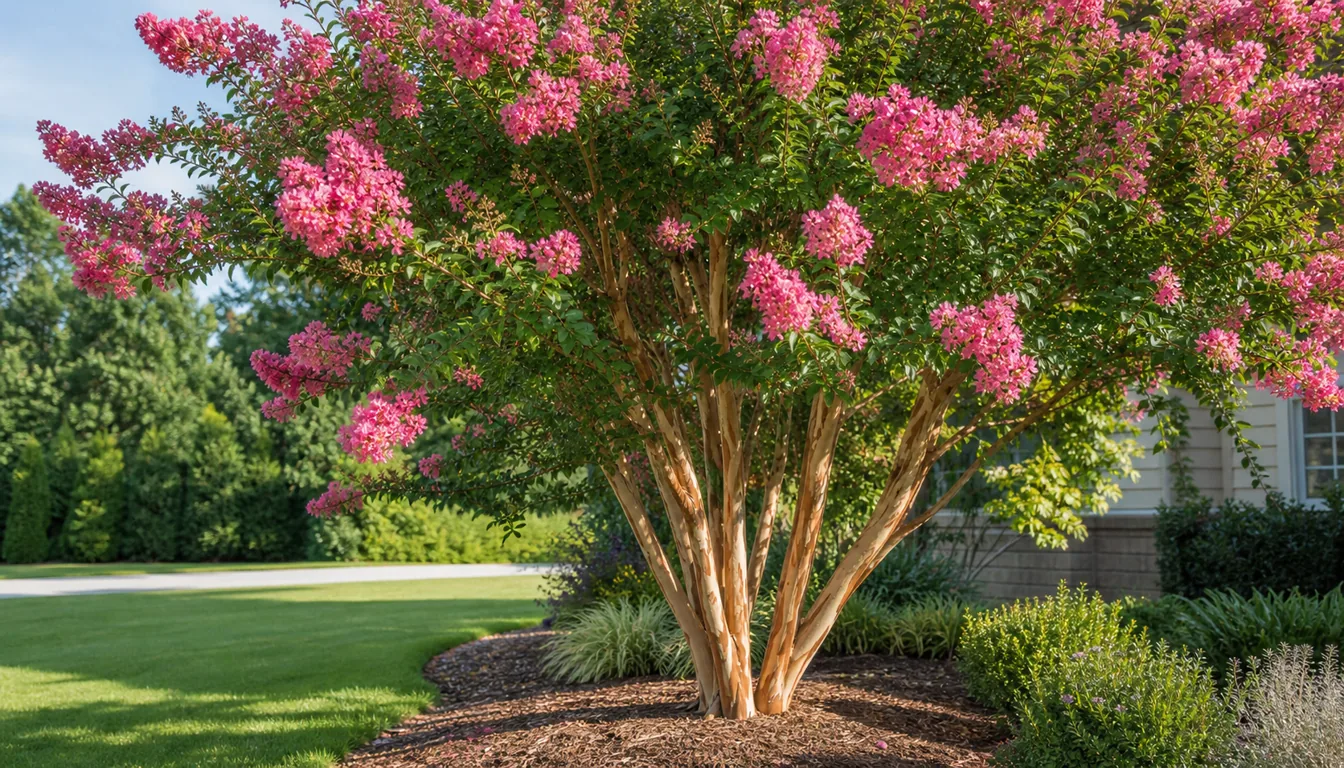
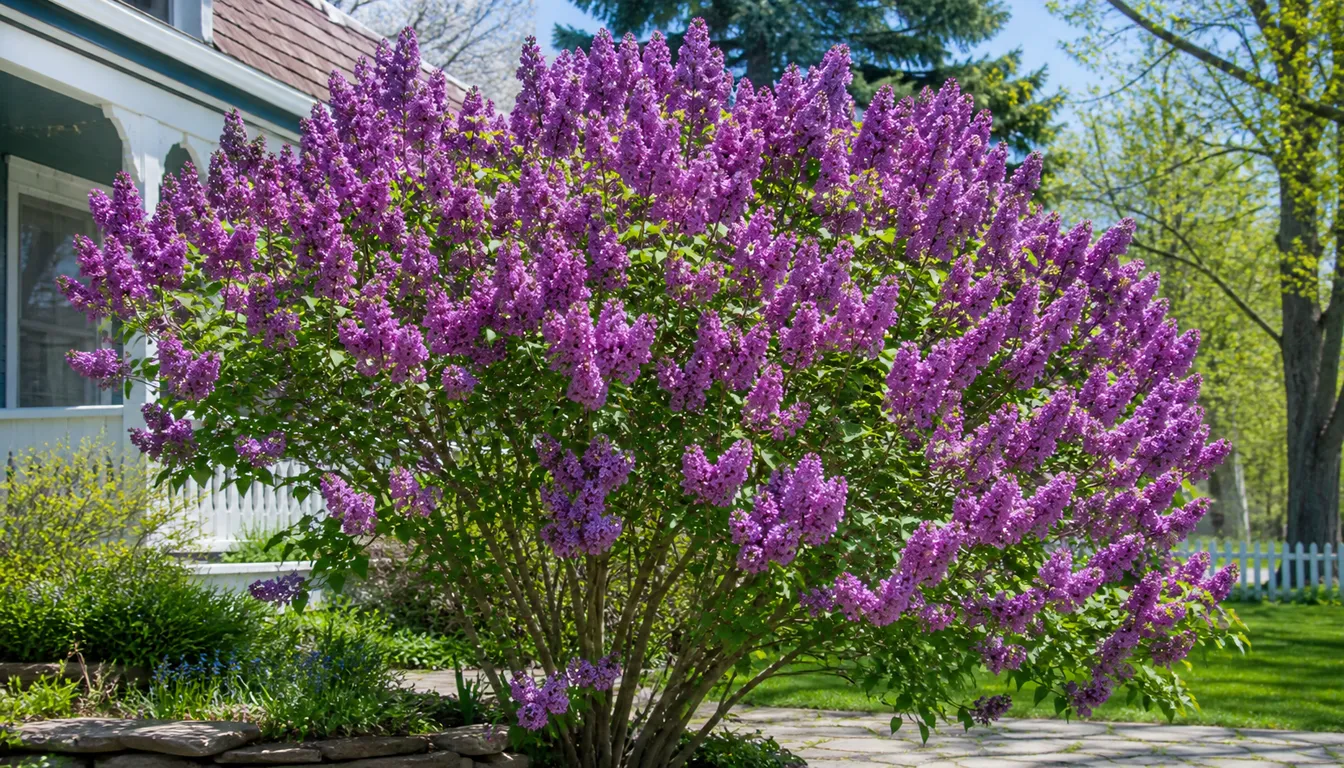
Crepe Myrtle vs Lilac: Color for Different Climates
Read Comparison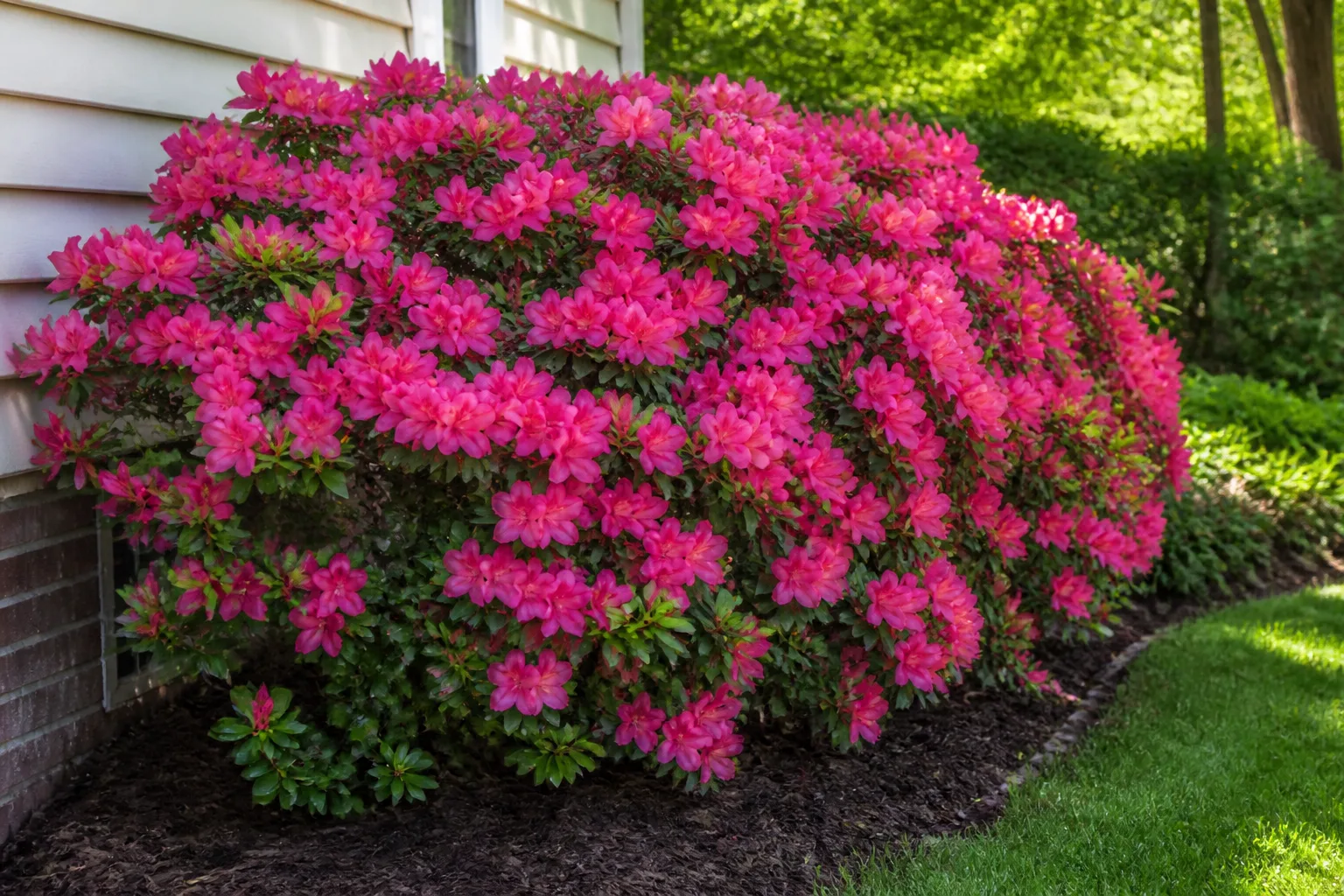
Azalea vs Rhododendron: Which Fits Your Shade Bed
Read Comparison