Endless Summer The Original vs Limelight
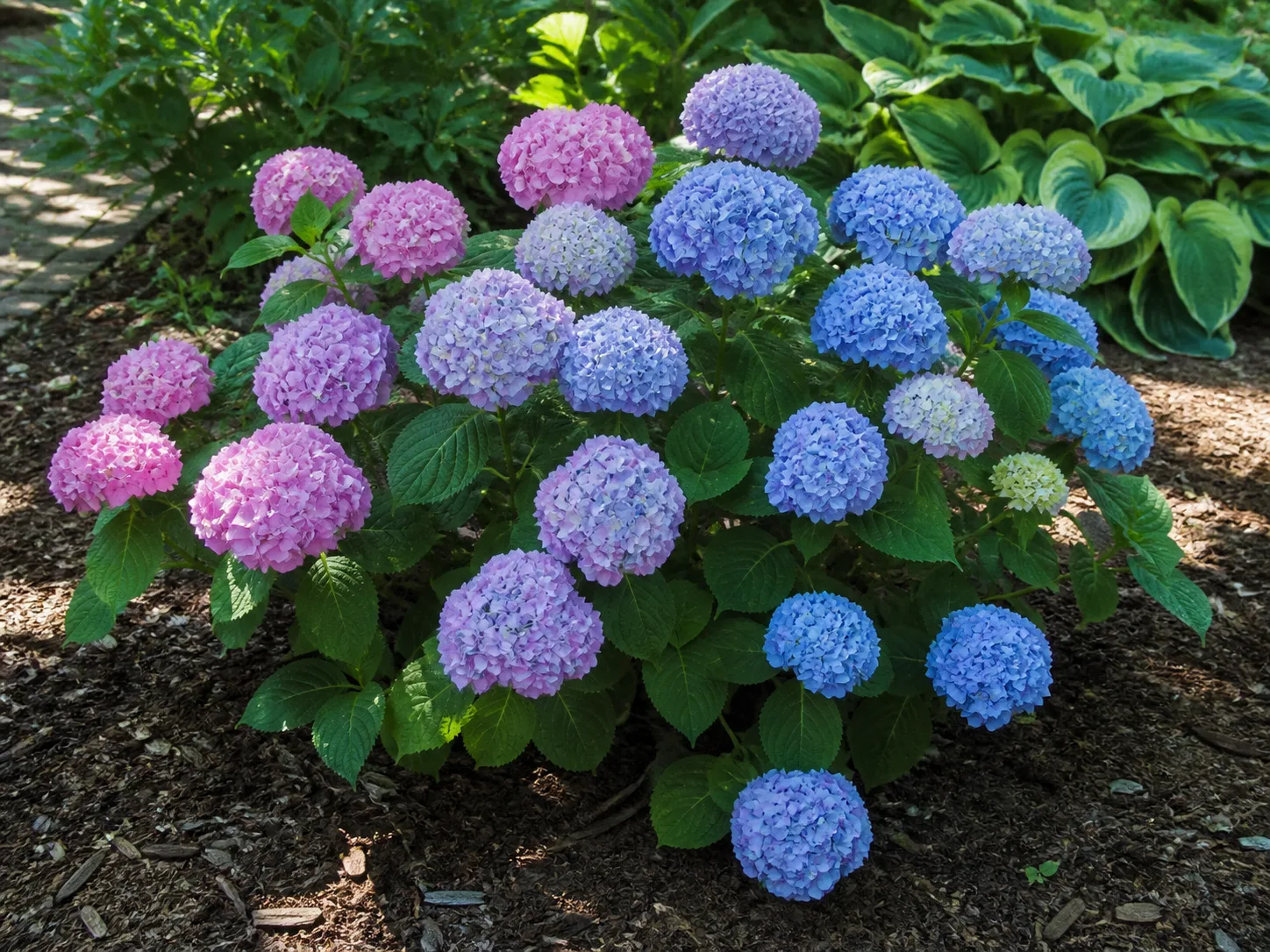
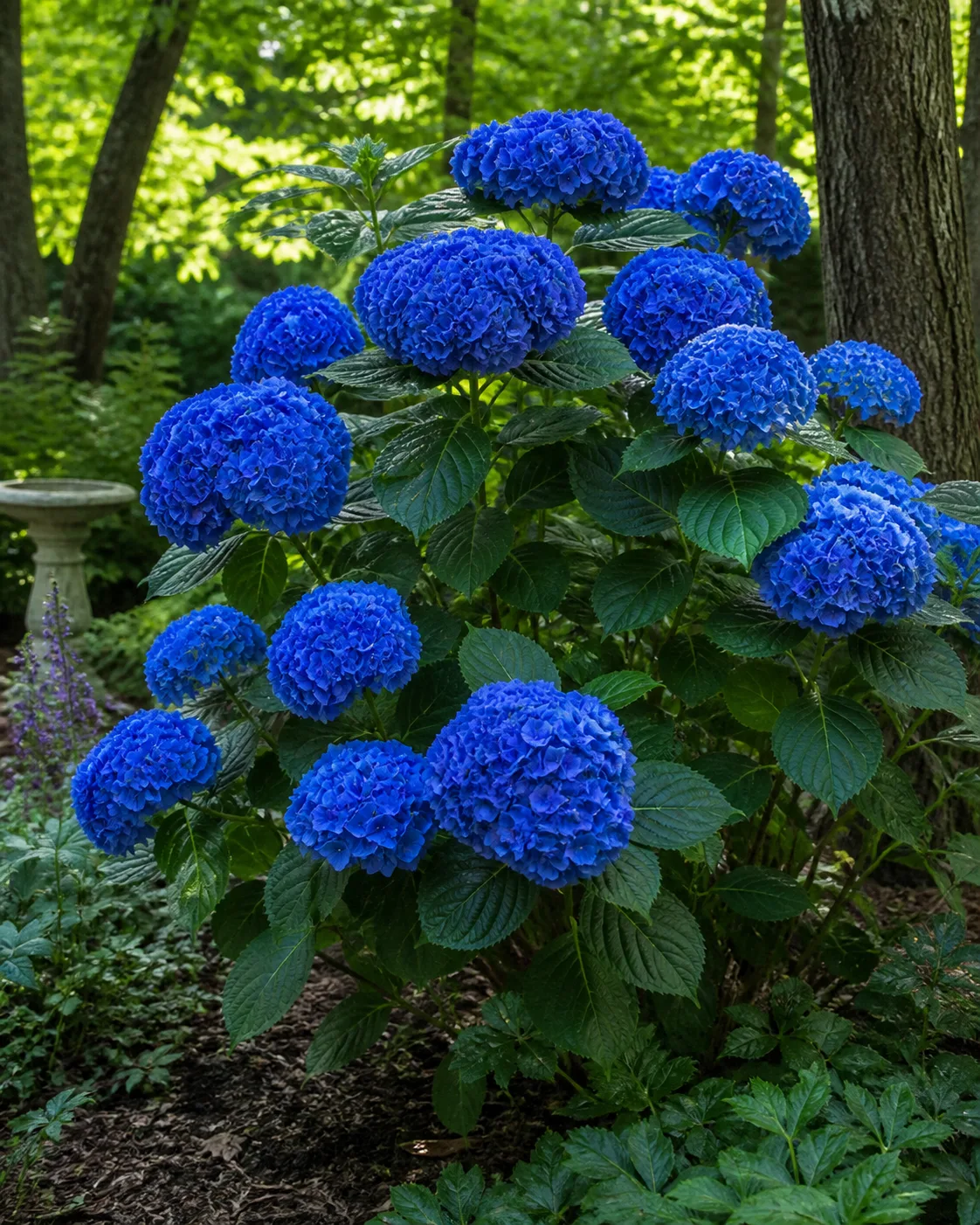
Endless Summer The Original offers pink or blue mopheads in a smaller shrub. Limelight has a larger frame and panicle flowers on new growth. Their bud formation, mature size, and site needs make the useful distinction.
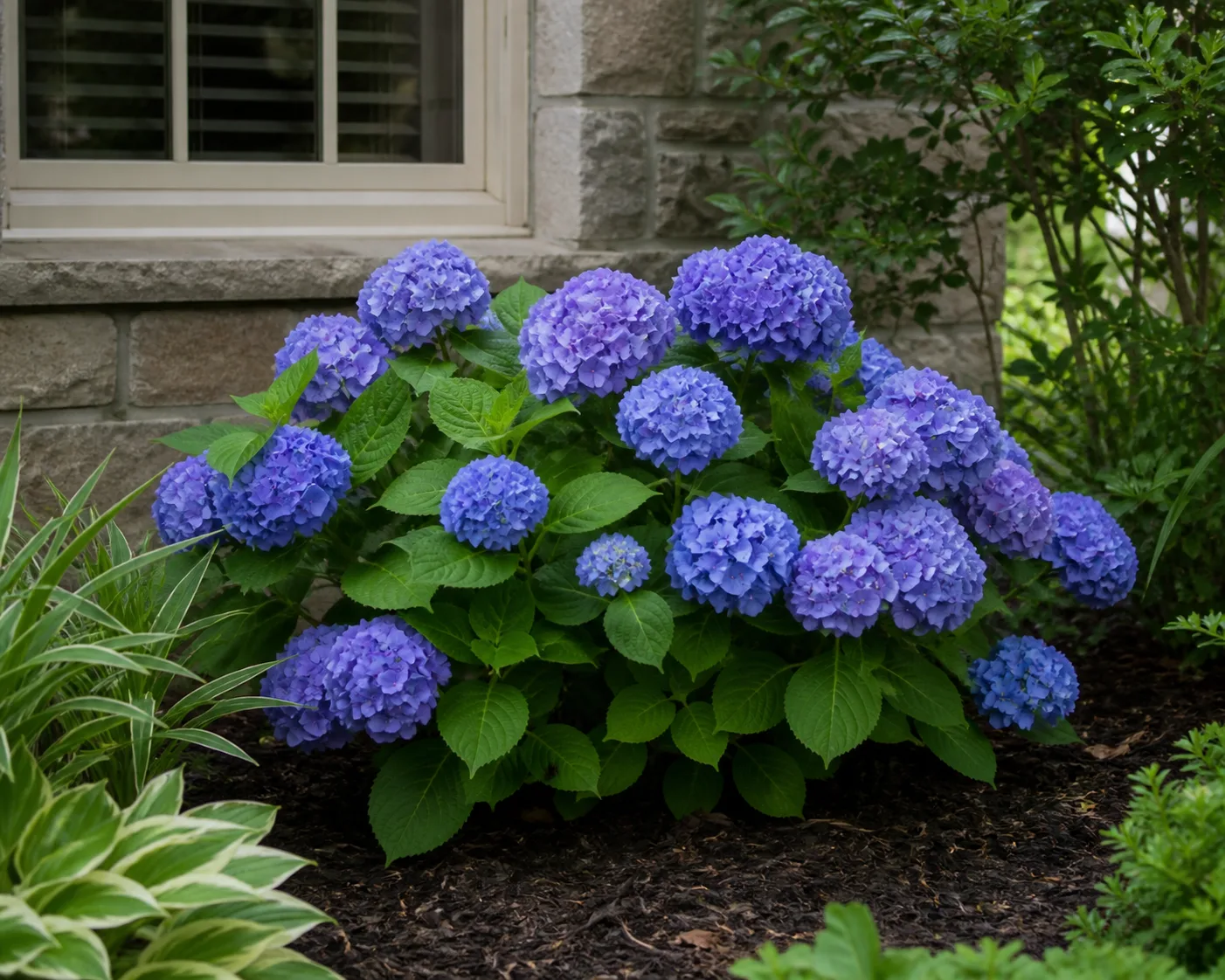
Endless Summer The Original
Hydrangea macrophylla 'Bailmer'
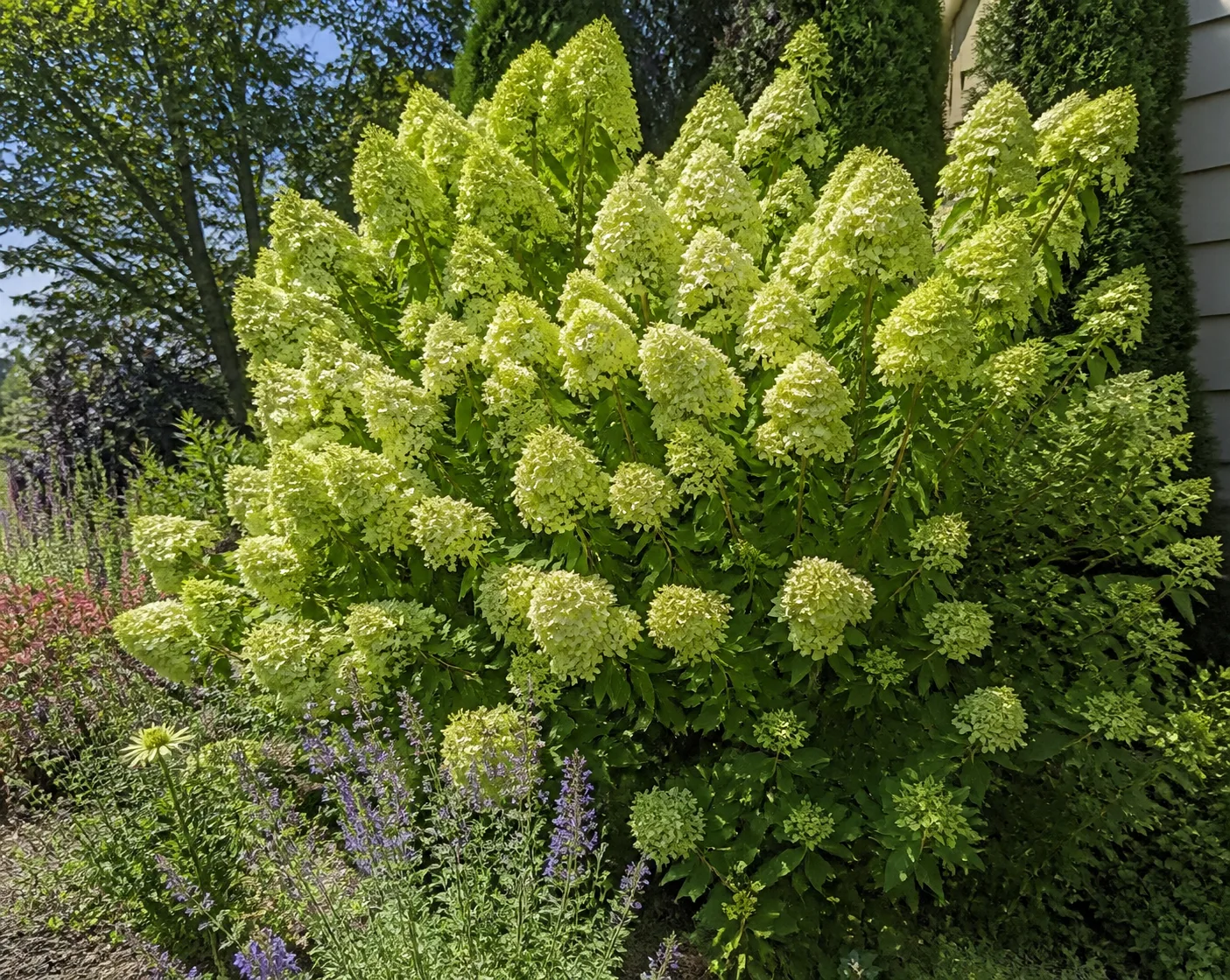
Limelight
Hydrangea paniculata 'Limelight'
Endless Summer is a collection, not one botanical cultivar. This comparison uses The Original, Hydrangea macrophylla 'Bailmer', rather than applying its measurements to every plant sold under the brand.
Limelight is a named panicle hydrangea, Hydrangea paniculata 'Limelight'. Its flowers form on the current season's shoots. The Original can flower on both overwintered stems and new shoots, but that additional opportunity does not guarantee a full display after winter damage.
The choice here is between two different shrub shapes and flowering habits. The Endless Summer and Nikko Blue comparison addresses a closer choice between two bigleaf hydrangeas.
Specifications
Compare the traits that change the growing decision.
| Feature | Endless Summer The Original | Limelight |
|---|---|---|
| Plant compared | The Original, 'Bailmer' | 'Limelight', not a smaller related cultivar |
| Flower form | Rounded mopheads | Cone-shaped panicles |
| Flower-bearing growth | Old and new wood | Current-season growth |
| Listed mature size | 3–5 feet tall and wide, according to the brand | 6–8 feet tall, according to NC State |
| Published USDA range | 4–9, brand rating for The Original | 3a–9b, NC State cultivar record |
| Color response | Pink or blue influenced by soil chemistry | Chartreuse flowers age toward pink; soil pH does not turn them blue |
| Site fit | Morning sun and afternoon shade | Full sun to light shade, with moisture and heat exposure considered |
A hardiness range is a starting point for winter survival. It does not measure how many flower buds survive, when a late freeze arrives, or whether a stressed plant will flower well. UNH reports that The Original can regrow after severe winters in New Hampshire yet produce few flowers.
Limelight avoids relying on flower buds carried through winter because its buds develop on new growth. That explains its different pruning window and reduces one route to bloom loss. It does not make the shrub immune to weather damage.
Neither choice is a safe plant for a pet to chew. NC State flags these hydrangeas as problems for dogs, cats, and horses. Keep animals from eating leaves, flowers, or prunings, and contact a veterinarian after suspected ingestion.
Best Use Cases
Choose by the job the planting needs to do.
A bed below a window
Allow for the whole mature shrub
The Original's listed 3–5-foot width is as relevant as its height. It still needs clearance from a wall, path, and neighboring plants. A small nursery pot does not represent its eventual footprint.
Limelight can become a substantial background shrub. Repeatedly cutting it to fit a shallow foundation strip creates avoidable work. A smaller panicle cultivar is a separate purchase, not a reason to assume this one will stay compact.
Sun and summer moisture
Exposure is more than a label
Morning light with afternoon shade suits The Original. Bigleaf hydrangeas can wilt in heat even when the soil is moist. If leaves recover at night and the soil is not dry, adding more water may not address the cause.
Limelight accepts more sun, but NC State also favors morning sun and afternoon shade. Neither plant is a solution for chronically dry soil. An established plant's tolerance of brief drought does not describe a newly planted root ball.
Winter buds and exposed sites
Bloom survival differs from root survival
The Original's new-wood bloom is useful potential, not insurance against every freeze. A sheltered site can protect existing buds, and preserving living stems retains the opportunity for earlier flowers. The bigleaf hydrangea profile explains the broader care context.
Limelight's new-wood flowering is a practical advantage where old buds are often lost. NC State lists brittle stems and wind damage in Limelight, so an exposed planting still needs careful placement.
Pruning without losing the display
Identify where buds will form
For The Original, removing old stems can remove the earliest flowers even when new growth later blooms. Dead stems and a deliberate size correction are different jobs from cutting every stem back automatically. Reblooming plants need as little live wood removed as the job permits.
Limelight can be pruned in late winter or early spring before the new flowering growth develops. Extensive annual pruning is not required for plant health. A shrub that already fits the bed needs less correction than one planted in too little space.
Flower shape and color
Soil chemistry cannot swap flower types
The Original provides rounded pink or blue mopheads. Soil pH affects aluminum availability and therefore color, but adding amendments by guesswork can damage roots. A soil test is more useful than assuming a blue-flowered nursery plant will stay blue in every bed.
Limelight provides larger cone-shaped clusters with a different color progression. Its flower color is not controlled by soil pH in the same way. Neither changing the soil nor extra fertilizer turns it into a blue mophead.
Sources & References
- The Original Reblooming Hydrangea ('Bailmer'), Endless Summer
- Hydrangea paniculata 'Limelight', NC State Extension Gardener Plant Toolbox
- Protecting Endless Summer Hydrangea in Winter, University of New Hampshire Extension
- Hydrangea: Identify and Manage Problems, University of Maryland Extension
- Pruning Hydrangeas, University of Maryland Extension
- Hydrangea macrophylla, NC State Extension Gardener Plant Toolbox