
What's an Eastern Redbud? How to Keep Its Canopy Healthy
Cercis canadensis Fabaceae
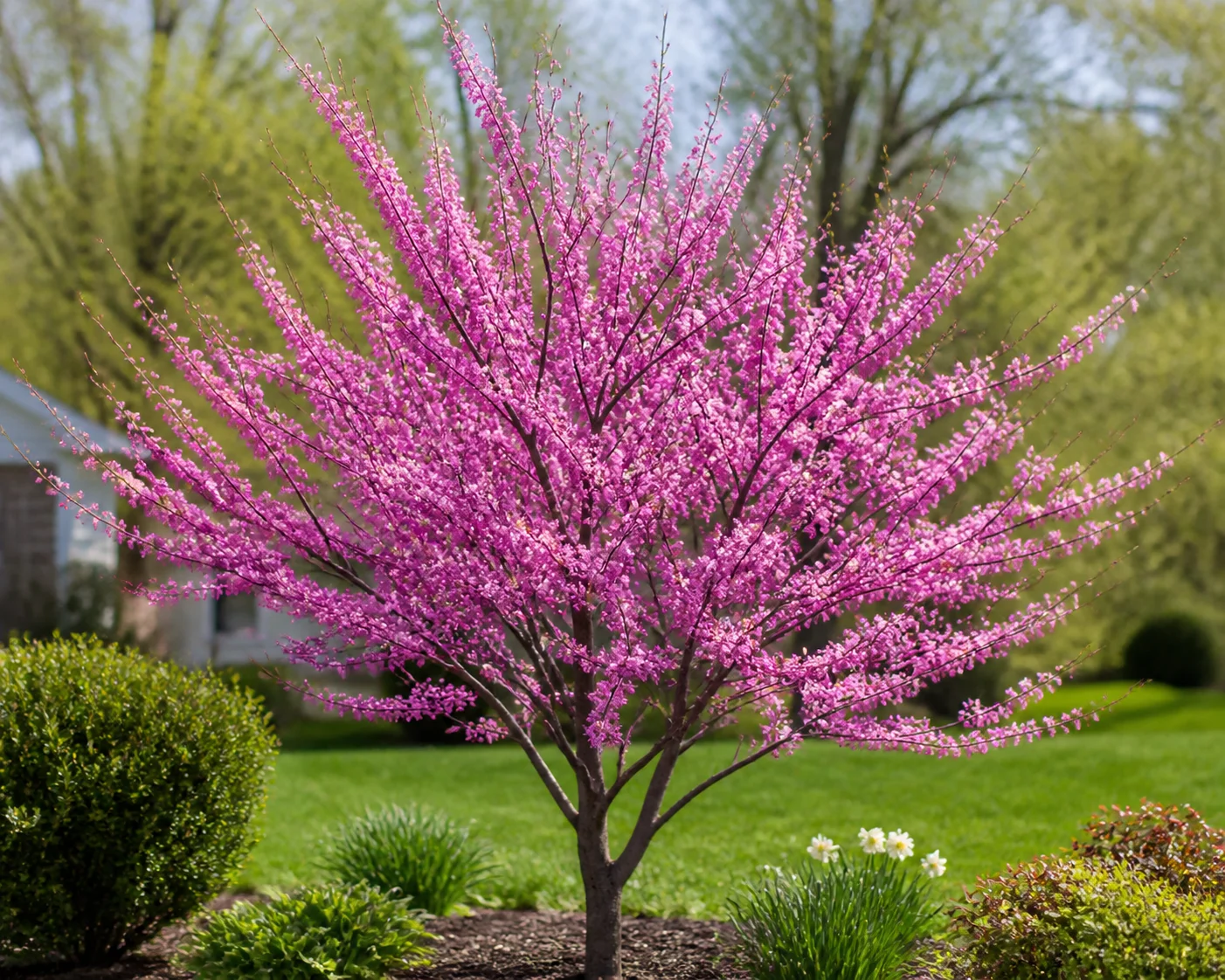
Eastern redbud is a small North American tree with pea-like flowers that open on bare twigs and older wood.
Care snapshot
What Is an Eastern Redbud, and Why Do Flowers Grow on Its Bark?
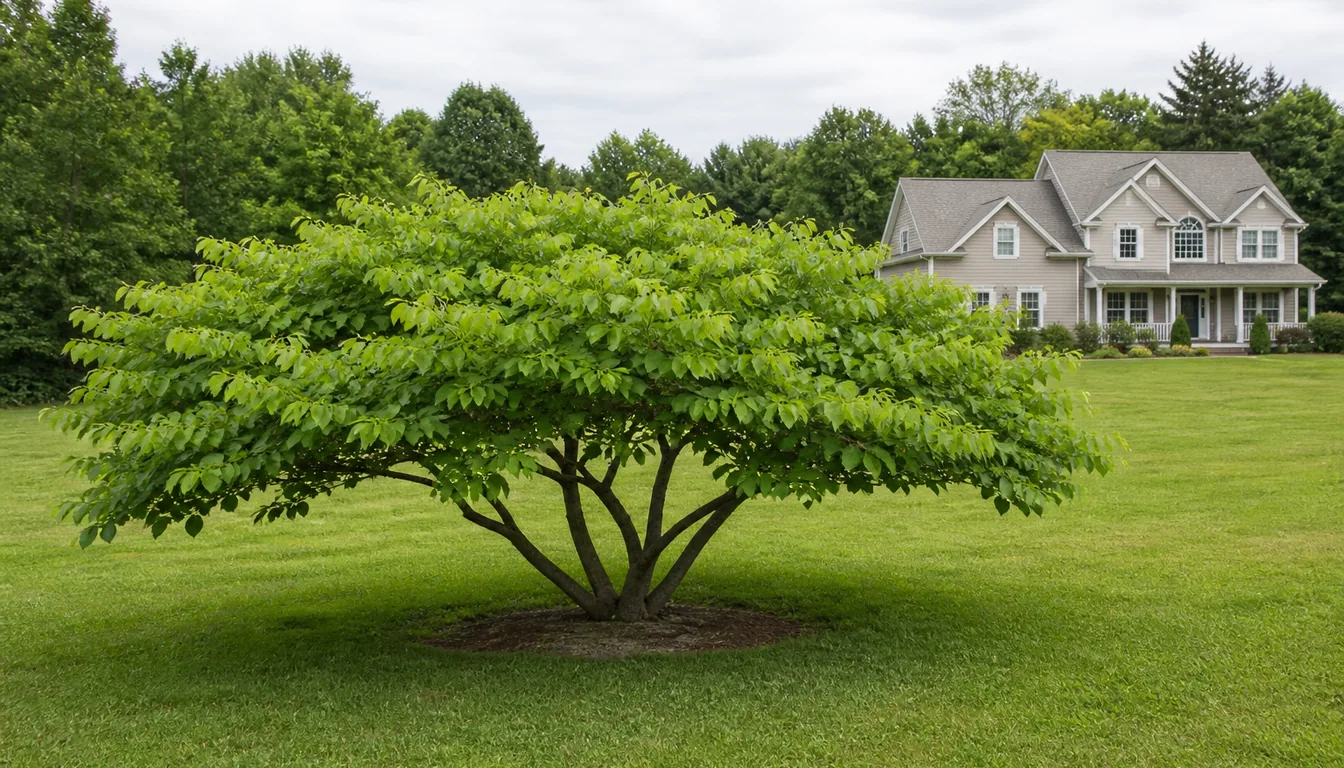
Eastern redbud is Cercis canadensis, a small deciduous tree in the pea family. It is native across much of eastern and central North America and usually forms a rounded, spreading crown rather than a tall forest canopy.
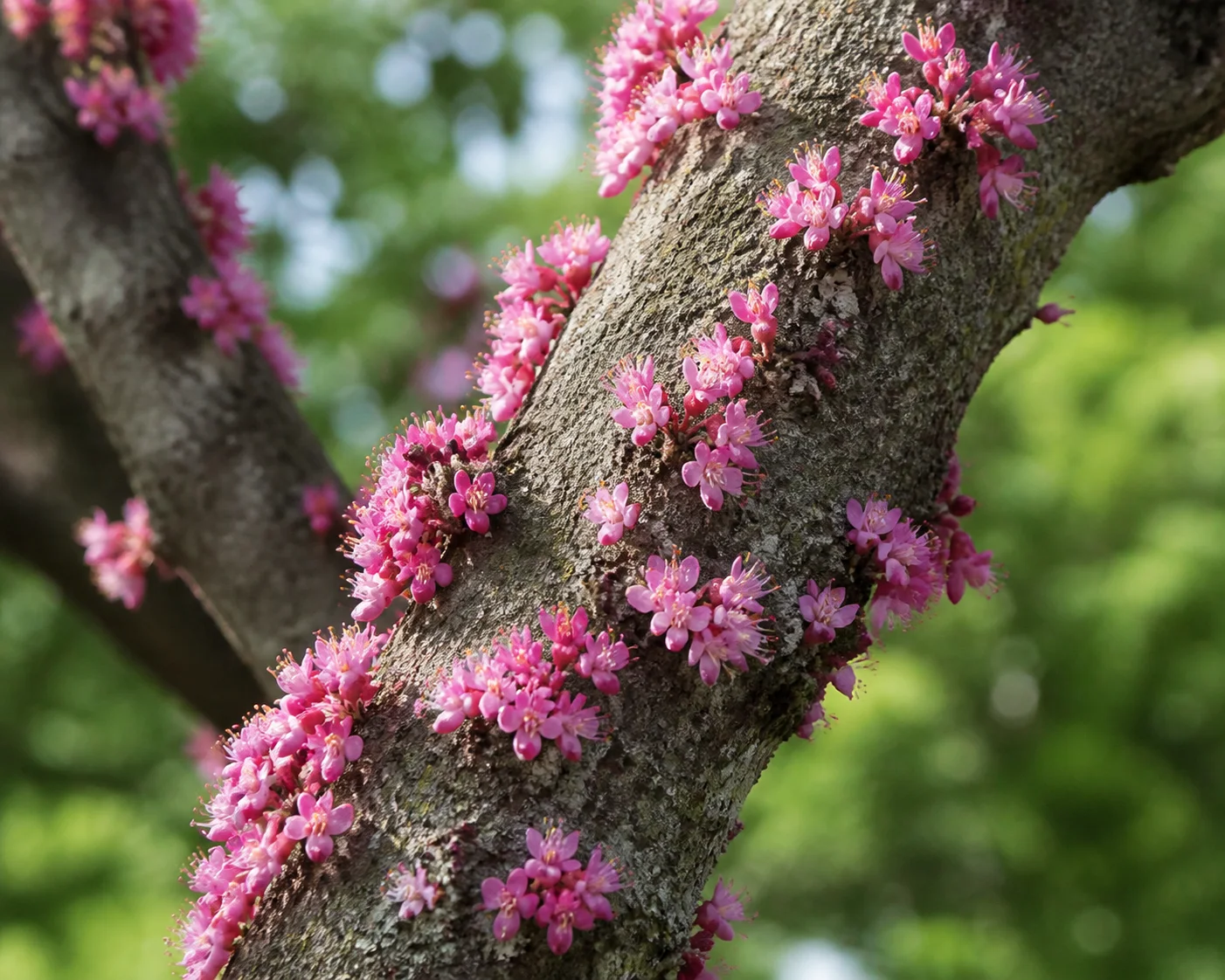
The pink to purple flowers can open directly from older branches and the trunk, a trait called cauliflory. Those flower clusters are normal reproductive growth, not a wound response or a sign that the bark is failing.
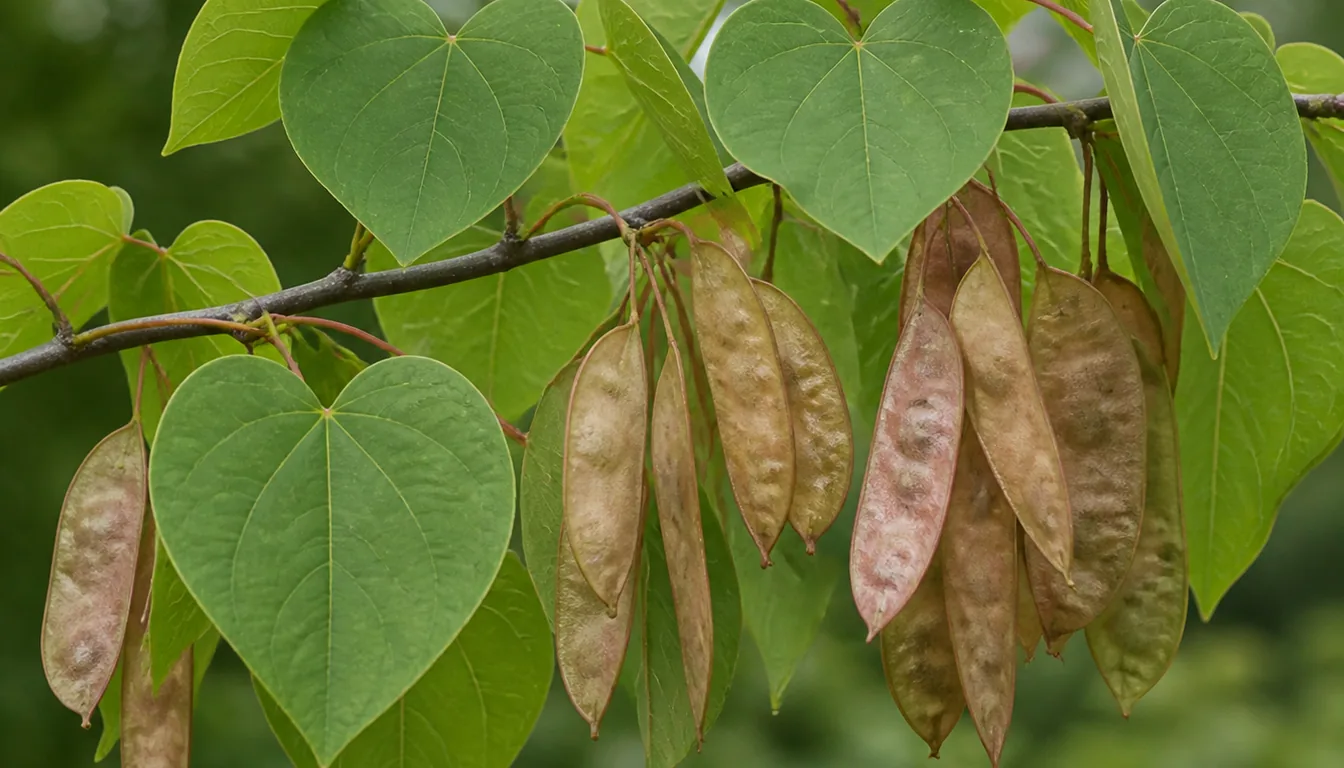
After bloom, broad heart-shaped leaves expand and flat bean-like pods develop. That combination separates redbud from flowering cherries, whose flowers, leaves, and fruit belong to a different plant family.
Young bark is relatively smooth, while older trunks become darker and develop shallow plates or ridges.
Mature size and form vary by cultivar, so the species identity alone does not tell you how much room a nursery selection needs.
- Botanical name
- Cercis canadensis
- Plant family
- Fabaceae, the pea family
- Typical size
- About 20 to 30 feet tall and 25 to 35 feet wide
- Flowers
- Pea-like pink, purple, or white blooms on twigs, branches, and older wood
- Leaves
- Alternate, simple, broadly heart-shaped leaves
- Fruit
- Flattened brown pods containing several hard-coated seeds
Which Redbud Form Fits the Yard After Spring Bloom?
Choose a redbud for the months after flowering, because bloom lasts briefly while foliage color, crown shape, and mature width affect the yard all season.
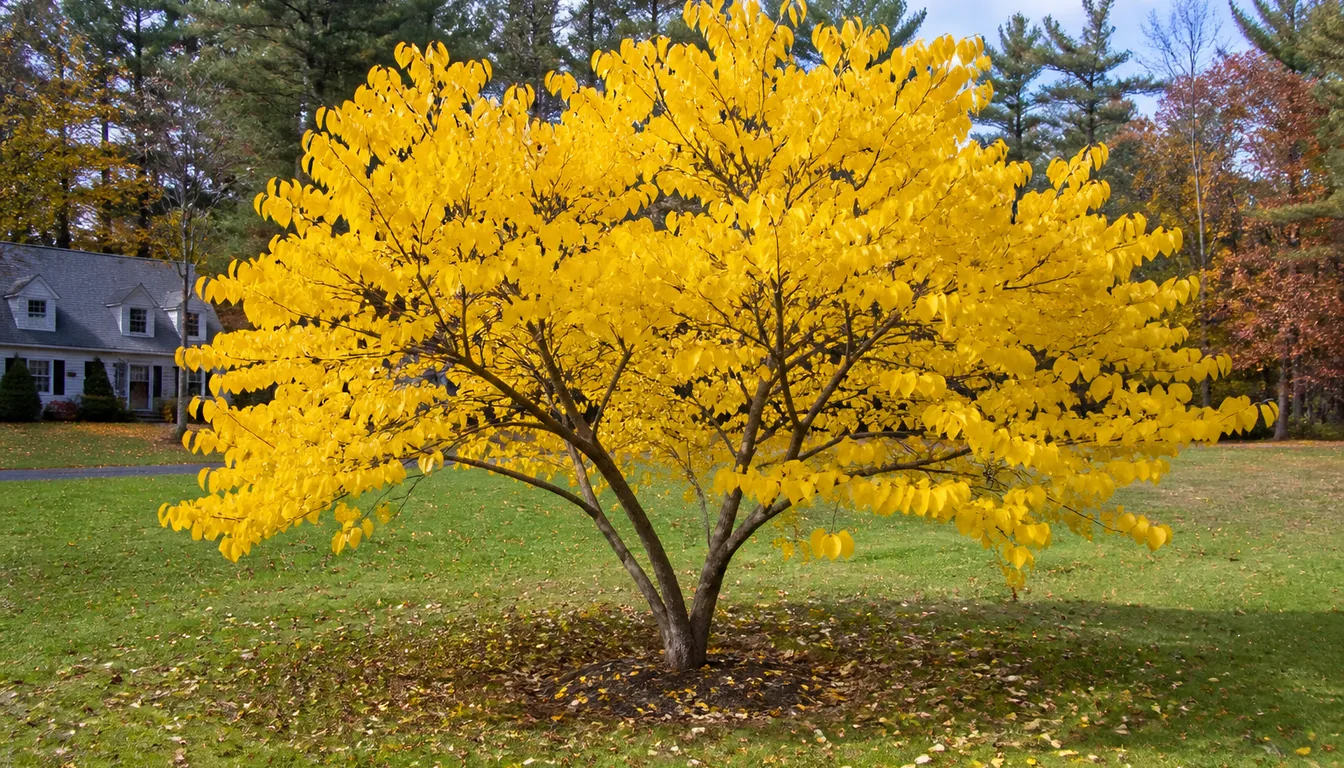
The straight species offers the most familiar green-leaved form and dependable native-tree character.
Compact selections such as 'Ace of Hearts' fit closer viewing areas better than a broad seedling tree. Weeping forms create a low focal point but need early training if you want height beneath the cascading branches.
Purple-leaved 'Forest Pansy' can lose color or scorch in intense heat, while gold and multicolor selections such as 'Hearts of Gold' or 'The Rising Sun' need enough light to show their foliage. Regional heat and winter performance should matter more than a catalog photograph.
Named cultivars are propagated to preserve their form and foliage traits. A seedling from one may be healthy, but it should not be expected to repeat the parent's color or habit.
- Straight species
- Green foliage, rounded crown, and the broadest native-range fit
- Compact form
- Useful where a full spreading crown would crowd a path or window
- Weeping form
- Strong specimen shape with a low canopy unless trained upward
- Purple foliage
- Rich spring color that may green or scorch under stressful summer conditions
- Gold or multicolor foliage
- Longer seasonal display with light and heat requirements specific to the cultivar
Where Should You Plant Redbud for Balanced Bloom and Leaves?
Several hours of direct light support bloom and balanced branching, yet thin redbud leaves can suffer in reflected heat.
In cool climates, full sun often works well, while hot-summer sites benefit from morning sun and protection from the harshest afternoon exposure.
The soil should hold useful moisture without staying saturated. A woodland edge, open high shade, or an irrigated mixed border often provides a better root environment than a low lawn pocket or a narrow strip surrounded by pavement.
Wind and snow can exploit tight forks in a broad young crown. Leave room to inspect and train the structure instead of squeezing the tree between a wall, fence, and driveway.
Redbud tolerates a range of soil reactions, but chronic yellowing or weak growth still deserves a soil and root-zone check. Do not use tolerance as a reason to ignore compaction, buried roots, or drainage.
Promising settings
- Morning sun with light afternoon shade in hot regions
- Open woodland edge with draining soil
- Visible specimen bed with room for a broad crown
Poor settings
- Waterlogged depression after rain
- Heat-reflecting pavement on several sides
- Narrow space that requires repeated crown reduction
How Do You Plant and Water a Redbud Through Establishment?
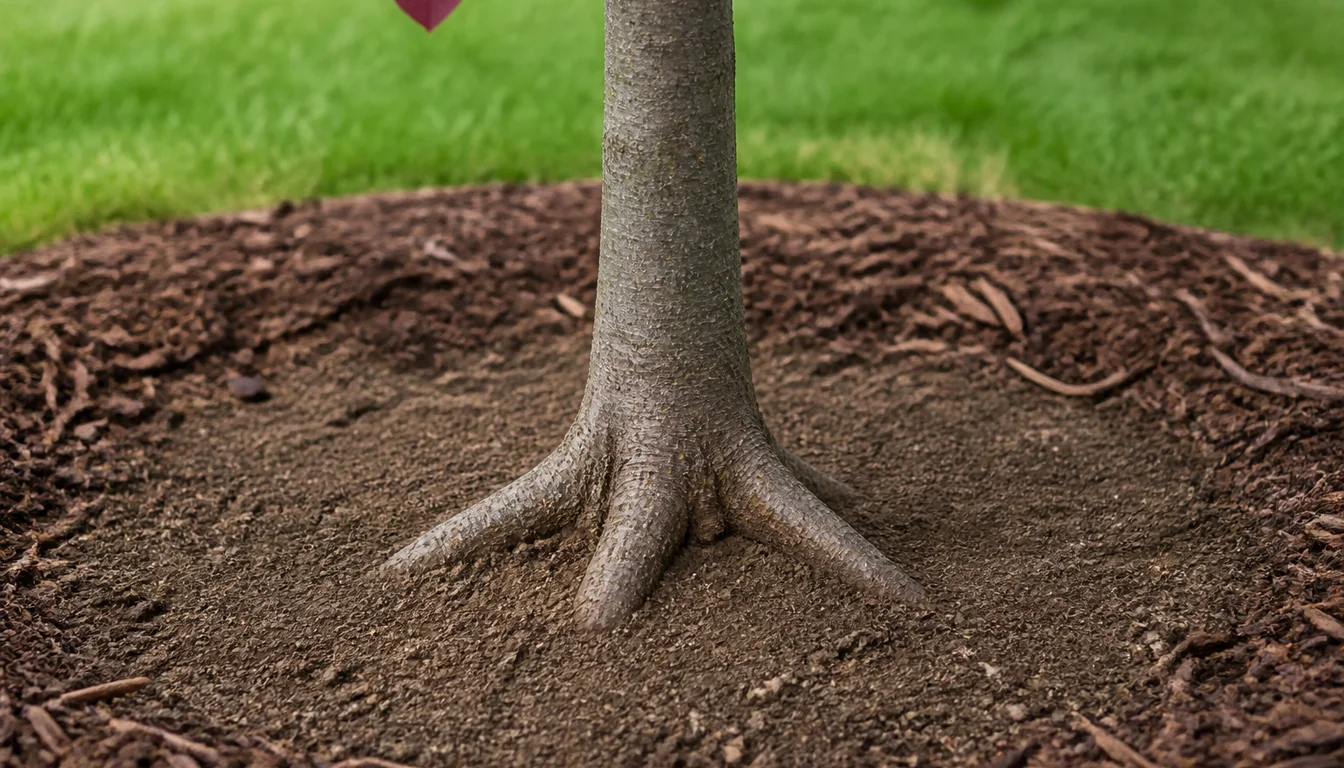
Correct planting depth begins with the root flare at finished grade. Remove excess potting medium above the first structural roots before deciding how deep to dig.
Dig wider than the root ball and loosen or correct circling roots where possible. Backfill with the site's soil, then use a broad mulch layer to reduce turf competition without piling material against the trunk.
Water the original root ball and adjacent soil whenever a moisture check shows that they are beginning to dry. Redbud dislikes both prolonged saturation and repeated drought, so a fixed weekly schedule is less reliable than testing the soil.
Continue monitoring through at least the first two growing seasons and during later heat waves. Reduce frequency as roots spread, but make each watering broad enough to wet the expanding root zone.
- Expose the first structural roots before measuring the planting hole.
- Set the root flare at or slightly above the surrounding grade.
- Spread or cut severe circling roots according to the root-ball condition.
- Backfill, water thoroughly, and check that the tree remains upright.
- Mulch 2 to 3 inches deep while leaving the trunk and flare uncovered.
How Do You Prune Redbud Without Creating Weak Forks?
Low branches and multiple stems can form an attractive redbud when their attachments are broad and well spaced.
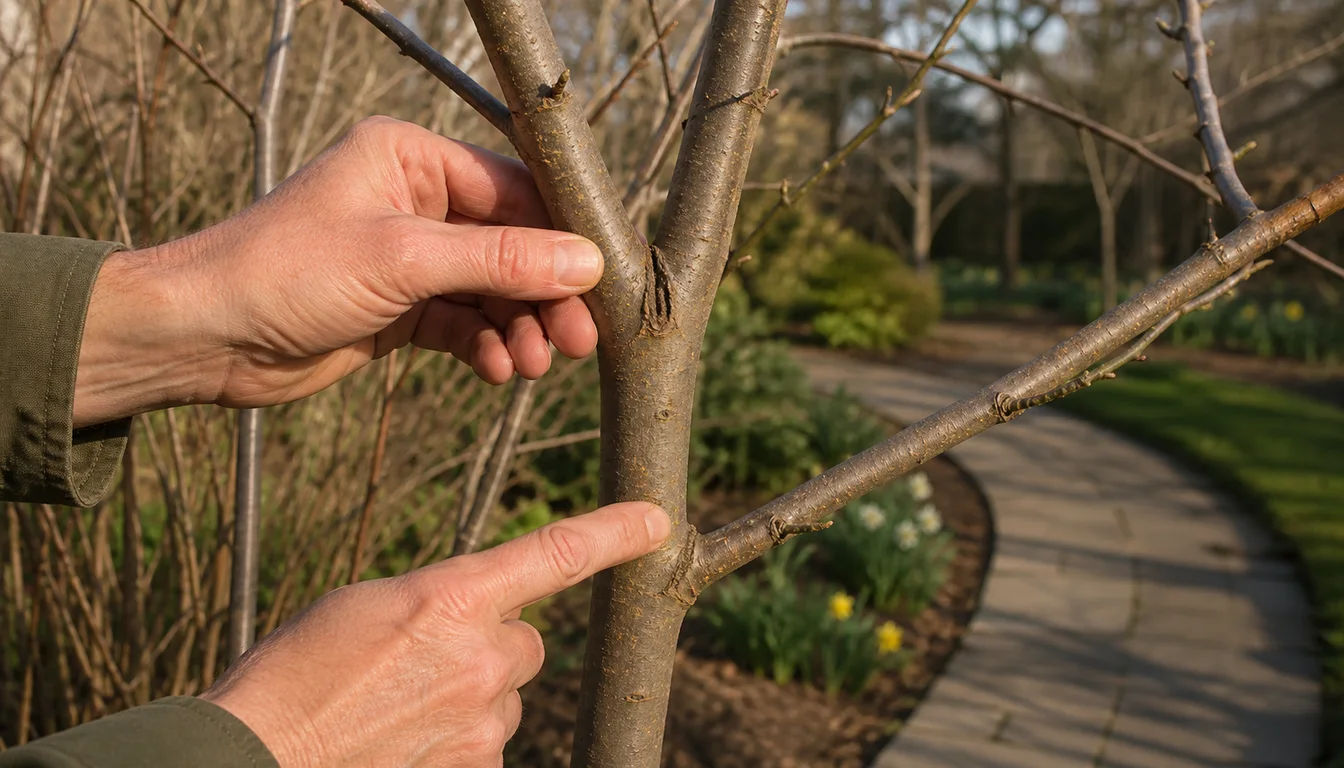
Trouble begins when two upright stems press together in a narrow V and trap bark inside the union.
Inspect a young tree after leaf drop or before spring growth, when branch relationships are easy to see. Favor a clear main stem or a small set of well-separated trunks, depending on the form you want.
Heavy pruning can stimulate weak shoots and remove much of the next flower display.
Structural work should be gradual, with each cut solving a documented conflict rather than forcing the crown into a template.
Keep branches with wide attachments, shorten a competing upright stem while it is small, and raise the canopy gradually.
Cut just outside the branch collar without leaving a flush cut or long stub.
Can You Grow Eastern Redbud From Seed?
Seed propagation works, but a hard seed coat and embryo dormancy prevent immediate, even germination. Successful propagation usually combines scarification with a cold, moist treatment.
Collect mature brown pods before they split widely, then remove sound seeds and keep them from drying under hot storage conditions. Nicking or abrading the coat must expose it to water without cutting deeply into the embryo.
Seedlings vary in flower shade, leaf color, and crown form. Use grafted or otherwise clonally propagated nursery stock when the exact habit of a named cultivar is important.
- Collect mature pods from a healthy tree and separate filled seed.
- Scarify the hard coat with a controlled method appropriate for a small batch.
- Place the seed in a moist, airy medium for the recommended cold period.
- Sow in a draining mix and protect emerging seedlings from rodents and drying.
- Move young plants before a dense root system becomes difficult to transplant.
Why Is Redbud Losing Branches or Developing Holes?
Branch loss often begins with root or trunk stress, then cankers or wood-boring insects take advantage of weakened tissue.
Map the dead branches, inspect the root flare, and review recent drought, construction, mowing, or drainage changes before choosing a treatment.
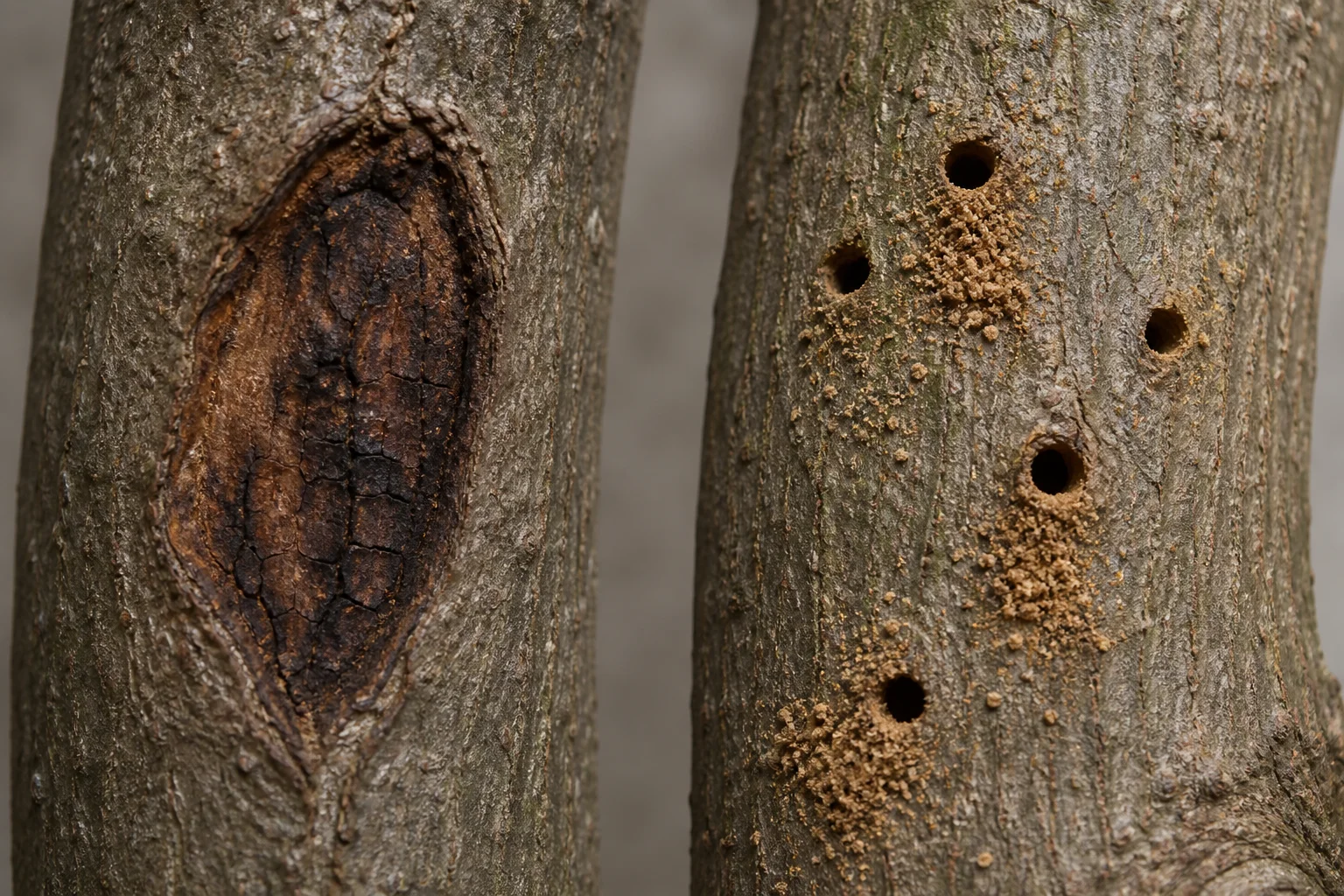
A canker may appear as sunken, cracked, discolored, or rough bark on a branch that is dying beyond the lesion. The tree cannot be cured by spraying the dead wood, so pruning decisions depend on how far the damage has reached and whether enough healthy structure remains.
Borers leave holes, frass, loose bark, or galleries, but their presence does not prove they started the decline. A stressed tree can attract insects after drought, root injury, or a canker has already reduced branch health.
Verticillium wilt and root diseases can resemble branch canker from a distance. A diagnostic laboratory or qualified arborist can test evidence that a photograph and symptom list cannot separate.
Escalate when dieback is rapid, the trunk is affected, a major union is cracked, or mushrooms appear at the base. Those signs involve structural safety or diseases that cannot be managed by routine leaf treatment.
- One branch dies beyond sunken bark: Inspect for canker and plan a cut into healthy tissue if feasible.
- Holes with sawdust-like frass: Check for borers and the stress that made the tree vulnerable.
- Sudden wilt on part of the crown: Consider vascular disease, root loss, or stem injury.
- Whole crown wilts in wet soil: Investigate oxygen-starved or decaying roots.
- Leaf edges crisp during heat: Check moisture, reflected heat, and root-zone coverage.
Is Eastern Redbud Safe, Edible, and Useful for Wildlife?
No ASPCA or NC State pet toxicity record was found for Eastern redbud, so its safety for pets is unknown. Any child or pet that eats an unusual amount of plant material and develops symptoms still needs advice from a medical or veterinary professional.
Redbud flowers are used as an edible garnish by some foragers, and young pods have traditional food uses. Only eat material identified with certainty, grown without unsafe chemical exposure, and tolerated by the person eating it.
The early flowers supply nectar and pollen when relatively few woody plants are blooming. Leaves also support insects in the food web, and seeds can be used by birds and other wildlife.
This value fits a small-tree layer near woodland edges, rain-safe slopes, and mixed native plantings. Redbud is shorter-lived and more breakage-prone than many canopy trees, so it should complement a durable tree plan rather than carry every long-term shade job.
Frequently Asked Questions
How long does Eastern redbud bloom?
Bloom commonly lasts a few weeks, with weather affecting the exact period. Cool conditions can extend the display, while heat and wind shorten it.
Why did my purple-leaved redbud turn green?
Some cultivars green as leaves mature, especially in shade or summer heat. Confirm the cultivar and its normal seasonal color before treating the change as a nutrient problem.
Can Eastern redbud grow beneath large trees?
It can grow at an open woodland edge or in high, bright shade, but dense root competition and deep shade reduce bloom and vigor. The site still needs usable soil moisture and overhead room.
When should a dead redbud branch be removed?
Remove clearly dead or hazardous wood after checking whether canker reaches the trunk or a main union. Use small, correct cuts and seek an arborist when dieback is rapid or structurally important.
Do redbud seed pods mean the tree is stressed?
No. Flat pods are the normal fruit that follows successful flowering, though their abundance varies by tree and season.
Sources & References
- Eastern Redbud, Cercis canadensis, NC State Extension Plant Toolbox
- University of Wisconsin Horticulture: Eastern Redbud, Cercis canadensis
- Cercis canadensis, Eastern redbud, Missouri Botanical Garden Plant Finder
- Eastern Redbud, Cercis canadensis, University of Kentucky Horticulture
- Eastern Redbud, Missouri Botanical Garden Plant Finder
- Eastern Redbud, USDA NRCS Plant Guide
- Redbud Trees for Kansas, Kansas State University Extension
Related Plants
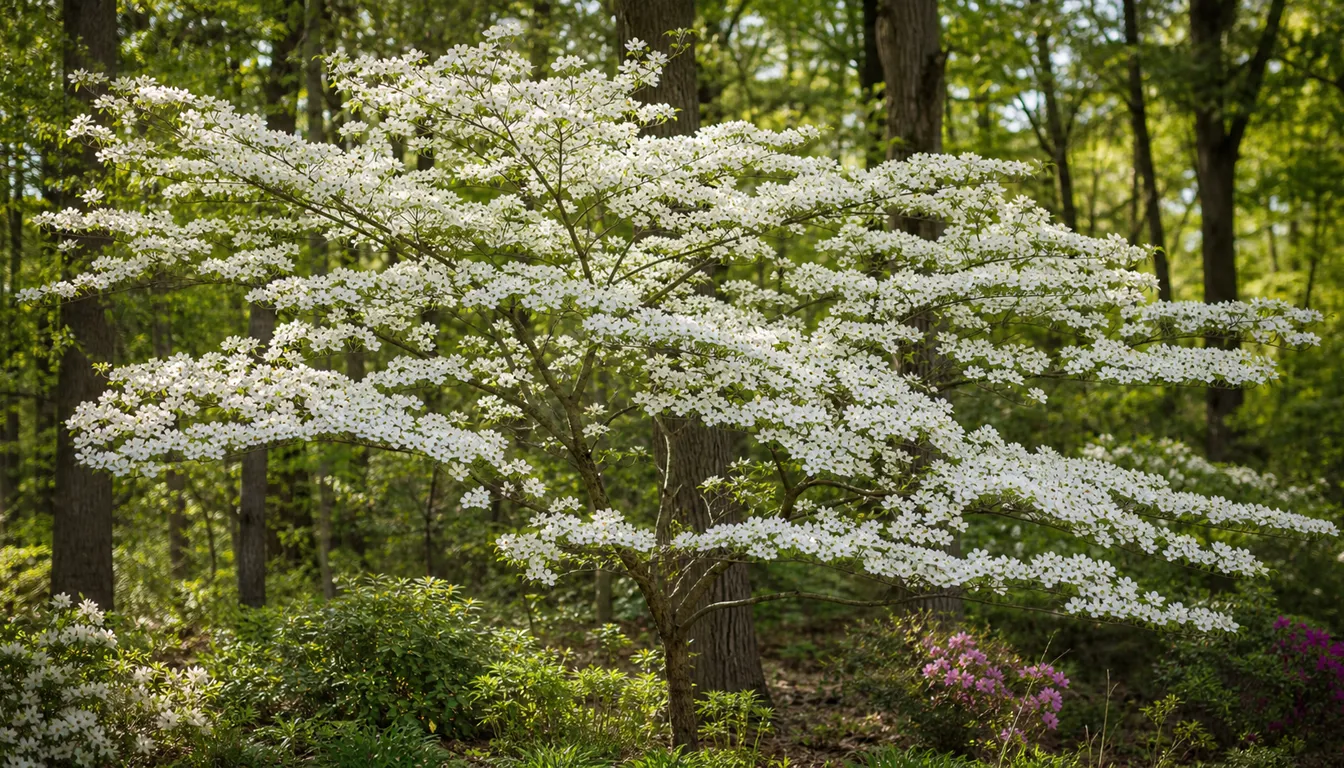
Flowering Dogwood
Another spring-blooming small tree with showy bracts that pairs well with Redbud in mixed borders.
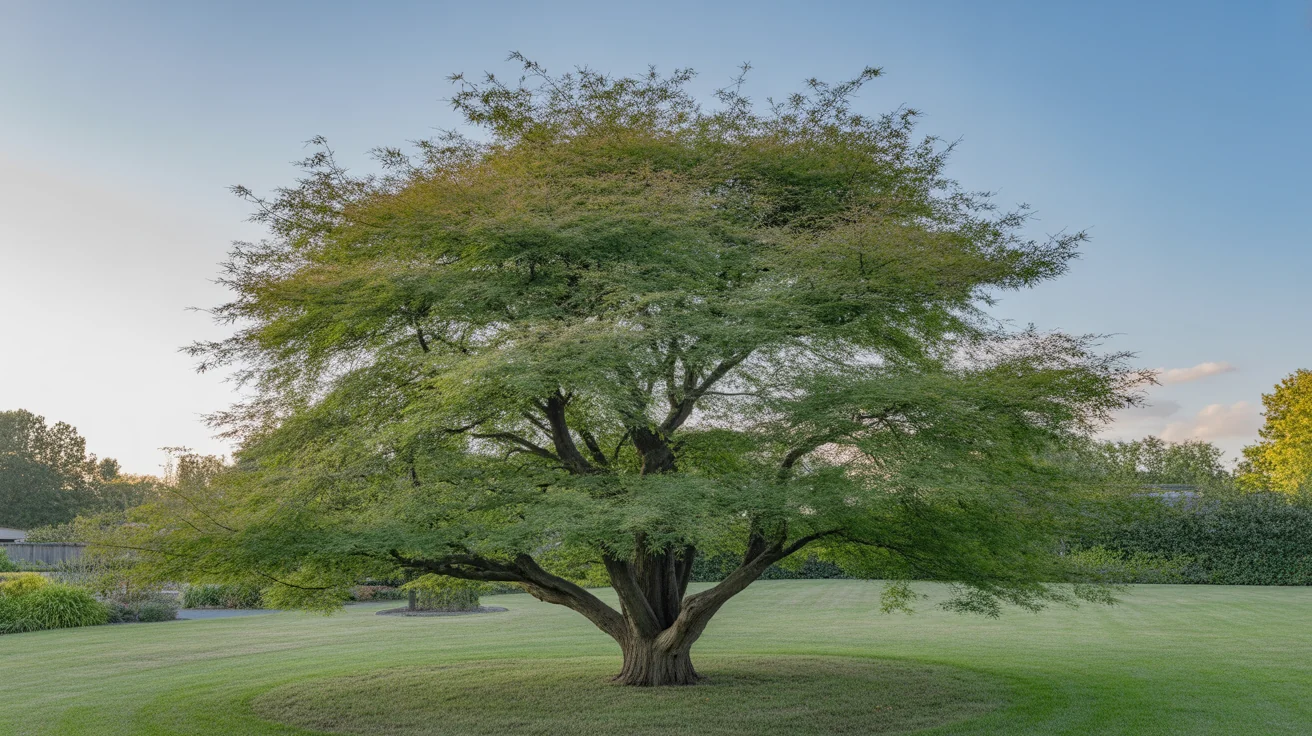
Japanese Maple
Compact ornamental tree prized for foliage color, a good contrast to redbud heart-shaped leaves.
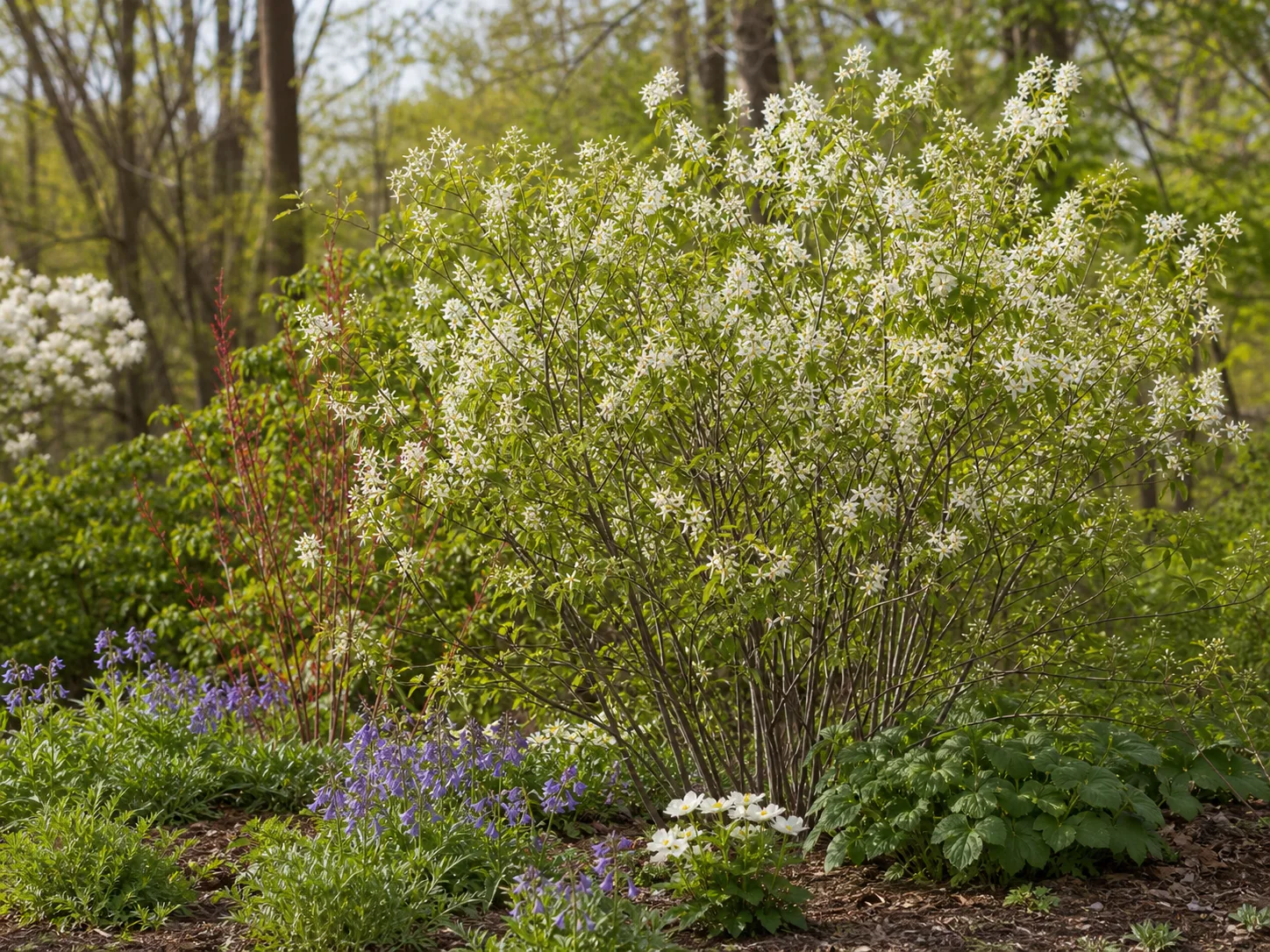
Serviceberry
Native small tree or large shrub with white flowers and berries for birds, similar scale to redbud.
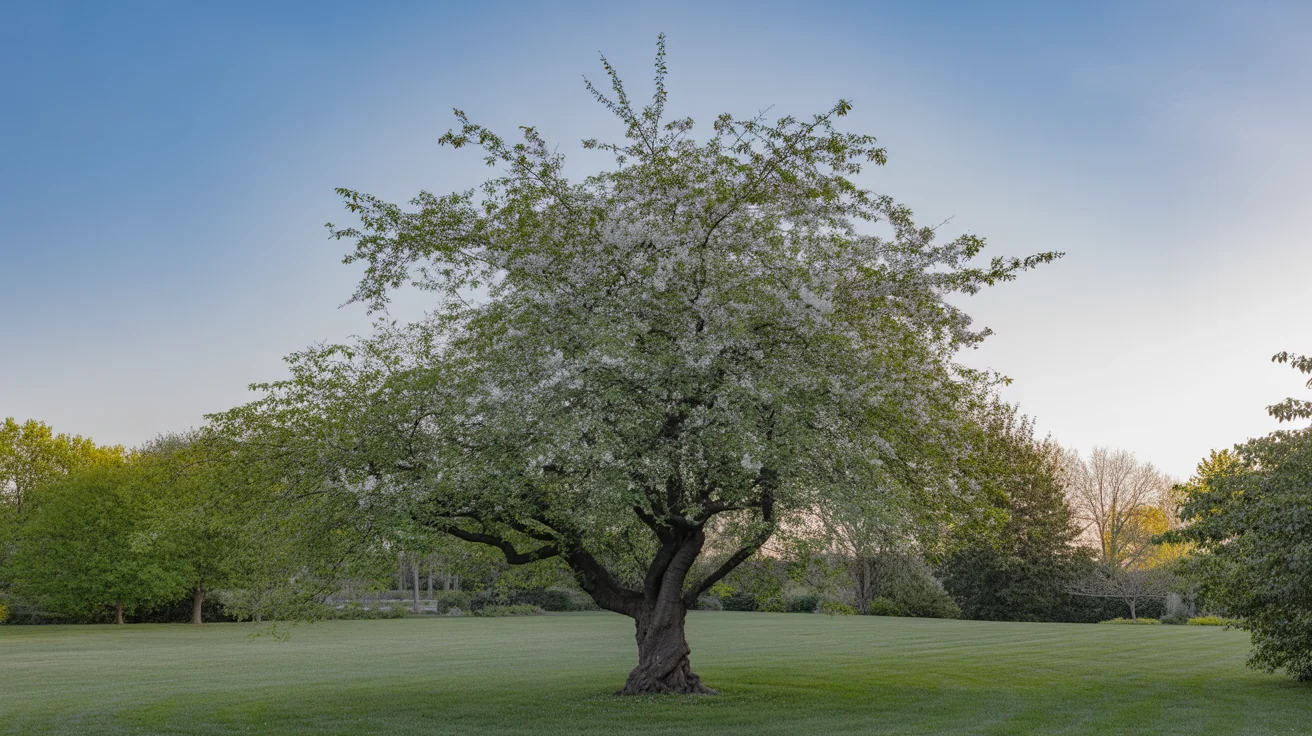
Cherry Blossom Tree
Cherry blossom tree is a common name for ornamental cherries grown for spring flowers rather than a useful fruit crop.
Ginkgo Tree
Ginkgo is not a plant for instant gratification. It is a patient tree that rewards the right buyer decision up front…
Japanese Cherry Tree
Japanese Cherry is a short-season show tree with real structural limits. The best care is not chasing bigger growth.