
What's Beet? How to Grow Sweet Roots and Tender Greens
Beta vulgaris Amaranthaceae
Beet care starts with one unusual fact. Each seed ball can make several seedlings, so the crop needs early thinning, cool weather, loose upper soil, and steady moisture before it can give you both tender greens and rounded roots.
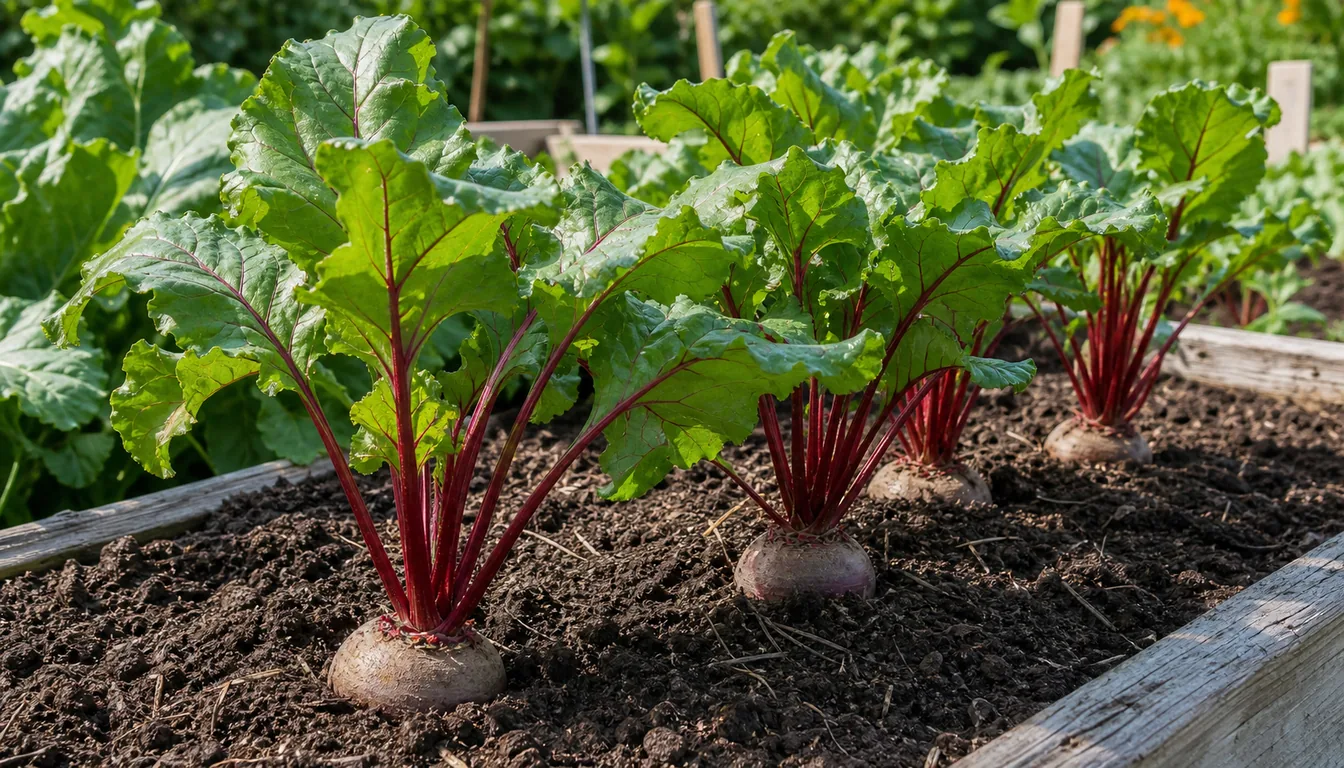
Care snapshot
How Do You Thin Beet Seed Clusters Before Roots Compete?
Beet (Beta vulgaris) is an amaranth-family crop grown for swollen roots and edible leaves.
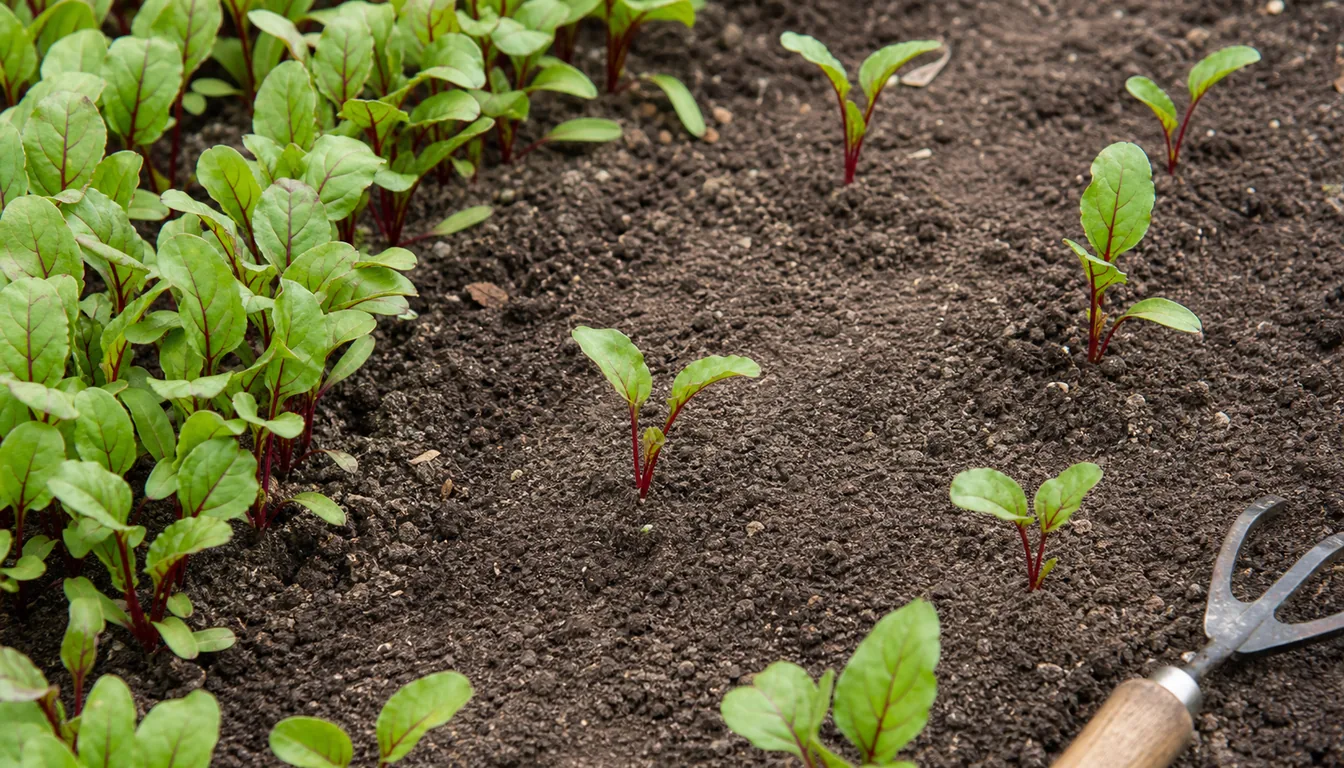
Beet seedlings crowd themselves because the seed you sow is usually a dried fruit cluster, not a single plain seed.
Two or more sprouts can rise from one spot, and that crowding begins before the row looks like a problem.
The first useful care step is to choose which seedling keeps the space.
If you wait until every leaf looks strong, the tiny roots have already started bending around each other and stealing the room that should have made one round shoulder. That is why thinning seedlings is not cosmetic cleanup for this crop.
Thin as soon as the seedlings are easy to see and handle.
Use scissors at soil level when pulling one sprout lifts the whole clump, because saving the best-spaced plant matters more than rescuing every seedling. If a clump has two strong plants and no room for both, cut the weaker one and leave the root zone quiet.
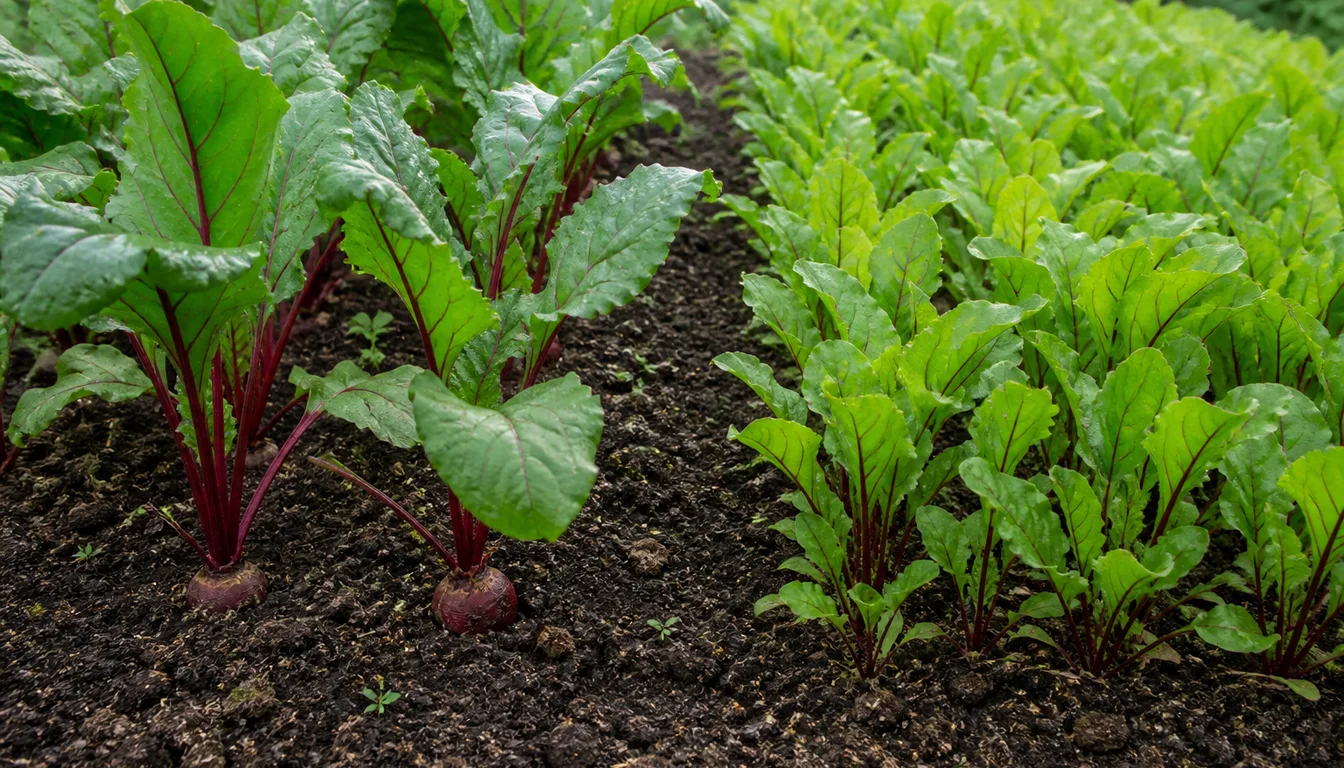
For roots, leave about 3 inches between plants and 12 to 18 inches between rows. For baby greens, you can keep plants closer, but that patch should not be judged later as a failed root crop.
Seed depth matters because the row has to stay moist without burying small seedlings under a crust. In ordinary garden soil, shallow coverage is enough when the surface is fine and the bed will not dry out.
If you buy a monogerm variety, thinning may be lighter, but it is still not a skip step. Germination is never perfectly even, and a beet row still needs final spacing before roots begin to swell.
Should You Grow Beets for Roots, Greens, or Both?
Beet is useful because one crop gives you edible greens and edible roots, but the plant still has one energy budget.
If you keep cutting heavy handfuls of leaves, the plant has less leaf area left to feed a smooth root. The crop can forgive a few outside leaves, but it cannot keep losing its solar panels and still size well underground.
Give each sowing a clear job before you thin it. A tight patch can act more like spinach for young greens, while a root row needs wider spacing and most of its leaves left in place.
A short succession planting plan solves the conflict better than one crowded row. Sow one strip for early greens and another for roots, then repeat while the weather still favors cool-season growth.
That plan also keeps the harvest honest. When a row was sown for greens, small roots are not a failure, and when a row was sown for roots, untouched foliage is not wasted.
This choice is also why Beet does not behave like a leaf-only crop. The greens are real food, but the swollen root is built by the leaves you leave behind.
Root-first row
- Thin early to about 3 inches apart.
- Pick only a few outside leaves if you need greens.
- Stop heavy leaf harvest once shoulders begin swelling.
Greens-first patch
- Sow closer and cut young leaves before roots matter.
- Resow when the patch slows instead of waiting for big roots.
- Wash low leaves well because soil splash is common.
Mixed harvest
- Use root spacing but harvest leaves lightly.
- Pull every other small root if the row tightens again.
- Let the remaining plants rebuild leaf area after picking.
When Should You Plant Beets Before Heat Makes Roots Coarse?
Beet is a cool-season crop, and the best roots usually size while days are mild. The crop can handle light frost, but it does not reward being pushed through the hottest stretch of summer.
Seed can sprout once soil is near 40 F, but germination is strongest around 55 to 75 F. When soil and air climb too high, stands get weaker and roots are more likely to taste woody or strong.
In spring, sow as soon as the bed can be worked and the soil is no longer waterlogged.
In fall, count backward so the roots have time to size before hard freezes slow the bed. A late sowing may survive cool weather, but survival is not the same as building a sweet root.
Hot climates need a different habit from heat-loving crops such as bell pepper. Give Beet morning sun and some afternoon relief when summer arrives, or wait for a later sowing instead of trying to force sweet roots in heat.
Very early spring sowing has one caution. If young plants get enough chilling and then warming, some may flower instead of putting all their energy into the root.
If a planting bolts, harvest usable leaves and reset the timing rather than waiting for a better root. A flower stalk means the plant has changed priorities.
- Early spring sowing
- Start when soil can be worked, then protect the seed row from drying or crusting
- Late summer sowing
- Sow early enough for root sizing before hard freezes stop growth
- Hot weather gap
- Use light afternoon shade or pause until cooler weather returns
How Do You Prepare Soil for Smooth Beet Shoulders?
A Beet root swells near the soil surface, so the upper few inches decide more than the tiny seed suggests. A soft dusting over compact ground can still give you flattened shoulders, slow seedlings, and roots that never round out.
This is not the same problem as growing a long carrot. Carrot roots need a long clean lane, while Beet shoulders need loose, fertile, well-drained soil where the crown expands.
Break crust, remove stones, and work finished compost into heavy soil before sowing.
Avoid fresh rough organic matter right in the seed row, because coarse chunks can leave the surface uneven and hard to keep moist.
If the native soil stays tight or wet, raised beds can make beet spacing and drainage easier to control.
If the surface seals after rain, open the crust lightly before seedlings struggle through it. Tiny Beet plants can wait on fertilizer for a short time, but they cannot grow well through a locked surface.
The soil test belongs before heavy feeding, especially if roots have shown black sunken spots in past sowings. More nitrogen can grow bigger leaves while leaving the root problem unsolved.
- Rake the seed row fine enough for shallow, even coverage.
- Loosen the shoulder zone deeper than the seed itself.
- Improve heavy soil with finished compost before planting.
- Use raised rows or beds where drainage stays poor.
- Keep early cultivation shallow so you do not cut young roots.
How Should You Water Beets as the Roots Swell?
New Beet seed needs surface moisture because the seed row is shallow and slow to protect itself. A crusted or dry top layer can reduce the stand before you ever get to thinning.
Once plants are established, shift from surface dampness to even root-zone moisture. The same deep watering idea that helps many vegetables matters here because swelling roots crack when dry soil is followed by a hard soak.
If the bed dries hard, bring moisture back gradually over more than one watering.
Flooding a stressed row may feel like a rescue, but the sudden growth jump can split roots or leave them coarse. The better fix is steady moisture before the plant has to recover from stress.
Mulch can help after seedlings are visible and established. Put it down too early and you may hide weak stands, but use it later and it can reduce the moisture swings that make roots split.
Watch the leaves at midday before you water by habit. A brief warm-day droop can recover by evening, while dull leaves in cool soil usually mean the root zone needs attention.
- Germination
- Keep the seed row evenly damp near the surface until seedlings stand
- Early leaves
- Water gently so soil does not crust around small stems
- Root swelling
- Water deeper and more evenly so shoulders size without cracking
- After a dry spell
- Rewet steadily instead of soaking the bed all at once
What Do Beet Leaves Reveal About Root Problems?
Beet leaves matter twice. They are an edible crop on their own, and they are also the leaf factory that helps the root size underground.
That means leaf damage has to be read by purpose. A leaf miner trail may make a green less pleasant to eat, while the same older leaf may not ruin a clean root shoulder that is still sizing well.
Flea beetles deserve faster attention on seedlings because small plants have little leaf area to spare.
Later in the season, small holes on outer leaves are usually a harvest-quality issue, not a reason to pull every root. The younger the plant, the more the same damage matters.
Black sunken spots in or on the root point to a different problem than chewing insects. That symptom can follow boron shortage or stressed soil conditions, so the next sowing may need a soil test, better drainage, and rotation instead of another quick spray.
Use natural pest control habits early, but keep the root decision separate from cosmetic leaf damage. The best response is the one that protects the part of the plant you actually plan to eat.
Rotation helps when leaf spots or root rots keep returning in the same bed. Moving the crop breaks the pattern better than asking one tired row to absorb another season of pressure.
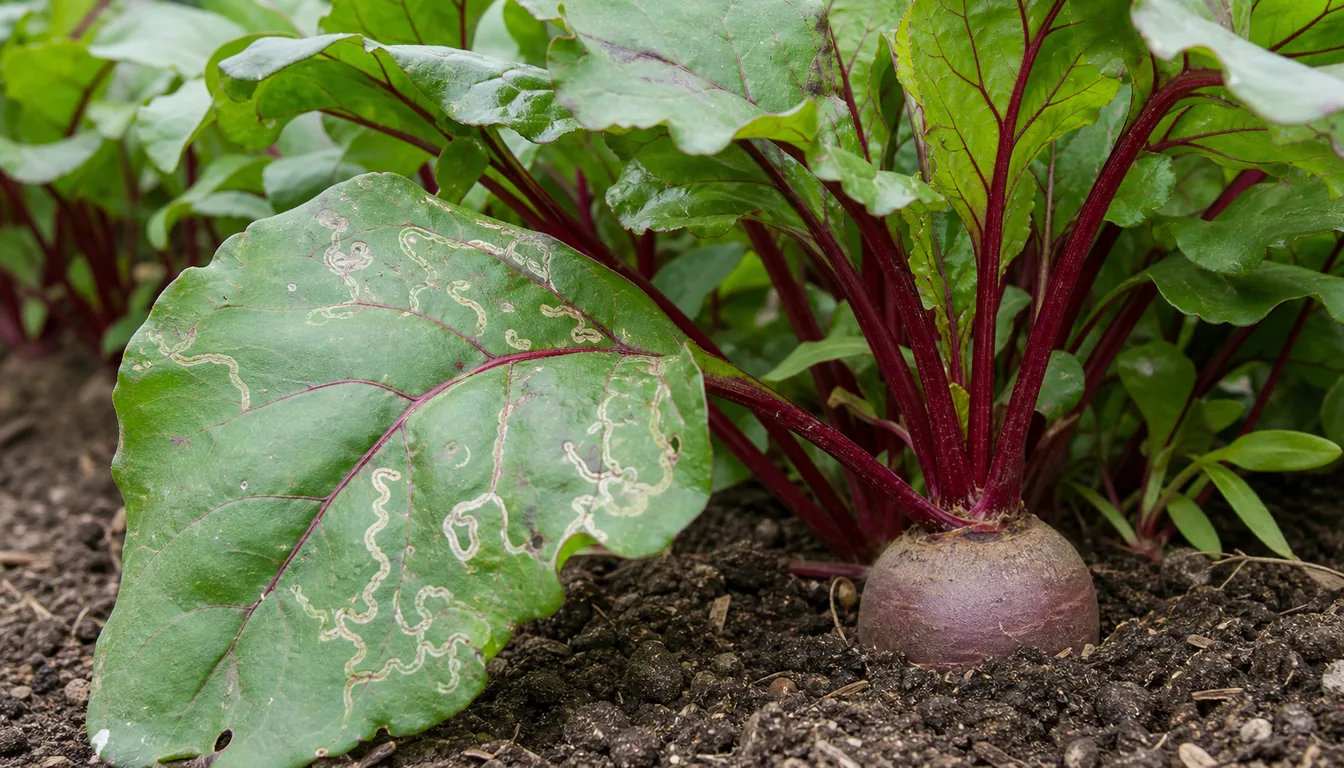
- Lacy pale trails
- Leaf miners reduce green quality, but clean roots may still harvest well
- Tiny seedling holes
- Flea beetles can slow or kill small plants, so protect the stand early
- Wet-season leaf spots
- Improve airflow, water soil instead of foliage, and remove badly spotted leaves
- Black sunken root spots
- Check soil health and boron before repeating the same bed
- Clean shoulder with old leaf damage
- Keep sizing the root and harvest damaged greens separately
When Should You Harvest Beets for Tender Roots?
Harvest Beet roots by useful size and texture, not by the biggest root you can grow. Many plantings are ready about 60 to 80 days from seed, but variety, weather, and spacing can move that window.
Pull a few medium roots first and use them as a taste check.
If they are tender, keep harvesting in waves so the neighbors gain space and the row does not turn into oversized roots with coarse centers. This is especially useful in uneven rows where some plants won the spacing battle early.
Young greens are best when leaves are still clean and tender, often around 4 to 6 inches tall. Cut or pick lightly from root-first rows, and wash low leaves well because rain and irrigation splash soil onto them.
A quick crop like radish wins when you want roots fast. Beet earns its space when you want a slower, sweeter root plus usable greens from the same cool-season bed.
For storage, keep only sound roots without deep wounds, cracks, or rot.
Trim leaves close, handle the roots gently, and eat damaged roots first because they will not keep as reliably. If your main goal is a pantry crop, compare Beet with other storage crops before giving it most of the bed.
Do not judge every root in one pull. Sample the biggest shoulder, a middle plant, and a crowded edge plant so the next sowing tells you whether timing, spacing, or water caused the uneven harvest.
Frequently Asked Questions
Why do beet seeds make crowded clumps?
Most Beet seed is a small fruit cluster that can produce more than one seedling. Thin early so one saved plant has enough room to make a rounded root.
Can you eat beet greens and still grow roots?
Yes, but pick lightly from plants you want to size into roots. Heavy leaf harvest removes the leaf area the plant uses to feed the root.
Why are my beet roots small?
Beet roots stay small when seedlings are crowded, soil crusts or compacts around the shoulder zone, or water swings from dry to soaked. Check spacing and soil surface before adding fertilizer.
When should I harvest beets?
Harvest Beet roots when they are medium sized and still tender, often about 60 to 80 days from seed. Waiting for very large roots can give you coarse texture.
Do beets grow better in spring or fall?
Beet can grow in both spring and fall when the weather is cool. Fall roots often taste good after cool nights, but they still need enough time to size before hard freezes.
Sources & References
- How to Grow Beets in Your Garden - Utah State University Extension
- Growing Beets in a Home Garden - University of Maryland Extension
- Beet - University of Illinois Extension
- Beets - Texas A&M AgriLife Extension Service
- Missouri Botanical Garden - Beta vulgaris (garden beet)
- Toxic and Non-toxic Plants: Beets | ASPCA
Related Plants
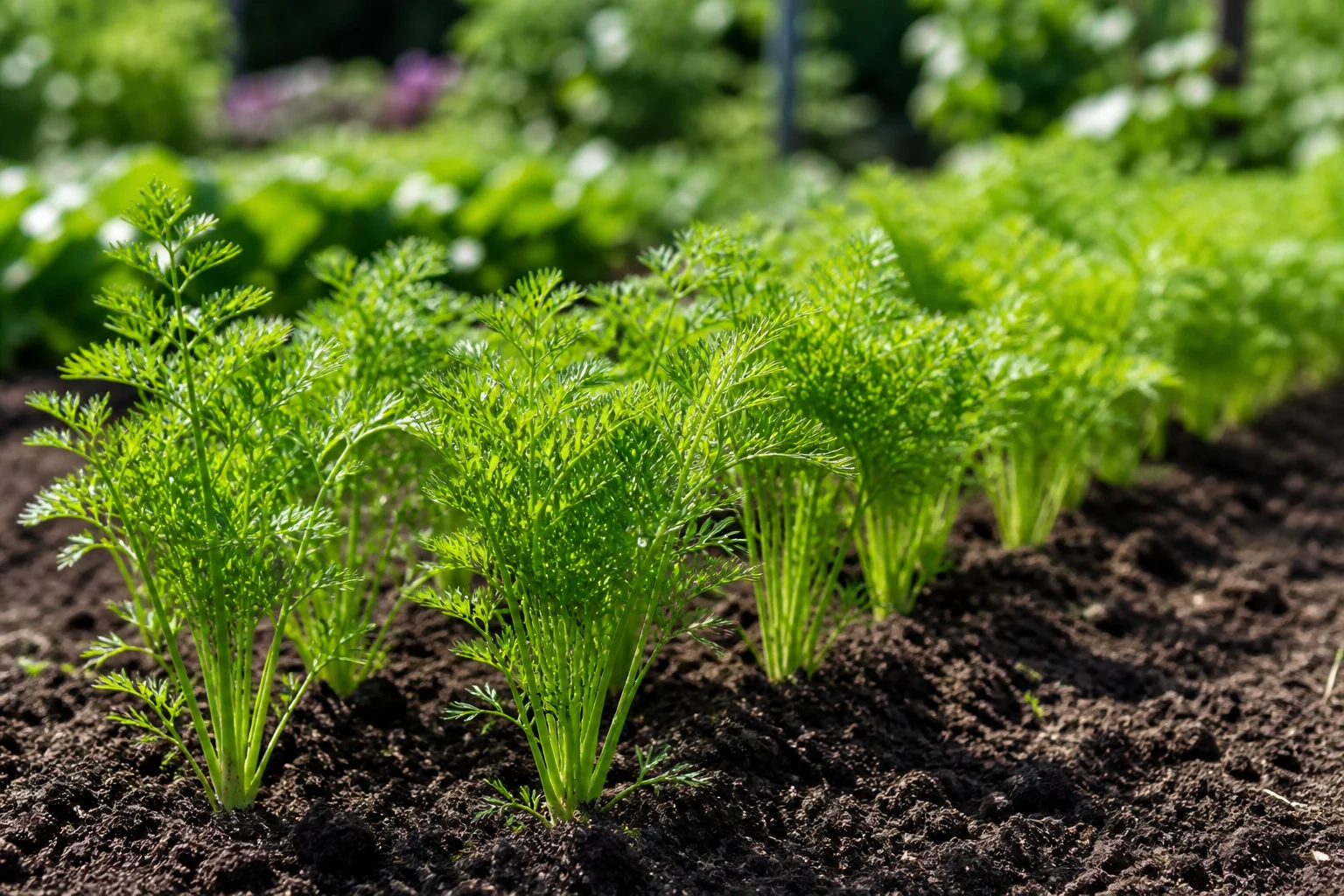
Carrot
Taproot crop for loose, stone-free beds with similar cool-season timing.
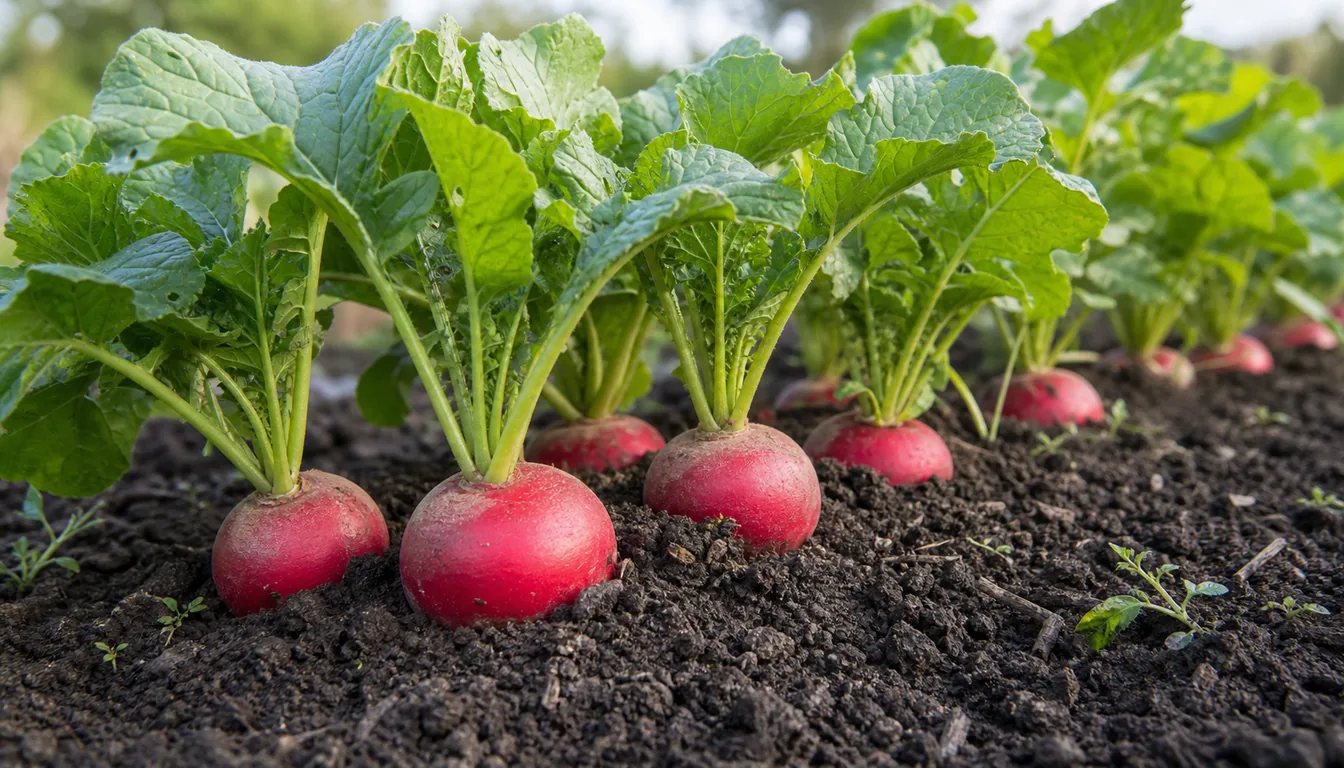
Radish
Fast-maturing root that pairs well with beets in early spring beds.
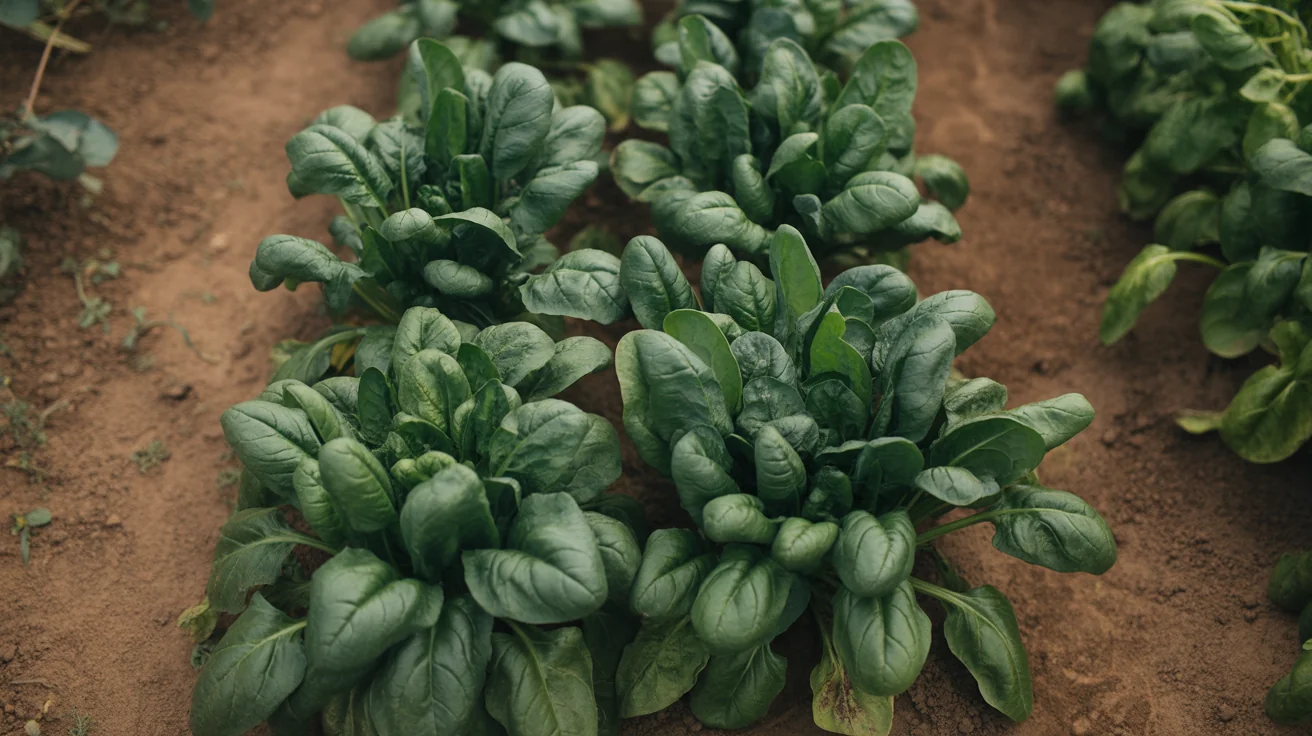
Spinach
Cool-season leafy green with similar soil and moisture preferences.
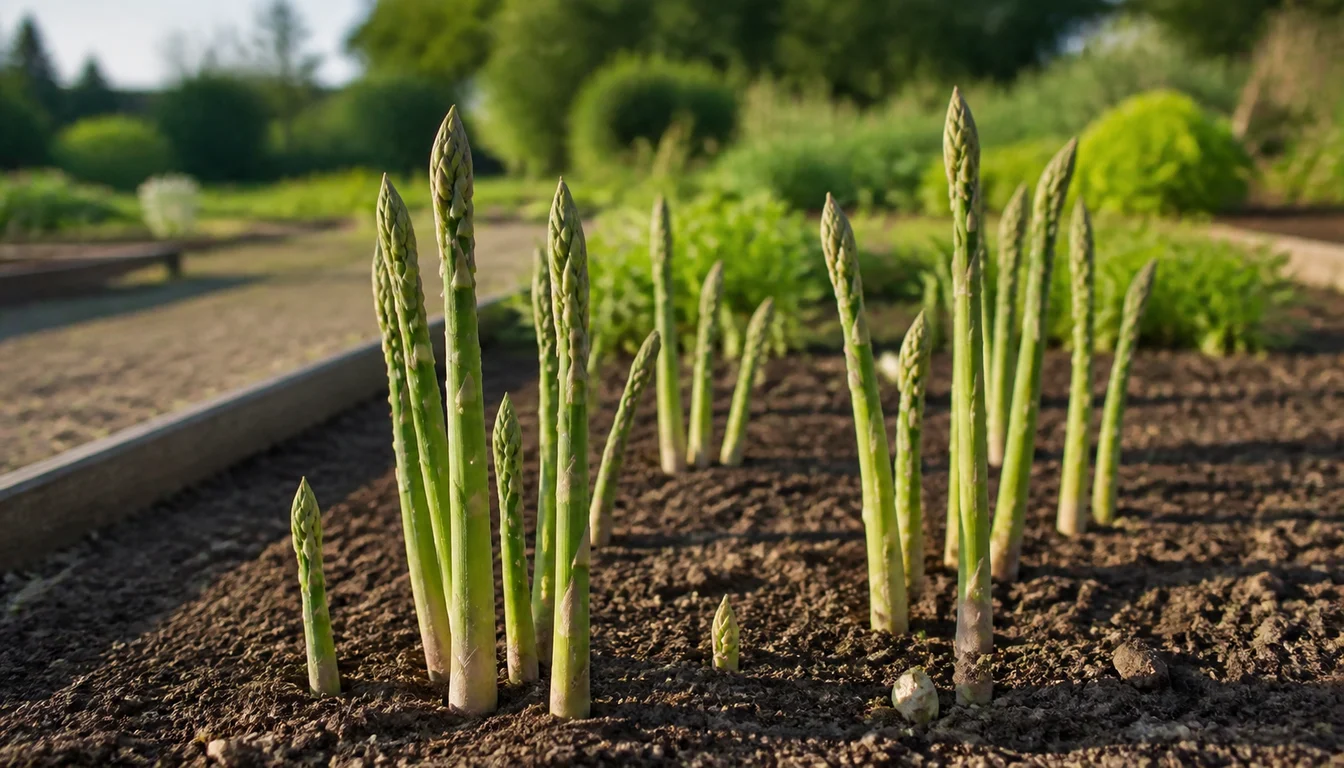
Asparagus
Asparagus rewards careful establishment with spring harvests for many years.
Beans
Two different plants share the name bean, one that stays knee-high and gives most of its crop inside two or three…
Bell Pepper
Bell Pepper rewards growers who manage flowers, roots, and heat together.