
What's a Pea Plant? How to Beat the Heat to a Full Pod
Pisum sativum Fabaceae
Peas succeed when the whole crop is built around one short cool window. Sow into workable spring soil, give the vines support before they need it, and pick pods fast enough that heat does not end the harvest before the plant pays you back.
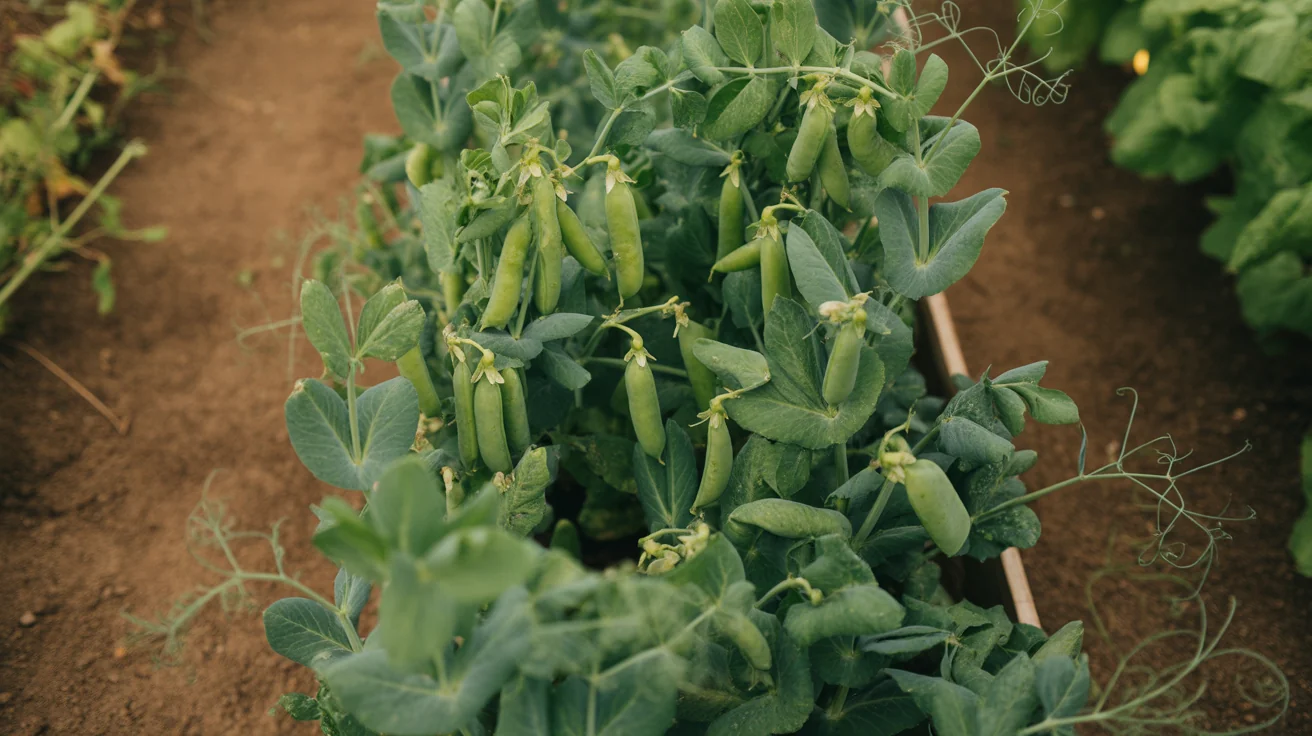
Care snapshot
Is a Pea a Vegetable or a Legume?
Both, and the legume half is the useful one. Peas are Pisum sativum, a cool-season annual in Fabaceae, the same family as Beans, lentils, and clover.
Being a legume means the roots partner with soil bacteria to fix their own nitrogen, which is why a pea row wants a fast seedbed rather than a rich one.
The part you eat changes with the type. A snow pea is the flat immature pod, a snap pea is the whole thickened pod, and a shelling pea is the seed inside a pod you discard.
The plant climbs with tendrils rather than twining stems, which is a real structural difference from Beans.
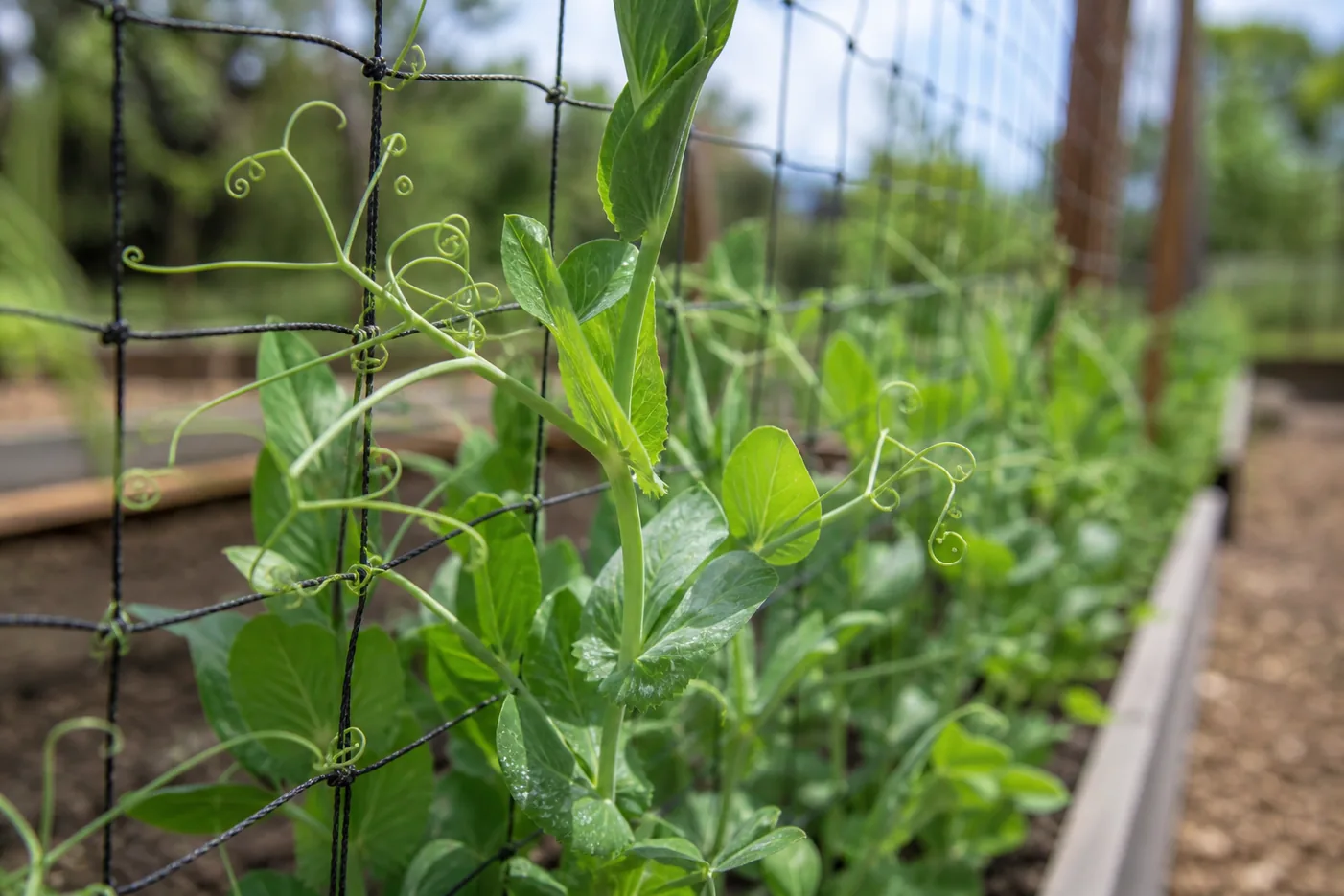
Tendrils are short and have to find something thin to grip, so a trellis has to be there early and has to be fine enough for them to catch.
Cool weather is the other half of its identity. Peas germinate in cold soil and stop producing once heat arrives, which makes the whole crop a race against summer.
Plant profile
- Botanical name
- Pisum sativum
- Family
- Fabaceae, the legume family
- Plant type
- Cool-season annual that climbs by tendril
- Grown for
- Immature pods, whole edible pods, or shelled seeds
- Native range
- The Mediterranean and Near East
- Rotates with
- Beans and other legumes, which share its soil diseases
When Should You Plant Peas?
For Peas, the crop clock starts in the seedbed. Sow as soon as the bed is workable and cool, then race the crop toward pods before heat arrives.
Peas are not a filler crop you slide in whenever a row opens. They need a cool runway long enough for germination, vine growth, bloom, and pod fill.
A useful planting signal is soil that can be worked without staying muddy. Many gardeners sow around 40-50 F soil, while crops such as beans still need warmer ground.
Pea seed germinates in soil as cool as 40 F, but slowly, sometimes taking two to three weeks instead of the several days a warmer bed allows. That slow start is normal and not a sign of bad seed.
That difference is why Peas belong near the front of the spring plan, closer to lettuce than to midsummer transplants.
The mistake is waiting for perfect mild weather above the soil while the soil window is already passing below it. A late sowing can sprout fast and still make a short crop because the plant hits bloom just as the weather turns hot.
A hard frost after emergence rarely kills the vines outright, since young Pea seedlings tolerate a light freeze better than most warm-season transplants, but repeated hard freezes can still stunt growth.
A fall crop only works where the late-season cool-down lasts long enough for pods before hard cold. In many gardens, spring is the cleaner bet because the crop begins cool and ends as warm-season vegetables are ready.
Once you treat the crop as a cool-window project, every later choice gets sharper, since pod type, trellis height, moisture, and the next crop all have to respect that clock.
Spinach shares that same early cool window, so it can share the bed with Peas without competing for space or timing.
Which Peas Should You Grow, Snow, Snap, or Shelling?
Pod type changes the harvest job more than people expect. Snow Peas ask you to pick flat pods young.
Snap Peas want crisp, swollen pods. Shelling Peas make you wait for full seeds, then remove the pod from the meal.
Snow and snap types were bred so the pod wall itself stays tender and edible, while shelling types put their sugars into the seed and let the pod turn tough and fibrous as it matures.
Days to maturity also split by pod type, with snow Peas often ready first, snap types close behind, and full-size shelling Peas usually needing the longest stretch of cool weather.
Peas are cool-season and shallow-rooted, which is why generic legume advice tends to mislead here. Peas are picked for pod stage.
Beans are warmer, later, and usually keep setting over a longer spell, so the harvest logic is not the same even though both crops climb and fix nitrogen with the right root partnership.
Purple-podded and other novelty colors exist mostly for snap and snow types, since the color trait does not carry the same visual appeal once seeds are shelled out of a pod.
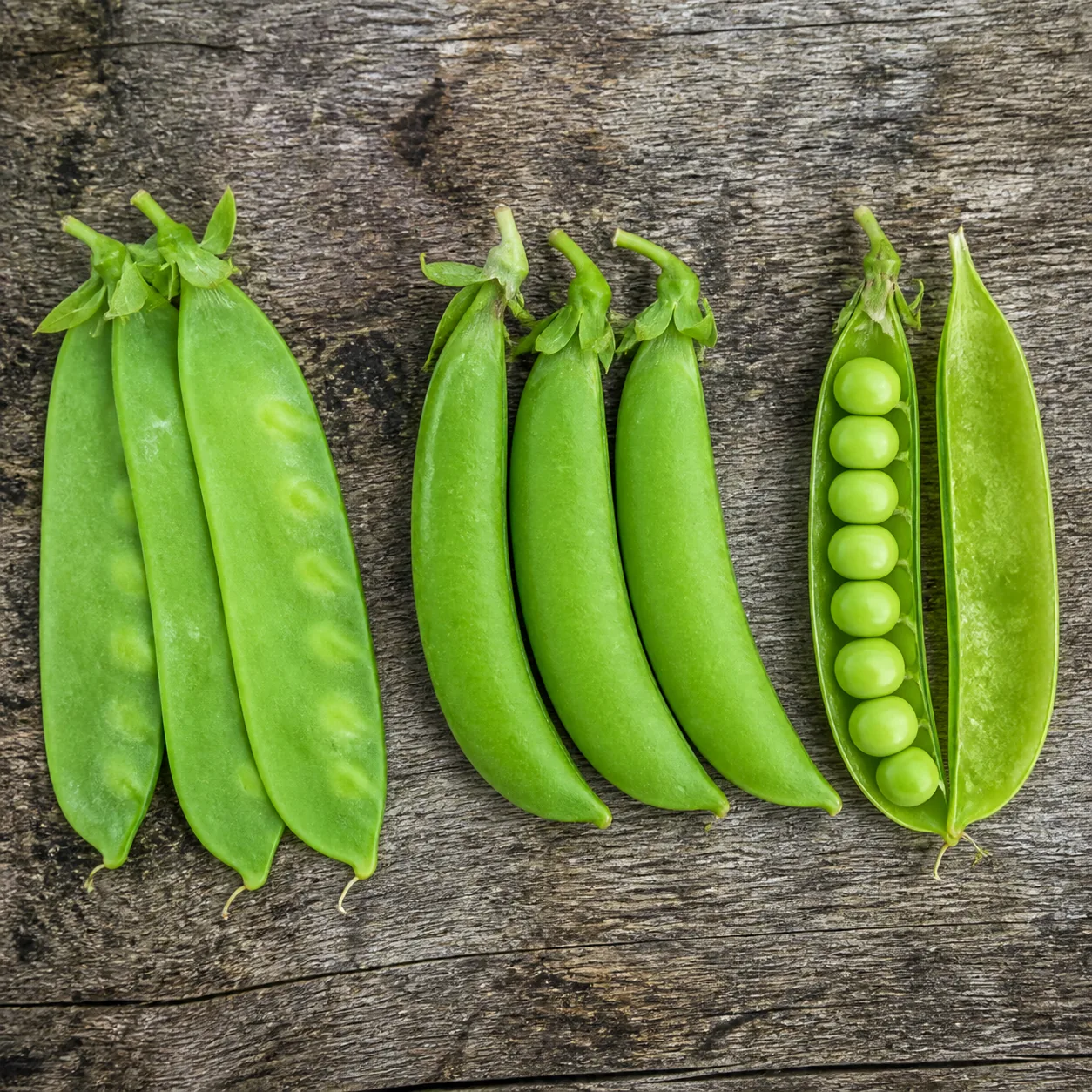
- Snow Peas
- Best when you want tender flat pods, stir-fries, and the earliest picking rhythm
- Snap Peas
- Best when you want edible pods with sweetness and crunch
- Shelling Peas
- Best when you want sweet seeds and do not mind a slower kitchen job
- Dwarf types
- Best for containers, windy beds, and short supports
What Soil Do Peas Need, and How Deep Do You Sow?
Pea seed needs close seed-to-soil contact, drainage, and enough air to avoid rotting. It does not need a hot pile of nitrogen under the row.
A smooth, crumbly seedbed matters more than a heavy feeding push.
Sow deep enough that the seed stays damp, usually about an inch in many garden soils, then firm the row gently. If the bed crusts after rain, seedlings struggle before the crop even reaches the trellis.
If you have not grown legumes in that bed before, a pea-and-bean inoculant can help the right bacteria colonize roots. It is not magic fertilizer, but it fits the plant better than pushing leafy growth with a high-nitrogen product.
The inoculant bacteria, usually a Rhizobium species matched to peas and beans, only helps if it actually touches the seed coat at sowing, so dusting dry seed just before it goes in the ground works better than mixing inoculant into loose soil.
If spring beds stay wet for days, the fix may be bed shape, not fertilizer. Compare raised beds and in-ground rows before you blame every failed stand on old seed.
- Use compost for soil structure instead of a big nitrogen charge.
- Keep the row damp through germination, not puddled.
- Resow gaps quickly while the weather is still cool.
- Avoid stepping beside the row because compacted spring soil warms and drains poorly.
Do Peas Need a Trellis, and When Do You Put It Up?
Peas do not climb like pole beans that wrap a whole stem around a pole. They reach with small tendrils.
If the support is too far away when the plant is young, the row flops first and only partly recovers later.
Tendrils are modified leaflets that sweep in a slow circle searching for something to grip, and a vine that finds nothing within reach for a day or two stops searching and flops instead. Mesh in the 2-3 inch range gives young tendrils something thin enough to close around.
Set netting, brush, string, or a light fence before or at sowing. Even dwarf types often pick cleaner with a low support, especially where spring rain presses vines into the soil.
Tall varieties need support that matches the packet height, but access matters as much as height. A trellis jammed against a fence turns harvest into a reach-and-crush job.
A trellis set even a week late still helps, since redirecting flopped vines upward partway through growth beats leaving them tangled on wet soil for the rest of the season.
How Much Water Do Peas Need?
The water target changes as the crop grows. Seedlings need steady damp soil.
Flowering vines need moisture that stays even enough for pods to fill without stopping halfway.
Drought stress during flowering does not just shrink pods, it can abort open blossoms outright, which is why an even watering rhythm matters most in the days right around first bloom.
Deep watering works if the bed drains and the surface does not bake into a crust. The goal is the same practical rhythm explained in deep watering habits, wetting the root zone and then letting air return before the next soak.
Mulch helps once seedlings are up and the soil has started warming. Put it down too early on a cold wet bed and you can slow the very crop you meant to protect.
Mulch also buffers soil temperature swings in early spring, which matters for a crop whose germination speed is so sensitive to how quickly the bed warms past that cool 40-50 F starting point.
Light shade late in the run can reduce afternoon stress, but it cannot replace a missed planting window. Shade may stretch a harvest by days, while early sowing can change the whole crop.
Overhead watering that wets the foliage late in the day keeps leaves damp overnight, which is one of the conditions that lets powdery mildew take hold once the canopy thickens.
- Germination
- Keep the seed row evenly damp and protected from crusting
- Vine growth
- Water when the top soil dries, but avoid swampy roots
- Bloom and pod fill
- Prevent dry swings that leave empty or half-filled pods
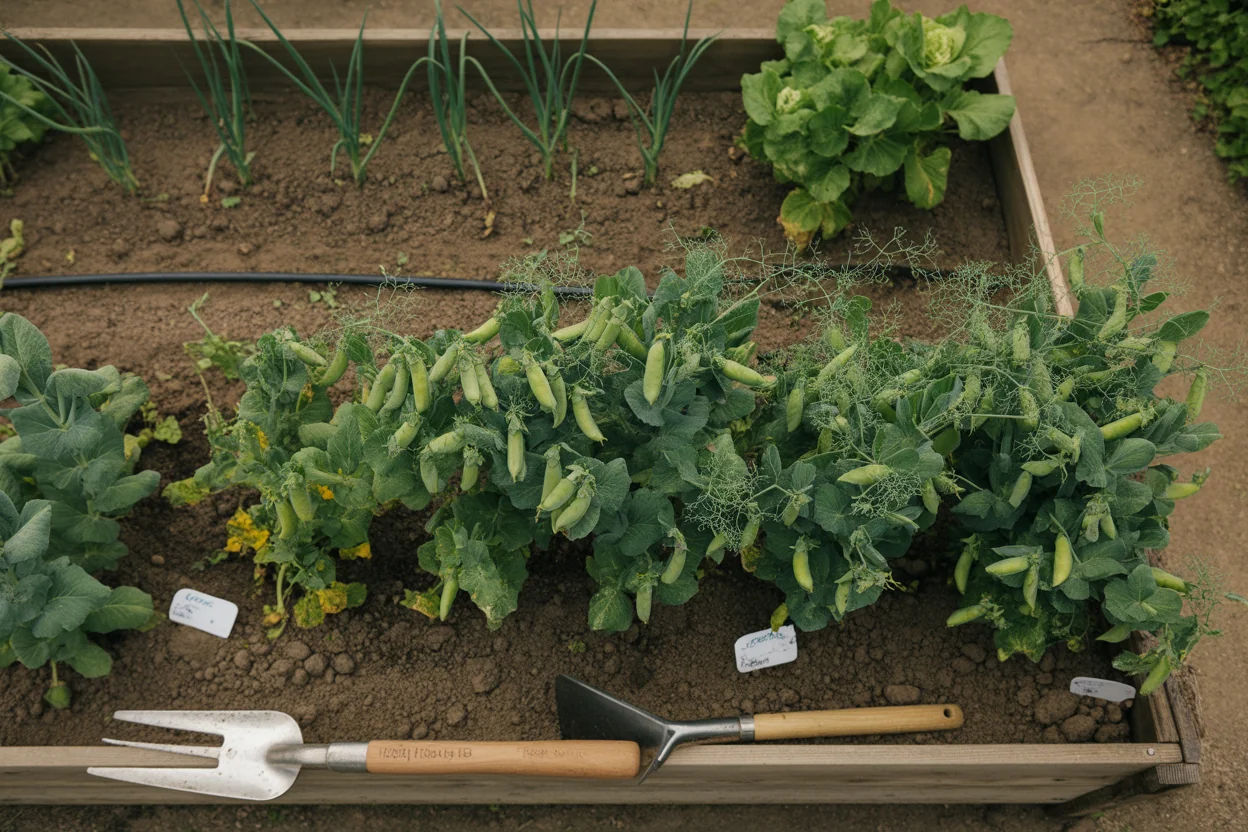
When Are Peas Ready to Pick?
A mature pod is a signal. Once too many pods fully age on the vine, the plant has less reason to keep flowering.
Picking is not just harvest, since it is part of crop management.
Peas are self-pollinating, so pod set does not depend on attracting bees the way squash or cucumber does, which means consistent watering and timely picking do more for yield than anything aimed at pollinators.
Snow Peas should still look flat and tender. Snap Peas should be full but crisp.
Shelling Peas should have plump seeds before they turn chalky. That is three different clocks in one crop name.
During peak harvest, check the row every two or three days. A missed week can turn a sweet patch into starchy pods and tired vines.
Pick snow Peas before seed bumps dominate the pod.
Pick snap Peas when the pod is full but still snaps cleanly.
Pick shelling Peas when the seeds are sweet and round, not hard.
What Should You Plant After Peas?
Peas earn extra value because they leave the bed early. When heat yellows the vines, flowers stop, and pods slow down, the best move is usually to clear the top growth and hand the space to a warm-season crop.
Cut healthy vines at soil level instead of yanking the whole root system through the row. The leftover roots break down in place, and the bed stays smoother for a follow-up crop such as cucumber.
The nitrogen Peas fix lives mostly in root nodules, not in the soil around them, so pulling the whole root system removes most of that benefit. Cutting vines at the base and leaving roots to break down releases far more nitrogen to the next crop than the popular but overstated idea of pea roots feeding the bed on their own.
In long-season beds, Peas can also clear space before peppers need their full summer room.
Why Did My Pea Crop Finish So Early?
Poor Pea harvests are easier to read when you ask which stage failed. No stand means seedbed trouble.
A seedbed that never sprouts in cold, wet soil often points to seed rot from Pythium or Rhizoctonia rather than bad seed, which is another reason a smooth, well-drained seedbed matters more than a heavier feeding push.
Lots of vine with few pods points to heat, excess nitrogen, or missed picking. Empty pods usually trace back to stress during bloom and early fill.
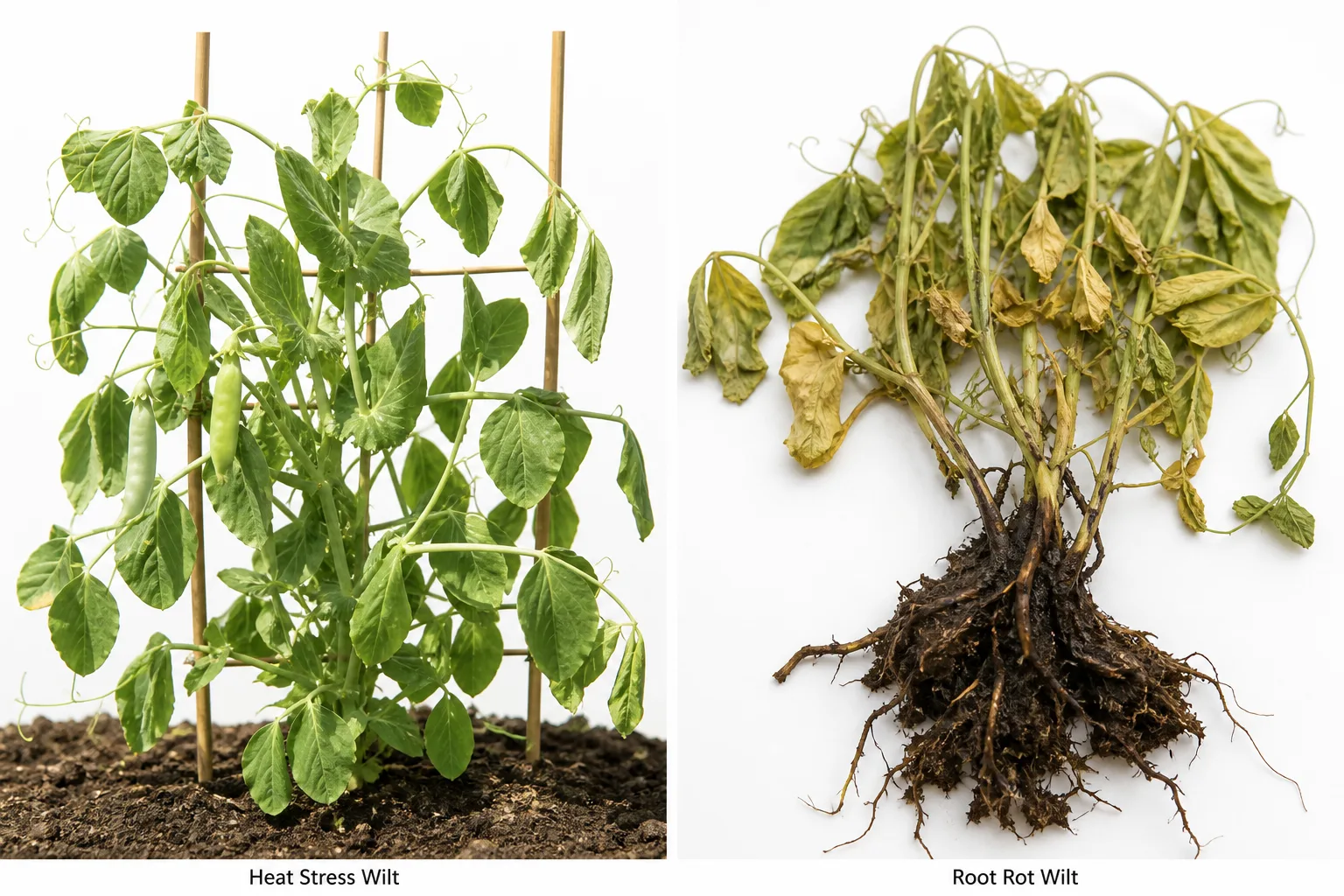
Root rot from waterlogged soil often shows as sudden wilting on an otherwise healthy-looking vine, which is why checking the base of a collapsing plant matters as much as checking the leaves.
A wilting vine on a hot afternoon that perks back up by evening is usually just heat stress, not disease, while one that stays wilted after the bed cools down points to a root problem instead.
Sticky curled tips often mean aphids. White powdery leaves late in the run usually mean the vines stayed dense and warm as the season aged.
Use natural pest control for gardens for the pest, but still fix the row timing and airflow that gave the problem room.
The most useful record is simple, tracking sowing date, first flower, first picking, and the week heat stopped the crop. That record tells you next year whether to sow earlier, choose a shorter variety, or switch more space to snap and snow types.
Frequently Asked Questions
When should I plant Peas?
Plant Peas as soon as the soil can be worked and stays cool rather than muddy. Many gardeners direct-sow around 40-50 F soil so the crop can bloom before heat arrives.
Do Peas need a trellis?
Most Peas benefit from support. Tall vines need a real trellis, and even dwarf types often stay cleaner and easier to pick with low netting or brush support.
Should I fertilize Peas heavily?
No, use compost and balanced soil, but avoid a heavy nitrogen push. Too much nitrogen can make lush vines with fewer pods.
Why did my Peas stop producing?
Heat is the usual reason. The other common cause is leaving mature pods on the vine, which tells the plant its seed-making job is already done.
Can Peas grow in containers?
Yes, especially dwarf snap or snow types. Use a container with steady moisture, add support early, and place it in the coolest full-sun spot available.
What should I plant after Peas?
Use the cleared bed for a warm-season crop such as cucumber, beans, basil, or pepper if your season is long enough and transplants are ready.
Sources & References
- University of Minnesota Extension: Growing peas in home gardens
- Oregon State University Extension: Snap peas
- University of Minnesota Extension: Planting the vegetable garden
- University of Minnesota Extension: Trellises and cages to support garden vegetables
- University of Minnesota Extension: Harvesting and storing home garden vegetables
- Lathyrus oleraceus (Austrian Winter Pea, Austrian Winter Peas, English Pea, English Peas, Field Pea, Field Peas, Green Pea, Green Peas, Pea, Peas) | North Carolina Extension Gardener Plant Toolbox
Related Plants
Beans
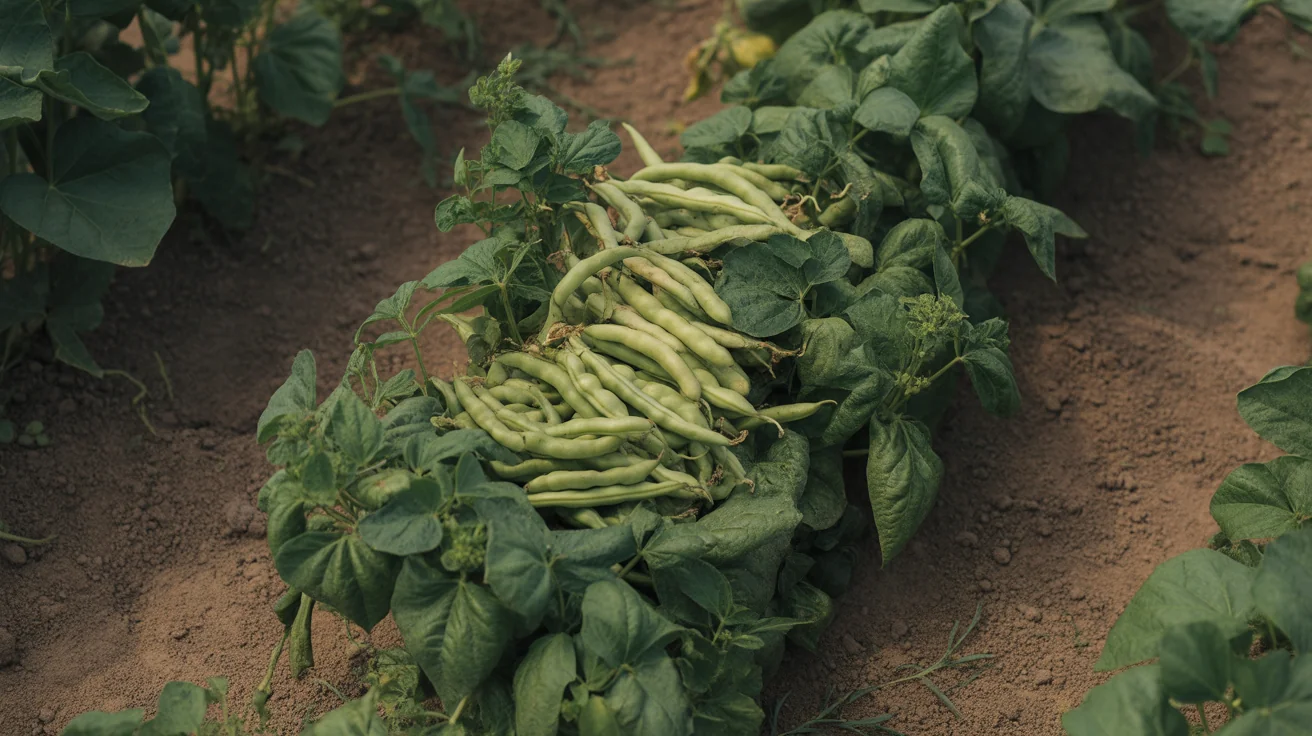
Another legume, but Beans wait for warm soil and carry a longer harvest rhythm.
Lettuce
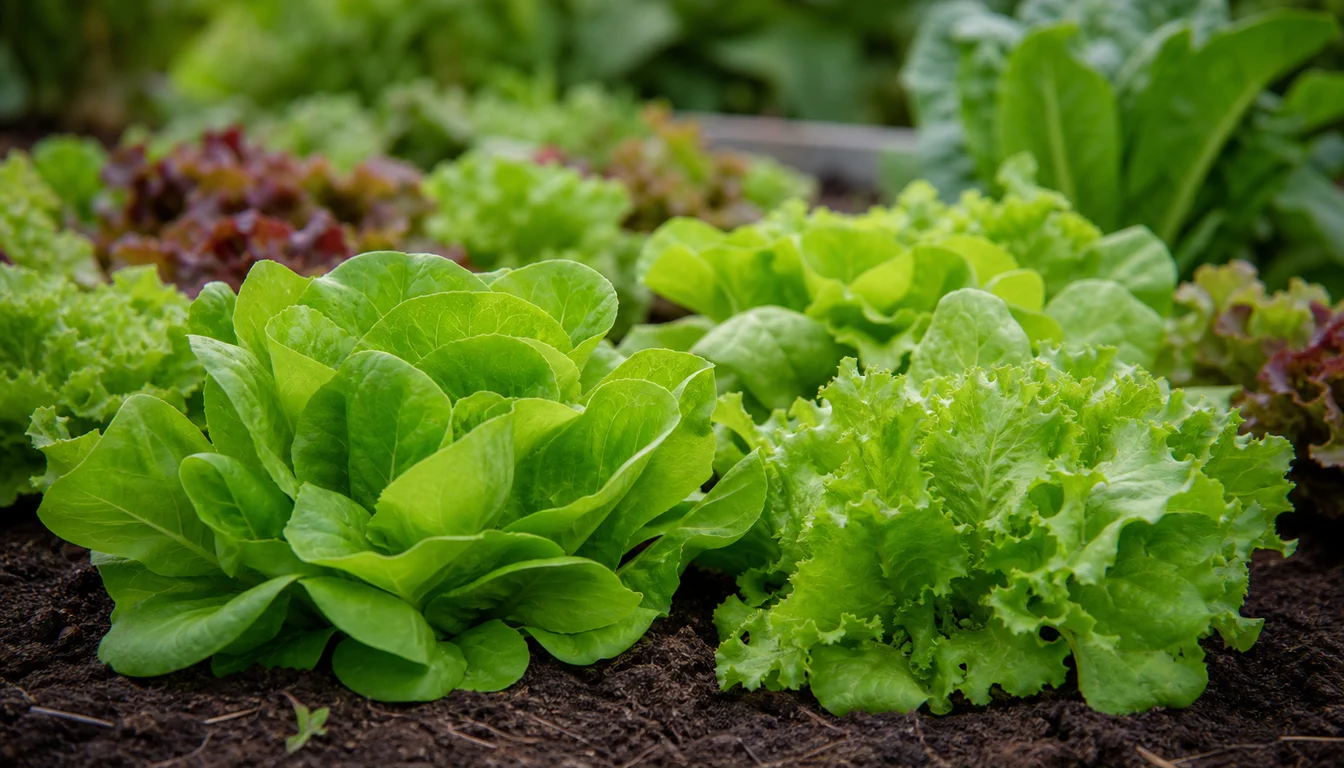
A cool-season crop that can share the early bed before summer crops take over.
Cucumber
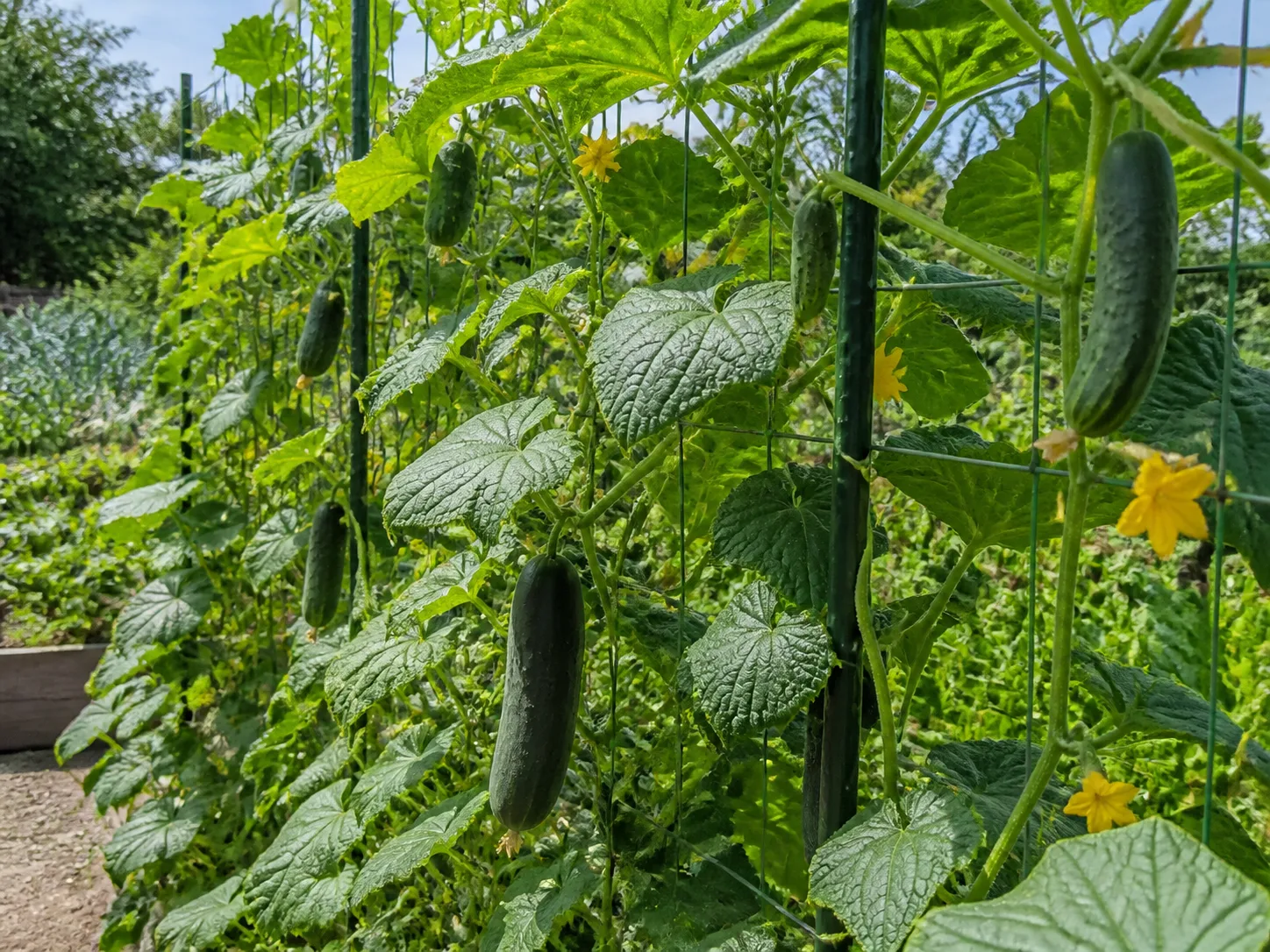
A warm-season crop that can follow Peas once the vines fade in heat.
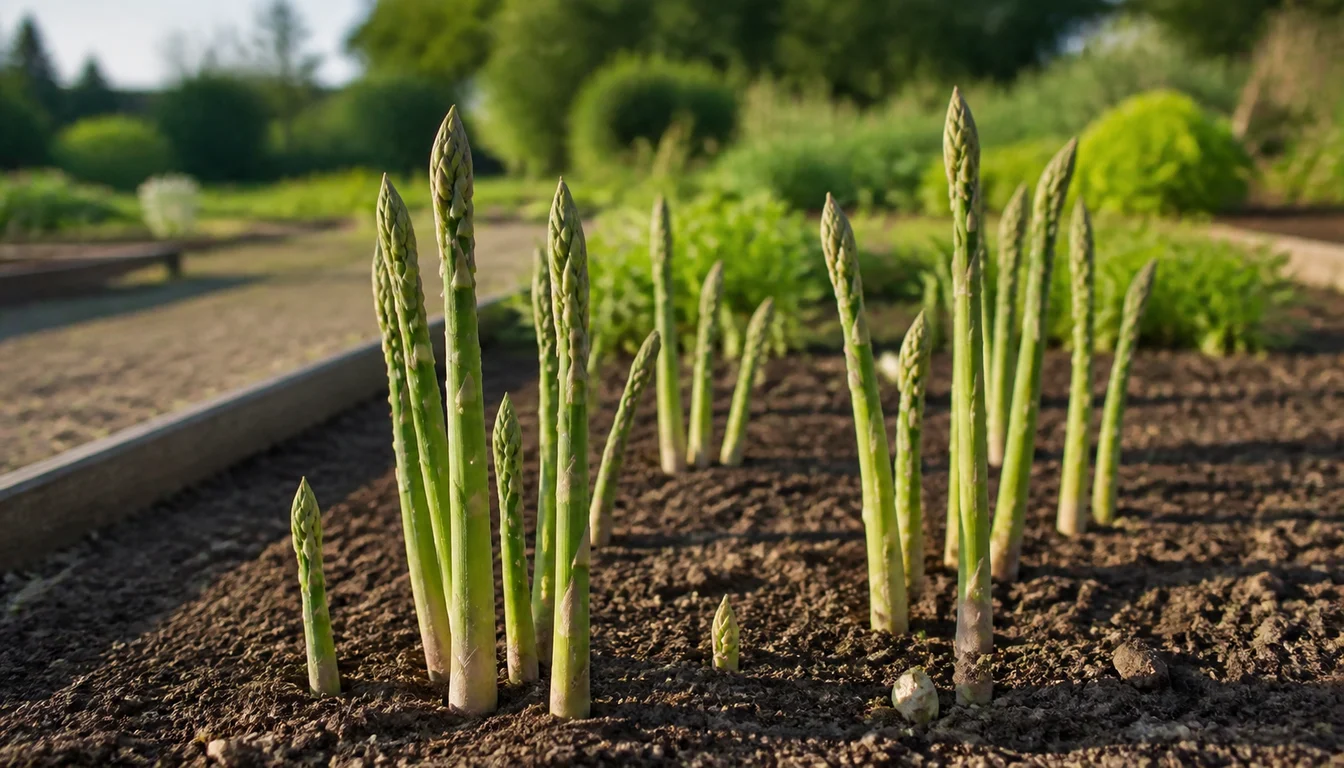
Asparagus
Asparagus rewards careful establishment with spring harvests for many years.
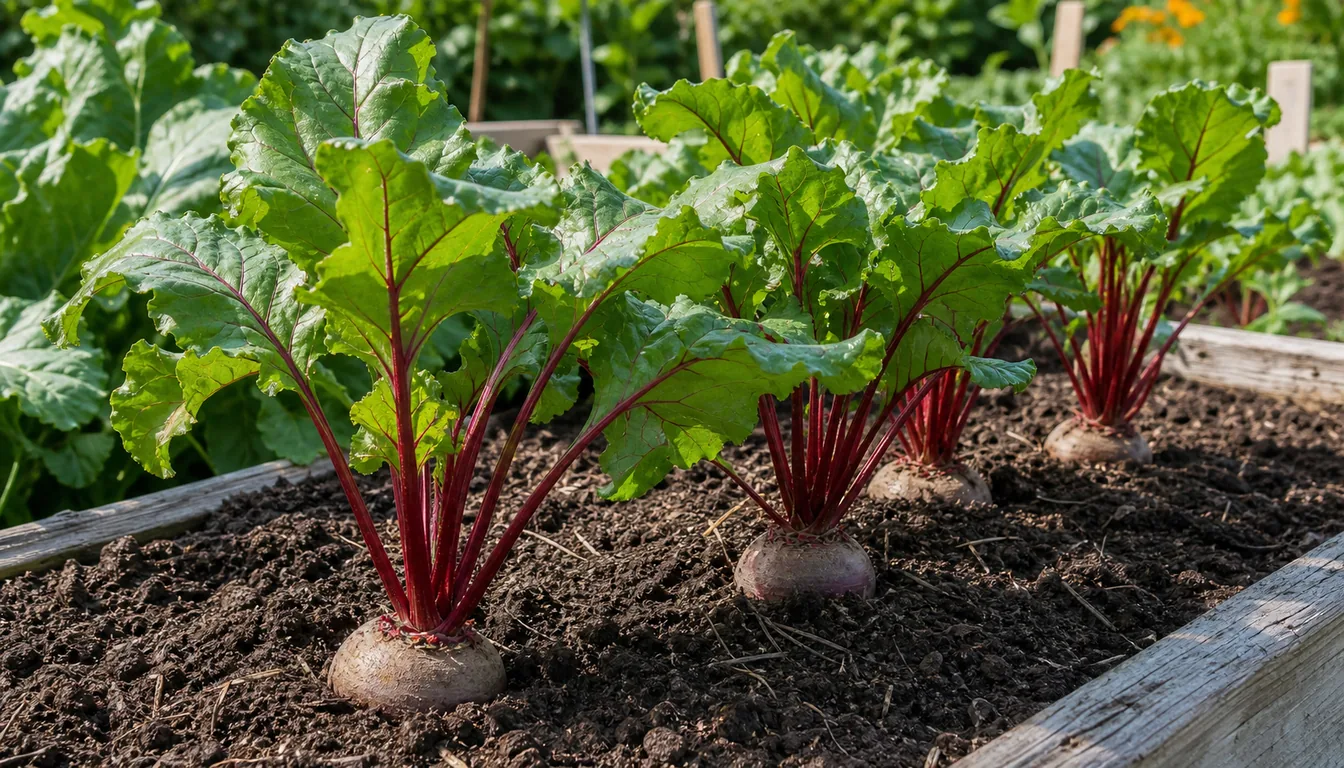
Beet
Beet care starts with one unusual fact. Each seed ball can make several seedlings, so the crop needs early thinning…
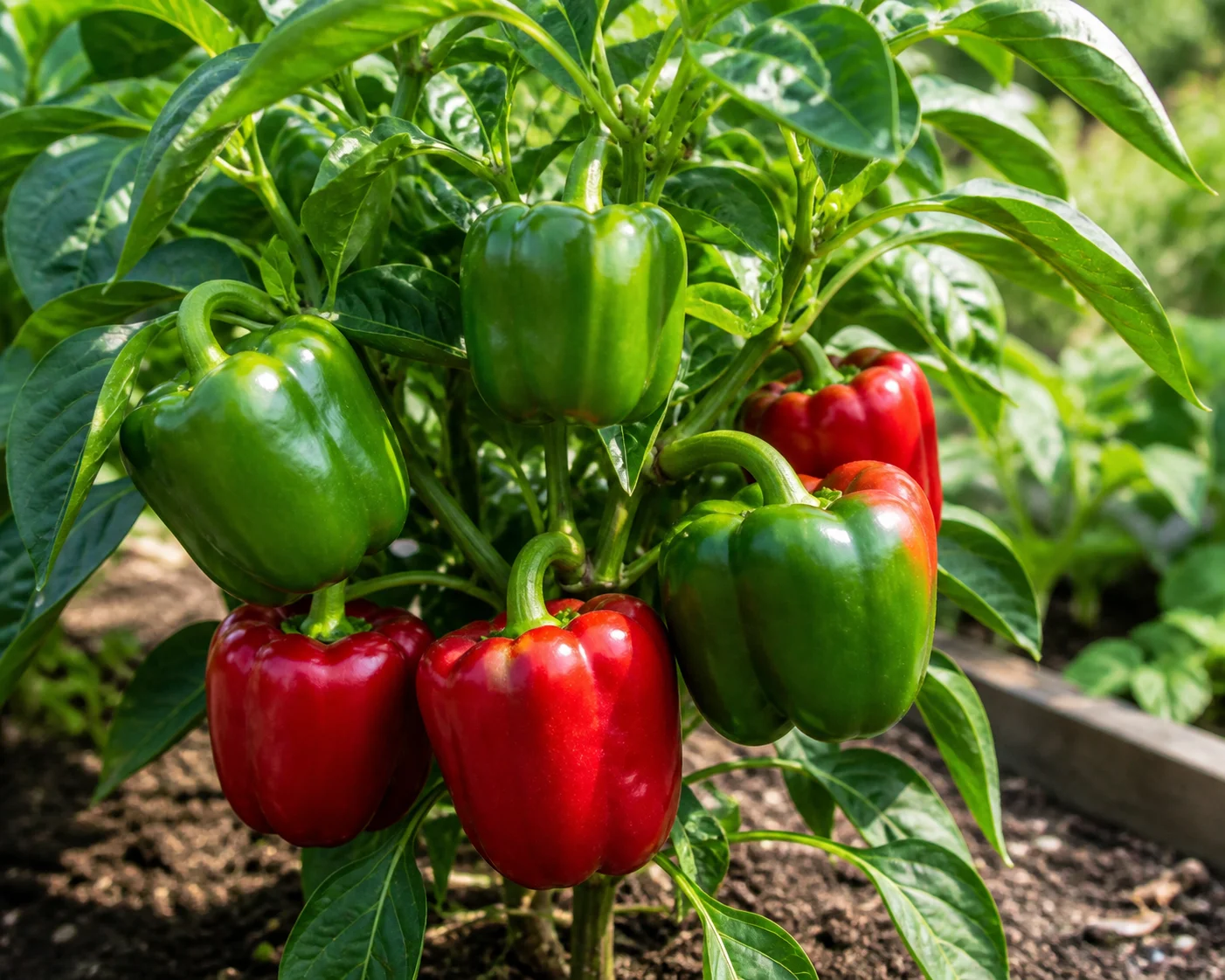
Bell Pepper
Bell Pepper rewards growers who manage flowers, roots, and heat together.