
What's a Pilea Cadierei? How to Stop It Going Leggy
Pilea cadierei Urticaceae
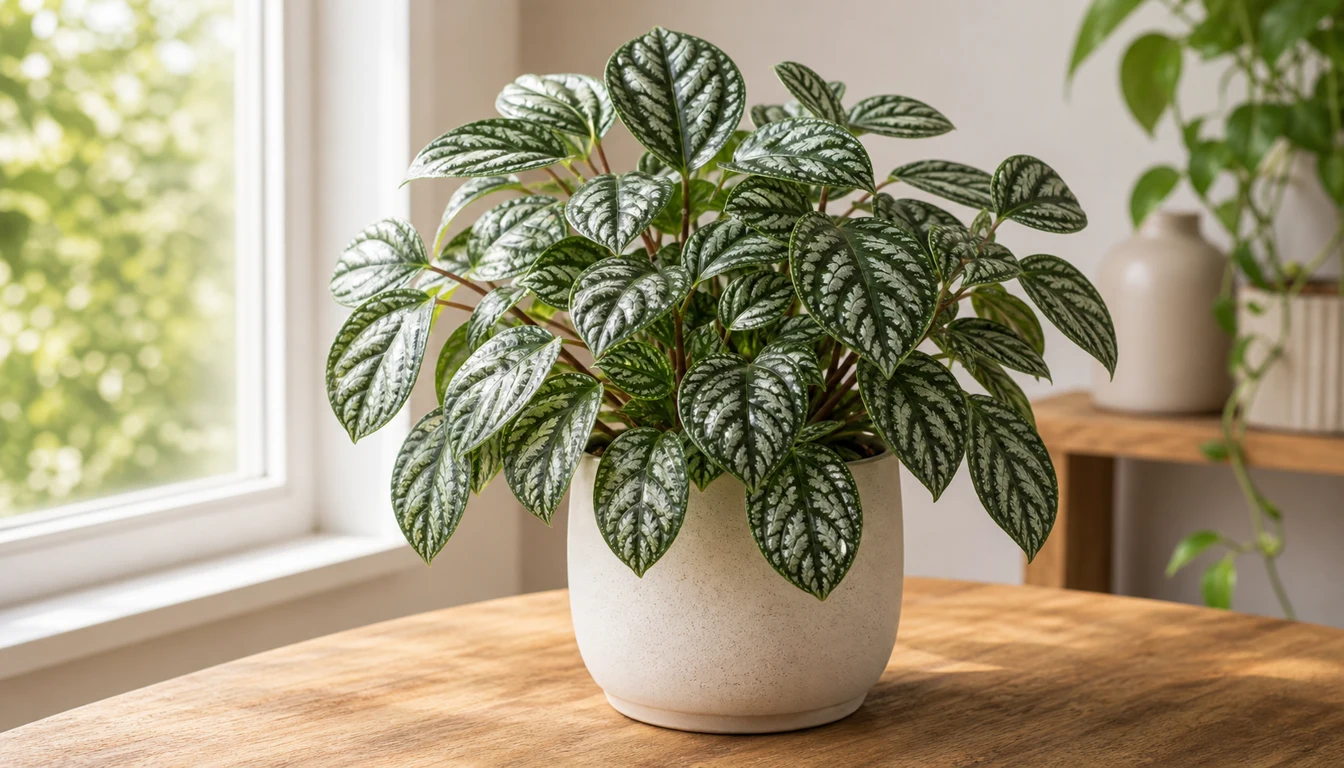
Pilea Cadierei, commonly called aluminum plant, grows a compact canopy of green leaves marked by raised silver patches. Bright filtered light, timely watering, and regular pinching keep its soft stems branched instead of bare.
Care snapshot
What Is Pilea Cadierei, and Why Do Its Leaves Look Silver?
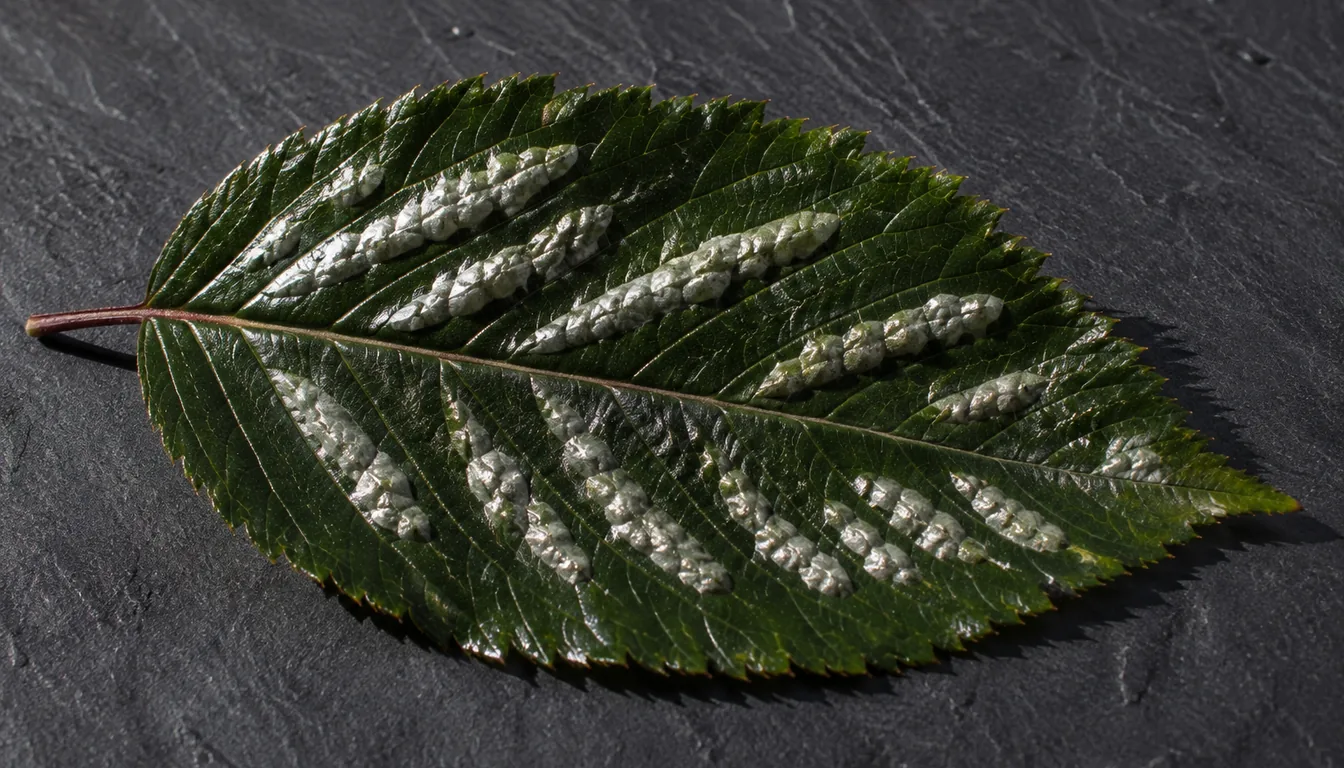
Pilea Cadierei is a tropical foliage plant in the nettle family, yet it lacks the stinging hairs that make some relatives troublesome. Its common name comes from four broken rows of raised silver patches on each dark green leaf, and the textured surface flashes most strongly when side light crosses it.
- Strong silver patches
- Raised markings between dark green veins
- Compact leaf pairs
- Short gaps along upright branching stems
- Bare lower stem
- Old growth or delayed pinching
- Brown soft tissue
- Damage worth rejecting at purchase
The species comes from warm parts of China and Vietnam, where its soft stems and shallow roots fit sheltered growth better than exposed sun or cold soil. Indoors, that background points to filtered light, steady warmth, and a root zone that stays lightly moist without losing air.
The leaf itself is small and easy to check. A blade runs 2 to 4 inches long, elliptic to obovate with a finely toothed edge, and the whole plant settles at nine to twelve inches on a spread of six to nine.
Each patch is raised leaf tissue rather than dust or residue, so wiping cannot restore markings that faded while the leaf developed.
The leaves sit in opposite pairs on soft reddish stems, so a pinched plant forms a low, branching clump rather than a stiff central cane. Missouri Botanical Garden lists a typical height near 12 inches, which makes the plant easy to inspect on a shelf or tabletop before it stretches.
Tiny green flowers may appear, but they add little display value. Clear metallic markings, firm new tips, and leaves held close along the stems tell you far more about this species.
At the nursery, look through the canopy instead of judging the top. A plant with several active shoots near the base can recover from pinching, while one long bare stem will need cutting and renewal before it looks full.
Expect the best display on young branched growth, since an untouched stem naturally becomes less leafy near its base as it ages.
Two named selections turn up beside the plain species. Ellen grows bushier with strongly metallic leaves, and Minima is a dwarf that stops around six inches.
How Much Light Keeps the Metallic Patches Sharp?
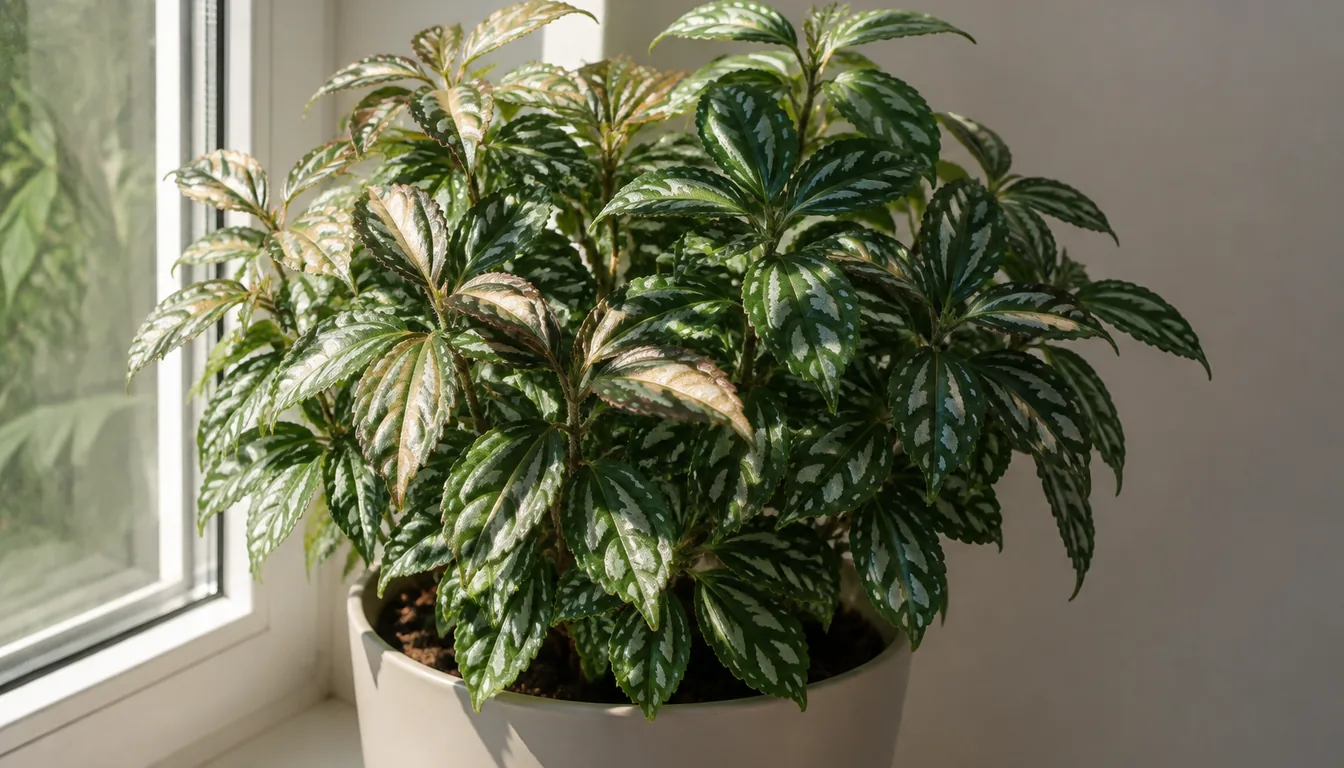
Set aluminum plant where it receives bright filtered light for much of the day, such as beside an east window or a short distance back from a brighter exposure. Turn the pot every week or two when one side starts leaning, because the soft stems quickly reveal where the strongest light comes from.
Measure the newest gaps rather than old stretched sections, because fresh internodes show whether the current position supplies enough light.
Low light softens the silver contrast and increases the distance between leaf pairs, leaving the plant thin after older leaves drop. Hot midday sun causes a different pattern, with pale or tan damage on the exposed surface while shaded leaves remain intact.
How Do You Pinch and Propagate Pilea Cadierei?
Pinch the growing tip just above a healthy leaf pair when a stem has produced enough length to handle the cut. Removing that tip releases buds below it, so two side shoots can replace one upward shoot and bring the silver leaves closer together.
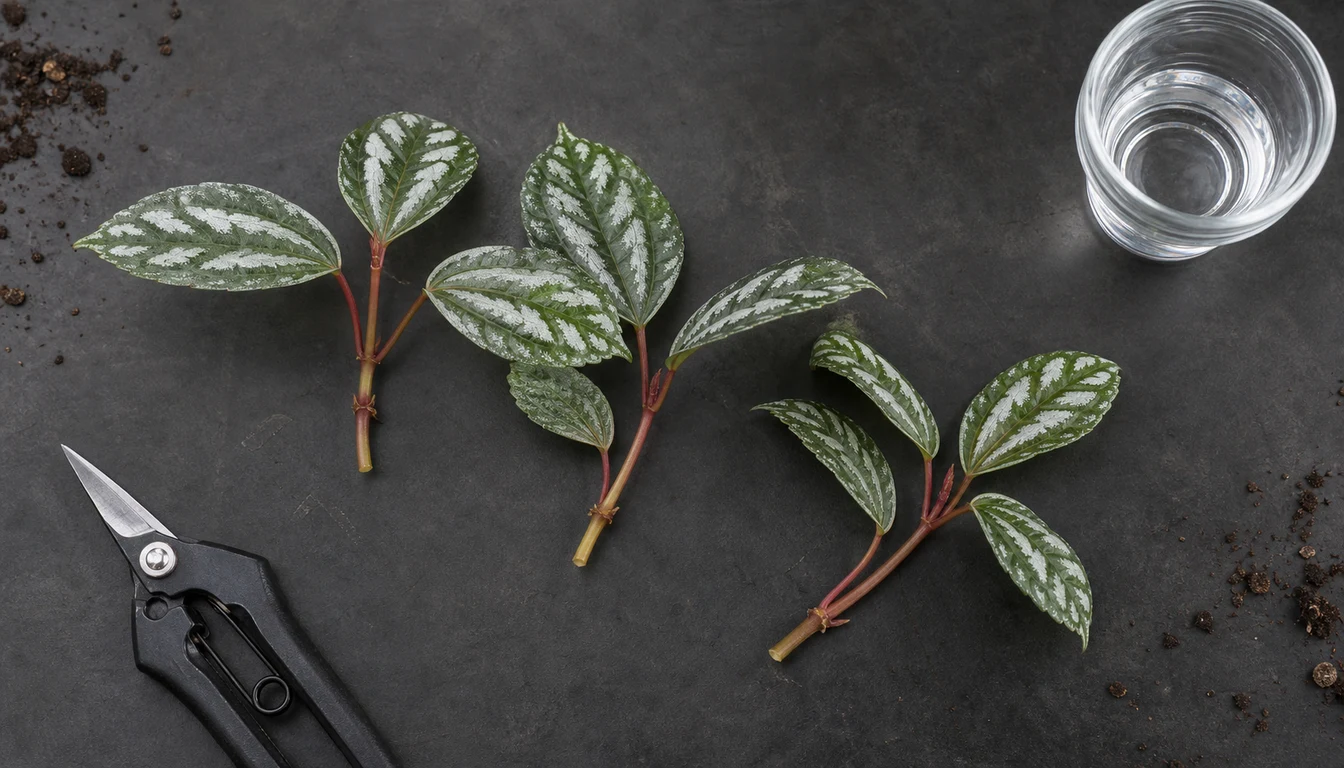
A propagation cutting should include a firm tip, two or three leaf pairs, and at least one exposed node below the remaining leaves. Make the cut with clean snips below that node, then remove the lowest leaves so no leaf blade sits in water or damp potting mix.
- Choose a firm tip without pests or damaged tissue.
- Cut below a node and remove the lowest leaves.
- Root the node in water or lightly moist mix.
- Group several rooted tips in one modest pot.
Roots form at the node, not from a leafless stem section.
Water rooting lets you see new roots, but those roots must later adjust to potting mix. Direct rooting avoids that transition, although you must keep the mix lightly moist and humid around the cutting without sealing it into stagnant, soaking conditions.
Plant several rooted tips around one small pot instead of expecting a single cutting to fill every side. Keep them out of harsh sun while roots establish, then begin pinching only after fresh leaves show that each cutting has resumed growth.
Spring and summer warmth usually make this work faster, which is why renewal fits the active growing season. A bare old stem can survive for months, but replacing it with clean branched tips often restores the compact leaf display sooner than repeated attempts to hide the empty base.
Wait for steady new growth before judging fullness, because roots establish first and visible branching follows only after the cutting can support fresh leaves.
Some growers give up on renewal and simply start again. Taking cuttings in early spring and replacing the plant each year is a recognized way to keep this species, because the best foliage is always on a young plant.
When Does an Aluminum Plant Actually Need Water?
Check the top inch of mix and lift the pot before watering. If the surface feels dry and the pot is noticeably lighter, soak the root ball until water exits the drainage hole, then empty the saucer so the roots do not remain submerged.
- Light pot and soft stems
- Water thoroughly and drain
- Heavy pot and yellow leaves
- Wait and check the roots
- Crisp tips near a vent
- Move away from dry heat
Leaf posture alone cannot prove the root ball is dry.
Thin stems lose pressure quickly when the root ball becomes too dry, so the whole canopy may droop within a short period. That dramatic wilt does not mean the roots tolerate constant moisture, and repeated soaking in a heavy pot can lead to yellow leaves, stem rot, and a sour-smelling mix.
Rehydrate a wilted plant once, allow the excess to drain, and give the stems time to recover before adding more water. A root ball that has pulled away from the pot edge may need a second slow pass several minutes later, but it should never sit overnight in a full cachepot.
Warmth, crowded roots, and active summer growth shorten the interval. Dim winter light, a larger container, or a cool room lengthens it, so the plant and pot give a safer answer than a weekly calendar.
Finish every watering decision by checking that the saucer is empty and the next check starts only after the surface dries again.
Which Potting Mix and Fertilizer Keep the Stems Steady?
Use a loose indoor potting mix that holds some moisture but still breaks apart when you squeeze and release a damp handful. A drainage hole matters more than decorative pot depth because oxygen must return to the root zone after each thorough watering.
Move the plant up only one pot size when roots circle the inside, crowd the drainage hole, or make the mix dry unusually fast. An oversized container holds a broad ring of wet soil beyond the small root ball, which raises rot risk without fixing bare stems.
Roots that fill the pot justify repotting, but long spaces between leaf pairs still call for brighter light and pinching.
Feed lightly during active spring and summer growth with a balanced houseplant fertilizer diluted according to its label, and skip feeding a stressed or freshly repotted plant. Extra fertilizer cannot correct weak light or prevent stretched growth.
A pale crust on the mix or pot rim points to accumulated fertilizer salts, especially when leaf tips brown despite correct watering. Flush the pot slowly with plain water and let it drain fully before deciding that the plant needs another feeding.
Resume fertilizer only after unstressed new growth appears, because damaged roots need stable moisture, oxygen, and a normal drying pattern before they can use added nutrients without another setback.
What Do Curled, Faded, or Sticky Leaves Mean?
Start with a close inspection under bright light because several problems can make the metallic pattern look dull from across the room. Turn over young leaves, look into the joints where opposite leaves meet the stem, and compare damaged growth with unaffected leaves on the shaded side.
Long pale growth
- Check window light
- Inspect gaps between leaf pairs
Fine pale stippling
- Check undersides for mites
- Look for fine webbing
Sticky distorted tips
- Inspect nodes for mealybugs
- Isolate before treatment
Soft dark stem base
- Stop watering
- Check for stem rot
Damage limited to one exposure suggests an environmental cause, while similar marks scattered through sheltered tips make pests or root stress more likely.
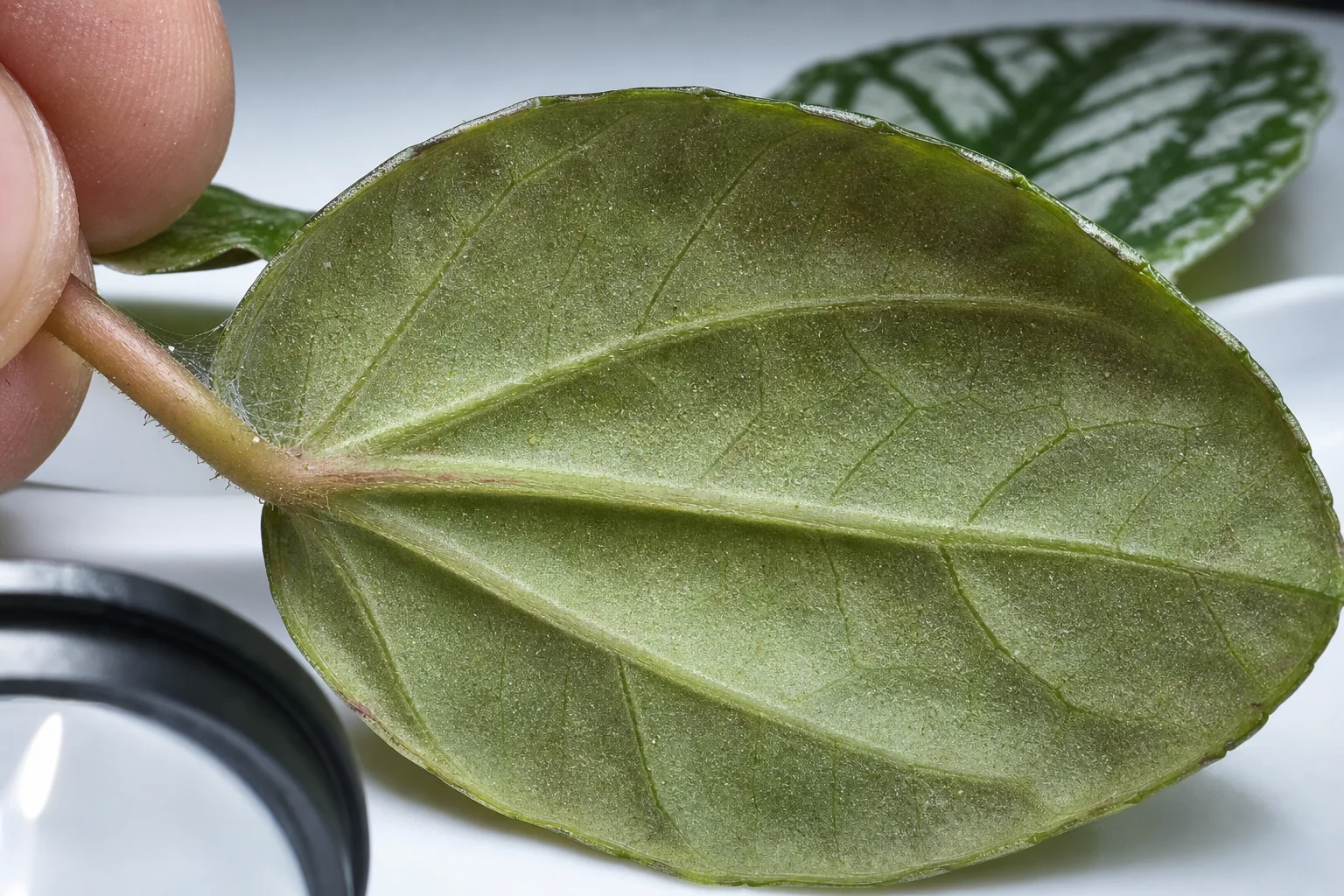
Faded new growth with long spaces between leaf pairs usually follows weak light, while a pale tan patch limited to the exposed side suggests sun damage. Brown tips beside a heating vent can come from dry air or uneven moisture, especially when the rest of the leaf remains firm and clean.
Spider mites leave pale stippling and fine webbing, mealybugs form white cottony clusters near nodes and cause sticky residue or distorted new leaves, and scale and aphids take the stems and the newest tips.
Move an infested plant away from the rest of the collection before wiping or treating it, then inspect new tips again several days later. One treatment can miss eggs or insects protected in a leaf joint, so clean growth after follow-up checks matters more than a temporarily spotless surface.
A dusty white bloom across the upper surfaces is a different problem again. This species gets powdery mildew where humidity is high and the air does not move, which puts a crowded shelf and a pebble tray in direct tension with each other.
When the lower stem is soft, dark, or badly stripped and the upper tips remain clean, take healthy cuttings above the damaged area before decline reaches them. Discard infected root material and wash the container before those cuttings return to a shared shelf.
Return the plant only after a full round of clean new leaves opens without fresh stippling, residue, webbing, or distortion.
Can Pilea Cadierei Handle Pets, Cold, or Outdoor Summers?
ASPCA lists aluminum plant as non-toxic to cats and dogs, but a non-toxic label does not protect its brittle stems from a curious paw or repeated chewing. Set the pot on a stable surface where animals cannot brush through the canopy, and contact a veterinarian if any pet develops symptoms after eating plant material.
A heavy cover pot or wall shelf reduces breakage, but the inner nursery pot still needs a clear drainage path after watering, with enough room to lift it out and empty trapped runoff.
This tropical species grows outdoors year-round only in very warm conditions and Missouri Botanical Garden places it in Zones 11 to 12. A sheltered summer position can work after gradual acclimation, but bring the plant inside before cold nights and inspect every leaf joint for pests first.
Frequently Asked Questions
Why is my Pilea cadierei leggy?
Weak light and late pinching leave long gaps between leaf pairs. Move it to brighter filtered light, cut above healthy nodes, and root clean tips when the base is bare.
How often should I water aluminum plant?
Check the top inch and the pot weight instead of using a fixed day. Water thoroughly when the surface is dry and the pot feels light, then drain the saucer.
Is Pilea cadierei safe for cats and dogs?
ASPCA lists aluminum plant as non-toxic to cats and dogs. Keep it out of reach to prevent chewing and broken stems, and call a veterinarian if an animal develops symptoms.
Can aluminum plant grow from cuttings?
Yes. Cut a healthy tip below a node, remove the lowest leaves, and root the node in water or lightly moist mix.
Why are my aluminum plant leaves losing silver color?
Long pale growth usually needs more filtered light, while tan damage on the exposed side points to direct sun. Check the spacing and damage pattern before moving the pot.
Sources & References
Related Plants
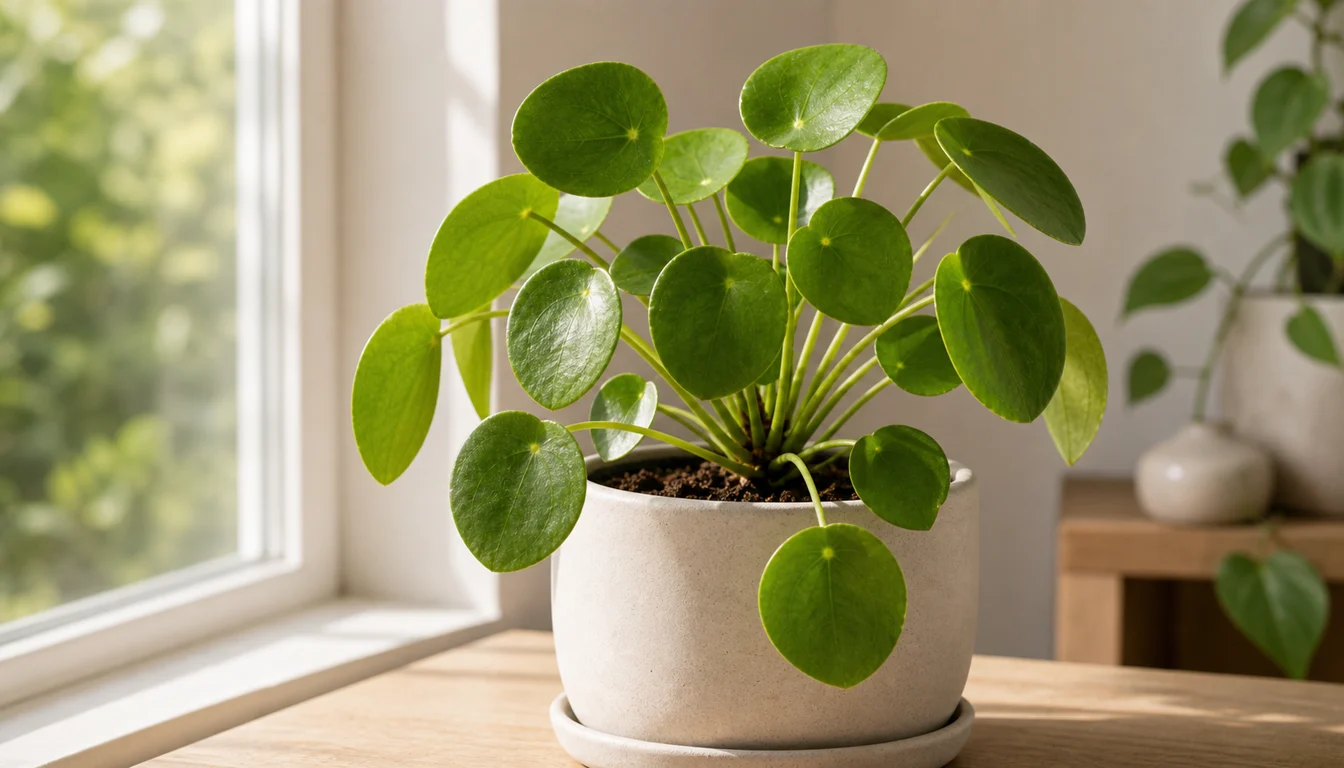
Chinese Money Plant
Round leaves and basal pups offer a different Pilea form.
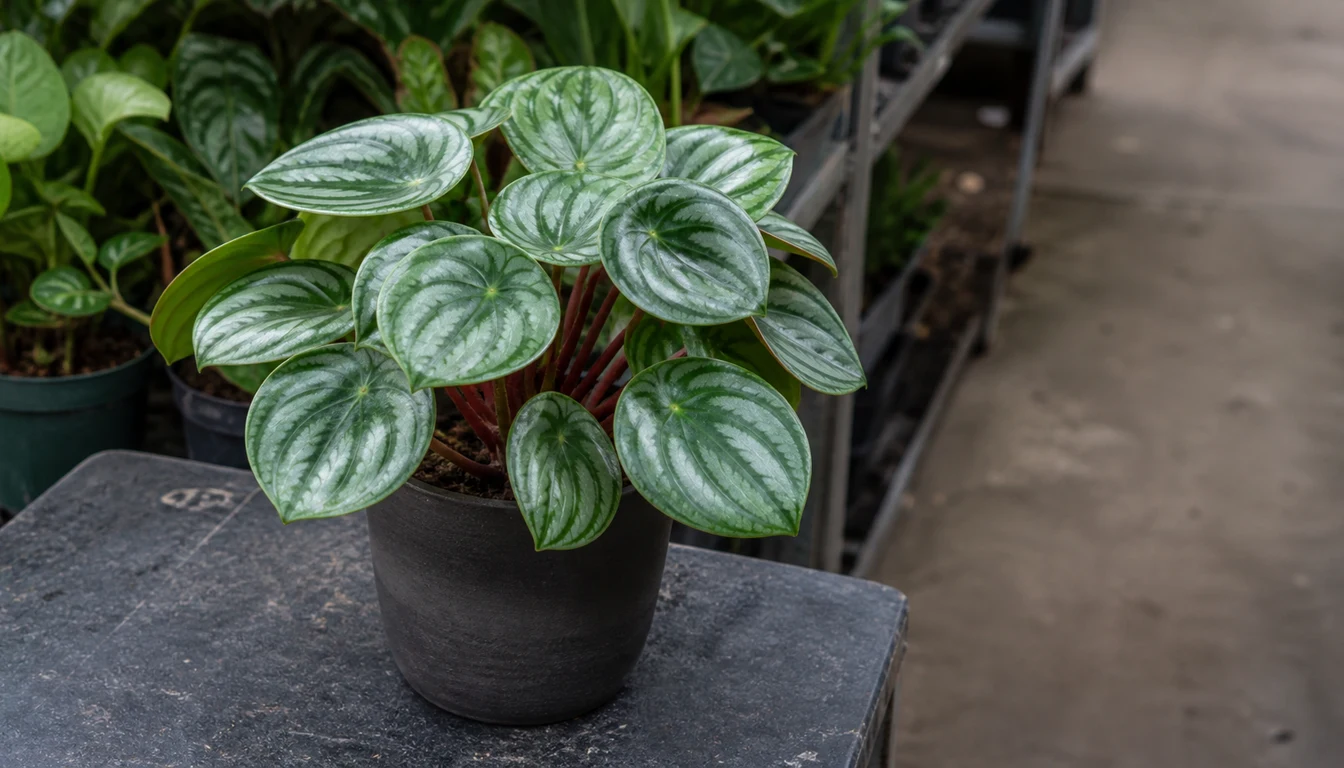
Watermelon Peperomia
Striped leaves provide another compact tabletop pattern.
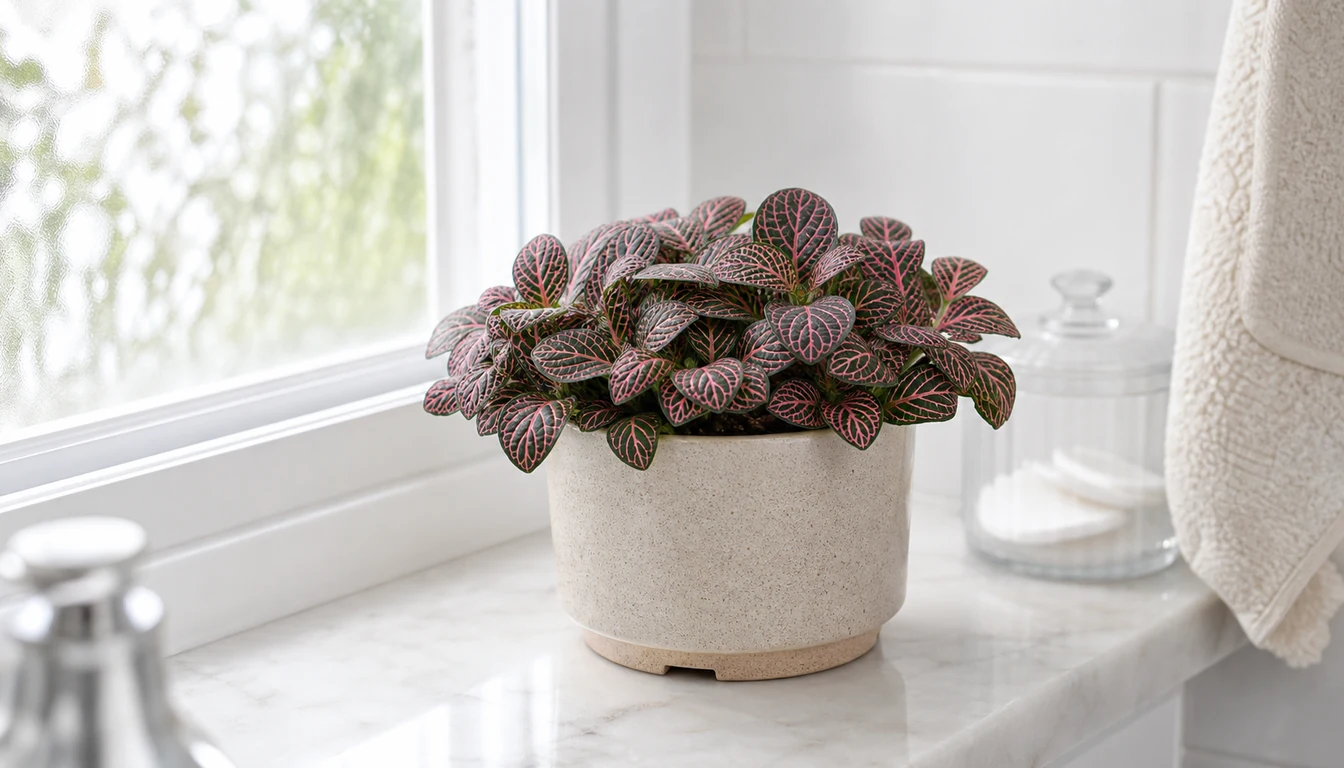
Nerve Plant
Colored veins suit humid spots with steadier moisture.
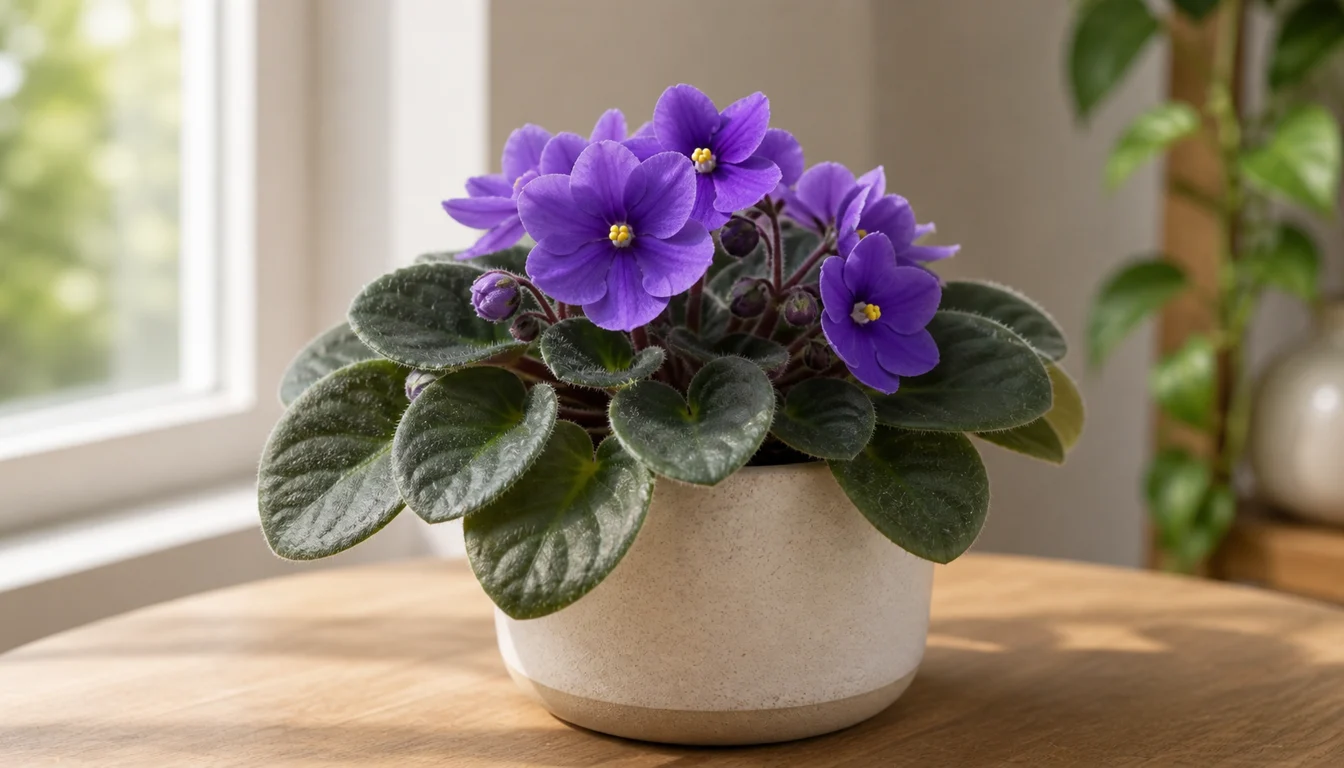
African Violet
African Violet is a windowsill bloomer that rewards steady, small-pot care.
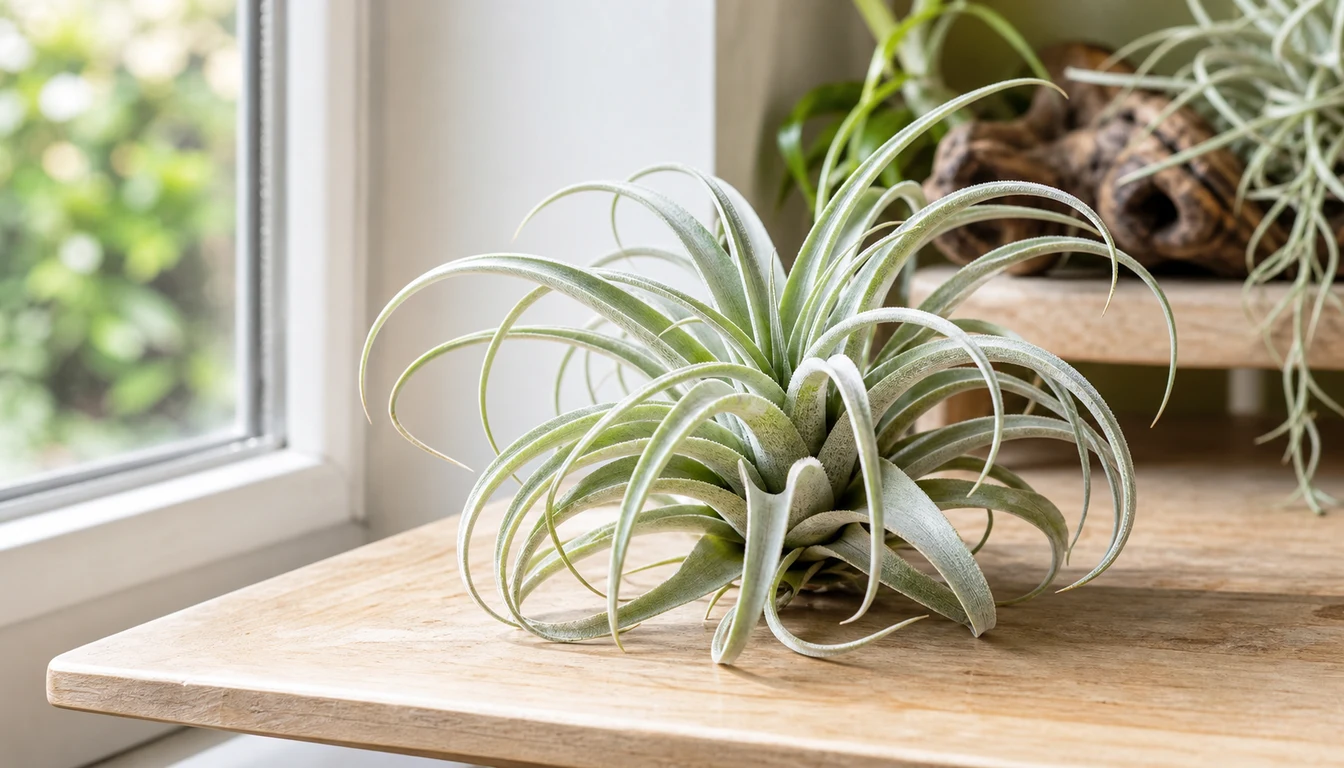
Air Plant
Air plants are living sculptures that thrive without soil, anchoring to driftwood, rocks, or shells while drawing…
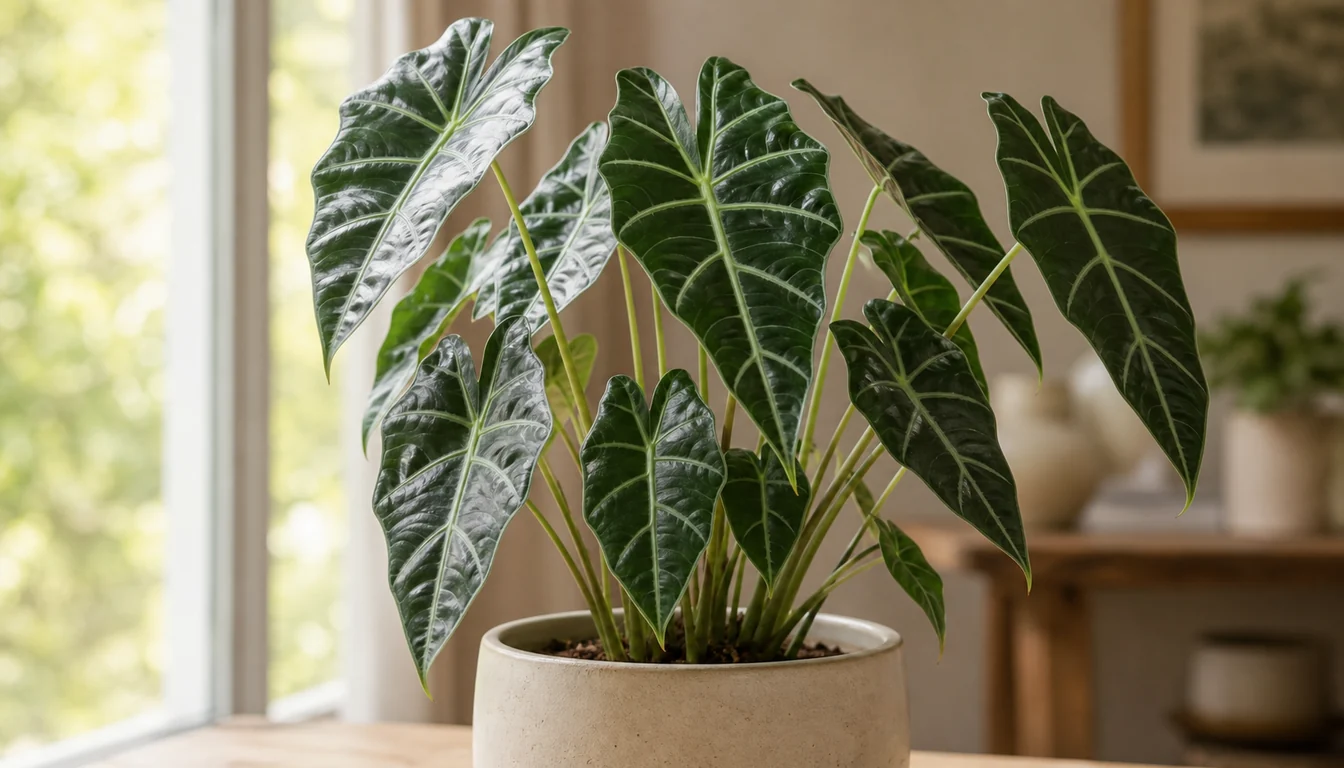
Alocasia
Alocasias include compact, textured houseplants and large elephant ears that need substantial floor space.