
Wateringschedule11 min read
Signs of Underwatering Plants and How to Fix Them
Learn how to spot the real signs of underwatering in houseplants, vegetables, and shrubs so you can fix stress early and avoid losing plants.
Crispy leaves and droopy stems often get blamed on “not enough water,” but underwatering has its own set of tells. Once you can read those signs, you fix problems early and lose fewer plants.
We will walk through how underwatering shows up on houseplants like tough snake plants, thirsty shrubs, and food crops. You will also see how to tell it apart from overwatering, so you are not guessing every time a leaf curls.
Use this as a simple checklist for spotting, confirming, and correcting underwatering before roots or soil structure take a hit.
thermostatWhat Underwatering Actually Does To Plants
Underwatered plants are not just “a little thirsty.” Lack of water starves cells of pressure, which is what keeps leaves firm and stems upright.
As soil dries, roots lose contact with moisture pockets. Fine feeder roots dry first, which slows growth long before a leaf ever crisps.
In containers, this happens faster. A 6 inch pot sitting in a sunny window can go from healthy to wilted between breakfast and dinner, especially for plants like moisture loving peace lilies.
Out in the yard, shallow rooted plants such as bigleaf hydrangeas or new shrubs are usually first to complain during a dry spell.
Visible symptoms lag behind root stress, so underwatering has usually been building for days by the time you notice it.
Do not “catch up” all at once with repeated small drinks. One slow, deep watering is safer than several quick splashes.
water_dropClassic Visual Signs Of Underwatering
Wilting that improves after watering is the hallmark of underwatering. Leaves droop, then perk back up within a few hours once you soak the soil.
If the problem repeats, you will start to see crispy edges and tips, especially on broad leaves like monstera foliage. Hosta clumps along a dry foundation show the same edge burn.
Color shifts too. Underwatered plants often look dull or slightly grayish, not bright green. Some, like shallow rooted azaleas, roll or cup their leaves in toward the midrib.
On woody plants, thin twigs may feel brittle instead of flexible when bent. Annuals and vegetables, such as container tomatoes, show smaller new leaves and fewer flowers after repeated dry spells.
- fiber_manual_recordReversible wilt: Leaves perk up the same day after a full soaking
- fiber_manual_recordCrispy edges: Brown, dry margins that crumble when rubbed
- fiber_manual_recordLeaf curl: Edges roll or taco shape during hot, dry hours
- fiber_manual_recordStunted growth: Tiny new leaves or flower buds aborting
Guide — See AlsoBest Time to Water Flowers for Stronger BloomsLearn exactly when to water flowers so blooms last longer, plants stay healthier, and you are not wasting water. Covers
chevron_rightquizHow Underwatering Differs From Overwatering
Underwatering and overwatering can both cause drooping and yellow leaves, which is why they get confused all the time.
The soil tells most of the story. With underwatering, the mix feels bone dry, often pulling away from the pot sides. With overwatering, it feels cool and damp, sometimes with a sour smell.
Leaf texture is another clue. Underwatered leaves feel dry and papery. Overwatered leaves on plants like indoor pothos vines are soft, limp, and sometimes translucent. Thick leaved ZZ plants show the same soft flop when roots stay too wet.
Roots respond differently too. Chronic overwatering leads to mushy, brown roots and issues like yellow pothos foliage. Underwatering gives dry, brittle roots that snap when bent.
Never diagnose by leaf color alone. Always check moisture a few inches down before changing your watering routine.
That quick soil check keeps one droop from turning into the wrong fix.
- fiber_manual_recordDry soil block: Potting mix shrinks from the pot and repels water
- fiber_manual_recordLightweight pots: Containers feel feather light when lifted
- fiber_manual_recordNo fungus gnats: Very dry soil rarely supports gnat larvae
- fiber_manual_recordRoot feel test: Roots are firm and dry, not slimy
Email Updates
Join the KnowTheYard update list
Zone-specific advice, seasonal reminders, and new plant guides — no filler.
lightbulbEarly Signs Before Leaves Crispen
Plants whisper before they scream. The earliest signs of underwatering are subtle changes in posture and growth, not yet brown or crunchy.
Leaves may lose their shine and stand a little less upright by late afternoon, especially on moisture lovers like indoor ferns. Small palms in warm rooms do the same thing.
Flower buds can be the first casualty. On shrubs such as garden hydrangeas or perennials like coneflower patches, tight buds may stall or drop off before opening after a dry week.
In vegetable beds, watch for slowed growth and fewer new leaves on plants like young pepper starts. Beans react the same way, with weaker tendrils and slower climbing.
Catching these early shifts lets you correct watering before permanent leaf scorch or root dieback sets in.
- fiber_manual_recordAfternoon droop only: Plants look tired at 4 pm but fine in the morning
- fiber_manual_recordLost gloss: Leaves look matte or slightly wrinkled between veins
- fiber_manual_recordBud shed: Flower buds dry and fall without opening
- fiber_manual_recordSlowed vining: Climbers send out fewer, weaker new stems
Guide — See AlsoWorst Time to Water Plants and What To Do InsteadKnow exactly when NOT to water your garden, lawn, and houseplants so you avoid disease, pests, and weak roots.
chevron_rightecoReviving Plants After Severe Underwatering
A plant that has collapsed from lack of water needs gentle rescue, not a fire hose. Slam it with gallons of water and you wash out soil, compact roots, and invite rot.
Start by moving badly wilted containers into bright shade. Hot direct sun cooks stressed leaves while roots are trying to rehydrate.
Water slowly until moisture seeps from the drainage holes. Wait ten minutes, then water again so the dry root ball fully re-expands.
For thirsty pots, set them in a shallow tray of water for 15–30 minutes, then drain. This bottom soak reaches hydrophobic peat mixes that repel water from above.
Never leave a pot sitting in a full saucer for more than 30 minutes, or you turn underwatering into root rot.
Trim only the crispiest leaves on plants like peace lilies in pots. Keep any limp but still flexible foliage, since it can rebound once cells refill with water.
Skip fertilizer for 2–3 weeks after a big underwatering event. Roots need time to regrow before handling salty fertilizer solutions.
If you underwatered outdoor shrubs such as garden hydrangeas, stake them lightly so wind does not rock the weakened root system while it recovers.
Check the soil every day for the first week. You want evenly moist, not soggy, so adjust watering as soon as the top 1–2 inches start to dry.
water_dropResetting Your Watering Routine After Damage
Once you spot signs of underwatering plants, treat that moment as a reset button. The goal is a new routine built around soil checks, not calendar reminders.
Different plants in the same room rarely want the same schedule. A snake plant in a clay pot and a thirsty peace lily in plastic dry out at completely different speeds.
Pick one depth check that you do every time. Most people do well feeling the top 1–2 inches for houseplants and the top knuckle in outdoor beds.
For finicky houseplants like fiddle leaf figs indoors, add a simple moisture meter as a backup; do not trust the meter alone, compare it to what your finger feels.
- fiber_manual_recordSet a review day: Once a week, walk every plant and check soil by hand.
- fiber_manual_recordGroup by thirst: Keep moisture lovers together and drought-tolerant plants together.
- fiber_manual_recordAdjust per pot size: Small pots dry faster than big ones, even with the same plant.
- fiber_manual_recordNote light changes: More sun or heat means you re-check that area more often.
Seasonal changes matter more than most people realize. Houseplants often need almost double the water in summer compared with winter.
Outdoor beds with hosta may need water every few days in hot spells. Daylily clumps can coast longer when cool, cloudy weather moves in.
If you are a chronic underwaterer, set a phone reminder that says "Check soil" instead of "Water plants". The wording keeps you focused on testing, not guessing.
Guide — See AlsoHow to Use a Soaker Hose for Deep, Even WateringLearn how to lay out, connect, and run a soaker hose so your beds, vegetables, and shrubs get deep, even watering withou
chevron_rightcalendar_monthSeasonal Patterns That Lead To Underwatering
Most underwatering problems spike during seasonal transitions. Spring and fall swings in light and temperature change how fast soil dries long before we update our habits.
In late spring, days lengthen and windows warm up fast. Indoor plants like split leaf monsteras can suddenly double their water use in a few weeks.
Outdoor beds in zone 5–7 may go from soggy snowmelt soil to dusty dry in one warm, windy week. Shallow rooted perennials dry out first and show stress before deeper shrubs.
Fall creates the opposite trap. We keep watering containers like it is August, but cooler nights slow plant growth. Underwaterers often overcorrect after a crispy spell and soak plants too often.
Watch how quickly the top inch of soil dries each week around the equinoxes, then adjust before leaves droop.
For summer yards packed with containers, build a "heatwave plan". Group pots together near a hose and expect to water thirsty types like planter annuals daily during extreme heat.
Evergreen shrubs such as boxwood hedges still need moisture going into winter. Dry roots plus freezing temperatures cause more cold damage than low temperatures alone.
In hot climates like zone 9–11, early morning deep watering works better than quick evening sprinkles. Water can evaporate from soil faster than roots can drink during mid-day scorchers.
Indoor winter air is drier than many deserts. Radiators and forced air vents pull moisture from pots, so watch for subtle signs on tough snake plants and other "easy" houseplants too.
local_floristPlant Types Most At Risk From Underwatering
Not every plant complains about dry soil at the same speed. Some fold at the first missed watering, others shrug off weeks of neglect.
Thin-leaved plants with soft stems are underwatering drama queens. Think of indoor peace lilies or bigleaf hydrangeas outdoors.
Tough, waxy, or succulent foliage hides stress longer. By the time a succulent wrinkles from thirst, nearby ferns are usually already crisp.
Moisture-loving tropicals such as calathea prayer plants or boston ferns expect steady moisture around their roots. Dry pockets form fast in peat-heavy mixes.
- fiber_manual_recordMoisture lovers: Peace lilies, calatheas, ferns, many annual flowers.
- fiber_manual_recordModerate drinkers: Most common houseplants like pothos and philodendron.
- fiber_manual_recordDrought-tolerant: Cactus, jade plants, and many Mediterranean herbs.
- fiber_manual_recordDeep rooted: Trees and shrubs that tap deeper moisture once established.
New plantings are always at higher risk. A first-year young apple tree has shallow roots still stuck in original hole soil. A fresh arborvitae hedge does too.
Container plants dry out faster than in-ground beds. Black plastic nursery pots in full sun can go from moist to bone dry in a single afternoon.
Hanging baskets stuffed with flowers such as trailing verbena may need water twice daily in hot weather. If you know you are a forgetful waterer, pick more forgiving options like snake plants in pots or ZZ plant clumps.
Guide — See AlsoSigns of Overwatering Plants and How to Catch Them EarlyLearn the real signs of overwatering plants, how they differ from underwatering, and simple checks you can use to fix yo
chevron_rightlightbulbCommon Misdiagnoses And How To Double‑Check
Leaf problems get blamed on underwatering all the time. That leads to the worst combo, dry roots one week and then a drown-and-pray soaking the next.
Brown tips can come from dry soil, but also from salts, low humidity, or root damage. Snake plant tip burn is a good example of mixed causes.
Yellow leaves with soft, wilting stems are more often from waterlogged soil than dry soil. You see this a lot on pothos vines in low light.
Use one quick test before changing watering, the soil squeeze. Grab a handful from 2–3 inches down and squeeze firmly.
- fiber_manual_recordCrumbly and dusty: You are dealing with genuine underwatering.
- fiber_manual_recordCool and clumpy: Moist but not soaked. Look at light and fertilizer next.
- fiber_manual_recordMuddy and shiny: Soil is waterlogged, back off watering immediately.
- fiber_manual_recordSmelly or sour: Roots are rotting, see root-rot specific advice.
If you suspect pests, flip a few leaves and look close. Spider mites often cause pale stippling and fine webbing on plants like indoor monsteras, which can mimic drought stress.
Check roots on potted plants that keep drooping. Slide a peace lily root ball out of its pot, looking for firm, white or tan roots instead of mushy brown strands.
When in doubt, adjust watering in small steps. Slightly increase frequency for 2–3 weeks and watch new growth. New leaves tell you more than the damage you already see.
tips_and_updates
Pro Tips
- check_circleLift pots regularly so you learn the difference between a well watered and an underwatered weight.
- check_circlePush your finger 1 to 2 inches into the soil, or 3 to 4 inches in garden beds, before adding water.
- check_circleGroup thirsty plants together so you remember to water moisture lovers more often than drought tolerant ones.
- check_circleUse a chopstick or skewer in compacted soil to see if it comes out dry and clean, or damp with crumbs.
- check_circleWater container plants until excess runs from the drainage holes, then dump any standing water in saucers.
- check_circleMulch outdoor beds with 2 to 3 inches of shredded leaves or bark to slow down surface drying.
- check_circleMove heat stressed containers a few feet out of direct afternoon sun during extreme heat spells.
- check_circleSet a repeating reminder during summer for new shrubs and trees, which dry out much faster their first year.
quiz
Frequently Asked Questions
How long does it take an underwatered plant to recover?expand_more
Mildly underwatered plants often perk up within a few hours after a deep drink. Severely wilted or crispy plants can take 1–3 weeks, and only new growth will show full recovery if older leaves were badly damaged.
Should I cut off crispy leaves from an underwatered plant?expand_more
Remove leaves that are completely brown and brittle, since they will not recover. Leave any foliage that still has some green or flexibility, especially on plants like peace lilies, because it can still photosynthesize while the plant heals.
Can underwatering cause yellow leaves as well as brown ones?expand_more
Yes, long dry spells can lead to yellowing as the plant sheds older leaves. However, yellow and mushy usually points to overwatering, so check soil moisture and compare your plant to issues like yellow pothos foliage before changing your routine.
Is it better to water a little every day or deeply once a week?expand_more
For most plants, fewer deep waterings are better than frequent sips. Deep watering encourages roots to grow downward, which prevents future underwatering stress. Daily light watering often leaves deeper roots dry even when the surface looks damp.
Do self watering pots prevent underwatering problems?expand_more
Self watering pots help, but they are not foolproof. Wicking systems can dry out or get blocked, and some plants, like drought tolerant snake plants, prefer a full dry-out between refills. You still need to check soil occasionally.
menu_book
Sources & References
Related Guides
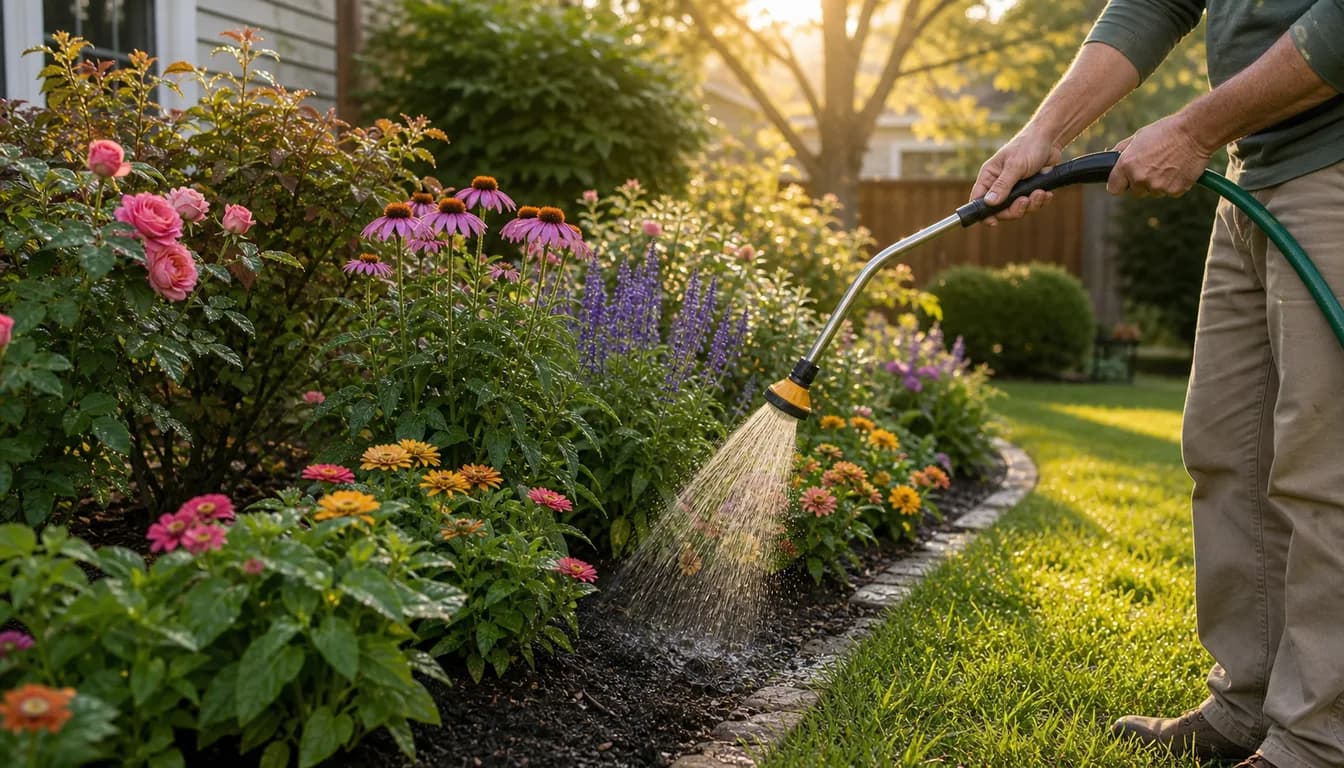
Best Time to Water Flowers for Stronger Blooms
Learn exactly when to water flowers so blooms last longer, plants stay healthier, and you are not wasting water. Covers beds, containers, and hanging baskets.
10 min read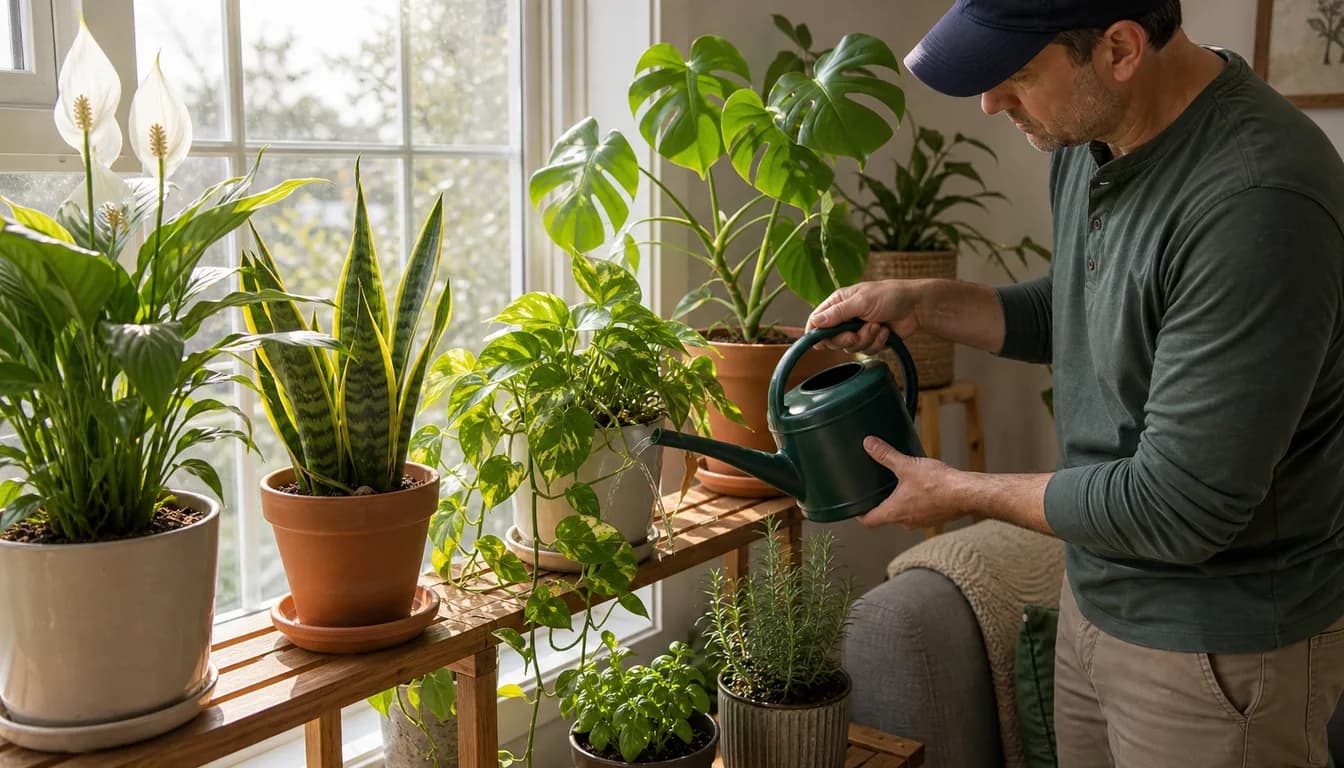
Best Time to Water Indoor Plants for Healthy Growth
Learn exactly when to water indoor plants during the day, how timing changes by season and light level, and how to avoid rot and droop without using a strict calendar schedule.
11 min read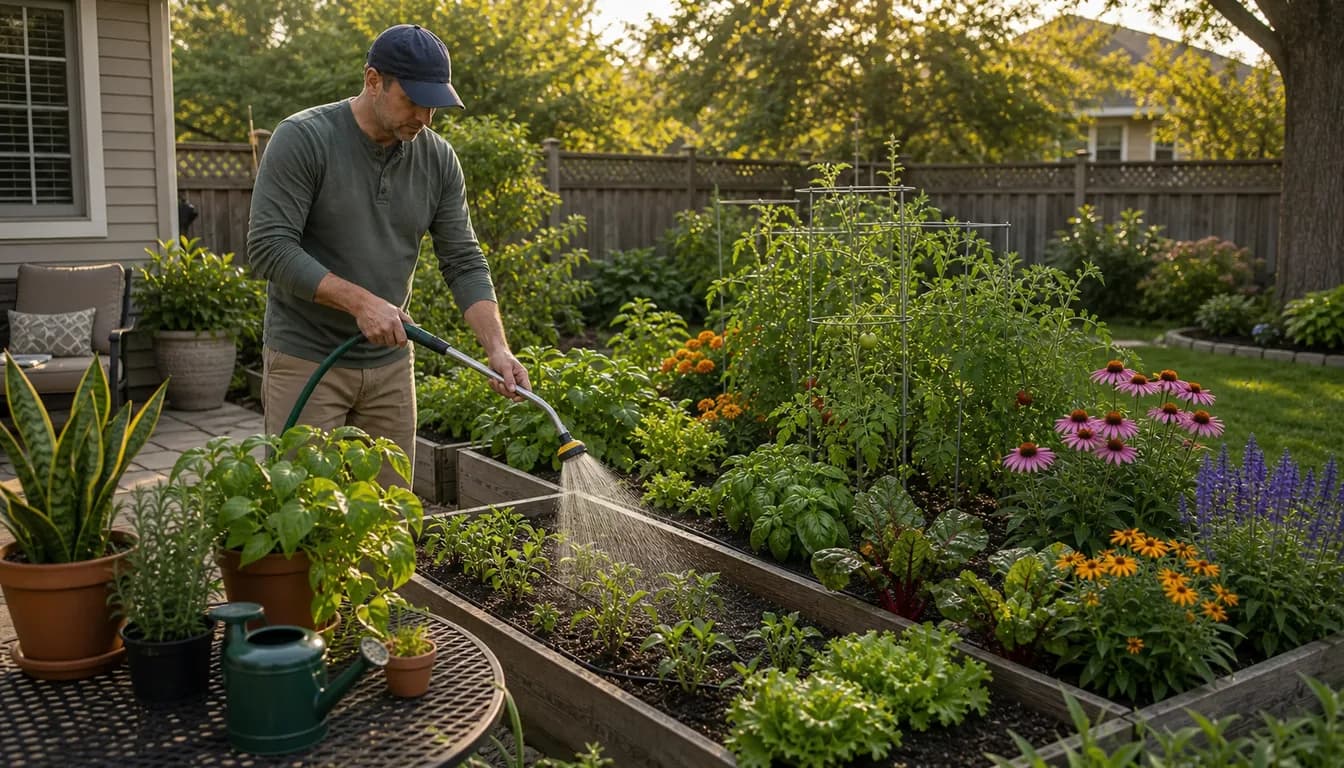
Best Time to Water Plants for Healthier Roots
Learn exactly when to water indoor and outdoor plants so roots drink deeply, leaves stay healthy, and soil stays in the ideal moisture range instead of staying soggy or bone dry.
11 min read