verifiedSource Reviewed
Croton Houseplant (Codiaeum variegatum)
Codiaeum variegatum
Family: Euphorbiaceae
wb_sunnyLight
Bright indirect to several hours of direct sun
water_dropWater
Moderate, keep evenly moist but not soggy
heightHeight
2-5 ft indoors, taller in-ground in Zone 10-12
publicZone
USDA Zone 10-12 outdoors, houseplant elsewhere

Native Region
Southeast Asia and Western Pacific islands
paletteTreat Leaf Drop as a Change Report
A Croton often drops leaves after a move because the room changed, not because the plant instantly failed. Light, warmth, humidity, and watering all shift at once when it leaves a greenhouse.
The first job is to stabilize the plant. Do not keep moving it around to chase the perfect spot.
lightbulbFirst Two Weeks
Keep it warm, bright, and evenly moist. Judge recovery by new buds, not by every old leaf it drops.
This page differs from Ti Plant. Croton is leaf-pattern driven and more reactive to sudden placement changes.
A plant that drops a few older leaves but holds firm buds is adjusting. A plant that drops soft yellow leaves in wet soil is warning you about the root zone.
If the plant is still pushing tight new buds, hold the course. Recovery on Croton often starts at the nodes before the canopy looks full again.
local_floristPick the Leaf Pattern Your Window Can Support
Croton names can be confusing, but the buying decision is simple: narrow leaves, broad leaves, or twisted leaves, each with different light needs and visual weight.
PetraBroad leaves with yellow, orange, and red veins; easiest to find
MammyTwisted narrow leaves; dramatic but quick to show stress
Gold DustGreen leaves with yellow speckles; often easier indoors
If you want colorful foliage with lower light tolerance, Chinese Evergreen is usually easier.
Guide — See AlsoAir Purifying Plants for Cleaner Indoor AirLearn how to pick, place, and care for air purifying plants so they help your indoor air instead of just looking pretty.
chevron_rightwb_sunnyColor Needs Brightness Before Fertilizer
Strong Croton color needs bright indirect light or gentle direct sun. In weak light, new leaves come in greener no matter how often you feed.
A few hours of morning sun can help. Harsh afternoon sun through glass can scorch leaves that were grown in softer light.
Rotate slowly if one side colors better. A sudden window change can trigger the same leaf drop you were trying to fix.
If you want patterned foliage without this level of brightness, Chinese Evergreen is the easier indoor choice.
Email Updates
Join the KnowTheYard update list
Zone-specific advice, seasonal reminders, and new plant guides — no filler.
water_dropKeep Moisture Steady While It Settles
Water when the top layer starts to dry, then let the pot drain. Croton dislikes both dry crashes and wet roots.
After a move, keep the root ball evenly moist but not soggy. Stress plus dry soil causes more leaf drop than either one alone.
- check_circleDrooping with dry soil: water deeply.
- check_circleYellow leaves with wet soil: wait and check drainage.
- check_circleLeaf drop after a move: stabilize light and warmth first.
For a glossy plant that tolerates more dry-down, Rubber Plant is a calmer choice.
Once new growth starts, you can let the top layer dry a little more. During the settling period, avoid sharp swings.
warningMove Shock Rule
Do not repot, prune, and move a Croton in the same week unless rot forces the issue.
Guide — See AlsoBest Herbs to Grow Indoors for Real Harvests, Not Spindly PotsChoose indoor herbs that can actually produce in your light, temperature, and container setup, then match each one to th
chevron_right
compostUse Drainage That Still Holds Some Moisture
A light indoor mix with perlite works if it does not dry into dust. Croton wants air at the roots and enough moisture to avoid stress shedding.
Repot only when the plant is actively growing and settled. Repotting a newly shocked plant adds another change.
Choose a pot that drains cleanly. A decorative cachepot is fine only if you empty it after watering.
For a colorful cane plant that wants similar warmth but less dramatic leaf drop, Ti Plant is the closer comparison.
content_cutRoot Color From Firm Stem Tips
Stem cuttings root best when the plant is warm and pushing new growth. Take firm tips, not soft stressed growth from a recently moved plant.
The sap can irritate skin, so use gloves and clean tools. Keep the cutting bright and warm while roots form.
Best cuttingFirm colored tip with several leaves
Best timingWarm active growth
AvoidCuttings from a plant still dropping leaves
If you want easier cuttings from a colorful vine, Tradescantia Nanouk is less woody.
Keep only a few leaves on each cutting. Too much leaf area pulls water faster than a new cutting can replace it.
Guide — See AlsoBest Indoor Plants for Every Room and Light LevelA practical guide to choosing the best indoor plants for your home, covering beginner-friendly picks, low light champion
chevron_rightpest_controlScout New Color and Leaf Undersides
Mites and scale show up faster on stressed Croton leaves. Check the undersides of bright leaves and the newest growth, where damage changes the color pattern.
Dust hides early speckling. Wipe leaves gently before deciding whether color fade is pest damage or low light.
If you grow Dracaena nearby, do not assume the same brown-tip cause. Croton reacts more sharply to warmth and light changes.
- check_circleFine webbing: isolate and rinse leaves.
- check_circleSticky bumps: check for scale.
- check_circleClean green new leaves: fix light before pest treatment.
device_thermostatProtect Warmth Before You Push Growth
Cold is the fastest way to make Croton look worse. Keep it away from doors, vents, and cold windows when nights cool down.
In winter, water less often but do not let the plant repeatedly wilt. The goal is slower steady care, not forced growth.
Resume fertilizer after new leaves appear in better light. Feeding a cold plant does not improve color.
For a tropical window plant with larger leaves and fewer color demands, Bird of Paradise may fit the room better.
Guide — See AlsoBest Fertilizer for Indoor PlantsLearn how to choose the best fertilizer for indoor plants by growth style, season, and pot size without burning roots or
chevron_rightpetsBright Leaves Still Need Pet Distance
Croton is not pet-safe. The colorful leaves draw attention, so place it where pets cannot chew or knock it down.
For a pet-safe color-pattern plant, Watermelon Peperomia is smaller and safer, though it does not give the same tropical shrub look.
Outdoors in warm climates, keep it contained. In cooler areas, treat it as a houseplant that comes inside before nights drop too far.
eco
Keep Exploring
Related Plants
 Houseplants
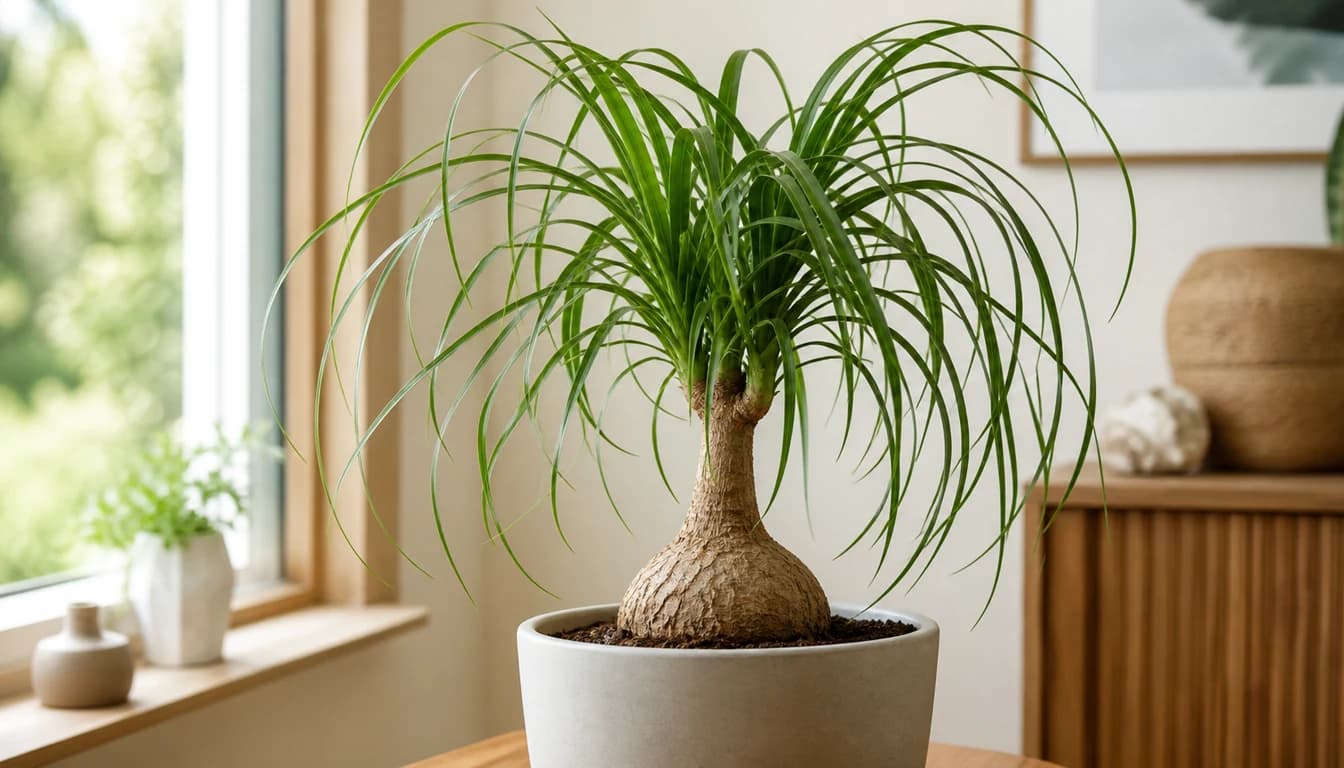
Ponytail Palm
Ponytail Palm is not a true palm. It is a dry-climate plant with a swollen water-storing base, so good care means strong light, deep but rare watering, and
 Houseplants
Calathea
Calatheas are tropical houseplants prized for their patterned, moving leaves and preference for warm, humid rooms. They need steady moisture, soft filtered ligh
 Houseplants
Christmas Cactus
Christmas Cactus (Schlumbergera bridgesii) is a tropical forest cactus that blooms in late November through December, filling hanging baskets with cascading
quiz
Frequently Asked Questions
Why is my Croton dropping leaves?expand_more
Most leaf drop comes from a sudden change in light, warmth, humidity, or watering. Stabilize the plant and watch for new buds.
How much light does Croton need indoors?expand_more
Give bright indirect light or gentle direct sun. Low light makes new leaves greener and weaker.
Should I fertilize Croton to improve color?expand_more
Only after light and warmth are right. Fertilizer cannot fix color loss in a dim room.
Is Croton safe for pets?expand_more
No. Keep it away from pets that chew bright leaves.
Can Croton go outside for summer?expand_more
Yes, after nights are warm. Acclimate it slowly so the leaves do not scorch or drop from sudden change.
menu_book
Sources & References
- 1.Codiaeum variegatum, Croton, UF/IFAS Extensionopen_in_new
- 2.Croton, Missouri Botanical Garden Plant Finderopen_in_new
- 3.Houseplants: Care and Selection, Clemson Cooperative Extensionopen_in_new
- 4.University of Florida IFAS Extension - Codiaeum variegatum (Croton) Profileopen_in_new
- 5.Missouri Botanical Garden - Codiaeum variegatumopen_in_new
- 6.Clemson Cooperative Extension - Interior Plants: Selection and Careopen_in_new
- 7.University of Connecticut - Poisonous Houseplants Listopen_in_new