
How to Grow a Boston Fern With Moist Roots and Healthy Fronds
Nephrolepis exaltata Nephrolepidaceae
Boston fern grows best with usable indirect light, a moist but aerated root ball, and protection from drying exposure. Leaflet loss deserves a check of the pot, room conditions, and foliage rather than an automatic extra watering.
Its fern anatomy also matters. Regular spore-bearing dots are different from pests, and plants sold as Boston or sword fern are not always the same species.
Care snapshot
Which plant is sold as Boston fern?
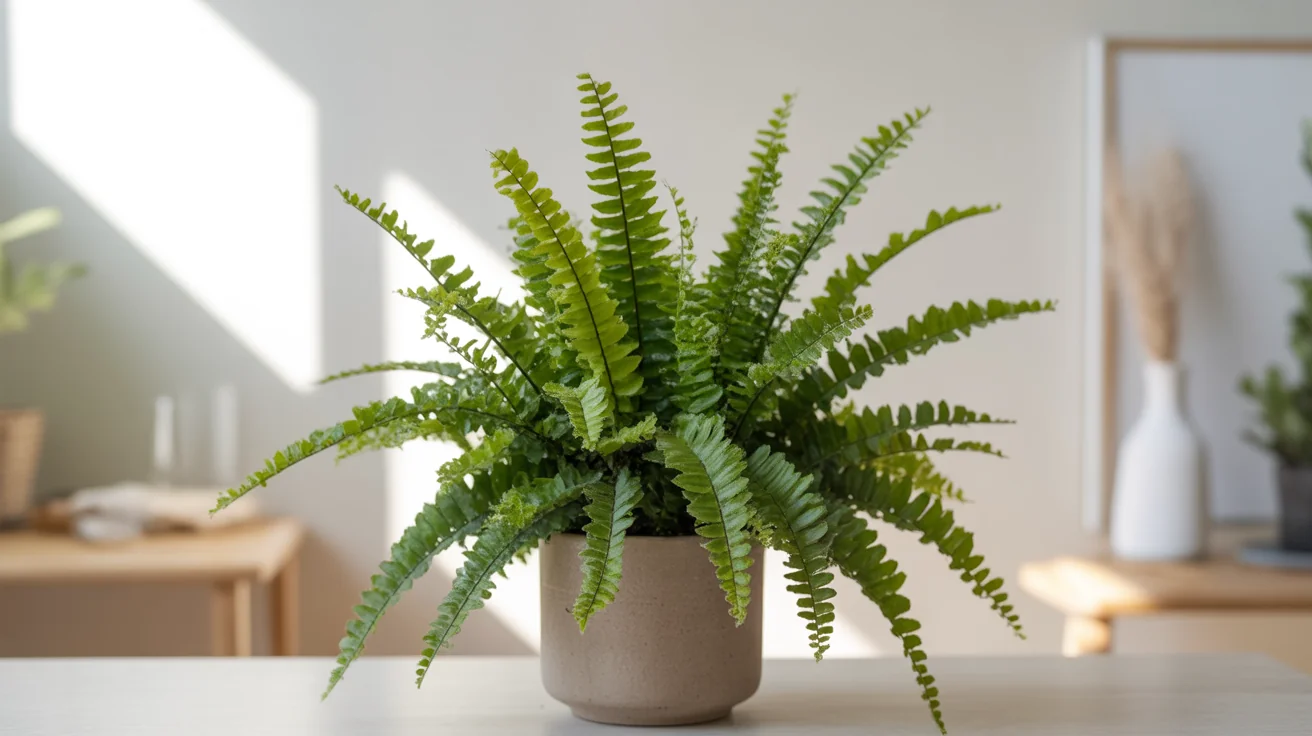
The familiar Boston fern is associated with Nephrolepis exaltata 'Bostoniensis' and related cultivars. Its arching fronds consist of many small leaflets, or pinnae, attached along a central stalk. These are fern leaves, not branches carrying separate flowers.
Cultivar names help explain differences in size and frond division. A finely divided selection can look much denser than a plain-frond form without being healthier. Frond fullness, color, and shedding need interpretation against that normal shape.
- Main indoor form
- Nephrolepis exaltata 'Bostoniensis' and related cultivars
- Growth
- A clump that can extend through runners
- Reproduction
- Spores rather than flowers or seeds
- Space
- Allow for arching fronds beyond the pot rim; cultivar size varies
UF/IFAS identifies Bostoniensis as the classic arching indoor form and lists finer-cut cultivars such as Fluffy Ruffles. A plant label is more reliable than assuming every ruffled fern is a particular cultivar.
Boston fern and sword fern are also used loosely in plant sales. Before planting an unidentified fern outdoors, species identification matters because similar-looking Nephrolepis species differ in their regional ecological risks.
Moist roots still need air
The root ball needs access to water without remaining saturated. Moisture in potting mix and humidity in the surrounding air are separate conditions, so watering a wet pot again does not solve dry room air.
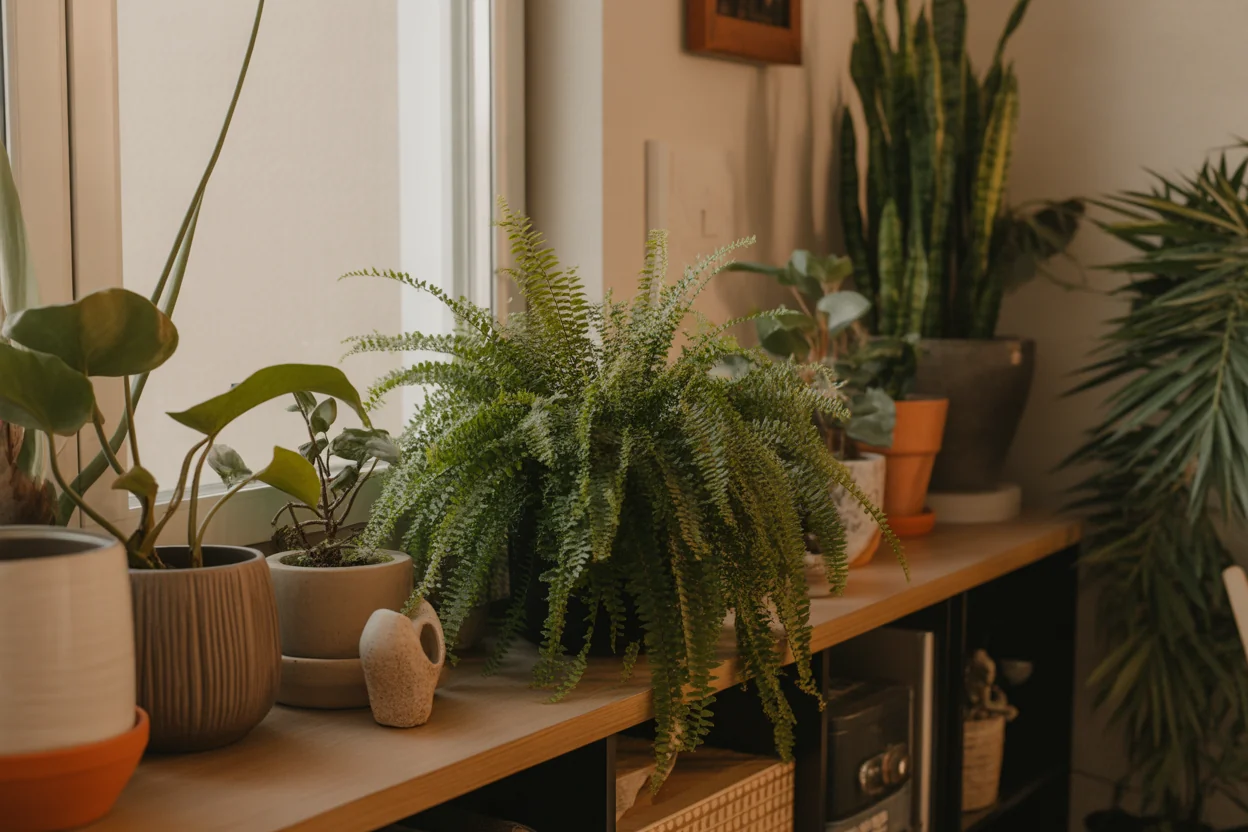
A hanging basket may dry unevenly because its sides and foliage are exposed to moving air. Checking below the surface in more than one place is more useful than assuming the whole root ball matches the top layer.
When the mix is approaching dryness, slow watering across the surface helps wet it throughout. Runoff needs a clear exit, and water collected in a cover or saucer needs emptying. A drainage hole cannot help if the pot remains in a reservoir.
- A dry center despite runoff suggests that water is bypassing part of the root ball.
- Wet mix with continued decline warrants checking drainage and root condition before another watering.
- Drying air around moist mix calls for attention to exposure and humidity as well as foliage inspection.
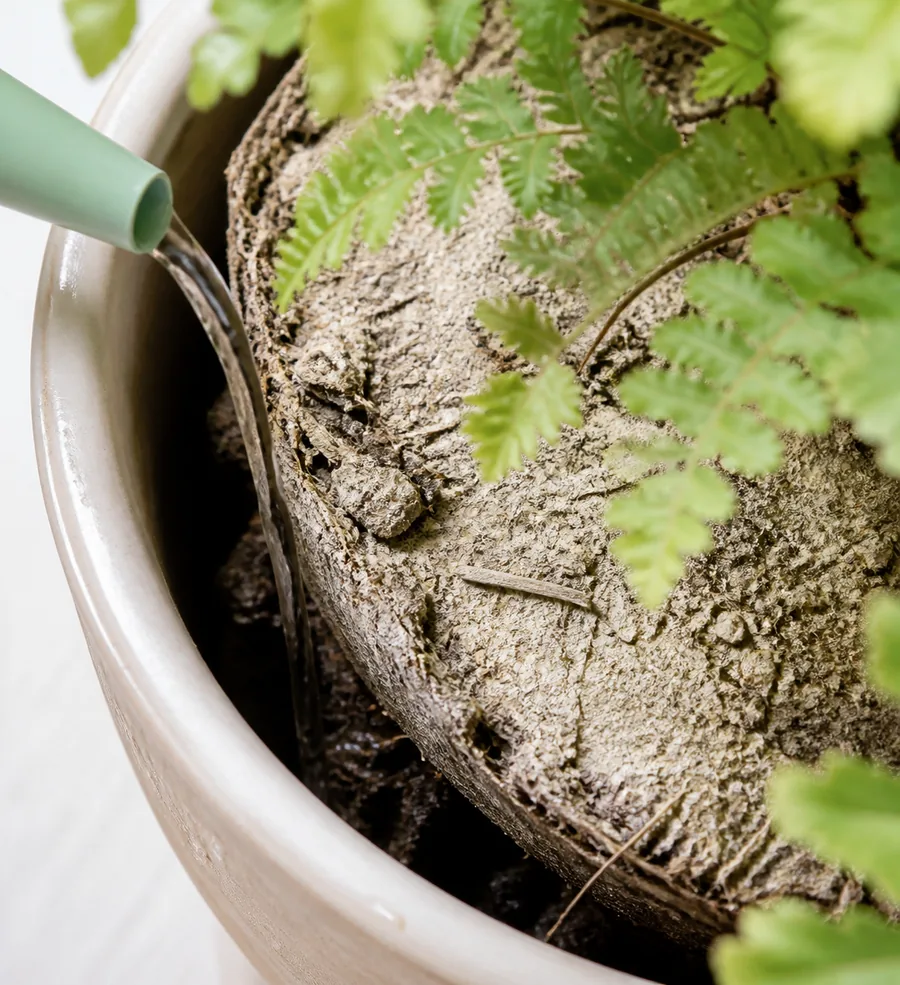
A very dry mix can resist rewetting. Slow applications or shallow bottom watering may help restore moisture, followed by full drainage. Dead leaflets will not be restored by soaking the pot.
A room humidifier can raise humidity more consistently than occasional misting, but the actual room conditions still need assessment. A small pebble tray does not establish that the fern receives sustained humid air. Watering intervals follow the pot and growing conditions rather than a weekday or USDA zone.
Light, exposure, and changing fronds
Bright indirect light supports new growth without the abrupt exposure of strong direct sun. The relevant light is what reaches the fronds, which depends on nearby buildings, trees, curtains, season, and distance from the window.
Pale or brown tips do not measure light on their own. Dry roots, salts, physical injury, pests, and exposure can produce overlapping changes. A dated move into stronger sun is useful context, while a particular window direction is not a diagnosis.
A sheltered porch can provide suitable shade during warm conditions, but wind can increase drying even out of direct sun. Indoor foliage benefits from a gradual transition rather than an immediate move to an exposed outdoor position.
Supplemental lighting may help a genuinely dim location. Lamp output, coverage, distance, and duration work together, so a universal number of inches and hours would be misleading.
A potting mix that wets and drains evenly
A houseplant potting mix with moisture-holding organic ingredients and useful air space suits container growing better than dense garden soil. Ingredient names alone do not establish how a finished mix behaves.
A mix can drain at the edge yet remain dry in its center, or remain wet below a dry surface. Observing both wetting and drying is more informative than applying one peat, coir, or perlite recipe to every container.
- Crowded root ball
- Assess whether dense roots leave too little mix for even watering or restrict growth.
- Persistently wet unused mix
- Check pot size, drainage, light, and root condition before moving to a larger container.
- Difficult rewetting
- Confirm moisture reaches the core rather than relying on visible runoff.
- Failed mix or damaged roots
- A necessary repot may involve fresh mix and a container matched to surviving roots.
Repotting follows the condition of the plant and mix. Active growth is a useful time for routine work, but severe drainage failure needs attention on its own merits. A calendar alone does not establish that repotting is due.
Fern roots can be fine and naturally dark. A brown root is not automatically dead, while collapsing tissue or loss of its outer layer is more concerning. Unnecessary root trimming can reduce the plant’s ability to supply its fronds.
Indoor seasons and outdoor cold are different questions
A USDA hardiness zone describes long-term outdoor winter extremes. It does not describe humidity in an air-conditioned room, the temperature beside a radiator, or the date a hanging basket can safely remain outside.
Published outdoor ranges differ. UF/IFAS lists zones 8b through 11 for N. exaltata as a landscape plant, while NC State lists it for zones 10a through 13b. Those references do not guarantee undamaged fronds on every cultivar in an exposed container.
For a valued container plant, shelter before frost or damaging cold is the practical choice. Local forecasts, exposure, and the cultivar matter more than a blanket statement that every garden in a listed zone permits year-round display.
Monitor moisture as new fronds expand. Suitable light feeding follows the product label and plant response, without a fixed year-round dose.
Shade and shelter limit abrupt exposure. Wind and warmth can change drying substantially, so the indoor watering interval may no longer fit.
Lower light may reduce water use while heating dries the air. Both conditions need attention, rather than automatically giving the pot more water.
Routine cleaning and removal of fully dead fronds improve access for inspection. Some old frond loss can accompany change, but continued shedding is a reason to assess conditions instead of dismissing all winter decline as normal.
Division preserves crowns and roots
Division separates an established clump into growing units with roots and crowns attached. It does not involve rooting a clipped frond as though it were a stem cutting.
RHS also describes separating rooted runners. A runner with an established young plant offers a different starting point from an unrooted strand, so cutting every thin runner would remove potential growth without creating a viable new plant.
- Choose an established plant whose growth and root condition support division. Resolve active decline before routine propagation.
- Lift the root ball and locate sections with their own growing crowns and attached roots. Ease them apart or use a clean blade where a connection needs cutting.
- Retain useful roots rather than removing them by color. Discard clearly dead tissue and avoid tearing healthy crowns.
- Set divisions at their previous growing depth in draining containers appropriate to their roots. Water to settle the mix, drain excess, and maintain moisture without saturation.
The number of divisions follows the structure of the clump. Producing identical halves or a fixed set of four pieces can leave some sections with too little rooted growth.
Spore propagation is another method, but it involves developing new plants from spores rather than dividing an existing rooted clump. Division is usually the more direct home option when suitable crowns are already present. Neither method comes with a guaranteed establishment time.
Spore clusters, pests, and damaged fronds
Regular brown dots on the underside of a mature fern frond can be sori, clusters of spore-producing structures. Their orderly arrangement differs from many pest infestations, so brown marks are not a reason to spray before inspecting them.
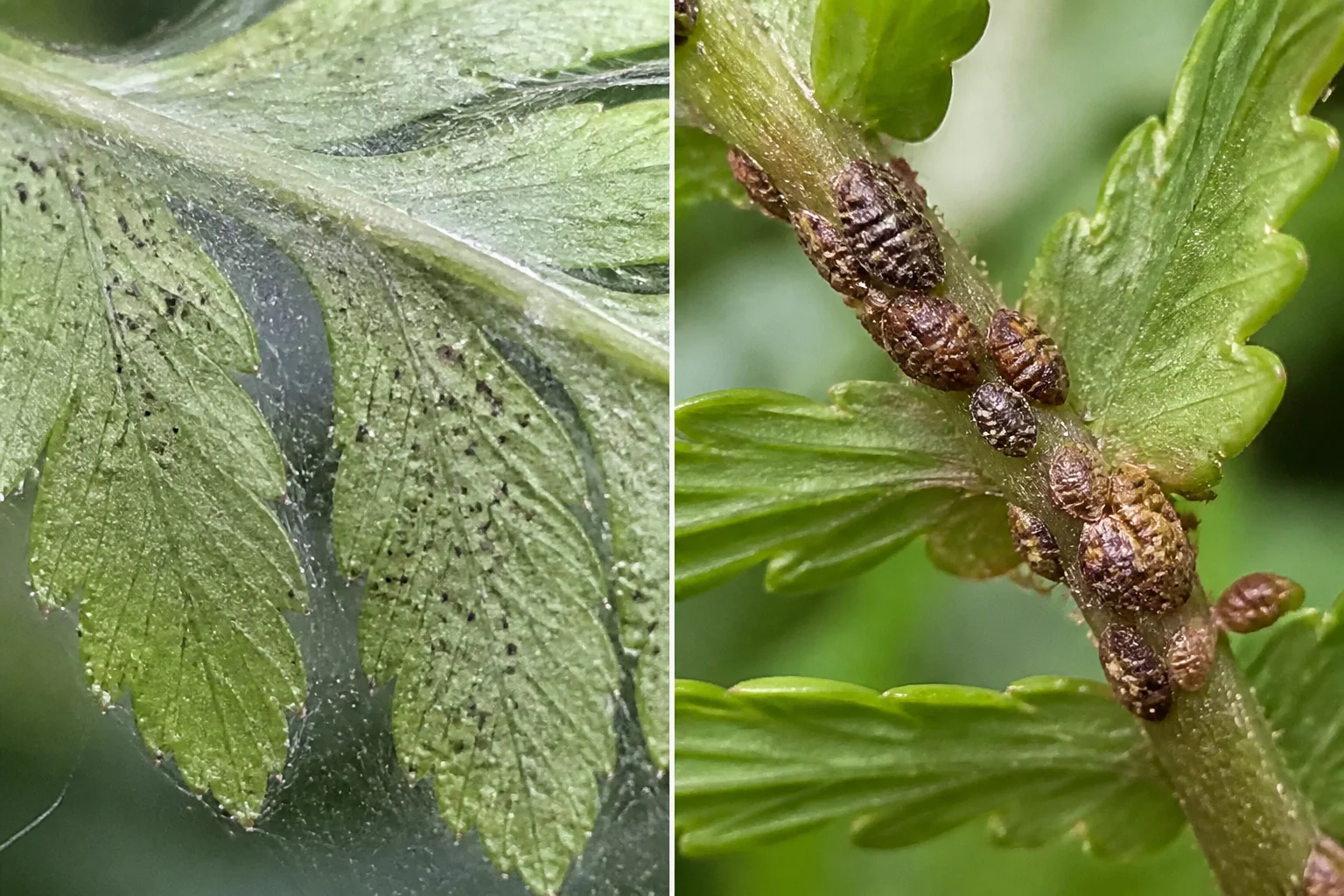
Spider mites may leave fine stippling and webbing, while scale or mealybugs may leave attached covers, cottony clusters, or sticky deposits. Magnification and actual pest signs are more useful than frond color alone.
Gentle rinsing or wiping can remove some pests. Fern foliage may be injured by pesticide sprays, so mite treatment and other control choices need a label that permits the plant, pest, and indoor setting. Test applications and repeats follow that label.
Small flies around the pot invite a fungus gnat assessment. Identification and moisture conditions matter, but deliberately drying an entire fern root ball to fight gnats can create another problem.
Wilting or shedding can persist without pests. Root-zone moisture, recent cold or sun exposure, and fertilizer history remain part of the investigation. A single clean leaflet does not clear the rest of a dense clump.
Pet-safety scope and outdoor spread
ASPCA lists Boston fern as non-toxic to dogs and cats. That listing is a useful distinction when choosing houseplants around pets, but it does not establish edibility or the safety of pesticides applied to the foliage.
The common word fern includes many different plants. The Boston fern listing does not apply automatically to a plant with a similar shop label or feathery foliage. Suspected illness after an exposure still warrants veterinary advice.
Outdoor spread is a separate question from pet toxicity. N. exaltata is native to Florida and spreads through runners, but being native there does not make it harmless in every location or prevent it from spreading beyond a garden bed.
UF/IFAS distinguishes it from tuberous sword fern, N. cordifolia, and Asian sword fern, N. brownii, which are invasive in Florida. Tubers support identification of N. cordifolia, but their absence alone does not establish N. exaltata. Frond, stalk, and spore-cover characteristics may also be needed.
An uncertain plant is best kept contained until its identity and local guidance are clear. Discarded runners or divisions do not belong in natural areas. This species and location check is more useful than a global promise that Boston ferns never become troublesome.
Sources & References
- Nephrolepis exaltata, NC State Extension Plant Toolbox
- Indoor Ferns, Clemson Cooperative Extension, HGIC 1505
- FPS427/FP427: Nephrolepis exaltata Boston Fern, Sword Fern
- SSAGR22/AG120: Natural Area Weeds: Distinguishing Native and Non-Native "Boston Ferns" and "Sword Ferns" (Nephrolepis spp.)
- Nephrolepis exaltata, Royal Horticultural Society
- Boston Fern, ASPCA plant toxicity record
- University of Minnesota Extension: Insects on Indoor Plants
- University of Georgia Extension, Growing Indoor Plants with Success, Bulletin 1318
- ITIS, Nephrolepis exaltata, Taxonomic Serial No. 17605
Related Plants
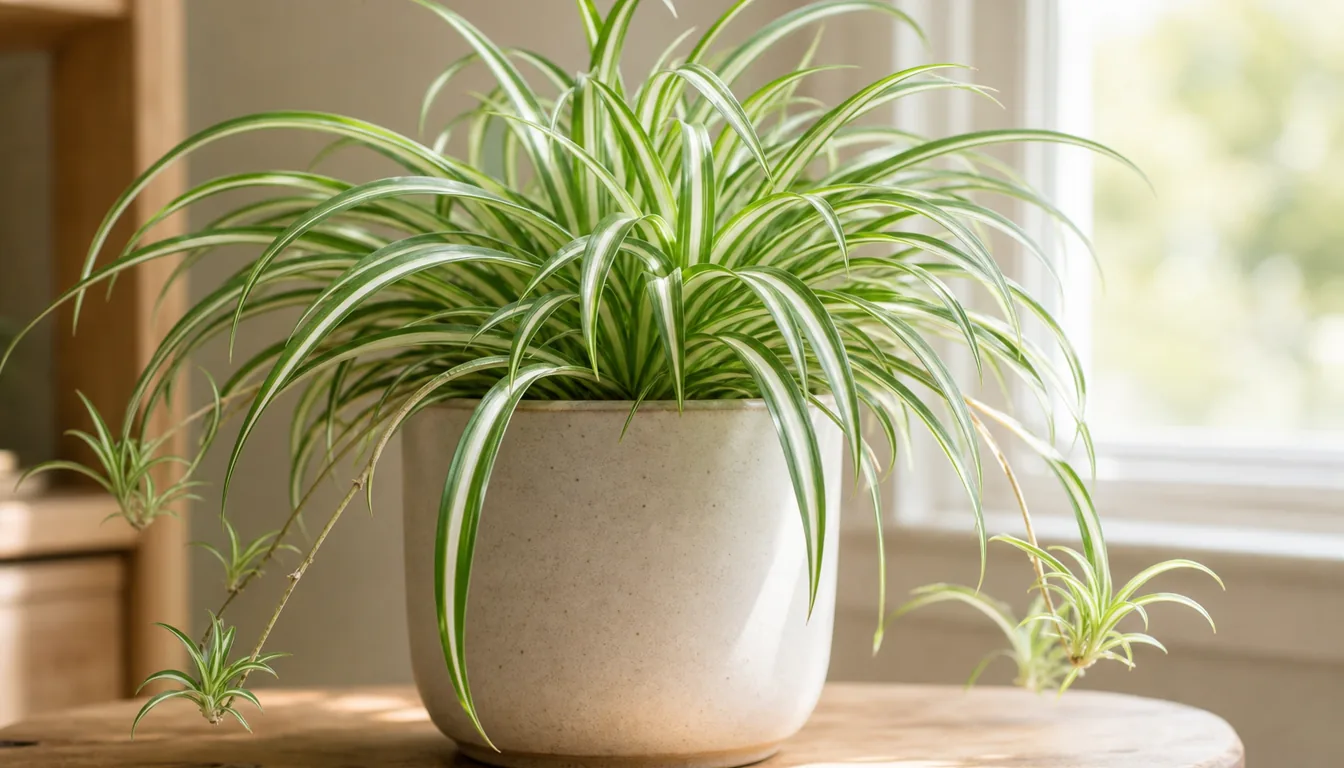
Spider Plant
An arching foliage plant with plantlets and different watering needs.
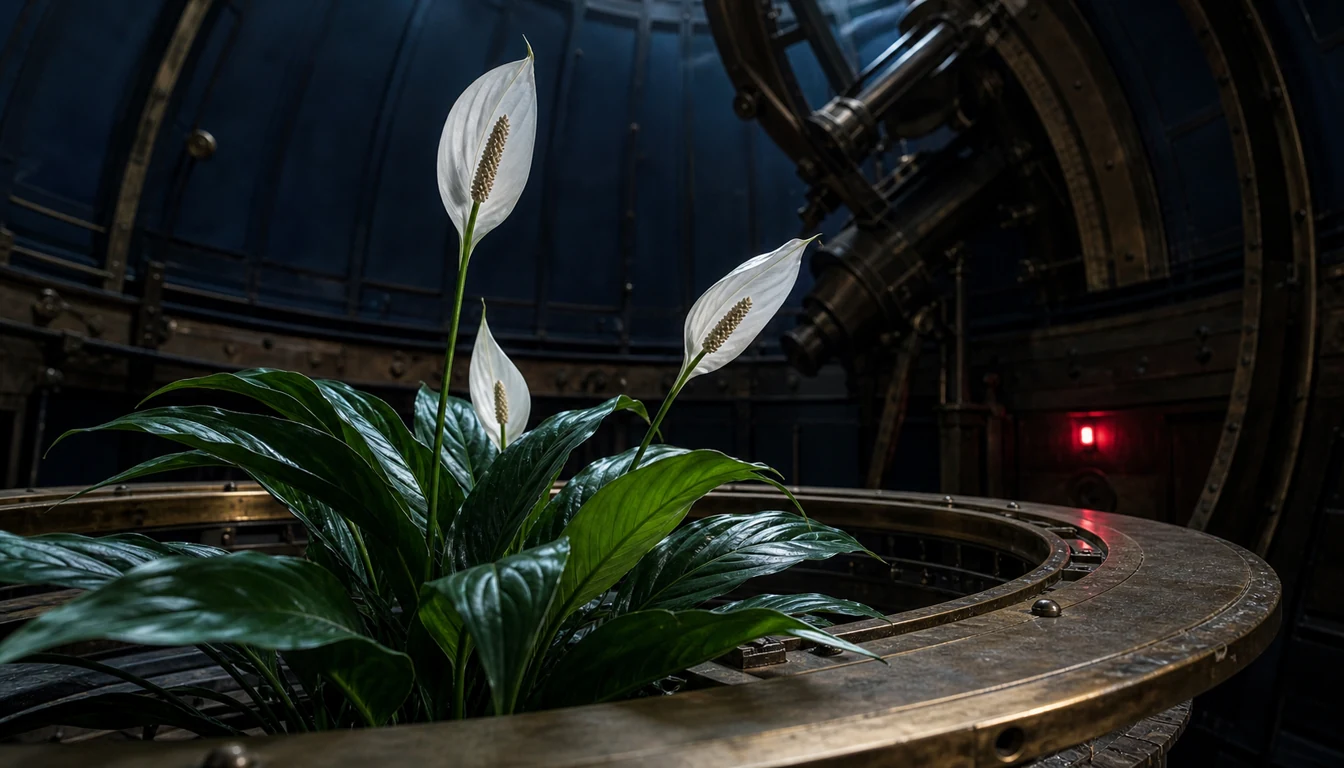
Peace Lily
A clumping aroid with white spathes and a distinct pet hazard.
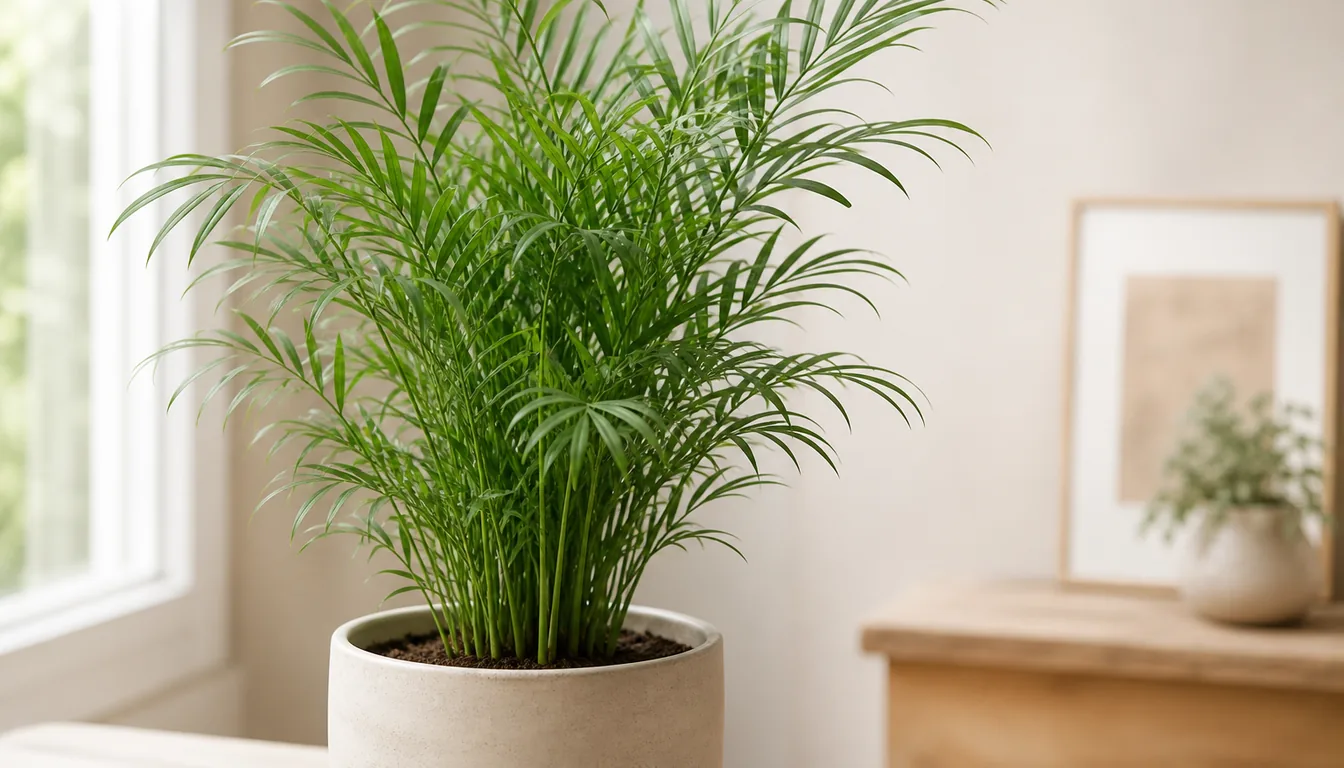
Parlor Palm
A small palm with divided fronds, rather than a true fern.
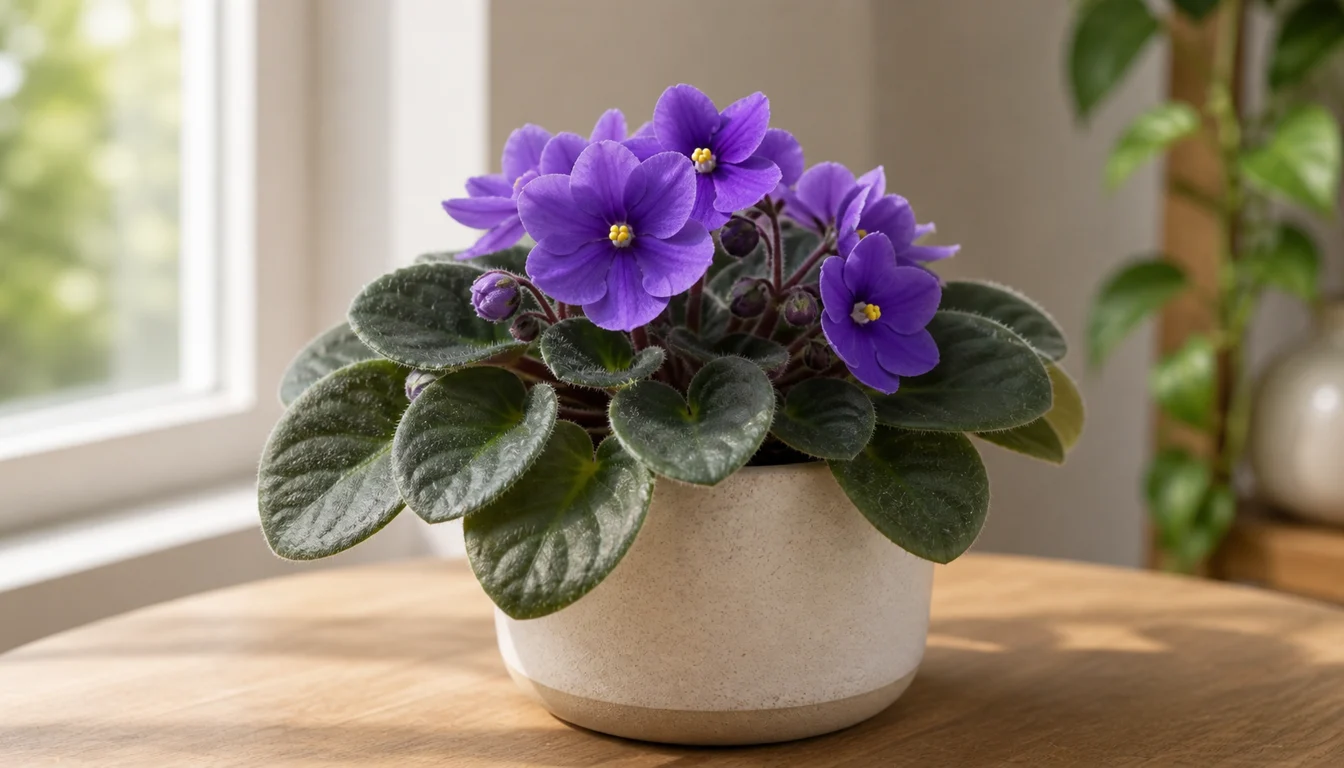
African Violet
African Violet is a windowsill bloomer that rewards steady, small-pot care.
Air Plant
Air plants are living sculptures that thrive without soil, anchoring to driftwood, rocks, or shells while drawing…
Alocasia
Alocasias include compact, textured houseplants and large elephant ears that need substantial floor space.