
How to Grow Anthuriums for Healthy Leaves and Colorful Spathes
Anthurium andraeanum Araceae
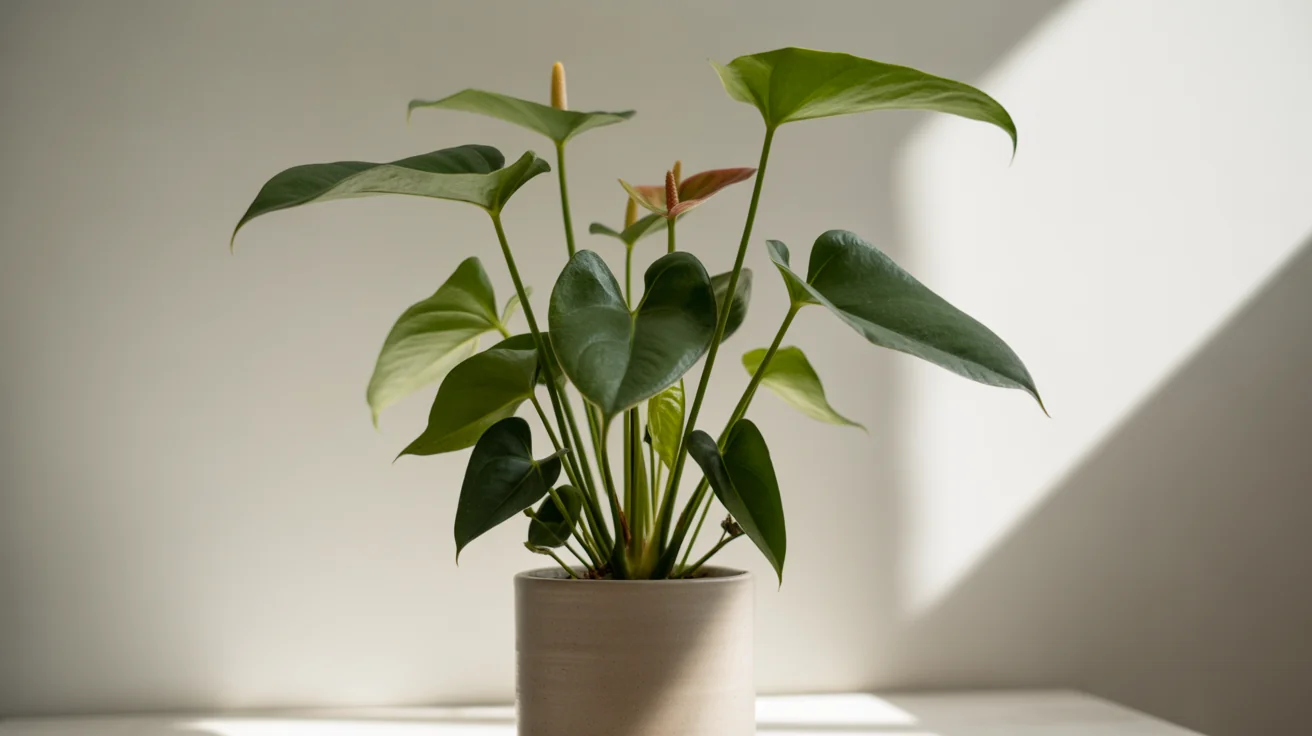
Flowering Anthurium needs bright indirect light, warmth, and a potting mix that holds moisture while letting excess water drain. Its colorful spathes can remain attractive for weeks, but flower production and color also depend on the cultivar and the age of each bloom.
A fading spathe alone does not identify a lighting problem. The useful clues come from the whole plant, including new growth, root-zone moisture, and whether damage is spreading.
Care snapshot
The Spathe Is the Colorful Part
The familiar flowering houseplant is Anthurium andraeanum or a hybrid derived from it. The species comes from Colombia and Ecuador, where it can grow on trees or rocks. Its roots have access to moist surroundings and air, a useful distinction when choosing a potting mix.
The broad red, pink, or white surface is a spathe, a modified leaf-like bract. The upright spadix carries many tiny flowers. An old spathe can lose its original color while the leaves remain sound, so changes in the display need a different interpretation from spreading leaf damage.
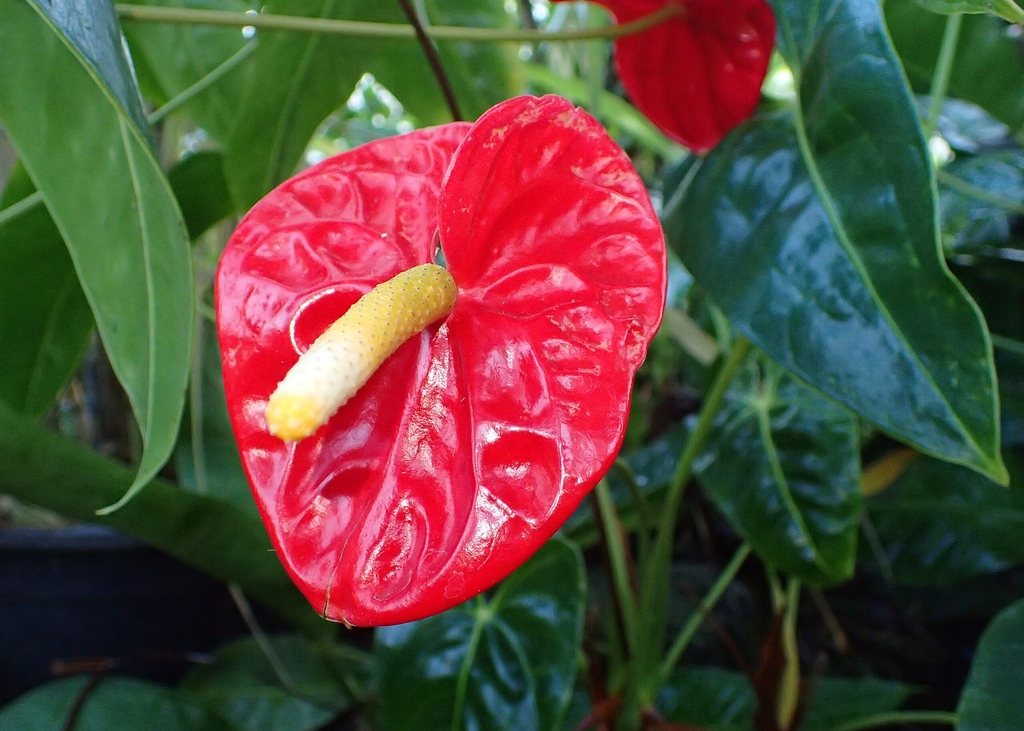
Many flowering selections stay small enough for a tabletop. NC State describes the species at roughly 1–1.5 feet tall, but breeding has produced different plant sizes and habits. The named cultivar is a better guide to eventual room fit than the color of its spathes.
USDA zones 11a–12b describe the species’ outdoor hardiness range. They do not describe indoor humidity or guarantee that a pot is safe beside cold glass. In colder climates, this is primarily a warm-room houseplant, with outdoor visits limited to suitably warm, sheltered conditions.
Choosing a Flowering Anthurium
Color is a preference, not a care rating. Red selections are not automatically more willing to flower indoors, and white or pink plants are not necessarily smaller. A cultivar name and its expected size are more useful than a generic color label.
Flowering potted hybrids may combine A. andraeanum with smaller species. Large velvet-leaf anthuriums such as A. crystallinum are grown for foliage and are a different purchase. A photograph of an attractive leaf does not establish that the plant will produce the broad, brightly colored spathes shown here.
The RHS describes White Champion as opening lime green and becoming white. That normal progression matters at purchase and later at home. A green spathe may be part of the cultivar’s display rather than a reason to change the light or fertilizer.
- A named compact selection helps match the mature plant to a shelf or tabletop. A small nursery pot alone does not establish mature size.
- Leaf undersides, stem joints, and the pot surface reveal more about a purchase than the newest spathe. Visible insects, spreading spots, or wilting call for closer assessment.
- Cold exposure during transport can damage a tropical plant before it reaches its indoor spot. Protective wrapping and a short, warm trip help avoid that exposure.
Bright Light Without a Color Diagnosis
Bright indirect light supports growth and flowering without the intense direct sun that can scorch foliage. A curtain-filtered window can work, but a fixed distance from the glass cannot account for window direction, season, neighboring buildings, or trees.
A plant that has stopped making spathes in a dim corner may benefit from a brighter position. That is stronger evidence when growth has also slowed and the root zone remains wet longer than before. Increasing fertilizer alone does not replace the light needed to support new growth.
Spathe color is not a light meter. University of Hawaii cultivar evaluations describe fading with maturation and high summer temperatures, along with genetically green areas and seasonal differences. Those were observations of grown cultivars, not an indoor test that assigns one cause to every green or faded spathe.
A gradual improvement in light is easier to assess than moving a shaded plant straight into hot sun. Existing faded tissue may not regain its original appearance, so new leaves and later spathes provide a more useful comparison. A grow light can supplement a dark room, with distance and timing matched to the fixture rather than a universal timer setting.
Moist Roots Still Need Air
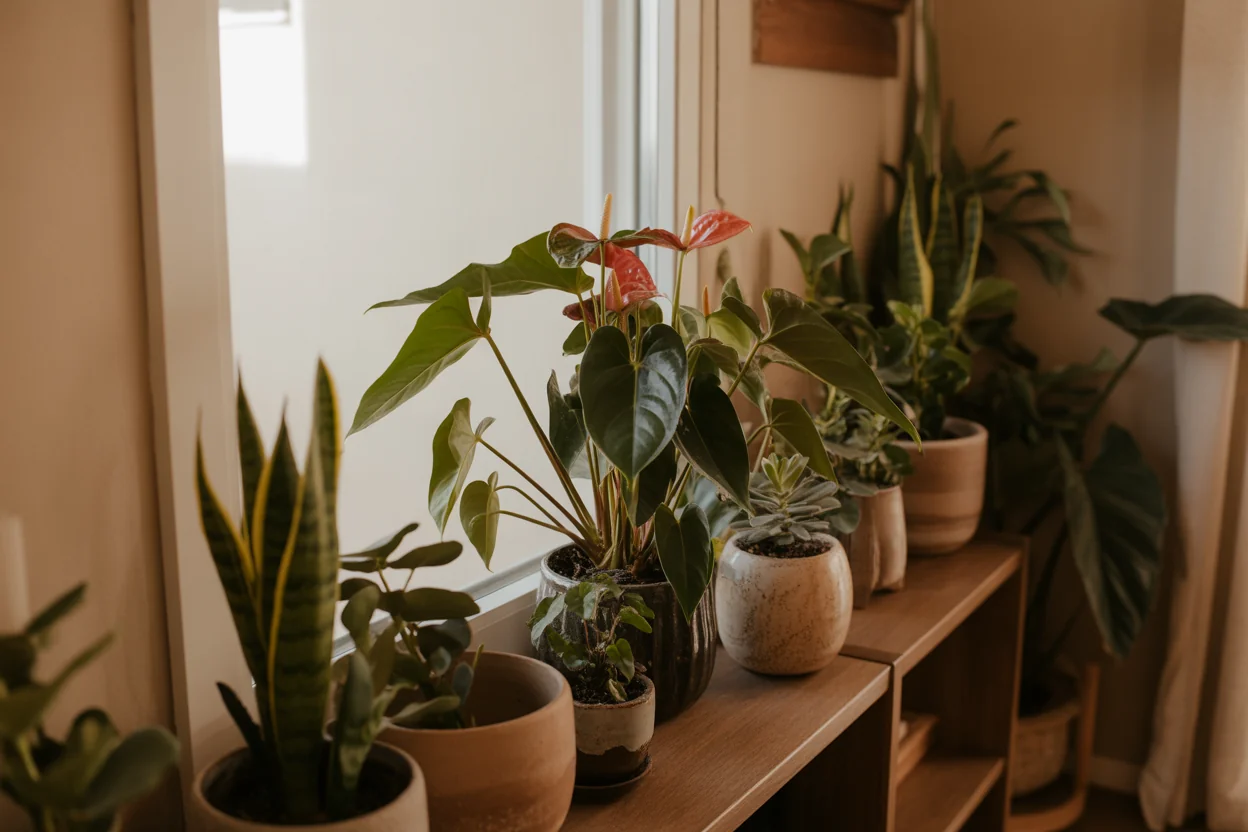
Anthurium grows well with a moisture-retentive mix that drains freely. Waterlogging fills the spaces that normally hold air around roots. At the other extreme, allowing the entire root ball to dry hard repeatedly leaves the plant without a dependable water supply.
Partial drying between waterings gives a better starting point than a weekly calendar. Moisture just below the surface, the weight of the pot compared with its freshly watered weight, and conditions near the drainage holes help distinguish a drying pot from one whose surface alone looks dry. A clean or dark wooden probe is not a precise moisture reading.
When the mix is approaching dryness, watering evenly until excess drains helps wet the root ball. Water left inside a decorative outer pot can then keep the lower roots submerged, even when the inner nursery pot has holes. Emptying that collected water is part of the same watering job.
Bright, warm conditions can increase water use, while reduced light or a cool room can slow it. A change in pot size or mix also changes the interval. Houseplant watering frequency follows those conditions rather than a summer or winter day count.
Yellow leaves or wilting do not prove overwatering. A wet pot with a wilting plant deserves attention to drainage and roots instead of another drink. Persistent decline, soft collapsing roots, or spreading lesions can involve disease, and appearance alone does not identify the pathogen.
An Open Mix and a Well-Fitting Pot
An open, mildly acidic potting mix holds some moisture around the roots while draining excess water. A houseplant base blended with coarse bark and an aerating material is one practical approach. The balance works when the roots retain access to both moisture and air between waterings.
Dense garden soil is a poor substitute in a container. Conversely, a very coarse mix that dries before the plant can use its water may require more attention than a busy household can provide. The pot and watering routine have to suit the same mix.
Repotting houseplants is useful when roots need more room or the old mix has lost its structure. A modest increase in pot size avoids surrounding a small root system with a large volume of wet material. Roots visible above the surface are not, by themselves, proof that the plant needs a much larger container.
A draining pot, stable planting depth, and fresh mix address different parts of the job. Drainage holes release excess water, the right depth keeps the stem base from being buried, and a stable root ball limits movement of newly disturbed roots. Repotting cannot make diseased tissue healthy.
Hard, alkaline irrigation water can gradually work against the acidic conditions anthuriums prefer. Where that is a problem, suitable rainwater or lower-mineral water can help. The word “filtered” does not guarantee mineral removal, and browning edges alone do not prove a water-quality problem.
Division and Stem Propagation
A multi-stemmed plant with separable, rooted growths can be divided. A crowded single stem does not become several plants merely because its pot is full, and division is optional when a larger plant is wanted.
Warm conditions and active growth give the divisions a better setting for recovery. Indoor growth conditions matter more than the outdoor USDA zone or the calendar month. A plant with unexplained wilt or spreading spots is a poor source of propagation material because disease can travel with cuttings and divisions.
- Wear gloves and prepare clean pots, fresh airy mix, and cleaned tools. Keep sap away from eyes and skin.
- Ease the root ball out and identify separate stems with their own roots. Gently separate natural divisions rather than pulling individual leaves away.
- Keep roots attached to each division. Avoid cutting through sound tissue simply to make more pieces.
- Set each division at its previous depth in a pot that fits its roots. Water the mix and let excess drain, then keep the plant warm in indirect light.
- Watch new growth and moisture use as the divisions settle. Repeated unpotting to check for roots adds disturbance.
Stem propagation is also valid. RHS guidance describes stem or rhizome pieces with buds rooted in acidic mix in a warm propagator around 70°F. Another method uses a leafy stem with aerial roots in water, followed by potting once roots develop. The important distinction is the presence of stem growing tissue, which a detached leaf and its stalk may lack.
A rooted division already carries part of the parent’s root system, while a stem cutting must establish enough roots to support itself. Both can be disturbed by changes in moisture or temperature. New growth is a useful recovery sign, but neither method guarantees uninterrupted flowering.
Pests, Leaf Damage, and Disease Clues
Fine stippling and webbing suggest a different problem from a raised cottony mass at a leaf joint. Spider mites are small enough to need close inspection, while mealybugs and their waxy covering may be easier to see. Dull foliage or sticky residue alone does not identify either pest.
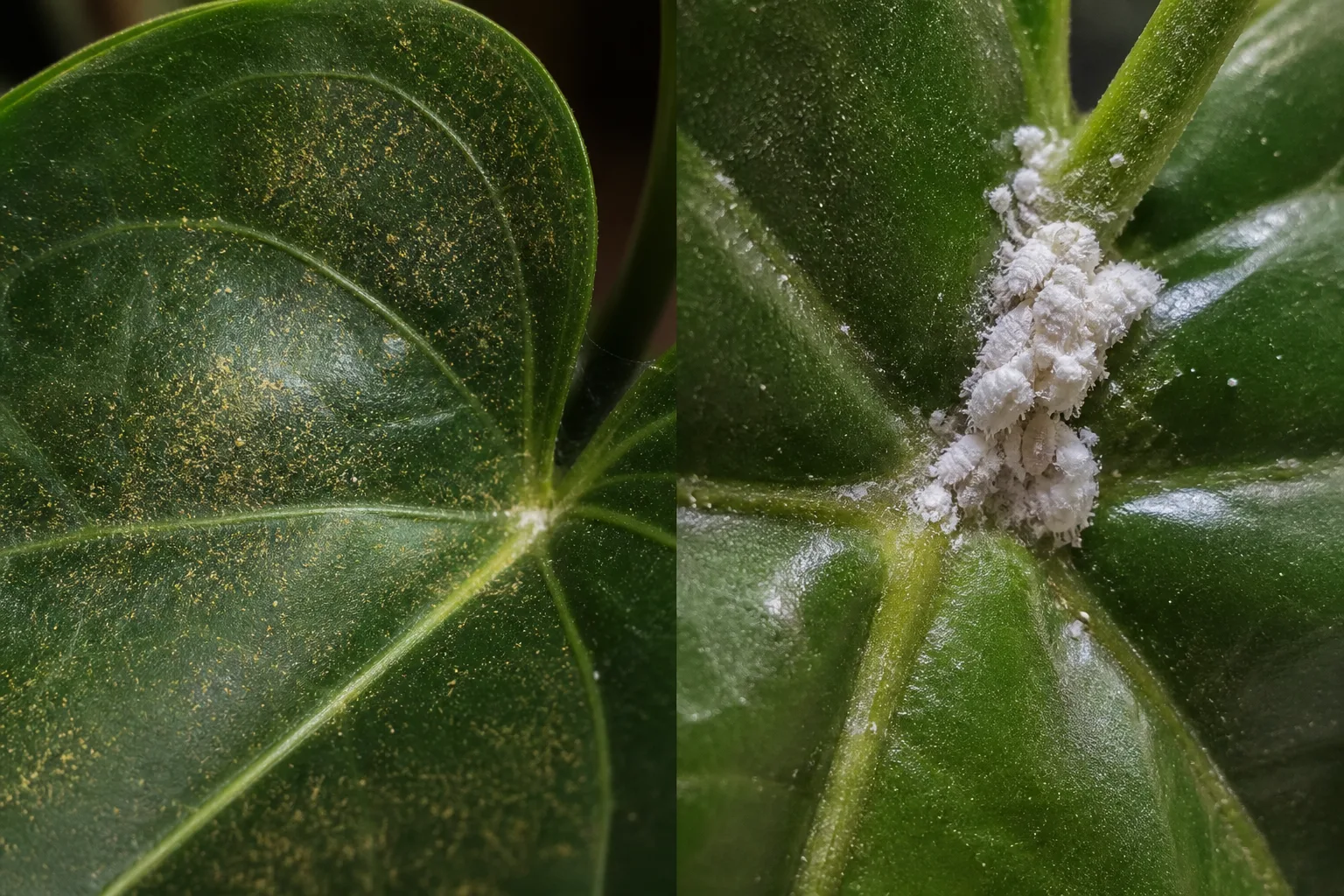
- Stippling with fine webbing
- Inspect both leaf surfaces for moving mites. Treating spider mites on houseplants requires attention to hidden colonies and the product label.
- Cottony material or raised bumps
- Inspect stem joints and undersides for mealybugs or scale. Wax, insects, and plant deposits can look different under magnification.
- Small flies near the mix
- Fungus gnats may be breeding in moist organic material. Identification and moisture management come before choosing a treatment.
- Expanding wet-looking leaf margins or collapse in moist mix
- Keep the plant separate and seek diagnostic help. These signs deserve a disease assessment, not an automatic fertilizer or insect spray.
A new arrival or suspect plant is easier to monitor apart from the collection. For a confirmed pest, the treatment must be labeled for indoor use, the target pest, and the plant concerned. Insecticidal soap and horticultural oils can injure sensitive foliage, so label directions, test applications, and repeat intervals matter more than a homemade spray recipe.
UF/IFAS describes bacterial blight and several root diseases in commercial anthurium production. Wet leaf surfaces and contaminated tools can spread bacteria, while saturated mixes favor several root problems. Those observations explain why humid air and continuously wet foliage are different conditions.
Space around the plant and watering the mix help limit prolonged leaf wetness. Rapidly expanding water-soaked lesions or wilt despite moist roots merit isolation and advice from an Extension diagnostic service. Cutting a stem open at home does not establish the pathogen, and commercial greenhouse pesticide programs are not household treatment instructions.
Flowering Through Changing Indoor Conditions
A healthy flowering anthurium can produce displays over a long period, but there is no dependable deadline for the next spathe. Cultivar, maturity, light, temperature, and root function all affect growth. A spent display can be removed for appearance while the plant develops its next growth.
An old flower stalk or dead leaf can be removed near its base with clean tools and gloves. Green foliage still contributes to growth, so indiscriminate pruning reduces the leaf area the plant has available. A fading spathe by itself is not a reason to repot or divide.
Indoor plant fertilizer supports active growth when nutrients are needed. Product instructions and any fertilizer already in the mix govern the dose and interval. Extra feeding is not a reliable response to a plant stalled by cold, weak light, or damaged roots, and accumulated fertilizer salts can add stress.
Winter heating may dry the air while the window area becomes colder. In summer, stronger direct sun can reach a spot that was suitable earlier in the year. Care follows the actual room, including supplementary lighting, rather than a fixed spring-to-winter checklist.
Warmth around 65–80°F suits typical indoor care, with protection from cold drafts and direct heater air. Humid air helps a tropical plant, but persistent leaf wetness is not the goal. Browning edges can involve several stresses, so humidity changes belong alongside a review of roots, watering, and exposure rather than serving as a diagnosis.
Safety Around People and Pets
NC State lists Anthurium andraeanum as toxic to cats and dogs and describes human irritation from its calcium oxalate crystals. Chewing can cause mouth and throat pain, swelling, and difficulty swallowing, while sap contact can irritate skin or eyes. The plant is not an edible flower or a home remedy.
A high shelf does not reliably prevent a climbing pet from reaching a plant. A genuinely inaccessible location, or a different plant where access cannot be prevented, is more useful than assuming that a small nibble is harmless. Gloves during cutting and handwashing afterward reduce sap contact.
The animal classification here covers cats and dogs from the named species record. It does not establish a horse-specific result, a safe dose, or the safety of extracts. A photograph and the plant label can help the professional identify the suspected exposure.
Sources & References
- North Carolina Extension – Anthurium andraeanum
- Royal Horticultural Society – How to Grow Anthuriums
- University of Hawaii – Evaluation of University of Hawaii Anthurium Accessions, 1986–2001
- PP292/PP292: Anthurium Diseases: Identification and Control in Commercial Greenhouse Operations
- University of Georgia Extension, Growing Indoor Plants with Success, Bulletin 1318
- University of Minnesota Extension – Insects on Indoor Plants
- ASPCA – What to Do if Your Pet Is Poisoned
- National Capital Poison Center – Poison Help
Related Plants
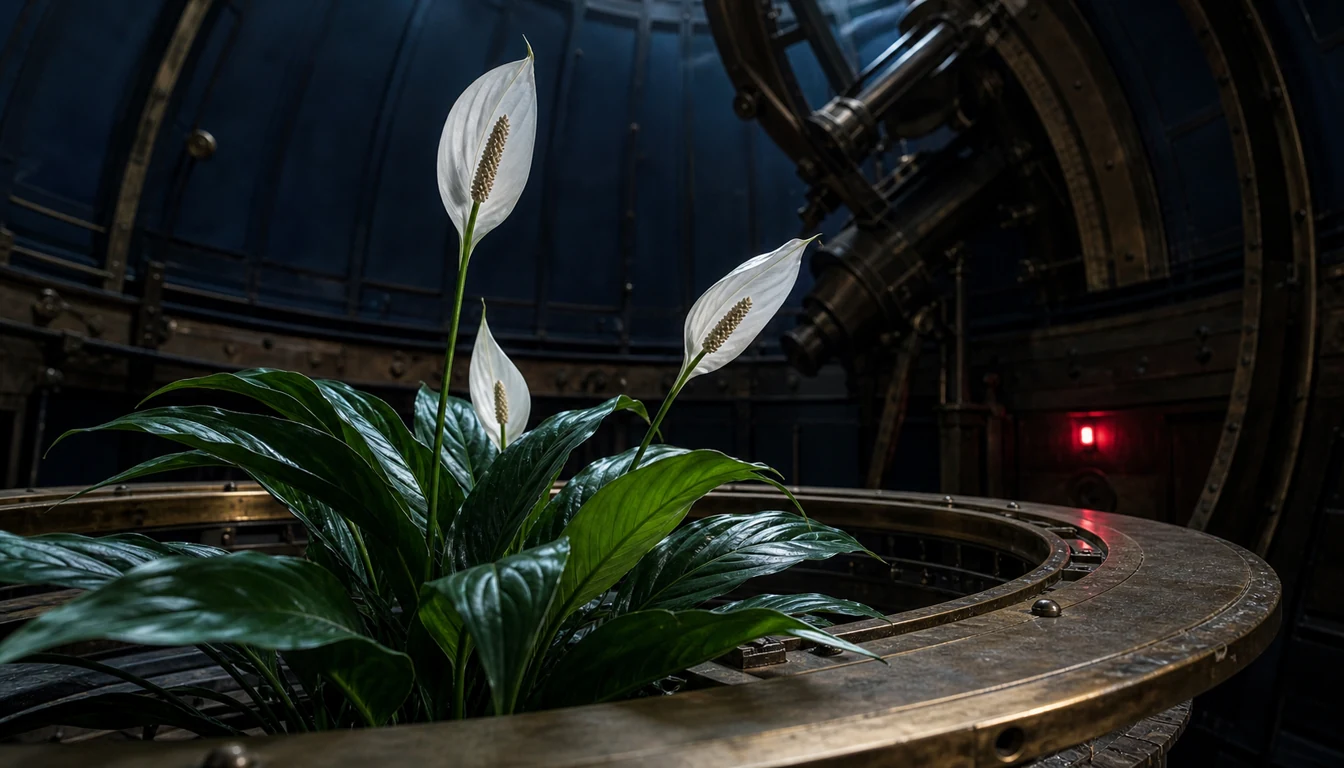
Peace Lily
A flowering aroid with white spathes and different moisture and flowering responses.
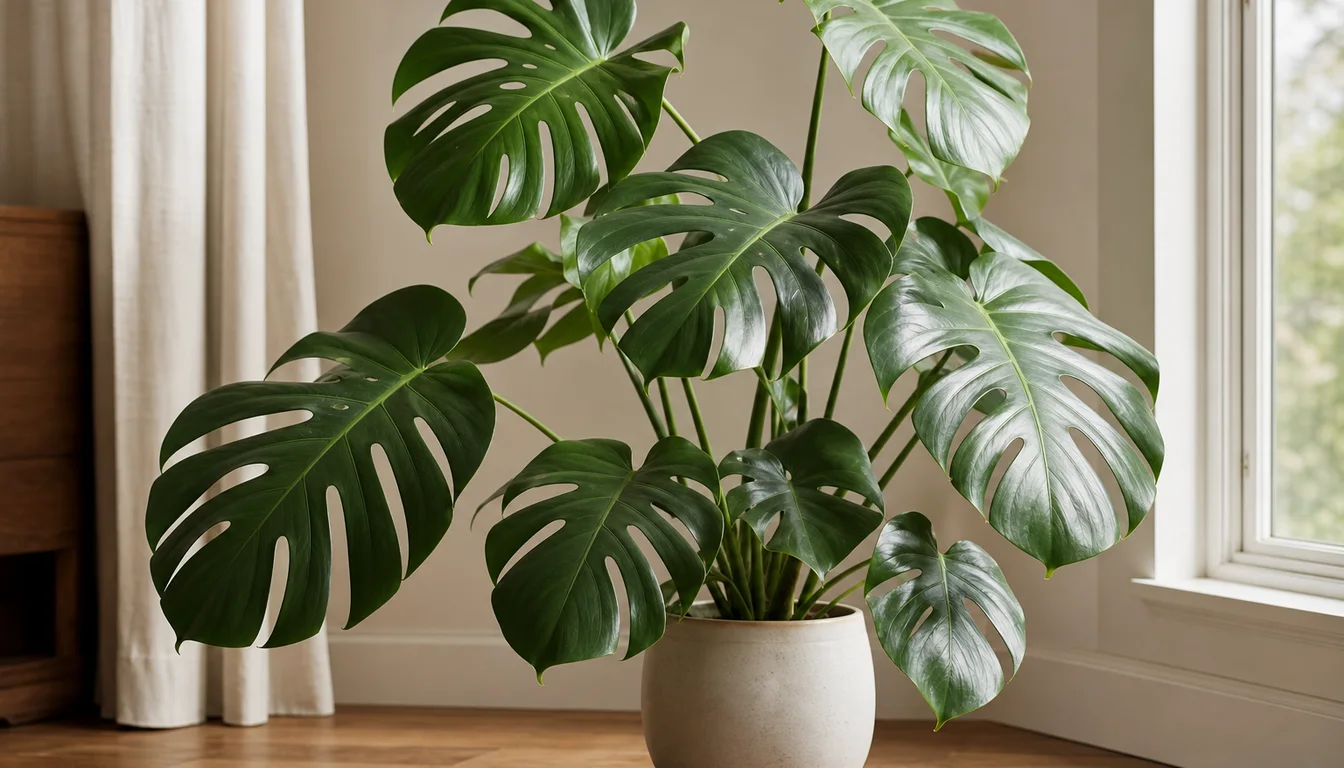
Monstera
A larger foliage aroid with a climbing habit and divided mature leaves.
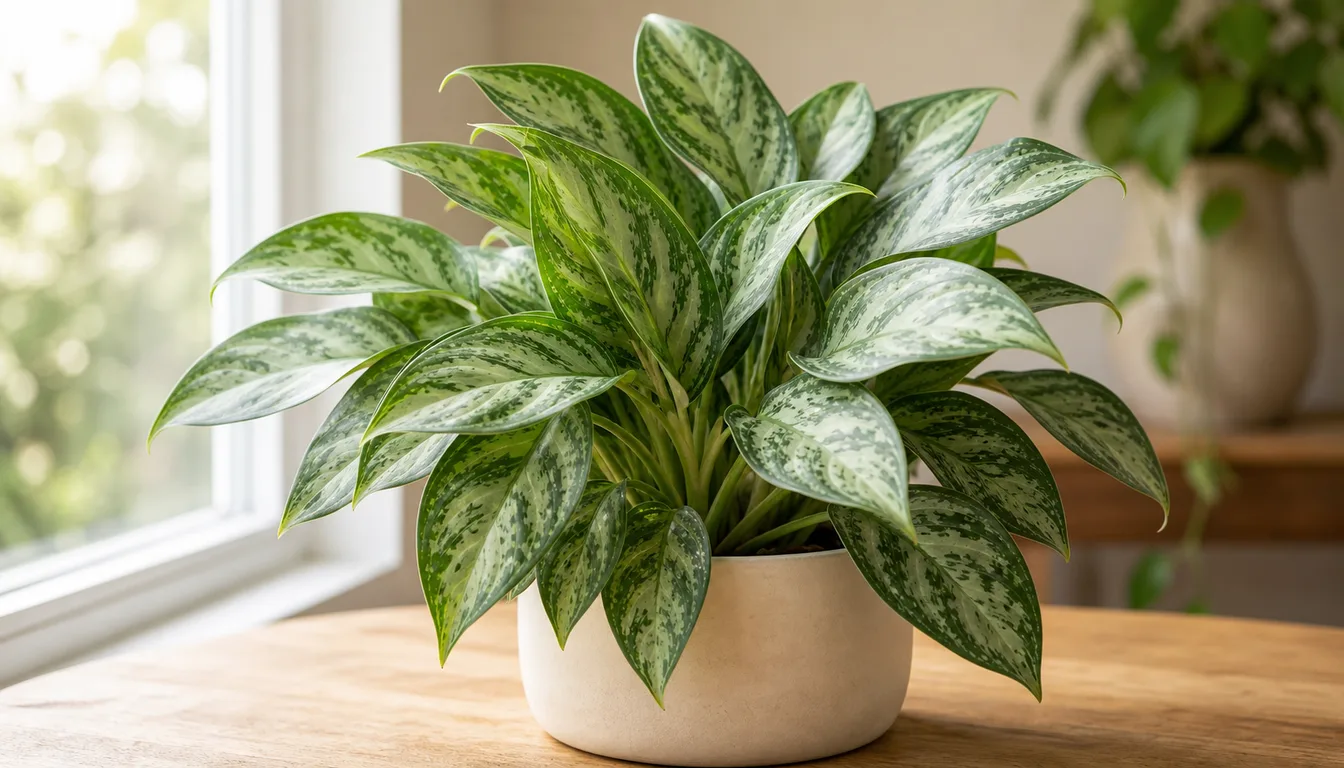
Chinese Evergreen
A foliage houseplant grown for leaf patterns rather than colorful spathes.
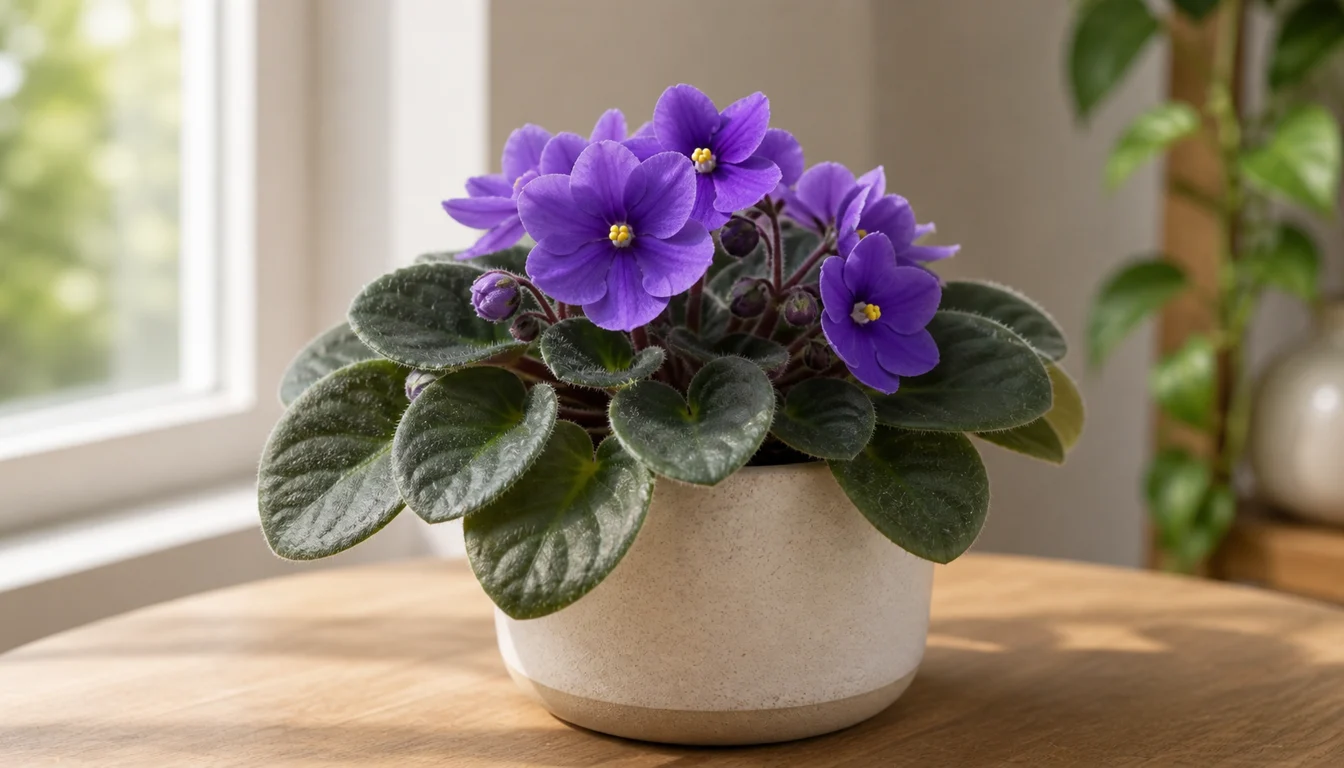
African Violet
African Violet is a windowsill bloomer that rewards steady, small-pot care.
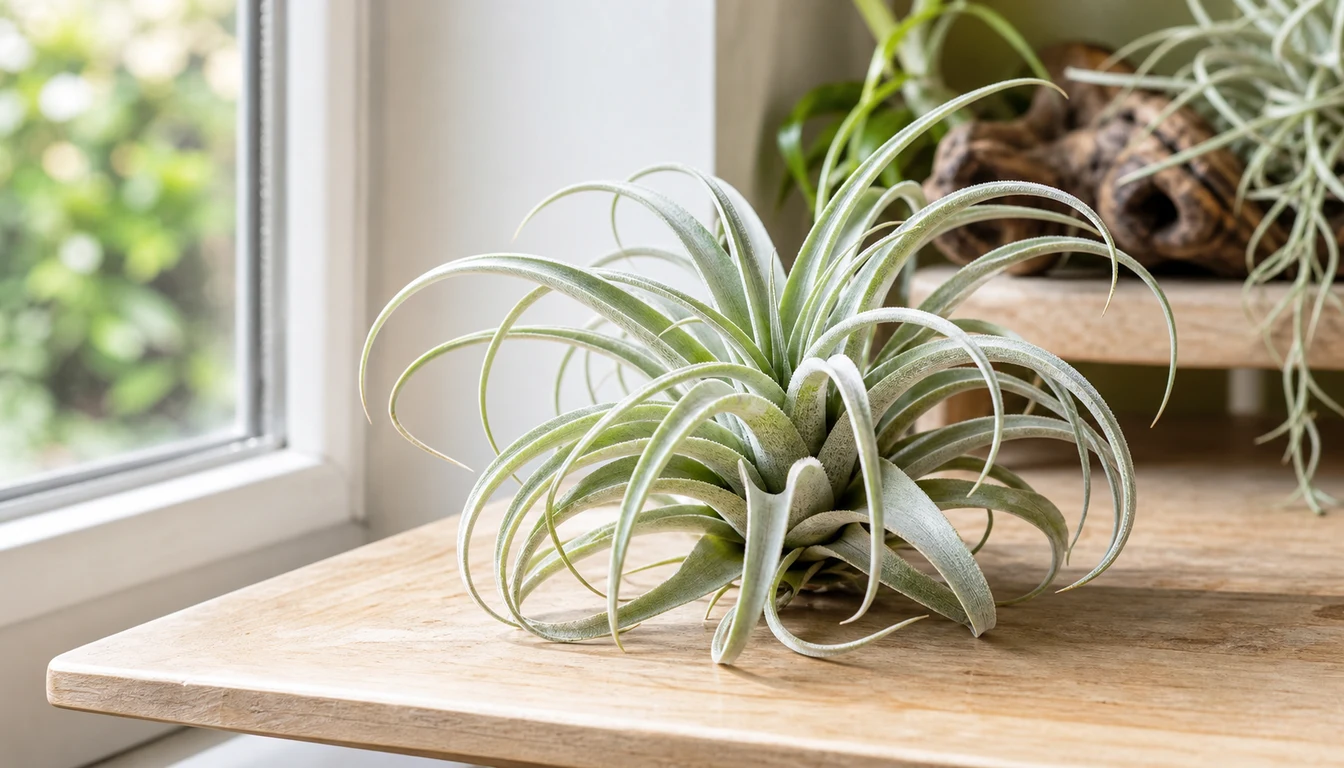
Air Plant
Air plants are living sculptures that thrive without soil, anchoring to driftwood, rocks, or shells while drawing…
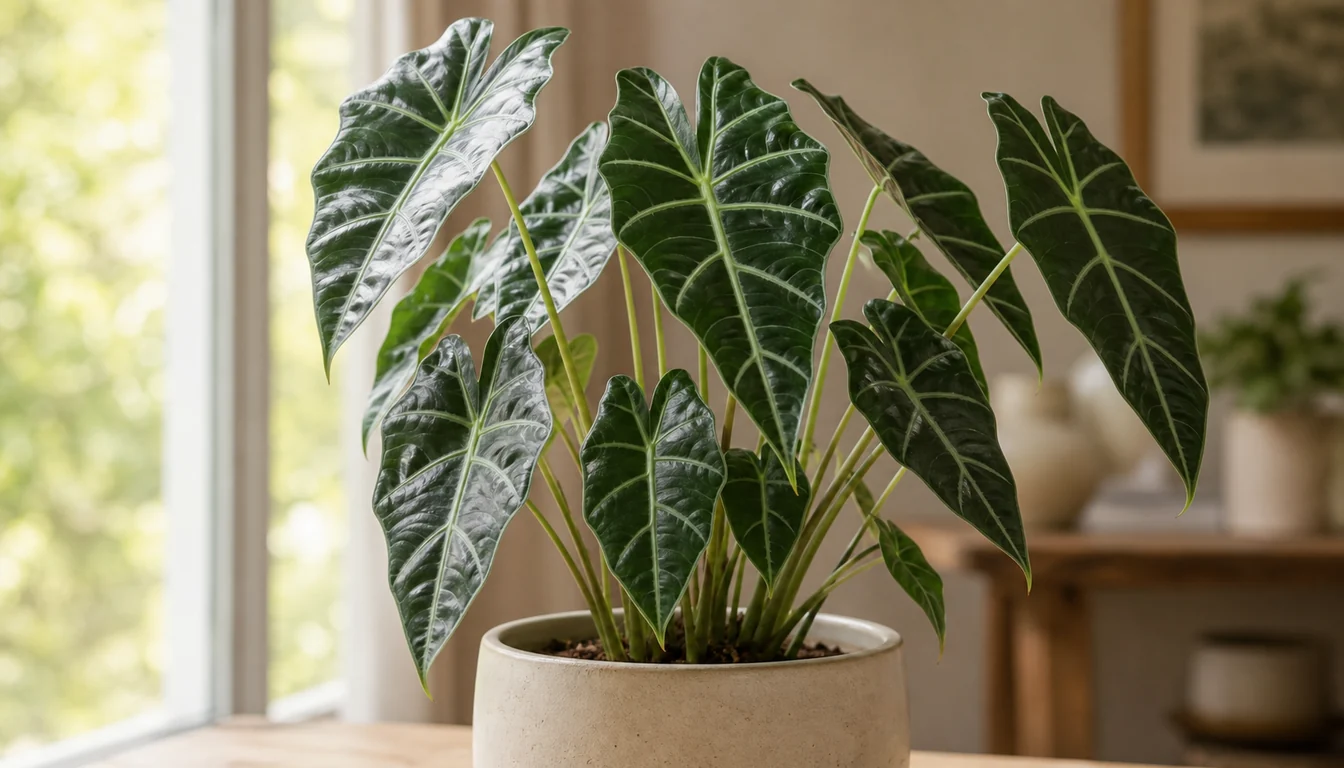
Alocasia
Alocasias include compact, textured houseplants and large elephant ears that need substantial floor space.