
Best Flowering Houseplants for Indoor Color
Choose flowering houseplants by the darkness and temperature each one needs to rebloom, then fix the room conditions that stop buds from forming.
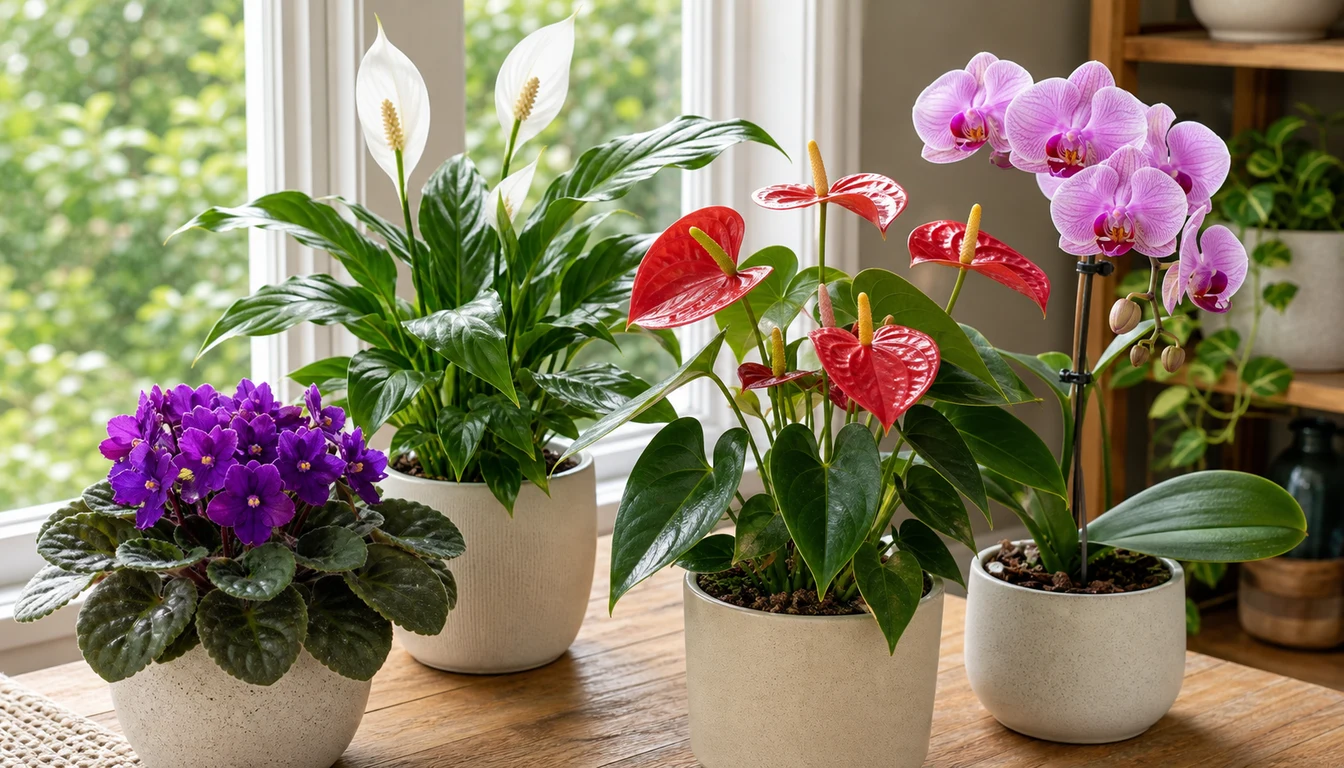
At a glance
A flowering houseplant is not a care problem. It is a calendar problem.
The plant you bought in flower was brought into bloom deliberately, by a grower controlling day length and night temperature on a schedule. Your living room does neither of those things, which is why so many of these plants flower once and then simply grow.
The good news is that the triggers are specific and measurable.
A holiday cactus wants at least twelve hours of unbroken darkness for five to six weeks. A moth orchid wants six to eight weeks of nights that are ten to fifteen degrees cooler than its days.
This page covers the trigger for each plant, the household light that quietly prevents it, and which of these are safe around a cat or a dog.
Why Did Your Flowering Houseplant Stop Blooming?
The plant did what it was grown to do, and then stopped.
Every flowering houseplant on a shop shelf was brought into bloom on purpose. A grower controlled the day length, the night temperature or both, on a schedule aimed at a date, and the plant arrived in your house at the end of that process rather than the start.
A living room reverses almost every condition involved. It holds one temperature day and night, and it carries light well past sunset, which is precisely what most flowering triggers are the absence of.
The display therefore ends and nothing replaces it. The leaves stay green, the plant grows, and the owner concludes they have done something wrong.
They have not. Getting a second flowering is a separate job from keeping the plant alive, and it is the job nobody is told about at the till.
What Actually Triggers Each Plant to Rebloom?
Two things do nearly all the work, and neither of them is fertilizer.
The first is darkness. Some plants count the length of the night and will not set buds until the nights are long enough for long enough, which is why they flower in autumn and winter in the wild.
A holiday cactus is the clearest case. It needs at least 12 hours of continuous darkness for five to six weeks, flowering is best at 13 to 16 hours a night, and fourteen or more hours of unbroken darkness is required before bud set happens at all.
Timing that one is simple. Long nights start around the middle of September and run for at least six continuous weeks, with night temperatures of 55 to 60 degrees Fahrenheit through the period.
The second trigger is a temperature drop. A moth orchid needs nights 10 to 15 degrees cooler than its days, ideally 55 to 65 degrees against days of 70 to 80, held for six to eight weeks before a flower stalk appears.
Some plants have no seasonal trigger at all. An African violet flowers on light and steady mild temperatures of 60 to 75 degrees, which makes it the easiest of these to keep in bloom and the least dramatic to look after.
| Plant | Trigger | The numbers | When |
|---|---|---|---|
| Holiday cactus | Long unbroken nights | 12 hours minimum, 13 to 16 ideal, nights 55 to 60F | Six continuous weeks from mid September |
| Moth orchid | A night temperature drop | Nights 10 to 15F below days, 55 to 65F at night | Six to eight weeks before a spike shows |
| African violet | None, it is light dependent | Bright indirect light, 60 to 75F | Year round with enough light |
| Anthurium | None, it is light dependent | Bright indirect light, warm and steady | Flowers in flushes through the year |
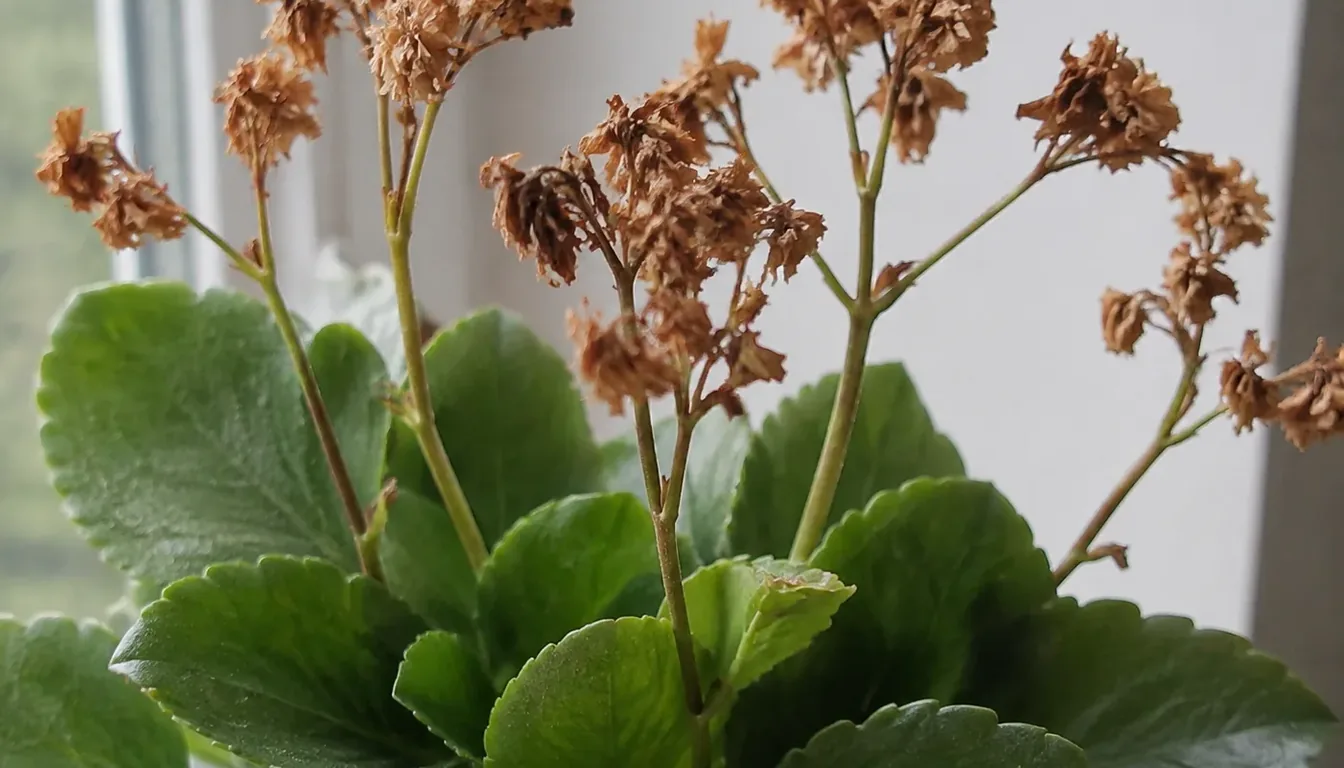
| Kalanchoe | Long unbroken nights | Similar to holiday cactus, long nights for several weeks | Autumn into winter |
Is Ordinary Room Light Stopping the Buds?
It takes far less light than anybody expects.
As little as two hours of interrupted lighting will inhibit flower bud set on a holiday cactus. Not two hours of sunshine, two hours of a lamp on a side table.
The list of culprits is longer than it looks. A reading lamp, a television, a hall light left on, a screen, and a street light coming through an uncurtained window all count against a plant sitting nearby.
The word that matters is continuous. A plant carried out to be admired for an hour in the evening has had its night broken, and the count starts again.
A spare bedroom nobody uses after dark is the easiest fix. A cupboard overnight works, and so does a cardboard box put over the plant each evening, provided it goes back into good light every day.
Then leave it alone for the full period. Six continuous weeks means six, and interrupting it in week four restarts the clock rather than shortening the wait.
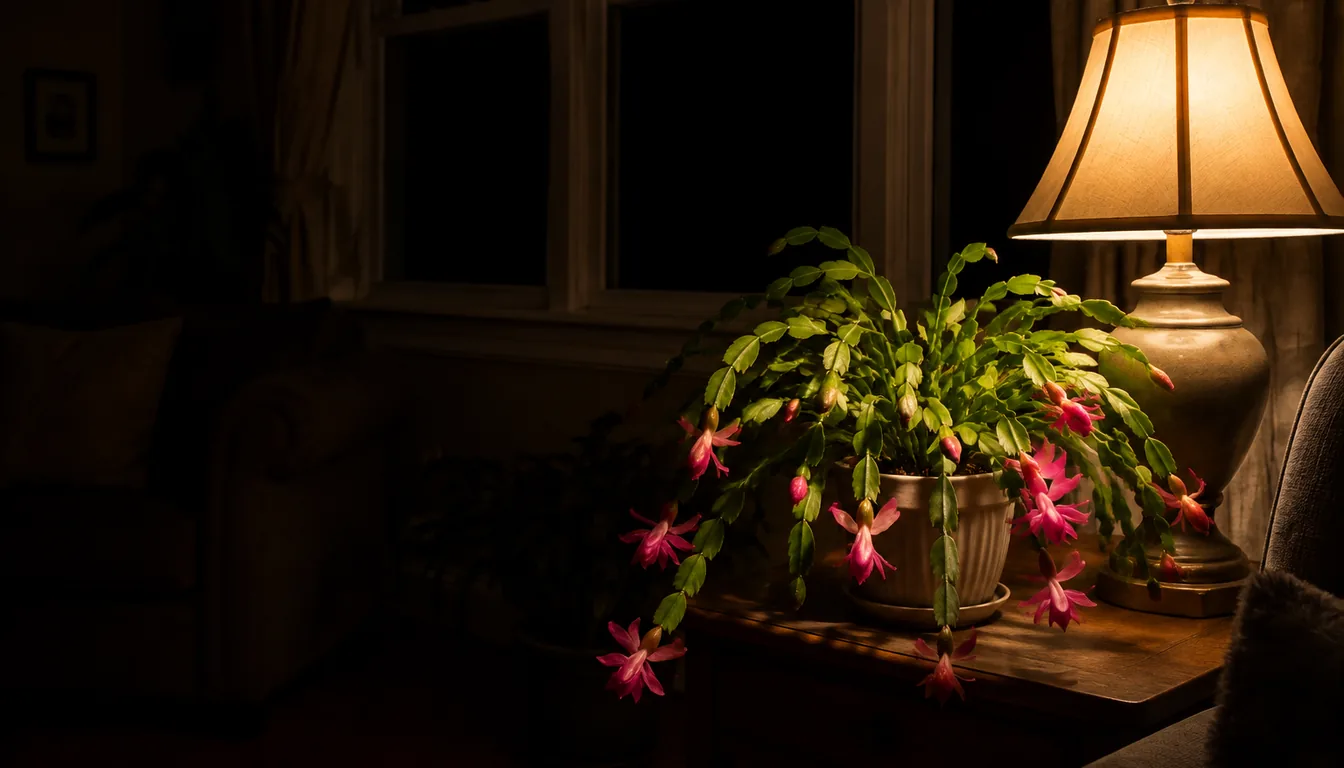
- Stand in the room after dark and note every lamp, screen and hall light the plant can see
- Check whether a street light reaches the plant through an uncurtained window
- Pick a room nobody enters after dark, or cover the plant each evening instead
- Return it to bright light every morning, since only the night is meant to change
Which Flowering Houseplant Suits Your Window?
The window decides what is possible before the trigger decides what repeats.
Bright indirect light is what nearly all of these want. A moth orchid, an African violet and a holiday cactus all flower on light that is generous without being direct, which in practice means near a bright window rather than in it.
Light level shows in the flowers as well as in the count. African violet blooms are brighter and last longer in high light with mild temperatures, and the same plant in a dim corner produces fewer, paler, shorter-lived flowers.
A north-facing window has its limits. It will keep a flowering houseplant alive and green for years, and it will not sustain repeated flowering on any of them.
Direct midday sun is the other extreme. Most of these plants carry thin leaves that scorch behind glass, and an orchid in a south window in July will burn before it flowers.
| Window | What it supports | Notes |
|---|---|---|
| East facing | Nearly all of them | Morning sun with the afternoon off is close to ideal |
| West facing | Most of them, set back from the glass | Afternoon sun is strong enough to scorch thin leaves |
| South facing | All of them behind a sheer curtain | Direct midday sun through glass burns foliage |
| North facing | Foliage only, realistically | Enough to keep a plant alive, not enough to reflower it |
Why Do the Buds Fall Off Before They Open?
Bud drop is unopened buds falling from a plant that is otherwise perfectly healthy.
It is not the same as flowers finishing, and the difference shows on the soil surface. Finished flowers are brown and papery.
Dropped buds are plump, closed and still colored when they hit the compost.
A sudden change in conditions causes it, and buying the plant is the most common change there is. Light, temperature and humidity all shift at once between a greenhouse, a shop and a car, and buds are the first thing a plant lets go of when it is under pressure.
Draughts do the same thing to a plant that has not moved anywhere. A door that opens onto the street, a window left ajar, or a heating vent blowing across a shelf will all produce it in a plant that was perfectly happy the week before.
Letting the mix dry out hard while the buds are forming does it too. The plant sheds what it cannot support, and buds are the most expensive thing on it.
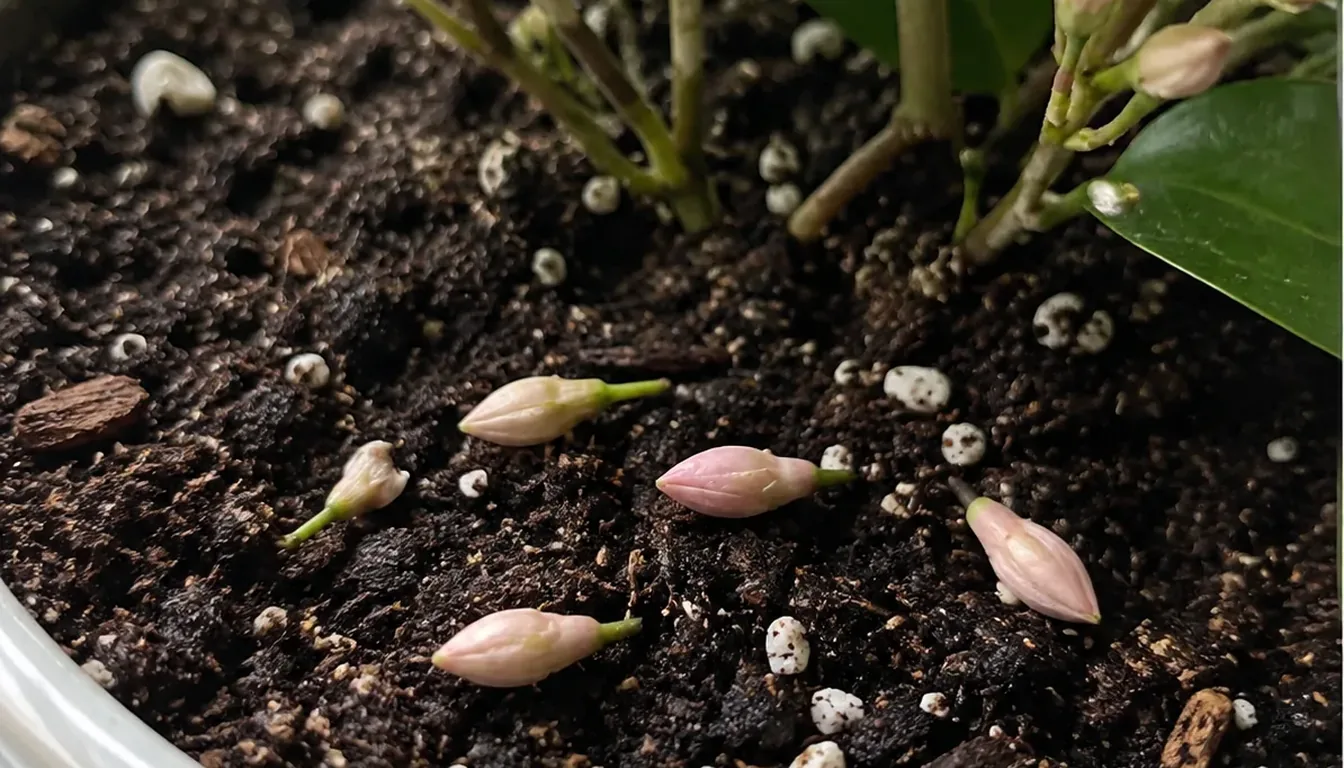
The move
A plant bought in bud has just been through several changes of light, temperature and humidity in a day. Put it in its final position immediately and leave it there, rather than moving it around to find the best spot.
A draught
A door to the outside, an ajar window or a heating vent gives a plant a temperature swing every few minutes. Feel the air at the plant's height on a cold day before blaming the care.
A dry spell
Buds are the first thing dropped when the mix goes hard dry, even briefly. Check more often while a plant is in bud, since a budding plant uses more water than the same plant resting.
How Do You Water a Plant That Is in Flower?
A plant in flower needs the water somewhere different from a plant that is not.
Water sitting on petals marks them and shortens the display, which is reason enough to keep the can away from the top of the plant.
The crown is the more serious problem. Plants that grow from a crown at soil level, African violets among them, rot at that point if water collects in it, and the rot goes downward into the plant rather than drying off.
Watering from below solves both. Stand the pot in a shallow saucer of water and let the mix draw up what it needs, which keeps the crown, the leaves and the flowers dry throughout.
Take the pot out once the surface of the mix is damp. Leaving it standing turns a good technique into the waterlogging described in the overwatering guide.
Check more often rather than watering more heavily. A plant in bloom is working harder and drinking faster, and the answer is frequency rather than volume.
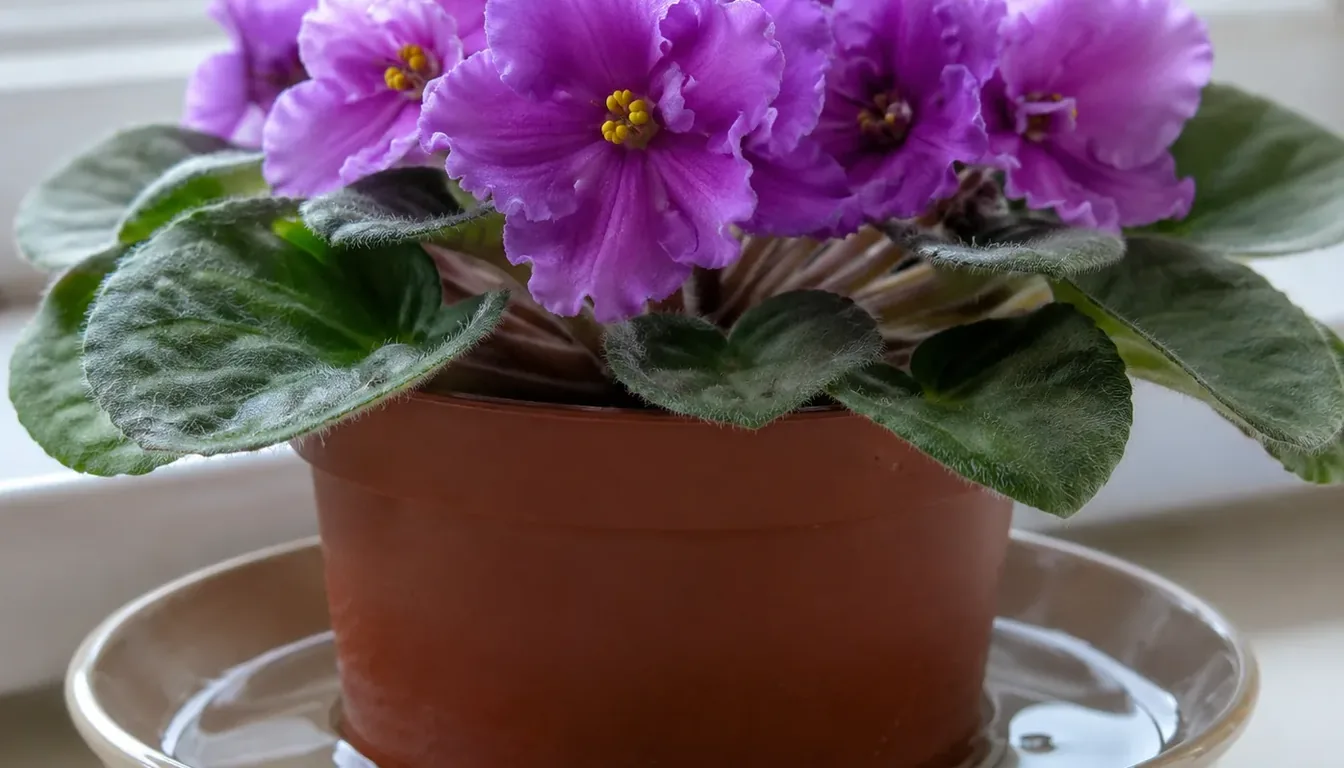
- Keep water off the flowers, since droplets mark petals and cut the display short
- Keep water out of the crown on African violets and anything else growing from soil level
- Stand the pot in a shallow saucer and let the mix draw the water up from below
- Lift the pot out as soon as the surface is damp, and tip the saucer out
Which of These Are Safe Around Cats and Dogs?
Three of the plants on this page are on the ASPCA non-toxic list and three are not.
Phalaenopsis orchid, African violet and Christmas cactus are all listed as non-toxic to both cats and dogs, which makes them the straightforward choices for a home with animals.
Kalanchoe is the one people are most surprised by. It is toxic to both species through bufadienolides, causing vomiting, diarrhea and, rarely, an abnormal heart rhythm.
Peace lily and anthurium both carry insoluble calcium oxalate crystals, which cause painful swelling of the lips, mouth and tongue with heavy drooling. It hurts and it is rarely life threatening.
A peace lily is worth one clarification, since the name causes real fear. It is not a true lily, and it does not carry the kidney risk that a true lily carries for a cat.
The pet safe houseplants page sets out the full picture.
| Plant | Cats and dogs | Note |
|---|---|---|
| Phalaenopsis orchid | Non-toxic | On the ASPCA non-toxic list for both species |
| African violet | Non-toxic | On the ASPCA non-toxic list for both species |
| Christmas cactus | Non-toxic | On the ASPCA non-toxic list for both species |
| Kalanchoe | Toxic | Bufadienolides, vomiting and diarrhea, rarely heart rhythm effects |
| Peace lily | Toxic | Calcium oxalate, painful mouth swelling, not a true lily |
| Anthurium | Toxic | Calcium oxalate, same mouth and tongue swelling |
Quick Tips
- Put a plant bought in bud straight into its final position, since moving it again drops the buds.
- Count the darkness in hours, not in dimness, because a lamp two hours a night stops bud set on a holiday cactus.
- Move a holiday cactus into a spare room from mid September and leave it undisturbed for six weeks.
- Water flowering plants from below and take the pot out of the saucer as soon as the surface is damp.
- Check toxicity before buying, since kalanchoe, peace lily and anthurium are all toxic to cats and dogs.
Recommended Plants
7 houseplants worth considering.
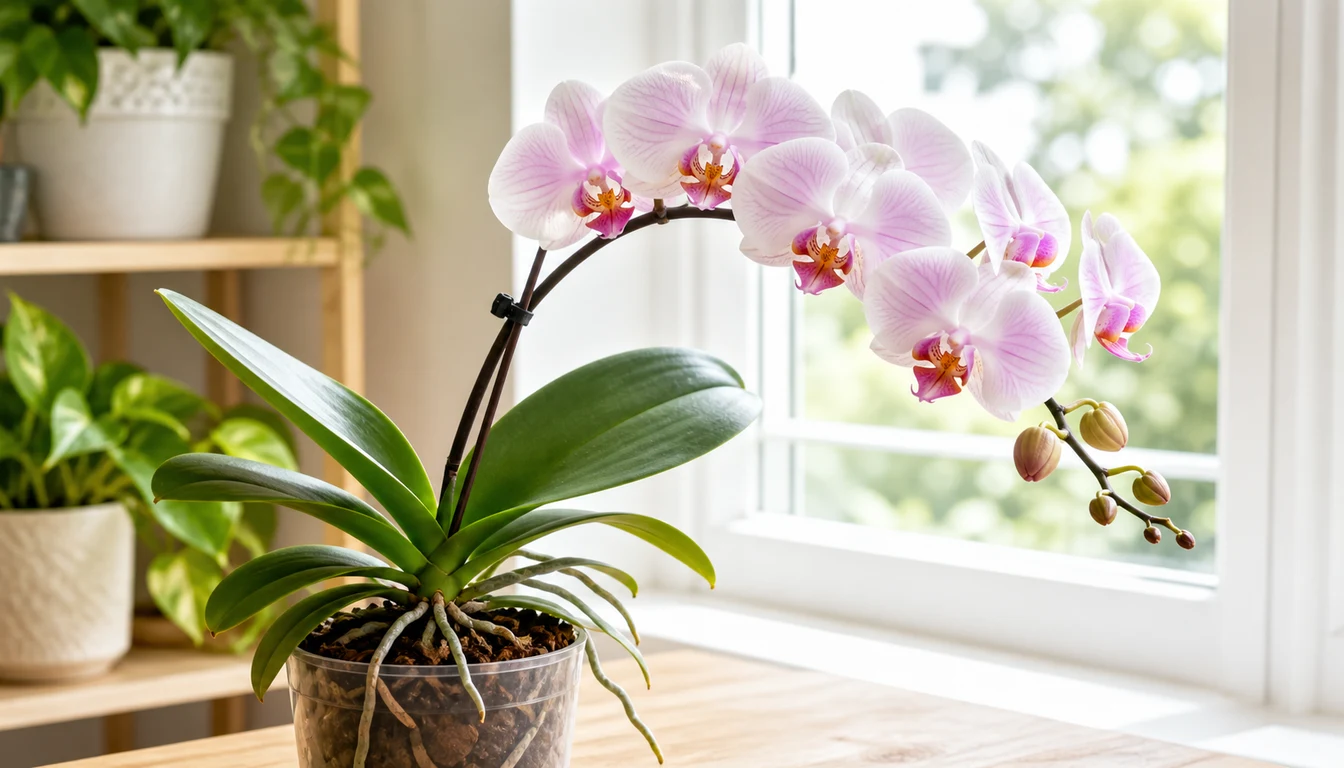
Phalaenopsis Orchid
A Phalaenopsis orchid stays healthy when you read its roots instead of following a calendar.
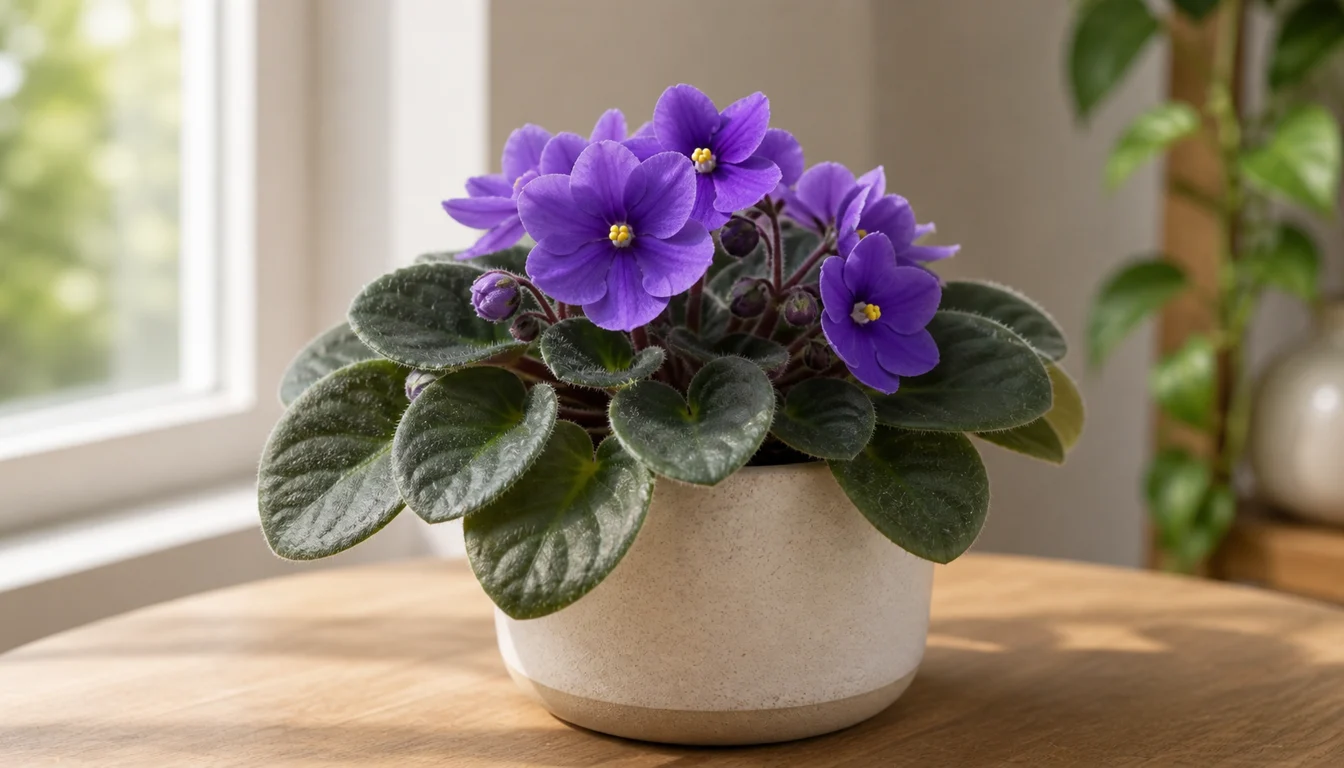
African Violet
African Violet is a windowsill bloomer that rewards steady, small-pot care.
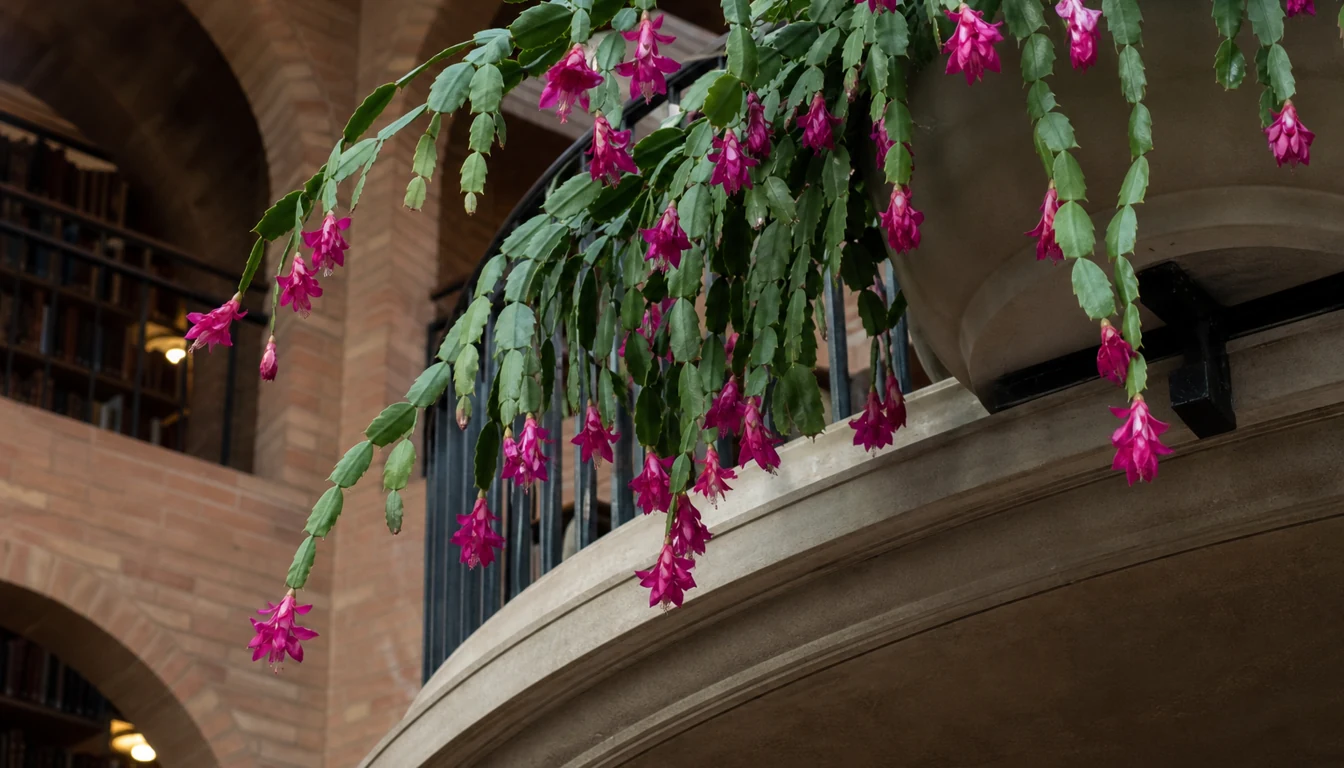
Christmas Cactus
Christmas cactus has trailing, rounded stem segments and winter flowers.
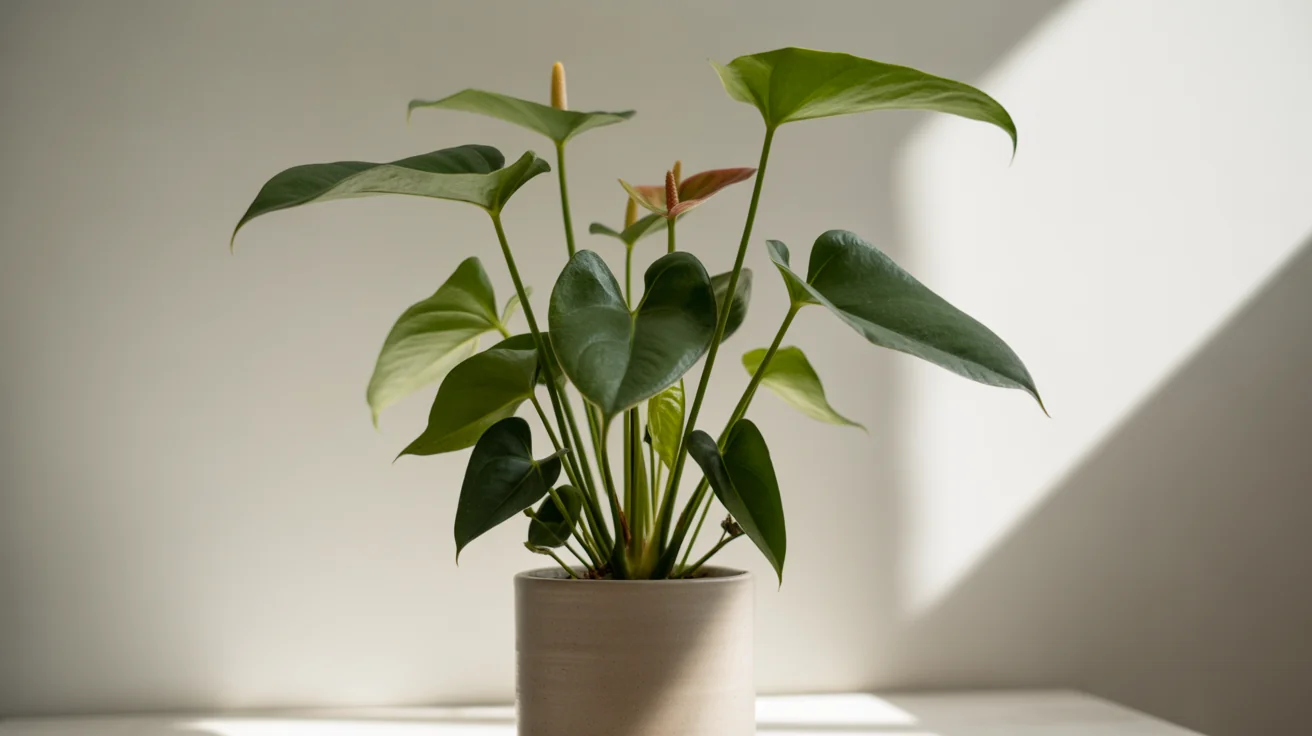
Anthurium
Flowering Anthurium needs bright indirect light, warmth, and a potting mix that holds moisture while letting excess…
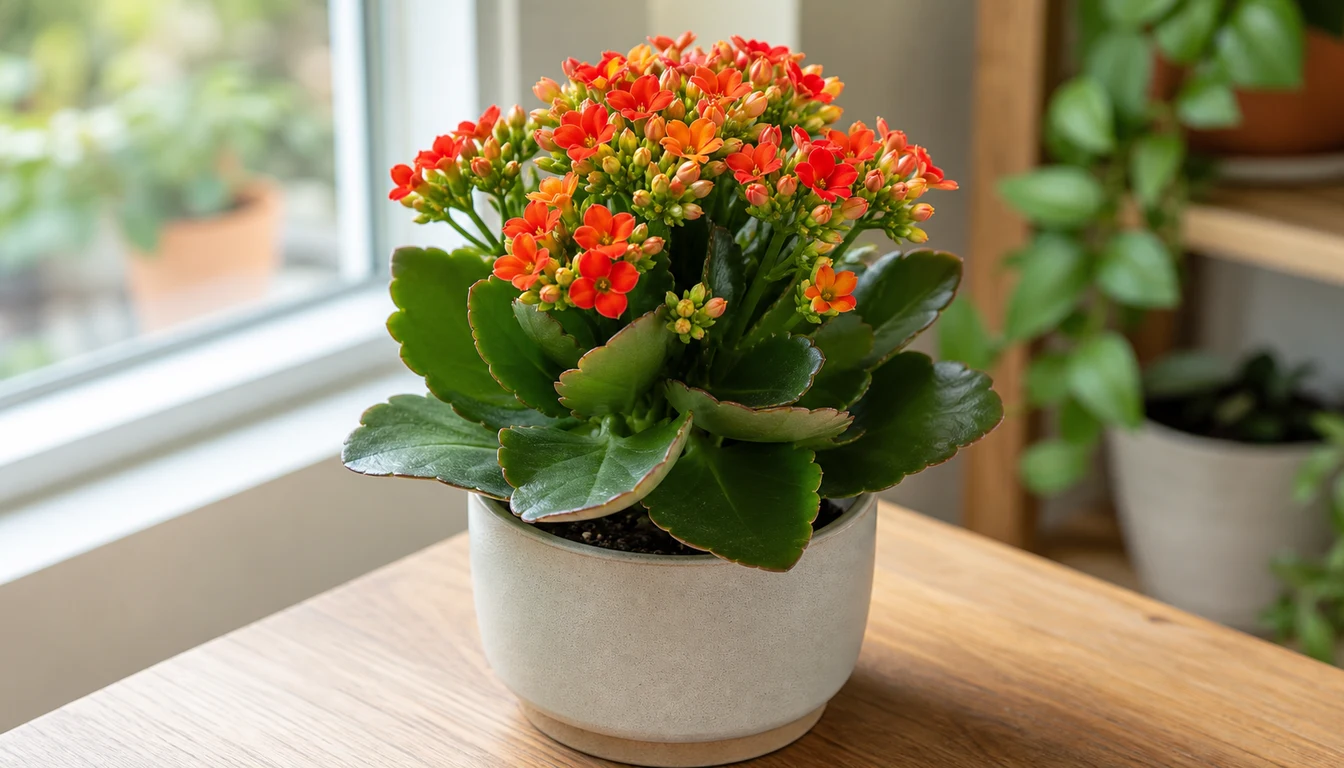
Kalanchoe
Kalanchoe care is about keeping a compact flowering succulent alive after the sale bloom fades.
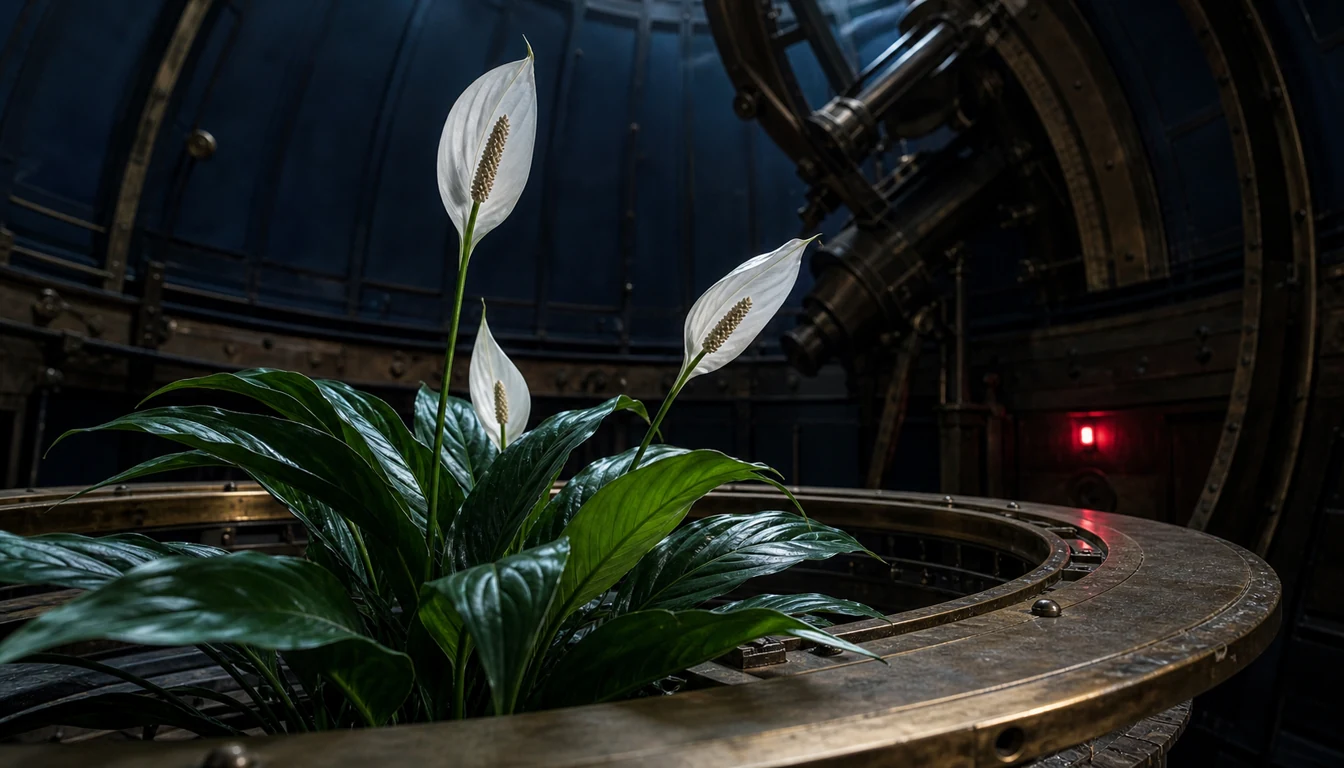
Peace Lily
Peace lilies are clumping Spathiphyllum plants with glossy leaves and white spathes surrounding tiny flowers.
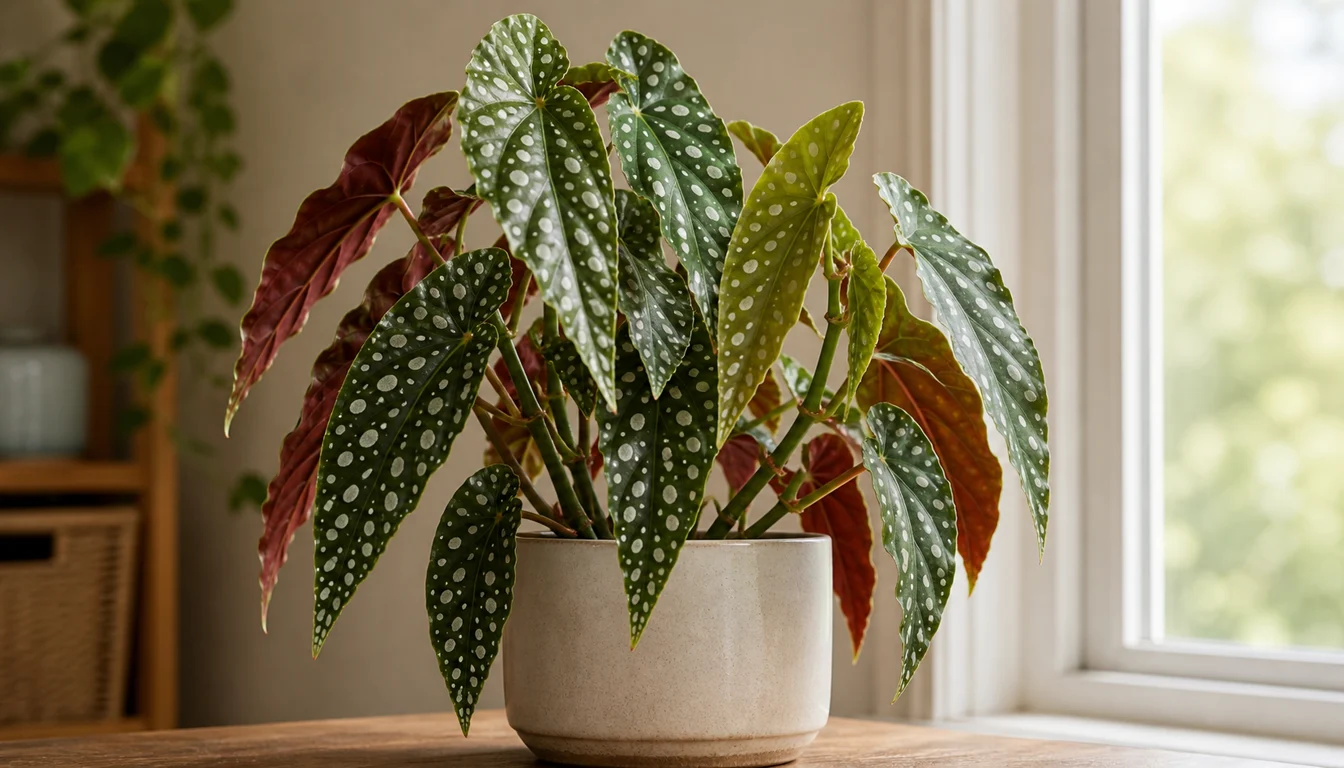
Begonia Maculata
Begonia Maculata is the spotted cane begonia people buy for dark wing shaped leaves dotted with silver white spots and…
Frequently Asked Questions
Why will my Christmas cactus not flower again?
Almost always light at night. It needs at least 12 hours of continuous darkness for five to six weeks, and as little as two hours of lamp light will stop bud set.
How do I get an orchid to rebloom?
Give it a night temperature drop. Moth orchids need nights 10 to 15 degrees cooler than their days, around 55 to 65F at night against 70 to 80F in the day, held for six to eight weeks before a flower spike appears.
Why are the buds falling off my flowering houseplant?
A sudden change in conditions, usually the trip home from the shop. Draughts from doors, windows and heating vents do the same, and so does letting the mix dry out hard while the buds are forming.
Which flowering houseplant is easiest to keep in bloom?
An African violet, because it has no seasonal trigger. Give it bright indirect light and steady temperatures of 60 to 75F and it will flower through the year.
Can I keep a flowering houseplant in a north window?
It will stay alive and green there. It will not reliably flower again, since repeated flowering needs more light than a north window provides.
Are flowering houseplants safe for cats and dogs?
Some are. Phalaenopsis orchid, African violet and Christmas cactus are on the ASPCA non-toxic list.
Kalanchoe, peace lily and anthurium are all toxic.