
Wateringschedule11 min read
How Often to Water Seedlings Without Killing Them
Learn exactly how often to water seedlings under lights, in windows, and outdoors. We walk through soil checks, container types, and common mistakes so your baby plants grow strong instead of rotting.
Seedlings die from watering mistakes far more often than bugs or bad seed. The good news is you do not need a strict schedule. You need a repeatable way to read the soil and adjust.
Watering seedlings changes under lights, on windowsills, and outside in raised beds. Quick moisture tests, container size, airflow, and crop type all matter, especially when tomato starts behave differently from herbs.
lightbulbForget Schedules, Read the Soil Instead
Calendar schedules sound tidy, but they ruin seedlings. Two trays in the same room can dry at different speeds.
Soil moisture should drive how often you water, not the day of the week. A shallow tray of basil seedlings under hot lights dries faster than a deep cell pack in a cool basement.
Use both your eyes and fingers. Color tells you a lot. Dark mix is usually moist, while light gray mix is drying out.
The finger test is the most reliable. Press your fingertip into the mix about half an inch. If it feels cool and slightly damp, wait. If it feels dry or barely moist, water.
Seedlings prefer “evenly moist” soil, not soaking wet and not bone dry. Keeping them in that middle zone is the entire game.
Use these signals together; one clue by itself can fool you.
- fiber_manual_recordTop 1/2 inch: Should feel lightly damp, never soggy
- fiber_manual_recordTray weight: Lift trays, light means dry, heavy means wet
- fiber_manual_recordLeaf signal: Slightly droopy and dry soil means they need water
- fiber_manual_recordVisible shine: Glossy surface usually means too much water
wb_sunnyHow Often to Water Indoors Under Lights
Seedlings grown under bright lights dry out faster than seedlings in a cool window. Fans and heat mats speed things up even more.
Most indoor trays under lights need water every 1 to 3 days, not daily. Smaller cells dry fastest, especially when you are starting heavy drinkers like pepper plants or tomato vines.
Humidity domes change the rules. With the lid on, you often do not water at all for several days. Once seedlings sprout and the first true leaves show, the dome should come off.
Leaving humidity domes on too long encourages damping-off disease.
Bottom watering is safer indoors. You pour water into the tray, let the cells wick moisture up, then dump leftover water after 20 to 30 minutes.
- fiber_manual_recordWith dome on: Check every 2 days, rarely need water
- fiber_manual_recordWith dome off: Expect watering about every 1–3 days
- fiber_manual_recordHeat mat running: Check moisture daily, especially at edges
- fiber_manual_recordOscillating fan: Good for stems, but trays dry faster so watch closely
Guide — See AlsoHow to Water Potted Plants Without GuessingLearn a simple, repeatable way to water potted plants based on soil and pot size, not random schedules, so you avoid roo
chevron_righthomeHow Often to Water on a Windowsill or Indoors Without Lights
Seedlings in a cool window dry more slowly than those under strong lights. The tradeoff is weaker light and sometimes leggy growth.
On a typical bright window, most small pots and cells need water every 2 to 4 days. Heavier clay pots or larger containers can stretch closer to a week if you are growing slower sippers like lavender starts.
Drafts matter. A cold draft chills soil and slows drying. A hot air vent underneath a window can dry a tray in a single day.
Water windowsill seedlings from the bottom whenever possible. It keeps the top surface drier, which helps prevent fungus gnats and diseases that attack tender stems.
If you see green algae or mold on the soil, you are watering too often.
Window direction changes the starting interval, but soil still gets the final vote.
- fiber_manual_recordEast window: Usually every 3–4 days, cooler morning sun
- fiber_manual_recordSouth window: Often every 1–3 days, stronger mid-day light
- fiber_manual_recordClay pots: Hold water differently, check with the finger test
- fiber_manual_recordPlastic cells: Dry faster at the edges than in the middle
Email Updates
Join the KnowTheYard update list
Zone-specific advice, seasonal reminders, and new plant guides — no filler.
yardHow Often to Water Seedlings Outdoors in Trays or Beds
Once seedlings move outside, wind and sun change everything. A breezy spring day can dry a tray faster than you expect.
Hardening-off trays of cool season starts outdoors usually means watering every 1 to 2 days. Broccoli seedlings in full sun and wind may need water morning and late afternoon.
In raised beds or garden soil, roots have more room. Direct-sown rows of carrot seedlings like the top inch kept consistently moist until they are several inches tall. Beet sprouts want the same steady surface moisture while roots are still shallow.
Seedlings in the garden often do better with deeper, less frequent waterings once they are established. Early on, shallow roots still need that even moisture near the surface.
Wind dries leaves and soil faster than temperature alone, so watch windy forecasts.
Outdoor checks need to be more frequent, but not automatically heavier.
- fiber_manual_recordIn cell trays: Often daily in full sun, skip if soil stays damp
- fiber_manual_recordIn raised beds: Light watering every day or two for new sprouts
- fiber_manual_recordMulched soil: Holds moisture longer, check before rewatering
- fiber_manual_recordCloudy cool days: You can usually stretch to every 2–3 days
Guide — See AlsoSigns of Overwatering Plants and How to Catch Them EarlyLearn the real signs of overwatering plants, how they differ from underwatering, and simple checks you can use to fix yo
chevron_rightquizRecognizing Thirsty vs Overwatered Seedlings
Droopy seedlings do not always mean they need water. Seedlings that flop over with dry, light soil are thirsty, but plants that droop in wet, heavy soil are stressed from low oxygen around the roots.
Feel the pot weight before watering. A tray of tomato starts should feel noticeably lighter when ready to water than right after a soak, just like a well drained pepper transplant grown in its own pot.
Leaf color gives more clues. Underwatered seedlings look dull and may curl slightly inward, while overwatered plants often turn pale or yellow and can develop brown, mushy spots along the stem.
Roots tell the truth if you are unsure. Gently pop one cell from the tray, like you would when checking root problems on a monstera cutting, and look for firm white roots instead of brown, smelly ones.
If seedlings stay wilted even when the soil feels wet, stop watering and improve airflow before they collapse from rot.
The pot and root clues below are more reliable than leaf posture alone.
- fiber_manual_recordUnderwatered signs: Dry, dusty surface, light container, limp leaves that perk up within an hour after watering
- fiber_manual_recordOverwatered signs: Soggy mix, algae or green slime, leaves yellowing from the bottom
- fiber_manual_recordRoot health check: White or cream roots are healthy, brown or gray roots mean rot is starting
- fiber_manual_recordStem condition: Firm stems are fine, soft or pinched stems at soil line signal damping off starting
thermostatAdjusting Watering as Seedlings Grow
The watering rhythm that works at sprout stage will not last long. As roots fill each cell and leaves get bigger, seedlings use water faster and dry out more quickly between soakings.
Tiny sprouts with just seed leaves need a lightly moist surface. At this stage, a mist bottle or gentle spray works well, similar to the top watering used for delicate calathea houseplants that dislike heavy streams.
Once seedlings have two to four true leaves, switch to deeper watering. Let the top half inch of mix dry before watering until it drains from the bottom, which encourages roots to reach deeper into the cell.
By the time roots circle the plug and plants are almost ready to pot up, they may need water every day under warm lights. The smaller the cell and the larger the foliage, the more often you will water.
This is the point where yesterday’s safe rhythm can suddenly be too dry.
- fiber_manual_recordSprout stage: Keep surface barely moist, water with mist or bottom watering every 1–3 days
- fiber_manual_recordTwo to four leaves: Let surface dry slightly, then water deeply until you see brief drainage
- fiber_manual_recordNearly pot-ready: Check twice daily, water as soon as pots feel light and top half inch is dry
- fiber_manual_recordAfter potting up: Expect a brief slowdown in use, then a jump as roots expand into fresh soil
Guide — See AlsoHow Often to Water Houseplants (By Type)Clear, plant-by-plant rules for how often to water houseplants, plus simple ways to adjust for light, pot size, and seas
chevron_rightpest_controlPreventing Damping Off and Fungal Problems
Excess moisture invites damping off more than almost anything else. This disease collapses seedlings at the soil line, even if you used fresh seed starting mix and clean trays.
Crowded flats with poor airflow are most at risk. High humidity domes help sprouts, but if you leave them on too long you create the same stale, still air that also encourages fungus gnat swarms in houseplants.
Watering from the bottom helps leaves and stems stay dry. Fill the tray with about 1/2 inch of water, let cells wick it up for 15–20 minutes, then pour off anything left so roots are not sitting in a bath.
A small fan on low, pointed above the seedlings, keeps the surface from staying soggy for days. That gentle breeze also builds stronger stems, like the outdoor winds that help toughen azalea shrubs in spring.
Seedlings that suddenly fall over at the soil line are not thirsty, they are usually victims of damping off and need drier conditions immediately.
The safest prevention is a drier surface, moving air, and no standing water.
- fiber_manual_recordSkip these habits: Constant misting, leaving domes on after sprouting, and watering late at night
- fiber_manual_recordAim for this surface: Dry to the touch on top, still slightly darker and moist just underneath
- fiber_manual_recordAir movement: Run a fan on low for several hours daily to dry foliage and soil crust
- fiber_manual_recordSeed spacing: Sow thinly so each plant gets its own airflow and light pocket
calendar_monthWatering While Hardening Off Seedlings
The week you move seedlings outside for hardening off is when watering suddenly gets tricky. Sun and wind dry trays much faster than any grow light shelf inside the house.
Start with a deep watering about an hour before you set trays out. Damp but not dripping soil handles the first dose of real sun, just like a container hydrangea transplant needs a good soak before shifting locations.
During hardening off, check trays every few hours on bright days. The same mix that held moisture all day indoors can dry in half a day outside, especially for plants like broccoli or cabbage that enjoy cool, breezy weather.
If you see any wilting during those first outdoor sessions, move trays to shade first, then water. Direct watering on hot leaves can scorch them, which is why guides on hardening seedlings outdoors stress shade as your first rescue step.
Keep the first outdoor week conservative; water enough to prevent collapse, not enough to keep trays swampy.
- fiber_manual_recordBefore going out: Water thoroughly, then drain, so cells are evenly moist but not sodden
- fiber_manual_recordDuring first days: Short outdoor sessions, then indoors again, checking moisture each time
- fiber_manual_recordWindy days: Shield trays and expect to water at least once, even in cool temperatures
- fiber_manual_recordLast days before planting: Treat them like they are already in the bed, checking morning and late afternoon
Guide — See AlsoBest Time to Water Flowers for Stronger BloomsLearn exactly when to water flowers so blooms last longer, plants stay healthier, and you are not wasting water. Covers
chevron_rightwarningCommon Watering Mistakes with Seedlings
Most seedling deaths we see are from water mistakes, not bad seed. The good news is you can fix almost all of them by changing how, not how much, you water.
Using garden soil or heavy potting mix in seed trays is the first trap. Those materials hold moisture far longer than seed starting blends and can smother roots, much like overwatering a potted peace lily on a windowsill.
Another common issue is splashing soil everywhere with a hard stream of water. That buries tiny sprouts, exposes roots, and spreads any fungus on the surface from cell to cell.
Finally, many gardeners let seedlings sit in a full tray of water all day. Roots need air pockets just as much as moisture, so this "swamp" approach quickly leads to rot, even if the top looks only slightly damp.
More seedlings die from kindness with the watering can than from a brief spell of dryness.
These are the habits worth fixing before you change seed, lights, or fertilizer.
- fiber_manual_recordWrong container: No drainage holes or trays without a way to pour off extra water
- fiber_manual_recordHeavy mix: Garden dirt or compost alone instead of a light seed starting blend
- fiber_manual_recordAggressive flow: Watering directly from the tap instead of a rose head or squeeze bottle
- fiber_manual_recordConstant puddles: Leaving cells sitting in standing water instead of draining after bottom watering
tips_and_updates
Pro Tips
- check_circleLift your seed trays every day or two so you learn the feel of wet versus dry by weight.
- check_circleWater in the morning so foliage dries before night, which helps prevent damping-off and fungal problems.
- check_circleSwitch to bottom watering as soon as seedlings emerge to keep stems dry and sturdy.
- check_circleGroup trays by size and soil depth so you can water the driest ones without overdoing the deeper cells.
- check_circleRun a small fan on low near indoor seedlings to strengthen stems, then check soil moisture more often.
- check_circleUse a spray bottle only for surface rewetting, not full watering, so roots still get a deep drink occasionally.
- check_circleThin crowded seedlings early so remaining plants are not competing for the same small pocket of moisture.
quiz
Frequently Asked Questions
How often should I water tomato seedlings indoors?expand_more
Most tomato seedlings under lights need water every 1–3 days. Check the top half inch of mix and the tray weight. Water only when the surface is dry and the cell feels noticeably lighter than after a thorough soak.
Is it better to mist or bottom water seedlings?expand_more
Mist is useful for just sprouted seeds, but it does not wet roots deeply. Bottom watering is better once they have true leaves, because it draws roots down and keeps foliage dry, which reduces damping off and fungal issues.
Should I water seedlings every day outside?expand_more
You might on hot, windy days, but not by default. Check moisture each morning and again in late afternoon. Water when the top inch of soil is dry and the plug feels light, rather than following a fixed daily schedule.
Do I need to change watering after fertilizing seedlings?expand_more
Yes, always water lightly before applying liquid fertilizer, then water again to rinse fertilizer off leaves. Use a weak solution as described in vegetable feeding guides so salts do not build up and burn tender roots.
Why do my seedlings wilt even though the soil is wet?expand_more
Wilting in wet soil usually means overwatering or poor drainage, not thirst. Roots lack oxygen and start to rot. Let the soil dry, increase airflow with a small fan, and consider repotting into fresh, well drained mix with better drainage holes.
menu_book
Sources & References
Related Guides
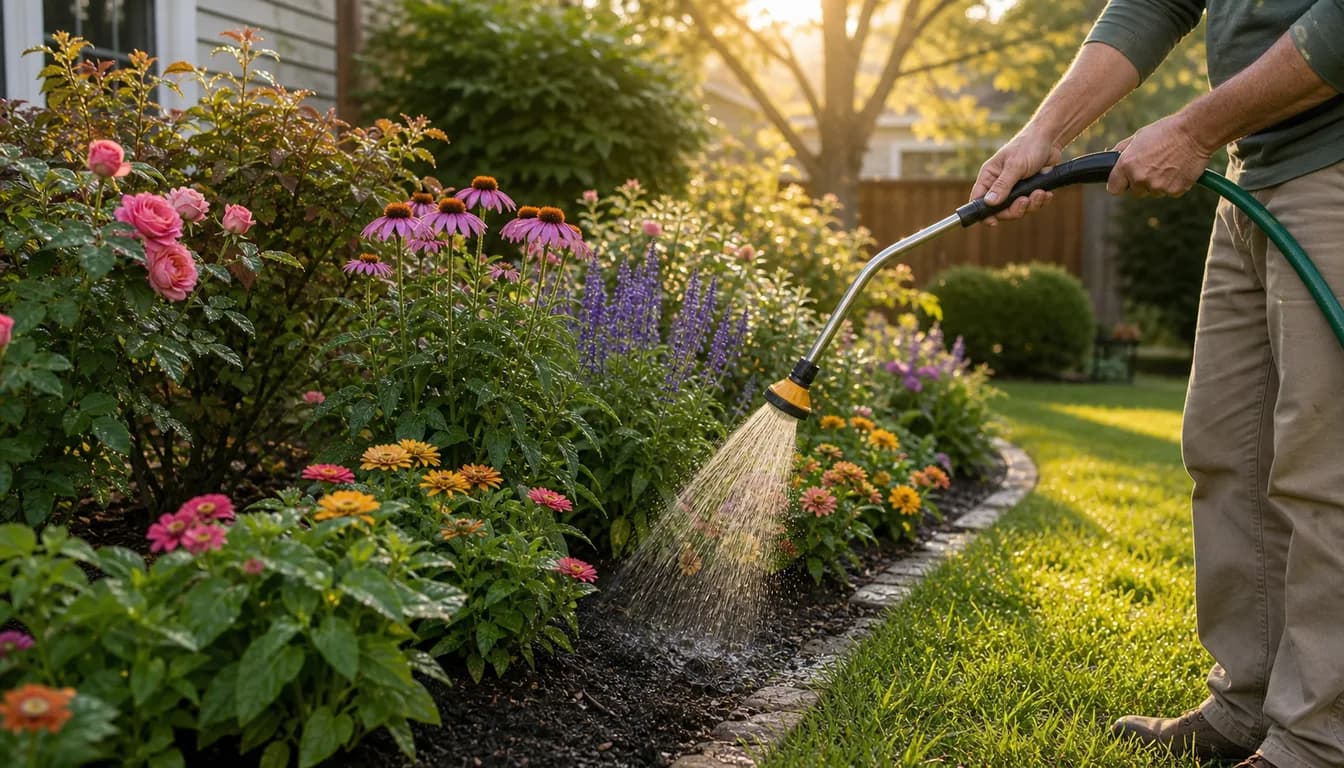
Best Time to Water Flowers for Stronger Blooms
Learn exactly when to water flowers so blooms last longer, plants stay healthier, and you are not wasting water. Covers beds, containers, and hanging baskets.
10 min read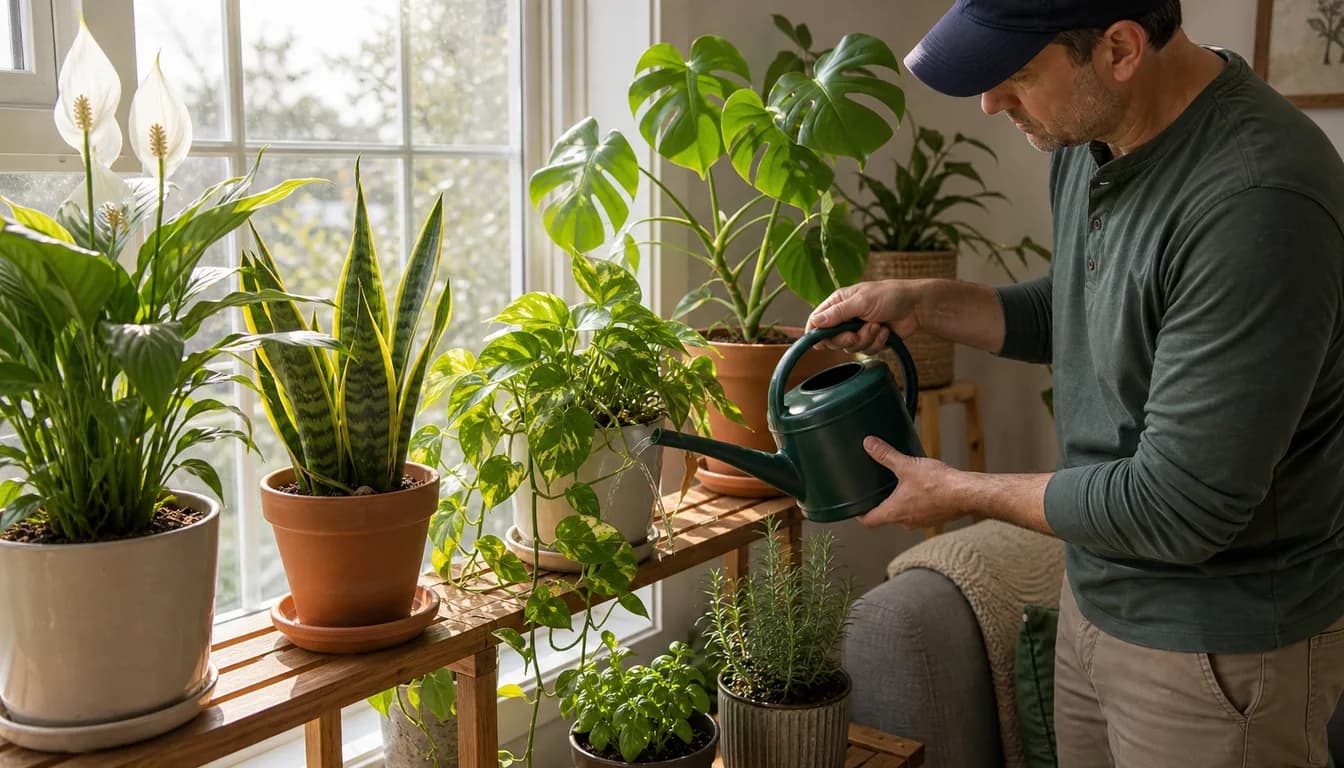
Best Time to Water Indoor Plants for Healthy Growth
Learn exactly when to water indoor plants during the day, how timing changes by season and light level, and how to avoid rot and droop without using a strict calendar schedule.
11 min read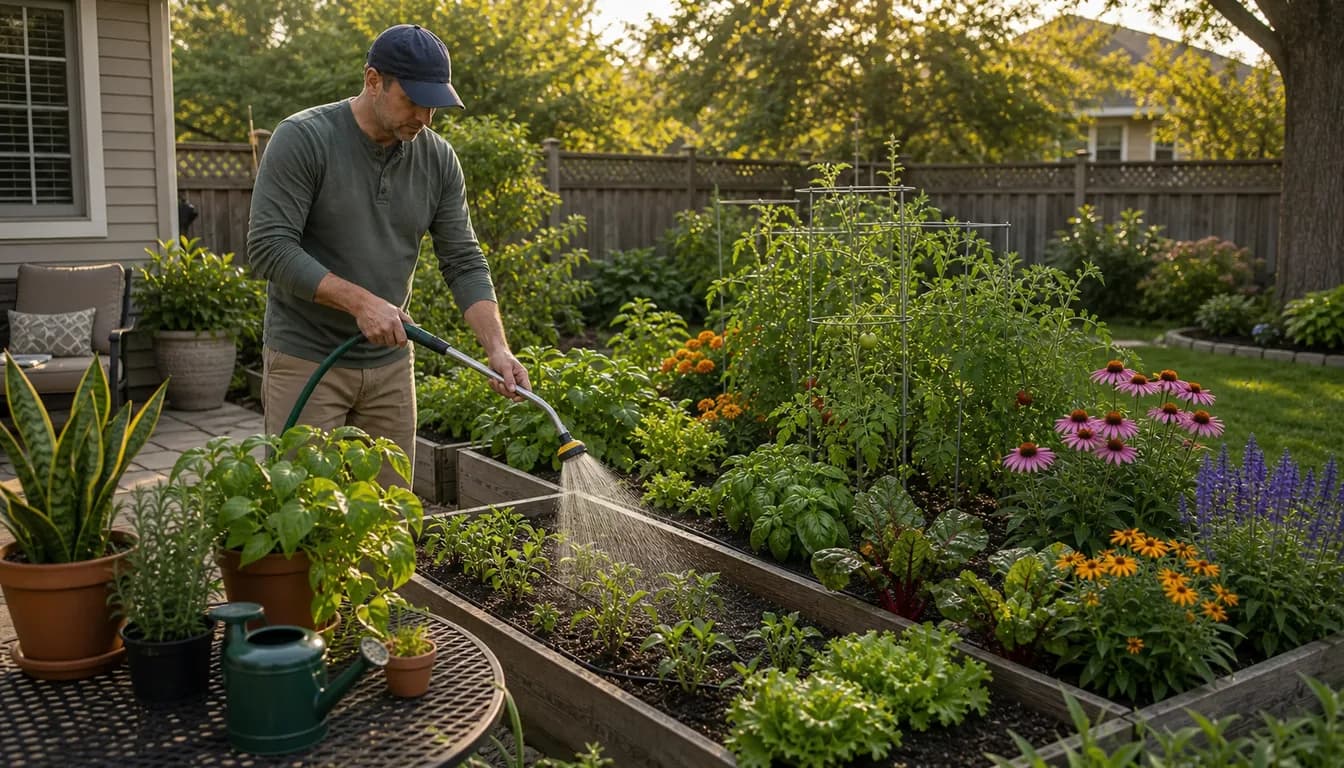
Best Time to Water Plants for Healthier Roots
Learn exactly when to water indoor and outdoor plants so roots drink deeply, leaves stay healthy, and soil stays in the ideal moisture range instead of staying soggy or bone dry.
11 min read