Fertilizingschedule11 min read
Homemade Liquid Fertilizer for Healthier Plants
Learn how to make homemade liquid fertilizer from kitchen scraps and yard waste, with clear recipes, dilution rates, and safety tips so you can feed houseplants, vegetables, and flowers without buying bottled products.
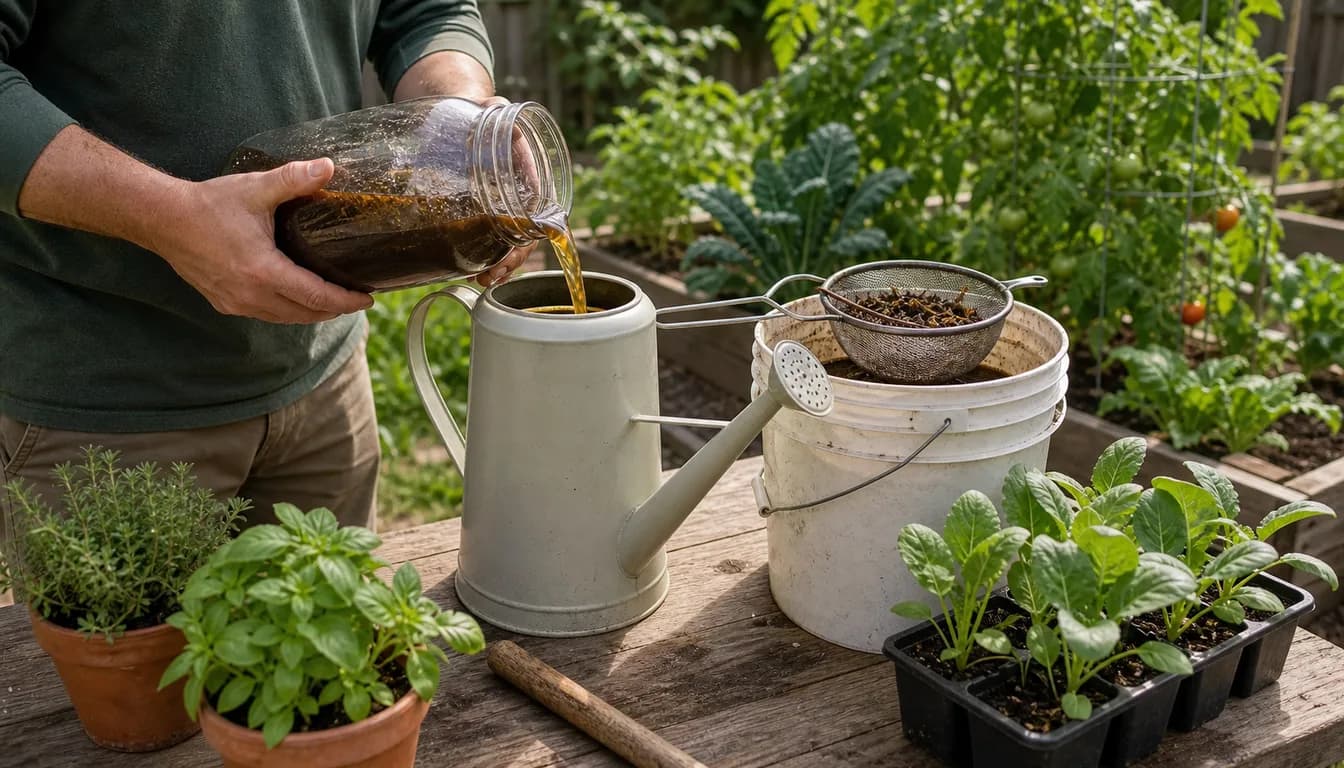
Store-bought fertilizer works, but most of us already own everything needed to brew homemade liquid fertilizer. With a bucket, water, and scraps, you can feed hungry vegetable beds, containers, and indoor plants without adding synthetic salts.
What follows is the practical breakdown: safe, reliable recipes instead of random internet concoctions. You will see how to make compost tea, banana peel soaks, and weed teas, how to dilute them, and when to use each. We will also call out mixes that are better outdoors than around a big indoor monstera or other houseplants.
scienceKnow What Liquid Fertilizer Actually Does
Most homemade liquid fertilizers are just nutrients dissolved or suspended in water. Plants still need the same basics, mainly nitrogen, phosphorus, and potassium (NPK), plus calcium, magnesium, and trace minerals.
Liquid feeds do not fix bad soil by themselves. They give a short-term boost, especially for fast growers like indeterminate tomato vines or potted annual flowers that cannot reach deep nutrients.
Liquids act faster because nutrients hit the root zone right away. That is why we use them when vegetable beds look tired midseason or container leaves pale between scheduled feedings.
The biggest risk with homemade mixes is overdoing concentration and burning roots. Most recipes you see online are far stronger than needed, especially for indoor plants.
Always start weaker than you think you need, then increase strength only if plants still look hungry after a couple of weeks.
That caution is what keeps homemade brews useful instead of risky.
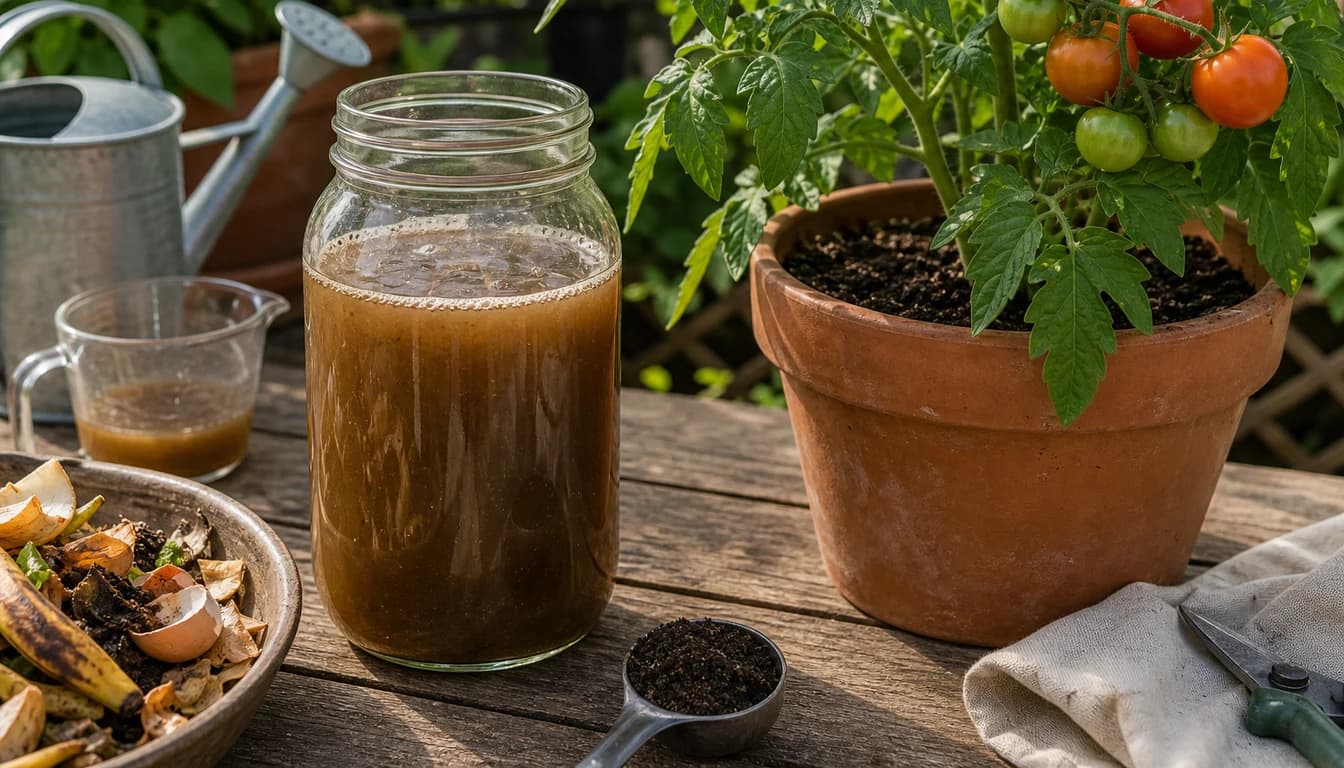
Most DIY liquid fertilizers look like weak tea, not thick sludge.
- fiber_manual_recordMain benefit: Quick nutrient boost in a form roots can grab fast
- fiber_manual_recordBest use: Containers, heavy feeders, and midseason tune-ups
- fiber_manual_recordNot a cure-all: Still need compost, mulch, and good soil structure
- fiber_manual_recordWho should skip it: Brand‑new gardeners already using balanced granular food
compostBasic Compost Tea, The Workhorse Recipe
Compost tea is simply finished compost soaked in water. Done right, it creates a mild, broad‑spectrum feed that is forgiving for beds, pots, and most common houseplants.
Skip complicated "brewed" recipes with pumps and sugar unless you are ready to monitor them closely. A simple soak is safer for home gardens and still very effective.
Use fully finished compost that smells earthy, not sour or sharp. Unfinished material can pull nitrogen from soil while it continues breaking down, which is the opposite of what you want around rose bushes or young seedlings.
If your compost smells rotten, do not turn it into liquid fertilizer. Fix the pile first with dry browns and air.
That one quality check is what makes compost tea usable instead of risky.
- fiber_manual_recordRatio: 1 part finished compost to 5–10 parts water by volume
- fiber_manual_recordContainer: Food‑safe bucket or trash can, kept in shade
- fiber_manual_recordSteep time: 24–48 hours for a simple soak, stirring a few times
- fiber_manual_recordStraining: Pour through cloth or a paint strainer for use in watering cans or sprayers
- fiber_manual_recordDilution for use: Start at 1:1 with water for beds, 1:3 for indoor pots
Guide — See AlsoBenefits of Composting for Healthier Soil and PlantsLearn how composting turns kitchen scraps and yard waste into free fertilizer, improves soil, and boosts plant health in
chevron_rightecoKitchen Scrap Soaks: Bananas, Coffee, and Eggs
Banana peels, used coffee grounds, and crushed eggshells can all be turned into weak liquid feeds. They will not replace a balanced product, but they do add potassium, calcium, and a bit of nitrogen for light feeders.
Banana peel soaks are popular for flowering plants like patio hibiscus. Perennial peonies usually respond well to the same gentle potassium bump.
Coffee ground soaks offer a minor nitrogen bump, though most of the benefit still comes from adding grounds to soil or compost. Eggshell soaks are mostly about a slow trickle of calcium, handy for things like tomato containers that are prone to blossom-end rot when calcium is limited.
Never leave scrap soaks sitting for weeks. They ferment, smell awful, and invite fruit flies and gnats.
Keep these recipes short-steeped and weak on purpose.
- fiber_manual_recordBanana peel soak: 2-3 peels in 1 gallon of water, steep 24 hours, then dilute 1:1
- fiber_manual_recordCoffee soak: 1 cup used grounds in 1 gallon water, steep 24 hours, strain and dilute 1:2
- fiber_manual_recordEggshell soak: Crushed shells from 6 eggs in 1 gallon water, steep 3-7 days, then dilute 1:3
- fiber_manual_recordBest targets: Flowering annuals, herbs, and potted ornamentals, not entire gardens
Email Updates
Join the KnowTheYard update list
Zone-specific advice, seasonal reminders, and new plant guides — no filler.
yardWeed and Grass Teas for Outdoor Beds
Yard waste like pulled weeds and grass clippings can become strong liquid fertilizers. These mixes are rich in nitrogen and often darker, so we keep them for outdoor beds and never for houseplants.
Fresh green weeds and grass blades are especially loaded with nitrogen. A bucket of them steeped in water can give a tired blueberry hedge a noticeable push during the growing season. Shady hosta beds often respond the same way.
The catch is smell and strength. Weed teas can get very concentrated, and the odor is no joke. We make them far from doors and windows, and we always dilute heavily before they touch soil around ornamental roses or vegetables.
If you have used herbicides on your lawn or weeds recently, do not use those plants to make fertilizer tea.
That filter matters more than squeezing one more batch out of the yard waste pile.
- fiber_manual_recordMaterials: Bucket packed loosely with green weeds or clippings (no woody stems)
- fiber_manual_recordWater: Fill to cover, leaving a few inches of headspace
- fiber_manual_recordSteep time: 1-2 weeks with a lid loosely on, stirring every few days
- fiber_manual_recordStraining: Filter well to avoid clogging watering cans and hoses
- fiber_manual_recordDilution: Start at 1:10 tea to water, test on a small area, then adjust
- fiber_manual_recordBest use: Established beds, fruiting vegetables, and turf, never tender seedlings or indoor pots
Guide — See AlsoWhen to Apply Fertilizer to Your Vegetable GardenLearn exactly when to apply fertilizer to your vegetable garden by soil type, crop, and growth stage so you get steady h
chevron_rightscienceHow Strong To Make Homemade Liquid Fertilizers
Concentration is where homemade brews help or hurt your plants.
Think of strength in terms of color. Most safe mixes should end up the color of weak tea, not black coffee.
Too strong a mix burns roots on hungry crops like backyard tomatoes and even tough shrubs. Too weak just wastes your time.
Err on the weak side until you see how your plants respond.
Aim for these starting points, then adjust after a couple of weeks.
- fiber_manual_recordCompost tea: 1 part brewed tea to 4 parts water for most beds
- fiber_manual_recordKitchen scrap soaks: 1 part soak to 10 parts water for containers
- fiber_manual_recordWeed or grass teas: 1 part tea to 5-10 parts water for in-ground beds
- fiber_manual_recordHouseplant feed: 1 part any homemade liquid to 10-15 parts water
If leaves on potted peace lilies curl or get crisp tips right after feeding, your mix is too hot. Snake plants often show the same stress.
Back off to half strength and water with plain water the next time.
If you are not sure how strong it is, treat homemade fertilizer like hot sauce and start with a tiny splash.
That cautious start saves a lot of roots while you learn the recipe.
Over time you will get a feel for which beds handle stronger mixes. Heavy feeders like sweet corn usually tolerate more than shade perennials or young seedlings. Broccoli heads usually do too.
calendar_monthWhere, When, And How Often To Use It
Liquid feeding works best during active growth, not when plants are sulking.
Most gardens only need regular homemade liquid fertilizer from early spring through late summer.
Cool-season crops like spinach rows appreciate a mild dose soon after they establish roots. Spring peas usually do well on the same schedule.
Warm-season crops like peppers want steady feeding right after they start vigorous growth. Watermelons usually want the same steady pace.
For a typical outdoor vegetable bed, feed with a diluted mix every 2-4 weeks, depending on how rich your soil already is.
Beds that get compost every year need less liquid help than tired soil behind the garage where bush beans always look pale.
Container gardens dry out and leach nutrients faster.
Plan on a weak drink every 2 weeks for potted basil pots, flowers, or patio tomato buckets, but skip a feeding if foliage already looks very dark green.
Houseplants are a different rhythm.
Feed indoor plants lightly every 4-6 weeks from spring through early fall, then stop or cut back in winter.
Indoor classics like monstera vines and ZZ plants slow down when days are short.
Never pour liquid fertilizer onto bone-dry soil. Lightly moisten the pot or bed first so roots are not shocked.
Rain and weather matter too.
Skip feeding right before a big storm or you will watch your work wash away. Wait until soil is damp but not saturated so nutrients soak in instead of running off.
Guide — See AlsoWhen to Fertilize Lawn in Texas by Region and Grass TypeTexas lawns need fertilizer timed to soil temperature, not the calendar. This guide breaks down the best fertilizing sch
chevron_rightecoTesting On Different Plants Without Causing Damage
Test batches on a few tough plants before you go all in on every bed.
Long-lived shrubs and sturdy perennials usually handle experiments better than delicate seedlings.
Deep-rooted shrubs like old boxwood can shrug off mild mistakes that would fry tray-grown starts. Hydrangea hedges usually can too.
Pick one section of garden to act as your trial strip.
Water half of that patch with your diluted mix and leave the other half as a control fed with your usual store-bought fertilizer or nothing.
Over two or three weeks, compare leaf color, growth, and flower or fruit set.
Container plants make test groups easy.
Try one strength of fertilizer on a couple of petunia pots nearby. Salvia containers can carry the comparison group.
Mark the pots so you remember what they got.
Houseplants tell the story slowly but clearly.
Choose one forgiving plant such as a spider plant and feed it monthly with your brew for a season. Trailing pothos is another easy tester.
If new leaves are healthy and color is good, expand to pickier plants like calatheas.
Avoid testing on stressed plants that already have pests or disease. Fix those problems first so you know what the fertilizer is doing.
Take simple notes in a notebook or phone.
Write down date, mix type, dilution, and where you used it. That record will save you from repeating both wins and mistakes next season.
warningCommon Problems And How To Fix Them
Most homemade liquid fertilizer problems fall into a few predictable buckets, and they are usually easy to reverse if you catch them early.
Leaves turning brown at the edges right after feeding signal burn, not drought or sun issues.
If containers of summer marigolds or porch geraniums crisp up after a dose, you likely mixed the brew too strong or fed on dry soil.
Flush the pot with plain water until it runs from the bottom, then skip fertilizer for a few weeks.
Algae or slimy growth on soil means you are overwatering and overfeeding.
This shows up often on potted peace lily or parlor palm kept in dim corners.
Cut back on frequency, gently scrape off the slime, and let the top inch of soil dry between waterings.
Bad smells are the other big complaint.
A healthy brewed liquid should smell earthy, not rotten; that is your quickest quality check before pouring anything.
If your bucket reeks like sewage, you likely went anaerobic or left greens steeping too long.
Rotten‑egg or sour smells mean toss the batch on a distant compost pile, not on your roots.
Pour smelly mixes far from wells, streams, or delicate plantings, then clean your bucket with hot soapy water.
Next time, stir daily, keep materials submerged, and stop the brew sooner.
If you accidentally overfed a bed of leafy lettuce or baby spinach, harvest what you can, water deeply a few times that week, and let the soil rest before planting again.
Too much nitrogen can soften growth and invite aphids, so monitor for pests and use gentle controls if needed.
Guide — See AlsoComposting Facts That Actually Help Your GardenStraight answers on composting facts that matter for home gardens, from what to put in the pile to how long it really ta
chevron_righthealth_and_safetySafety, Storage, And When To Skip Homemade Brews
Liquid fertilizer is still a biological soup, so treat it with the same respect you would give raw compost.
That matters even more in small yards, on patios, and when kids or pets are curious.
Homemade mixes can carry harmless soil microbes and also some you do not want splashing on salad leaves.
For anything you eat raw, like strawberries or baby spinach rows, water at soil level and avoid foliar sprays.
Give at least 2-3 days between feeding and harvest and rinse crops well.
Do not store brewed teas for long.
Most batches stay reasonably stable for 24-48 hours if kept cool and loosely covered, but they slowly turn anaerobic.
Brewing small, frequent batches beats saving a giant bucket for weeks.
If you must hold a mix for a couple of days, keep it in the shade and stir it morning and evening.
Toss anything that smells off or grows thick scum.
Keep pets out of the brew.
Dogs in particular find fishy or manured mixes irresistible.
Store buckets where curious noses and toddlers cannot reach them, and rinse tools before bringing them back into the garage.
Skip homemade fertilizers altogether in a few situations.
Newly planted trees like young apple trees should focus on root establishment, not lush top growth. Fragile Japanese maples usually need the same restraint.
Give them a year with only a little compost in the planting hole, then start light liquid feeding in the second season.
Indoor growers who already follow a tight regime from indoor fertilizer schedules may also choose to keep homemade brews outdoors.
Consistency often beats creativity for picky houseplants like fiddle leaf figs.
tips_and_updates
Pro Tips
- check_circleLabel every batch with recipe, date, and suggested dilution so you do not guess later.
- check_circleTest new homemade liquid fertilizer on a single plant or corner of a bed before wide use.
- check_circleApply liquids to moist soil, never bone‑dry, to avoid unexpected root burn.
- check_circleKeep all brews in shaded spots since direct sun can cook microbes and worsen odors.
- check_circleFilter teas through paint strainers or old T‑shirts so watering cans and emitters do not clog.
- check_circleSkip strong homemade mixes entirely on sensitive houseplants like peace lilies and use very weak compost tea instead.
- check_circleStop liquid feeding 2–3 weeks before expected frost so new growth can harden off.
- check_circleStore small amounts of mild compost tea in the fridge for up to two days, then discard and mix a fresh batch.
quiz
Frequently Asked Questions
Is homemade liquid fertilizer as good as store-bought?expand_more
Homemade brews can match or beat basic all‑purpose fertilizers for leafy growth when made from quality compost or plant material. They are usually weaker, so you apply them more often, but you also get added microbes that improve soil health over time.
How long can I store compost tea or other homemade liquids?expand_more
Use most homemade liquids within 24–48 hours. After that, oxygen levels drop and anaerobic bacteria take over, which can cause bad smells and potentially harm roots. If the mix smells sour or rotten, discard it and brew a fresh batch.
Can I use homemade liquid fertilizer on houseplants?expand_more
Yes, but keep it very weak and infrequent. Dilute to at least 1 part fertilizer to 10–15 parts water and apply every 4–6 weeks during active growth. Skip winter feeding and avoid soaking the foliage on sensitive plants like calathea or peace lilies.
Is homemade liquid fertilizer safe for organic gardening?expand_more
If you use organic inputs like compost, weeds, or kitchen scraps, the result fits normal organic practices. Avoid synthetic additives or salts. For food safety, apply at soil level and give a few days between feeding and harvest, especially for raw vegetables.
Can homemade liquid fertilizer replace granular fertilizer completely?expand_more
It can for many small gardens, raised beds, and containers if you feed regularly and keep adding compost. For large trees, lawns, or very poor soil, combining slow‑release granular nutrients with homemade liquids often gives more even, reliable nutrition.
menu_book
Sources & References
Related Guides
Benefits of Composting for Healthier Soil and Plants
Learn how composting turns kitchen scraps and yard waste into free fertilizer, improves soil, and boosts plant health in any size garden.
12 min read
Best Fertilizer for Indoor Plants
Learn how to choose the best fertilizer for indoor plants by growth style, season, and pot size without burning roots or overfeeding slow growers.
14 min read
Best Fertilizer for Vegetables by Garden Type
Learn how to pick the best fertilizer for vegetables by crop group, soil condition, and garden setup so you feed beds, rows, and containers without wasting nutrients.
11 min read