
Plantingschedule11 min read
How to Grow Peppers From Seed Indoors and Out
Step-by-step guide to growing peppers from seed, from choosing varieties and starting indoors to transplanting outside and avoiding common seedling problems.
Pepper plants are slow starters, so getting them going from seed is all about timing and warmth. If you nail those two pieces, the rest is straightforward. Use this plan to move from seed packet to sturdy transplants ready for the garden.
We will cover when to sow in your zone, exact soil mix, light setup, and how to harden plants off without shocking them. If you already start other vegetable seeds indoors, you can use the same basic setup with a few pepper-specific tweaks.
yardPick the Right Pepper Varieties and Timing
Days to maturity on the seed packet decide whether a pepper crop ripens in your climate. Hot types like habaneros can take 90–120 days, while many bell types finish around 70–80 days from transplant.
Short-season gardeners in zone 3–5 should favor faster varieties. Look for words like "early" or "short season" on packets, the same way you would with cooler-climate tomato varieties. Long-season growers in zone 8–11 can choose slower, larger-fruited peppers.
Start seeds indoors 8–12 weeks before your last expected frost. Cooler zones need the full 12 weeks so plants size up, while warm zones often get away with 8–10 weeks. Check your specific frost dates on a zone map for better accuracy.
More pepper harvests are lost to late sowing than to any seedling disease. Give yourself extra time. If your last frost is mid-May, sow in late February to early March, not April.
Match heat level to your kitchen too. A mix of sweet pepper bell types, mild jalapeno-style, and one or two hotter options covers most recipes without overwhelming your garden or your family.
potted_plantSet Up Trays, Soil Mix, and Labels
Pepper roots like fine, well-drained seed-starting mix, not heavy garden soil. Use a sterile mix labeled for seed starting, or blend 60% peat or coco coir, 30% perlite, and 10% fine compost for nutrition.
Standard 72-cell trays work well for most home growers. They hold enough mix to keep seedlings moist but not soggy. If you expect to be lazy about potting up, choose larger 50-cell trays so plants have more root room before transplanting.
Reuse of unwashed old trays is a fast route to damping-off disease.
Wash used trays in hot, soapy water, then dip in a 10% bleach solution. Let everything air-dry before filling. This simple step cuts disease risk more than most fancy products.
Label every variety as you sow. A waterproof marker on plastic tags works, or painters tape across the tray edge. Once plants leaf out, it is almost impossible to tell a sweet bell plant from a hot cayenne just by looking at the seedlings.
If you also start herbs like basil seedlings, keep them in separate trays. Cool-weather cilantro prefers cooler soil and slightly different watering than slow-growing peppers.
Guide — See AlsoEvergreen Shrubs for Year-Round StructurePractical, step-by-step help for choosing, planting, and caring for evergreen shrubs so you get reliable year-round stru
chevron_rightecoSow Seeds Warm and Evenly Moist
Pepper seeds sprout best in warm soil between 75–85°F. Room temperature alone often is not enough. A simple heat mat under the tray speeds germination and evens out stubborn varieties.
Fill cells, tap the tray to settle mix, and pre-moisten until it feels like a wrung-out sponge. Sow 2 seeds per cell, about 1/4 inch deep. Cover lightly with mix or vermiculite so air still reaches the seed.
The top quarter inch should never dry out before germination.
Cover trays with a clear dome or plastic wrap to hold humidity until sprouts appear. Check daily, lifting a corner for fresh air and to make sure the surface stays slightly damp, not shiny wet.
Once you see green hooks breaking the surface, remove the cover and move trays directly under lights. Thin to one strong seedling per cell by snipping the weaker stem at soil level. Pulling it risks disturbing the roots you want to keep.
This warm, steady start also helps related crops like eggplant transplants, which share the same stubborn germination habits as peppers.
Email Updates
Join the KnowTheYard update list
Zone-specific advice, seasonal reminders, and new plant guides — no filler.
wb_sunnyGive Seedlings Strong Light and Careful Water
Pepper seedlings stretch and flop if light is weak. Place them under LED or fluorescent grow lights kept 2–3 inches above the leaves, running 14–16 hours per day. A bright south window rarely keeps plants compact enough.
Raise lights as seedlings grow so leaves never touch the bulbs. If you see pale, leaning plants, the light is too far away. Stocky, dark-green seedlings with short internodes are the goal, just like you want with indoor tomato starts.
Water from the bottom whenever the top half inch of mix feels dry. Set trays in a shallow basin of water for 10–20 minutes, then drain. Bottom watering keeps foliage dry and reduces fungus gnat and damping-off issues.
Avoid the "daily sip" habit. Deep, less frequent watering builds stronger roots. If you are unsure, lift the tray; dry trays feel noticeably lighter than fully watered ones.
You can add a small fan on low to gently move air across seedlings 1–2 hours a day. That light movement builds stronger stems and also cuts disease pressure.
If you see algae or gnats forming on soil, let the surface dry slightly more between waterings and review tips in the fungus gnat control guide.
Guide — See AlsoOrange Flowers for Bold, High-Impact Garden ColorPlan and plant orange flowers that thrive in your yard, with specific plant suggestions, zone guidance, and simple desig
chevron_rightpotted_plantPotting Up Seedlings Without Stunting Them
Crowded roots slow growth fast, so pot up pepper seedlings once they have 2–3 sets of true leaves.
Gently squeeze the cell or cup until the root ball loosens, then lift by the leaves instead of the stem. Pepper stems bruise easily if you pinch too hard.
Set each seedling into a 2–3 inch pot filled with fresh, damp mix. Bury the stem only to the original soil line, unlike tomato transplants that root along.
Water to settle soil, then return plants under strong light. Keep them a few inches farther from LEDs for a day so leaves do not scorch after the move.
Check these details before the seedling goes back under lights.
- fiber_manual_recordPot size: 2–3 inches wide for the first up-pot
- fiber_manual_recordSoil mix: Same light seed mix, not heavy garden soil
- fiber_manual_recordTiming: When roots circle the plug but are still white
- fiber_manual_recordDrainage: Holes in every pot to prevent soggy bottoms
compostFertilizing Young Pepper Plants the Right Way
Stored seed food runs out fast, so seedlings appreciate a gentle feed once they are 3–4 weeks old and growing steadily.
Use a half-strength, balanced liquid fertilizer every 7–10 days. We like products that match the ratios recommended for other fruiting crops in the vegetable bed feeding guide.
Skip heavy feeding while plants are still tiny. Too much nitrogen early makes leggy foliage and delays flowers. A weak, regular feed beats an occasional strong dose every time.
Water with plain water first if the soil is bone dry. Then apply your diluted fertilizer, which prevents root burn from concentrated salts at the surface.
Use the same rhythm every week so seedlings do not swing between feast and famine.
- fiber_manual_recordStart feeding: When plants have 3–4 true leaves
- fiber_manual_recordDilution rate: 50% of the label rate
- fiber_manual_recordFrequency: Every 7–10 days in containers
- fiber_manual_recordStop indoors: 5–7 days before hardening off
Guide — See AlsoPlan a Succession Planting Schedule That Actually WorksLearn how to build a practical succession planting schedule so your beds stay full and your harvests stay steady from sp
chevron_rightwb_sunnyHardening Off and Planting Peppers Outdoors
Tender foliage grown under lights cannot handle full sun or wind right away. Hardening off trains your peppers for real weather.
Start 7–10 days before planting time. Follow the same stair-step schedule used for other veggies in the hardening off walkthrough.
On day one, set trays outside in bright shade for 1–2 hours, protected from wind. Add one to two hours and a little more sun each day, bringing them in at night if it drops below 55°F.
After a week of gradual exposure, seedlings should handle 6–8 hours of direct sun and stay outside overnight. Soil in pots should dry a bit faster now, so check moisture at least twice a day.
Confirm the weather and spacing before you plant.
- fiber_manual_recordSoil temp target: 60°F or warmer at 2 inches deep
- fiber_manual_recordNight lows: Above 50°F for reliable planting
- fiber_manual_recordSpacing in beds: 14–18 inches apart for most bell types
- fiber_manual_recordCompanions: Herbs like basil near peppers help fill gaps
quizTroubleshooting Common Pepper Seedling Problems
Droopy or pale seedlings are usually reacting to water, light, or temperature, not bad seed. Symptoms on peppers look a lot like stressed eggplant starts, since both are warm-season crops.
If seedlings flop over at the soil line with thin, water-soaked stems, damping off is the culprit. Remove sick plants and improve air flow over the tray right away.
Small, purple-tinged leaves often point to cold stress or a bit of phosphorus lockout. Warm the room and soil before you reach for more fertilizer.
Yellowing between veins with otherwise firm leaves usually means mild nutrient deficiency, especially in soilless mixes. A couple of light feeds typically green things up within a week.
Fungus gnats thrive in wet seed trays, and their larvae chew pepper roots.
Match the symptom to the fix before you reseed.
- fiber_manual_recordFloppy stems: Back off watering, add a fan, and trash mushy plants
- fiber_manual_recordPurple cast: Raise temps above 70°F and avoid cold windowsills
- fiber_manual_recordSlow growth: Check roots for circling or soggy, brown tips
- fiber_manual_recordGnats present: Follow the fungus gnat control steps
Guide — See AlsoRed Flowers: Plan, Plant, and Combine ColorsPractical guide to choosing and planting red flowers in beds and containers, including sun, soil, spacing, and color-pai
chevron_rightcalendar_monthSeasonal Timing by Zone and Succession Planting
Calendar dates on seed packets are only guesses. Soil warms very differently in zone 5 than it does in zone 9 gardens, so we watch temperatures first.
Count back 8–10 weeks from your average last frost date to set your indoor sowing window. Coolers areas like zone 5 regions often start peppers early. Many start broccoli indoors the same week, even though planting dates outdoors differ.
Gardeners in mild climates can sometimes squeeze in a second round. Seed a short-season pepper in midsummer for a fall harvest, similar to how you might stagger bush bean sowings for steady picking.
Containers warm faster than in-ground beds, which can buy you a week on either side of your normal schedule. Just be ready to drag pots into the garage for any surprise late frost.
Use temperature targets, not packet dates, as your final check.
- fiber_manual_recordIndoor start: 8–10 weeks before last frost
- fiber_manual_recordOutdoor move: 2 weeks after last frost, soil 60°F+
- fiber_manual_recordFall crop (warm zones): Start seeds in late May or June
- fiber_manual_recordSeason extenders: Row cover or tunnels for chilly nights
tips_and_updates
Pro Tips
- check_circleStart peppers at least two weeks earlier than your tomato seeds so they reach transplant size together.
- check_circleUse a soil thermometer to confirm the heat mat keeps mix near 80°F for reliable germination.
- check_circleBottom water seedlings and dump any leftover water after 20 minutes to prevent soggy roots.
- check_circleBrush your hand gently over seedlings daily to mimic wind and strengthen stems.
- check_circleDo not fertilize until the first true leaves appear, then use a half-strength balanced liquid feed.
- check_circleRotate trays every few days if light is stronger on one side to prevent leaning plants.
- check_circleThin crowded cells with scissors instead of pulling seedlings to avoid root disturbance.
quiz
Frequently Asked Questions
How long do pepper seeds take to germinate?expand_more
With bottom heat around 80–85°F, most pepper seeds sprout in 5–10 days. Cooler soil can stretch that to 2–3 weeks, and very cold mixes may stop germination almost entirely.
Do pepper seeds need light to germinate?expand_more
Pepper seeds do not need light to sprout, but they need it as soon as they emerge. Cover seeds lightly with mix, keep them warm and moist, then move trays under strong light as soon as green hooks appear.
Can I use saved seeds from grocery store peppers?expand_more
You can, but results vary. Many grocery peppers are hybrids, so saved seed will not grow true. Expect mixed shapes and heat levels. For predictable harvests, buy named varieties from a reputable seed company instead.
Why are my pepper seedlings falling over and dying?expand_more
Seedlings that pinch at the soil line and topple usually have damping off, a fungal disease encouraged by soggy, still air. Thin crowded cells, add a fan, water from the bottom, and discard affected plants immediately.
How big should pepper seedlings be before planting outside?expand_more
Healthy pepper starts are usually 6–10 inches tall with thick stems and several sets of true leaves. Roots should hold the soil together without circling tightly, and plants should be hardened off to sun and wind.
Related Guides

Air Purifying Plants for Cleaner Indoor Air
Learn how to pick, place, and care for air purifying plants so they help your indoor air instead of just looking pretty.
11 min read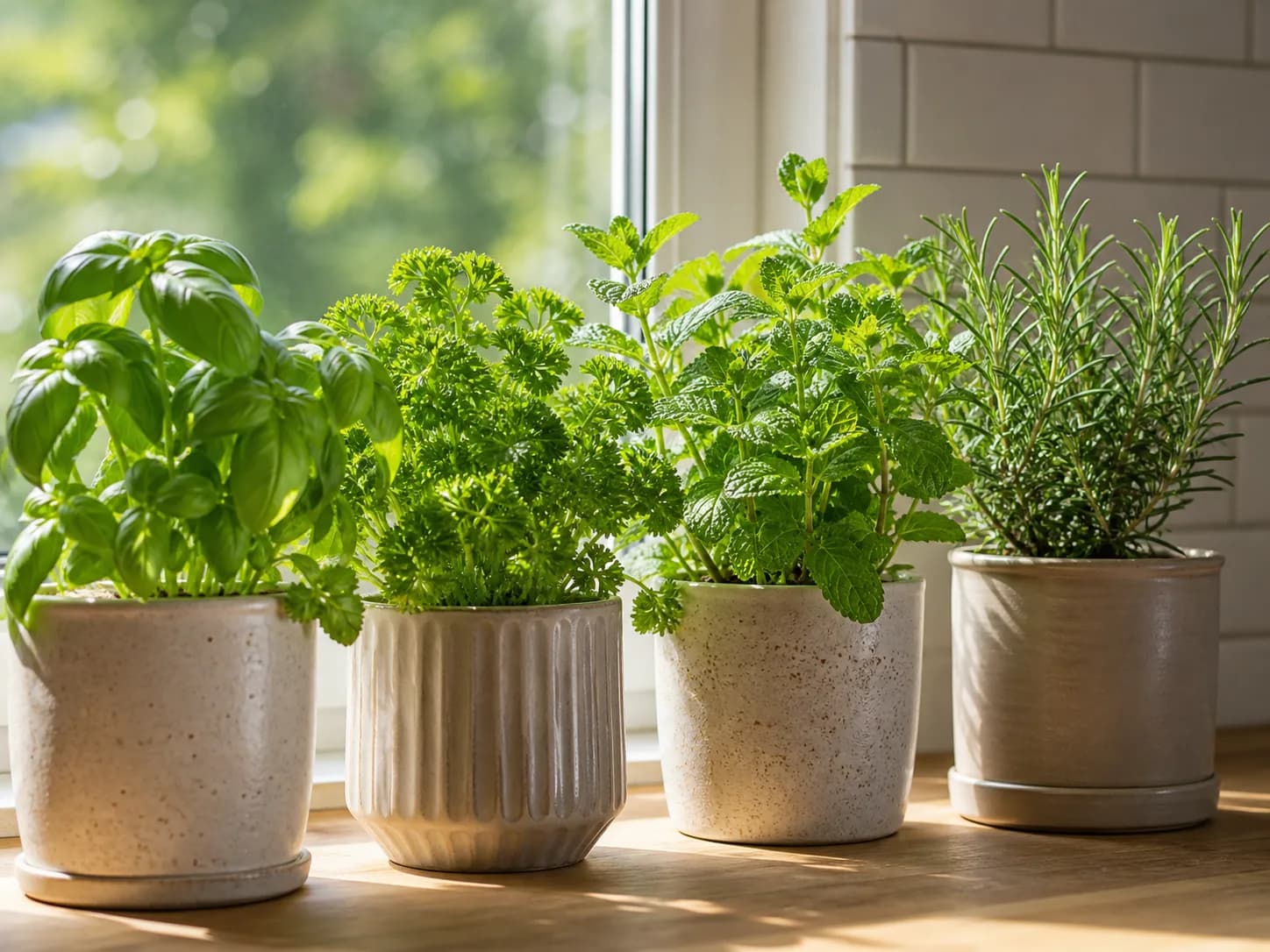
Best Herbs to Grow Indoors for Real Harvests, Not Spindly Pots
Choose indoor herbs that can actually produce in your light, temperature, and container setup, then match each one to the right harvest rhythm and watering style.
10 min read
Best Indoor Plants for Every Room and Light Level
A practical guide to choosing the best indoor plants for your home, covering beginner-friendly picks, low light champions, bright light lovers, watering basics, and how to avoid the most common mistakes.
13 min read