Fertilizingschedule12 min read
Benefits of Composting for Healthier Soil and Plants
Learn how composting turns kitchen scraps and yard waste into free fertilizer, improves soil, and boosts plant health in any size garden.
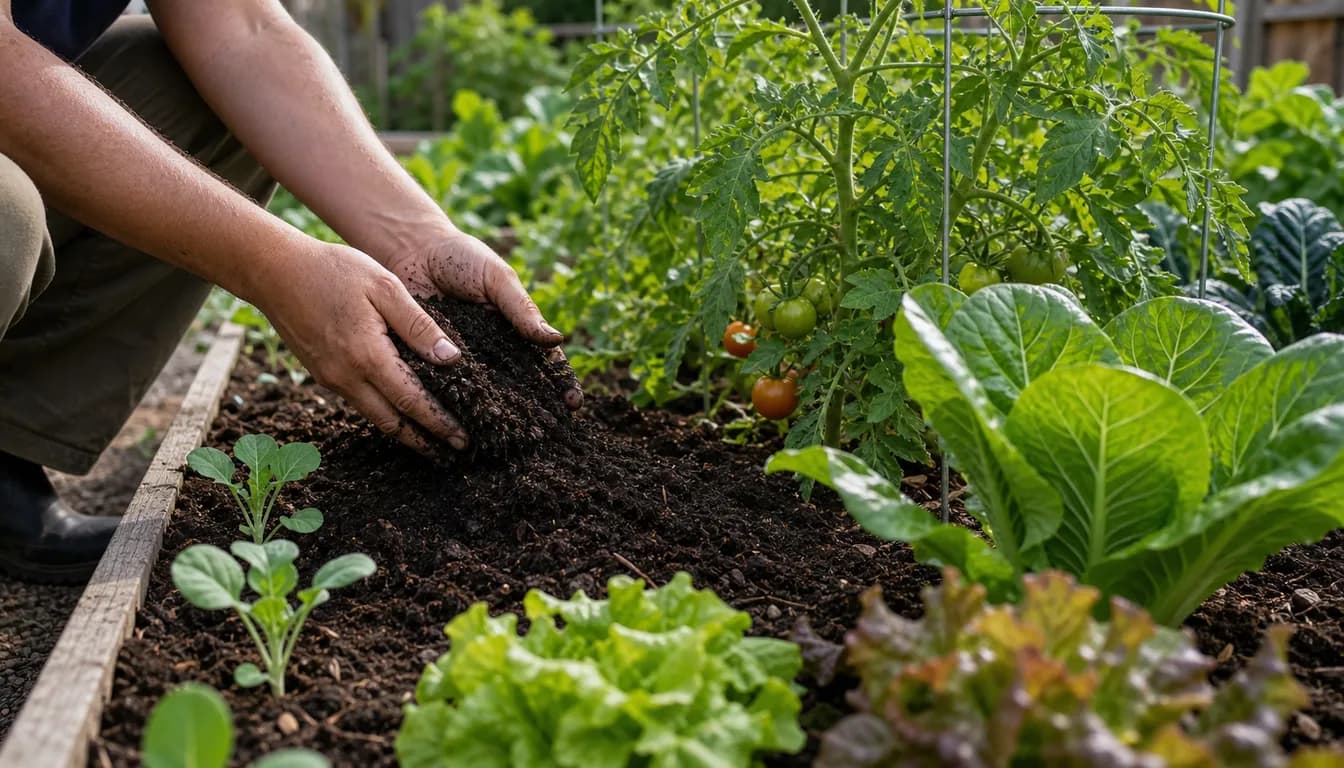
Composting is basically free fertilizer that you make in your own yard. It turns kitchen scraps and yard debris into dark, crumbly material that feeds soil life and your plants. You do not need special bins or fancy gadgets to get real results.
Once you get a basic system going, compost helps everything from raised veggie beds to foundation shrubs. It works in zones 3 through 11; the same basic system fits tiny city yards and wide rural lots. This guide focuses on the real, practical benefits so you can decide how composting fits into your garden.
compostHow Composting Works In Plain English
A compost pile is just organic matter breaking down in a controlled way. Microbes, worms, and insects chew through leaves, food scraps, and grass clippings, turning them into a stable, soil-like material.
Those tiny workers need three things to stay busy: moisture, air, and the right mix of carbon and nitrogen. Browns like dry leaves provide carbon. Greens like fresh grass or kitchen scraps supply nitrogen. Get that balance close and the pile heats, smells earthy, and shrinks fast.
Composting speeds up what already happens on a forest floor. You get usable compost in a few months. The benefit is control: you choose what goes in and where the finished compost goes.
If you already use bagged fertilizer on tomato vines, potted basil, or your fescue lawn, compost works alongside it. The fertilizer feeds plants directly, while compost improves the soil that supports them.
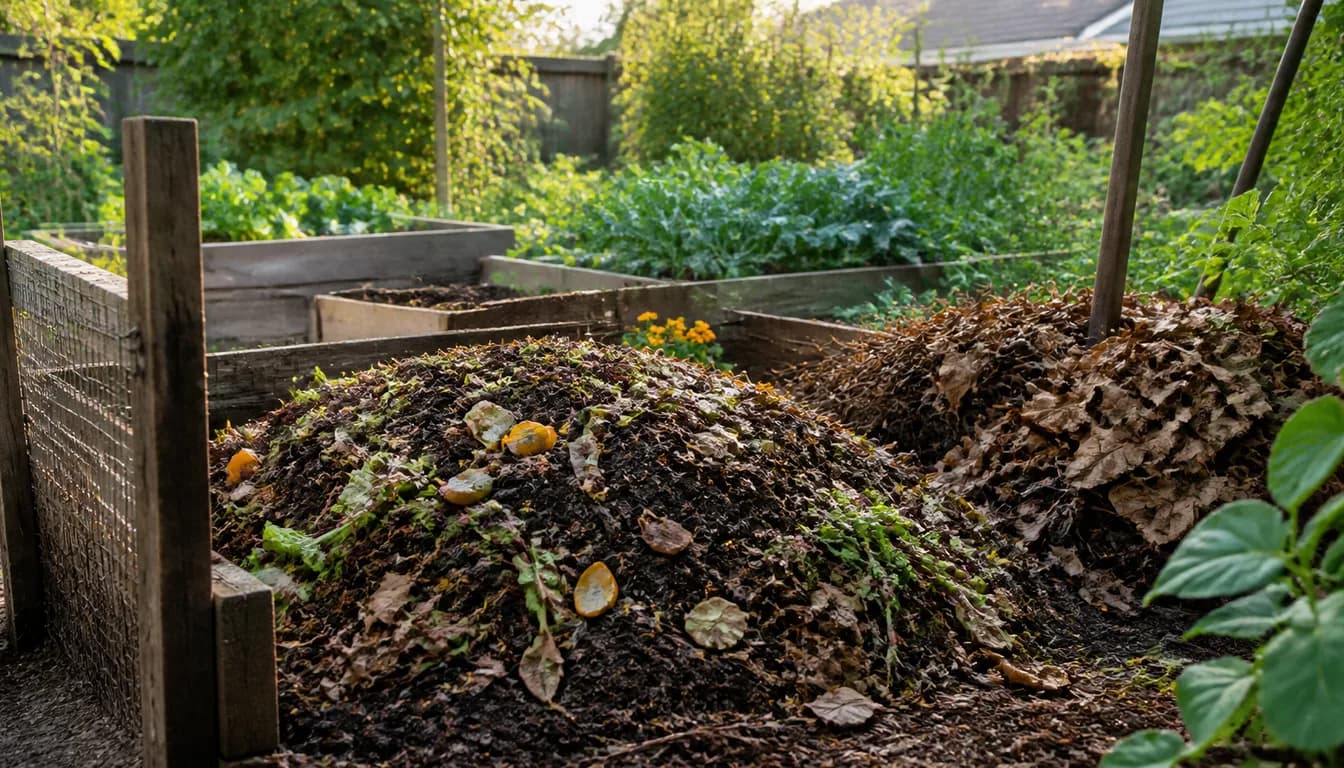
A basic pile of browns and greens breaks down into finished compost over several months.
- fiber_manual_recordBrowns (carbon): dry leaves, shredded cardboard, straw, small twigs
- fiber_manual_recordGreens (nitrogen): food scraps, green clippings, coffee grounds, plant trimmings
- fiber_manual_recordMoisture level: feels like a wrung-out sponge when you squeeze a handful
- fiber_manual_recordAir flow: loose texture, not packed tight, so microbes can breathe
ecoSoil Health Benefits You Actually Notice
The biggest benefit of composting shows up under your feet. Compost improves soil structure, which changes how water, air, and roots move through the ground. Clay soils loosen, and sandy soils hold moisture longer.
If you garden in heavy soil like many zone 5 yards, compost makes digging easier. Roots from rose bushes and peony clumps push deeper instead of circling in tight, sticky ground.
In light, sandy areas, compost acts like a sponge. It helps beds for blueberry shrubs or daylily clumps hold moisture between waterings. You water less and see fewer wilted plants on hot afternoons.
Compost also boosts soil life. Earthworms, fungi, and beneficial bacteria all increase, which breaks down nutrients into plant-ready forms. That living soil is more forgiving when you miss a watering or get a surprise heat wave.
Over-tilled soil with no organic matter drains nutrients quickly and compacts. Compost reverses that trend over a few seasons.
Those soil changes show up in several practical ways.
- fiber_manual_recordBetter drainage: reduces standing water and root rot risk
- fiber_manual_recordMore moisture holding: keeps beds from drying out too fast
- fiber_manual_recordDeeper roots: supports sturdier stems and bigger harvests
- fiber_manual_recordResilient soil: handles weather swings and foot traffic better
Guide — See AlsoWhen to Fertilize Trees and Shrubs Without Pushing Weak GrowthLearn the best time to fertilize trees and shrubs, how timing changes for flowering shrubs, evergreens, and fruit trees,
chevron_rightlocal_floristPlant Growth, Yield, And Fewer Problems
Healthy soil from regular composting usually means stronger plants. You see thicker stems, richer leaf color, and better fruit set across the garden. It does not replace fertilizer, but it makes every pound of fertilizer work harder.
Vegetable beds fed with compost each season often give bigger yields. Tomato plants set more clusters. Pepper plants keep producing later into summer. Root crops like carrots pull easier and have fewer forked roots when soil is loose and rich.
Compost also helps flowering plants hold blooms longer. Border favorites like hydrangea shrubs often show stronger color and less flop once the root zone improves. Coneflower clumps and shasta daisies usually follow the same pattern.
Well fed soil can reduce some disease pressure. Plants stressed by poor drainage or compacted roots invite issues, from powdery mildew on rose canes to yellowing foliage on houseplants. Compost supports steadier moisture and air, which lowers stress.
Do not bury fresh compost right against stems or trunks. Use a thin layer on top, then water it in.
Keep the layer thin enough that stems stay dry and roots still breathe.
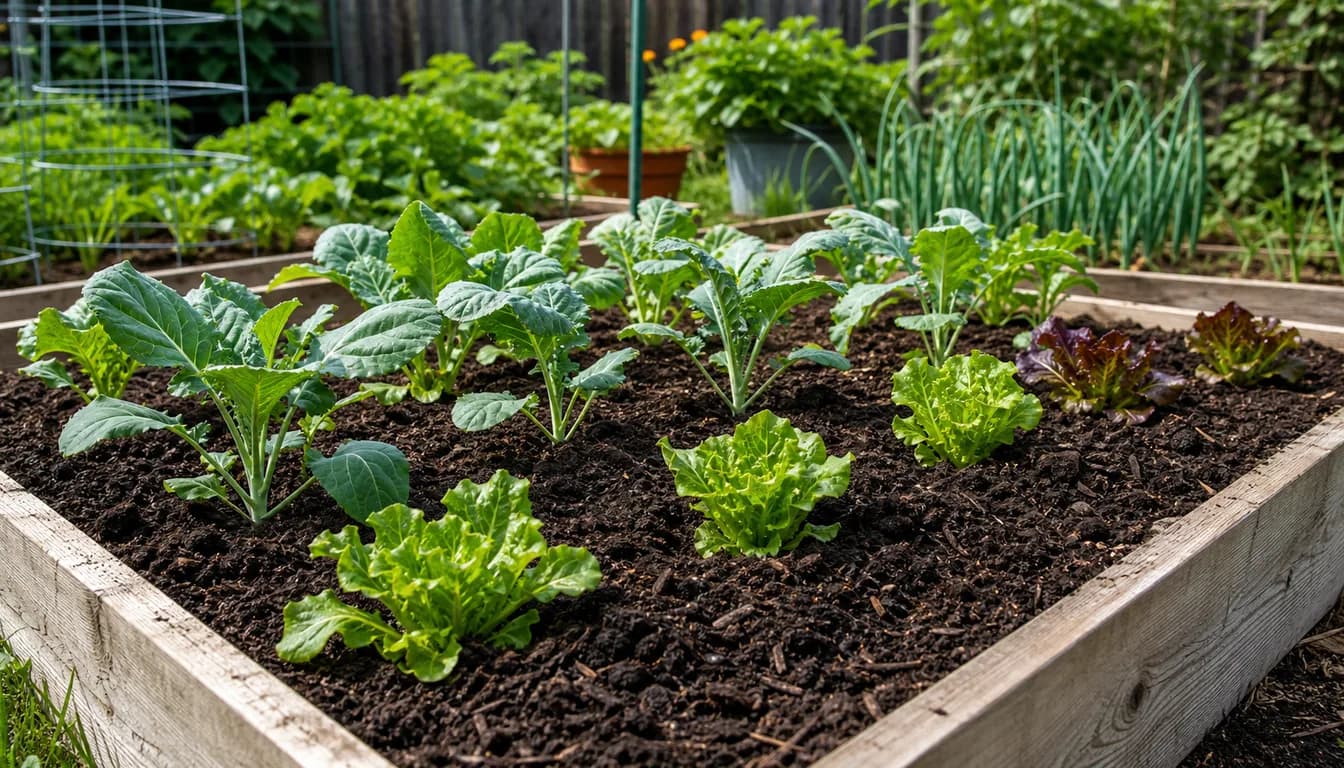
A thin layer of finished compost each season keeps vegetable beds productive.
- fiber_manual_recordSteadier growth: fewer boom-and-bust cycles after fertilizing
- fiber_manual_recordHigher yields: more fruit, foliage, and flowers per square foot
- fiber_manual_recordStronger stems: less staking for many perennials
- fiber_manual_recordLower stress: plants bounce back from heat or wind faster
Email Updates
Join the KnowTheYard update list
Zone-specific advice, seasonal reminders, and new plant guides — no filler.
publicSaving Money And Cutting Waste
A simple compost setup keeps a surprising amount of material out of the trash. Kitchen scraps, coffee grounds, eggshells, and yard debris all become inputs instead of landfill weight. Over a year, that pile adds up to many bags you do not pay to haul away.
At the same time, finished compost replaces a chunk of store-bought soil amendments. You still might buy a starter fertilizer for a new vegetable bed or a slow-release product for existing trees and shrubs, but you can skip a lot of bagged "garden soil".
If you grow houseplants like snake plant clumps, monstera vines, or peace lilies, a small amount of screened compost can refresh potting mix. That reduces how often you replace entire pots of soil.
For lawns, a thin topdressing of compost across cool-season grasses such as Kentucky bluegrass or tall fescue supports color without over-relying on high-nitrogen fertilizers.
The long-term savings: healthier soil needs fewer fixes, fewer pesticides, and less frequent replanting.
- fiber_manual_recordFewer trash bags: less yard waste at the curb each week
- fiber_manual_recordLower soil costs: replace some bagged mixes with home compost
- fiber_manual_recordReduced fertilizer use: especially after several seasons of regular additions
- fiber_manual_recordLonger plant life: fewer replacements for stressed, short-lived plants
Guide — See AlsoBest Fertilizer for Indoor PlantsLearn how to choose the best fertilizer for indoor plants by growth style, season, and pot size without burning roots or
chevron_rightyardCompost Benefits For Different Garden Types
The same compost pile can help very different garden setups, from raised beds to indoor pots. You just tweak how and where you use it so each space gets what it needs.
Vegetable beds usually respond fastest to rich compost because crops like indeterminate tomatoes and sweet pepper plants pull nutrients hard during the season. Side dressings of finished compost keep them growing without constant bagged fertilizer.
Perennial borders want a calmer approach. A yearly layer around clumps of daylily fans or hosta clumps feeds slowly and improves soil so you are not disturbing roots all the time.
Containers are a bit different. Mix 10 to 25 percent finished compost into fresh potting mix for window boxes, herb pots, or annual planters instead of filling the whole pot with compost.
Straight compost in pots holds too much water and compacts, especially in small containers.
Lawns benefit from very light topdressing. Spread 1/4 inch of screened compost over cool season grasses like bluegrass lawns after aeration so material falls into the holes and feeds the root zone.
Trees and shrubs do not need compost piled on trunks. Instead, scatter a thin layer out to the drip line of plants like azalea shrubs and cover it with mulch to keep moisture even. Lilacs respond well to the same light treatment.
Indoor plants still gain from compost, but in moderation. Blend a small portion into repotting mix for snake plant pots or spider plant babies so you boost nutrients without making the soil heavy.
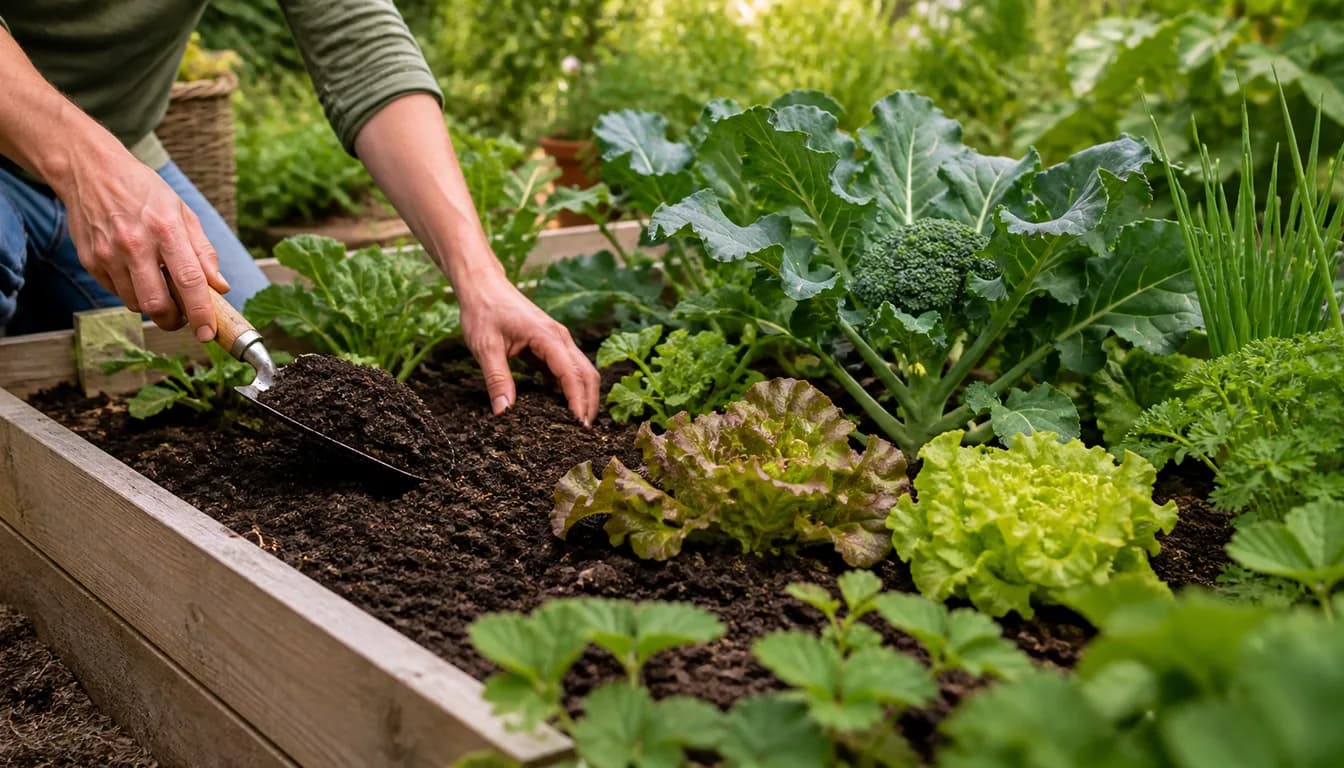
A thin layer of compost around heavy feeders keeps raised beds productive.
calendar_monthSeasonal Timing: When Compost Helps Most
The calendar matters for compost just like it does for pruning or seeding. Well timed applications stretch the benefits longer and keep plants from making soft growth at the wrong time.
Spring is prime time for many yards. In zones 5 to 7, spread compost before you plant cool crops like spring spinach, then add another thin layer before summer crops go in. Shelling peas usually benefit from the same prep.
In hotter areas, like zones 8 to 10, large compost additions belong in fall. That way soil microbes break it down over winter and beds are ready for early planting of warm season tomatoes or eggplant starts.
Perennial gardens appreciate a schedule too. Feed clumps of purple coneflower or salvia borders in early spring as new growth emerges, then again lightly after the first big flush of blooms.
Avoid heavy compost topdressing within six weeks of first frost for woody plants.
Trees and shrubs in cold climates, like backyard apples or bigleaf hydrangeas, should get compost in late fall after leaf drop or in very early spring while still dormant.
Lawns take compost best when actively growing. For cool season turf such as tall fescue lawns, target early fall and late spring. Warm season grasses like bermuda turf prefer late spring once fully greened up.
Even indoor setups run on a rhythm. Refresh mixes with a bit of compost when you repot fiddle leaf figs or other big houseplants at the start of their growth season, usually late winter or early spring.
Guide — See AlsoBest Fertilizer for Vegetables by Garden TypeLearn how to pick the best fertilizer for vegetables by crop group, soil condition, and garden setup so you feed beds, r
chevron_rightwarningTroubleshooting Smelly Or Slow Compost
Bad smells or piles that never heat up are the most common reasons people quit composting. Both problems are fixable once you understand what the pile is missing.
A sour or rotten smell usually means too many "greens" and not enough air. Kitchen scraps, fresh grass, and manure all count as greens. If your pile stinks, stir in twice as much dry browns like leaves or shredded cardboard.
A healthy compost pile should smell earthy, not like garbage or ammonia.
A soggy, matted layer of grass clippings is another red flag. Mix them with chopped leaves or straw, similar to how you would balance a nitrogen heavy fertilizer for hungry vegetable beds. Break clumps apart with a fork so air can move.
Cold, inactive piles are often short on nitrogen or moisture. Add a thin layer of fresh greens, like pulled garden weeds without seeds, and water until the pile feels like a wrung out sponge.
If you see clouds of tiny flies, you probably have exposed food scraps. Bury kitchen waste under 6 inches of browns and avoid tossing meat, greasy foods, or dairy into small home piles.
Raccoons or rats digging in is a sign to switch tactics. Use a sealed tumbler, or go with trench composting between rows of cabbage plants. Broccoli beds can use the same approach so scraps break down underground instead of at the surface.
Most compost problems: balance greens, browns, air, and water first. Once you correct the ratio, the pile recovers on its own.
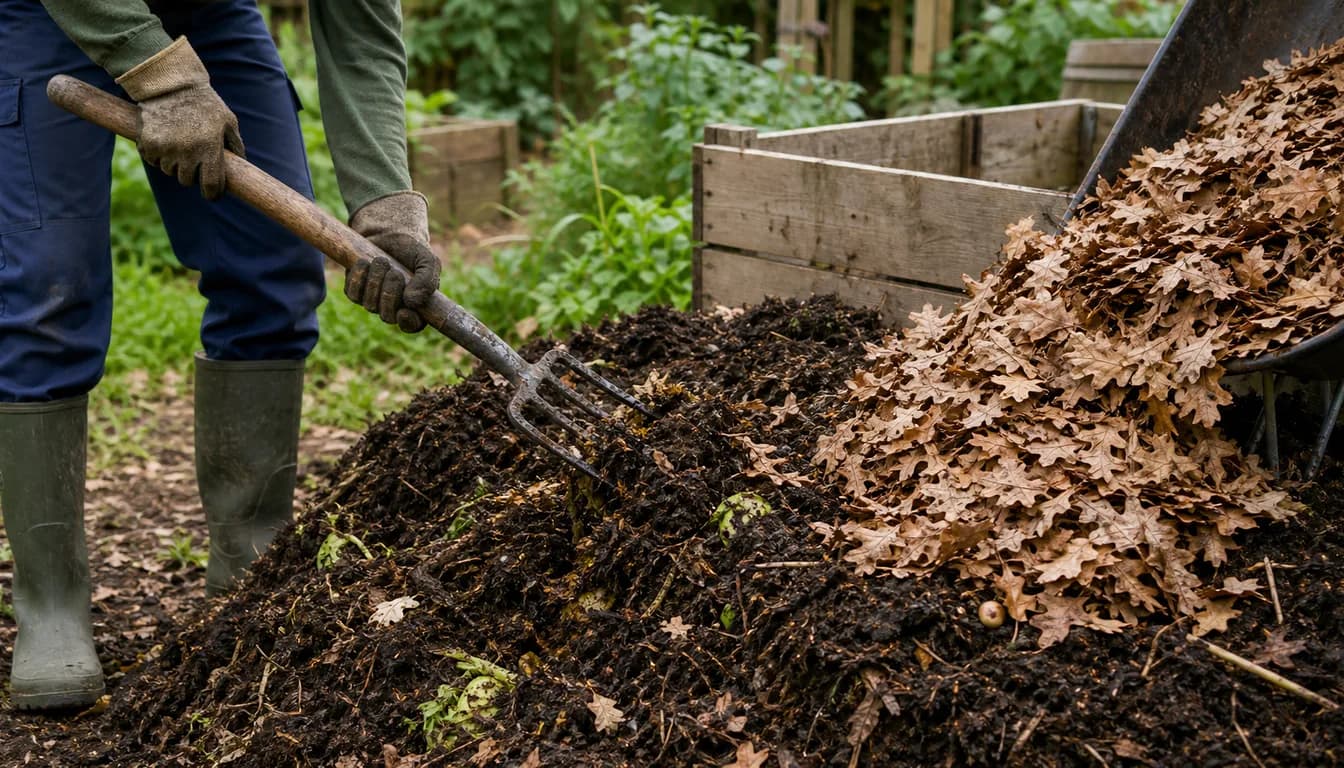
Turning and adding browns cures most smelly compost issues quickly.
health_and_safetyUsing Compost Safely Around Edibles And Indoors
Finished compost is safe for food gardens when handled with basic common sense. The key is thorough breakdown and clean ingredients so you are not spreading fresh manure or disease spores.
If you add manure from backyard chickens or rabbits, let the compost age at least four months before using it around root crops like carrot rows or red beet beds. Longer is better if your pile runs cool.
Never include pet waste or cat litter. Those can carry parasites that survive normal home composting. Bag and trash that material instead of sending it through your bin near strawberry patches or salad beds.
For leafy greens you eat raw, such as loose leaf lettuce or baby spinach, keep compost on the soil surface as mulch. Brush it off leaves before harvest instead of sprinkling it right into the heart of the plants.
Indoor use deserves a lighter touch. Mix only a small portion of compost into potting soil for herbs like windowsill basil or potted mint so you do not invite fungus gnats with constantly damp, rich media.
If gnats do show up in houseplants, cut back watering and consider following a targeted fungus gnat plan instead of blaming the compost alone.
Finished compost should be dark and crumbly: if you would feel comfortable rubbing it between your fingers, it is usually safe for food beds. It should be free of identifiable scraps.
Guide — See AlsoHomemade Liquid Fertilizer for Healthier PlantsLearn how to make homemade liquid fertilizer from kitchen scraps and yard waste, with clear recipes, dilution rates, and
chevron_righttips_and_updatesTaking Compost Benefits To The Next Level
Once you have a basic pile running, you can squeeze even more value from it with a few advanced habits. These help you match compost type and placement to specific plants and goals.
One upgrade is compost tea made from fully finished material. Soak a shovel full in a bucket of water for a day, then strain and use the liquid to drench thirsty feeders like repeat blooming roses or container patio tomato pots.
Slow beds, such as new perennial borders, like deeper soil improvement. Work a couple of inches of compost into planting holes for hydrangea shrubs or peony roots while leaving native soil beneath so roots do not get "stuck" in a soft pocket.
You can also pair compost with mulch. Spread compost as a thin layer, then top it with wood chips around fruit trees or blueberry bushes. The compost feeds now while mulch protects moisture and breaks down later.
- fiber_manual_recordHeavy feeders: Add 1 to 2 inches yearly around vegetables and cutting flowers.
- fiber_manual_recordWoody plants: Limit to 1/2 inch on top of soil, kept away from trunks.
- fiber_manual_recordPots and planters: Keep compost around 10 to 25 percent of the total mix.
- fiber_manual_recordLawns: Use only 1/4 inch per topdressing to avoid smothering blades.
Gardeners focused on pollinators can target compost around nectar plants like lantana mounds. Verbena drifts can handle the same steady feeding without constant synthetic fertilizer.
If you ever wonder whether to buy another specialty fertilizer, compare the label to what compost already gives. For many beds, especially mixed borders, compost plus a smart tree and shrub feeding schedule is plenty.
tips_and_updates
Pro Tips
- check_circleKeep a small covered pail by the sink so kitchen scraps make it to the compost pile.
- check_circleChop or tear large materials into smaller pieces so they break down noticeably faster.
- check_circleLayer greens with browns instead of dumping in big clumps to avoid slimy, smelly pockets.
- check_circleAim for compost moisture that feels like a wrung‑out sponge, not dripping wet or bone dry.
- check_circleTurn or poke holes in the pile every couple of weeks to keep air moving for faster breakdown.
- check_circleSkip diseased plant material and seedy weeds so you do not spread problems around the yard.
- check_circleUse a half‑inch layer of finished compost under mulch around shrubs and trees each spring.
- check_circleScreen finished compost before using it in seed starting mixes to remove sticks and clumps.
quiz
Frequently Asked Questions
How long does it take to see benefits from composting?expand_more
You usually see looser soil and better moisture in one season after adding 1 to 2 inches of compost. Big changes in structure and fertility show up after two to three years of regular applications.
Can I use compost instead of fertilizer?expand_more
Compost often replaces part of your fertilizer, especially in vegetable beds. For heavy feeders like sweet corn blocks or large tomato vines, you still get better yields by combining compost with a balanced fertilizer at key growth stages.
Is compost safe for all plants?expand_more
Most garden plants benefit from compost, but some, like Mediterranean lavender, prefer leaner, fast draining soil. Woody rosemary wants the same restraint. Use smaller amounts with these and focus more compost on vegetables, lawns, and moisture loving shrubs.
How much compost should I add each year?expand_more
For beds, 1 to 2 inches on top is plenty. Lawns only need about 1/4 inch. Containers do best with 10 to 25 percent compost mixed into potting soil, not as the only ingredient.
Does composting attract pests or rodents?expand_more
Poorly managed piles with exposed food scraps can attract pests. Bury kitchen waste under browns, avoid meat and dairy, and consider a closed bin if you have rats or raccoons. Properly balanced, a compost pile smells earthy and draws mainly worms and helpful insects.
menu_book
Sources & References
- 1.Cornell Waste Management Institute, Composting in the Home Gardenopen_in_new
- 2.University of Illinois Extension, The Use of Compost in Gardensopen_in_new
- 3.Oregon State University Extension, Improving Garden Soils with Organic Matteropen_in_new
- 4.Penn State Extension, Using Compost for Improved Soilopen_in_new
Related Guides
Best Fertilizer for Indoor Plants
Learn how to choose the best fertilizer for indoor plants by growth style, season, and pot size without burning roots or overfeeding slow growers.
14 min read
Best Fertilizer for Vegetables by Garden Type
Learn how to pick the best fertilizer for vegetables by crop group, soil condition, and garden setup so you feed beds, rows, and containers without wasting nutrients.
11 min read
Best Time to Fertilize Your Lawn Around Rainfall
Learn exactly how to time lawn fertilizing with rain so you do not waste product, burn grass, or pollute runoff.
11 min read