
Can You Grow an Avocado Tree for Fruit Where You Live?
Persea americana Lauraceae
Avocado tree is a subtropical evergreen fruit tree for frost-free gardens, warm patios, and bright indoor overwintering. It can be rewarding, but fruit production depends on warm outdoor conditions, a grafted variety, excellent drainage, and realistic expectations outside true avocado climates.
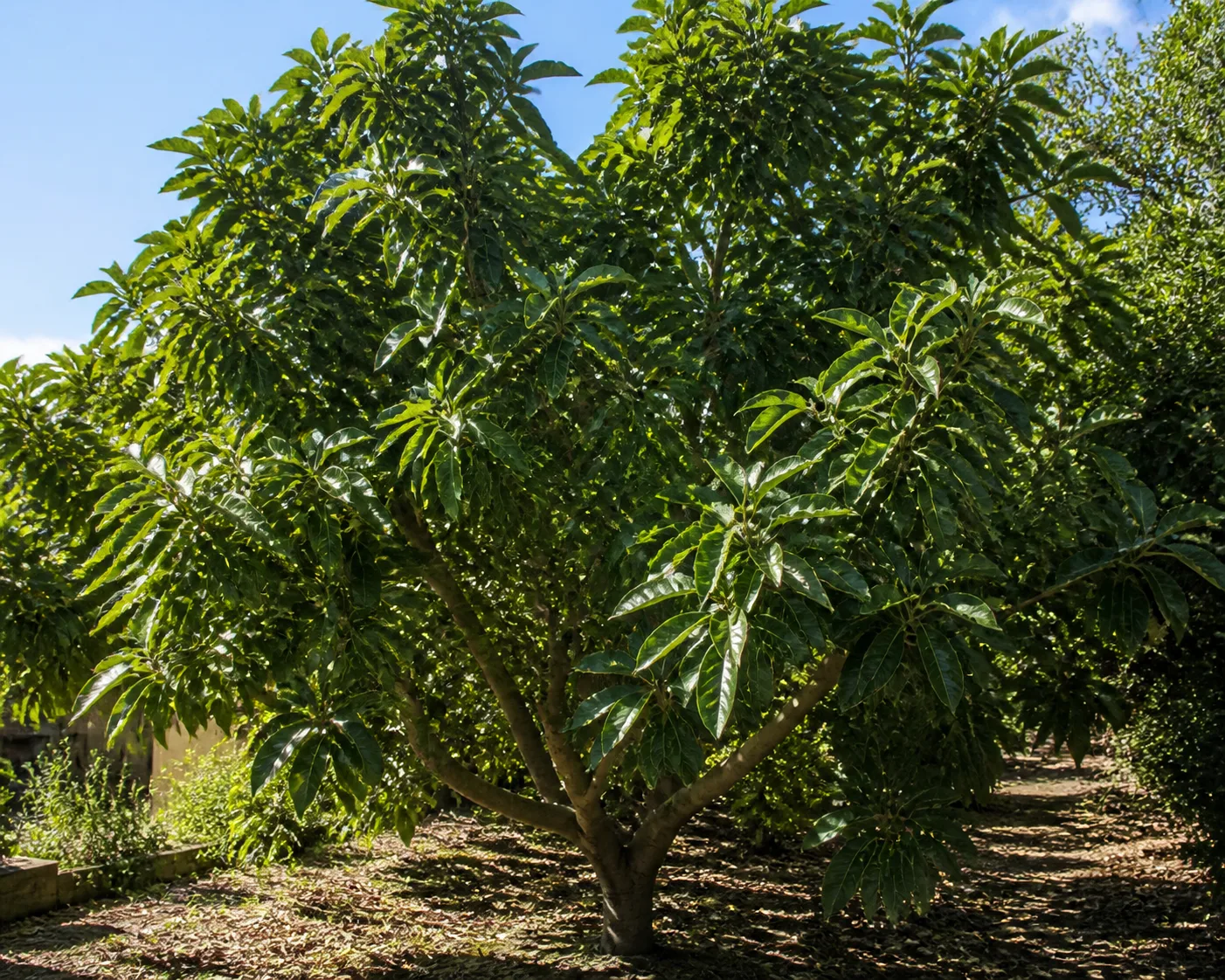
Care snapshot
What Avocado Trees Need Before They Fruit
As a useful starting point, Avocado tree is an evergreen subtropical tree, not a cold-climate orchard staple.
Outdoors, it wants warm winters, no hard freezes, open sun, and soil that drains fast after rain.
A grafted tree is the practical starting point for fruit. Pit-grown plants are fun, but they are genetically unpredictable, slow to bear, and often stay ornamental for many years.
Compared with apple trees, avocado has almost the opposite climate logic, needing no winter chill, with cold as the limiting factor rather than a requirement.
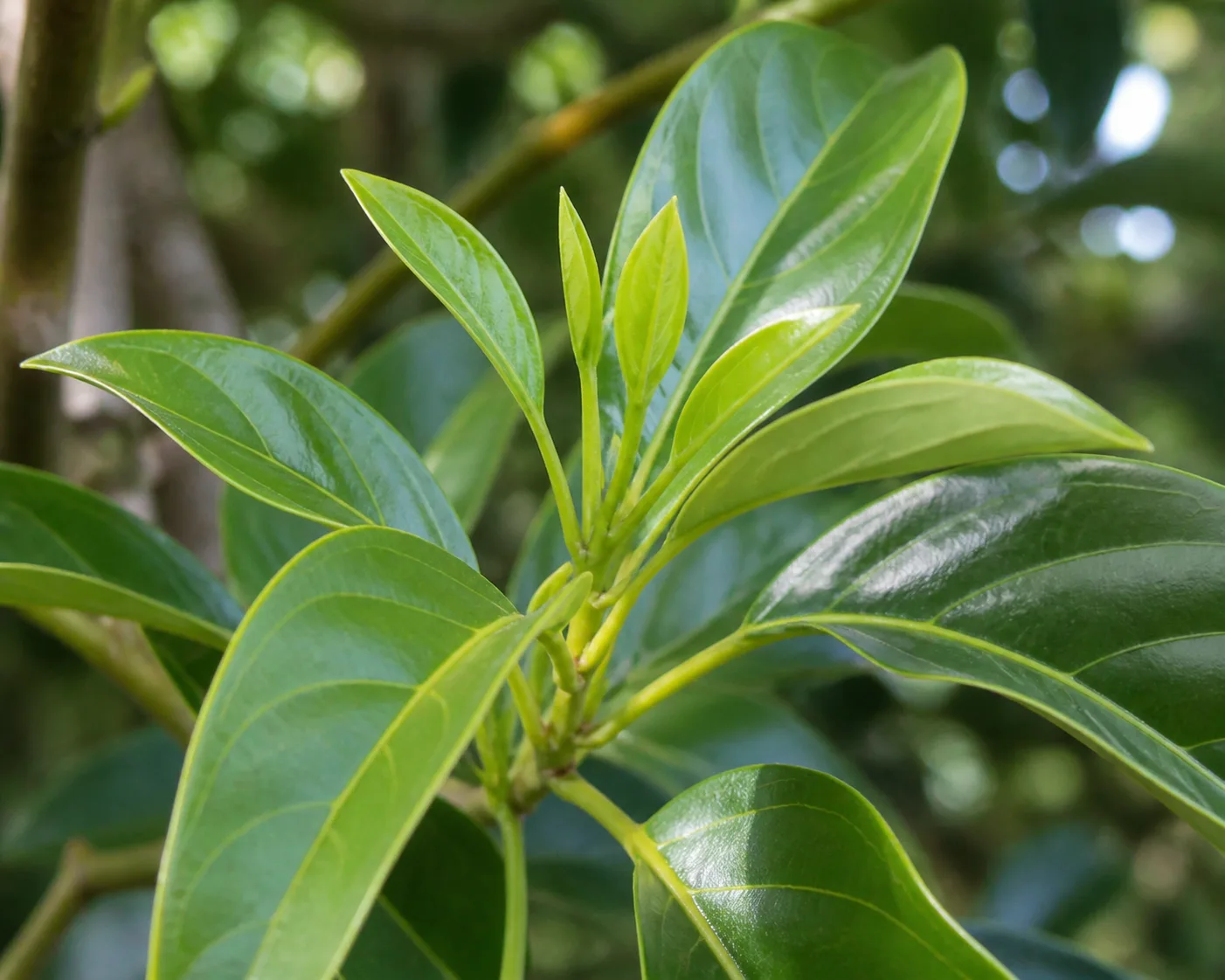
Full Sun Outdoors, Maximum Light Indoors
The light target is practical, since Avocado trees need 6-8 or more hours of direct sun outdoors for sturdy growth and fruiting. A shaded tree may survive, but it will stretch and crop poorly.
Indoors, put the tree in the brightest window available and expect slower growth. Supplemental light is often needed if you want dense foliage through winter.
Indoor avocado trees often fail because the plant looks like a houseplant but wants orchard-level light. A bright window may keep leaves alive, while real branching, flowering, and strong stems usually require outdoor summer light or supplemental grow lights.
- Outdoor fruiting: full sun and wind protection while young.
- Indoor overwintering: brightest window plus possible grow light.
- Hot patios: prevent reflected heat from scorching young leaves.
- Containers: rotate regularly so the canopy stays balanced.
Choosing Hass, Cold-Hardy, or Patio Types
Choose a named avocado tree variety for your climate instead of planting a random pit. Named grafted trees give known fruit quality, flowering type, and approximate cold tolerance.
'Hass' is the familiar supermarket avocado, but it is not the best answer for every yard. It performs best in mild avocado climates and can suffer where winter cold or summer humidity push beyond its comfort zone.
Cold-hardy selections can survive brief light freezes better than standard types, but they are not truly cold-hardy like fig trees in marginal climates. They still need frost planning.
For containers, compare avocado honestly with Meyer lemon. Other dwarf citrus can also be easier indoors, while avocado wants more vertical room and steadier humidity.
Avocado variety choice is partly about flower timing. Type A and Type B flowering can improve pollination in mild climates, but container growers still need to think first about mature size, cold tolerance, and whether the tree can be moved.
Grafted Avocado Tree plants are usually worth buying if fruit is the goal. Seed-grown trees can be fun, but they may take many years to fruit and may not match the quality of the parent fruit.
- Hass-type trees
- Rich fruit, common choice, best in mild avocado climates
- Cold-hardy selections
- Better for marginal warm regions, still need freeze protection
- Patio trees
- Grafted compact trees for large containers and protected patios
- Seed-grown plants
- Good foliage projects, unreliable for fruit quality and timing
A quick way to sanity-check a nursery tag is looking for the graft union near the base of the trunk, since a true grafted tree shows a visible knee or scar a few inches up from the roots. A smooth, ungrafted stem sold as a named variety is worth asking about before you buy.
Drainage Comes Before Fertility
The soil decision comes first, since Avocado tree roots are shallow, oxygen-hungry, and sensitive to poor drainage. A loose mound or raised planting area is safer than a low, wet hole.
In-ground trees want well-drained sandy loam or loam.
Heavy clay should be handled with a broad raised mound, not a small amended planting pocket.
Planting high is safer than planting deep. Avocado roots sit near the surface in nature, so burying the flare or piling mulch against the trunk creates the damp, low-oxygen conditions that lead to decline.
- Best soil
- Loose, well-drained sandy loam or loam
- Container mix
- Chunky potting mix with excellent drainage
- Mulch
- Wood chips over roots, pulled back from trunk
- Avoid
- Standing water, dense clay pockets, and saucers full of runoff
Once drainage is solved, feeding follows a simple pattern, since light, frequent applications during the growing season beat one heavy dose in spring. A citrus or avocado-specific fertilizer with micronutrients like zinc and iron often works better than a generic all-purpose blend, since avocados are prone to nutrient lockout in alkaline or compacted soil.
Water Without Suffocating the Roots
The watering target is practical, since Avocado trees need even moisture, but their roots hate saturated soil. Water thoroughly, then let the upper soil begin to dry before watering again.
The deep watering pattern works better than frequent shallow sips. In containers, water until excess drains, then empty saucers so the pot never sits in runoff.
Use those leaf symptoms as a prompt to check the root zone first, since fertilizer cannot fix a pot that is staying wet.
Avocado roots are shallow and oxygen-hungry. They dislike both drought and soggy soil, so the goal is a broad, evenly moist root zone with excellent drainage rather than a deep hole that stays wet.
Established in-ground trees in a true avocado climate often need little supplemental water once summer rains or irrigation systems are already in place. Container trees never reach that independence, since pot volume limits how much of a buffer the roots ever get.
Seed Pits vs Grafted Trees
Sprouting an avocado pit is fine if you want a houseplant experiment. It is not the best route to a dependable fruit tree.
A seed-grown avocado tree may take many years to fruit, and the fruit may not resemble the parent. Grafted nursery trees shorten the wait and preserve variety traits.
Avocado flowers also have Type A and Type B timing, which affects pollination. A single tree may set some fruit, but two compatible types often improve yield where space and climate allow.
Do not treat Type A and Type B as a cure for a poor site. If nights are too cold, roots stay wet, or the tree lives indoors, compatible bloom timing will not overcome missing heat, light, and pollinator activity.
- Buy a labeled grafted tree if fruit is the goal.
- Choose Type A and Type B partners for better pollination when possible.
- Keep the graft union above soil and protected from cold.
- Remove shoots from below the graft.
- Prune lightly to shape, not to force a small indoor tree to fruit.
Harvest by Timing, Not by Softness on the Tree
Avocados are unusual among fruit trees because they do not ripen while still hanging on the branch, so a mature fruit can sit on the tree for weeks without softening.
Judge harvest readiness by size, skin change, and a test pick rather than firmness, since a hard fruit on the tree tells you almost nothing about ripeness. Cut one test fruit and let it sit on the counter, and if it softens within a week without shriveling, the rest of the crop is ready.
Once picked, avocados soften over several days to about a week at room temperature, faster if paired with a ripening banana or apple in a paper bag.
Refrigerating a hard, unripe avocado slows ripening almost to a stop, which is useful for spreading out a large harvest over several weeks.
Move fruit to the fridge once it reaches the ripeness you want, and it will hold there a few extra days.
Home trees can hold mature fruit for months in mild climates, so picking a few at a time as you need them beats stripping the whole tree at once.
- Cut a test fruit before committing to a full harvest.
- Expect ripening to happen on the counter, not on the branch.
- Pair with a banana or apple in a bag to speed up softening.
- Refrigerate ripe fruit, or hard fruit you want to hold, to slow things down.
Seasonal Care and Frost Protection
Spring is the time to move container avocado trees back outdoors gradually, refresh mulch, and begin feeding once active growth resumes.
Summer care is steady water, mulch, and light shaping. Avoid hard pruning in heat, because exposed branches and tender regrowth can scorch.
Fall and winter care depend on climate, since marginal areas need frost cloth, trunk wrap, or a protected wall before cold weather arrives. Container trees should come inside before damaging temperatures.
If your climate is too cold for outdoor avocado, compare the project with lemon trees, which are also container-friendly but easier to move and manage at smaller sizes.
Cold protection is a planning habit, not a last-minute sheet. Young avocado trees need trunk protection, mulch kept off the bark, and a frost plan before the first cold night, especially in marginal Zone 9 gardens.
Sunburn on young trunks is a real risk after pruning or planting. If canopy shade is suddenly removed, white trunk wrap or diluted white latex paint can prevent bark damage in hot climates.
Acclimate outdoors, resume feeding, and prune lightly.
Water deeply, mulch, and monitor for sunburn and mites.
Reduce feeding and prepare frost protection.
Protect outdoor trees from cold and keep indoor containers barely moist.
Pests, Root Rot, and Leaf Stress
The first scan is simple, since Avocado trees are often troubled more by roots than insects. Poor drainage and overwatering can trigger root rot long before pests become the main issue.
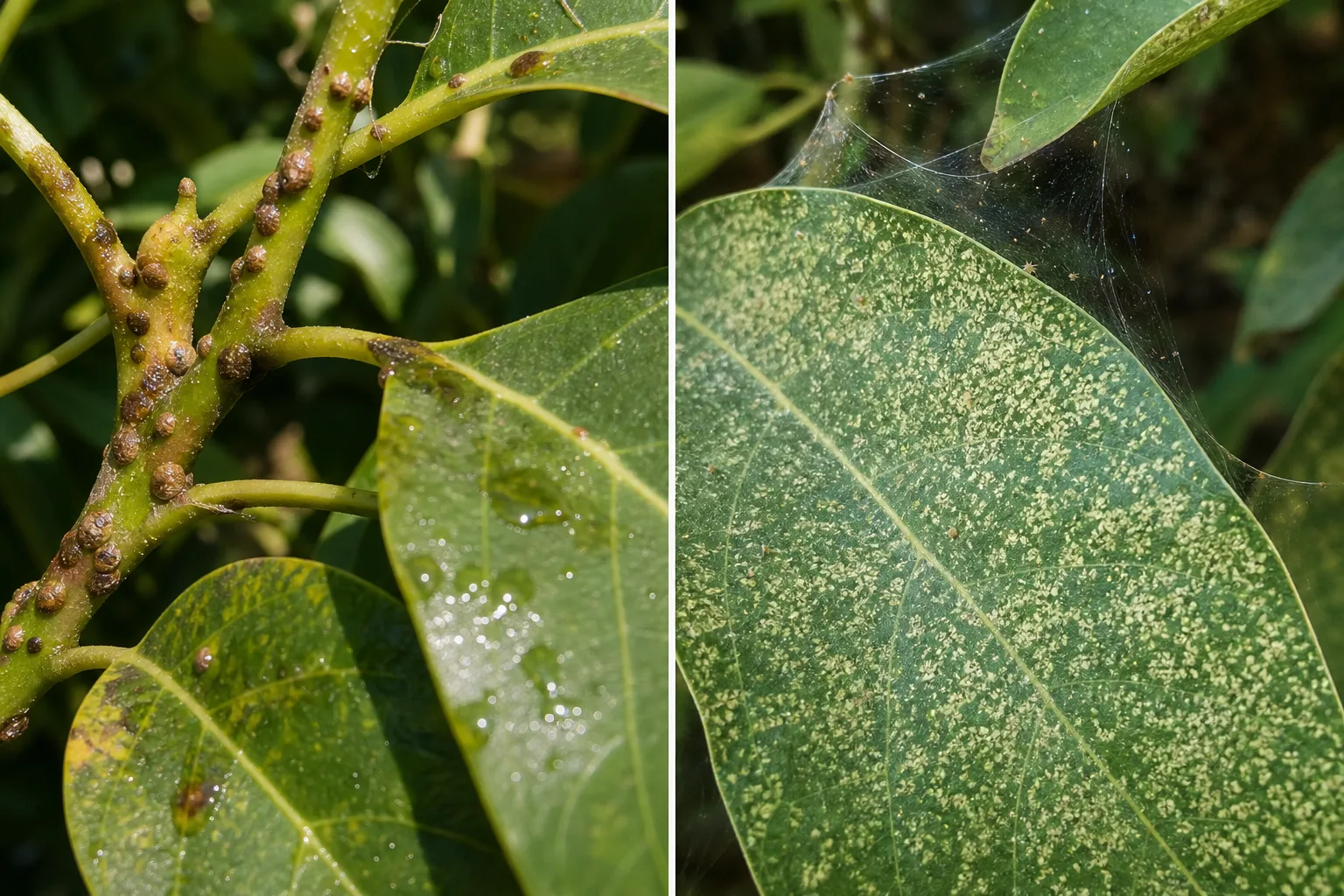
Scale, mites, thrips, and lace bugs may appear on stressed or dusty leaves. Container trees indoors can also pick up the same dry-air pest pressure seen on houseplants.
Leaf browning is not always a pest problem on avocado. Salt buildup, dry indoor air, cold drafts, and inconsistent watering can all burn tips, so check those basics before treating a stressed tree with sprays.
Persea mites and thrips are regional issues, but many home Avocado Tree problems begin as stress. A tree with dry roots, sunburned bark, or cold damage is much less able to tolerate minor pest feeding.
Yellowing, wilting, and decline in wet soil. Fix drainage and watering first.
Small bumps on stems and leaves with sticky honeydew.
Stippled leaves and fine webbing in hot dry air.
Scarring on young leaves or fruit skin.
Anthracnose and other fungal issues can show up on fruit and leaves in humid climates, appearing as dark, sunken spots that spread in storage. Good airflow and picking fruit before it overripens on the tree reduce how often this becomes a real problem.
Pet Safety and Garden Fit
Handle this part plainly, since Avocado tree leaves, bark, pits, and fruit parts can contain persin, which is risky for many animals and especially dangerous to birds and livestock. Keep prunings and fallen material away from animal enclosures.
Dogs and cats are less sensitive than some animals, but they can still get digestive upset from eating plant parts or too much fruit.
Ecologically, avocado is a specialized warm-climate fruit tree, not a broad wildlife planting. If pollinator support is the goal, pair the yard with pollinator plants rather than expecting one avocado to carry the habitat.
Avocado leaves, bark, and pits are not good pet or livestock material. The fruit flesh is the part people use, but garden cleanup still matters if dogs, horses, goats, or poultry have access to prunings.
Frequently Asked Questions
Can I grow an avocado tree indoors?
You can grow an avocado tree indoors as a foliage plant in very bright light, but indoor fruit is rare. Reliable harvest usually needs a grafted tree outdoors in a warm climate.
How long does an avocado tree take to fruit?
A grafted avocado tree may fruit in about 3-5 years in good conditions. Seed-grown trees can take much longer and may produce poor-quality fruit.
Do I need two avocado trees for fruit?
One avocado tree can sometimes set fruit, but yields are often better with compatible Type A and Type B varieties that overlap in bloom.
Why are my avocado leaves turning brown at the tips?
Brown tips on an avocado tree often come from inconsistent water, dry air, salt buildup, root stress, or sun scorch. Check drainage and flush container soil occasionally.
Can avocado trees survive frost?
Avocado trees are frost-sensitive, especially when young. Some cold-hardy selections tolerate brief light freezes, but hard freezes can kill branches or the whole tree.
Are avocado trees safe for pets?
Avocado trees are not pet-safe plants. Leaves, pits, bark, and fruit parts can contain persin, and prunings should be kept away from pets, birds, and livestock.
Sources & References
Related Plants
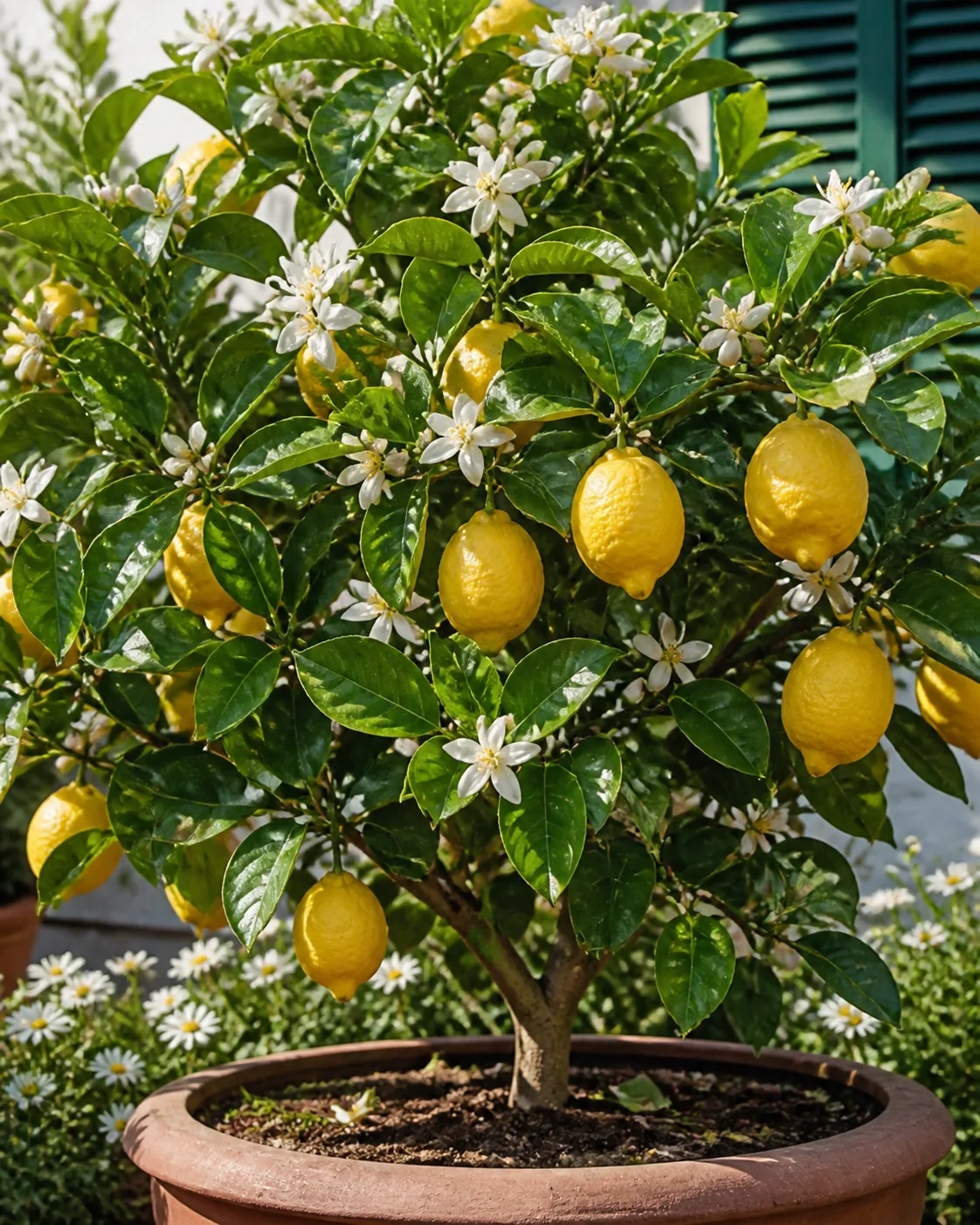
Lemon Tree
Another warm-climate evergreen fruit tree often grown in containers.
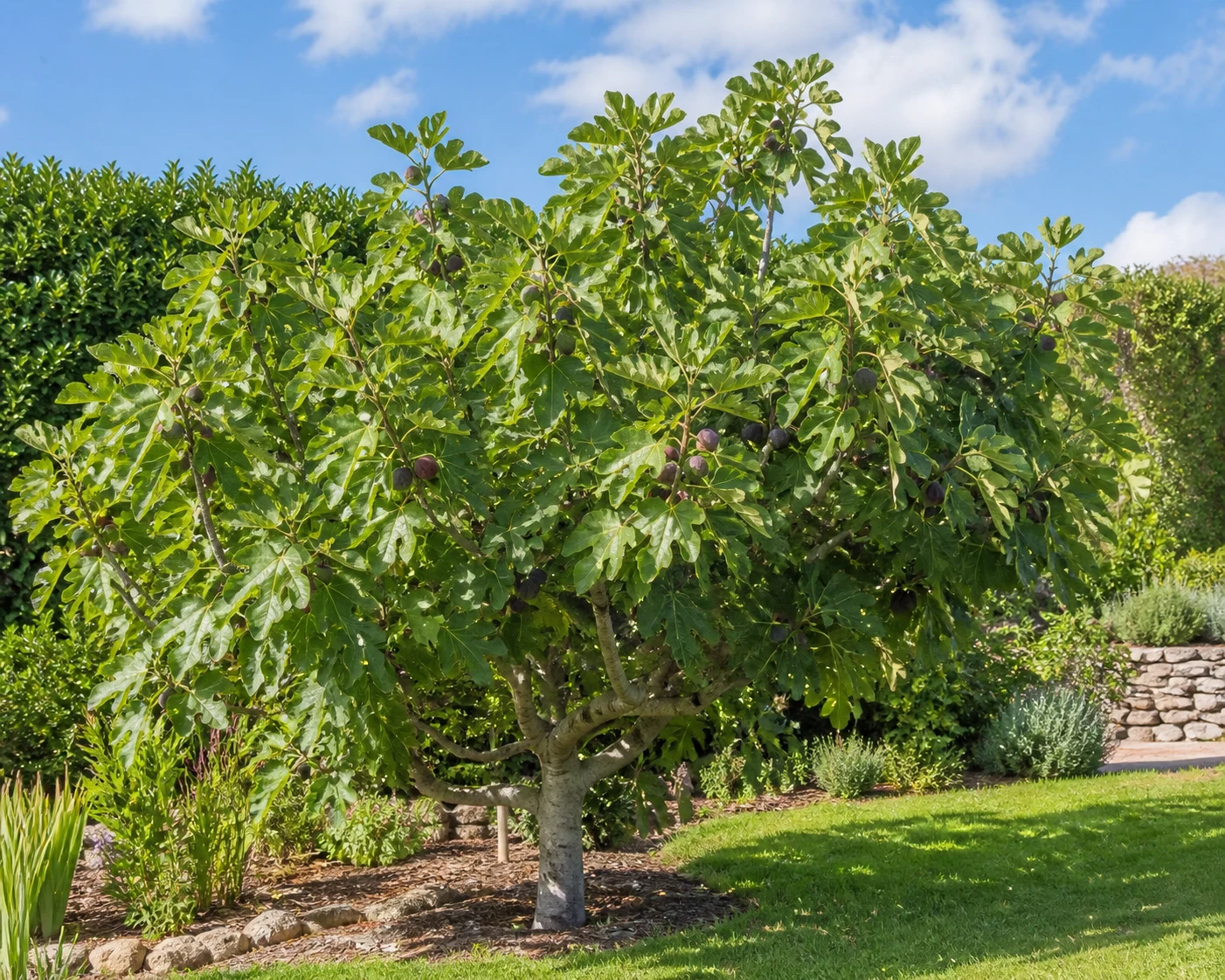
Fig Tree
A heat-loving fruit tree with better cold tolerance in many yards.
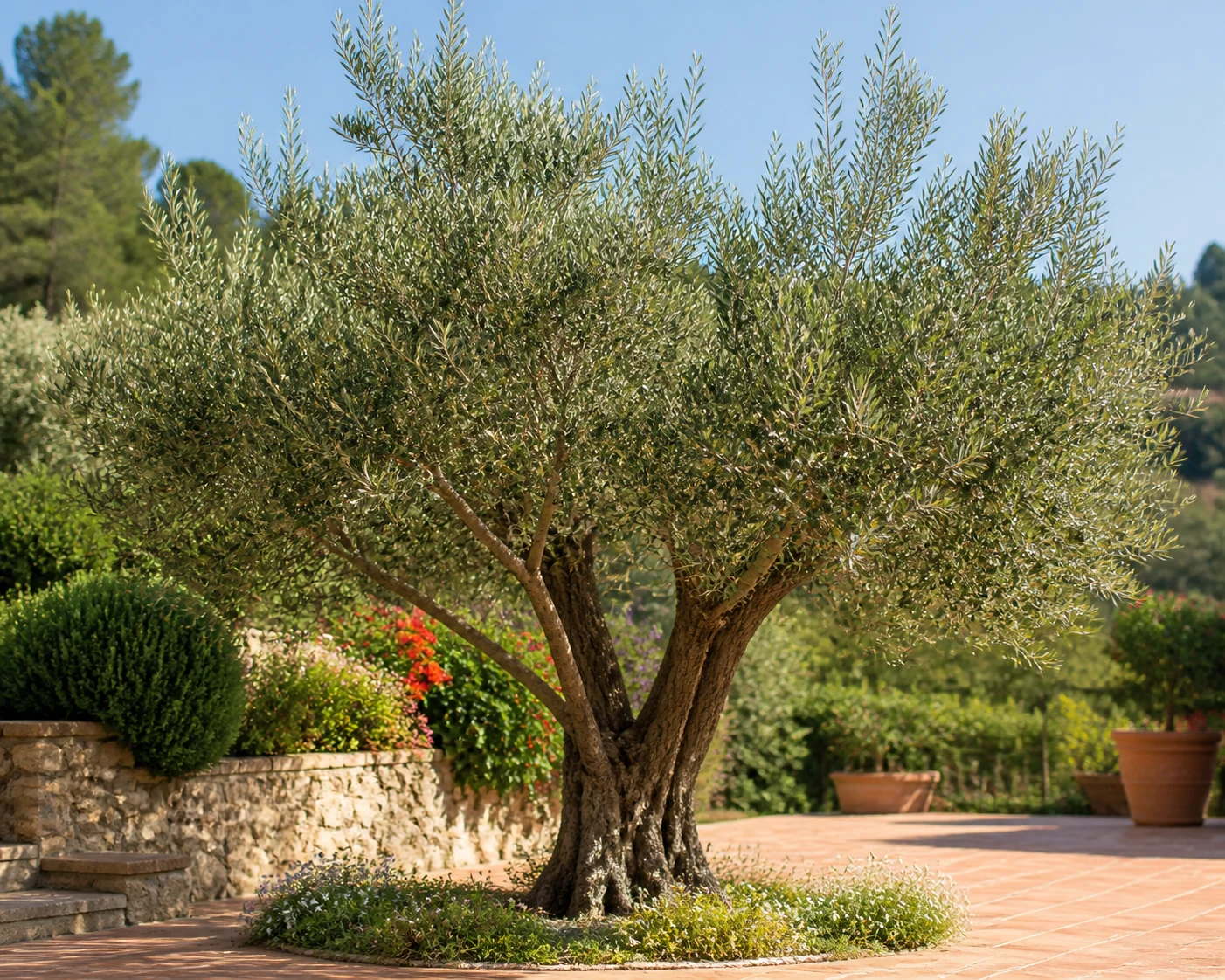
Olive Tree
A dry-climate evergreen fruit tree for sunny patios and mild winters.
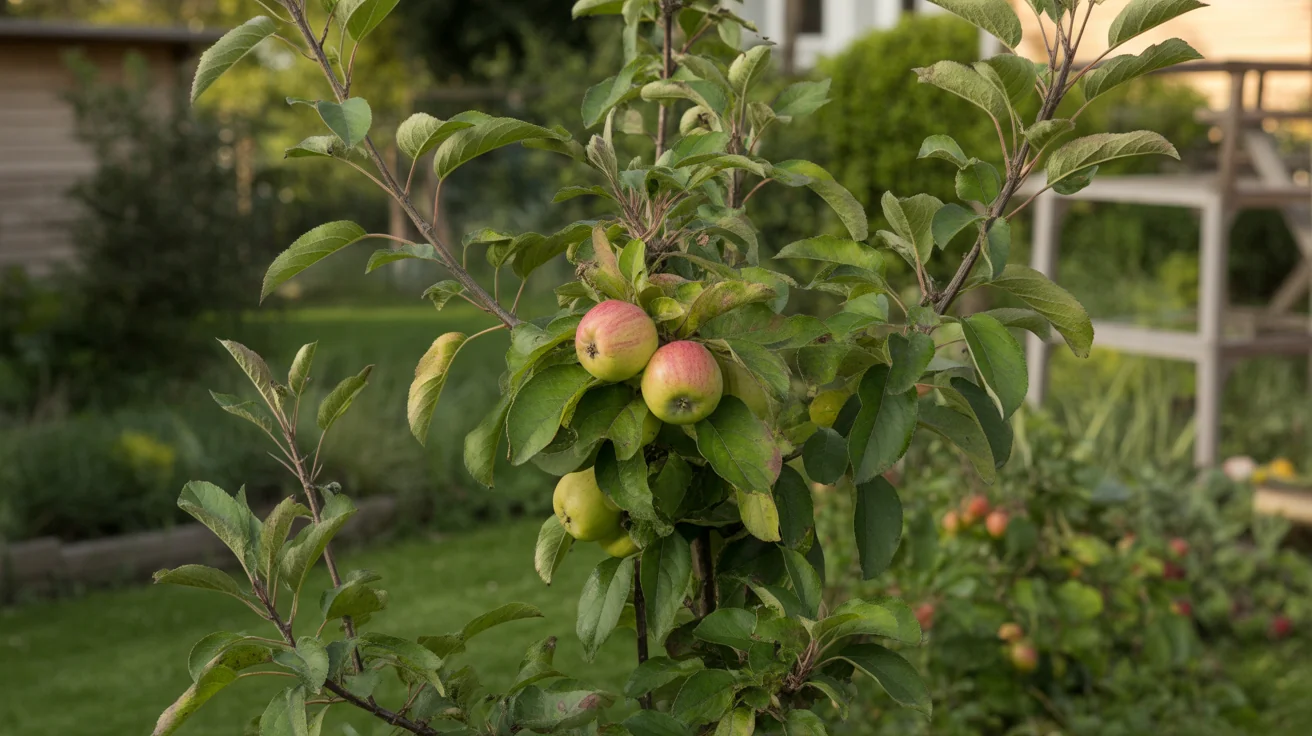
Apple Tree
Apple trees can be excellent backyard fruit trees when the variety, rootstock, pollination partner, sun, and pruning…
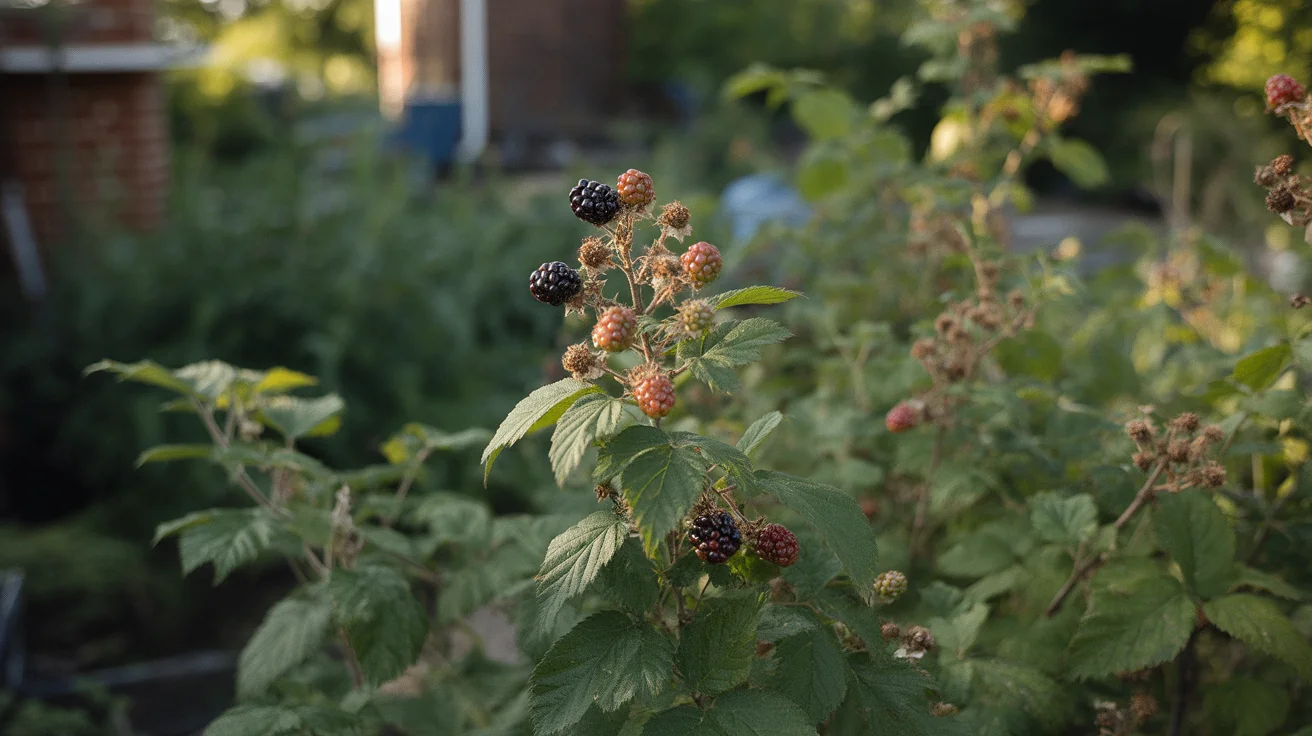
Blackberry
Blackberries are perennial brambles grown for summer fruit on managed canes.
Blueberry
Blueberries are long-lived fruiting shrubs that reward careful soil prep more than constant fussing.