
How to Grow Strawberries for the Harvest Season You Want
Fragaria x ananassa Rosaceae
Strawberries are low perennial fruit plants that reward good bed prep, correct crown depth, steady moisture, mulch, and timely renovation. The main choice is whether you want one heavy June-bearing crop or smaller repeat harvests from everbearing and day-neutral plants.
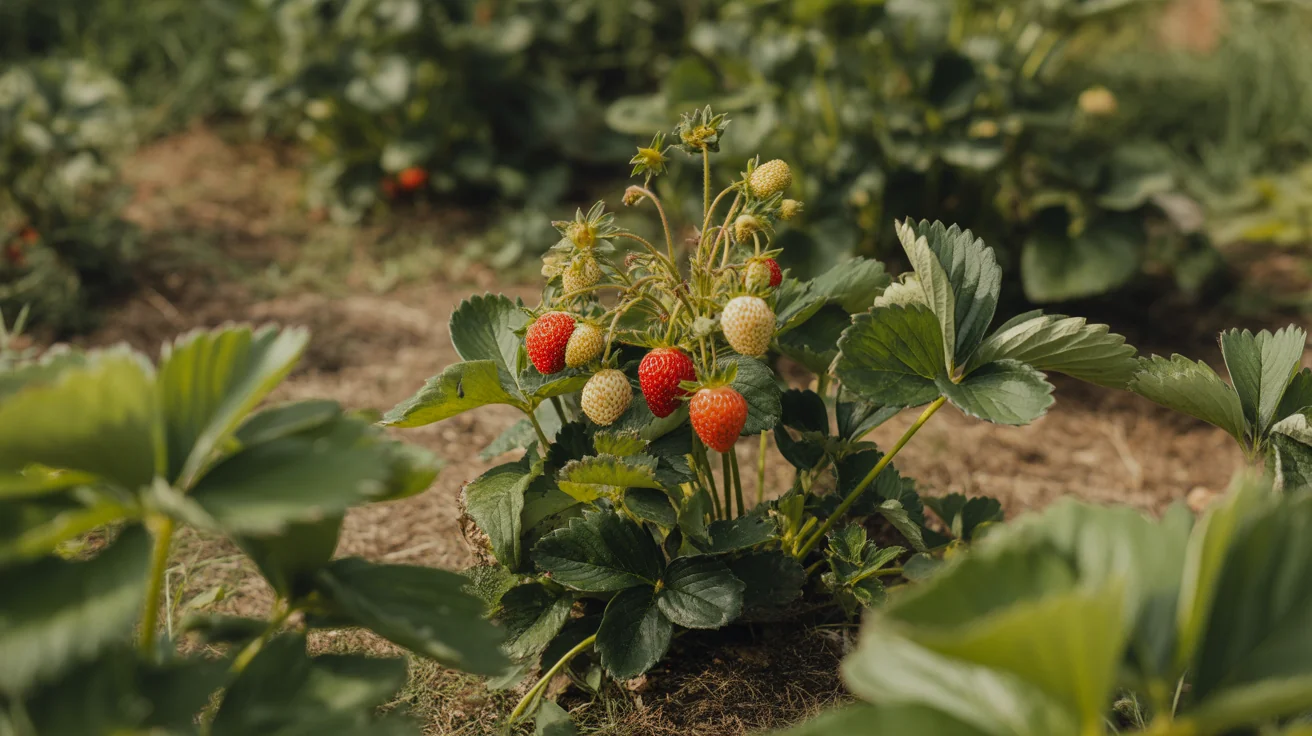
Care snapshot
Strawberries Are Crowns With Shallow Roots
In garden terms, Strawberries grow from short crowns with shallow roots, leaves, flowers, and runners. The crown is the part you must plant correctly, since burying it too deep can rot the plant, while leaving it too high dries out the roots.
Runners are horizontal stems that root into daughter plants. They are useful for renewal, but too many runners steal energy from fruit and turn a neat bed into a mat.
Compared with raspberries, strawberries stay low and are easier to pick without a trellis, but their shallow roots make water and mulch more important.
Strawberry plants belong to the rose family, the same family that includes apples, raspberries, and roses, which explains their five-petaled white flowers.
A single strawberry crown can produce fruit for three to five years before yields decline enough to justify replacement.
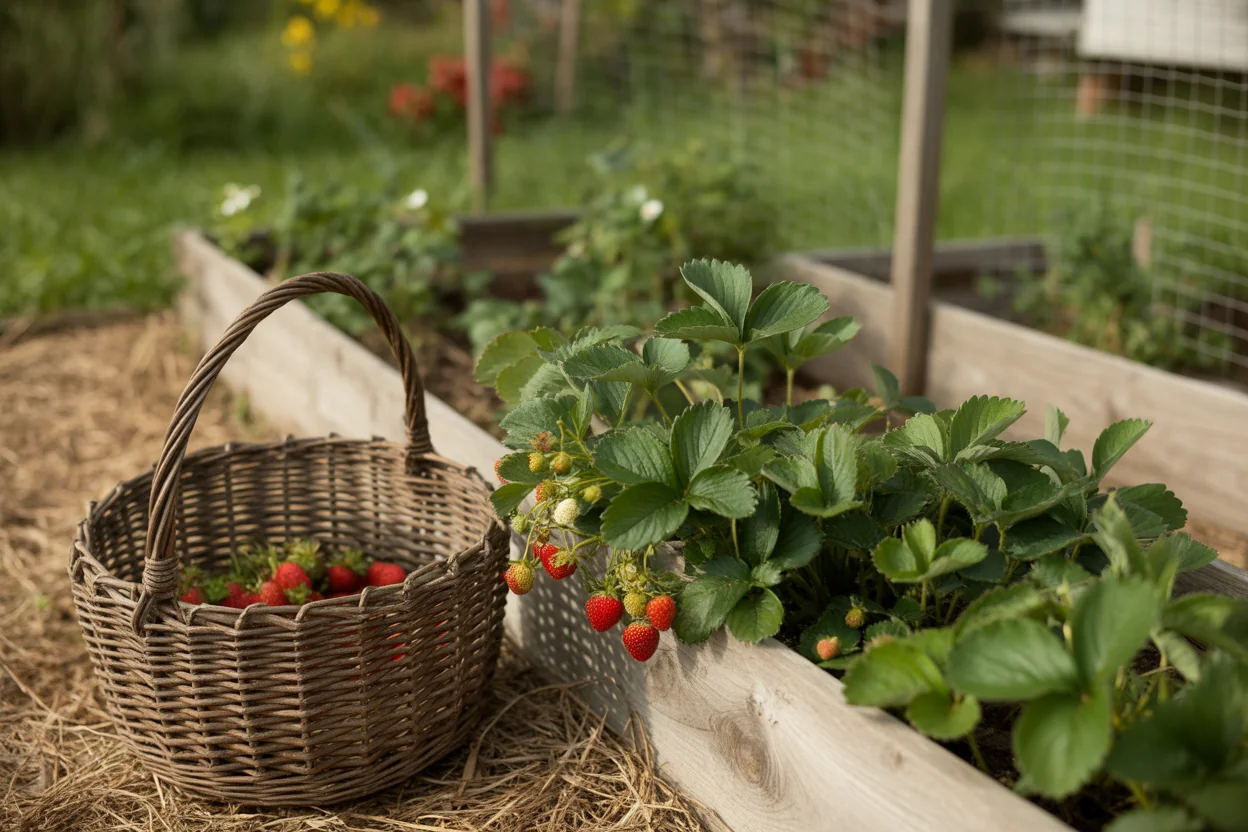
June-Bearing, Everbearing, and Day-Neutral Types
Choose strawberries by harvest rhythm. June-bearing types give one strong crop, while everbearing and day-neutral types trade peak volume for repeat picking.
June-bearing strawberries are best when you want jam, freezing, or a big family harvest over a short window. They also respond well to post-harvest renovation.
The harvest pattern should drive the strawberry type. June-bearing plants suit jam and one heavy crop, everbearing types spread harvest into smaller waves, and day-neutral plants are best when you want steady picking from containers or small beds.
Choose the strawberry system before choosing a variety name. Compared with strawberry vs raspberry, strawberries ask for bed renovation and runner control rather than cane pruning, so harvest style matters as much as flavor.
- June-bearing
- One heavy crop; best for preserving and classic matted rows
- Everbearing
- Two or more smaller flushes, often spring and late summer
- Day-neutral
- Repeat harvests in mild weather; strong for containers
- Alpine
- Small aromatic berries, often used along paths and edges
Perpetual and everbearing labels are sometimes used loosely by nurseries, so checking a cultivar's actual bloom pattern matters more than trusting the marketing name alone.
Alpine strawberries rarely send out runners, which makes them easier to contain along a border but slower to multiply than running types.
Nurseries commonly sell strawberry plants as bare-root crowns, plugs, or potted starts, and bare-root crowns are usually the least expensive way to plant a large bed.
Sun Builds Sweetness
The fruiting cue is light, since Strawberries fruit best with 6-8 or more hours of direct sun. Too much shade gives leaves, runners, and tart fruit instead of a strong crop.
In hot climates, morning sun with light afternoon shade can protect fruit quality. The goal is cool roots and bright light, not a bed hidden under trees.
Keep beds away from large tree roots and deep fence shade. A sunny raised bed usually outperforms a shaded patch, even when the shaded soil looks richer.
For containers, the brightest spot is usually better than the most decorative one. A basket that looks charming in porch shade may stay leafy while a plainer sunny rail planter gives sweeter fruit.
Strawberry plants can survive in part sun, but fruit quality falls before the foliage looks weak. More light usually means sweeter berries, stronger crowns, and faster drying after rain.
- Best site: full sun with easy harvest access.
- Hot sites: use afternoon relief or light shade cloth.
- Avoid: tree roots, wet low spots, and dense shade.
- Containers: place where morning sun is reliable.
Strawberry flowers can tolerate a light frost, but a hard freeze during bloom can damage the yellow center and prevent fruit from forming.
Reflected light off a light-colored wall or mulch can measurably boost fruit ripening in a marginal site that gets slightly less direct sun.
Moist Soil, Dry Leaves, and No Soggy Crowns
The root zone decides watering, since Strawberries need consistent moisture during flowering and fruit fill. Dry swings create small berries, while wet foliage and soggy crowns invite rot.
Use soil-level watering and the same rhythm behind deep watering, soaking the shallow root zone well, then letting the surface begin to dry before watering again.
Keep the crown visible while you manage moisture, since clean fruit is useful only if the growing point can still breathe.
Strawberries need the most consistent moisture from flowering through harvest. Dry soil gives small berries, while overhead watering near harvest keeps fruit wet long enough for gray mold to spread.
Drip irrigation keeps strawberry foliage and fruit dry while still delivering steady moisture to the shallow root zone, lowering disease pressure compared with overhead sprinklers.
A consistent watering rhythm matters more in sandy soil, since sandy beds can swing from moist to dry within a single hot afternoon.
A finger test just below the mulch layer works as a quick daily check, since the surface can look dry while the root zone underneath still holds moisture.
Loose Soil, Compost, and Clean Mulch
The planting bed matters because Strawberries prefer loose, well-drained soil with compost and a slightly acidic pH. They are not as acid-hungry as blueberries, but they dislike compacted, alkaline, or waterlogged beds.
Prepare the bed before planting, the same way you would prepare a productive vegetable garden. Remove perennial weeds, loosen the topsoil, and mix in compost across the whole bed.
Crown depth is non-negotiable. Roots need to be covered, but the crown must sit at the surface, since planting too deep invites rot, while planting too high lets the root system dry before new leaves can support it.
- pH
- Slightly acidic, often about 5.5-6.5
- Bed depth
- Loose topsoil for shallow roots
- Mulch
- Clean straw, pine needles, or light leaf mulch
- Avoid
- Poor drainage, buried crowns, and old solanaceous crop beds
Strawberries planted after tomatoes, peppers, or potatoes in the same bed face a higher risk of verticillium wilt, since these crops share susceptibility to the same soil-borne fungus.
Raised beds warm up faster in spring than ground-level rows, which can nudge bloom and the first harvest a little earlier in cool climates.
Working several inches of aged compost into the top layer of soil the season before planting gives it time to break down instead of tying up nitrogen right at the roots.
Runners, Renovation, and Replacement
New plants start with timing, since Strawberries renew themselves with runners. Let the strongest daughter plants root where you want them, then remove excess runners before the bed becomes overcrowded.
June-bearing strawberries are often renovated after harvest, with old leaves cut back, rows narrowed, weeds removed, and selected daughter plants replacing tired crowns.
Do not renovate every type the same way. Classic matted June-bearing rows can handle a post-harvest reset, while day-neutral container or hill-system plants usually need runner control and replacement planning instead of mowing the whole planting.
Runner control is a crop decision, not just cleanup. Keeping every daughter plant fills the bed fast, but selected runners make stronger replacements and leave the mother plants with more energy for fruit.
Day-neutral strawberries are usually managed more like compact annual or short-lived perennial plants. Remove too many runners so the plant keeps energy in flowers and fruit.
- Keep crowns planted at the correct depth.
- Root only the strongest runners you need.
- Remove crowded or weak daughter plants.
- Renovate June-bearing beds after harvest.
- Replace declining beds every few years instead of nursing weak crowns forever.
A single mother plant can send out a dozen or more runners in one season, far more than a bed actually needs for healthy renewal.
Pinning a runner's daughter plant into a small pot of soil while it is still attached to the mother lets it root without disturbing the original crown until it is well established.
Cutting the connecting runner stem only after the daughter plant has rooted well protects it from drying out if it gets separated too soon.
Slugs, Birds, Fruit Rot, Mites, and Fruit Flies
Pest work starts with diagnosis, since Strawberries sit low to the ground, so pests and disease often start where fruit touches damp soil or crowded leaves.
Slugs chew low fruit, birds peck ripe berries, gray mold spreads on wet fruit, and spotted wing drosophila can attack soft nearly ripe berries.
Slugs, birds, and gray mold usually show up because fruit touches damp soil or disappears into dense leaves. Mulch, spacing, and frequent picking solve more strawberry problems than late spraying.
Netting helps with birds only when it is held above the foliage and sealed at the edges. Loose netting laid directly on Strawberry leaves can trap birds or let them peck fruit through the mesh.
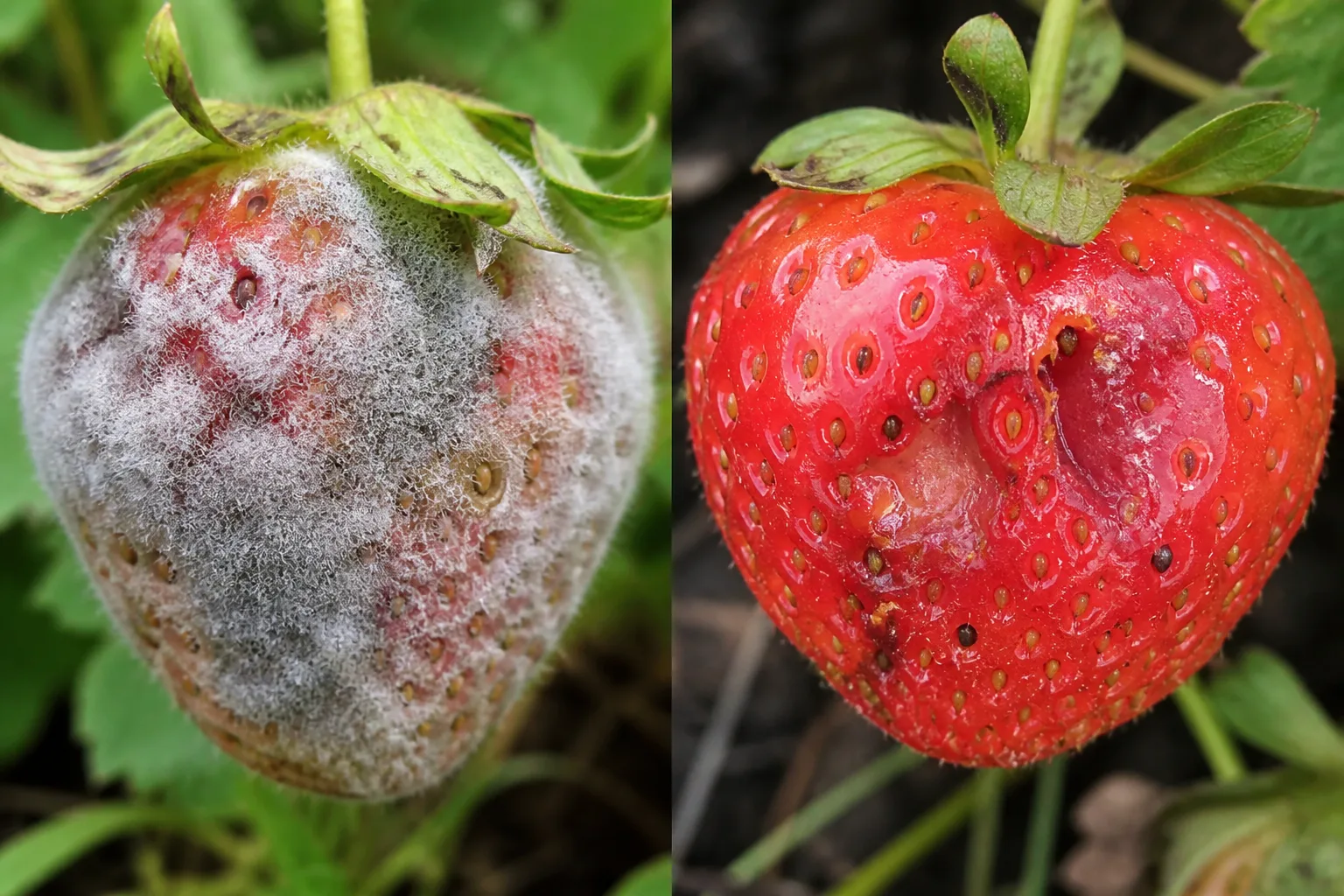
Use clean mulch, reduce hiding places, and pick damaged fruit.
Net before fruit fully colors, using supports so netting does not sit on berries.
Improve airflow, water at soil level, and remove moldy fruit immediately.
Harvest often, chill fruit quickly, and do not leave overripe berries in the bed.
Strawberry root weevils feed on roots as larvae and notch leaf edges as adults, a pattern that separates them from surface-feeding pests like slugs.
Picking ripe fruit every one to two days during peak season removes the overripe berries that gray mold and fruit flies use to establish first.
Sanitation matters as much as any spray, since removing old leaves and fallen fruit after harvest cuts down on the spores and eggs that overwinter near the crown.
Seasonal Strawberry Care
Spring care for strawberries is cleanup, feeding, flower protection, and mulch adjustment. Pull winter mulch back from crowns once growth resumes, but keep it nearby for cold nights.
Summer care is harvest, water, and renovation. Pick ripe berries often, then renovate June-bearing beds soon after the main crop so plants have time to regrow.
If your edible yard includes apple trees, keep strawberry cleanup just as regular. Soft fallen fruit and old leaves carry problems into the next season.
Renovation is for the right system, not every strawberry planting. Matted June-bearing rows can be narrowed and refreshed after harvest, while day-neutral containers usually need runner control, feeding, and timely plant replacement instead.
Uncover crowns, feed lightly, and protect blooms from late frost.
Harvest often, water steadily, and renovate June-bearing beds after harvest.
Root selected runners and remove weak or crowded plants.
Mulch cold-climate beds after plants harden off.
Cold-climate beds often need a loose mulch layer, such as straw, applied only after several hard frosts to protect crowns without smothering dormant growth.
Removing flowers during the first few weeks after transplanting a new strawberry bed sends more energy into establishing roots rather than an early, weaker crop.
A newly planted strawberry bed in its first spring should have all flowers removed for several weeks, redirecting energy into the crown and root system before allowing the first harvest the following year.
Safe Fruit, Allergies, and Pollinator Help
Ripe strawberries are generally safe for people and pets in normal amounts, though some people are allergic and pets can get upset stomachs from eating too many.
Wash fruit before eating and discard moldy berries. Do not try to salvage a visibly moldy strawberry, because soft fruit spoils quickly.
For a small-space fruit garden, combine strawberries with upright berry crops only if their soil needs are kept separate. Pairing with cane fruit works better when paths stay open for harvest.
Replace tired plants before the bed collapses. Even well-managed strawberries lose vigor after a few seasons, so planning daughter plants or new crowns keeps harvest steady instead of waiting for a weak patch to recover.
Strawberry leaves are sometimes brewed into a mild herbal tea, though the fruit itself remains the main reason the plant is grown.
A bed left unpicked for too long can attract more wasps and yellow jackets drawn to overripe, fermenting fruit near the soil surface.
Frequently Asked Questions
Do strawberries come back every year?
Yes. Strawberries are short-lived perennials in many climates, though beds are usually refreshed or replaced every few years as crowns age and yields fall.
What is the difference between June-bearing and day-neutral strawberries?
June-bearing strawberries produce one heavy crop. Day-neutral strawberries produce smaller repeat harvests when temperatures are favorable.
How deep should I plant strawberry crowns?
Plant strawberry crowns at soil level, with roots covered and the crown exposed. Planting too deep can rot the crown, while planting too high dries roots.
Can strawberries grow in containers?
Yes, strawberries grow well in containers with drainage, full sun, steady water, and fresh potting mix. Day-neutral types are especially useful for pots.
Why are my strawberries small?
Small strawberries usually come from drought, overcrowding, old crowns, poor pollination, too much shade, or heat stress during fruiting.
Are strawberries safe for dogs?
Ripe strawberries are generally safe for dogs in small amounts, but too many can upset digestion. Keep pets away from moldy fruit and treated beds.
Sources & References
- University of Minnesota Extension - Growing Strawberries in Home Gardens
- University of California IPM - Strawberry
- Oregon State University Extension - Growing Strawberries in Your Home Garden
- Penn State Extension - Growing Strawberries in the Home Garden
- Toxic and Non-toxic Plants: Strawberry | ASPCA
- North Carolina Extension Gardener Plant Toolbox - Fragaria x ananassa
Related Plants
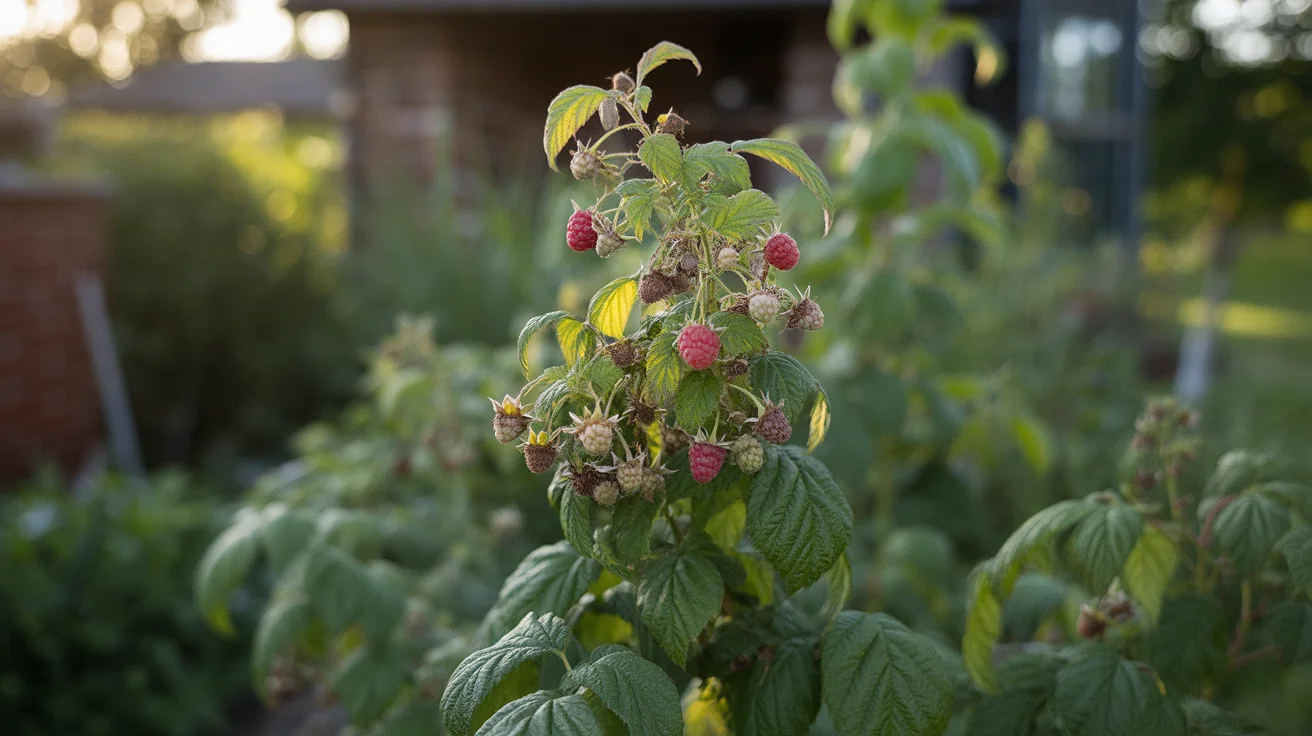
Raspberry
A taller berry crop with cane pruning and trellis needs.
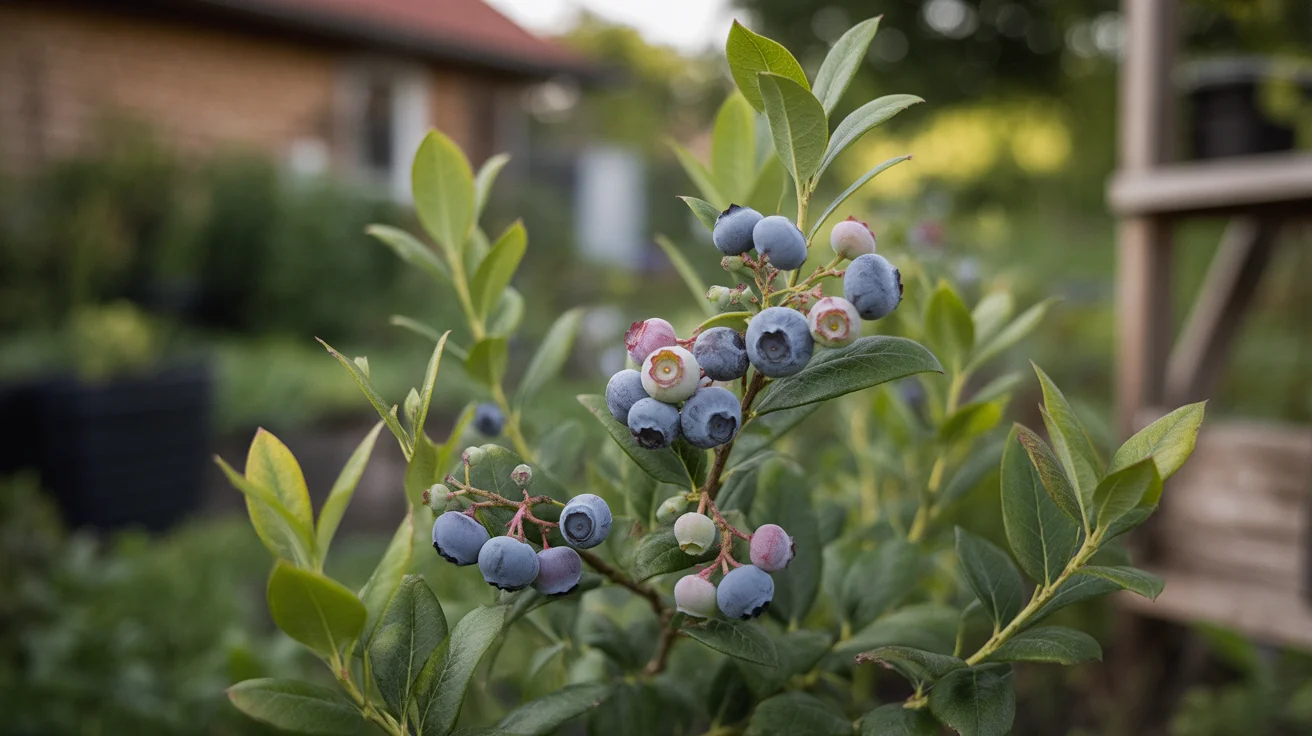
Blueberry
A shrub fruit that needs more acidic soil than strawberries.
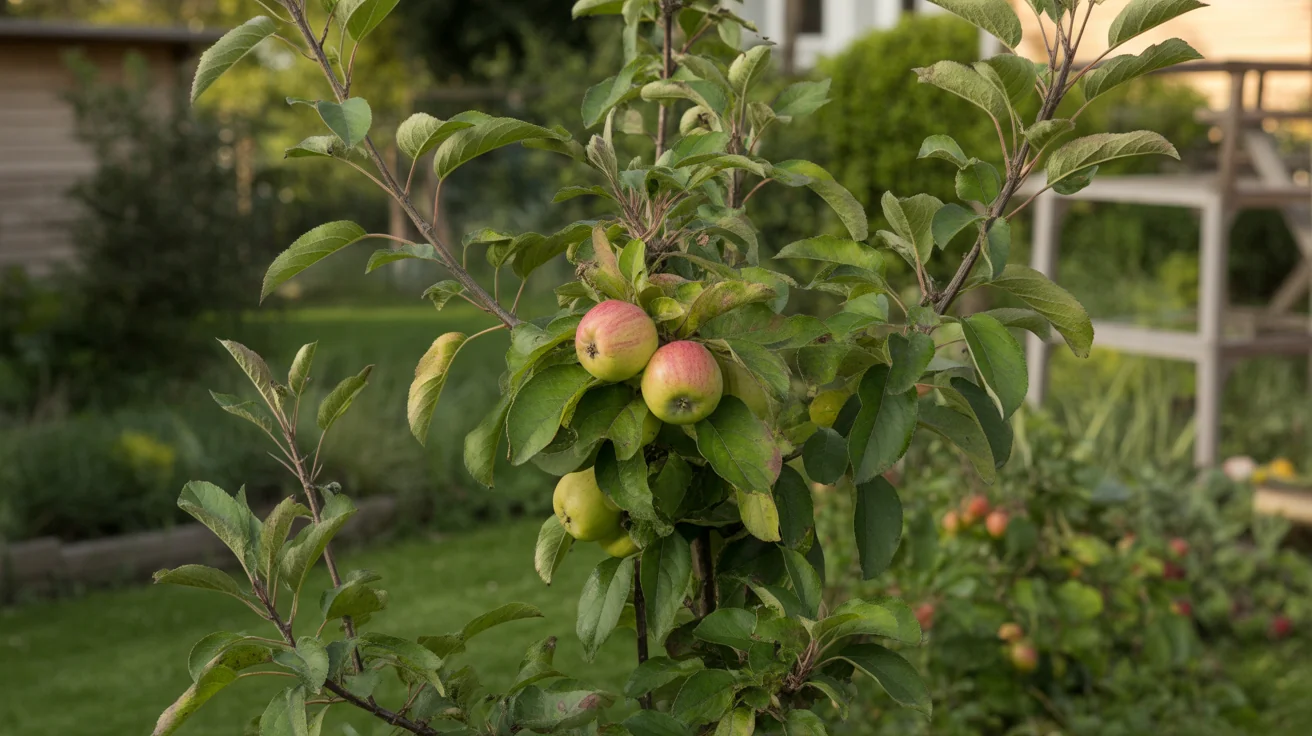
Apple Tree
A tree fruit for gardeners building a broader edible yard.
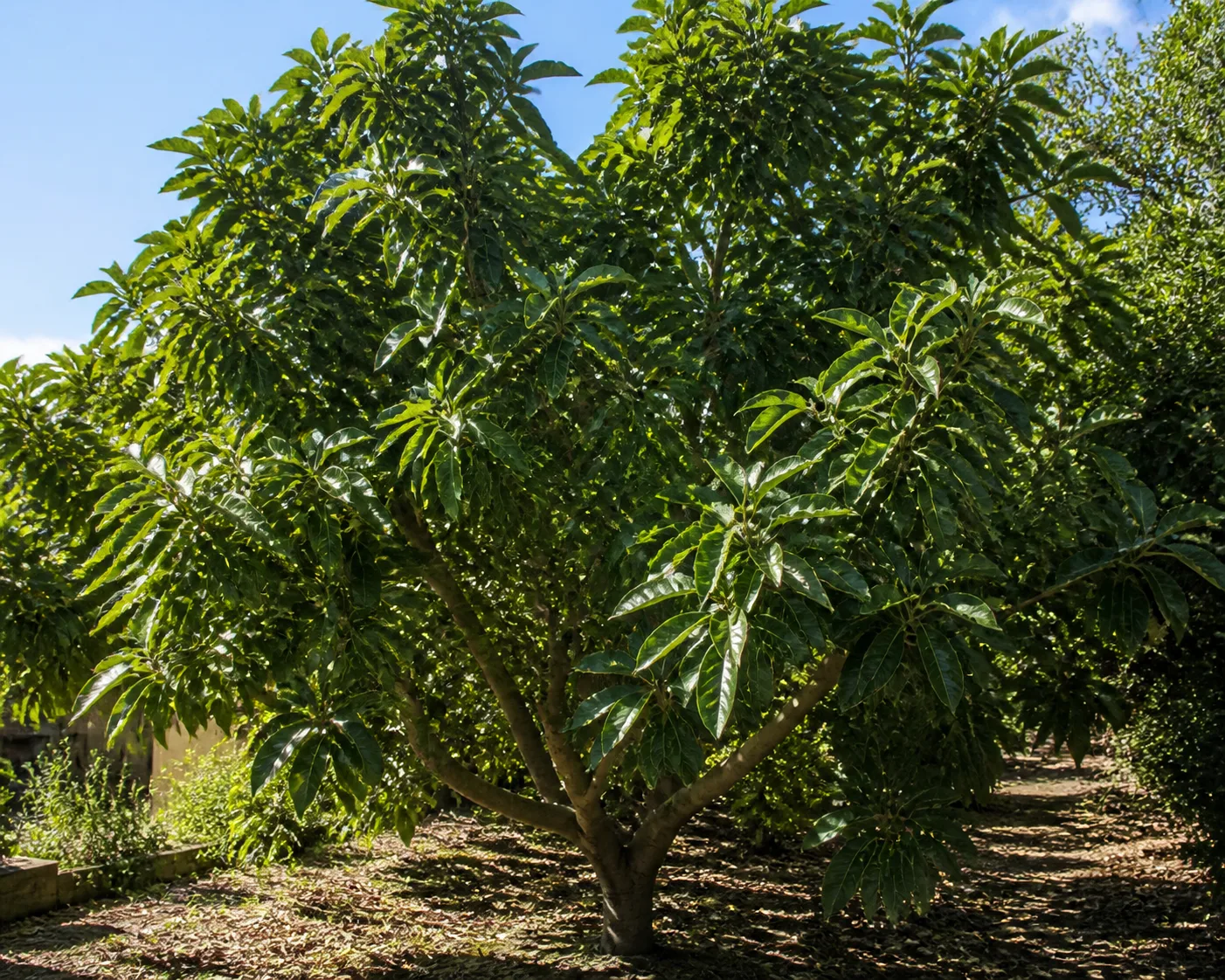
Avocado Tree
Avocado tree is a subtropical evergreen fruit tree for frost-free gardens, warm patios, and bright indoor…
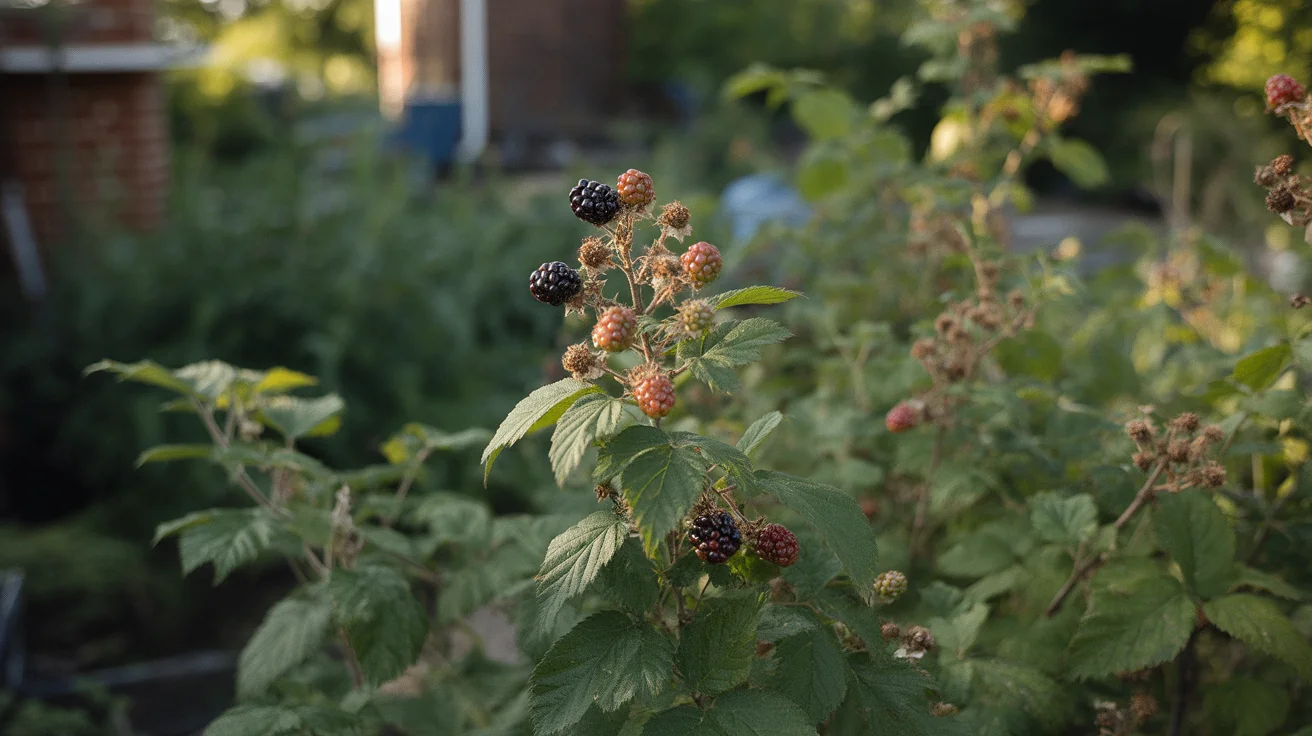
Blackberry
Blackberries are perennial brambles grown for summer fruit on managed canes.
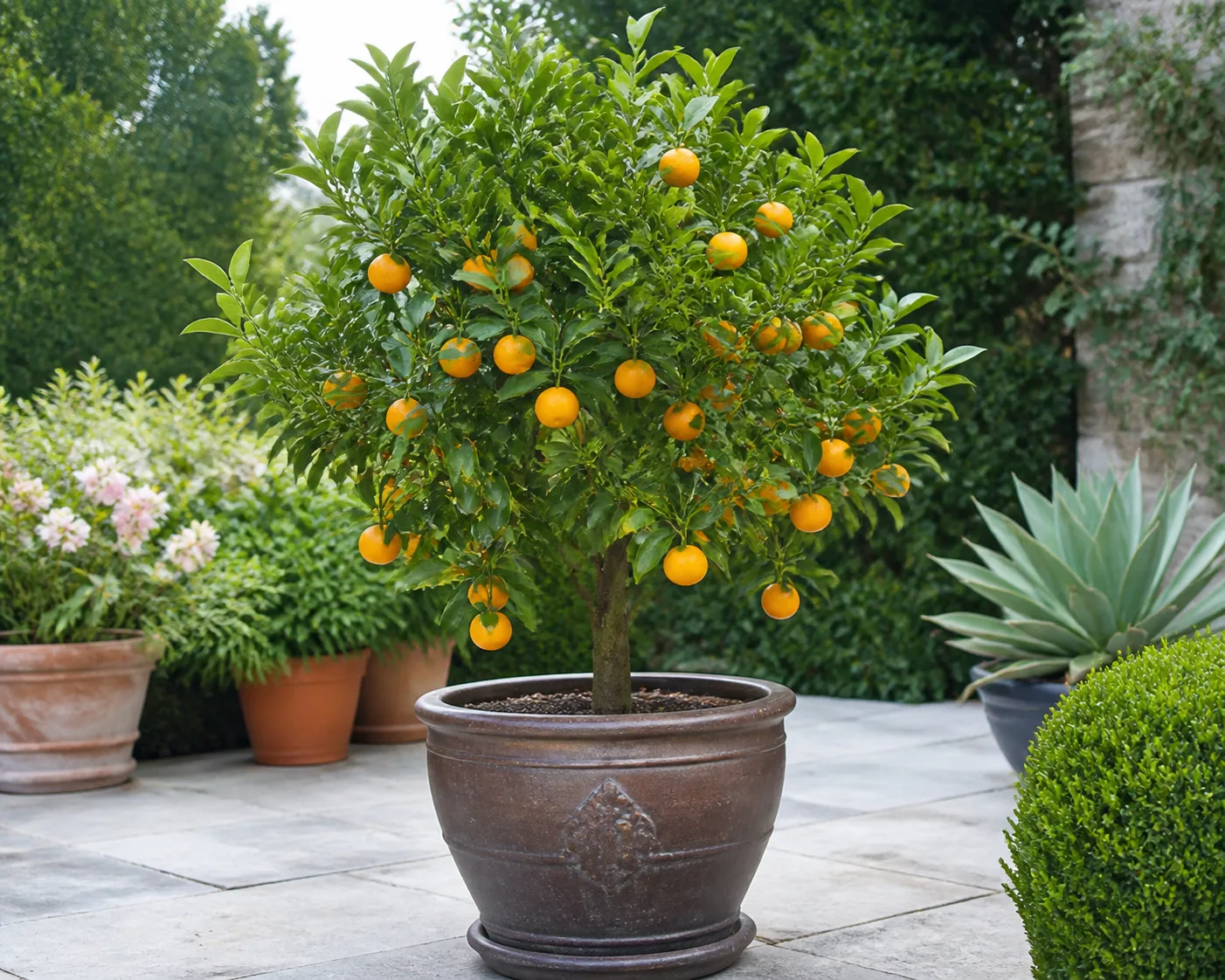
Dwarf Citrus
Dwarf citrus includes different fruiting varieties grown on size-controlling rootstocks, along with naturally smaller…