
How to Grow Blackberries Without an Unmanageable Thicket
Rubus spp. Rosaceae
Blackberries are perennial brambles grown for summer fruit on managed canes. A productive patch depends less on fussing and more on choosing the right cane type, giving full sun, setting a trellis, pruning old canes out, and keeping the row from turning into a thorny thicket.
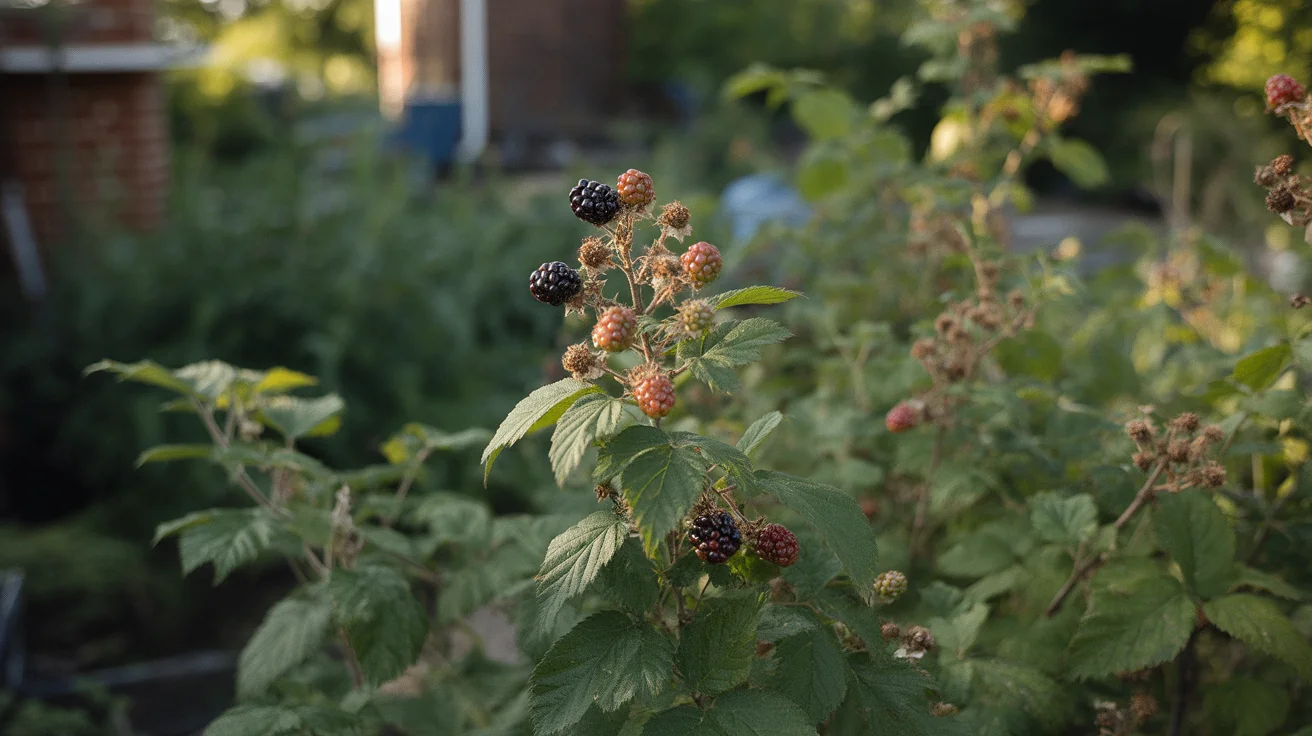
Care snapshot
Understand the Cane Cycle First
In garden terms, Blackberries grow from perennial crowns and roots, but the canes themselves are temporary. In many types, first-year canes grow leaves, second-year canes fruit, and then those fruited canes die.
That cane cycle is the whole care system. If you leave dead floricanes in place, the row becomes crowded, disease-prone, and hard to harvest.
Spent floricanes typically die back on their own by late summer even if never cut, so leaving them in the row adds clutter and disease risk rather than any continued function.
Compared with blueberries, blackberries are less picky about soil pH but far more demanding about pruning and physical control.
The genus Rubus includes hundreds of species and natural hybrids, which is exactly why matching care to the specific cultivar matters more than going by the common name alone.
Blackberry care depends on cane type. Floricane-fruiting plants crop on second-year canes, while primocane types can fruit on new growth, and pruning the wrong canes at the wrong time is the usual reason a patch skips harvest.
Marking or color-coding canes by their planting year makes this sorting far easier at pruning time than trying to judge cane age by eye alone.
Erect, Semi-Erect, Trailing, Thornless, and Primocane Types
Choose blackberry varieties by cane habit before flavor. Erect types are easier for small yards, while trailing types can be excellent but usually need stronger trellising and more room.
Thornless cultivars make harvest and pruning much easier around children, pets, and narrow paths. Thorny types can still be worthwhile, but they need a location where canes will not grab people walking by.
Thornless traits were bred into existing cultivars rather than coming from a separate species, so thornless and thorny forms otherwise behave and fruit in much the same way.
Match the cane habit to the trellis you are willing to maintain. Trailing types can be excellent in mild climates, but they are frustrating without wires, while erect thornless types are usually easier for a narrow home row.
If you already grow raspberries, the language will feel familiar, but do not copy pruning blindly. Blackberry cane habits vary more by cultivar.
Thornless blackberries are easier to manage, but not all are equally cold-hardy or flavorful. In short seasons, choose cultivars that ripen before fall weather turns wet, because late berries are more likely to mold on the cane.
Semi-erect thornless types often need the sturdiest trellis support of all, since their canes grow long like trailing types but without the same self-supporting habit as erect cultivars.
- Erect types
- More self-supporting, good for smaller rows and easier netting
- Trailing types
- Need trellis wires, often excellent flavor, better in mild climates
- Thornless types
- Easiest to harvest and prune near paths
- Primocane types
- Can fruit on first-year canes, useful for simpler pruning systems
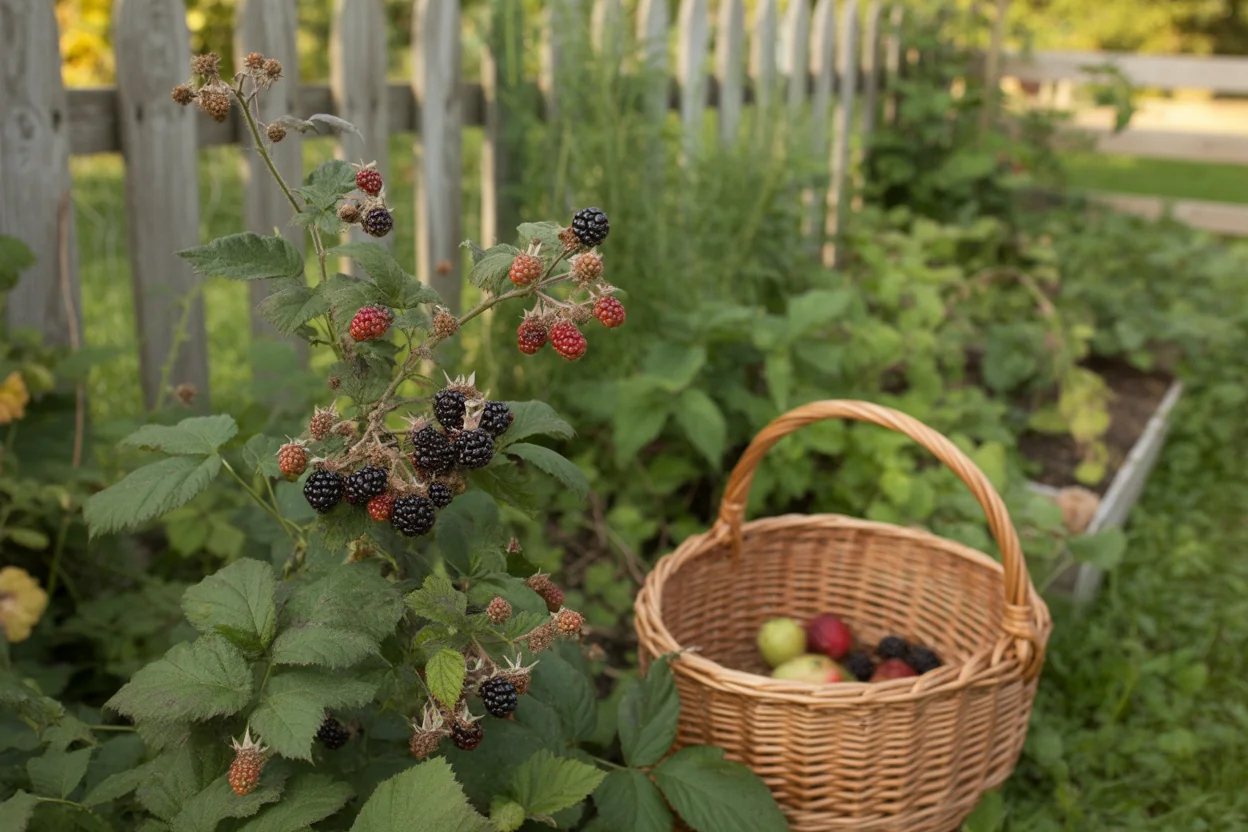
Full Sun Makes Sweeter Berries
Blackberries need 6-8 or more hours of direct sun for good fruit size, sweetness, and cane strength. Shade gives sour berries and long weak canes.
Plant rows where the whole wall of foliage can dry after rain. Sun plus airflow reduces fungal pressure and makes picking less miserable.
Orienting rows north to south, where the site allows it, gives more even sun exposure across the whole row through the course of the day.
A sunny fence line can work well if the fence does not shade the row most of the day. Similar trellis planning also matters for grapes, but blackberry canes need annual renewal rather than permanent cordons.
In hot inland gardens, afternoon scorch can hit exposed fruit, but deep shade is still the worse tradeoff. Use mulch and steady water to protect roots rather than moving the row where canes stretch and berries stay sour.
Light shade cloth over the row during the hottest afternoons is usually a better fix for recurring scorch than moving the planting to a shadier permanent site.
- Best site: full sun with room to walk both sides of the row.
- Avoid: tree roots, deep fence shade, and narrow corners.
- Hot climates: light afternoon relief is acceptable if morning sun is strong.
- Trellis rows: orient for sun and access, not just property-line convenience.
Water Consistently During Fruiting
New blackberries need regular water while the row establishes. Mature patches are tougher, but fruiting canes still need steady moisture while berries swell.
About 1-2 inches of water a week is a reasonable starting target once berries begin swelling, adjusted up in hot, dry stretches.
Use a deep soak rather than daily surface wetting. The deep watering approach keeps roots active below the mulch and helps berries size evenly.
During fruit swell, the berries are the report card. Moisture stress shows up in texture and flavor before the canes look dramatic.
Berry size is decided during bloom and fruit fill. If the patch dries out then, the canes may still look vigorous, but individual berries stay small and the clusters ripen unevenly.
Drip irrigation also cuts down on the leaf-wetting that spreads fungal cane diseases, which overhead sprinklers tend to make worse.
A soaker hose buried just under the mulch delivers water straight to the root zone while keeping both foliage and fruit completely dry.
Soil and Row Setup
The planting bed matters because Blackberries grow best in well-drained, moderately fertile soil. They do not need the strongly acidic soil that blueberries demand, but they do need drainage and weed control.
Prepare the whole row, not just individual planting holes. Remove perennial weeds first, loosen the strip, and mix compost into the topsoil before setting plants.
Avoid replanting a row where other Rubus or Rosaceae crops grew recently, since soil-borne diseases can carry over and hit the new planting early.
A simple soil test before planting can catch a pH or fertility problem early, well before the more expensive step of establishing an entire row.
Blackberries tolerate a range of soils, but they resent wet crowns. A raised row or berm is worth the work in clay because cane diseases and winter injury both get worse when the crown sits cold and saturated.
- pH range
- Often about 5.5-7.0, depending on cultivar
- Row prep
- Weed-free strip with compost mixed through the topsoil
- Spacing
- Usually 3-6 feet apart, depending on cane type
- Support
- Two-wire trellis or fence for trailing and semi-erect types
Pruning, Trellising, and Propagation
Pruning blackberries starts with identifying what fruited. Floricanes that already carried berries should be cut to the ground after harvest or during dormant pruning.
Keep the strongest new primocanes for next season and tie them where they get sun and airflow. Remove weak, broken, diseased, or out-of-row canes before they thicken the patch.
Tipping primocanes in summer encourages lateral branching on some cultivars, which adds more fruiting sites for the following year's crop.
Propagation is easy because many types root from suckers or cane tips. Only propagate from healthy plants, since viruses and cane diseases move with planting material.
Tip layering, bending a cane tip into the soil until it roots, is usually the easiest propagation method for trailing types specifically.
Trellis style depends on cane habit. Compared with the softer shrub rhythm in blueberry vs blackberry, blackberries need a row system that separates new canes, spent canes, and picking space.
Labeling divisions or rooted tips with the parent cultivar name prevents mixed-up rows later, especially when growing more than one blackberry variety at once.
- After harvest, remove canes that fruited.
- Select strong new canes for next year's crop.
- Tie canes to trellis wires before they tangle.
- Tip-prune where the cultivar recommends branching.
- Dig suckers or root tip layers only from disease-free rows.
Pests, Disease, and Bird Pressure
Blackberries attract birds, Japanese beetles, aphids, mites, spotted wing drosophila, and cane diseases. Dense rows make every problem harder.
Harvest ripe fruit frequently and remove overripe berries. This is especially important where fruit flies attack soft berries.
Checking the undersides of leaves specifically for fine mite webbing matters, since that damage is easy to miss when only looking at the leaf tops.
Spotted wing drosophila changes harvest timing in many regions. Pick ripe berries frequently, chill them quickly, and remove overripe fruit from the patch so soft berries do not become a breeding site.
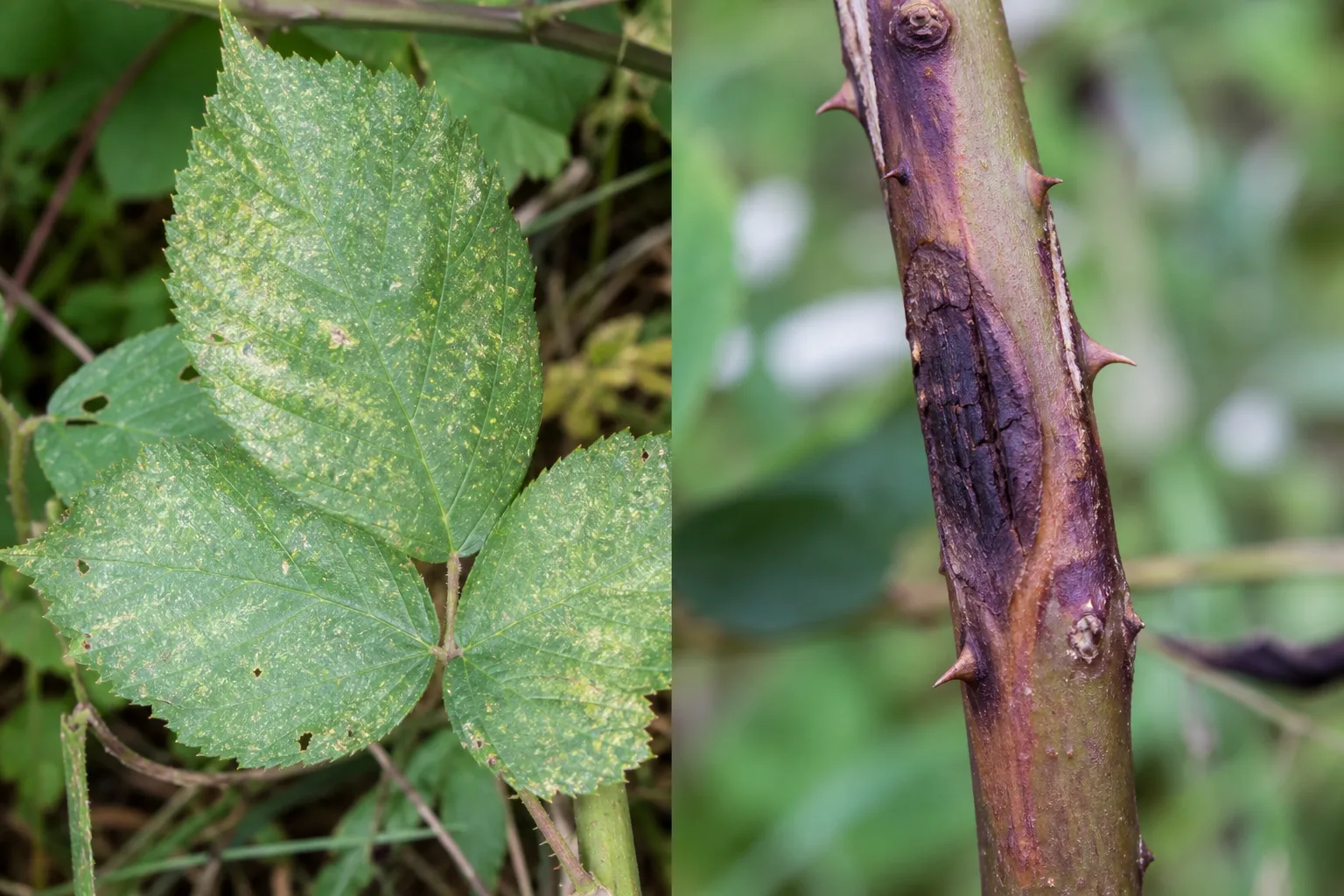
Net rows before berries color if you want a full harvest.
Hand-pick in the cool morning and avoid broad sprays during bloom.
Harvest often, chill fruit quickly, and remove overripe berries.
Prune out infected canes and avoid overhead watering late in the day.
Seasonal Cane Management
Spring care is cleanup and training. Remove dead canes, tie the keepers, refresh mulch, and fertilize lightly if growth was weak the previous year.
Summer care is harvest and cane sorting. Pick fully black berries when they release easily, then remove spent floricanes so new canes have room.
Picking in the cool morning, before the fruit warms in full sun, gives firmer berries that hold up noticeably better in the fridge.
If you grow other small fruits such as strawberries, keep each crop's cleanup separate so pest and disease problems do not spread unnoticed. Nearby raspberries need the same disciplined harvest cleanup.
A trellis is not just for neatness. Keeping canes lifted improves light, harvest access, and air movement, and it makes it obvious which spent floricanes should be removed after fruiting.
Checking trellis wires and posts each fall, before winter storms, catches loose hardware while it is still an easy fix rather than a spring repair job.
Prune dead wood, tie canes, feed lightly, and mulch.
Water during fruiting, harvest often, and remove spent canes.
Control suckers, clean debris, and repair trellis supports.
Finish dormant pruning where severe cold is not expected to damage fresh cuts.
Thorns, Spread, and Wildlife
Ripe blackberries are edible and generally safe, but thorny canes can injure hands, arms, pets, and children. Plant thorny types away from gates, play spaces, and narrow walkways.
Blackberry leaves and canes have a long folk history of use in teas, though modern home growers plant the crop almost entirely for the fruit itself.
Blackberries can spread by suckers, rooted cane tips, and bird-dropped seed. Keep the patch edged and remove escapees while they are small.
Certain wild or naturalized Rubus species are considered invasive in some regions, even though the cultivated garden varieties most people plant stay well-behaved with routine edging.
Manage the row edge as deliberately as the harvest. Bramble value drops fast when rooting tips start claiming nearby beds.
Wearing thick gloves and long sleeves during pruning season avoids most of the scratches thorny canes are known for.
Frequently Asked Questions
Do blackberry plants come back every year?
Yes, blackberry crowns and roots are perennial, but individual canes are temporary. Many canes grow one year, fruit the next, then die and need removal.
Do blackberries need a trellis?
Many blackberries benefit from a trellis, especially trailing and semi-erect types. Erect types may stand better, but support still improves harvest, airflow, and pruning.
When should I prune blackberry canes?
Prune blackberries after harvest or during dormancy, depending on climate and cane type. Remove canes that fruited and keep healthy new canes for the next crop.
Are thornless blackberries worth growing?
Yes, thornless blackberries are much easier to harvest and prune, especially near paths or family gardens. Choose a variety suited to your climate.
Why are my blackberries small and sour?
Small sour blackberries usually come from shade, dry soil during fruit swell, overcrowded canes, or picking before berries release easily.
Do I need two blackberry plants for fruit?
Most cultivated blackberries are self-fertile, so one plant can fruit. More than one variety can extend harvest season and improve overall yield.
Sources & References
- University of Missouri Extension - Growing Blackberries
- Oregon State University Extension - Growing Blackberries in Your Home Garden
- North Carolina State Extension - Blackberries and Raspberries in the Home Garden
- University of Arkansas Extension - Home Fruit Production: Blackberries
- North Carolina Extension Gardener Plant Toolbox - Rubus
Related Plants
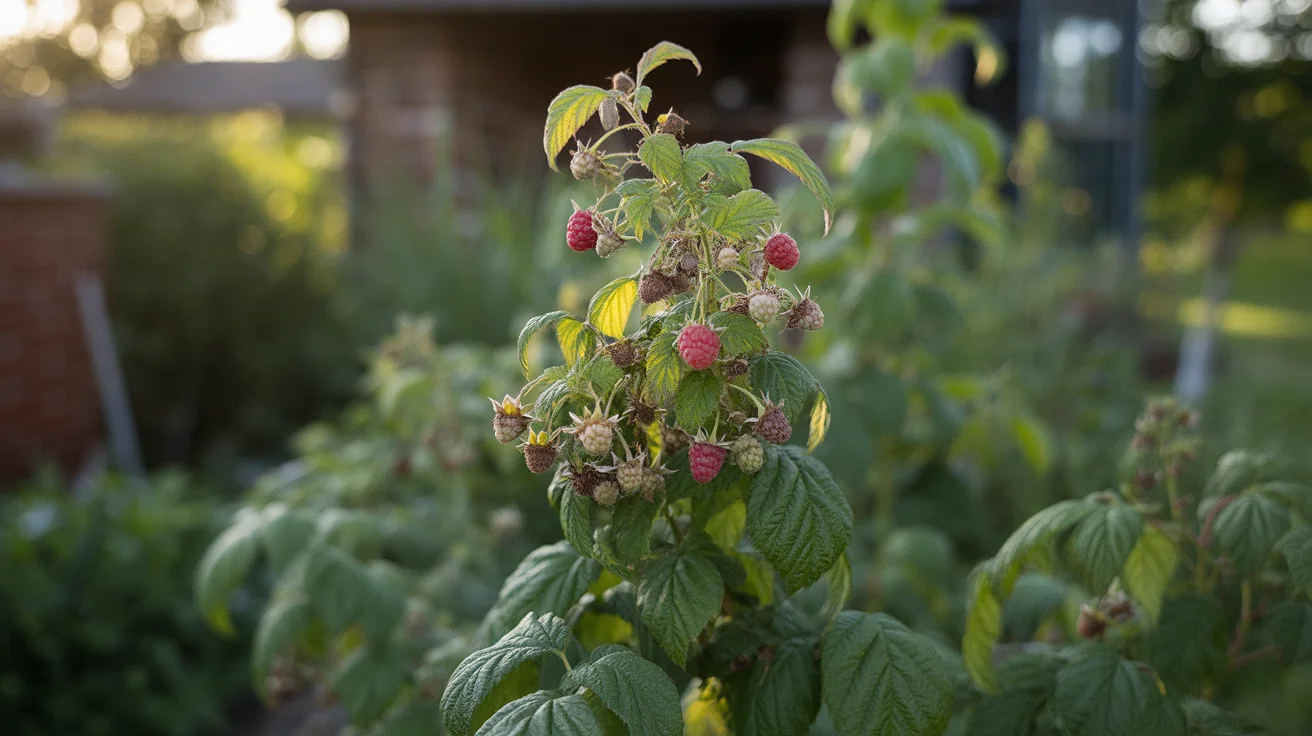
Raspberry
A close bramble relative with similar cane-pruning logic.
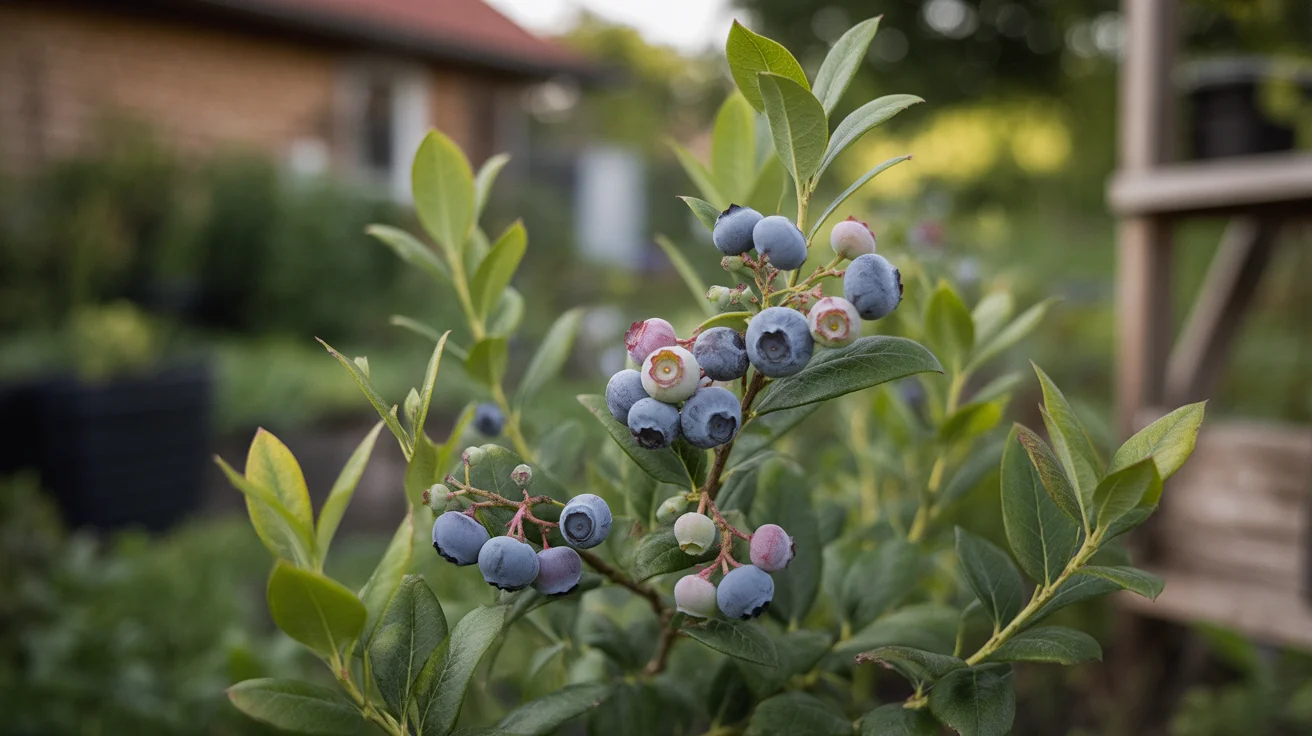
Blueberry
A shrub fruit with different soil needs and less cane management.
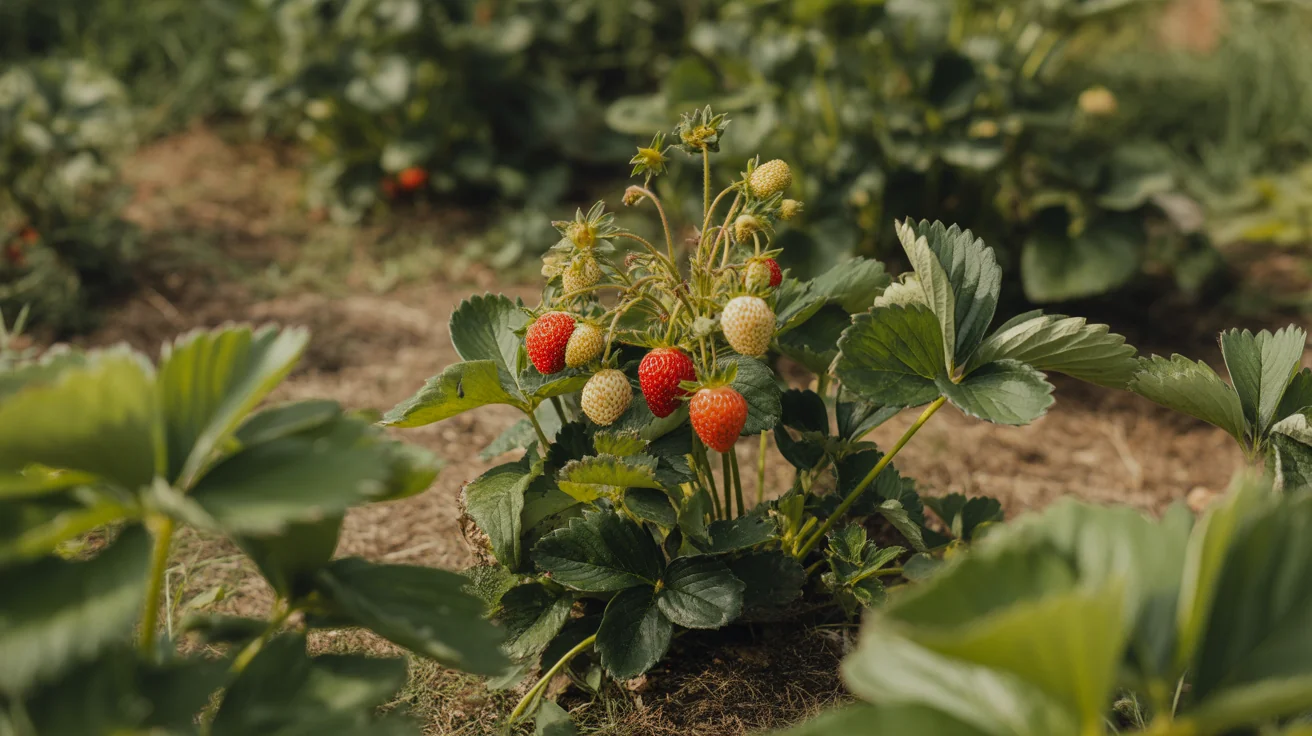
Strawberry
A low fruit crop for gardeners who want easier picking height.
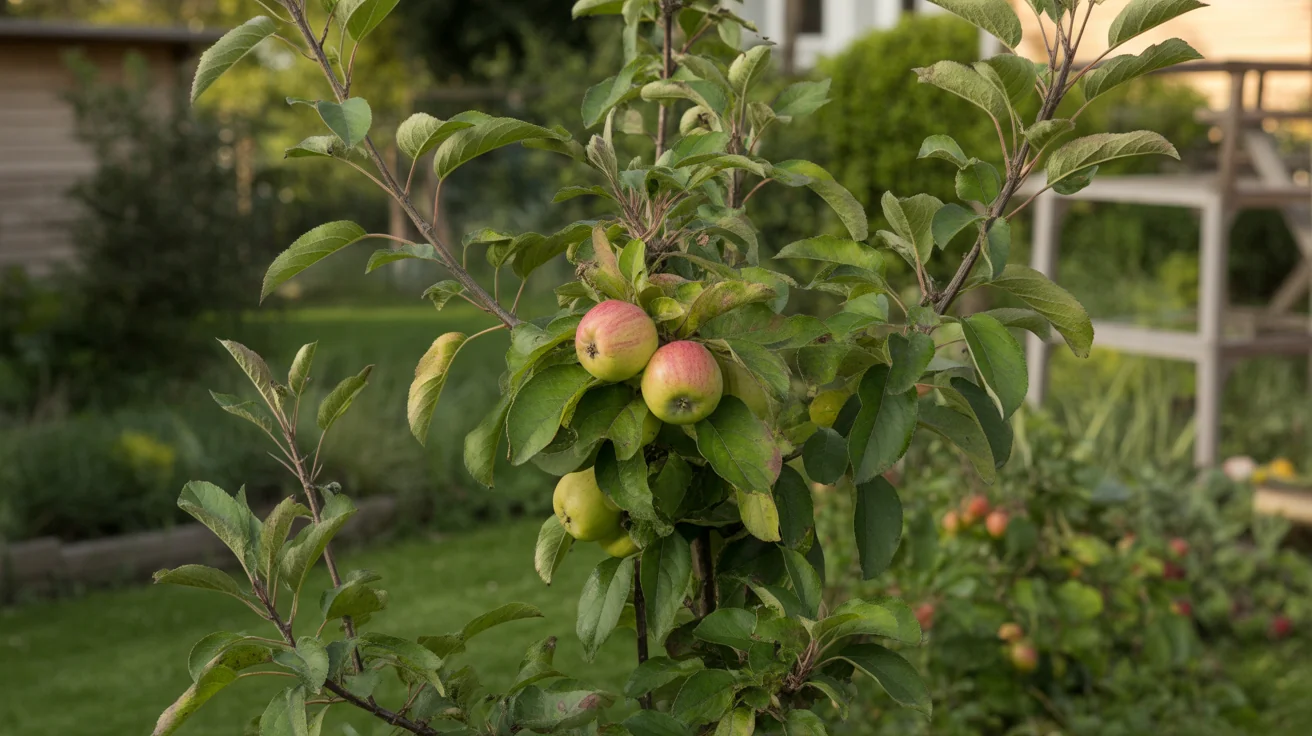
Apple Tree
Apple trees can be excellent backyard fruit trees when the variety, rootstock, pollination partner, sun, and pruning…
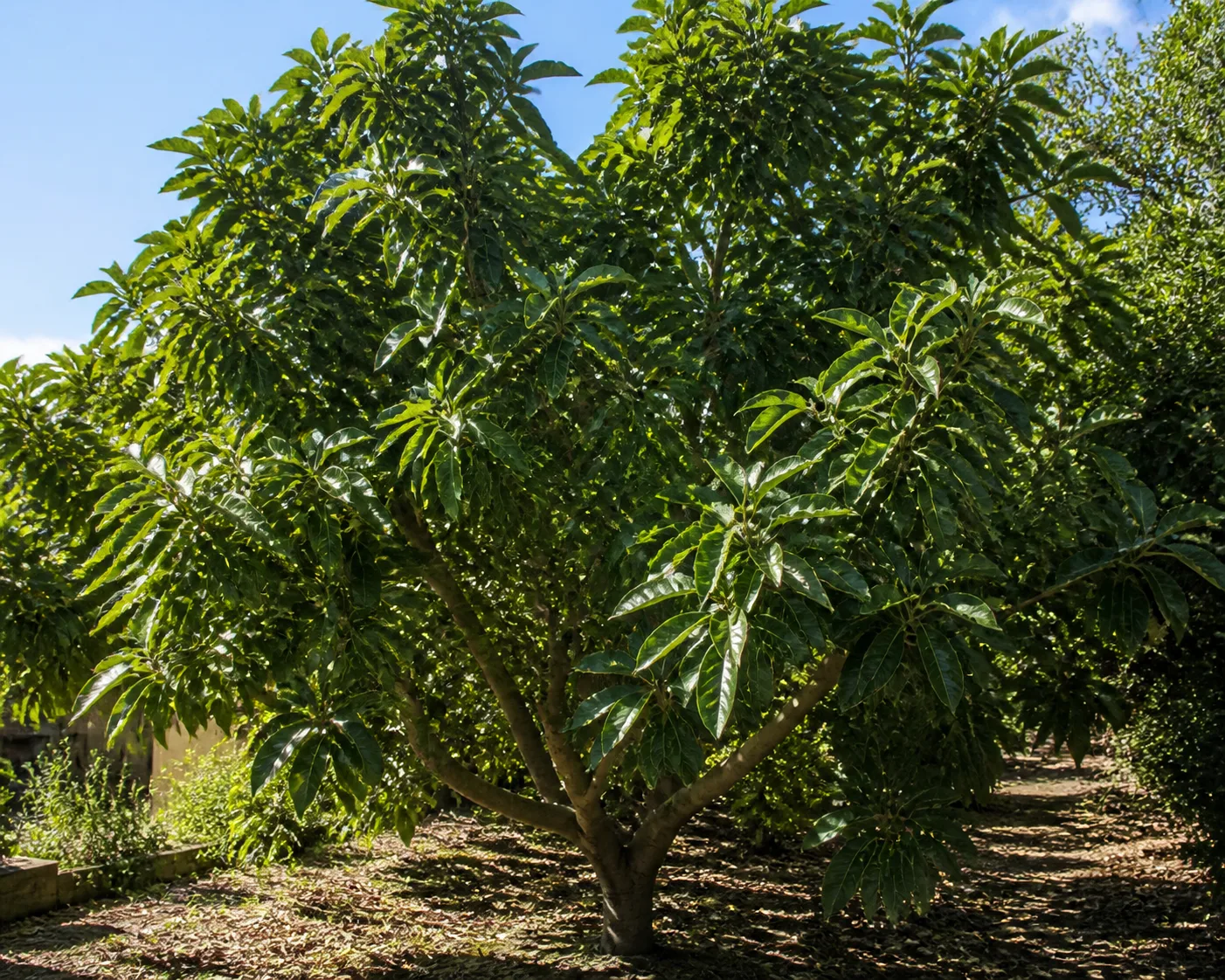
Avocado Tree
Avocado tree is a subtropical evergreen fruit tree for frost-free gardens, warm patios, and bright indoor…
Dwarf Citrus
Dwarf citrus includes different fruiting varieties grown on size-controlling rootstocks, along with naturally smaller…