
How to Grow Blueberries With the Right Soil and Varieties
Vaccinium spp. Ericaceae
Blueberries are long-lived fruiting shrubs that reward careful soil prep more than constant fussing. The essential work is acidic soil, steady moisture, full sun, compatible varieties, mulch, and renewal pruning that keeps young productive canes replacing old wood.
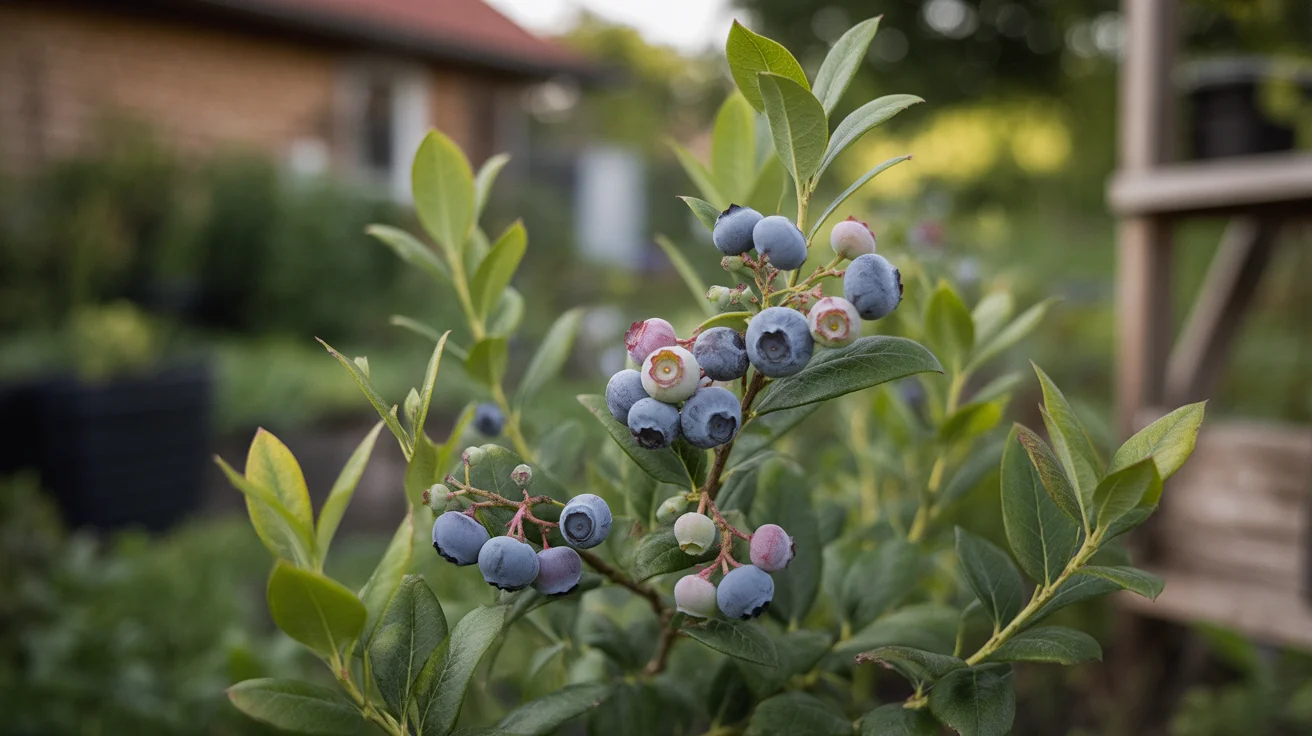
Care snapshot
Blueberries Are Soil-Specific Shrubs
Blueberries are shallow-rooted fruiting shrubs, not small versions of tree fruits. Their fine roots sit near the surface, so soil chemistry, mulch, and steady moisture matter from the first season.
The big difference is acidity. Blueberries need soil around pH 4.5-5.5, which is far more acidic than what many vegetables, lawns, and tree fruits prefer.
Compared with blackberries, blueberries spread politely and stay shrub-like, but they are much less forgiving if the soil pH is wrong.
Blueberries belong to the family Ericaceae, the same family as azaleas and rhododendrons, which explains why all three share such a strong preference for acidic soil.
Blueberries naturally grow with fine roots and no root hairs, which is why they depend so heavily on the right soil environment. They cannot forage through heavy alkaline soil the way tougher shrubs can.
Beneficial mycorrhizal fungi partner with blueberry roots to help absorb nutrients in acidic soil, which is another reason healthy soil biology matters as much as raw pH numbers.
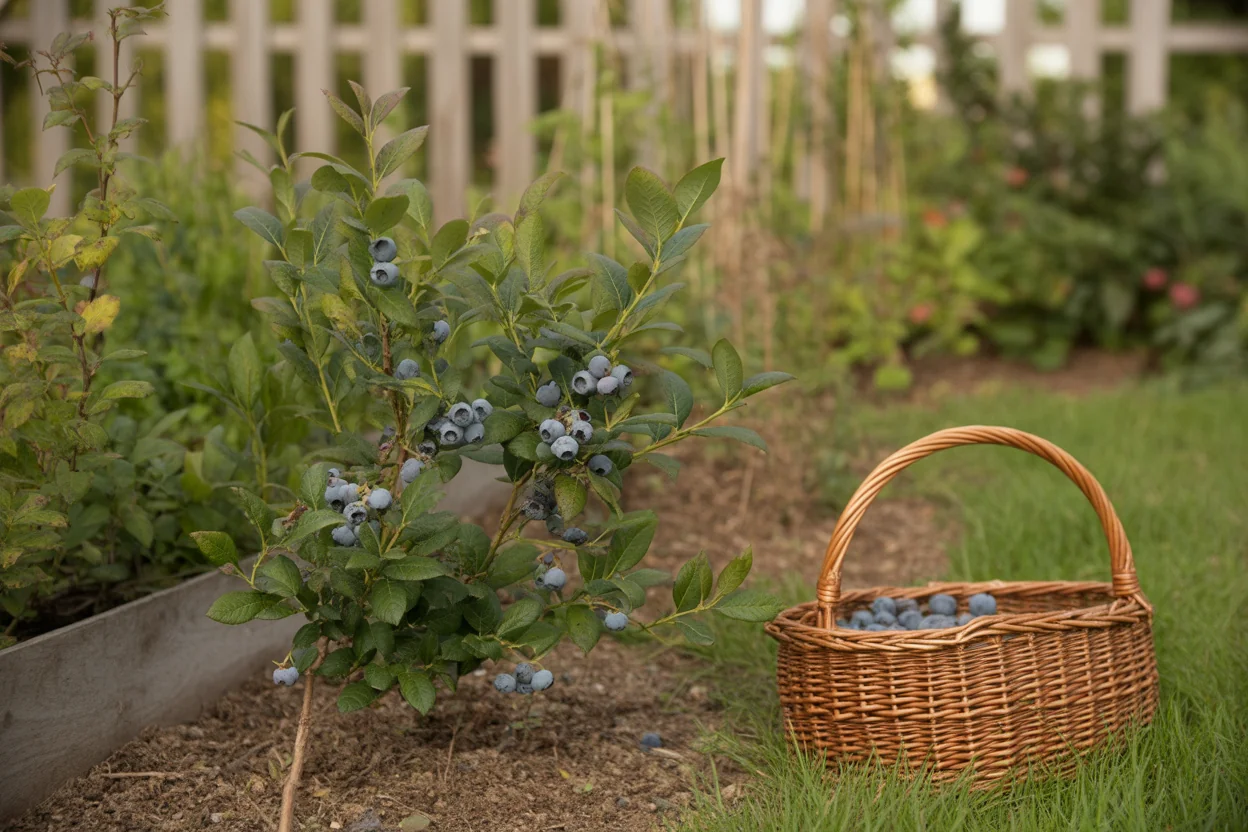
Choose by Chill Group and Harvest Window
Pick blueberry cultivars by region, chill requirement, plant size, and harvest timing. A plant that thrives in a cool northern garden may bloom too late or perform poorly in a warm winter climate.
Northern highbush types suit cooler regions with real winter chill. Southern highbush and rabbiteye types are bred for warmer areas, though they still need acidic, well-drained soil.
Rabbiteye types generally live the longest and tolerate the most heat of the three main groups, which is why they dominate warm-climate plantings across the South.
Planting two compatible cultivars usually improves berry size and yield, even when a variety is partly self-fertile. Stagger early, mid, and late varieties if you want harvest over several weeks.
For rabbiteye and many southern types, compatibility is more than having two labels. Choose cultivars with overlapping bloom, because a partner that flowers too early or too late cannot help fruit set.
Planting more than one compatible cultivar often improves berry size and harvest spread. Even self-fertile blueberries usually crop better with cross-pollination, especially when bloom times overlap and bees are active.
Native bumblebees are especially effective blueberry pollinators, since their buzz-pollination technique shakes loose far more pollen from the flower than a honeybee visit alone.
- Northern highbush
- Best for cooler climates with higher winter chill
- Southern highbush
- Lower chill and better heat tolerance
- Rabbiteye
- Warm-climate shrubs, often larger and helped by cross-pollination
- Half-high types
- Compact and cold-tolerant, useful for smaller spaces and containers
Sun for Sweet Fruit
Blueberries fruit best with 6-8 hours of direct sun. Shade reduces flower bud formation, berry sweetness, and ripening speed.
In hot climates, light afternoon shade can protect leaves and soil moisture, but the plant still needs strong morning and midday light.
Full sun also improves fall foliage color on deciduous types, a bonus display beyond the summer fruit that a shadier spot would mute.
Judge the site by roots as well as sun. A bright spot still underperforms if trees or turf take the shallow moisture first.
A physical root barrier sunk along the bed edge is sometimes worth installing between a blueberry planting and a nearby large tree competing for the same shallow moisture.
- Best crop: open sun most of the day.
- Hot sites: light afternoon relief is acceptable.
- Avoid: turf competition and large tree roots.
- Rows: space shrubs so mature canopies do not shade each other.
Keep Shallow Roots Evenly Moist
Blueberries have shallow fine roots, so they need steadier moisture than many deeper-rooted shrubs. Drought during bloom, fruit swell, or late-summer bud formation reduces both this year's and next year's crop.
Water slowly enough to moisten the root zone without leaving the crown waterlogged. The principle overlaps with deep watering, but the target zone is shallower than for fruit trees.
Drip irrigation suits blueberries especially well, since it delivers water precisely to the shallow root zone the plant actually uses instead of wetting soil far below it.
Mulch helps only when the water can still move through the bed. Evenly damp is the target, not sealed-in wetness.
Blueberry roots are shallow, fibrous, and easy to dry out. Mulch is not cosmetic here, since pine bark, pine needles, or leaf mold protects the root zone from heat swings and keeps moisture steady during fruit swell.
Container-grown blueberries dry out far faster than in-ground plants and may need a moisture check as often as daily during peak summer heat.
Rainwater or plain tap water is preferable to heavily softened water, since sodium from a home water softener can build up in the root zone and stress the plant over time.
Acid Soil Comes Before Everything Else
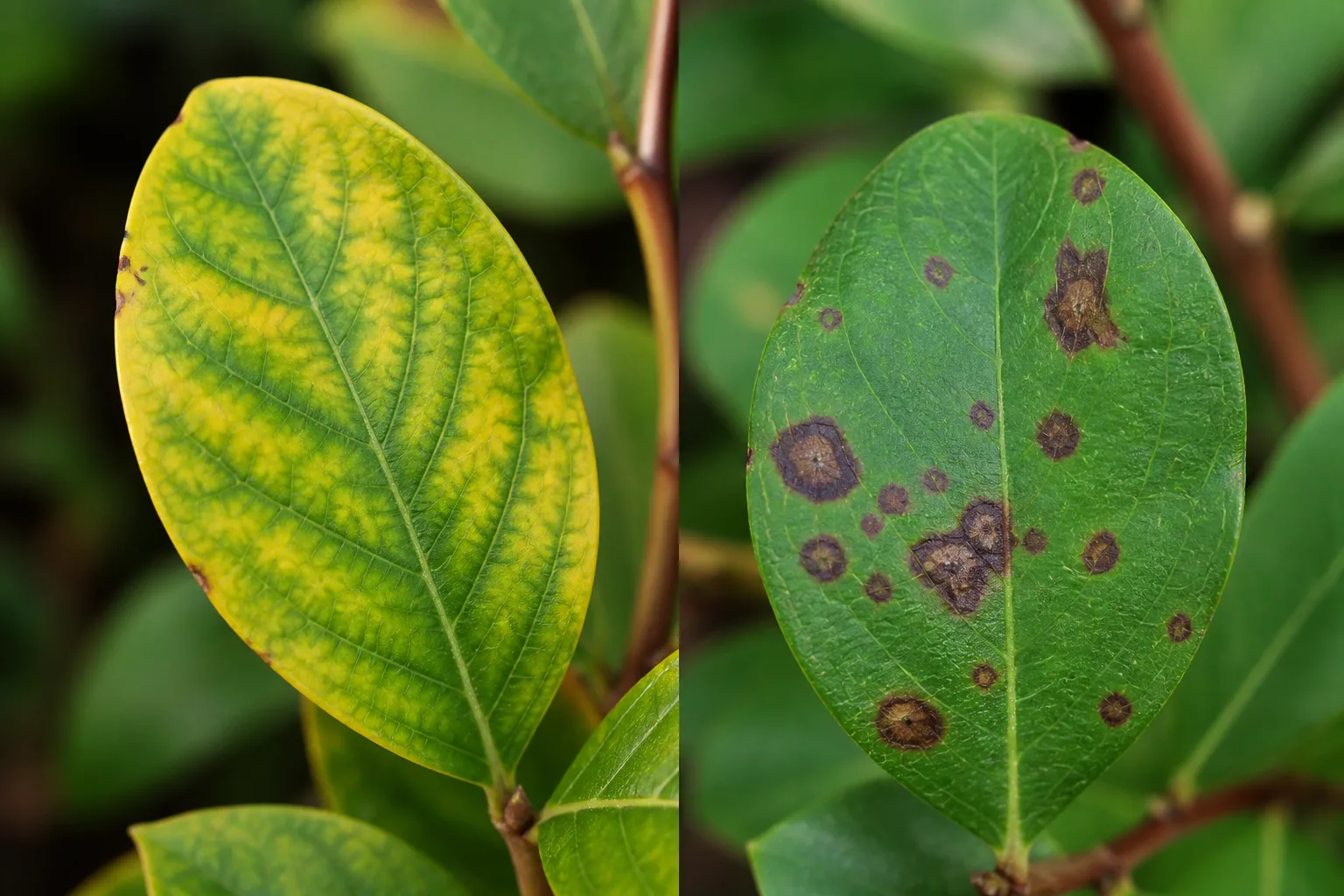
Blueberries need acidic, well-drained soil with pH about 4.5-5.5. If pH is too high, leaves can yellow even when nutrients are present.
Do not guess with amendments. Test the soil, then adjust months before planting if sulfur or major bed preparation is needed.
Elemental sulfur works slowly because soil microbes have to convert it before it actually lowers pH, which is exactly why it needs a season of lead time rather than acting as a quick fix.
Blueberries are an acid-soil crop first and a fruit crop second. If pH is too high, the plant cannot use iron well, leaves yellow between the veins, and fertilizer will not fix the problem until the soil chemistry changes.
A chelated iron foliar spray can offer short-term green-up on chlorotic leaves while the slower work of correcting the underlying soil pH is still underway.
Sulfur amendments take time. If a soil test shows high pH, adjust months before planting or build a dedicated acidic bed, since trying to rescue a yellowing blueberry midseason is much harder than starting with the right root zone.
Wood ash and hardwood bark mulch are both alkaline and worth avoiding near blueberries, even though gardeners commonly use them elsewhere in the yard without issue.
Used coffee grounds are a popular home remedy for acidifying soil, but they have little real effect compared to a proper sulfur treatment based on an actual soil test.
- pH target
- 4.5-5.5
- Best organic matter
- Pine bark fines, peat-based mixes, composted needles, or acidic mulch
- Container size
- At least 16-20 inches wide for compact cultivars
- Avoid
- Lime, alkaline composts, soggy clay, and turf competition
Pruning and Propagation
Young blueberries should focus on roots and structure before heavy cropping. Remove flowers the first year if the plant is small so it can establish faster.
Many growers remove flowers for the first two years rather than just one, trading a little early fruit for meaningfully faster long-term establishment.
Mature shrubs fruit best on a mix of younger productive canes and some older framework. Each winter, remove dead, weak, crossing, and very old canes to open the center.
Individual canes typically peak in productivity around 4 to 6 years old, which is the general window renewal pruning aims to keep the shrub cycling through.
Propagation is possible from cuttings or layering, but buying named cultivars is usually better if you need a matched pollination pair.
Propagation is slower than buying a healthy shrub, and cultivar choice matters more than making many weak starts. If you are choosing between berry crops, blueberry vs blackberry is really an acid-soil shrub versus bramble-management decision.
Softwood cuttings taken from new growth root faster than hardwood cuttings, but they need much more consistent humidity to survive the process.
- Prune in late winter before growth begins.
- Remove dead, broken, or low twiggy growth first.
- Cut out a few oldest canes on mature plants.
- Keep strong young canes that will carry future crops.
- Avoid shearing the shrub like a hedge.
Birds, Fruit Flies, and Leaf Problems
Birds are often the biggest blueberry pest. Net before berries fully color, not after the first flock discovers the patch.
Reflective tape and scare devices work best when moved or repositioned periodically, since birds quickly learn to ignore a static deterrent left in one spot.
Fruit flies, caterpillars, aphids, and fungal leaf spots can also appear. Clean harvest habits and airflow reduce many problems.
Spotted wing drosophila specifically targets ripening, still-firm berries rather than only overripe fruit, which is why routine sprays timed for regular fruit flies often miss it.
Once soil chemistry is ruled out, move from the crop outward. Protect fruit first, then inspect tender shoots and leaves.
Netting should go on before berries color, not after birds have already learned the patch. Keep the mesh lifted on hoops or a frame so birds cannot peck through it or get tangled along the edges.
Blueberry maggot is a regional concern in some areas, and monitoring traps can flag an active population before it shows up as wormy fruit at harvest.
Mummy berry disease shrivels berries into hard, tan mummies, and cleaning up fallen mummified fruit from the ground is what actually breaks the disease's yearly cycle.
Use netting over a frame so birds cannot push through from the sides.
Harvest often, chill fruit quickly, and remove soft dropped berries.
Rinse tender shoots or use insecticidal soap before colonies build.
Prune for airflow and clean fallen leaves where disease repeats.
Seasonal Care Calendar
Late winter is pruning time for blueberries. Shape the plant before buds swell, then top up acidic mulch before spring growth starts.
Rechecking soil pH every couple of years is worth the effort, since mulch breakdown and rainfall gradually shift the acidity the original bed prep set up.
Spring care is pollination, watering, and light acid-forming fertilizer if a soil test supports it. Avoid overfeeding, since shallow roots can burn.
Summer care is harvest, moisture, and bird protection. If you also grow strawberries, keep berry cleanup frequent across the whole patch.
Nearby raspberries need the same habit once fruit softens.
Fall care means stopping fertilizing, keeping soil moist if autumn is dry, and letting the shrub harden off before winter.
Vivid fall foliage color on deciduous types is a useful visual cue that the plant is entering dormancy on schedule.
Pruning blueberries is about replacing old wood gradually. Removing a few tired canes each year keeps new productive shoots coming, while shearing the whole shrub like a hedge cuts off the best fruiting wood.
Birds tend to target berries right at the moment they turn from green to blue, which is exactly why netting timed just before that color change matters so much.
Prune old wood and open the center.
Mulch, water, and support pollination.
Net, harvest, water, and remove fallen fruit.
Top up mulch lightly and avoid late nitrogen.
Pet Safety and Wildlife Value
Neither the ASPCA nor NC State gives a pet toxicity rating for Blueberries, so do not let pets gorge on large amounts of fruit or eat spoiled berries.
The flowers support pollinators, and the berries feed birds if you leave some uncovered. For a broader habitat plan, combine shrubs with pollinator plants that bloom outside the blueberry season.
Blueberry flowers open early enough in spring to serve as one of the first reliable nectar sources for native bees just emerging from winter.
Unlike thorny brambles, blueberries do not usually create escape patches, which makes them easier around patios and play areas.
Birds do help spread wild blueberry species across their native range, though the garden cultivars most people plant rarely naturalize this way on their own.
Blueberry foliage sits fairly low on the deer-browse preference list compared to many other garden shrubs, though that is not the same as complete immunity in a high-pressure yard.
Frequently Asked Questions
What soil pH do blueberries need?
Blueberries need acidic soil, usually about pH 4.5-5.5. Test before planting because high pH is a common cause of yellow leaves and poor growth.
Do I need two blueberry bushes for fruit?
Many blueberries can set some fruit alone, but two compatible cultivars with overlapping bloom usually give larger berries and heavier crops.
Can blueberries grow in containers?
Yes. Compact blueberries grow well in large containers filled with acidic potting mix, as long as moisture stays steady and the pot drains well.
How much sun do blueberries need?
Blueberries fruit best with 6-8 hours of direct sun. Light afternoon shade can help in very hot climates, but deep shade reduces crops.
When should I prune blueberries?
Prune blueberries in late winter before new growth begins. Remove dead wood, weak twiggy growth, and some old canes on mature shrubs.
Why are my blueberry leaves yellow?
Yellow blueberry leaves with green veins often mean soil pH is too high, which locks up iron. Test pH before adding more fertilizer.
Sources & References
- University of Minnesota Extension - Growing Blueberries in the Home Garden
- Oregon State University Extension - Blueberries in the Home Garden
- North Carolina State Extension - Blueberries for Home Gardeners
- Penn State Extension - Pruning Blueberry Bushes
- North Carolina Extension Gardener Plant Toolbox - Vaccinium
Related Plants
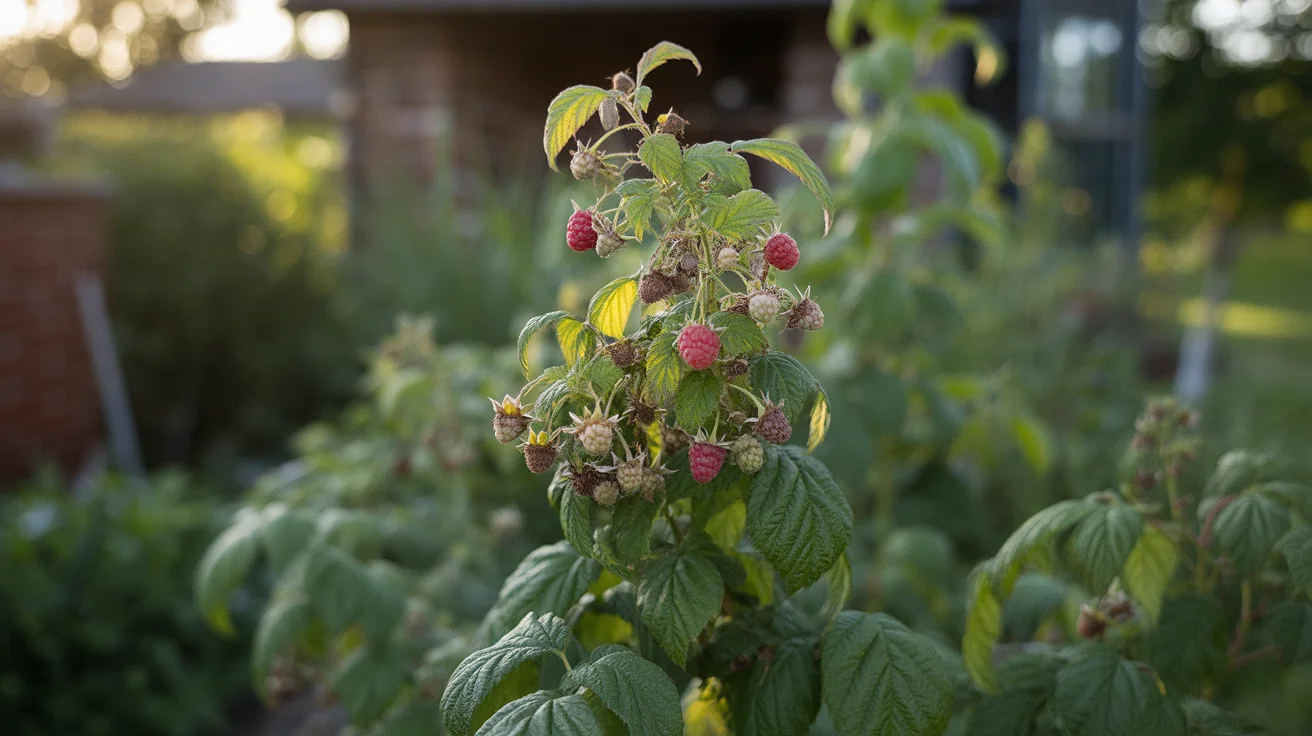
Raspberry
A cane fruit that needs different pruning and less acidic soil.
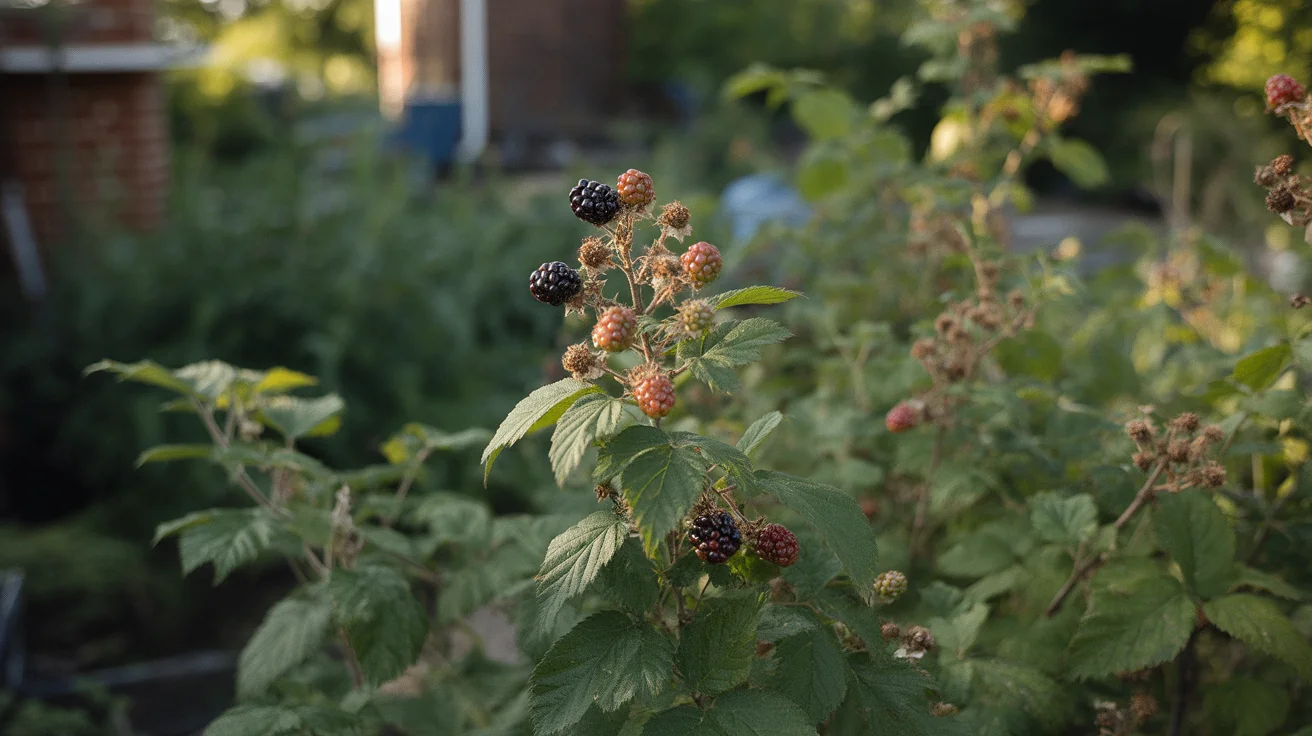
Blackberry
A bramble fruit with more trellis and cane-control work.
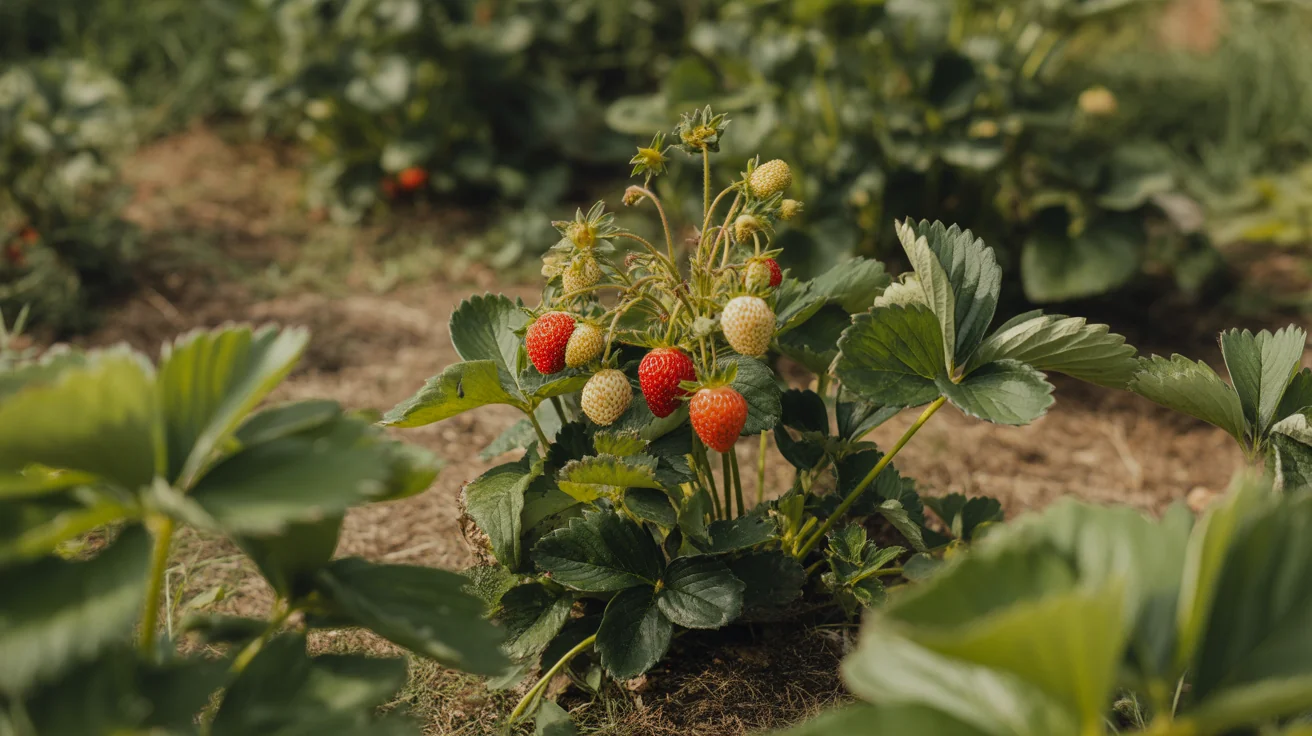
Strawberry
A low fruit crop for raised beds and containers.
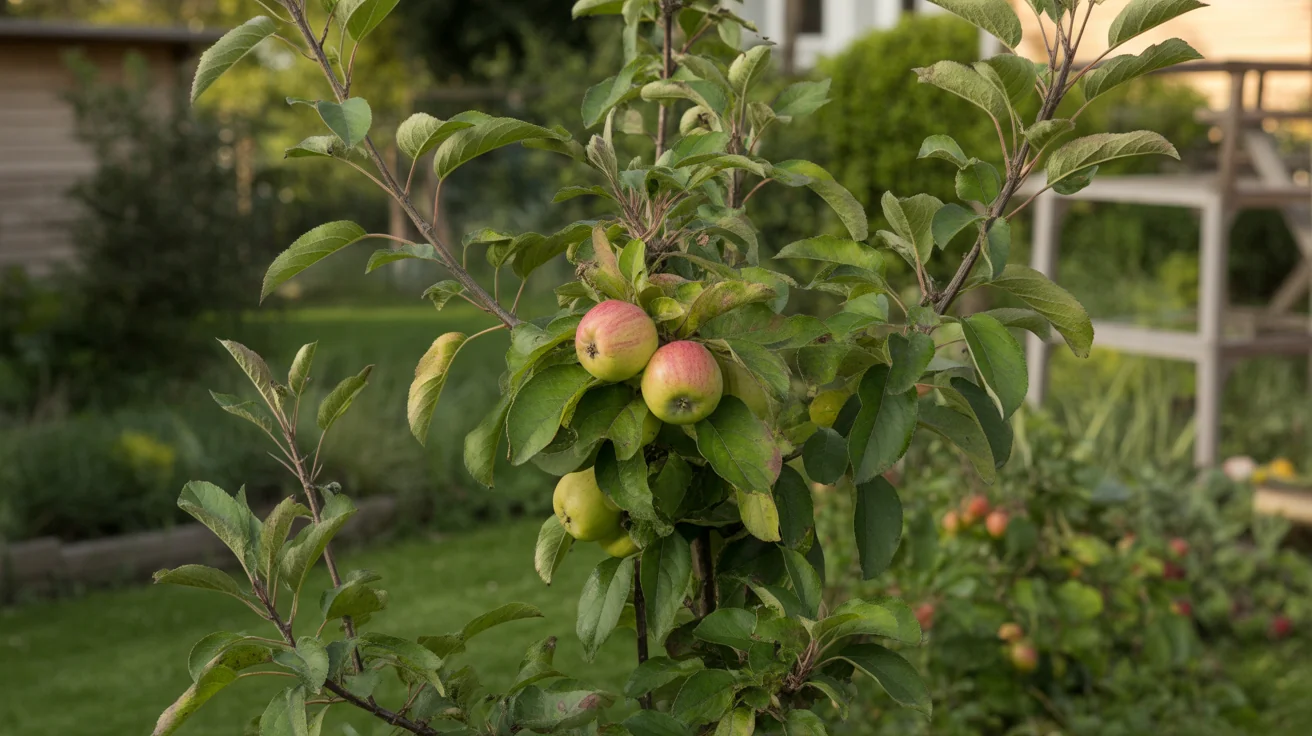
Apple Tree
Apple trees can be excellent backyard fruit trees when the variety, rootstock, pollination partner, sun, and pruning…
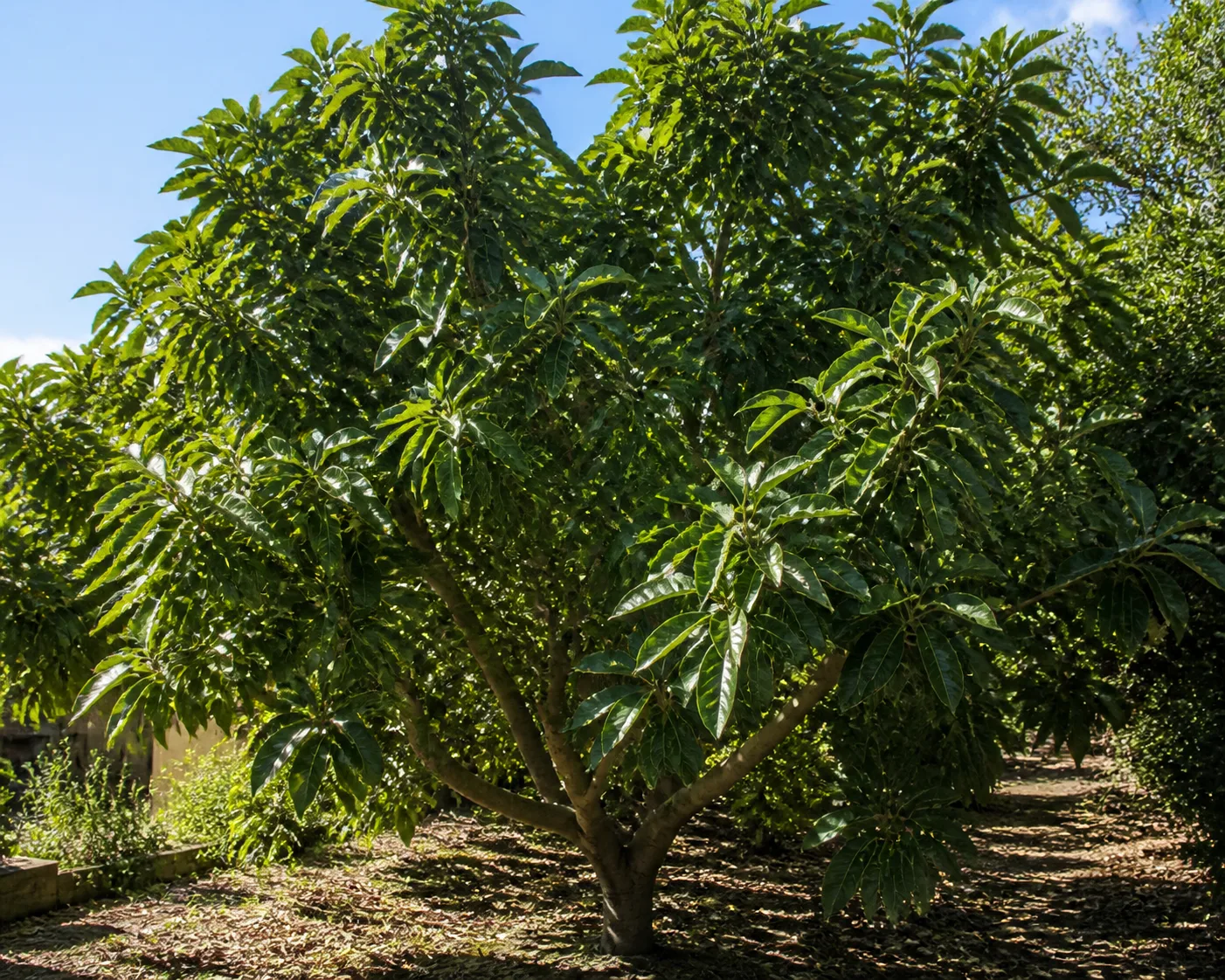
Avocado Tree
Avocado tree is a subtropical evergreen fruit tree for frost-free gardens, warm patios, and bright indoor…
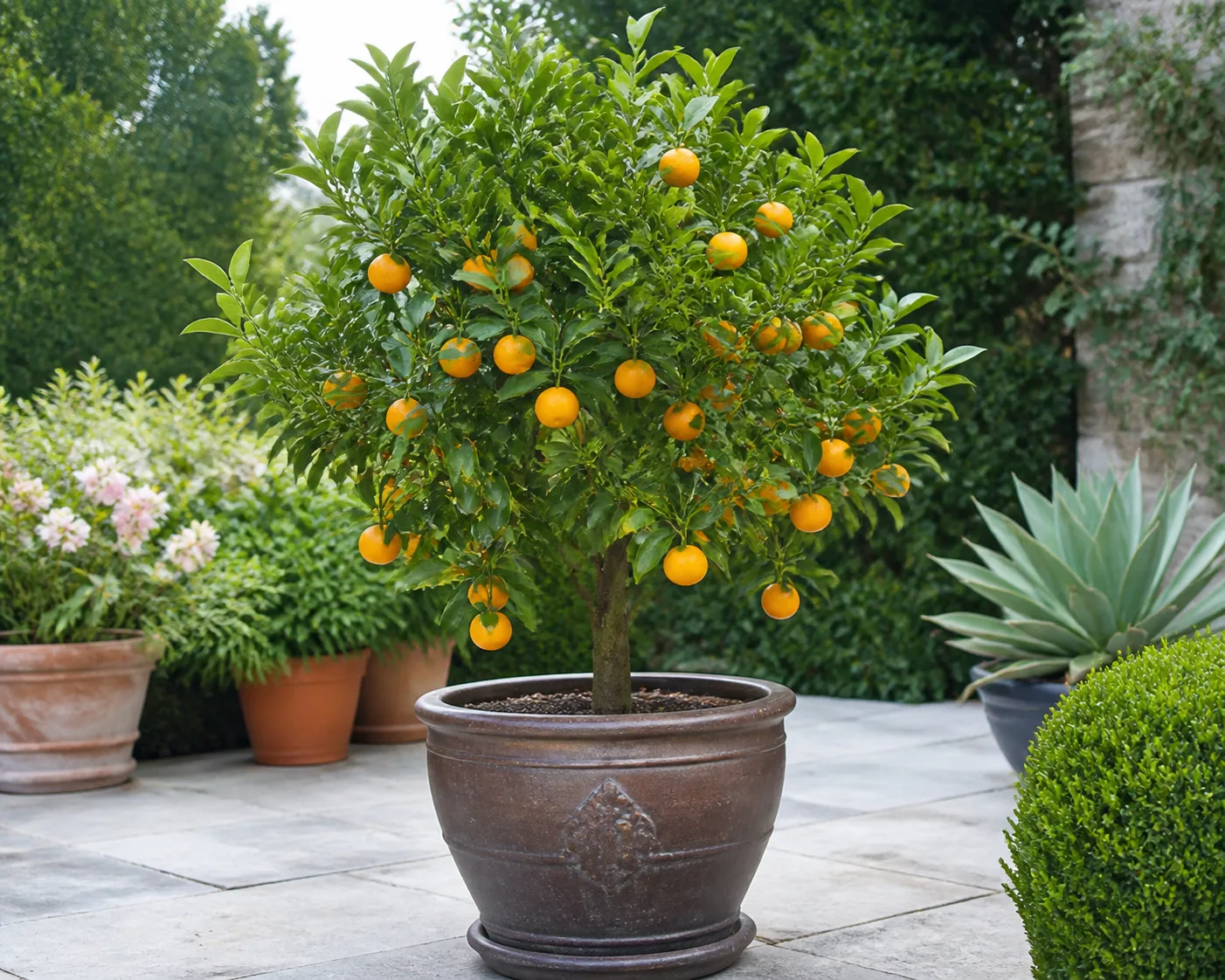
Dwarf Citrus
Dwarf citrus includes different fruiting varieties grown on size-controlling rootstocks, along with naturally smaller…