
What's Rose of Sharon? How to Bloom Without Seedling Mess
Hibiscus syriacus Malvaceae
Rose of Sharon (Hibiscus syriacus) is a woody hibiscus that flowers on new shoots from July into early September, so it is pruned in late winter. Its seed is the main maintenance job. Cultivars sold as low-seed help, but a 2013 Oregon State study found three of the best-known ones still set seed, so seedling checks stay on the list.
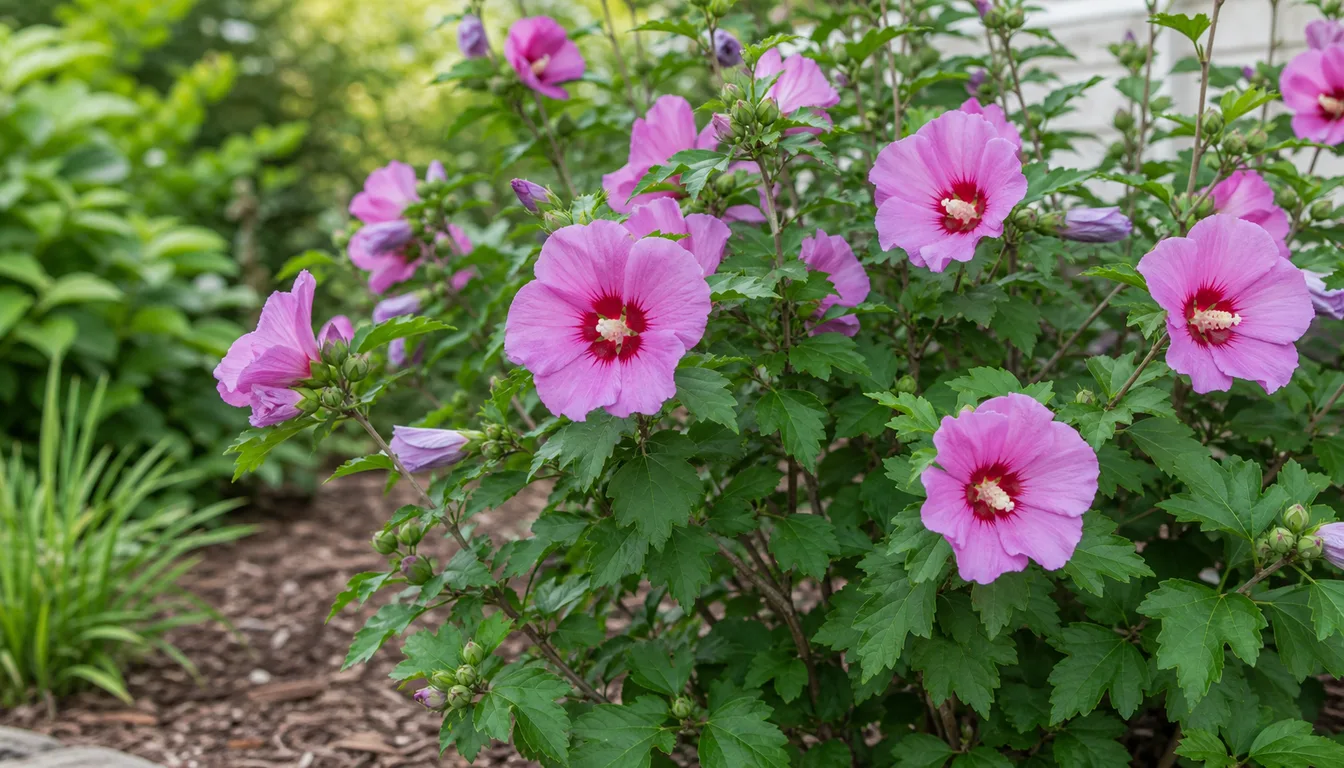
Care snapshot
What Is Rose of Sharon, and When Does It Bloom?
Rose of Sharon is a deciduous, multi-stemmed shrub in the mallow family that NC State Extension lists at 8 to 12 feet tall and 6 to 10 feet wide, hardy in Zones 5 through 9. Clemson Extension's Bob Polomski places its bloom in July, August, and early September, when few other shrubs are flowering. Virginia Tech Extension lists white, red, purple, violet, and blue flowers, single or double.
It is a different plant from tropical hibiscus and from the herbaceous hardy hibiscus that dies back to the ground. Rose of Sharon keeps a woody frame through winter and grows new flowering shoots from it each year.
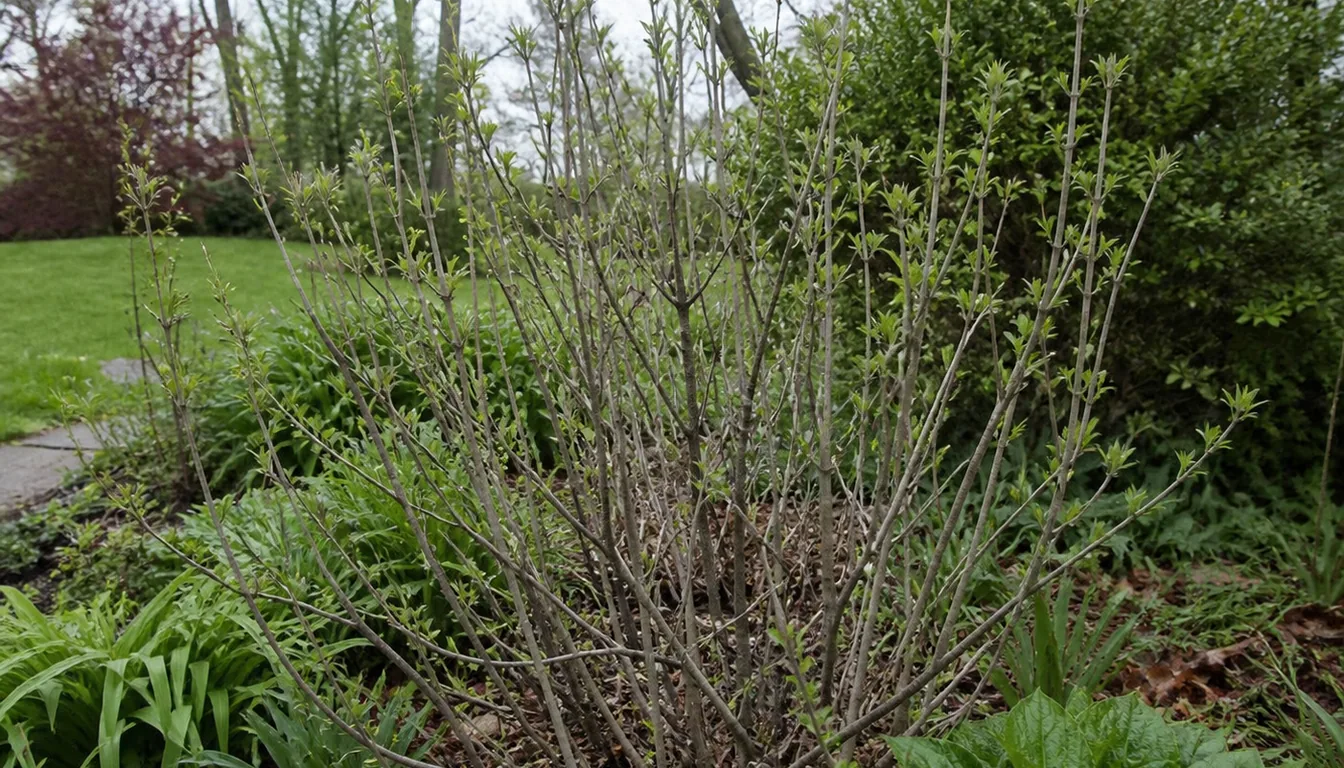
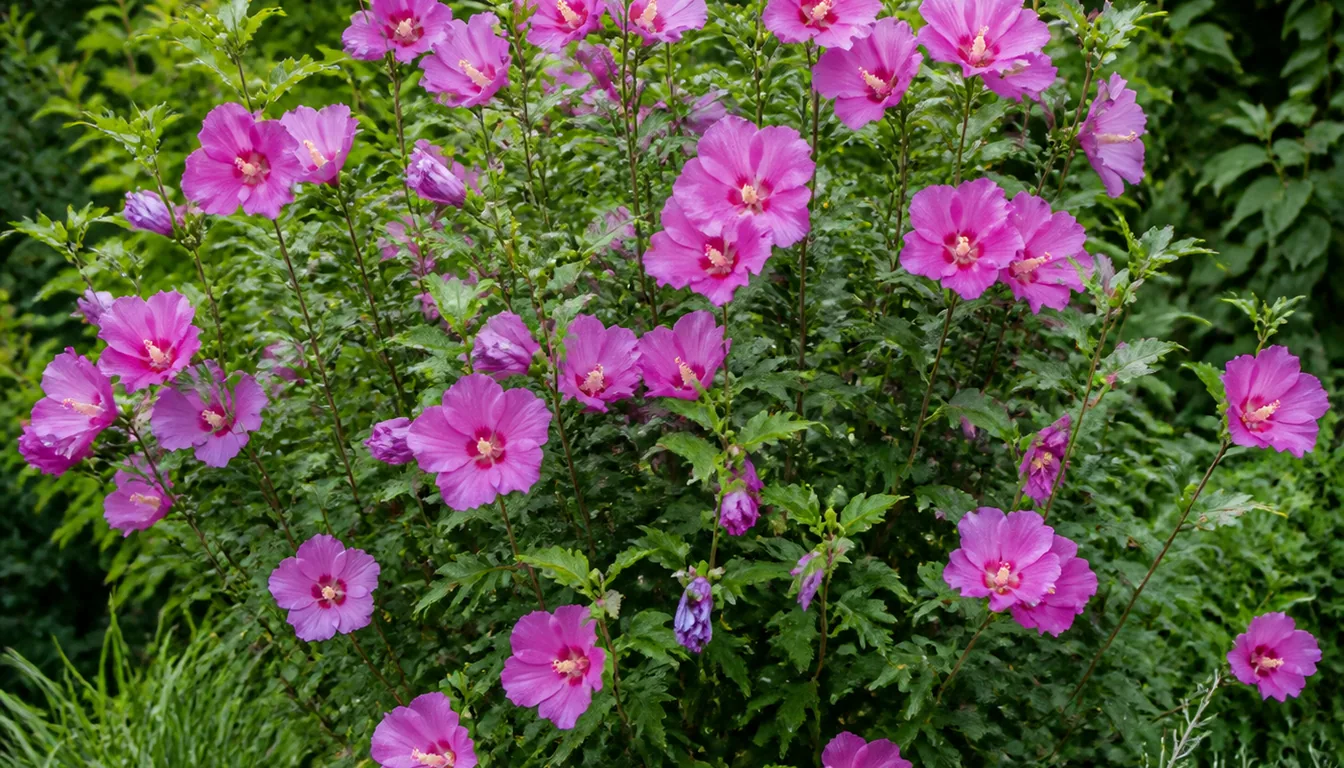
Those new shoots are why the timing works the way it does. Clemson notes that the flowers form on the current season's branches, so a plant that looks bare in late spring is not behind schedule. It has not grown the wood that will carry the flowers yet.
Do Low-Seed Rose of Sharon Cultivars Really Stop Seedlings?
Seedlings are the complaint that makes rose of Sharon feel like work. Virginia Tech Extension notes that it self-sows and produces populations of seedlings near the parent, and NC State reports that it has been called invasive in some states, including Virginia and Kentucky. The seed capsules hang on through winter and drop their seed over months.
The usual answer is a low-seed cultivar, and the sources disagree about how well that works.
- Clemson Extension
- Lists 'Diana', 'Helene', 'Aphrodite', and 'Minerva' as low-seed singles, 'Blue Chiffon' and 'Lavender Chiffon' as semi-doubles, and 'Peppermint Smoothie' and 'Blueberry Smoothie' as sterile doubles.
- Virginia Tech Extension
- Describes 'Diana' as having white flowers that do not produce viable seed.
- Oregon State University, 2013
- Hand-pollinated nine cultivars and found that 'Aphrodite', 'Diana', and 'Minerva', released by the U.S. National Arboretum as sterile, were all male and female fertile.
The Oregon State study explains part of the gap. The four National Arboretum cultivars were introduced as sterile triploids, but flow cytometry found 'Aphrodite', 'Diana', and 'Minerva' to be ordinary tetraploids, and 'Aphrodite' produced about 10 seedlings per pollinated flower, the highest of the nine cultivars tested. Only 'Pink Giant', a hexaploid, came close to sterile, with 0.08 seedlings per pollinated flower as a female parent. The researchers noted the cultivars may have looked nearly sterile when first released and somehow regained fertility, and that plants from different sources may differ.
Two practical conclusions follow. A low-seed cultivar is still worth choosing, since a plant that sets less seed in the garden saves weeding time even if it is not sterile. And no cultivar name removes the need to pull seedlings, especially near a woodland edge or in a state that has reported the plant spreading.
How Do You Stop Rose of Sharon Seedlings?
Seedlings are easy to pull when they are small and become a digging job once their stems turn woody. Two checks a year catch most of them, one in late summer or fall when the young plants are easy to see, and one in spring before the new crop gets established.
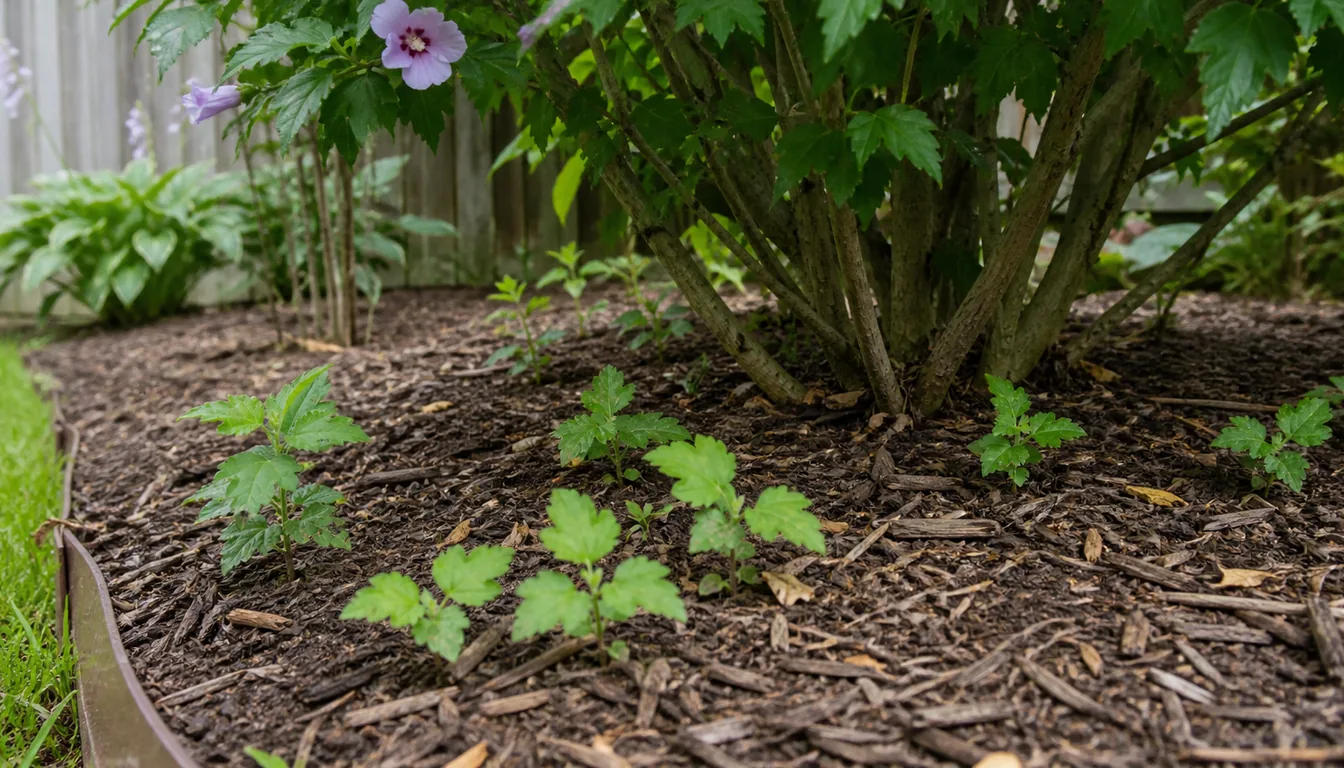
- Look under the canopy, along mulch edges, beside fences, and in cracks in nearby paving.
- Pull seedlings while the stems are pencil-thin, gripping low so the root comes out.
- Remove seed capsules from small shrubs where it is practical, since the capsules carry the seed through winter.
- Watch any natural area or hedgerow near the shrub, where escaped seedlings do the most harm.
On a large shrub, removing every capsule is unrealistic, which is why cultivar choice and regular pulling do more than deadheading.
How Much Sun and Water Does Rose of Sharon Need?
Clemson notes that full sun gives the best flower display, although the shrub will grow well in part shade. In a shaded spot, expect fewer flowers rather than a failing plant.
The shrub is not fussy about soil. NC State recommends moist, well-drained soil and says to avoid extremes of wet or dry, and Virginia Tech lists sandy, loam, or clay soils, a pH range of 3.7 to 7.3, and salt tolerance, adding that it transplants readily. Steady moisture matters most in the first couple of summers, while roots spread beyond the planting hole.
NC State notes that the flowers attract butterflies, bees, and hummingbirds, which is a reason to avoid spraying open flowers. When the choice is between summer shrubs for a warm garden, crepe myrtle fills the same July-to-September slot in Zones 6 to 9, while rose of Sharon is hardy a zone colder.
When and How Should You Prune Rose of Sharon?
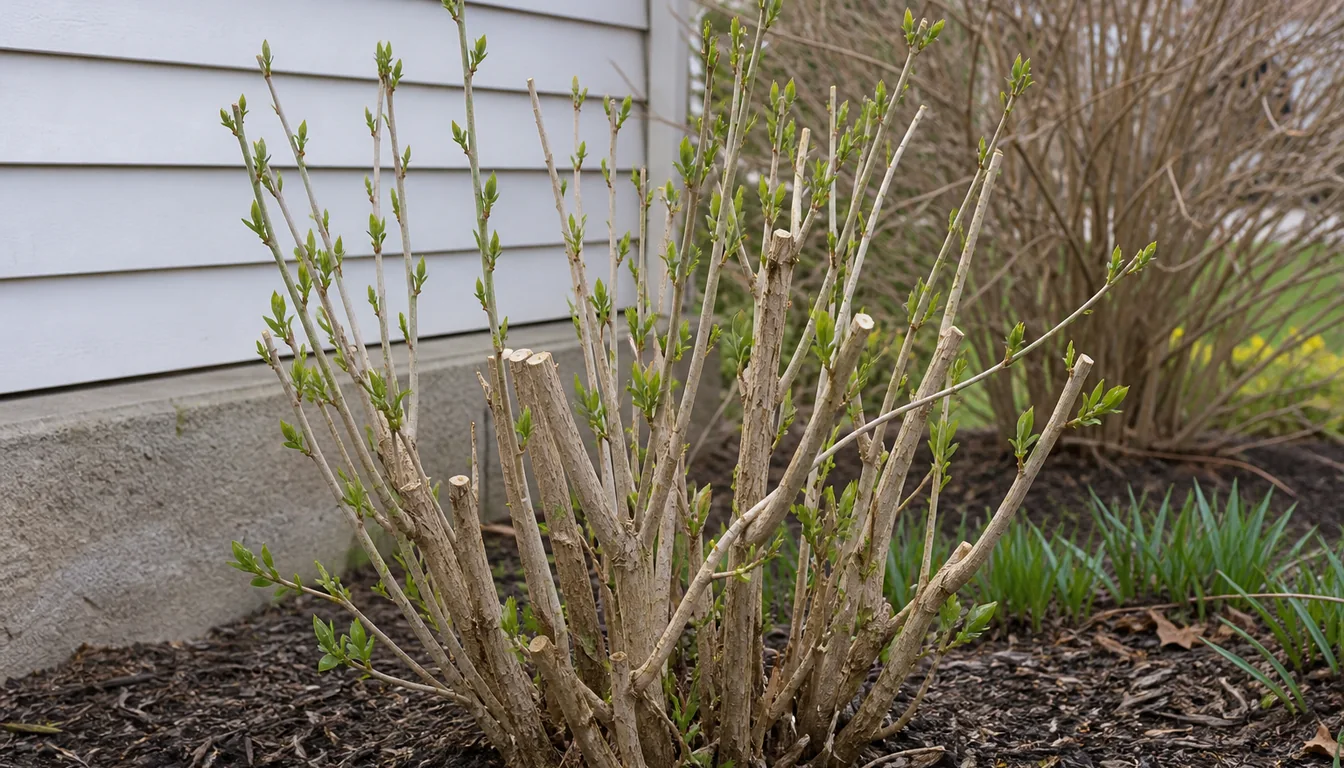
Prune in late winter or early spring, before new growth begins. Clemson's pruning guide groups rose of Sharon with the summer-flowering shrubs that flower on the current season's growth, so cuts made then do not remove any flower buds.
The amount of pruning changes the flowers. NC State notes that spring pruning encourages flowers on new growth and increases flower size, and Virginia Tech goes further, recommending that about one-third of the wood, including the oldest branches and any weak growth, come out at ground level each year. Virginia Tech also notes that flowers get smaller over time unless older wood is pruned out regularly.
- When
- Late winter to early spring, before growth starts.
- What carries flowers
- This year's new shoots.
- Routine renewal
- Remove about one-third of the oldest stems at ground level each year (Virginia Tech).
- Bigger flowers
- Heavier spring pruning increases flower size (NC State).
The timing is the opposite of forsythia and other spring bloomers, which flower on last year's wood and are pruned right after flowering. Mixing up those two rules costs flowers on one shrub or the other.
What Pests and Problems Affect Rose of Sharon?
Virginia Tech's list is short and specific. Aphids gather on new growth, spider mites show up in hot, dry locations, and leaf spots, blights, Japanese beetles, and whiteflies are the other problems it names.
- Clusters of small insects on shoot tips and buds
- Aphids on new growth.
- Fine pale speckling in a hot, dry spot
- Spider mites, which favor hot, dry locations.
- Flowers and leaves chewed in midsummer
- Japanese beetles.
- Tiny white insects that fly up from the leaves
- Whiteflies.
- Spotted or blighted leaves
- Leaf spot or blight diseases.
Japanese beetles arrive during the bloom season, so any control has to account for the pollinators visiting the same flowers. Handpicking suits a single shrub, and the plants Japanese beetles avoid guide covers the larger yard plan.
Where Does Rose of Sharon Fit, and Is It Safe for Pets?
Virginia Tech suggests rose of Sharon for borders and mass plantings, and its upright 8- to 12-foot frame makes it a summer screen behind perennials or along a fence. A narrow strip by a front walk is a poor fit for the full-size plant, since it needs its 6- to 10-foot width. Its late-summer flowers also pair well with tall perennials in a seasonal privacy screen.
The ASPCA lists rose of Sharon as non-toxic to dogs, cats, and horses, and NC State's toolbox says the same. The listing covers Hibiscus syriacus. It does not extend to other hibiscus or to a shrub recently sprayed for aphids or beetles.
Frequently Asked Questions
When does rose of Sharon bloom?
In July, August, and early September, according to Clemson Extension, on shoots that grew that same season.
When should I prune rose of Sharon?
In late winter or early spring before new growth starts. Virginia Tech recommends removing about one-third of the oldest wood at ground level each year.
Is 'Diana' rose of Sharon sterile?
Sources disagree. Virginia Tech says it does not produce viable seed, but a 2013 Oregon State study found 'Diana', 'Aphrodite', and 'Minerva' fertile when hand-pollinated.
How do I stop rose of Sharon seedlings?
Choose a low-seed cultivar, pull seedlings while the stems are thin, and check under the shrub in fall and spring.
Is rose of Sharon toxic to dogs?
No. The ASPCA lists rose of Sharon as non-toxic to dogs, cats, and horses.
Sources & References
- Hibiscus syriacus, NC State Extension Gardener Plant Toolbox
- Bring on the Heat, Bring on the Blooms with Rose-of-Sharon, Clemson Cooperative Extension
- Rose-of-Sharon, Shrub Althea (Hibiscus syriacus), Virginia Cooperative Extension 2901-1066
- Relative Fertility and Ploidy Levels of Selected Rose of Sharon Cultivars, Oregon State University, SNA Research Conference Vol. 58 (2013)
- Pruning Shrubs, Clemson Cooperative Extension Home & Garden Information Center
- Rose of Sharon, ASPCA Toxic and Non-Toxic Plants
Related Plants
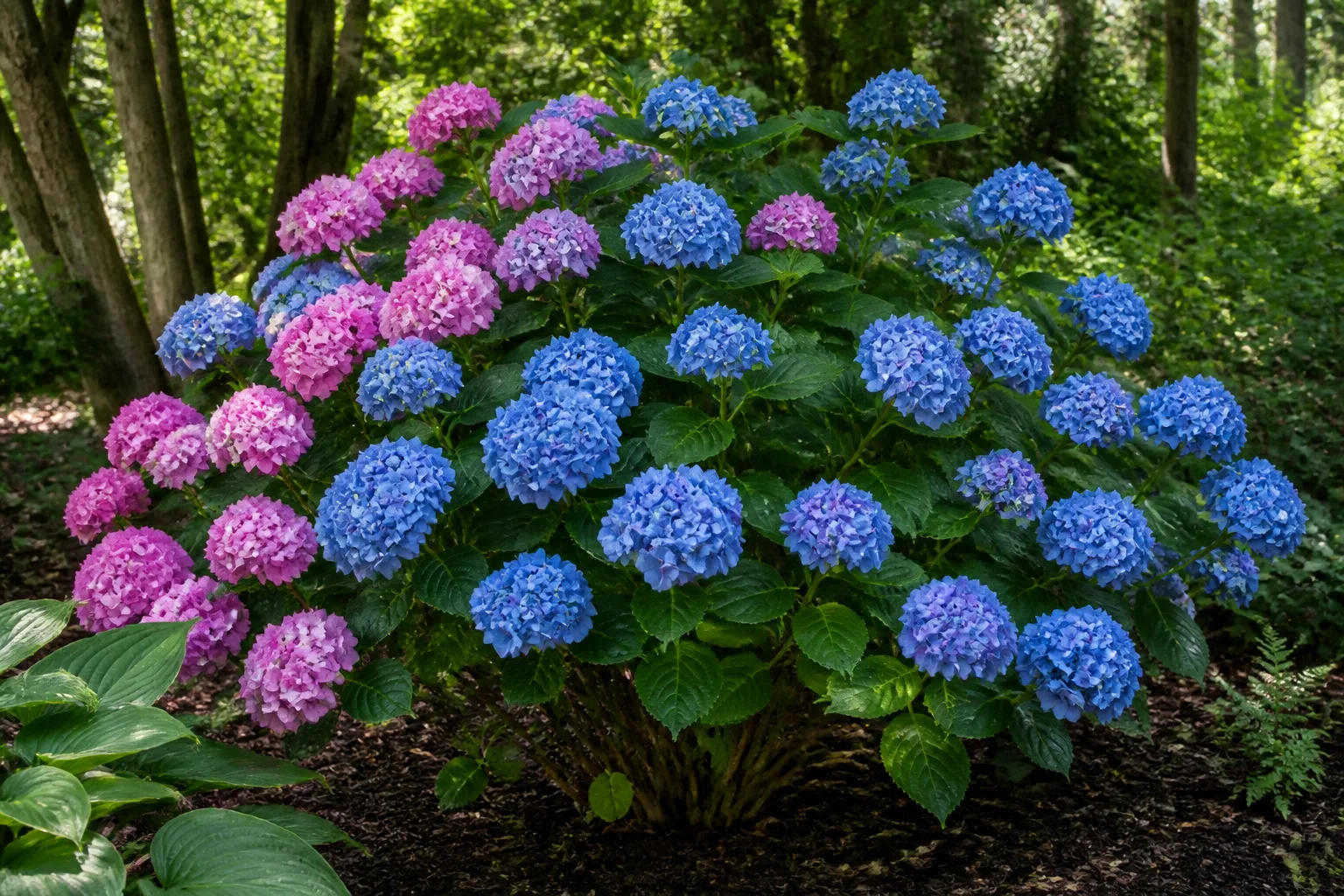
Bigleaf Hydrangea
A summer shrub with different water needs and pruning groups.
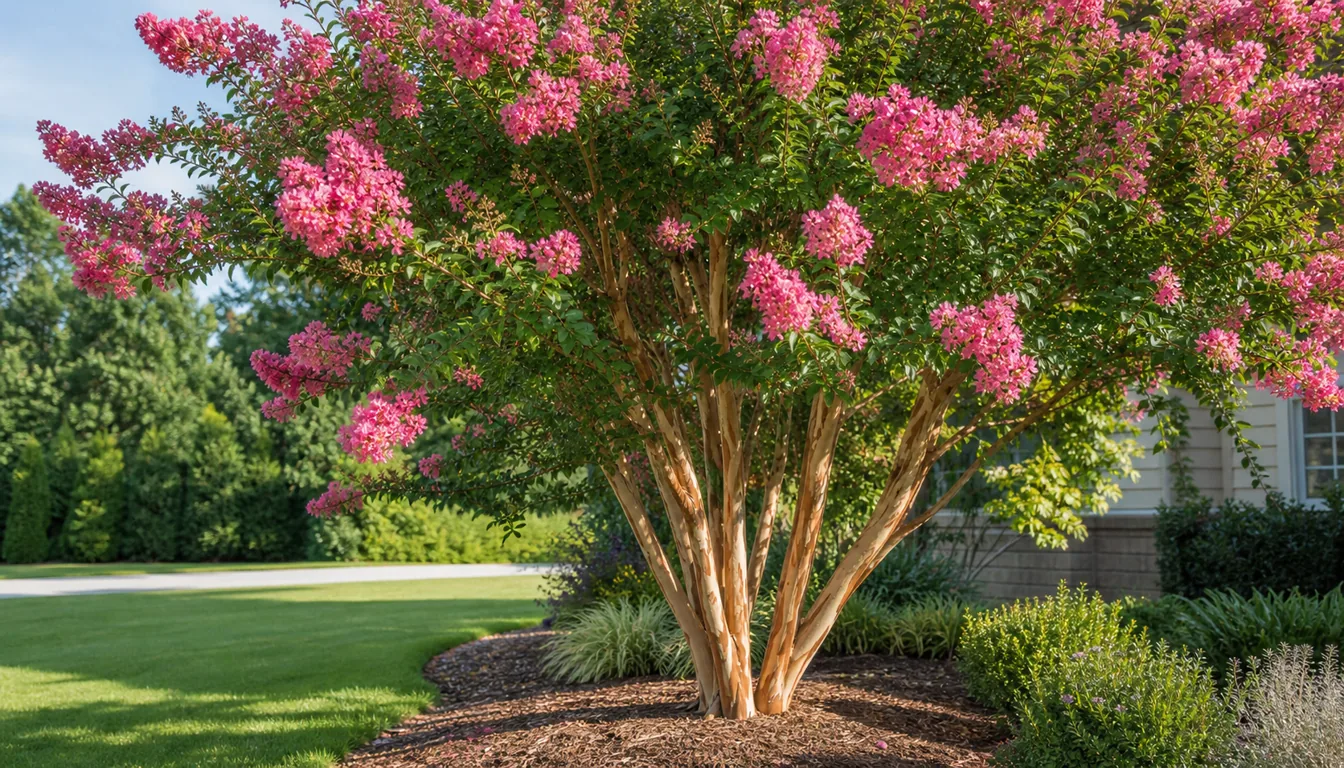
Crepe Myrtle
A warmer-zone summer flowering shrub or small tree for similar seasonal color.
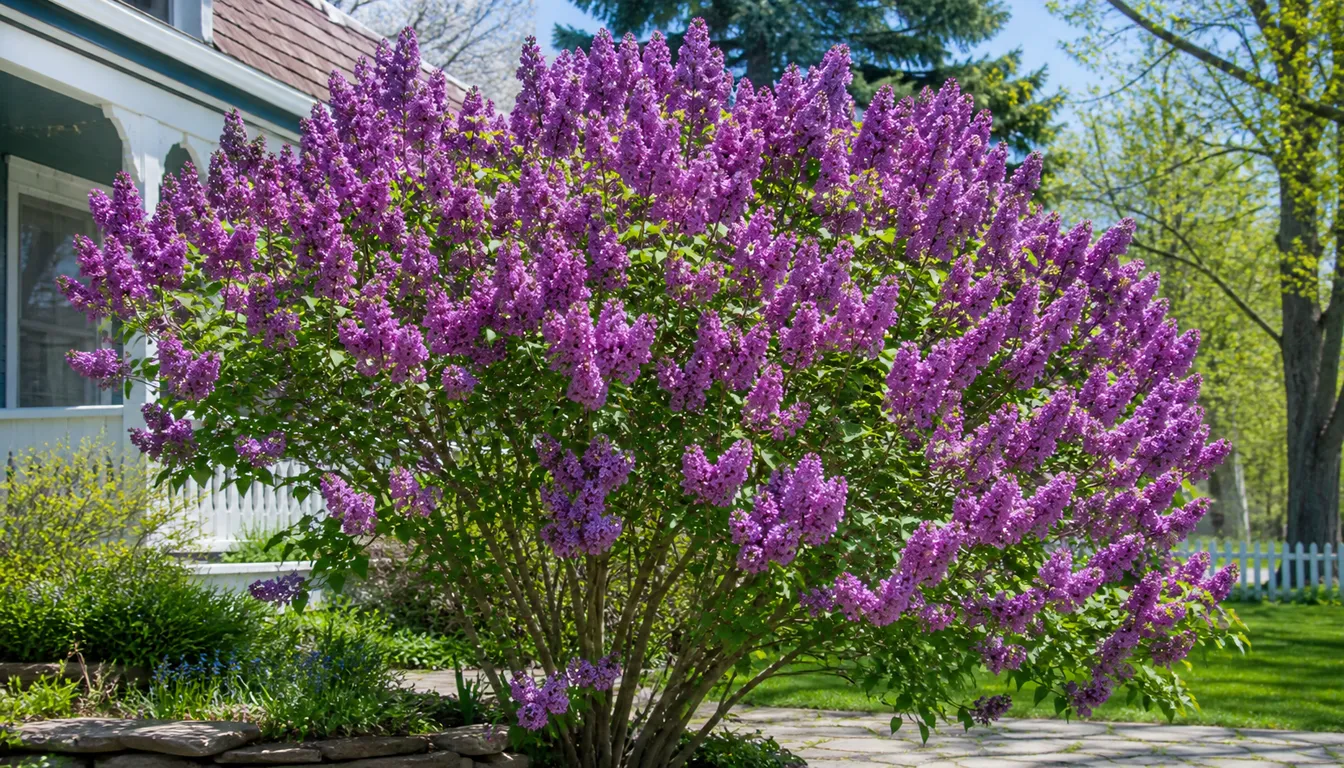
Lilac
A spring flowering shrub that helps contrast old-wood and new-wood bloom timing.
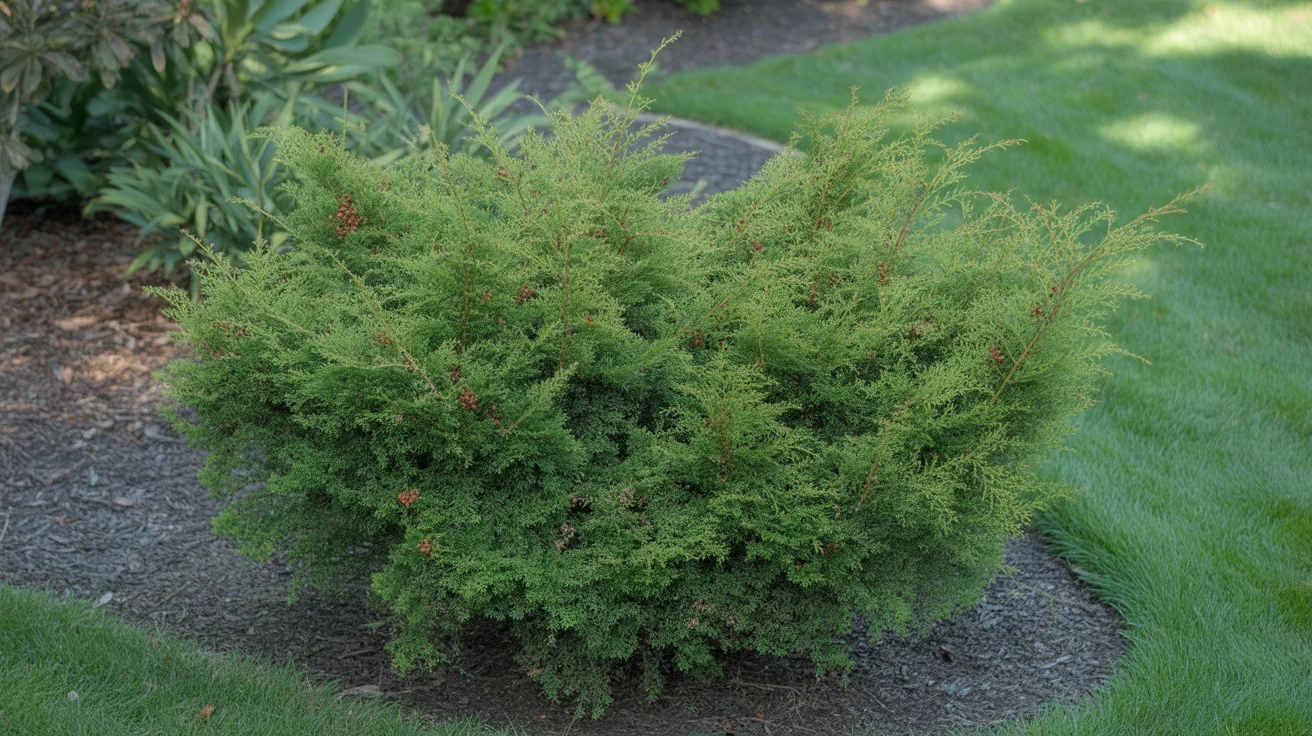
Arborvitae
Arborvitae can form a dense living screen where its mature width, exposure, and water needs fit the site.
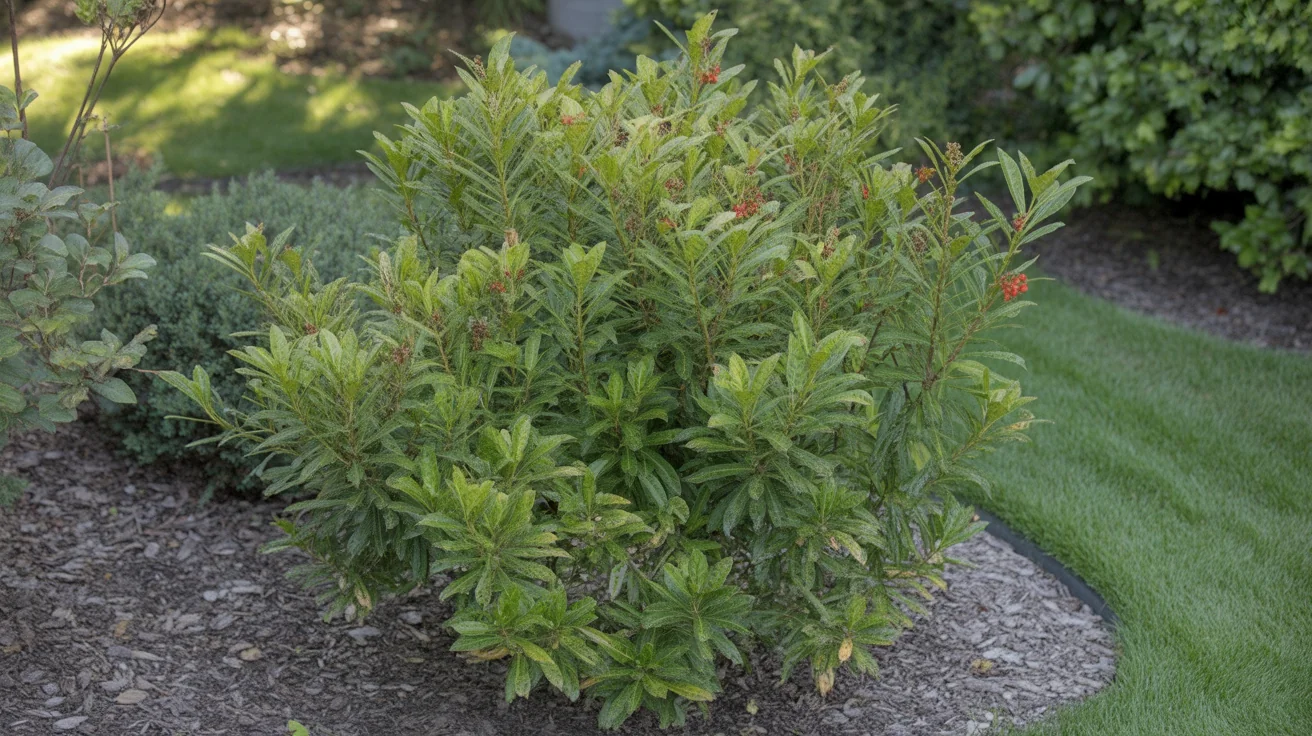
Aucuba
Aucuba is the shrub for bright shade with dry root competition. It keeps evergreen structure near north walls, porches…
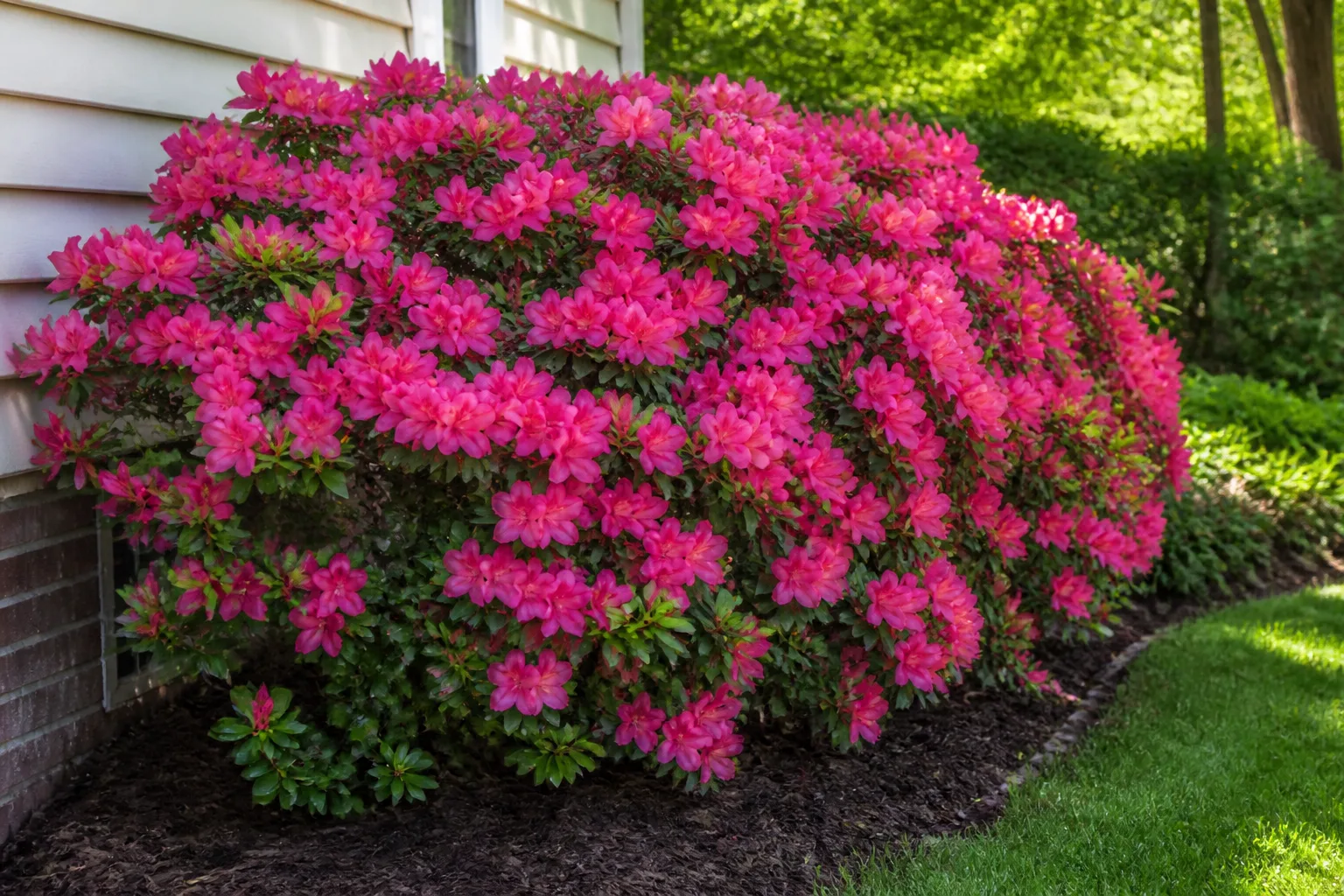
Azalea
Azaleas bring spring flowers, and some cultivars bloom again later in the year.