Tall Fescue vs Kentucky Bluegrass
Turf-type tall fescue often suits lawns where summer heat and drought stress are the main concern. Kentucky bluegrass offers stronger lateral recovery from small bare spots in a suitable cool-season climate. Fine fescues are a separate choice, especially for shaded, lightly used lawns.
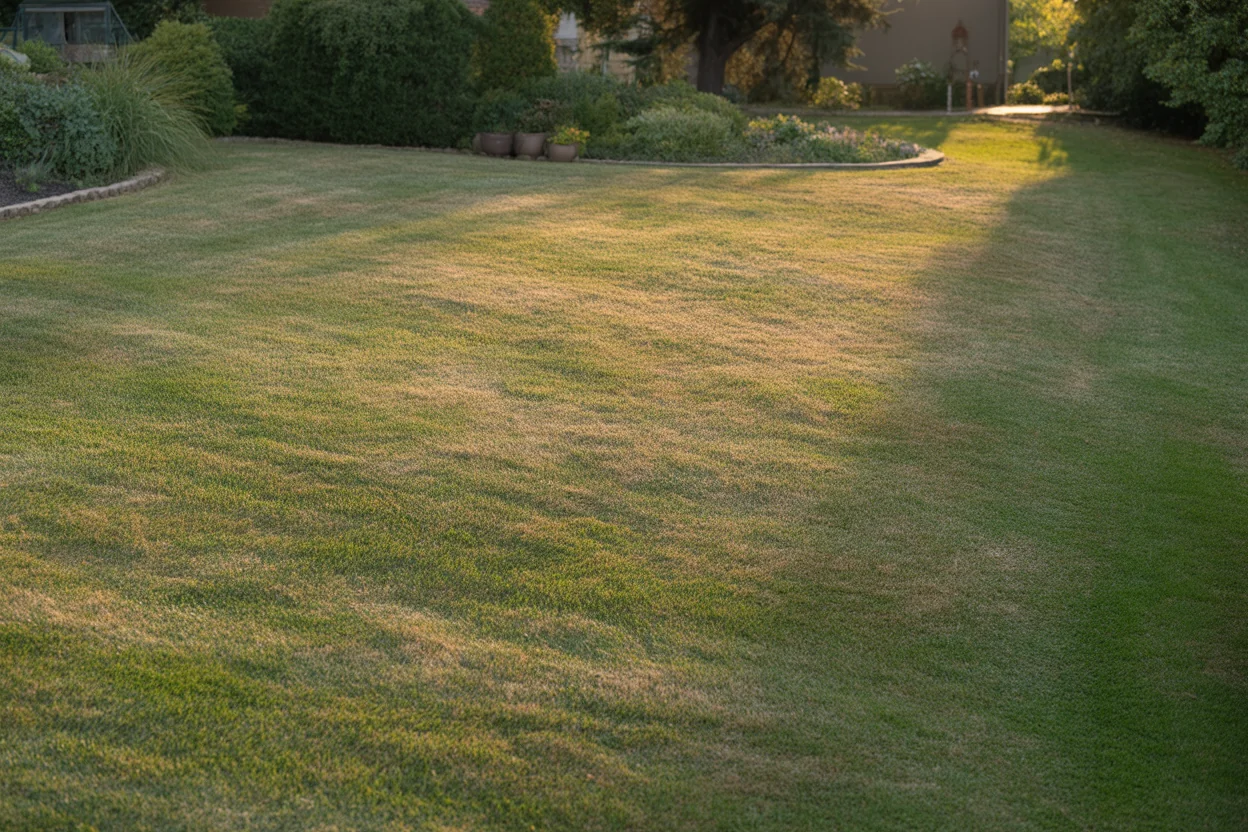
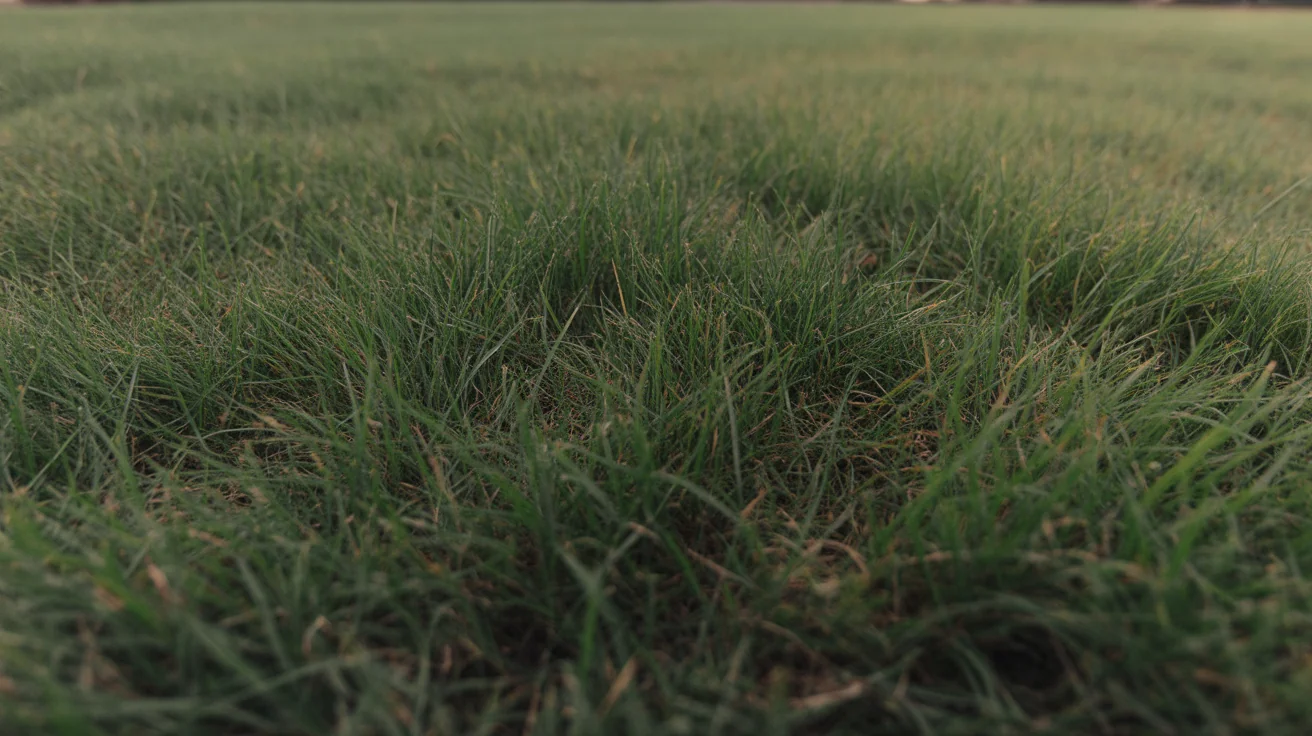
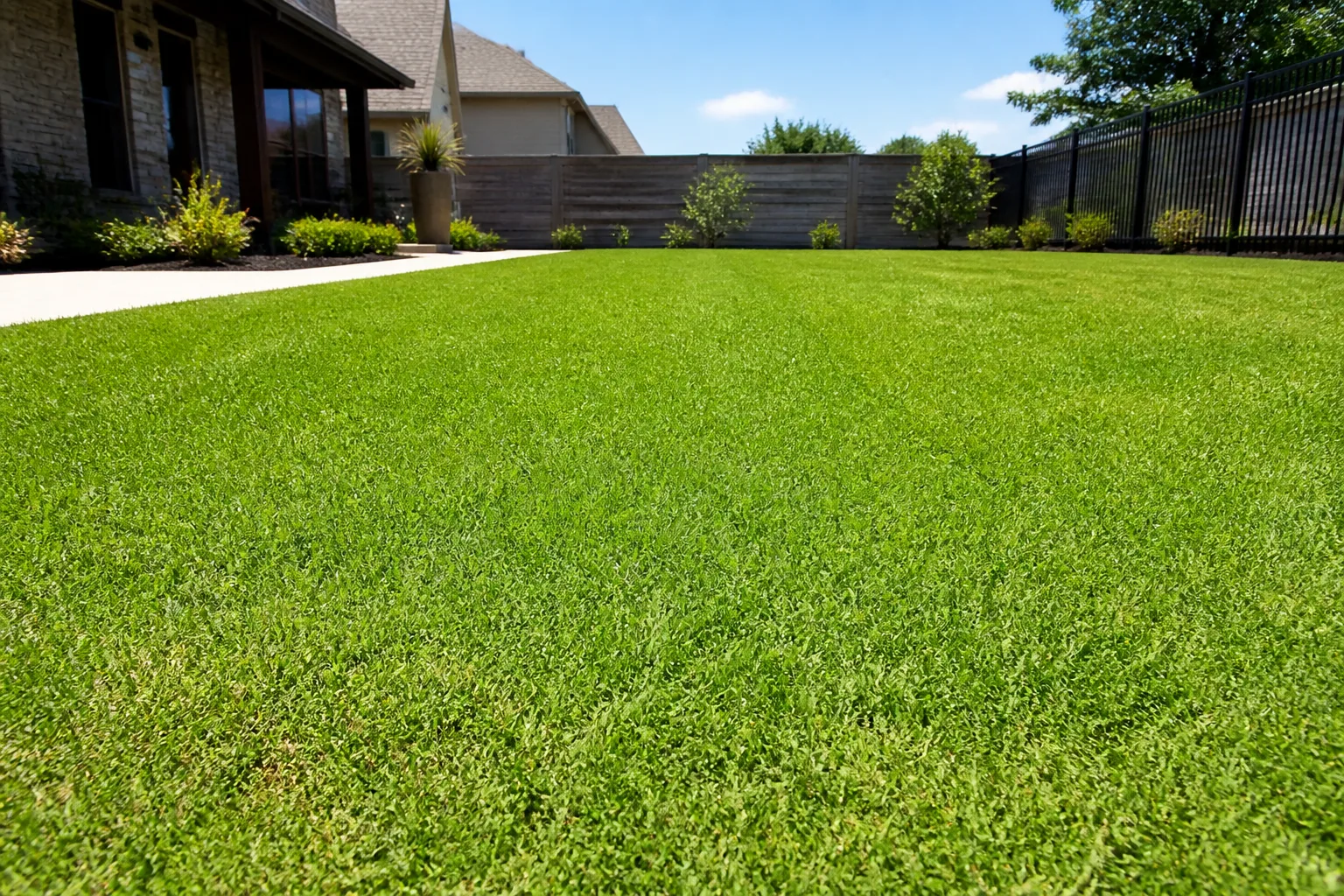
Tall Fescue
Festuca arundinacea (Schedonorus arundinaceus)
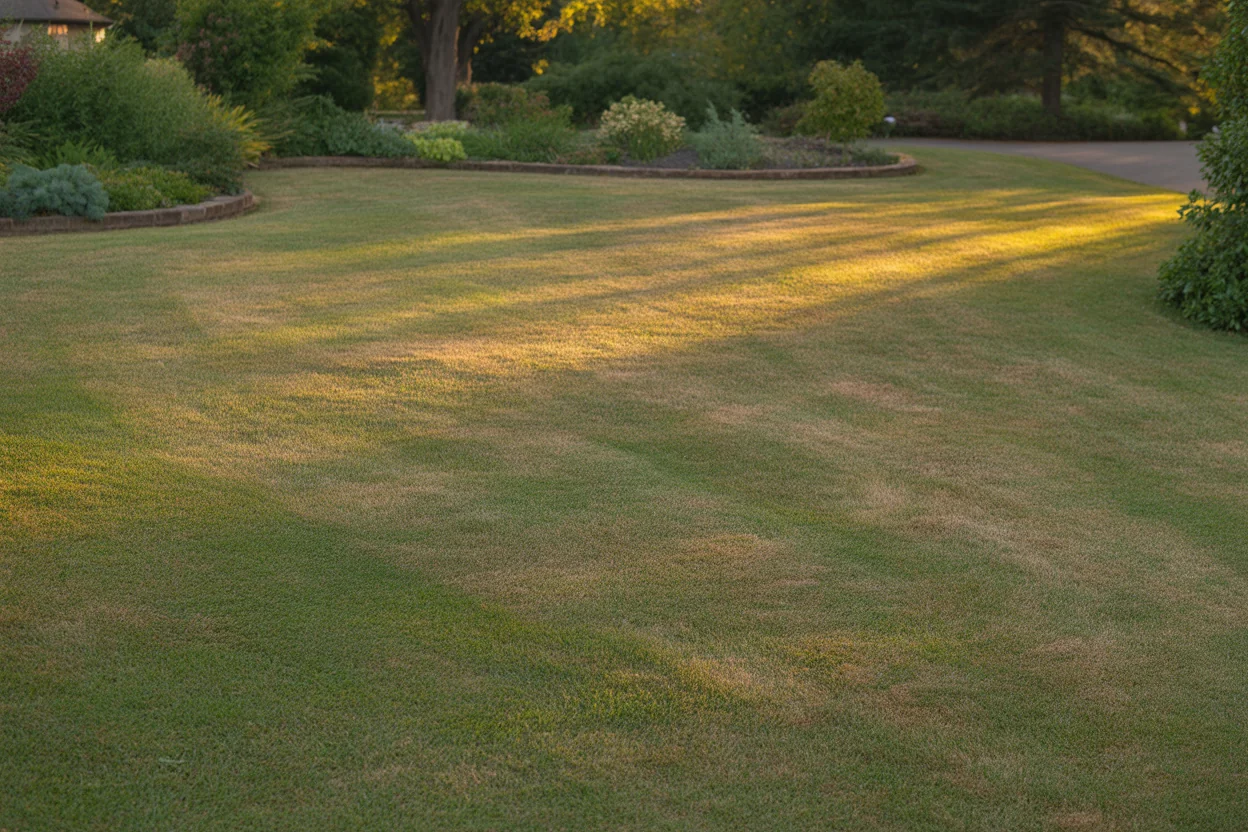
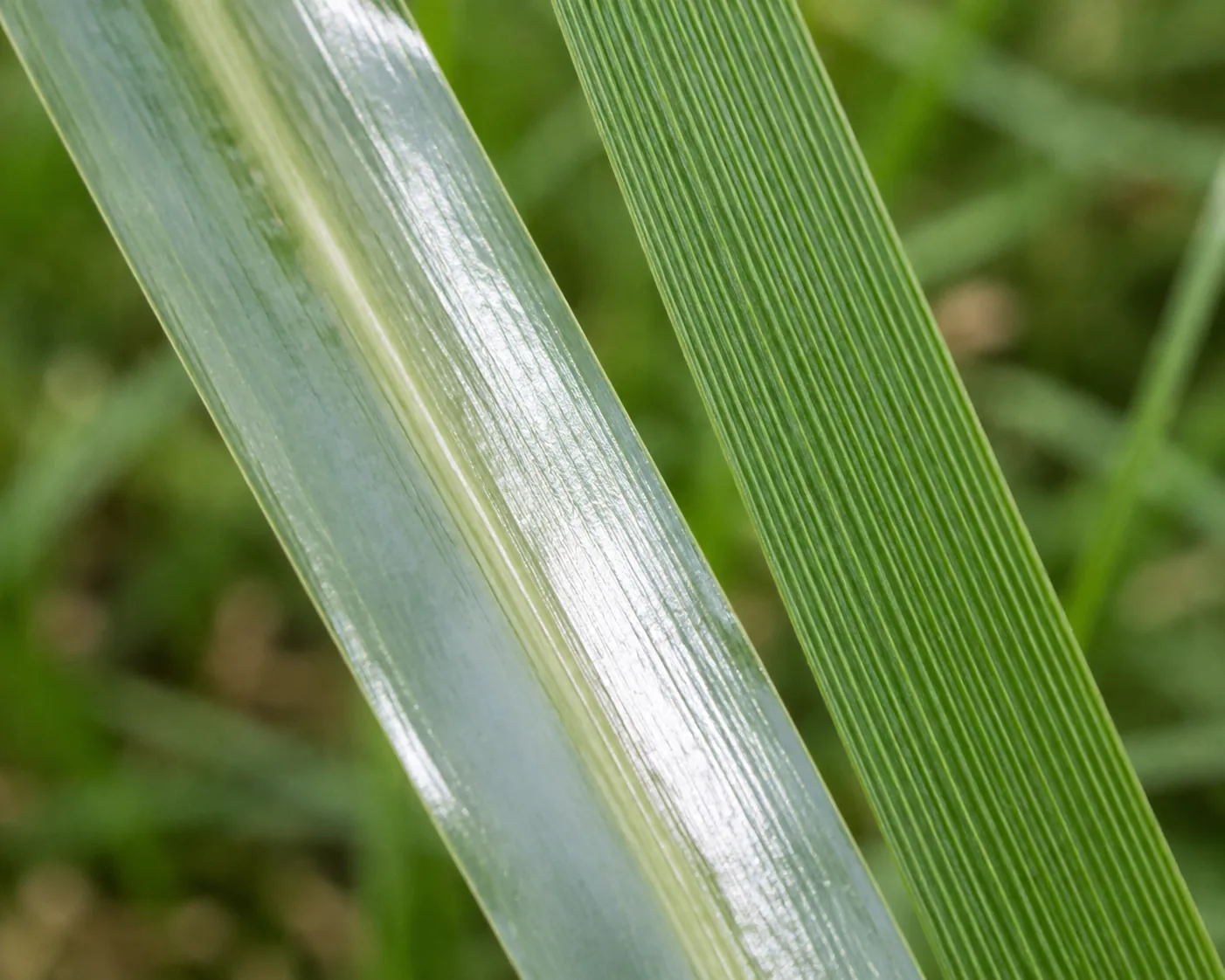
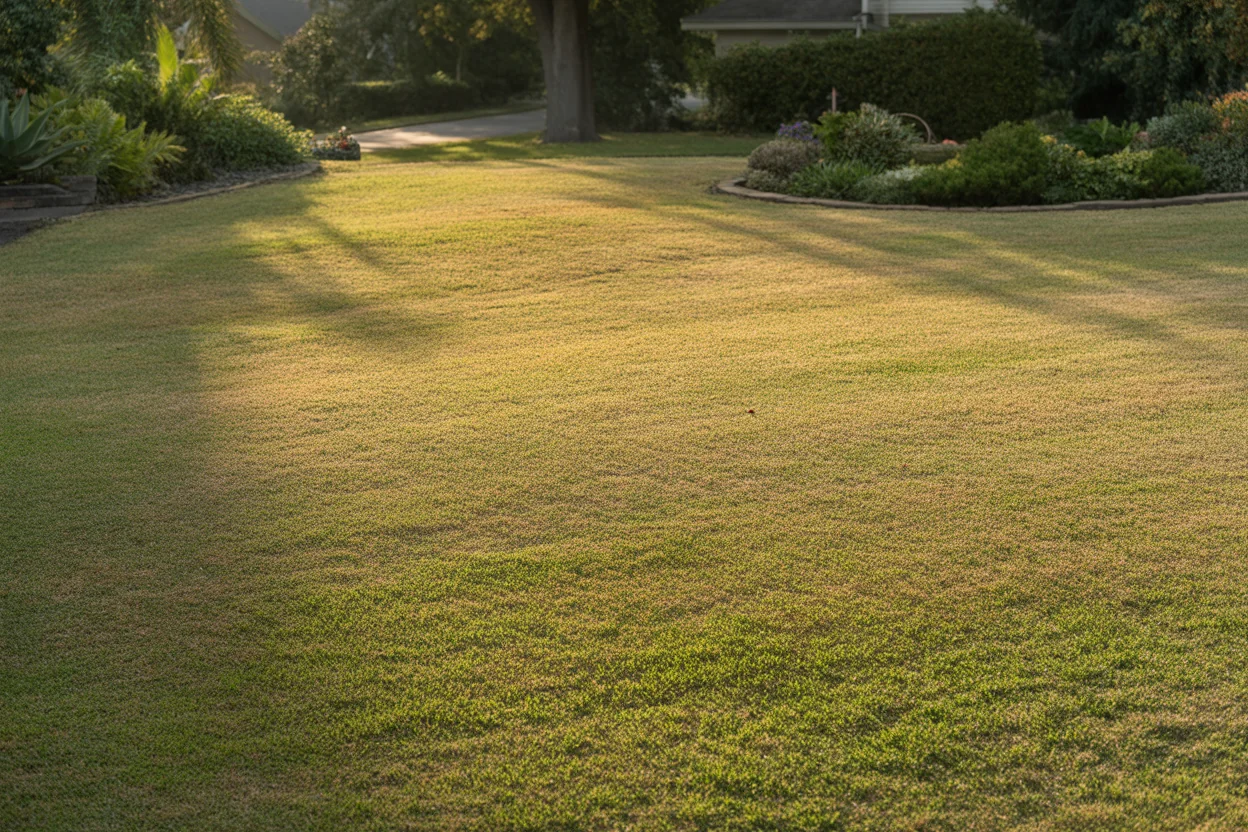
Kentucky Bluegrass
Poa pratensis
A bag labeled fescue may contain tall fescue, fine fescues, or a mixture. Those grasses do not share the same texture, heat tolerance, or spreading habit, so the name alone cannot settle the choice.
The main comparison here is turf-type tall fescue versus Kentucky bluegrass. Tall fescue can develop a deep root system that helps it reach moisture during dry weather, while bluegrass grows underground stems that can produce new shoots beyond the original plant.
That creates two different advantages. Keeping established plants alive through stress and replacing plants lost from a worn patch are separate jobs, and neither grass can promise both under every lawn condition.
Specifications
Compare the traits that change the growing decision.
| Feature | Tall Fescue | Kentucky Bluegrass |
|---|---|---|
| Main comparison | Turf-type tall fescue | Kentucky bluegrass |
| Growth into gaps | Primarily bunch-forming, limited lateral repair | Underground rhizomes form new shoots |
| Dry-weather advantage | Deep rooting where soil permits | Can survive some drought by going dormant |
| Shade selection | Cultivar and regional performance matter | Cultivar and regional performance matter |
| Appearance | Newer turf types are finer and denser than older coarse types | Medium to fine texture, dense spreading turf |
| Starting a lawn | Seed or locally available sod | Seed or locally available sod |
| Establishment priority | Protect seedlings while roots develop | Allow for slower seed emergence |
These are selection traits, not fixed watering schedules or hardiness-zone promises. A winter minimum temperature does not describe summer heat, humidity, shade, or the soil beneath a lawn.
Best Use Cases
Choose by the job the planting needs to do.
Summer heat and drying soil
An established lawn with room for roots
Penn State identifies tall fescue as the most heat- and drought-tolerant of the cool-season turfgrasses it describes. Its rooting advantage depends on soil that roots can enter, so compacted ground or a shallow soil layer can reduce the benefit.
Kentucky bluegrass can become dormant during dry weather and recover when conditions improve. Brown summer color does not automatically mean the lawn needs replacement, but dormancy is not a guarantee against prolonged stress. Neither species is a universal choice for a hot southern site.
Small bare spots after wear
Recovery between periods of use
Tall fescue mainly adds shoots within its existing clumps. Some types produce short rhizomes, but that does not give a typical tall fescue lawn the same ability to bridge empty ground as bluegrass.
Bluegrass rhizomes can extend into nearby gaps and establish new shoots. This helps with modest damage when healthy surrounding turf has time to grow. Continuous foot traffic can keep either lawn bare even when the species has good recovery potential.
A lawn beneath trees
Cultivar, region and depth of shade matter
Fine fescues deserve consideration where shade and low maintenance matter more than heavy use. Tall fescue is a different group, and a recommendation for fine fescue cannot simply be transferred to it.
Published tall-fescue and bluegrass shade rankings differ. Penn State favors tall fescue over bluegrass for shade tolerance, while NC State notes better bluegrass performance in moderate shade. Local cultivar recommendations are more useful than a blanket claim that one species always wins.
Which fescue is in the seed bag?
Fine fescues include creeping red, Chewings, hard and sheep fescue. Their narrow leaves and tolerance of relatively low fertility make them useful in suitable low-maintenance settings. Heavy play and hot, humid conditions can limit their performance.
Creeping red fescue can spread through rhizomes, while other fine fescues rely more on bunch growth. Describing every fescue as either non-spreading or self-repairing loses a difference that matters when a lawn develops gaps.
For tall fescue, a named turf-type cultivar is a more useful starting point than the word fescue on the front of the package. Older coarse types such as Kentucky 31 can stand out as clumps in a finer lawn. Newer turf types offer a different appearance, so the existing lawn and the seed label both matter.
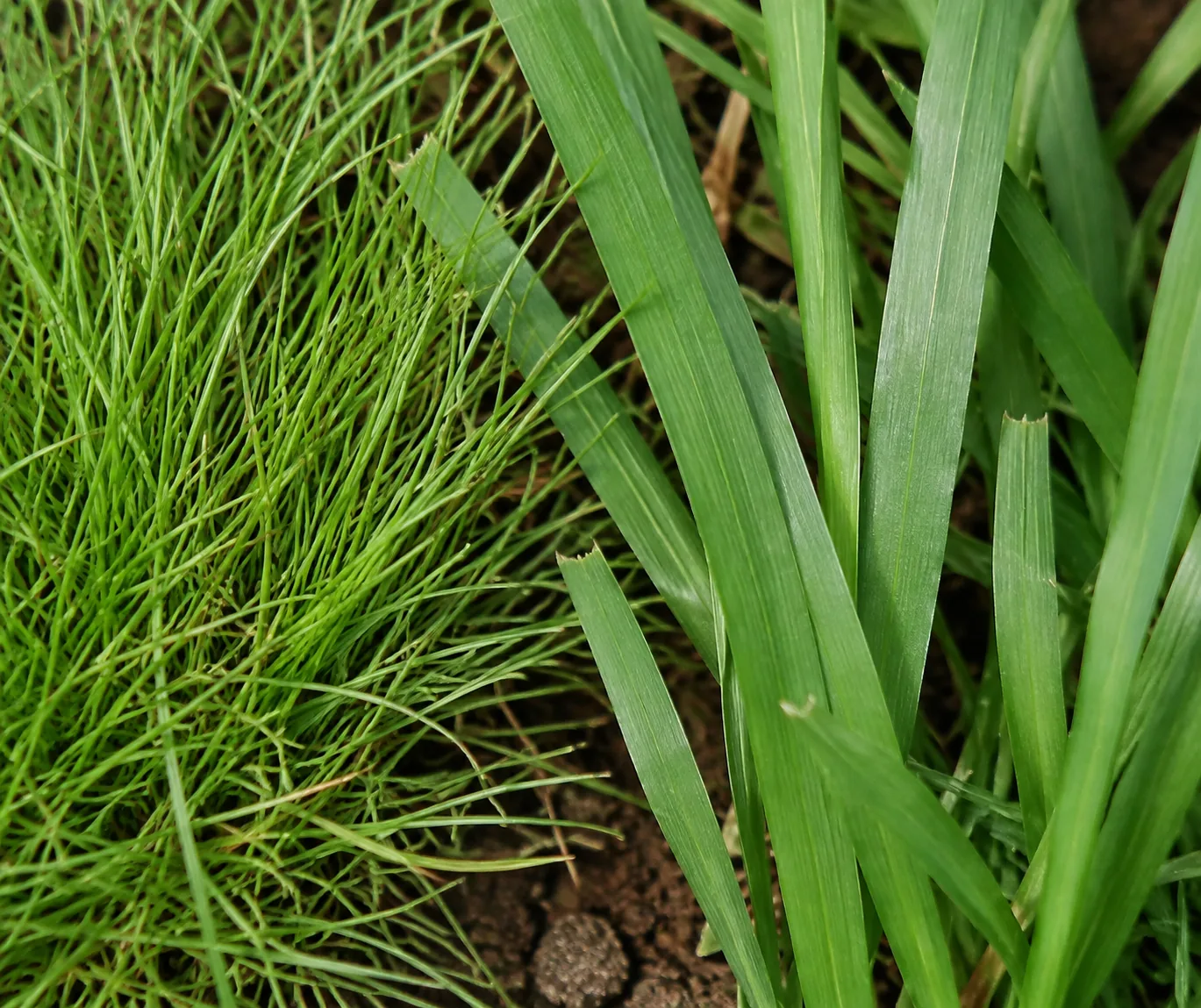
Why surviving wear differs from filling a gap
A grass can withstand footsteps yet have little ability to recolonize soil after an entire plant dies. Wear tolerance and recovery are different traits. Tall fescue can provide durable turf, but an empty patch often needs seed because no living crown remains there.
Bluegrass rhizomes are stems rather than roots. They connect growing points and can produce shoots beyond the original crown, giving surrounding plants a way to occupy a small opening. Recovery still requires a suitable growing season, moisture and relief from the cause of the damage.
A repeatedly worn shortcut is therefore a site problem as well as a grass choice. More seed cannot keep a newly germinated patch intact while people continue walking across it.
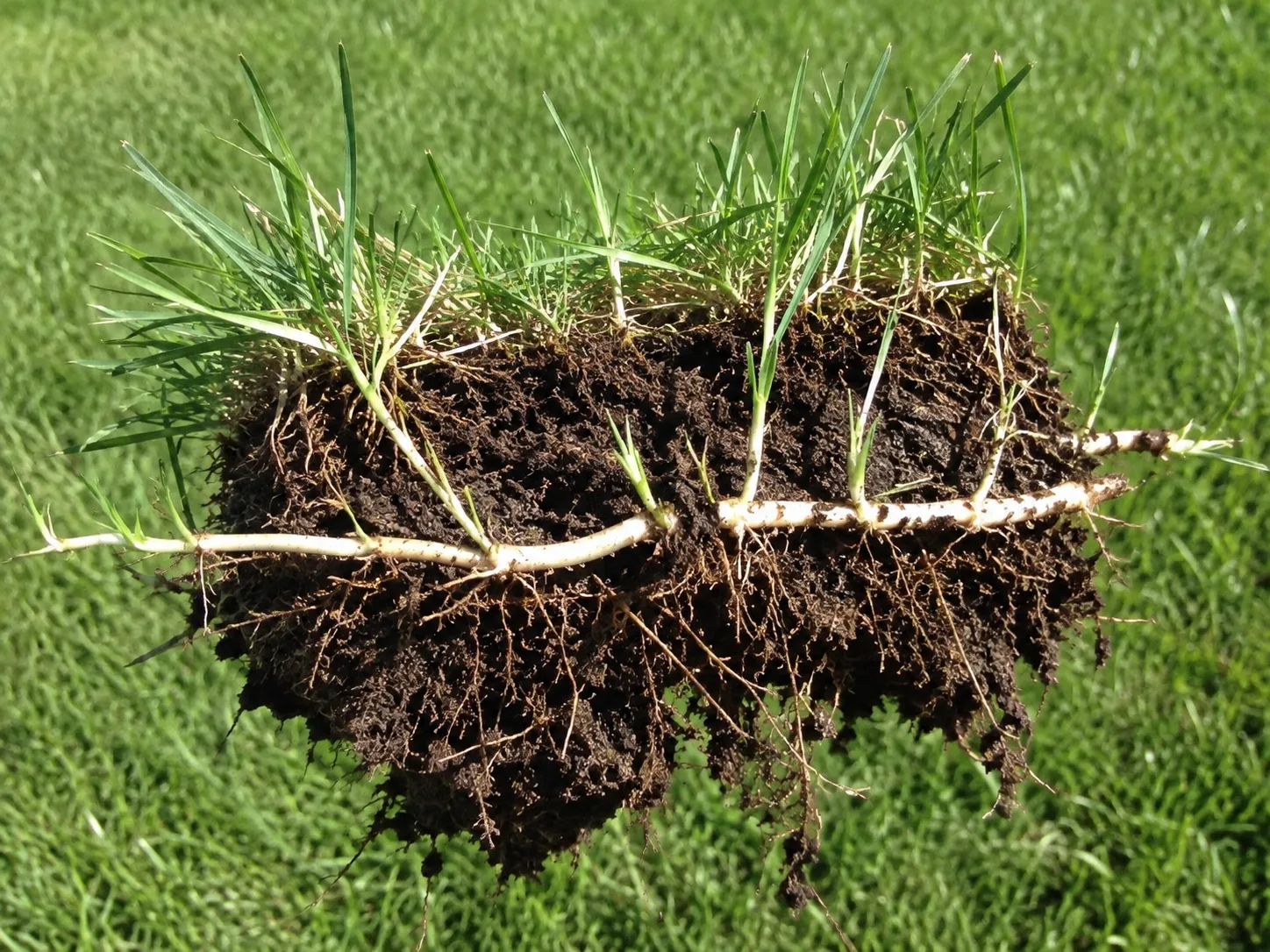
When a mixture makes more sense
Tall fescue and Kentucky bluegrass can be combined where both suit the site. NC State describes mixtures that pair tall fescue's heat and drought tolerance with bluegrass's finer texture and recovery. The balance can change as mowing and fertility favor one species, so a seed mixture does not promise a permanent ratio.
For a largely shaded, lightly used northern lawn, a fine-fescue mixture may answer the problem better than simply replacing bluegrass with tall fescue. For a sunny play lawn, traffic tolerance and opportunities for recovery matter more. These are different uses, even when they occur within one yard.
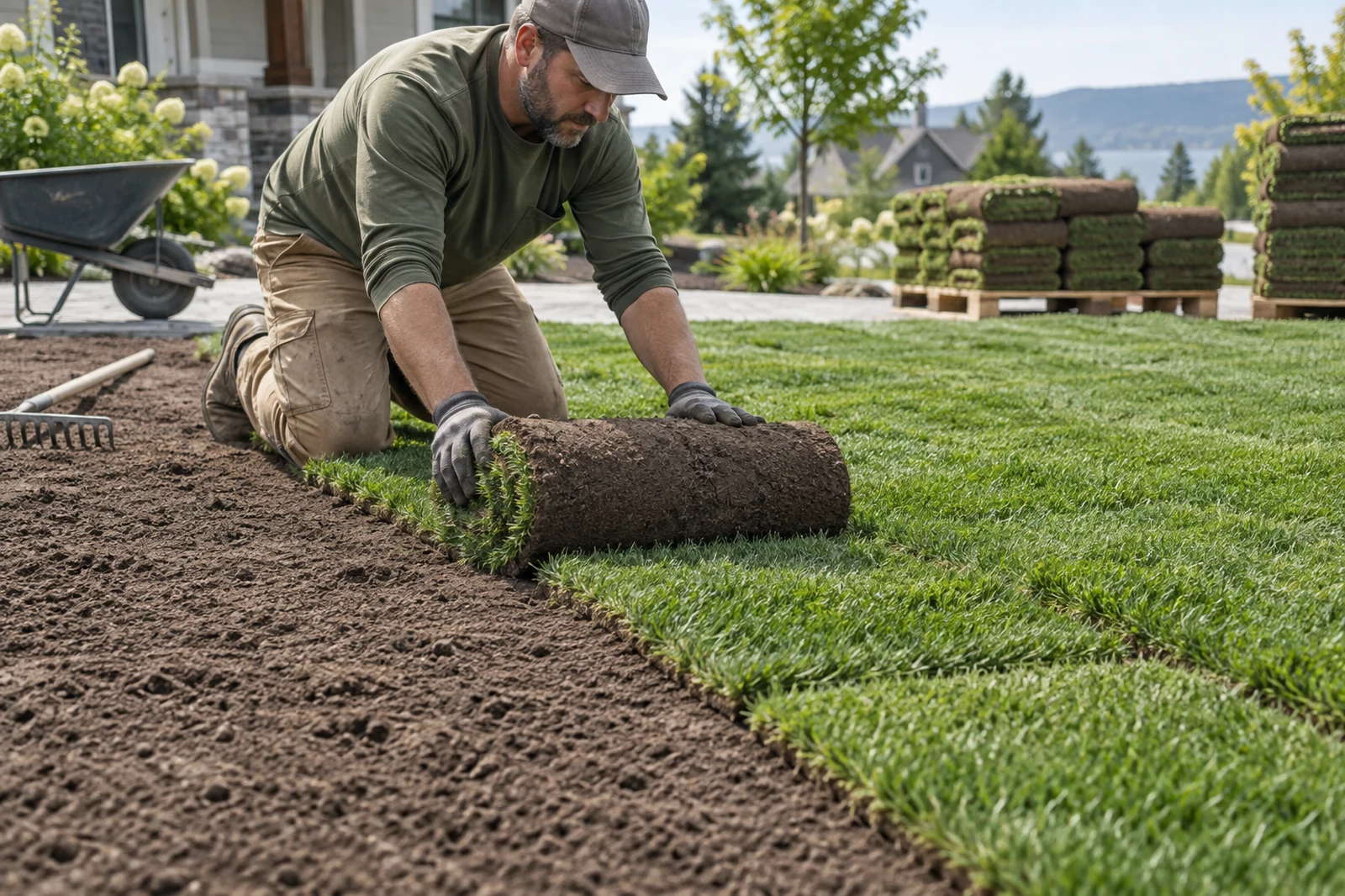
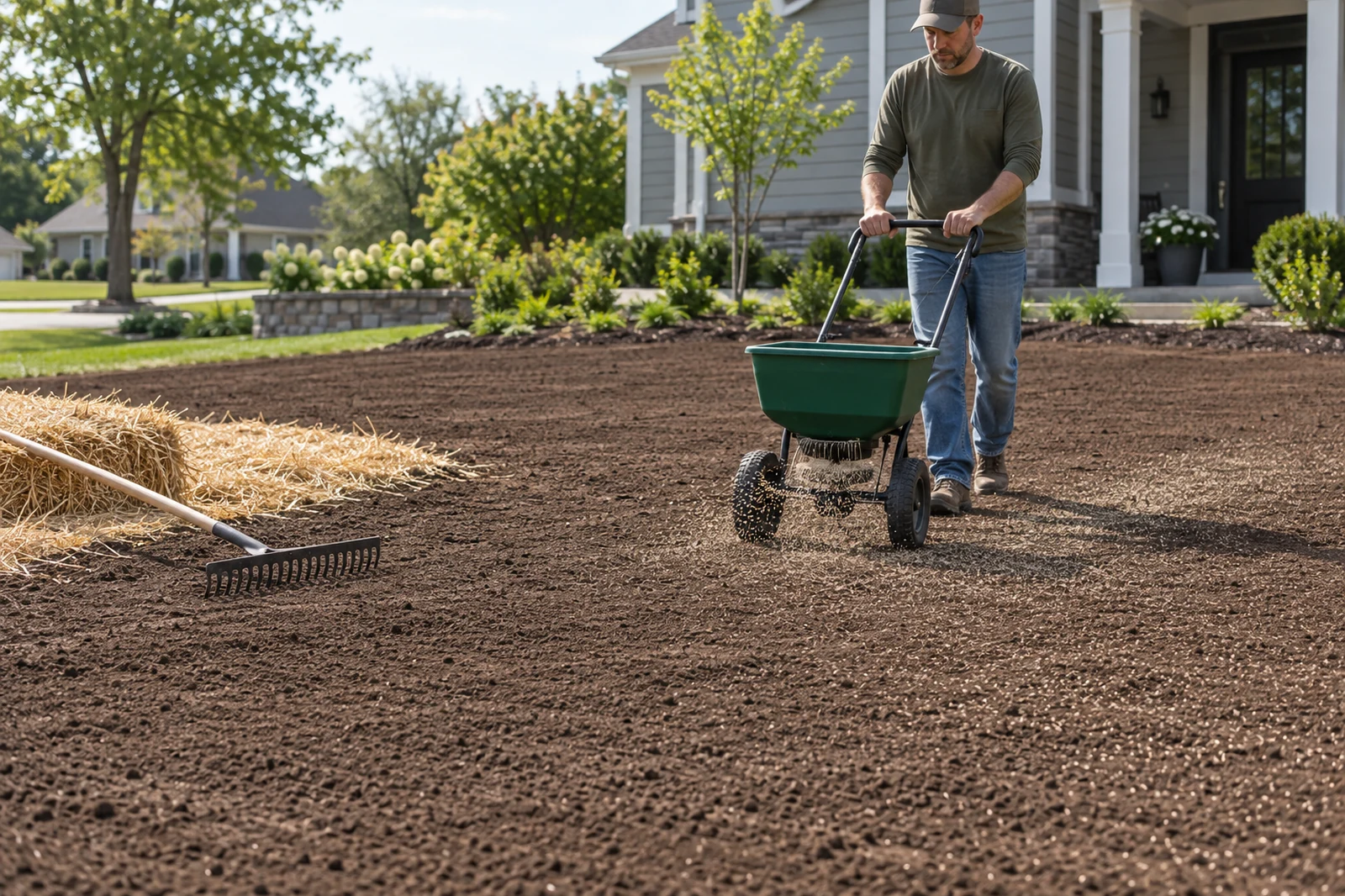
The choice between sod and seed also changes the waiting period. Sod covers soil immediately but still needs to root, while seedlings need protection well beyond their first green appearance. University of Minnesota guidance emphasizes soil preparation for both methods and notes that a seeded lawn takes substantially longer to become durable.
No single price-per-pound comparison establishes which lawn costs less. Seed coverage, local sod availability, establishment work and the care needed at the actual site determine the purchase you are comparing.