
How to Grow a Croton for Color Without Misreading Leaf Drop
Codiaeum variegatum Euphorbiaceae
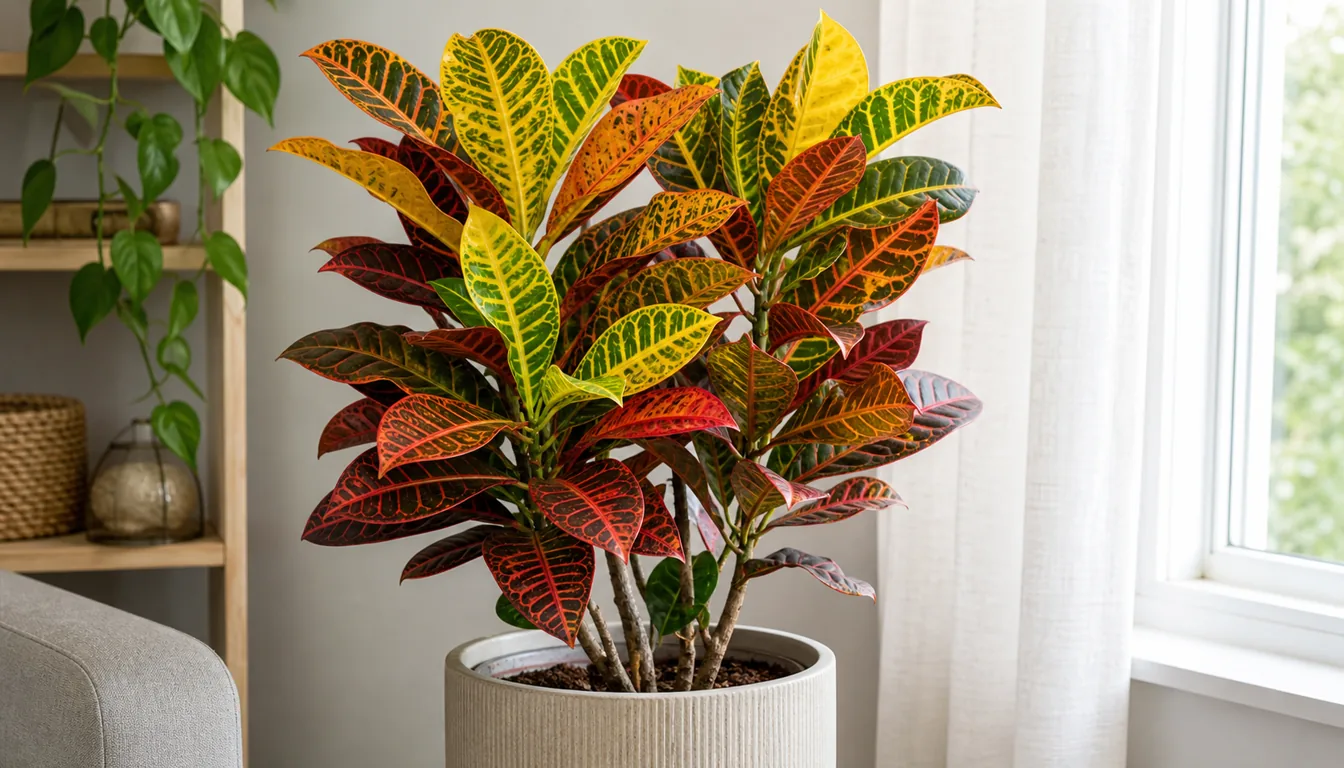
Croton is a tropical shrub grown indoors for patterned red, yellow, orange, and green leaves. Bright light, warmth, and a moist but well-drained root zone support its growth. Leaf drop calls for a look at the plant and its recent conditions because a move, dry roots, waterlogging, cold, and pests can produce overlapping symptoms.
Care snapshot
What Leaf Drop Can Tell You
Codiaeum variegatum is a woody evergreen in the spurge family, Euphorbiaceae. Its flowers are small, while its leathery leaves carry the familiar color. Plants sold as croton belong to Codiaeum, so a reference to a different plant in the genus Croton may describe a different species.
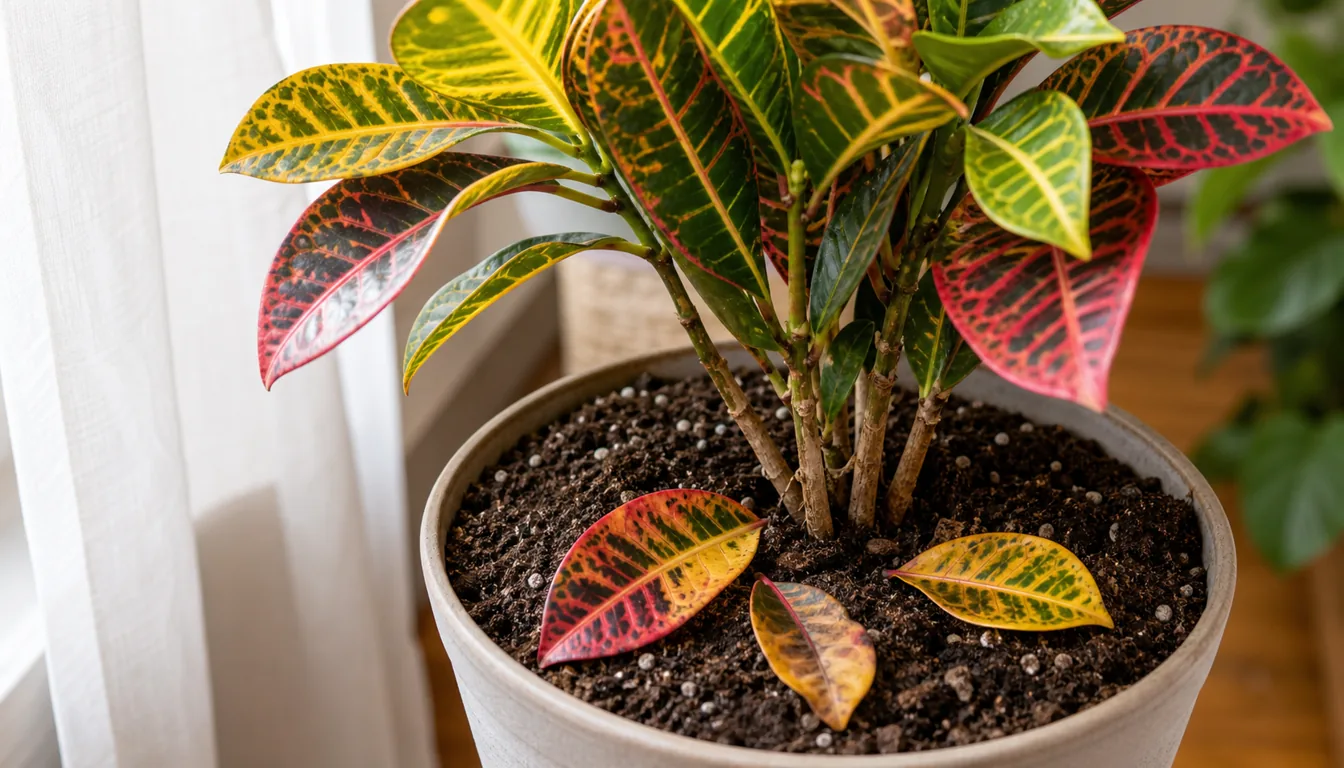
A croton can lose leaves when its conditions change. Transport and a new room may alter temperature, light, and water use together, which makes “it happened after a move” useful history but an incomplete diagnosis. Continuing leaf loss deserves inspection even when the timing fits that story.
- Dry root ball
- A light pot and dry mix suggest water is unavailable. A surface check alone can miss a dry interior or a wet lower layer.
- Persistently wet pot
- Water in the outer container, slow drying, or declining roots calls for a drainage and root-zone assessment. Adding more water to a wilted plant can worsen this situation.
- Cold or darker position
- A window may provide daytime light but expose leaves to cold glass or drafts at night. A distant corner may offer warmth with too little light.
- Visible pest evidence
- Fine webbing, moving specks, cottony clusters, or attached scale-like bumps warrant a closer look. Leaf drop by itself does not identify a pest.
Firm buds or a few new leaves show that some tissue is growing. They do not establish that every root is healthy or promise that bare stems will refill. The useful trend is whether continuing damage slows and new growth develops under suitable conditions.
Immediate problems such as standing water or cold exposure need correction. Once those are addressed, keeping a record of the location, watering, and new symptoms makes later changes easier to interpret than repeatedly moving the plant and feeding it at the same time.
Leaf Pattern, Leaf Age, and Cultivar
Crotons vary from broad oval leaves to narrow, curled, or lobed forms. Cultivar identity helps explain the pattern you bought, but leaf shape alone does not establish how much sunlight that particular plant has been grown under.
- Petra
- Broad leaves with conspicuous colored veins. UF/IFAS describes it as a selection that retains color relatively well indoors when light is adequate.
- Gold Dust
- Green foliage marked with yellow spots. Its spotting is a cultivar feature, not evidence of an infestation.
- Spirale
- Narrow leaves that twist as they grow. Curling of this selection is different from a new distortion on a normally flat-leaved plant.
Young croton leaves may start green and develop stronger colors as they mature. That makes an older red leaf and a younger green leaf a poor controlled comparison of light levels. The condition and color of successive mature leaves are more useful than expecting every leaf to match.
RHS describes houseplants commonly reaching about 1–3 feet or more, depending on variety and age. UF describes much larger shrubs outdoors in warm climates. A small nursery pot does not establish a permanent mature size, and a houseplant height estimate is not a landscape spacing recommendation.
At purchase, healthy stems, an intact growing tip, and foliage without visible insects matter alongside color. A plant with vivid leaves can still have a saturated root ball or pests hidden beneath the leaves.
Bright Light Without Reading Color as a Meter
Bright filtered light is a useful indoor starting point. NC State describes good color in bright conditions with some direct sun, while UF notes that outdoor sun tolerance varies by cultivar. These descriptions do not mean a greenhouse-grown plant can go straight into exposed afternoon sun.
Gradual increases in exposure give the plant time to adjust. A curtain or a less exposed position can reduce intense sun while preserving a bright growing area. Window direction alone does not describe the result because trees, overhangs, glass, and distance from the window change the light reaching the leaves.
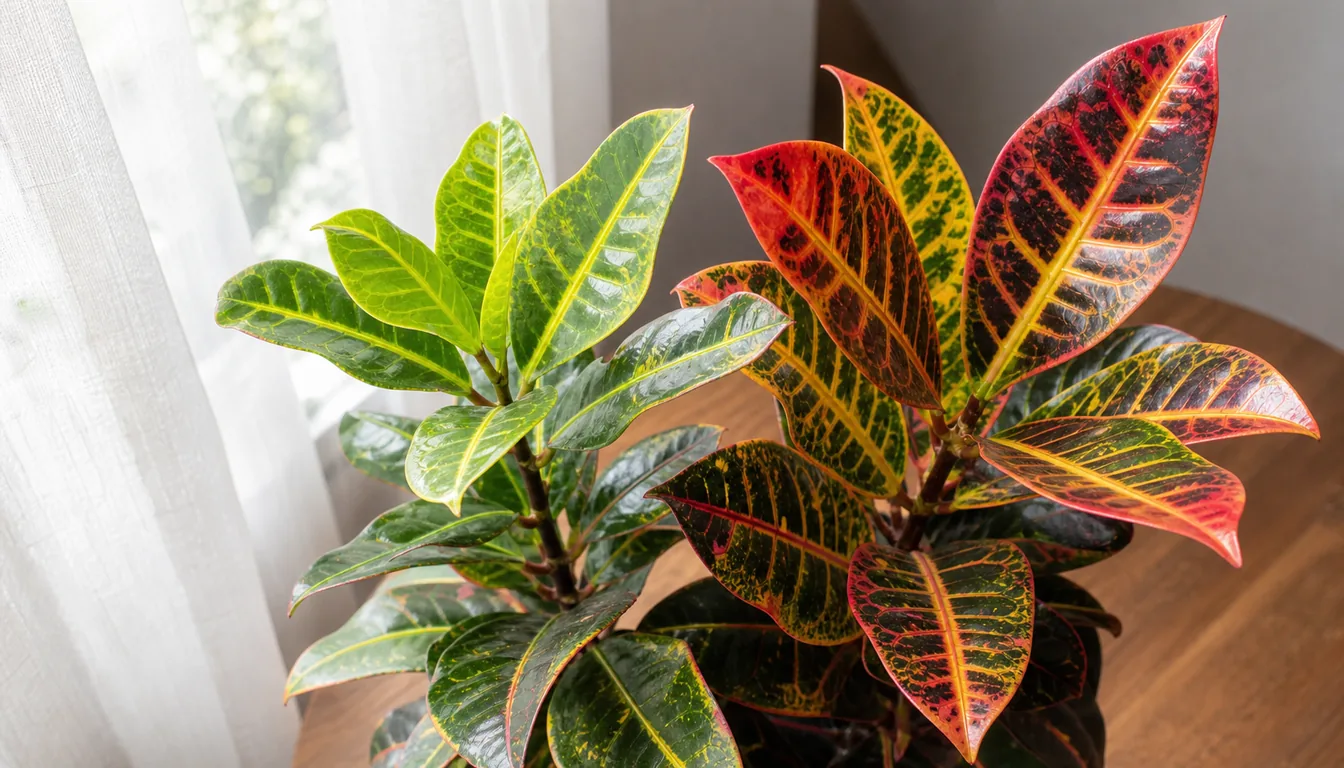
In a dim location, lower leaves may be lost and the display can become less colorful. The decision is whether the room can support this plant over time, rather than whether fertilizer can recreate the color it had at the nursery. Matching a houseplant to the light actually available is part of choosing it.
A newly scorched area will not turn back into uninjured leaf tissue. Ongoing observations focus on whether additional leaves develop damage and how later growth responds, rather than treating a single new leaf as proof that every problem is resolved.
Moist Roots With a Way for Water to Escape
Croton grows best with a moist root zone that also contains air. RHS advises watering after the upper layer of mix dries. That trigger still needs the context of the whole pot, especially when a light surface sits above a wet lower layer.
Water can pass through a dry pot unevenly or collect inside a decorative outer container. A draining nursery pot makes it possible to water the mix thoroughly and let excess water escape before the plant returns to its display. Standing water in the outer pot defeats that arrangement.
A lighter pot, dry mix, and wilting together support a different watering decision from wilting in wet mix. Roots damaged by prolonged waterlogging may not supply the leaves even though water is present. Neither leaf droop nor yellowing alone distinguishes these situations.
Light, temperature, plant size, and pot material change drying time. A lower-light winter room often lengthens the interval, while active summer growth may shorten it. A fixed weekly watering schedule can miss both changes.
If the plant keeps declining in wet mix, the next step is a root and drainage assessment rather than fertilizer. Soft, decaying roots and a failing stem base are concerning, but the color of one exposed root cannot clear the rest of the root system. Severe decline may need local extension help to distinguish environmental injury from disease.
Pot Size and Mix Affect the Same Watering Decision
A well-drained houseplant potting mix holds moisture around roots while allowing excess water to leave. RHS describes a light, acidic, peat-free mix for croton. Heavy garden soil in a container can stay wet and compact in a way that a suitable potting mix does not.
Drainage holes provide the exit, but they cannot make a large mass of persistently wet mix dry at the right rate. A pot much larger than the root ball holds extra water beyond the area occupied by roots. Moving to a slightly larger container when roots are crowded gives growing roots room without a large jump in wet volume.
Spring or active growth is a useful time for routine repotting. A blocked drainage hole or a deteriorating root zone needs attention when discovered, so a newly purchased plant does not have to wait an arbitrary number of weeks before a genuine problem is corrected.
For a plant that is simply adjusting to a new location, unnecessary root disturbance adds another change to interpret. The repotting decision rests on root crowding, the condition of the mix, and drainage, rather than leaf drop alone.
Stem Cuttings and Pruning Have Different Jobs
Croton can be propagated from stem cuttings. RHS recommends softwood cuttings in early summer, and UF describes short leafy stem cuttings kept warm and moist. Those are methods for healthy growing material, not a guarantee that a bare or declining branch will root.
Pruning above a leaf joint can encourage branching on the parent plant. A cutting instead has to develop its own roots, so cutting back a shrub and producing a replacement plant are separate outcomes. Sap precautions apply to both jobs.
- Wear gloves, use a clean cutting tool, and choose a healthy shoot with several leaves and identifiable nodes.
- Cut below a node and remove leaves that would sit in the rooting medium. Keep enough leaf area to support the cutting without burying leaves.
- Place the lower stem in a suitable moist propagation medium in warmth and bright filtered light. Rooting hormone may be used according to its label.
- Keep the medium moist without saturation. New leaves alone do not prove that a useful root system has formed, so handling and potting-on wait for actual rooting and established growth.
A shrinking or rotting cutting needs assessment, not a larger fertilizer dose. Rooting time varies with the material and conditions, and a promised completion date can encourage transplanting too early. A diseased parent is also a poor source of routine propagation material.
Evidence Beneath the Patterned Leaves
Croton can host spider mites, scale, mealybugs, and other indoor pests. Its natural yellow spotting and red patches make a general “discolored leaf” description especially unhelpful. Examination of leaf undersides, veins, petioles, and stems gives better evidence.
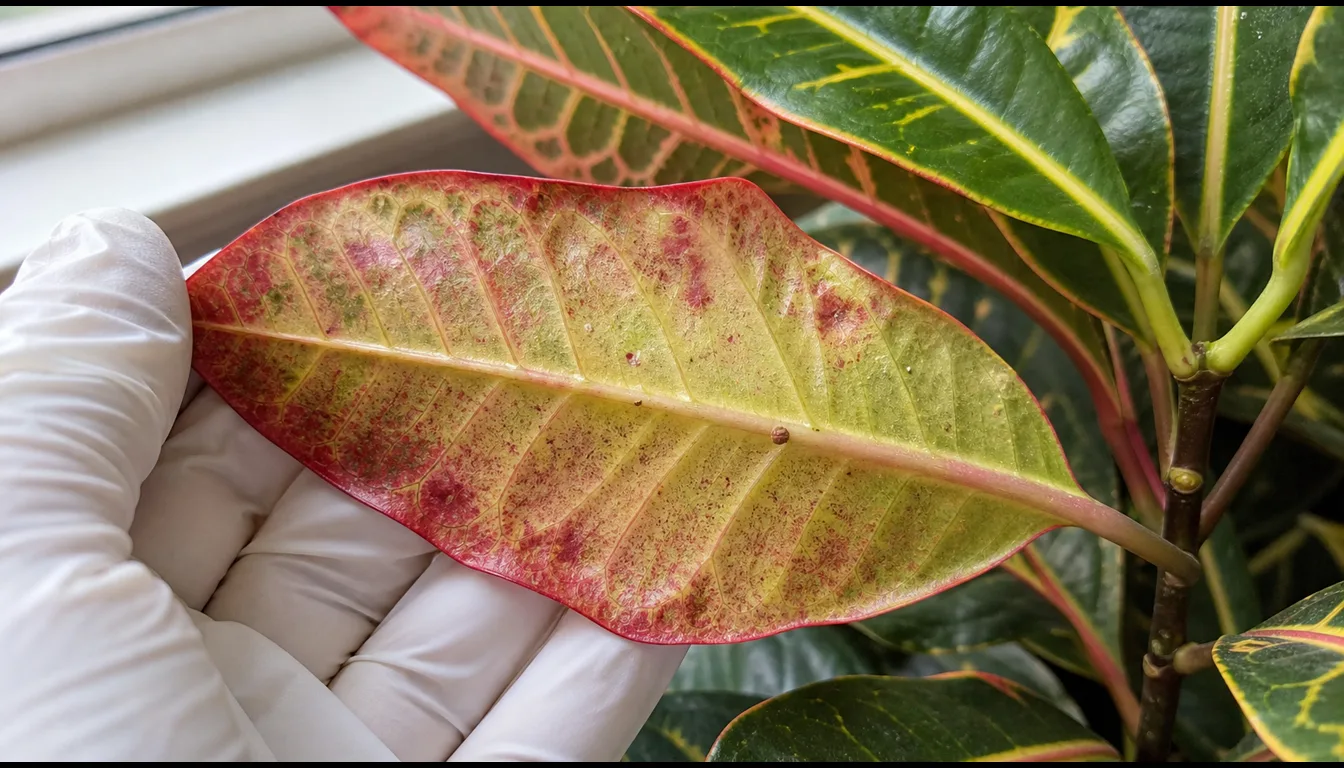
Mites may leave fine stippling and webbing, and moving specks can be easier to see with magnification or over white paper. Cottony material suggests a mealybug check, while attached bumps call for a scale examination. Some scale stages move, so immobility is not a universal identification test.
An affected plant can be separated from neighboring plants while the pest is identified. Gentle washing can reduce some pests, but successful treatment depends on the pest, the plant, and the product label. Household detergents and improvised concentrated sprays can injure foliage.
Continuing yellowing without visible pests does not prove a nutrient deficiency. Moisture, roots, cold, and recent exposure still matter. Treatment aimed at an insect that has not been found can damage the leaves while leaving the actual cause unchanged.
Warmth and Growth Set the Seasonal Routine
Croton is cold-sensitive. RHS gives an indoor growing range of 65–95°F and advises avoiding temperatures below 55°F. These are cultivation references, not a claim that a brief reading outside the range predicts exactly how many leaves will fall.
A bright winter window can be chilly at night, particularly behind a closed curtain. Drafts and heating vents can also create local conditions that differ from the room thermostat. Moving the plant clear of cold glass or direct hot airflow addresses that exposure without assuming the whole room is unsuitable.
Dry indoor air can contribute to leaf loss, and RHS recommends humid conditions for croton. Humidity advice varies between growing references, so a fixed percentage is not a diagnosis. Reducing direct drying airflow and assessing the room makes more sense than keeping the roots wet to compensate for dry air.
During active growth, a houseplant fertilizer used at its labeled rate can supply nutrients. More fertilizer does not replace light, restore a scorched leaf, or repair decaying roots. Slower growth and slower drying call for a review of feeding and watering rather than a fixed seasonal dose.
A summer move outdoors needs gradual light acclimation and warm conditions. Outdoor hardiness zones describe winter climate at a location, not indoor temperature or the date a patio becomes safe. Before the plant returns indoors, an inspection beneath leaves and around stems can reveal pests that would otherwise enter with it.
NC State lists Zones 11–12 for outdoor growth. That frost-sensitive landscape context differs from keeping a container alive indoors through winter, and it does not justify waiting for frost before bringing a croton inside.
Sap and Chewing Exposure
Croton is unsuitable for chewing by children or pets. NC State documents ingestion and skin-contact hazards, and Pet Poison Helpline identifies Codiaeum variegatum as an irritant that can cause drooling, vomiting, diarrhea, or skin irritation in pets. The reviewed poison-service page does not provide a separate classification for each animal species.
Keep the plant and fallen leaves out of reach. Wear gloves for pruning, avoid sap contact with eyes, and wash after handling cut material. If a pet chews the plant or develops symptoms, contact a veterinarian or animal poison service promptly and provide the plant identity and exposure details.
For homes comparing patterned foliage, Watermelon Peperomia has an ASPCA non-toxic listing for dogs and cats. It is a smaller plant with different care and does not reproduce a croton’s upright multicolored shrub form. A non-toxic listing still does not make a plant edible or cover potting materials and treatments.
Outdoor crotons can become large shrubs in frost-free regions. Placement still needs room for mature growth and safe access for maintenance. The colorful foliage does not establish whether a plant is appropriate for every local landscape or household.
Sources & References
- Codiaeum variegatum — NC State Extension Plant Toolbox
- How to grow croton — Royal Horticultural Society
- Crotons — UF/IFAS Gardening Solutions
- Croton — Pet Poison Helpline
- Indoor Plant Care — Purdue Extension HO-39-W
- Diagnose Indoor Plant Problems — University of Maryland Extension
- Insects on Indoor Plants — University of Minnesota Extension
- Watermelon Peperomia — ASPCA
Related Plants
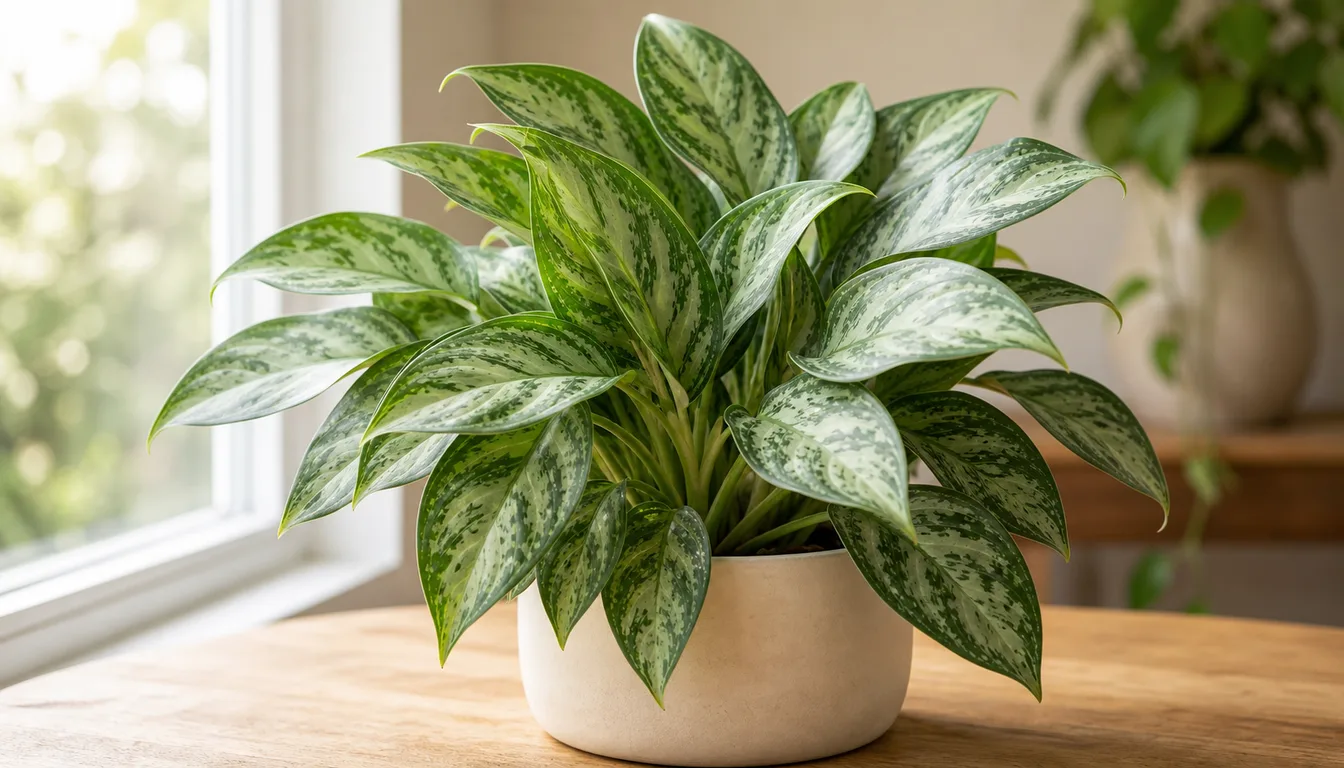
Chinese Evergreen
Patterned foliage with different light requirements and its own ingestion warning.
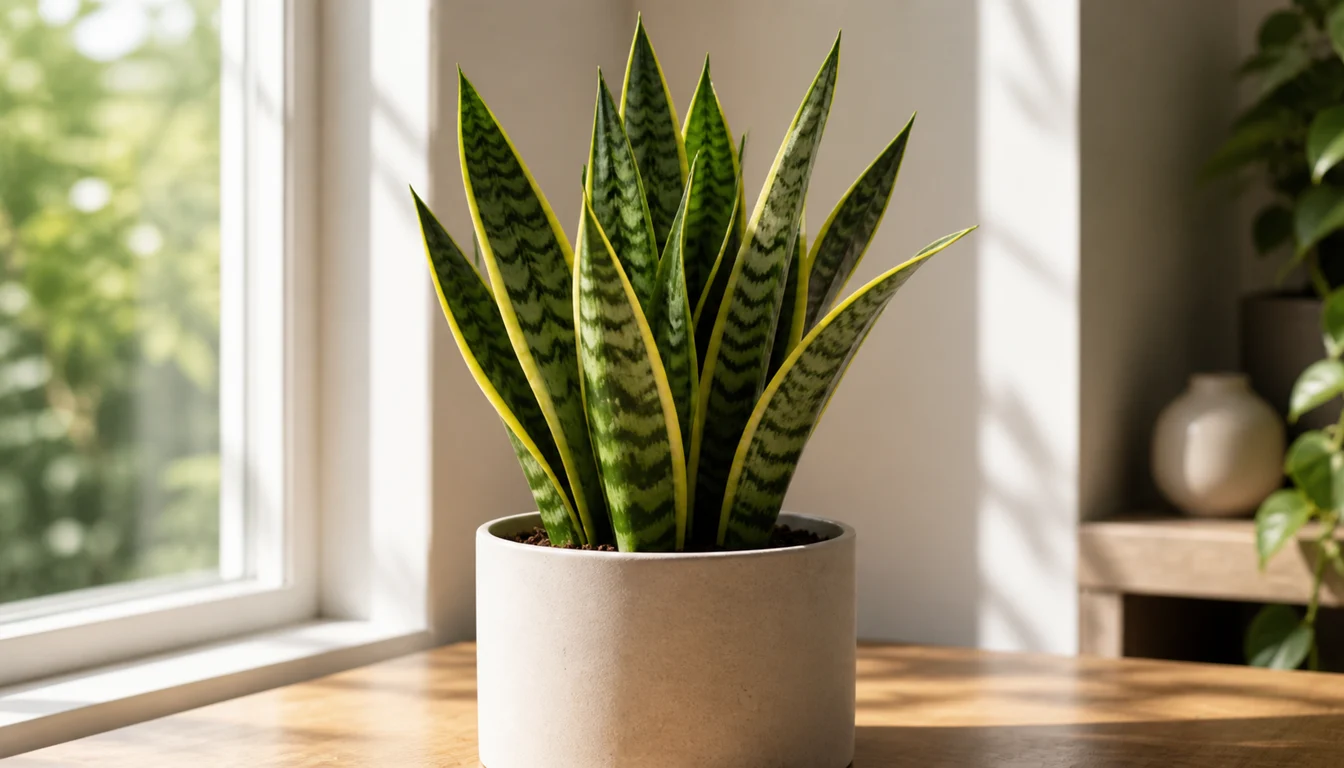
Snake Plant
Upright succulent leaves with a much drier watering cycle.
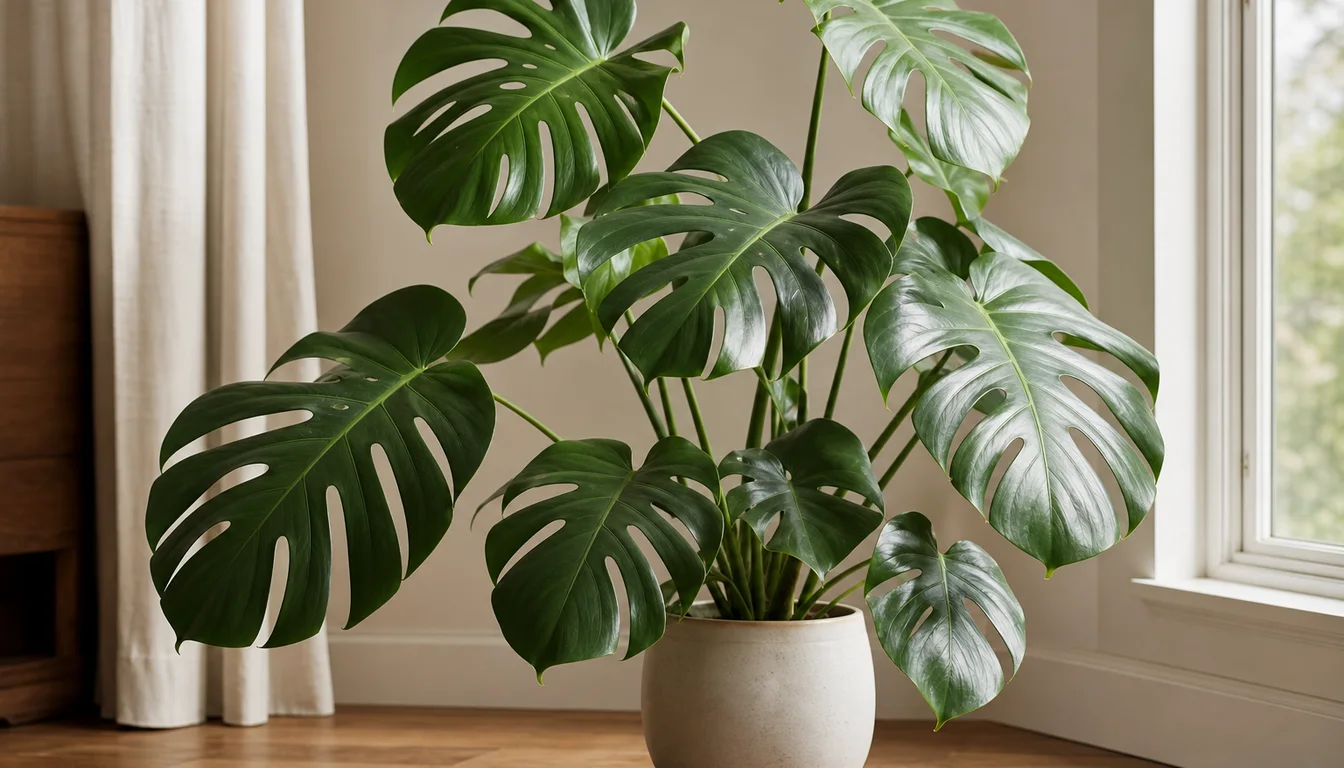
Monstera
A climbing plant grown for large divided leaves rather than multicolored foliage.
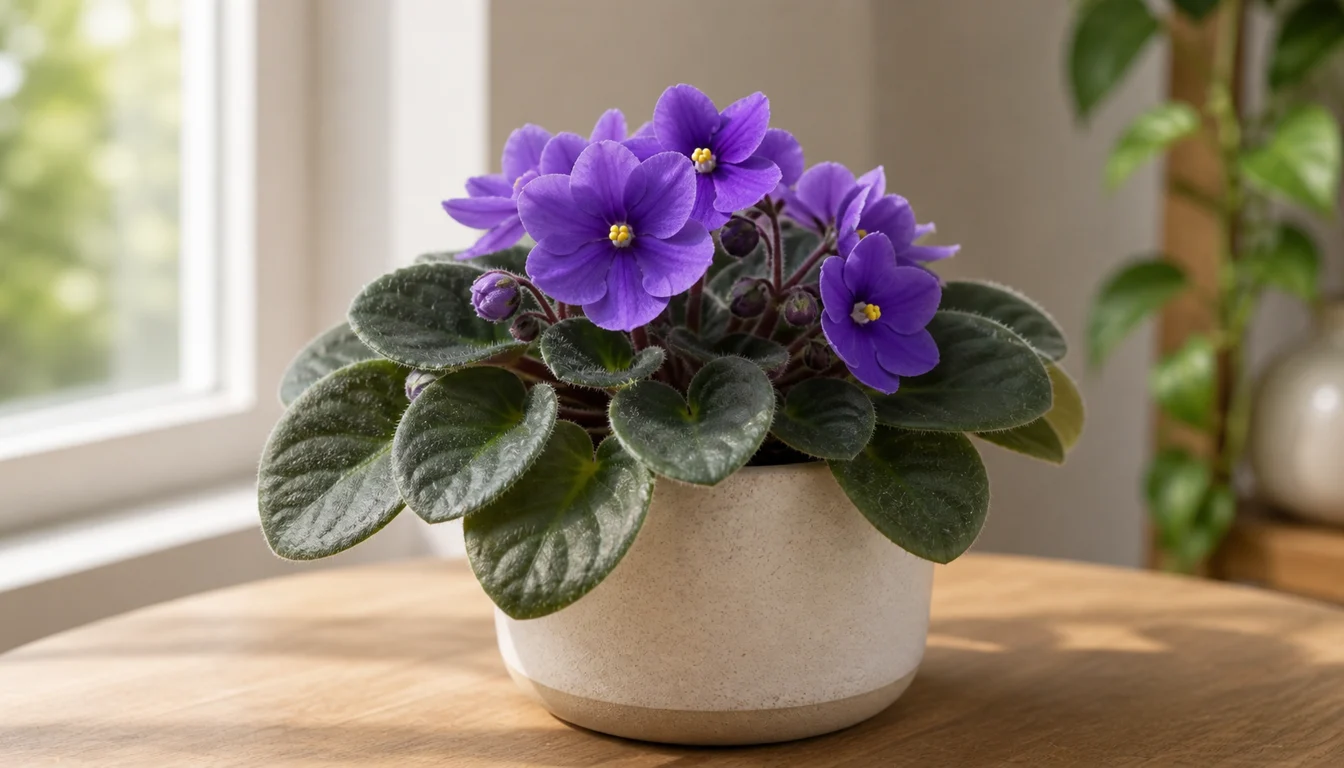
African Violet
African Violet is a windowsill bloomer that rewards steady, small-pot care.
Air Plant
Air plants are living sculptures that thrive without soil, anchoring to driftwood, rocks, or shells while drawing…
Alocasia
Alocasias include compact, textured houseplants and large elephant ears that need substantial floor space.