
How to Grow a Corn Plant With Healthy Canes and Leaf Crowns
Dracaena fragrans Asparagaceae
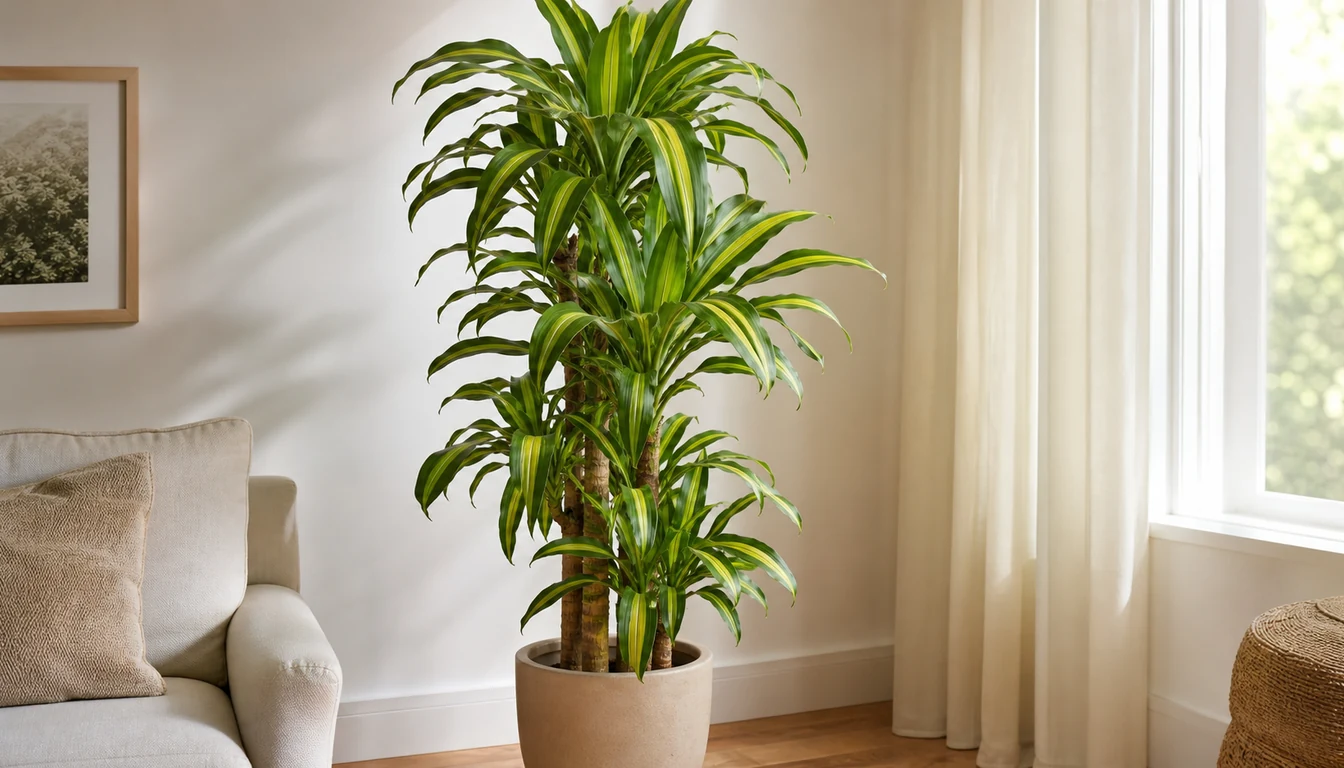
Corn plant, Dracaena fragrans, needs filtered light, a draining potting mix, and watering adjusted to how that mix dries. A pot may hold several rooted canes, so a healthy-looking crown does not establish that every stem is in the same condition.
Yellow stripes depend on the cultivar as well as growing conditions. Fading color or a soft cane needs investigation before you add light, water, or fertilizer.
Care snapshot
Which Corn Plant Are You Actually Buying?
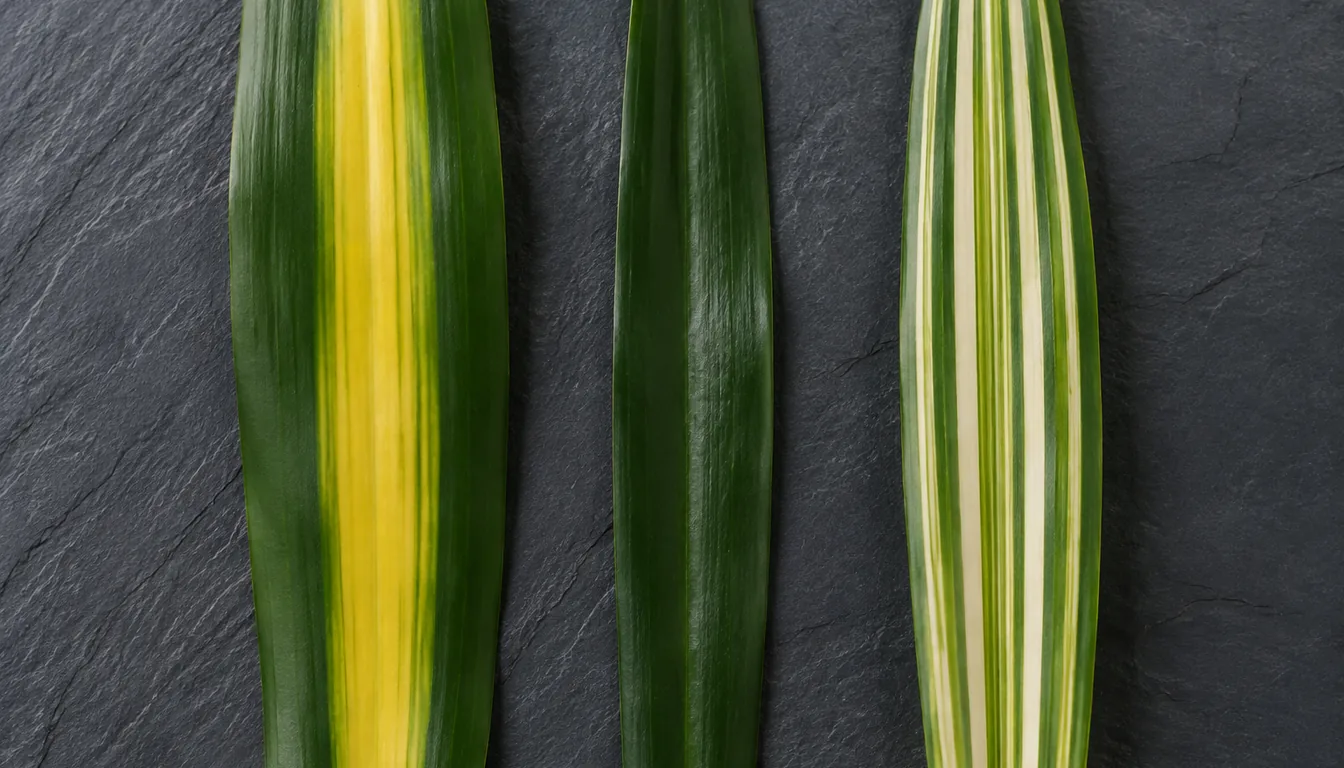
A corn plant is Dracaena fragrans, a slow-growing woody evergreen from tropical Africa with broad strap-shaped leaves. The familiar ‘Massangeana’, often sold as mass cane, has a yellow band down the center. Solid green, white-striped, and lime-colored forms also occur.
Nurseries root cane sections and arrange them at different heights to create a layered display. Several stems in one pot can therefore be separately rooted plants. Their roots may become intertwined, but each crown still needs to be considered with the cane supporting it.
- Massangeana or mass cane
- Broad green leaves with a yellow center stripe
- Janet Craig or Compacta
- Shorter solid-green leaves on compact stems
- Lemon Lime
- Cream, yellow-green, and lime longitudinal stripes
A short cane does not establish that a plant is a dwarf cultivar. It may simply be a shorter section chosen by the nursery. Conversely, a cultivar’s compact foliage changes the display even when the seller gives it a tall cane.
The crown needs clearance beside furniture as well as below a ceiling. UF/IFAS describes ‘Massangeana’ at 5 to 15 feet tall in a landscape and container fact sheet, not as a promised indoor size. Its 10b–11 outdoor hardiness range is narrower than NC State’s species range of 10a–11b. Neither range sets a safe temperature for a potted plant beside a winter door.
When comparing plants, soft stem bases, active pests, or widespread damage deserve attention even if the tallest crown looks appealing. Firmness and clean-looking leaves are useful observations, but they cannot certify the hidden roots as disease-free.
Why Is the Yellow Stripe Fading?
A weaker stripe does not identify the cause. ‘Massangeana’ normally has a yellow central band, while some other corn plant cultivars are green. Comparing different plants without identifying the cultivar can turn a normal difference into a supposed care problem.
Filtered light supports growth and can strengthen ‘Massangeana’ color. Yet UF/IFAS also associates lost yellow striping and unusually narrow leaves with nitrogen deficiency, and it warns about root problems. Roots that cannot take up nutrients complicate the picture even when fertilizer is present.
The useful comparison is with earlier growth on the same cane, together with the pot’s moisture history, feeding, and recent moves. A new leaf that is still opening is not directly comparable in width to a fully expanded older leaf.
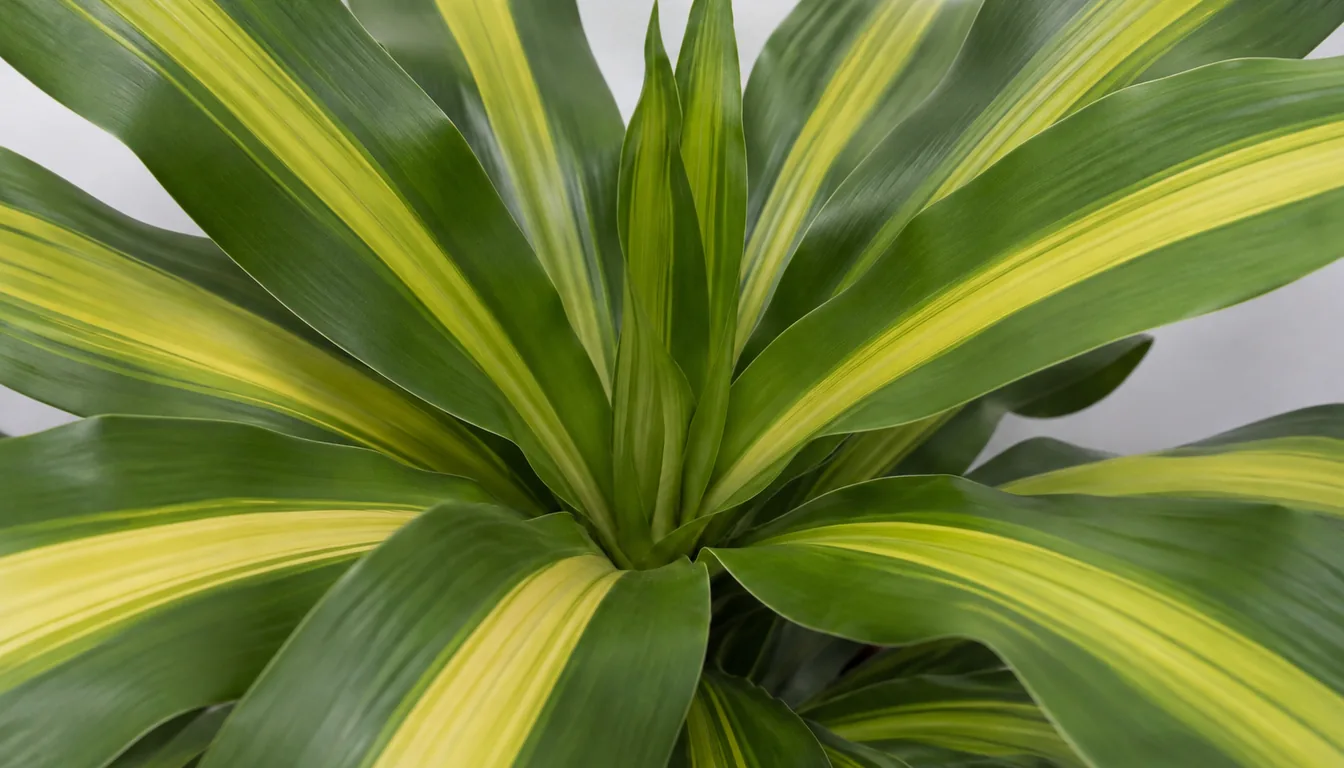
An east window or filtered stronger exposure can provide suitable light. Abruptly moving a shade-grown plant into strong direct sun risks scorch, so a gradual change is more useful than trying to restore a stripe with intense afternoon sun.
How Do You Water a Corn Plant in a Deep Pot?
A deep pot may dry unevenly. The upper mix can feel dry while material lower down remains damp, especially inside an outer container that traps runoff. A pale surface by itself gives little information about the roots below it.
Feeling the upper mix and comparing the pot’s weight before and after watering helps you judge the change. Water is generally due when the upper mix has dried and the container becomes lighter, without leaving the whole root ball severely dry. A wooden probe can add a clue where it enters easily, but it is not a moisture meter and should not be forced through crowded roots.
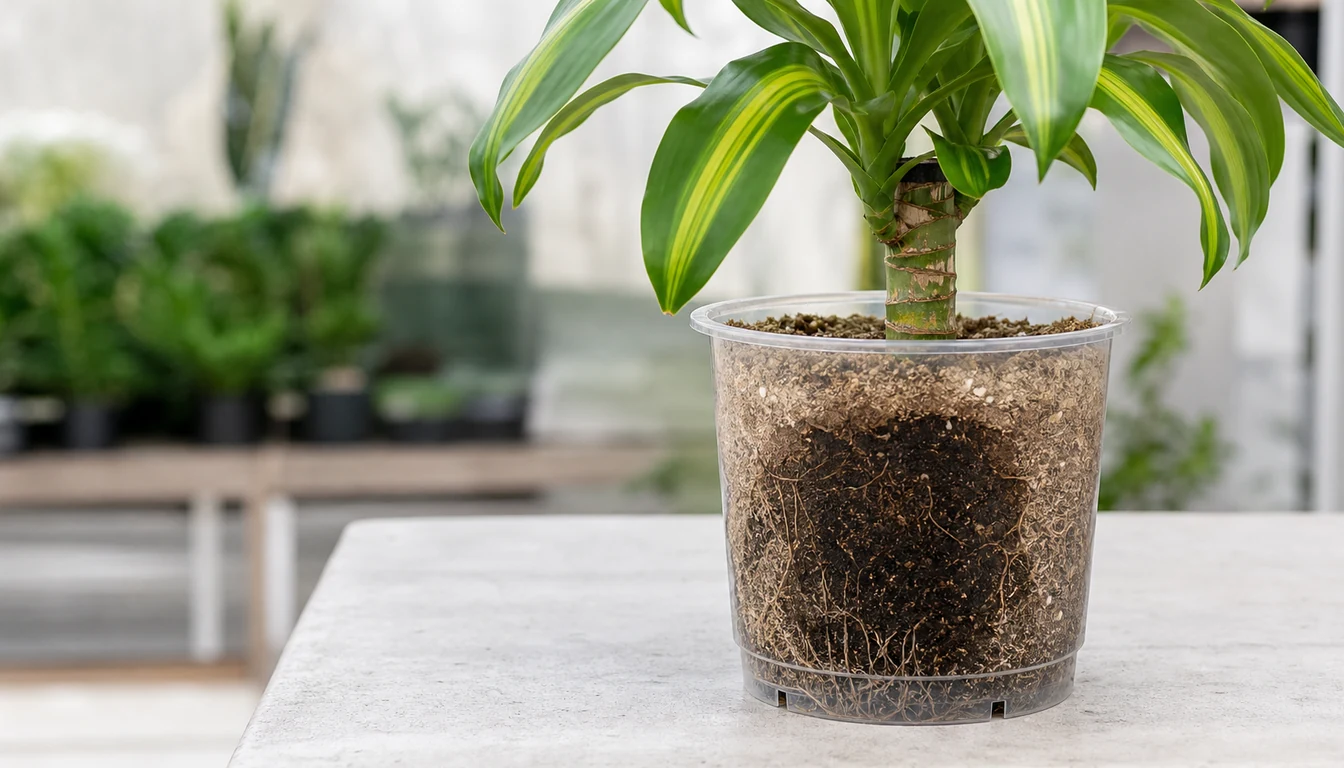
A thorough watering moistens the mix and allows surplus water to leave through the drainage holes. Collected runoff then needs to be emptied. Water escaping quickly along the pot wall may bypass dry material, so the first drip from the base does not prove that all roots received water.
Cooler conditions and less light can lengthen the interval between waterings, while a growing, root-filled plant may dry faster. Checking the pot remains useful through seasonal changes. Watering every cane on the same weekday cannot account for these differences.
A houseplant fertilizer can support active growth when nutrients are needed. Extra fertilizer will not repair decaying roots, and repeated doses can add soluble salts. A recent potting mix may already contain fertilizer, so the product and potting history matter before another application.
Repot the Root Ball Without Losing the Cane Arrangement
Repotting a multi-cane corn plant starts with its support, not with pulling on the tallest stem. Supporting the root ball from below reduces the risk of using a cane as a lever. Routine repotting does not require separating every stem or stripping away all the old mix.
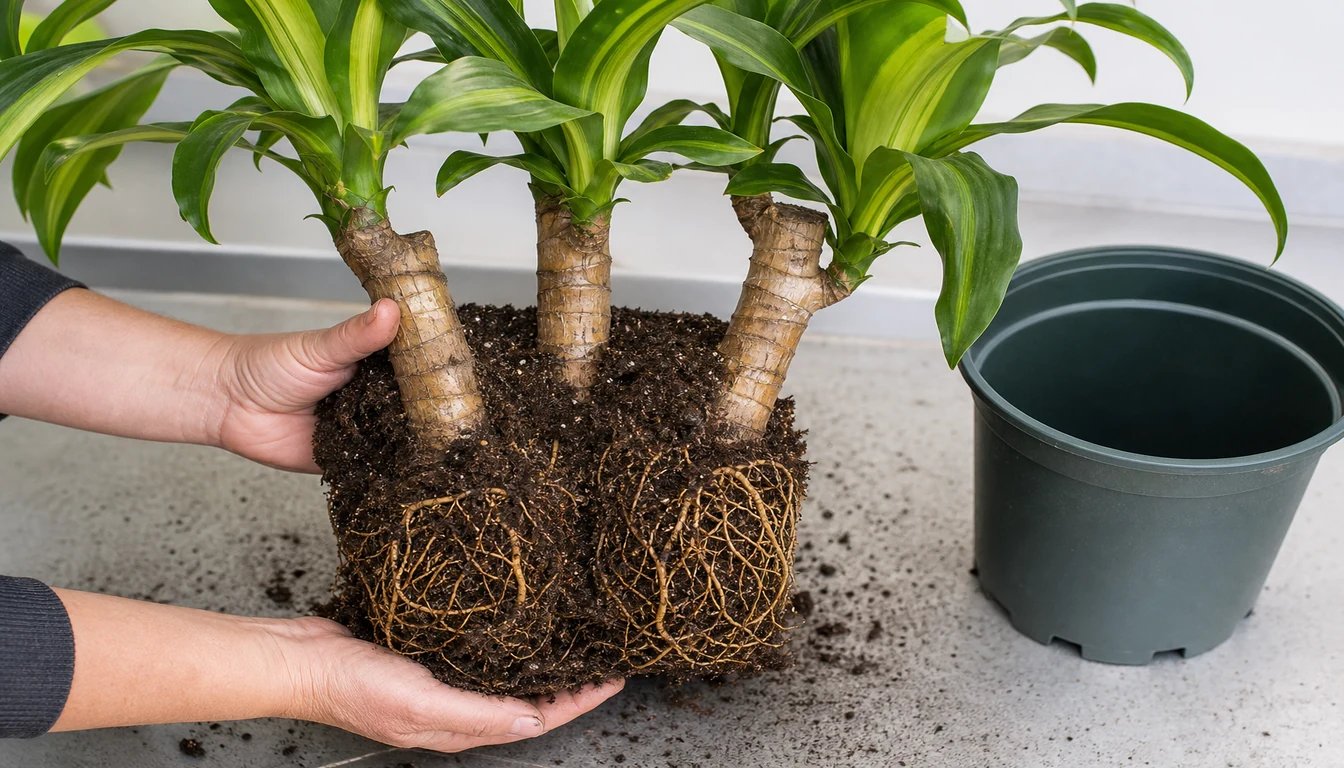
Crowded roots, a plant lifting from its pot, or roots emerging through the base can justify checking whether more room is needed. A tall crown that tips over may instead need a stable outer pot. Extra wet mix is an uncertain way to solve a balance problem.
- Root ball fills the container
- Consider a modest increase in pot size
- Plant tips but roots have space
- Improve support without adding excess potting mix
- Water remains trapped below the inner pot
- Empty the outer pot and restore free drainage
- One cane is loose or soft
- Assess that stem and its roots before routine repotting
A moisture-retentive houseplant mix also needs enough air space to drain. Keeping the cane bases at their former depth avoids burying more stem simply to steady the display. When roots are damaged, the remaining root system may need the same size pot or a smaller one, rather than an automatic upgrade.
Why Is One Cane Soft While the Others Look Healthy?
One cane can decline while its neighbors remain green. That difference is possible in a pot assembled from separate cuttings, but it does not prove that a disease is confined to one stem. All the roots still share the container and watering conditions.
One older leaf yellowing near the bottom of an otherwise growing crown can be normal turnover. Several leaves declining together, a loosening stem, or spreading softness deserves a closer look. Repeatedly pressing hard on the cane adds injury without identifying a pathogen.
Wrinkling may accompany water loss, but a wrinkled stem does not prove that adding water is safe. Root damage can leave the top short of water while the mix remains wet. Recent cold, physical injury, trapped runoff, and pests also belong in the history.
- Match the affected crown to its cane and note whether the change is spreading.
- Check for standing runoff and whether the mix is dry, damp, or saturated.
- Inspect roots if decline and pot conditions warrant lifting the supported root ball.
- Treat soft, collapsing tissue as a problem without using color or firmness alone to declare the remaining tissue healthy.
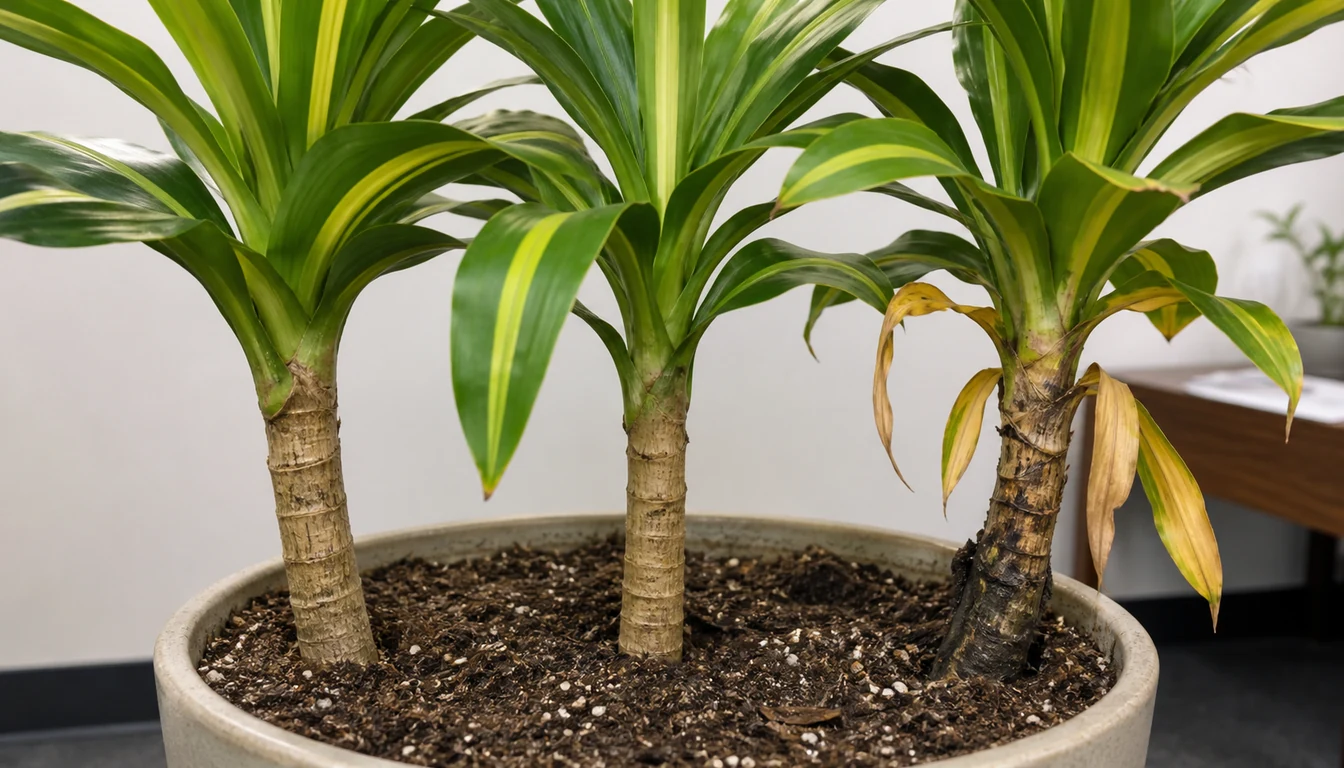
Clearly dead or collapsed material may need removal, but cutting until a surface looks pale is not a reliable disease test. A plant with spreading decay or an uncertain cause may need an extension diagnostic service. A firm-looking upper cutting from that plant is not automatically clean propagation material.
After roots or a cane are removed, the amount of living plant using water has changed. Moisture checks matter more than preserving the previous interval. The Dracaena yellow-leaf guide covers additional overlapping causes when several crowns are affected.
Brown Tips, Salt Buildup, and Pest Damage
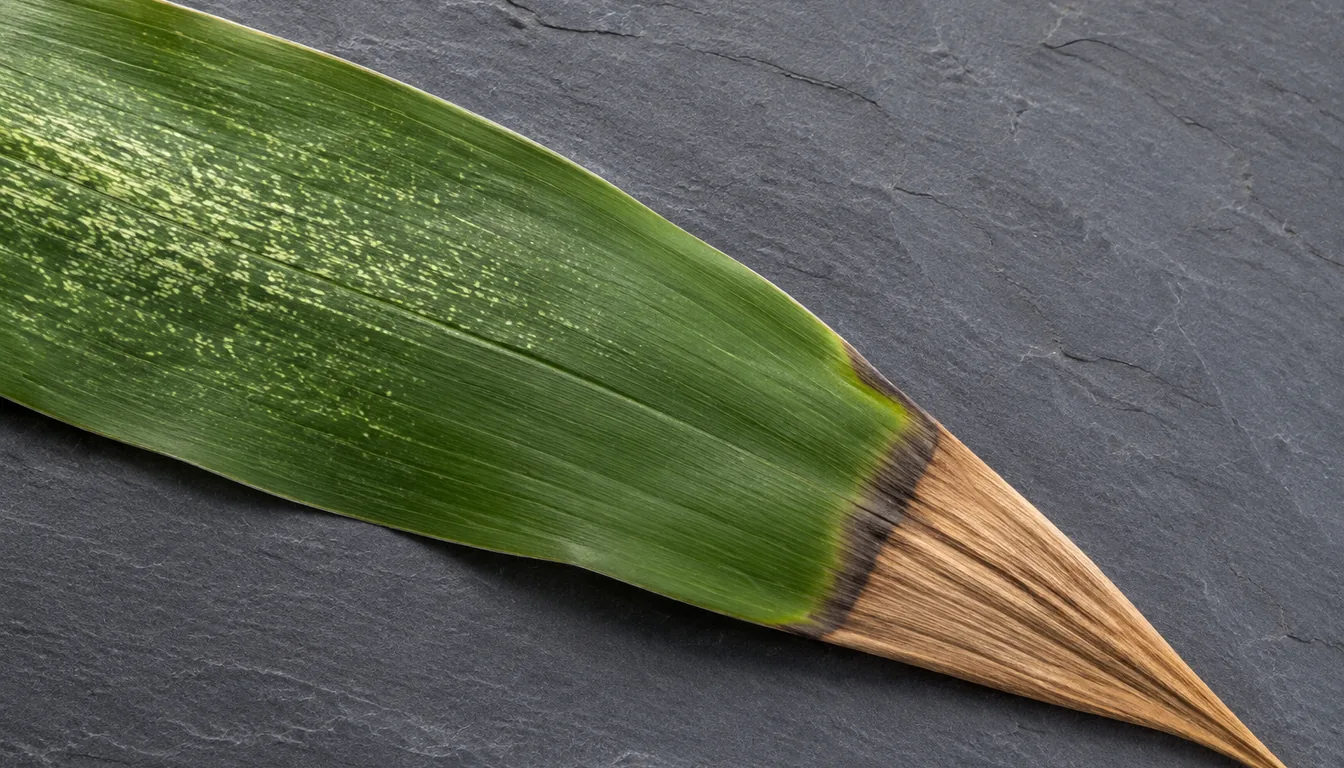
Tip damage and pest feeding need different evidence. Corn plant is sensitive to fluoride and accumulated salts, while dry indoor air, uneven watering, and root problems can also damage leaf tips. A sharp boundary between green and brown tissue does not distinguish those causes.
Known non-fluoridated or distilled water can reduce fluoride input when that is a plausible concern. “Filtered” does not tell you which substances a device removes. Fertilizer history, water quality, and drainage help decide whether salt accumulation needs attention.
NC State suggests monthly flushing for salts, but a calendar cannot establish that a particular pot needs it. Leaching carries dissolved salts out only when water can drain away. Repeatedly soaking a saturated, poorly draining pot adds water without correcting the conditions around its roots.
Very dry heated air is another possible contributor. A humidifier can change room humidity, whereas wet leaves soon dry again. Neither added humidity nor a different water source will restore dead tissue, so later damage and new growth provide more useful feedback.
- Look at the undersides and leaf bases for pests, not only at the brown tip.
- Fine stippling and webbing warrant a closer search for spider mites.
- Cottony clusters may be mealybugs, while attached bumps may be scale insects.
- Dust can obscure signs, so gentle cleaning helps inspection before treatment.
Isolation limits contact with neighboring plants while a suspected pest is identified. Treatment needs to match that pest and the product’s indoor-plant label. Spraying a dull-looking crown without finding a pest may miss the actual problem.
Where Will a Cut Cane Make Its Next Crowns?
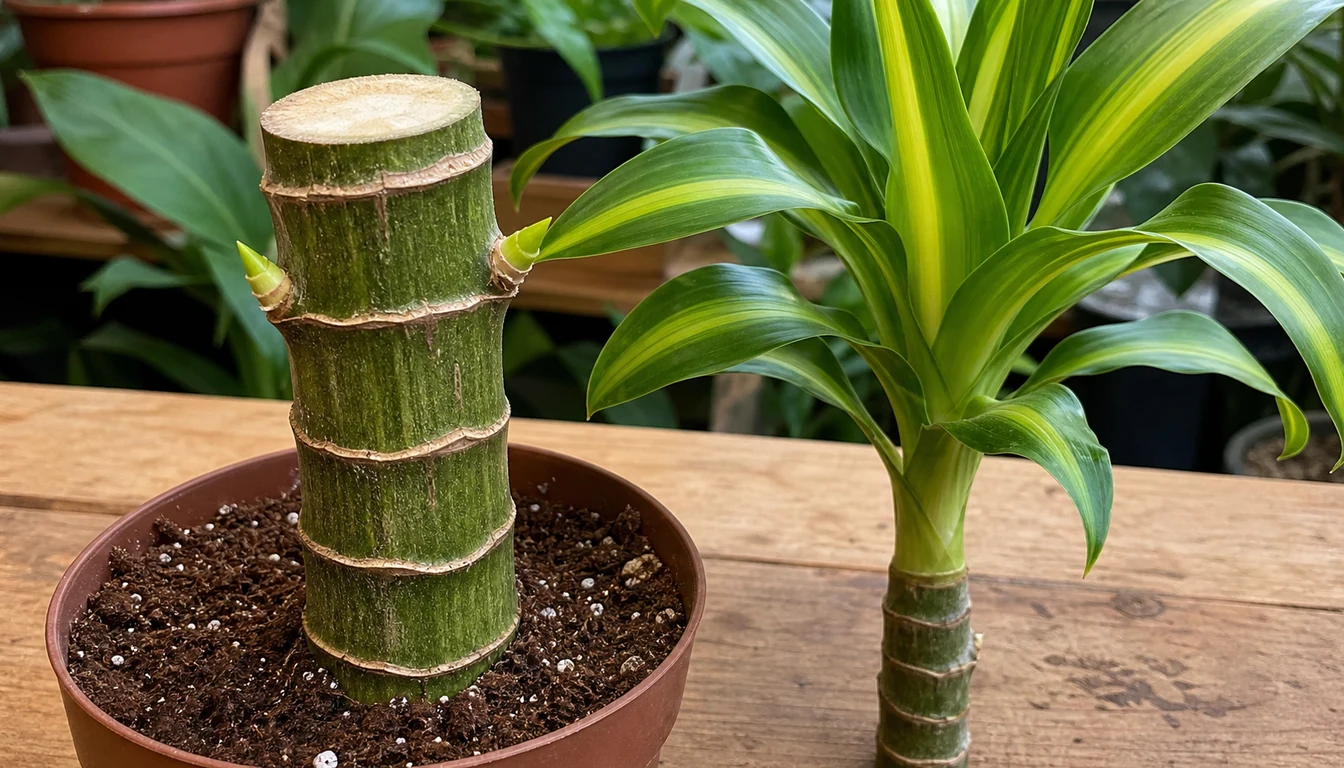
A height-reduction cut leaves room for the next canopy, not just for the remaining bare cane. New shoots can arise below the cut and spread into broad crowns. A cut just below a low ceiling may soon leave the same clearance problem.
A rooted parent can regrow after its top is removed, and suitable tops or cane sections can be propagated. The number of new shoots and the time to establish roots vary. Decaying material is a poor candidate even when part of the stem still feels firm.
- Choose the intended crown level and allow side clearance. Support the top and use a clean, sharp tool suited to the cane.
- Make the cut without tearing the remaining stem. Collect the offcuts before pets can reach them.
- Retain nodes in leafy stem cuttings and remove leaves that would be buried. Mark the original upper end before dividing leafless cane sections.
- Keep the original lower end down in a clean, draining rooting medium. Provide indirect light, warmth, and moisture without saturation.
Unrooted cuttings lose water through their leaves before they can replace it efficiently. Humid air can help, but an enclosure needs air exchange and protection from direct sun. Leaves staying upright alone do not establish that a cutting has rooted.
What Should You Do When a Corn Plant Flowers Indoors?
A mature Dracaena fragrans can occasionally send a branched flower stalk from a leaf crown without signaling that the plant is dying. Many small cream flowers open along the panicle, often after years with no bloom.
The flowers release their strongest fragrance at night, which explains the species name fragrans. A scent that seems pleasant in a large living room can become overpowering in a bedroom or small office.
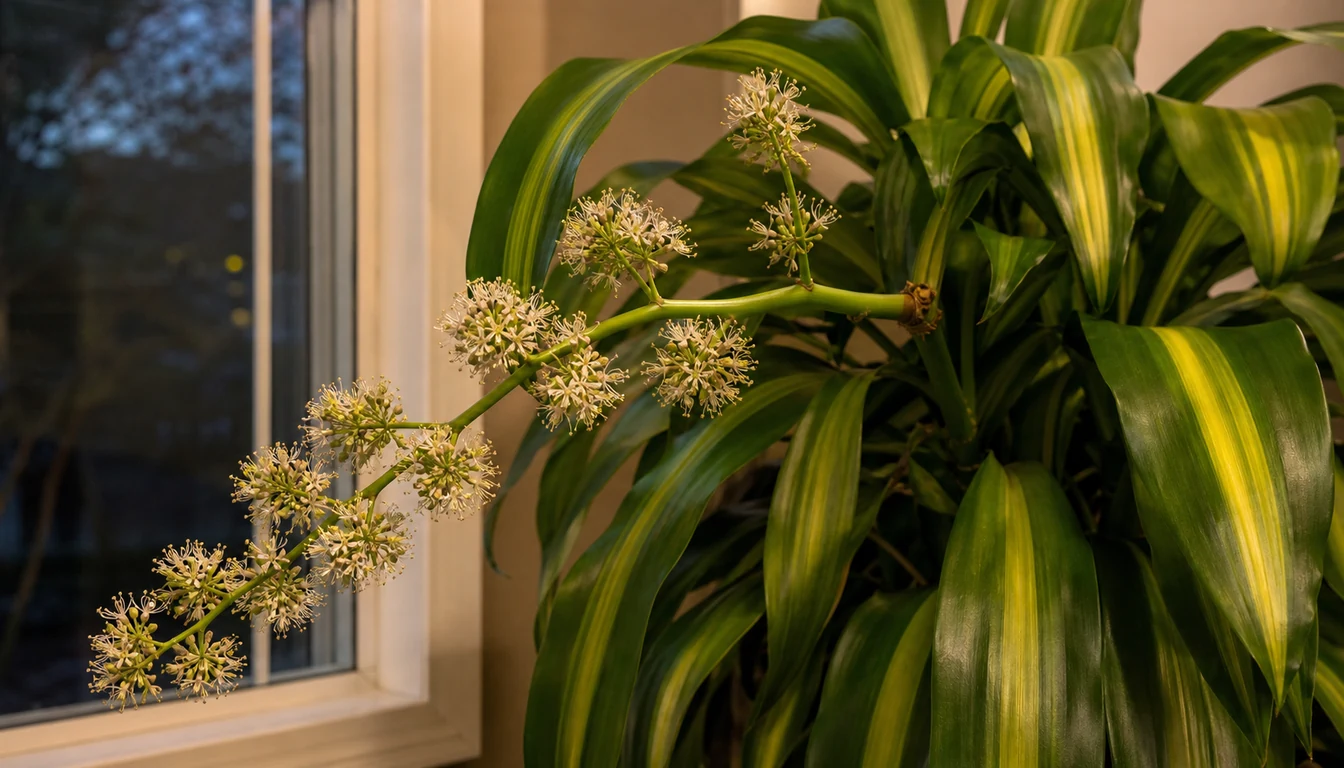
If the scent disrupts the room, removing the flower stalk or moving the plant to another suitable location is reasonable. The leaf crown can remain intact when the spent stalk is removed. Fallen flowers also need to be kept out of pets’ reach.
Flowering does not create a separate watering requirement. The roots still need moisture judged from the pot, and an occasional display is not a reason to add extra fertilizer in an attempt to make flowering continuous.
Corn Plant Is Toxic to Dogs, Cats, and Horses
ASPCA lists Dracaena fragrans as toxic to dogs, cats, and horses because of saponins. Listed signs include vomiting, drooling, reduced appetite, and depression. Dilated pupils are specifically noted for cats, but a symptom list cannot diagnose an exposure or predict its severity.
A floor plant can leave broad leaves and fallen material within reach. A closed room may provide more reliable separation than raising the pot beside furniture a cat can climb. Pruning pieces and shed flowers need the same care as the standing plant.
After suspected ingestion, remove access and contact a veterinarian or animal poison service promptly. Keep the plant name or a photo available, and do not wait for a particular symptom before seeking advice. Do not induce vomiting unless a veterinary professional directs it.
Sources & References
- University of Florida IFAS Extension - Dracaena fragrans Massangeana
- ENH892/EP149: Cultural Guidelines for Commercial Production of Interiorscape Dracaena
- North Carolina Extension - Dracaena fragrans
- ASPCA - Corn Plant Toxicity
- Royal Horticultural Society - How to Grow Dracaena
- University of Minnesota Extension: Insects on Indoor Plants
- University of Georgia Extension, Growing Indoor Plants with Success, Bulletin 1318
- Iowa State University Extension: How to Propagate Houseplants by Stem Tip Cuttings
- ASPCA: What to Do if Your Pet Is Poisoned
Related Plants
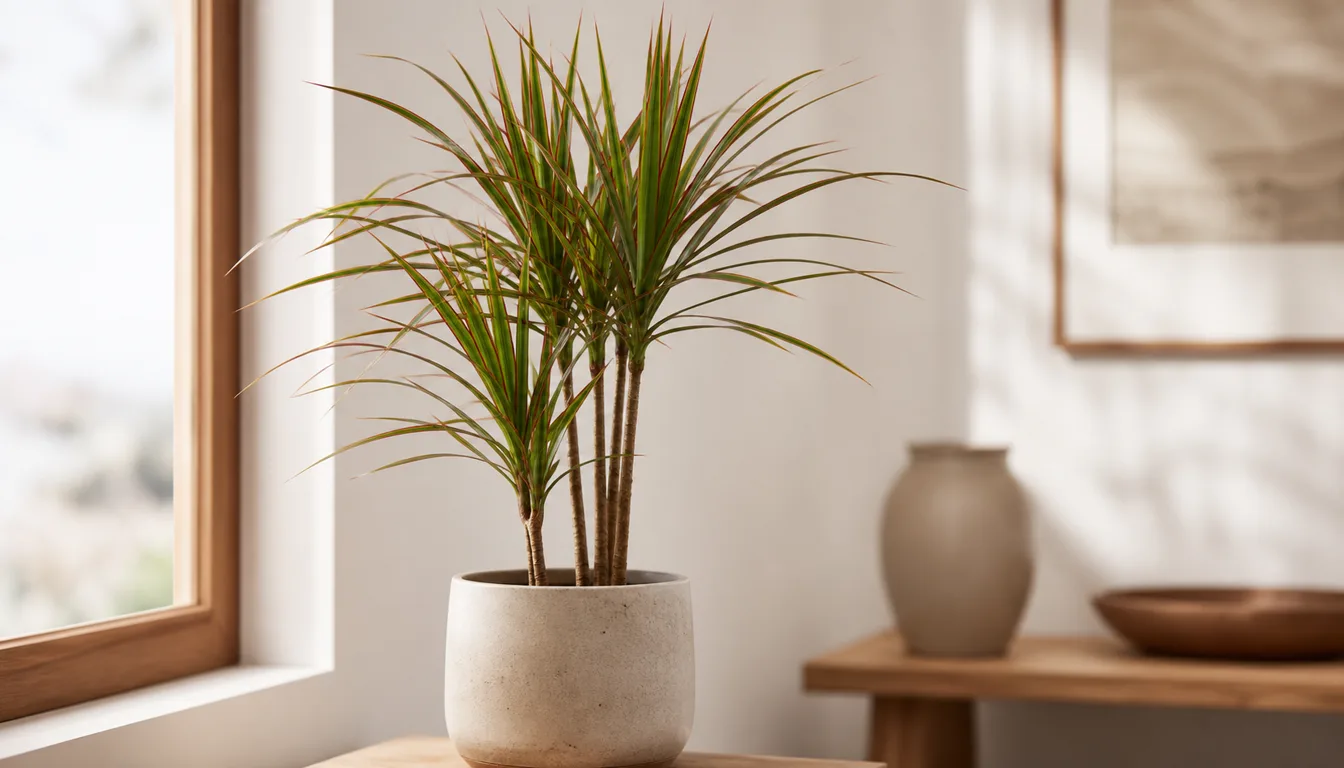
Dracaena Marginata
A narrower red-edged dragon tree with slimmer canes and a lighter room footprint.
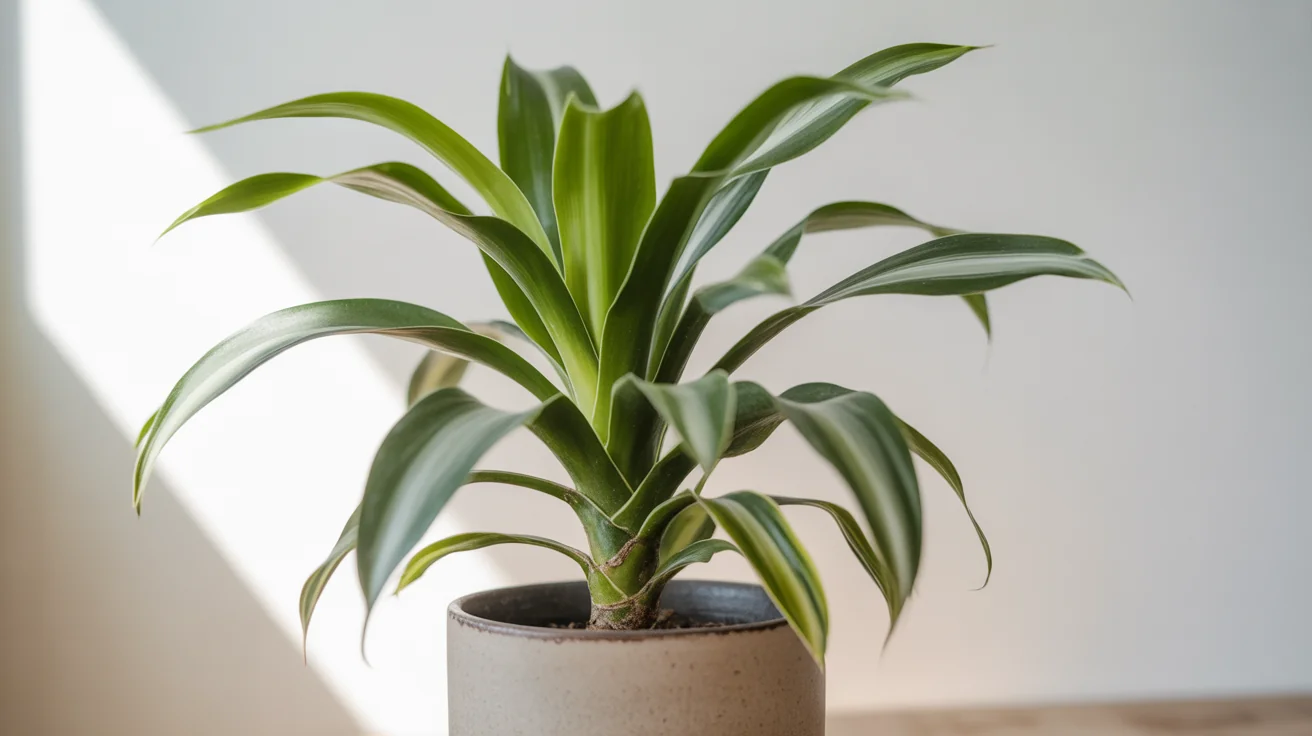
Dracaena
The broader guide to woody Dracaena forms, shared symptoms, and care decisions.
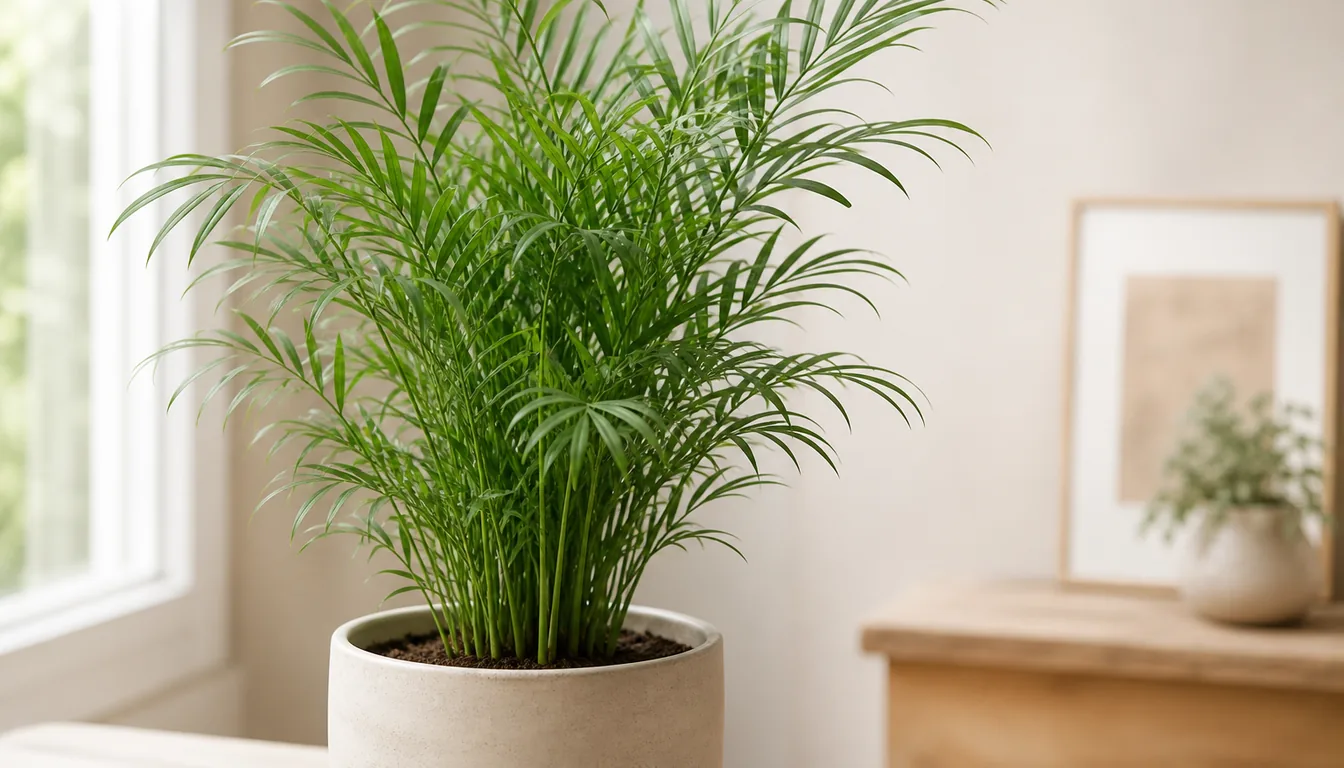
Parlor Palm
A floor plant with fine fronds rather than broad cane-top crowns.
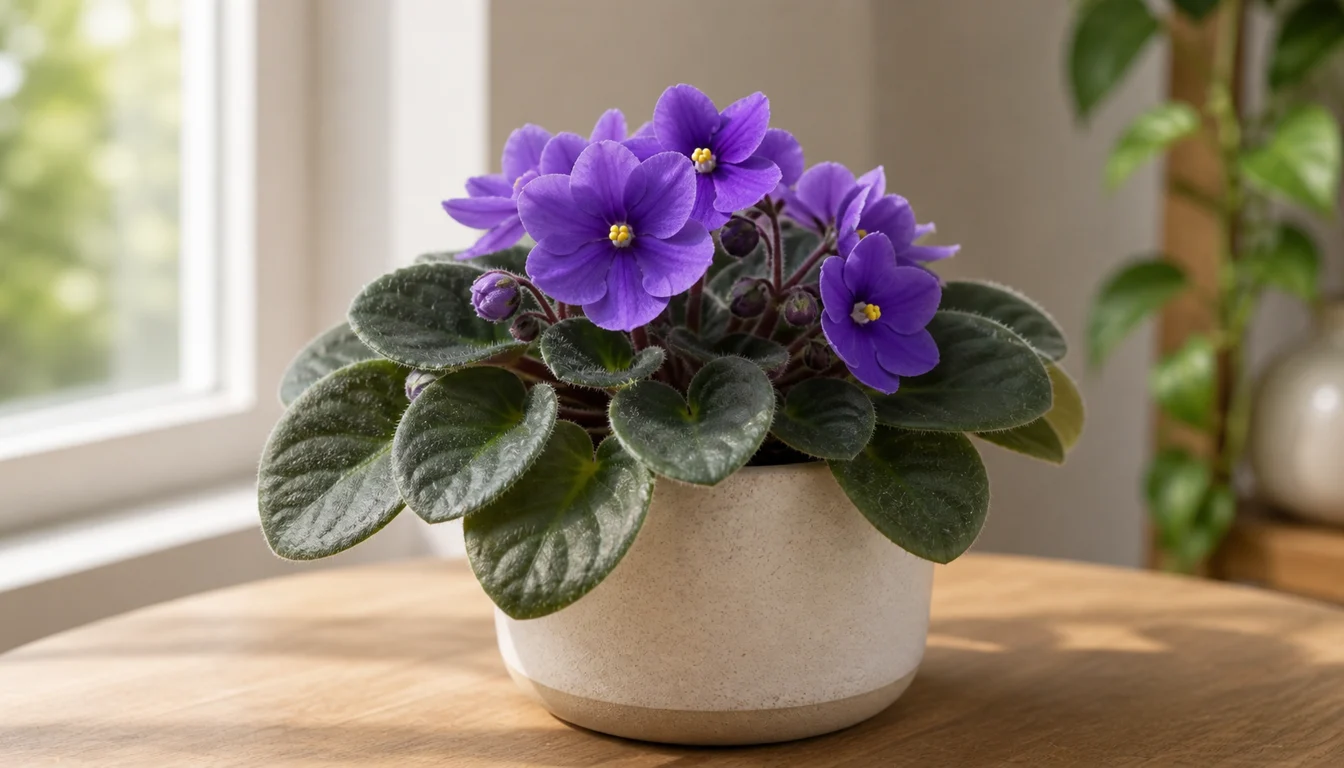
African Violet
African Violet is a windowsill bloomer that rewards steady, small-pot care.
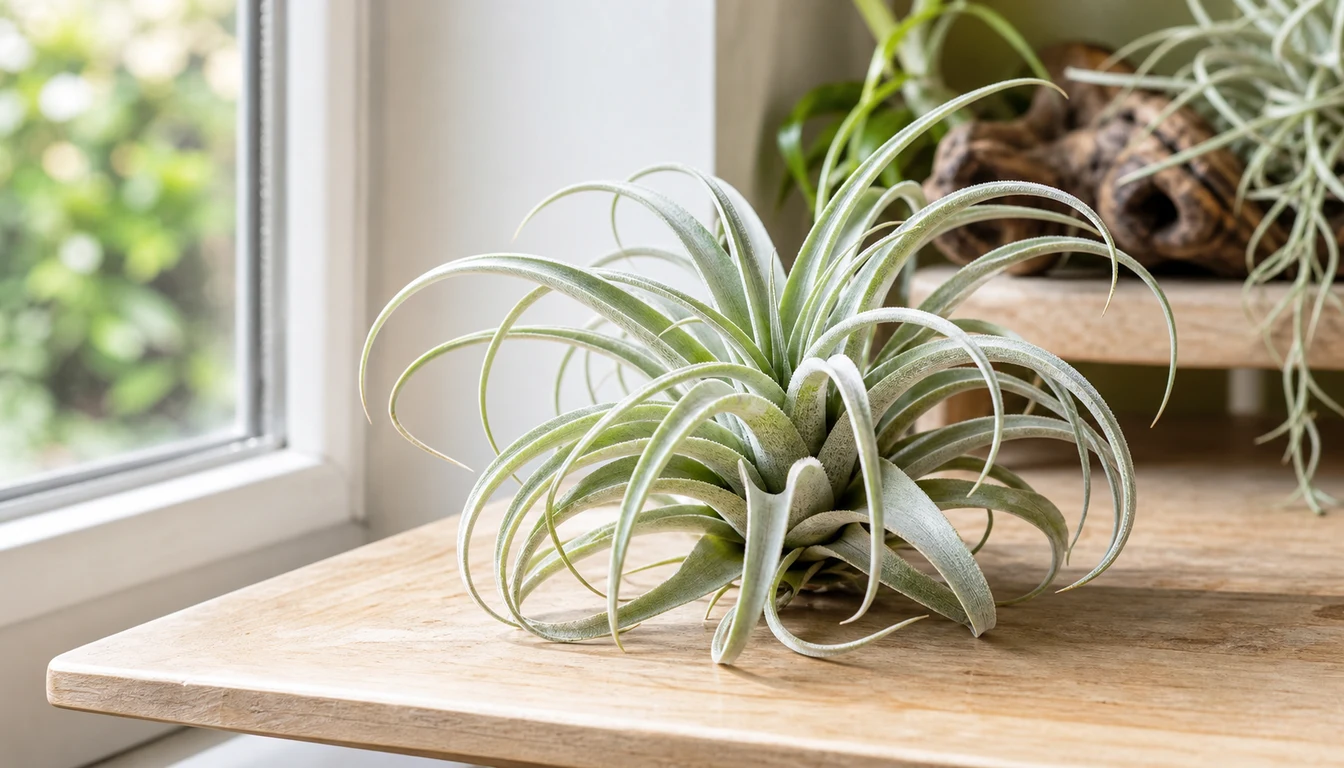
Air Plant
Air plants are living sculptures that thrive without soil, anchoring to driftwood, rocks, or shells while drawing…
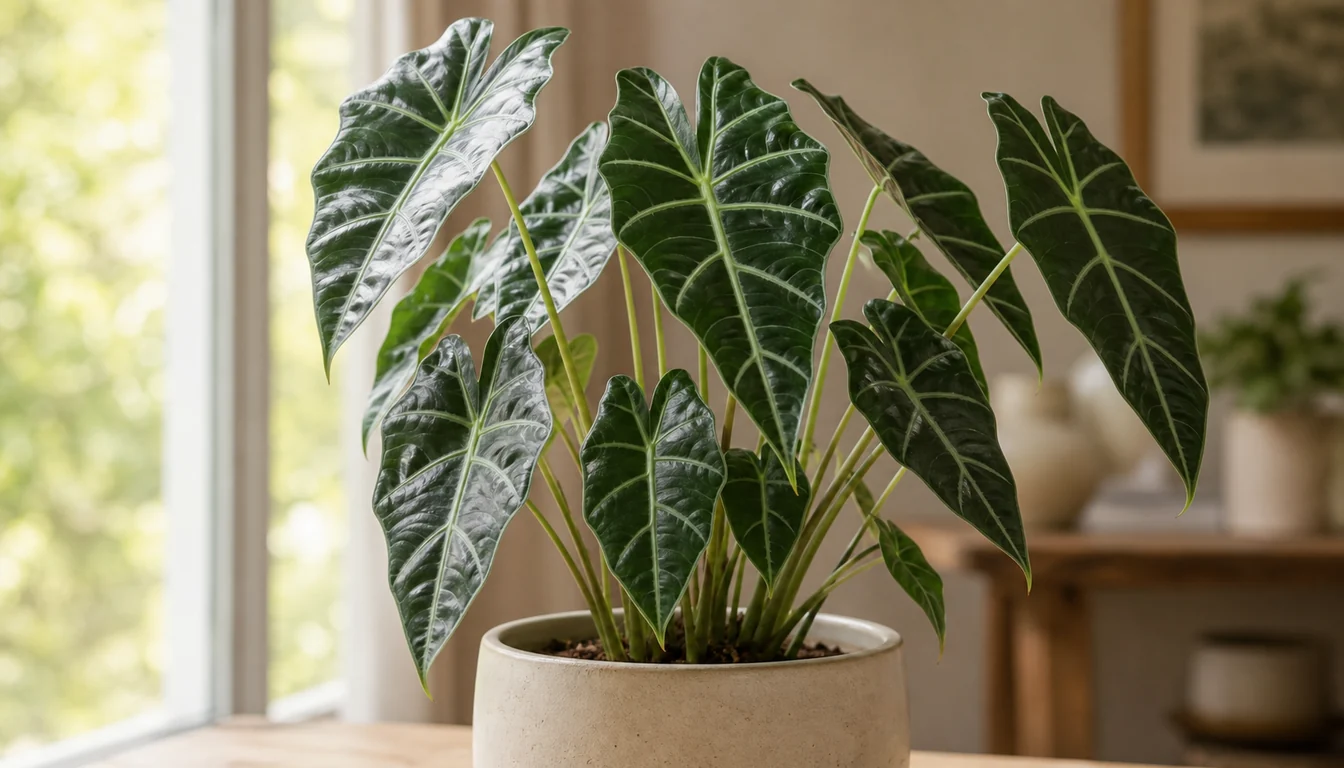
Alocasia
Alocasias include compact, textured houseplants and large elephant ears that need substantial floor space.