
What's Lemongrass? How to Get a Clump Through Winter
Cymbopogon citratus Poaceae
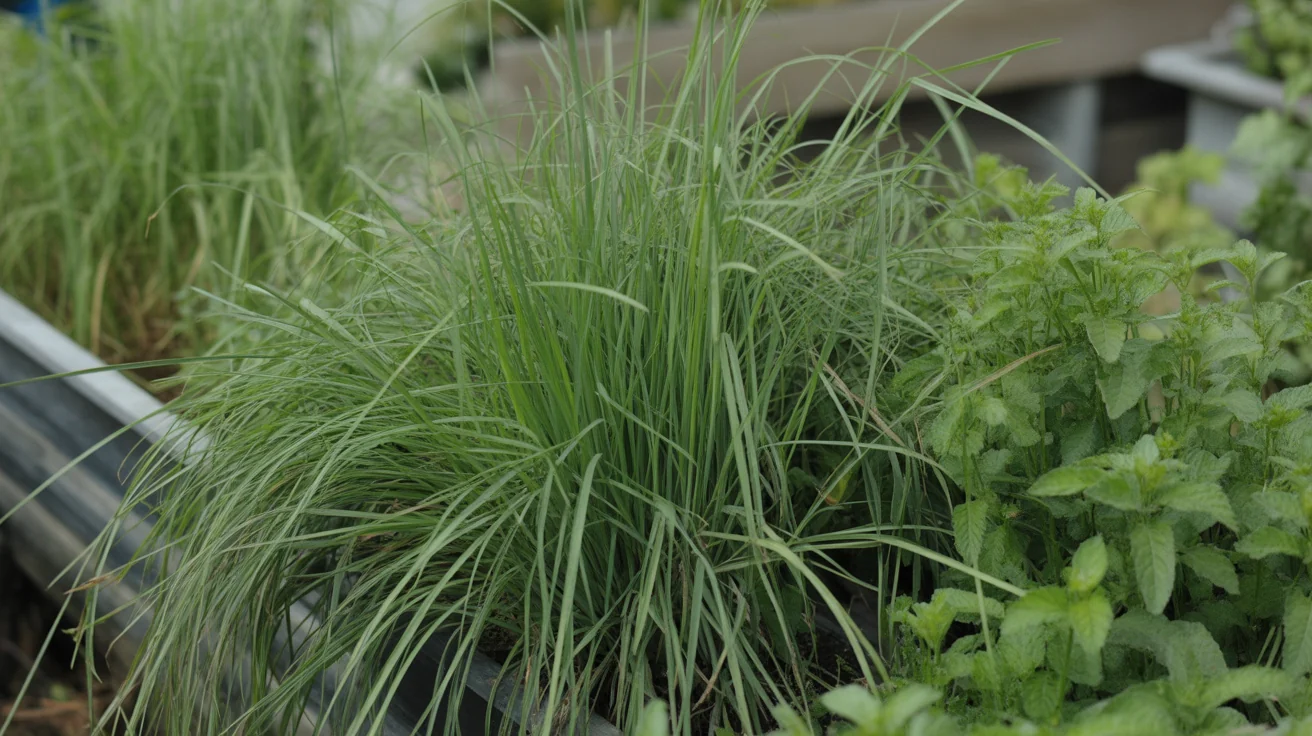
Lemongrass is a tender tropical grass that does almost nothing until summer heat arrives and then increases dramatically, which is why so many are given up on in June. It is a feeding plant rather than a lean-soil herb, the part a recipe means is the tender white base of a stem, and the whole clump has to be lifted or moved indoors before overnight temperatures reach freezing.
Care snapshot
How Big Does a Lemongrass Clump Get?
Cymbopogon citratus is a tender perennial grass rather than a herb in the usual sense. It grows as a dense clump of arching blades from a crown, and everything about handling it follows from that.
There is no woody stem to prune and no rosette to pick from.
- Height
- 2 to 4 feet per NC State, 3 to 6 feet per Utah State
- Width
- 2 to 3 feet per NC State, up to 6 feet across per Wisconsin
- Light
- Full sun
- Soil
- Well-drained, moist, rich loam with high organic content
- Hardiness
- Zones 8b to 11b, grown in a container below that
Three sources give three sizes and they are worth keeping apart rather than averaging.
NC State's 2 to 4 feet describes what a plant reaches in a season across its range.
Utah State's 3 to 6 feet tall and 3 feet wide describes a clump given a full summer and fed properly.
Wisconsin's up to 6 feet in diameter describes an established plant where the season is long enough to let it get there.
Utah State turns that into a planting figure. Divisions go 3 feet apart, which is the spacing a row of clumps needs and far more than a herb bed usually allows.
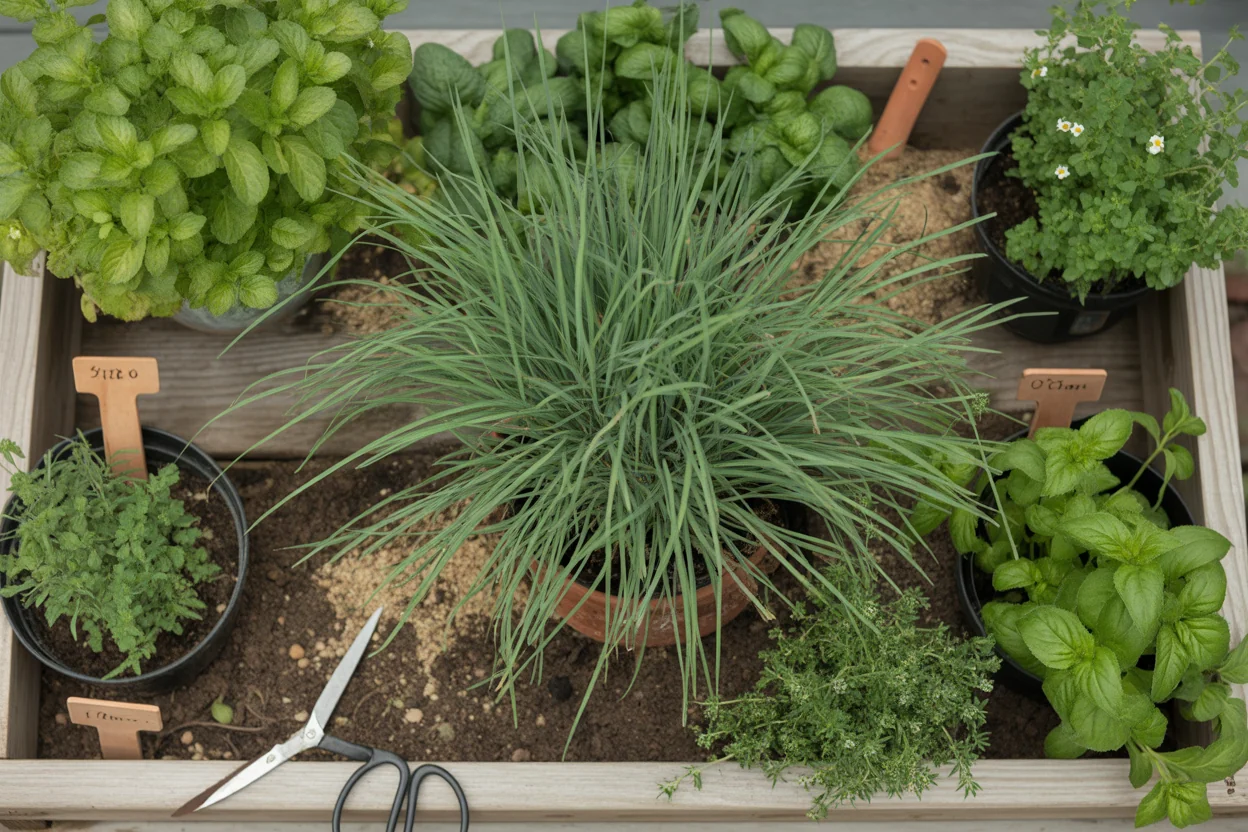
A reader planning a pot should size for the smaller figure and know the larger one exists. This is a plant that gets away from a container within two seasons if it is happy.
Why Does Lemongrass Do Nothing Until Midsummer?
Wisconsin describes the pattern exactly.
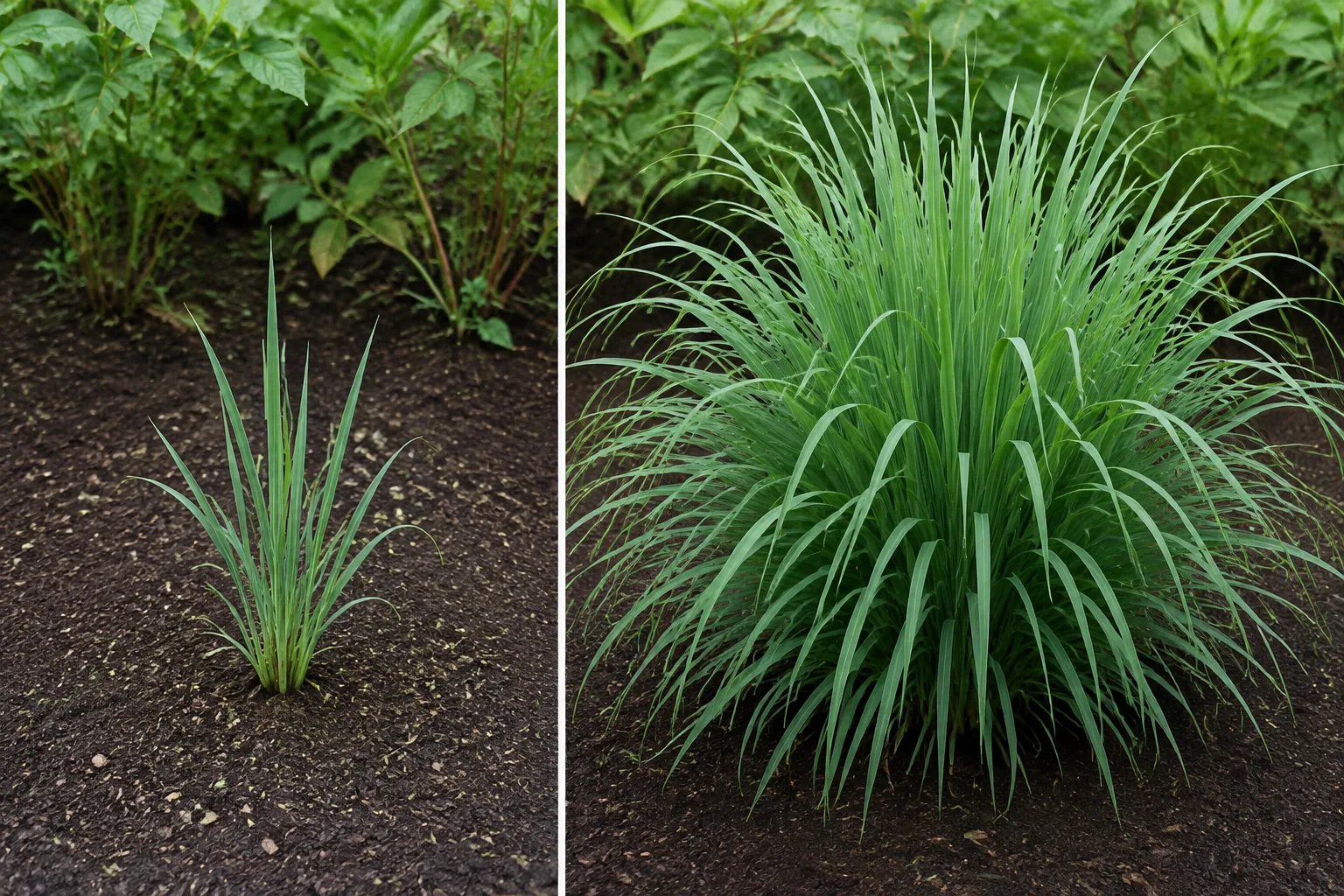
Clumps grow slowly until the heat and humidity of summer arrive, then the plants increase in size dramatically. It is not a gradual curve.
The plant sits still and then moves.
In practice that means a disappointing June. A clump planted in spring can look no larger at the solstice than it did in May, which is precisely when people conclude it has failed and stop looking after it.
Watering has to carry on through that quiet period.
Wisconsin says the plant requires a great deal of water and to water regularly if rainfall is sparse, and NC State adds that it should not be allowed to dry out.
A clump that goes dry while it looks idle is short of water at the moment it is about to need most of it.
How Much Feeding Does a Grass This Size Need?
A plant that puts on four feet in a season is a feeding question, not a herb question.
Most of the herb bench wants lean ground and very little help. This one wants the opposite, and the difference is large enough to change how the pot is looked after.
Utah State describes the ground as well-drained moist rich loam soil with high organic content, in full sunlight. Loam with organic matter through it holds the moisture the plant wants without holding it against the roots, which is the combination loam is defined by.
The feeding rate is specific and higher than most gardeners expect.
Utah State says to feed weekly with a half-strength solution of a balanced soluble fertilizer, from June through September, for plants in containers.
Plants growing in the ground are fed monthly over the same window.
- Container plants: a half-strength balanced soluble feed, weekly from June through September.
- Plants in the ground: the same feed, monthly across the same months.
- Water by hand or by flood irrigation rather than with sprinklers, which is what Utah State specifies.
- Keep pots from drying out, since a container this size in full sun empties fast.
The watering method matters as much as the amount. Utah State asks for hand watering or flood irrigation rather than sprinklers, which puts the water at the crown where the roots are instead of over foliage that sheds it.
A pot needs more attention than a bed on both counts, which watering a container and feeding on a schedule both come down to.
Which Part of Lemongrass Do You Actually Use?
Illinois names it directly. Leaves and stems can both be harvested, while the tender white portion of the stem is most desirable.
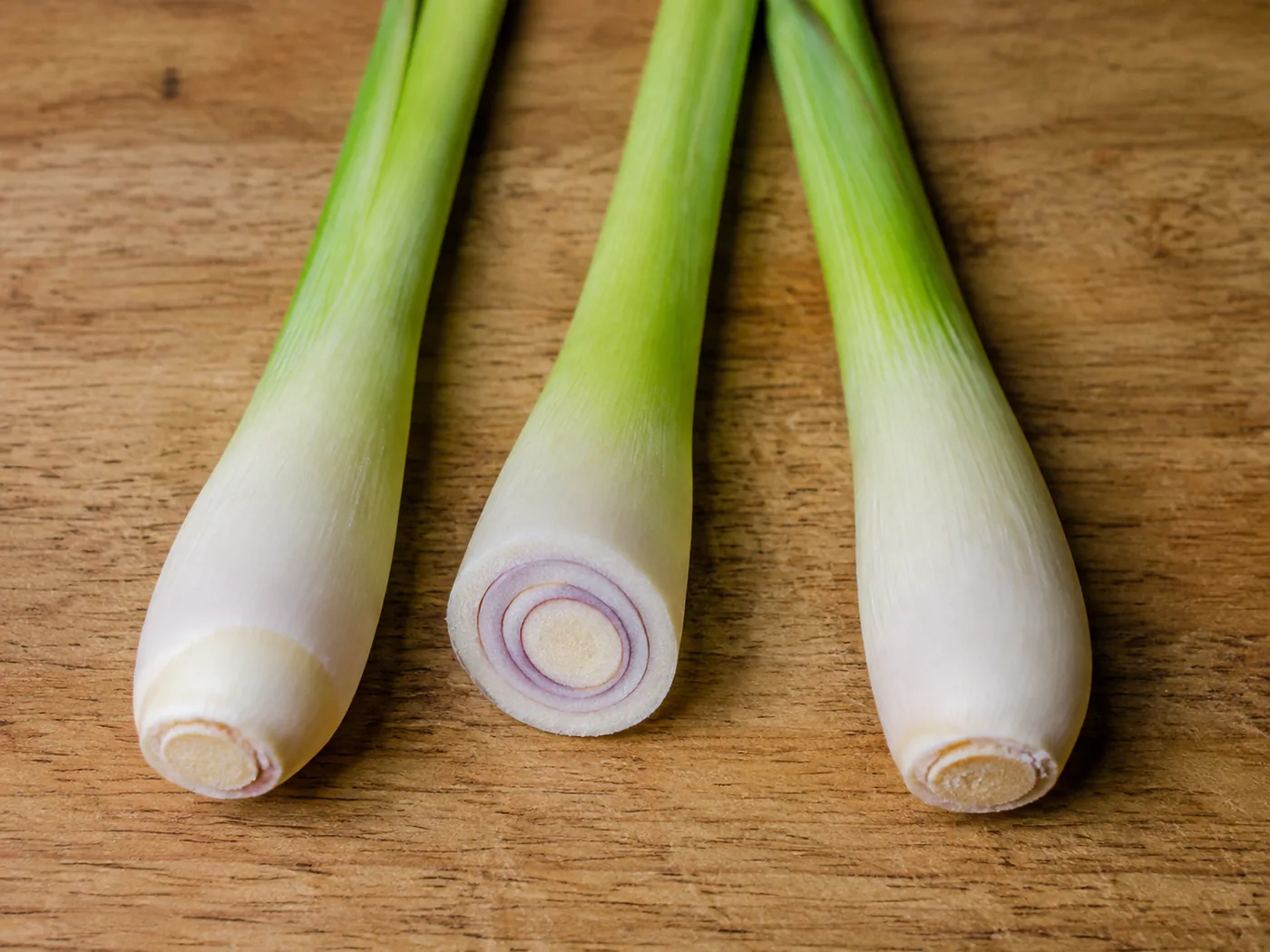
That part is invisible until a stalk is cut. It sits at the base of the clump, wrapped in tough outer layers that have to come off, which is why the harvest instruction is about pulling a whole stem rather than cutting foliage.
- Wait until the stems are about half an inch thick, which both Wisconsin and Utah State give as the readiness marker.
- Choose a stem on the outside of the clump rather than one in the middle.
- Push it to the side, then twist and pull it off, or cut it at ground level with a knife.
- Discard the outer woody layers and the leaves to reach the tender inner portion, which is how Utah State puts it.
Two sources agreeing on half an inch is worth trusting. It is a thickness rather than a height, so it can be judged by feel on a clump whose blades are all the same length whatever their age.
Leaves are the other harvest and are treated differently.
Illinois says they are cut and used as needed, fresh or dried for later, which suits tea rather than the dishes that call for a bruised stalk.
A tea garden is where the leaves earn their place.
Neither harvest hurts the clump if the outside stems are taken. The crown keeps producing from the middle, and a clump cut this way in July is fuller by September.
Can You Grow Lemongrass From a Supermarket Stalk?
Illinois says yes, with a qualifier worth keeping.
Lemon grass is easily grown from stem cuttings or divisions, and stems obtained from grocery stores can often be rooted.
Often is the word doing the work, since a stalk trimmed hard at the base has lost the growing point the roots would come from.
Division is the route the sources lean on. Wisconsin gives it as root or plant division, NC State lists division alongside seed, and Utah State divides last year's clumps or plants a saved section of the base.
- A shop-bought stalk with its base intact, stood in water until roots appear, then potted.
- A division taken from an established clump, which is what all three sources describe.
- A saved 6 inch section of the bulbous shoot base, kept from the autumn harvest and potted for the following year.
Division carries roots from the start and produces a plant of usable size in one season rather than two. It is also the cheapest, since the clump has to be split at some point anyway.
There is a practical reason to prefer it beyond speed.
A clump that reaches six feet across has to be divided eventually, so the propagation and the maintenance turn out to be the same job.
Bay laurel is the opposite case, difficult enough to propagate that the sources say to buy the plant.
What Happens to Lemongrass at the First Frost?
Frost ends it. Illinois says lemon grass is not winter hardy in colder climates, which is why it is best grown as a container plant, and Wisconsin gives the deadline in temperatures rather than dates.
Two options follow, and which applies depends on whether the plant is being kept.
A clump wanted only for the kitchen can be harvested and lifted.
A clump meant to come back moves indoors instead, and Utah State notes that small container plants are the ones that overwinter well.
There is a third route that costs almost nothing.
Utah State says to save a 6 inch section of the bulbous shoot base before the first fall frost, and that those sections with attached roots can be divided and potted for the following year.
A whole clump does not have to survive for the plant to.
Indoors, Illinois asks for as bright a location as possible, watering as needed and less frequent feeding.
The plant does not go dormant the way a bay tree does. It slows down and keeps its leaves, which is why light matters more here than temperature, and why the indoor herb guide treats it apart from the tender annuals.
Does Lemongrass Keep Mosquitoes Away?
This is the reason a lot of lemongrass gets bought, so it deserves a straight answer. Clemson lists citronella plants, scented geraniums and lemongrass among the plants commonly touted as mosquito-repelling, and then explains why a planted one does very little.
The problem is that the scent has to reach the mosquito.
Clemson says the fragrance emitted by the plants dissipates into the air and can be minimized with a breeze, which is most of what happens on an open patio.
A clump standing in a pot is not releasing anything at a useful concentration.
The honest position is that the oil has a measurable effect and the growing plant does not.
Clemson's own conclusion is that mosquitoes are best controlled by source reduction and chemical control, and lemongrass is worth growing for the kitchen rather than for the patio. It does appear on other plant-and-pest lists, which are worth reading with the same scepticism.
Pest Resistant, but Not Pet Safe?
NC State gives an unusually short answer, listing Cymbopogon citratus as resistant to insect pests, and Utah State agrees that it is generally free of pests and diseases when grown correctly. For a plant that spends half the year indoors, that is worth something.
Two things still turn up, and the winter indoors is when they do.
Spider mites leave tiny yellow or white speckling, which is how Utah State describes it, along with fine webbing in the dry air of a heated room.
Aphids gather along the blades where they are visible as insects.
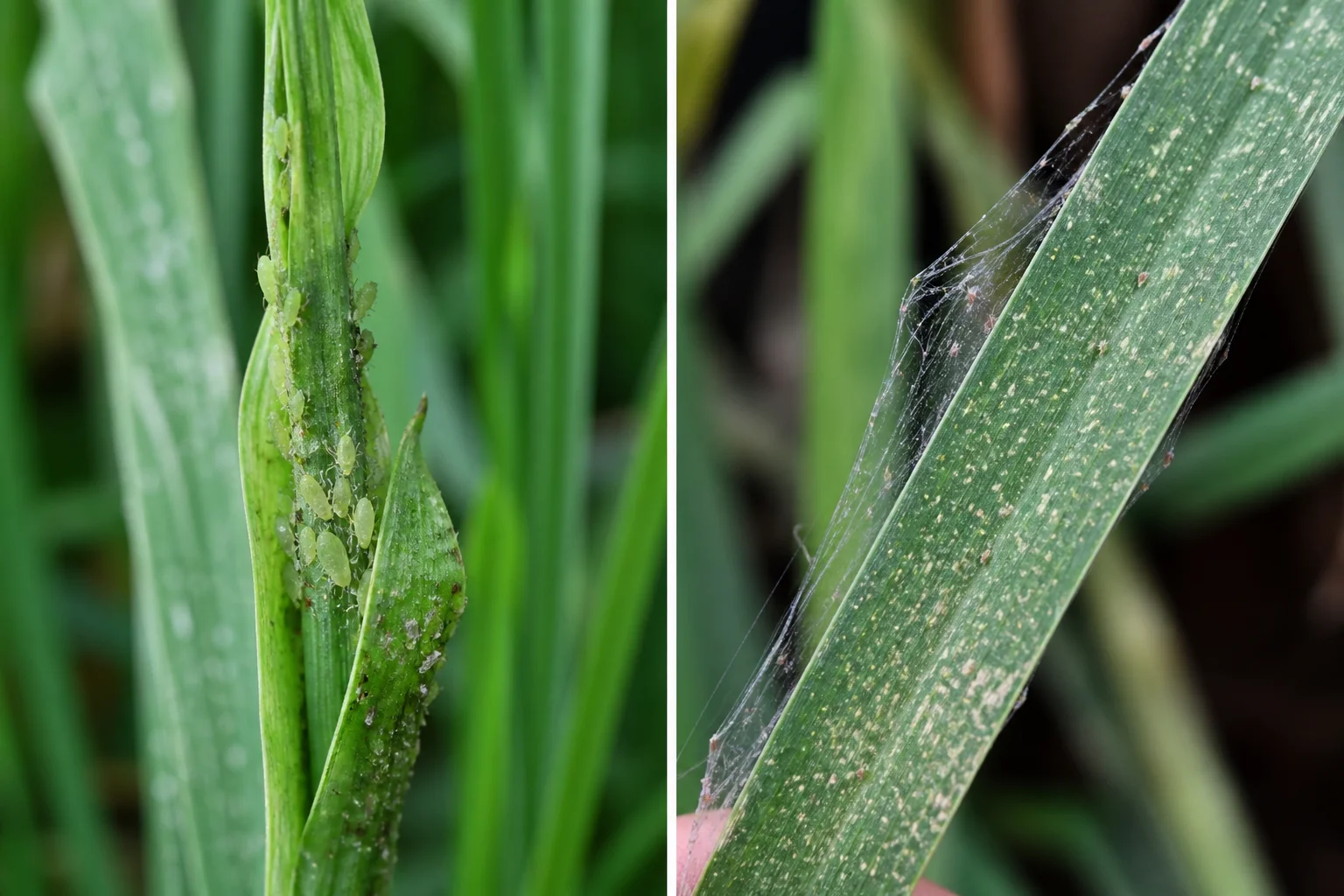
- Aphids cluster visibly along the blades and come off with a strong rinse.
- Spider mites leave tiny yellow or white speckling with fine webbing, and build up in dry indoor air over winter.
- Leaf blight shows as reddish brown spots on leaf tips and margins, which Utah State names as the disease to watch for.
- Neither insect chews the blade, so damage with pieces missing is something else.
The winter move is what creates the exposure. A plant that spent summer outdoors, where predators and rain kept numbers down, arrives in a warm dry room with neither, which is what mite treatment indoors exists for.
Repotting is the other winter job worth doing at the same time. A clump lifted for the house is already out of the ground, so splitting it and giving it fresh soil costs nothing extra, and the repotting guide covers the handling.
The pet listing is the part that surprises people.
NC State tags lemongrass as a problem for cats, dogs and horses, which readers do not expect from a plant grown for tea. It sits alongside chives, parsley, oregano, mint and bay on that list, and against cilantro and dill, which carry no listing at all.
Frequently Asked Questions
Why is my lemongrass not growing?
It may simply not have started. Wisconsin Horticulture says clumps grow slowly until the heat and humidity of summer arrive, then increase in size dramatically, so a plant that looks static in June is normal rather than failing.
How often should lemongrass be fed?
Utah State says to feed weekly with a half-strength solution of a balanced soluble fertilizer from June through September for container plants, and monthly for plants growing in the ground.
Which part of lemongrass do you cook with?
The base of the stem. Illinois says the tender white portion is most desirable, and Utah State says to discard the outer woody layers and the leaves to reach it.
How do you harvest lemongrass?
Cut stems at ground level once they are about half an inch thick, which Wisconsin and Utah State both give. Take an outside stem by pushing it to the side and twisting it off, or cut it with a knife.
Does growing lemongrass repel mosquitoes?
No.
Clemson says the fragrance dissipates into the air and can be minimized by a breeze, and that leaves must be crushed or the oil rubbed on skin for any effect.
In testing, lemongrass oil protected subjects for about 40 minutes.
Can lemongrass survive frost?
No. Wisconsin says to harvest or dig before overnight temperatures get to freezing, and Illinois says it is not winter hardy in colder climates and is best grown as a container plant.
Can you keep lemongrass without overwintering the whole plant?
Yes. Utah State says to save a 6 inch section of the bulbous shoot base before the first fall frost, and that those sections with attached roots can be divided and potted for the following year.
Is lemongrass safe for cats and dogs?
No. NC State tags Cymbopogon citratus as a problem for cats, dogs and horses, which matters most in winter when the pot comes indoors.
Sources & References
- NC State Extension Gardener Plant Toolbox: Cymbopogon citratus
- Wisconsin Horticulture: Lemongrass, Cymbopogon spp.
- Utah State University Extension: How to Grow Lemongrass in Your Garden
- Illinois Extension: Lemon Grass
- Clemson HGIC: Can Plants Repel Problematic Insects?
- Toxic and Non-toxic Plants: Lemon Grass | ASPCA
Related Plants
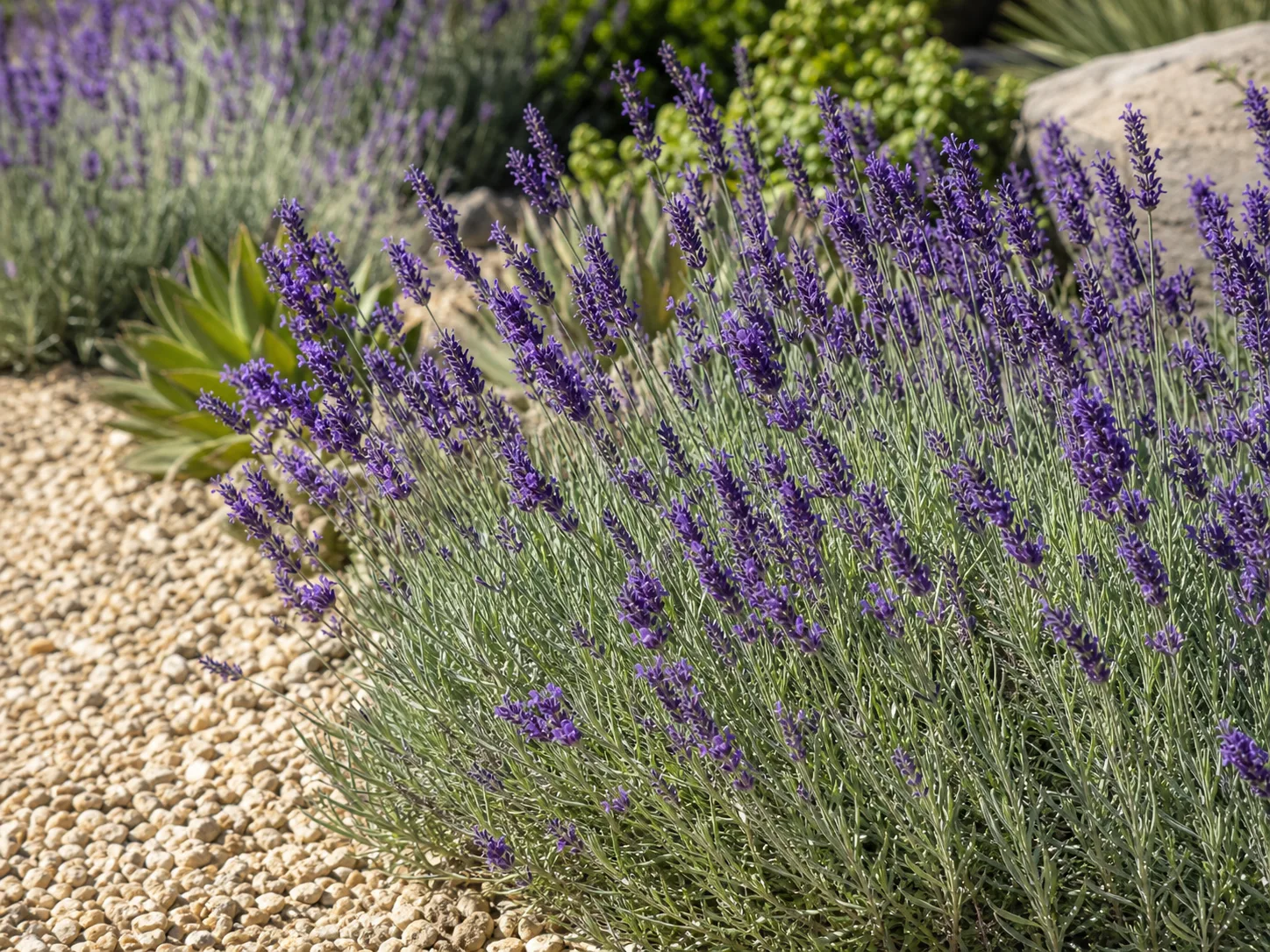
English Lavender
Sun-loving aromatic herb with dryer soil needs, good contrast to lemongrass.
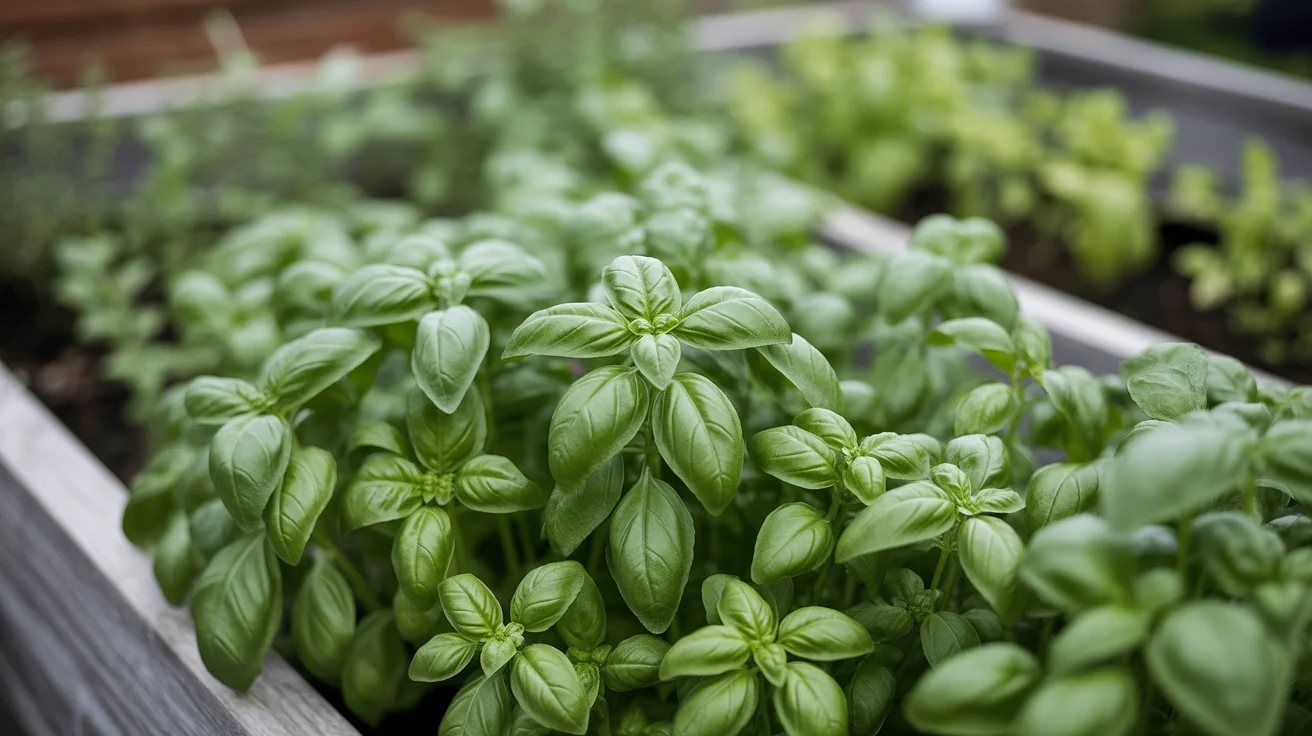
Basil
Warm-season annual herb that pairs well with lemongrass in summer beds.
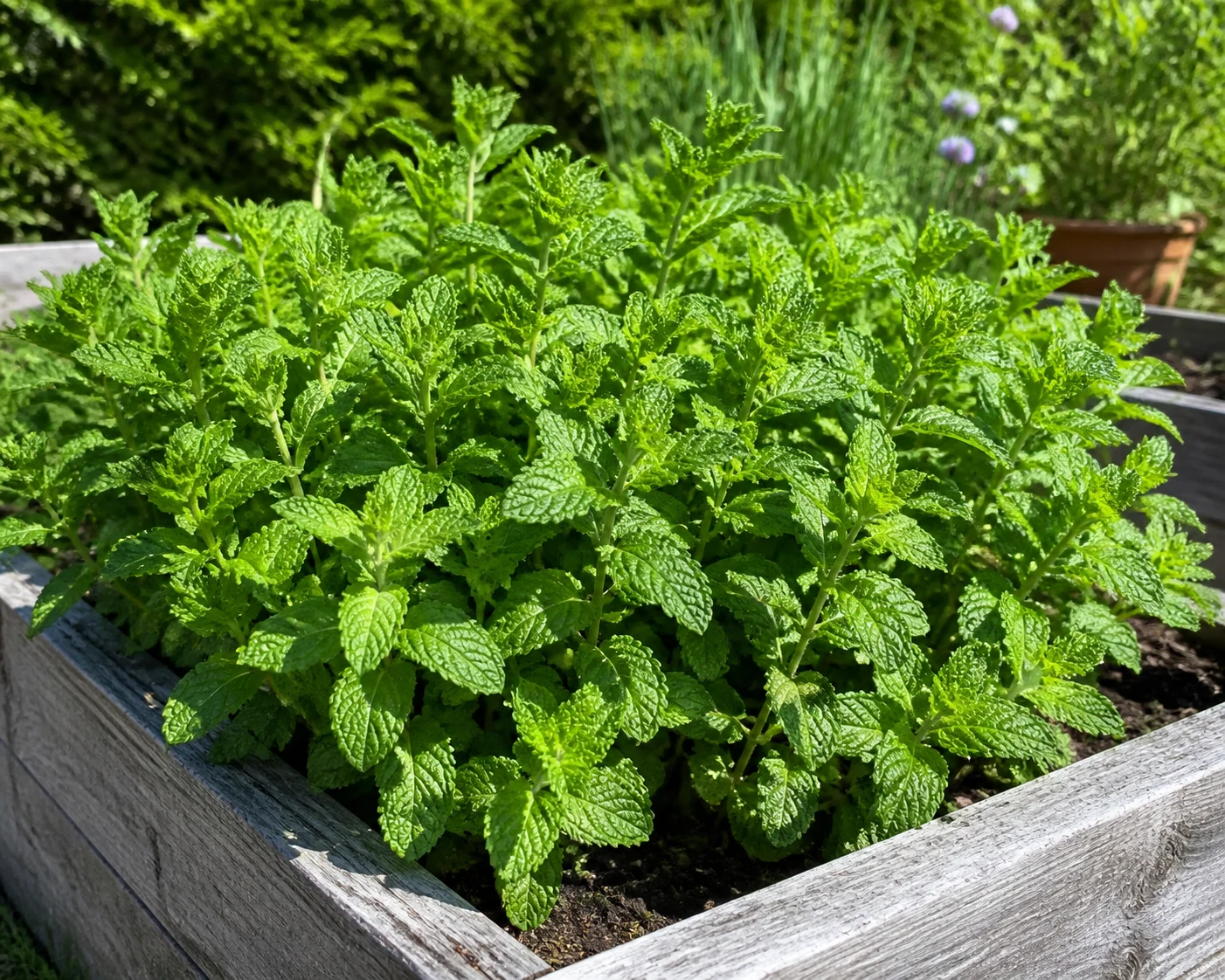
Mint
Spreading perennial herb, better confined to containers near lemongrass.
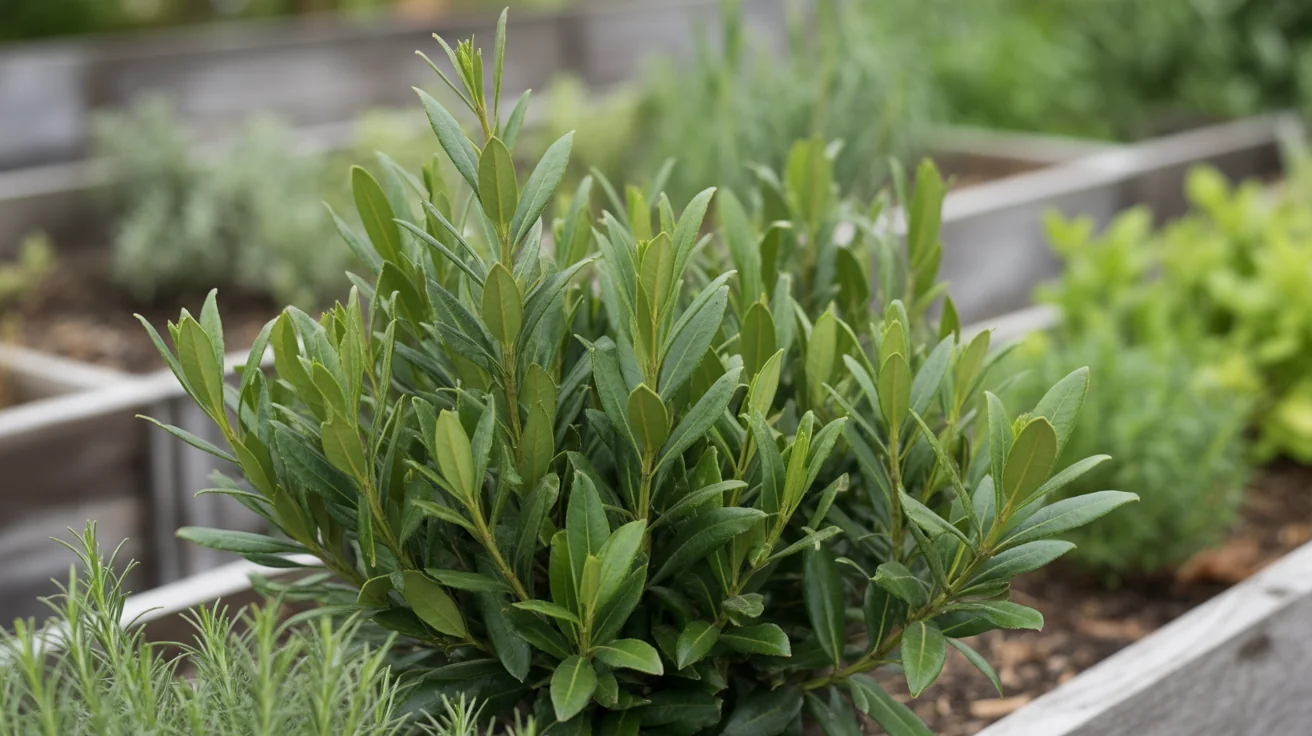
Bay Laurel
Bay laurel is a tree grown as a container plant, which is why every decision about it looks the way it does.
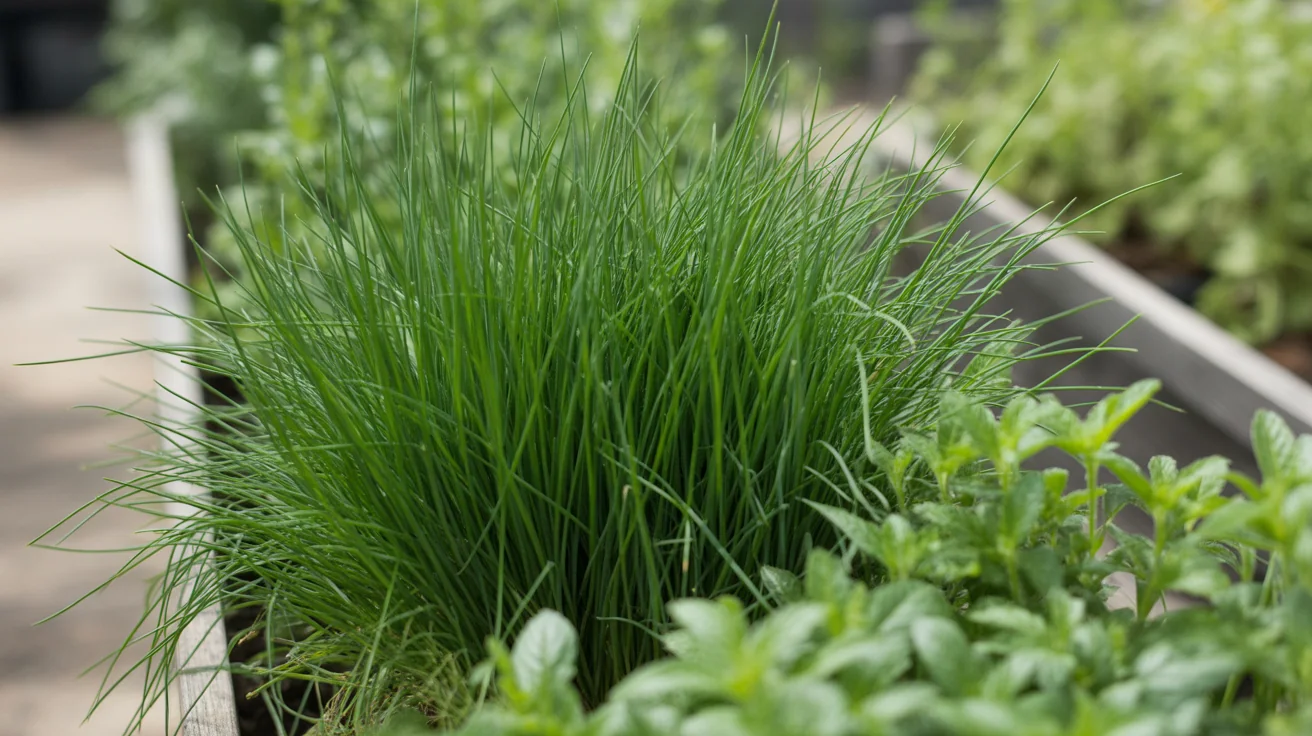
Chives
Chives are an Allium, in the same genus as onion and garlic, and that explains the flavor, the clump of small bulbs…
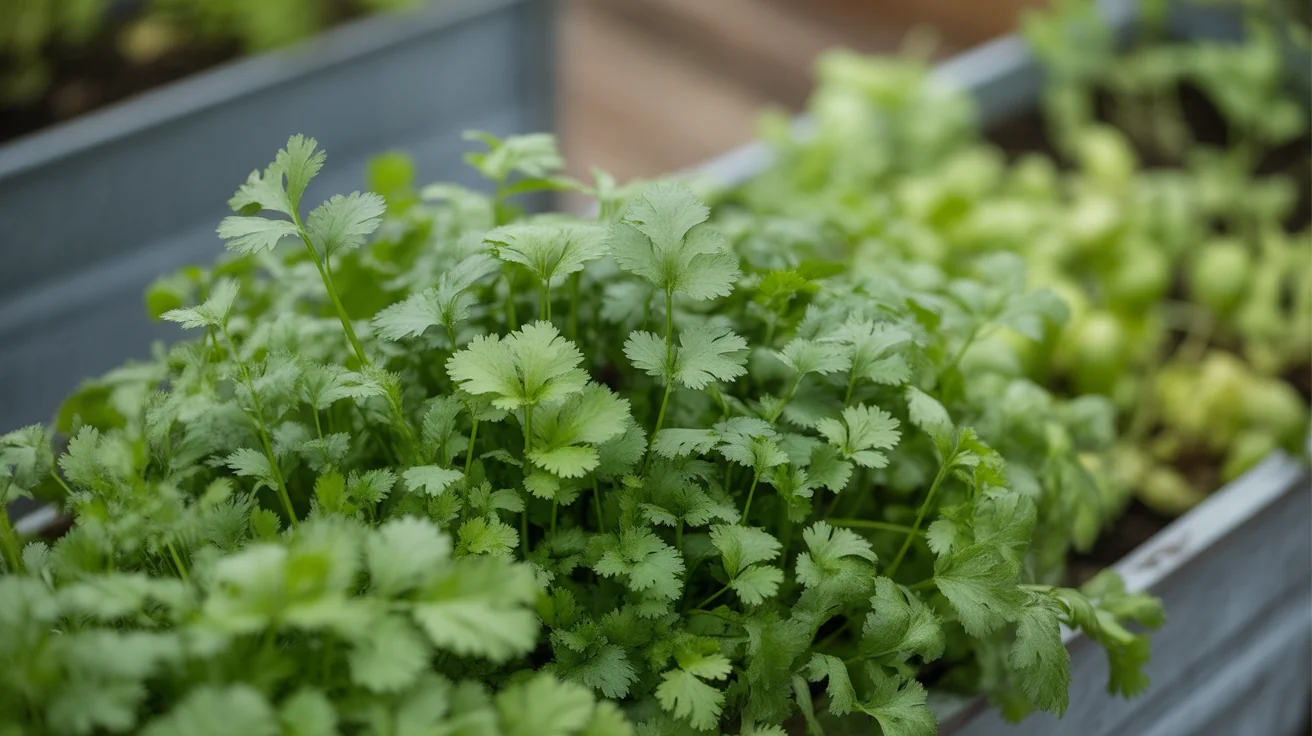
Cilantro
Cilantro and coriander are one plant at two stages, and the two crops need different spacing from the day the seed goes…