
Which Herbs Should You Grow for the Tea You Drink?
Plan a tea herb garden around flavor, growing space, containment, and safe preparation. Learn how fresh harvests differ from dried blends.
At a glance
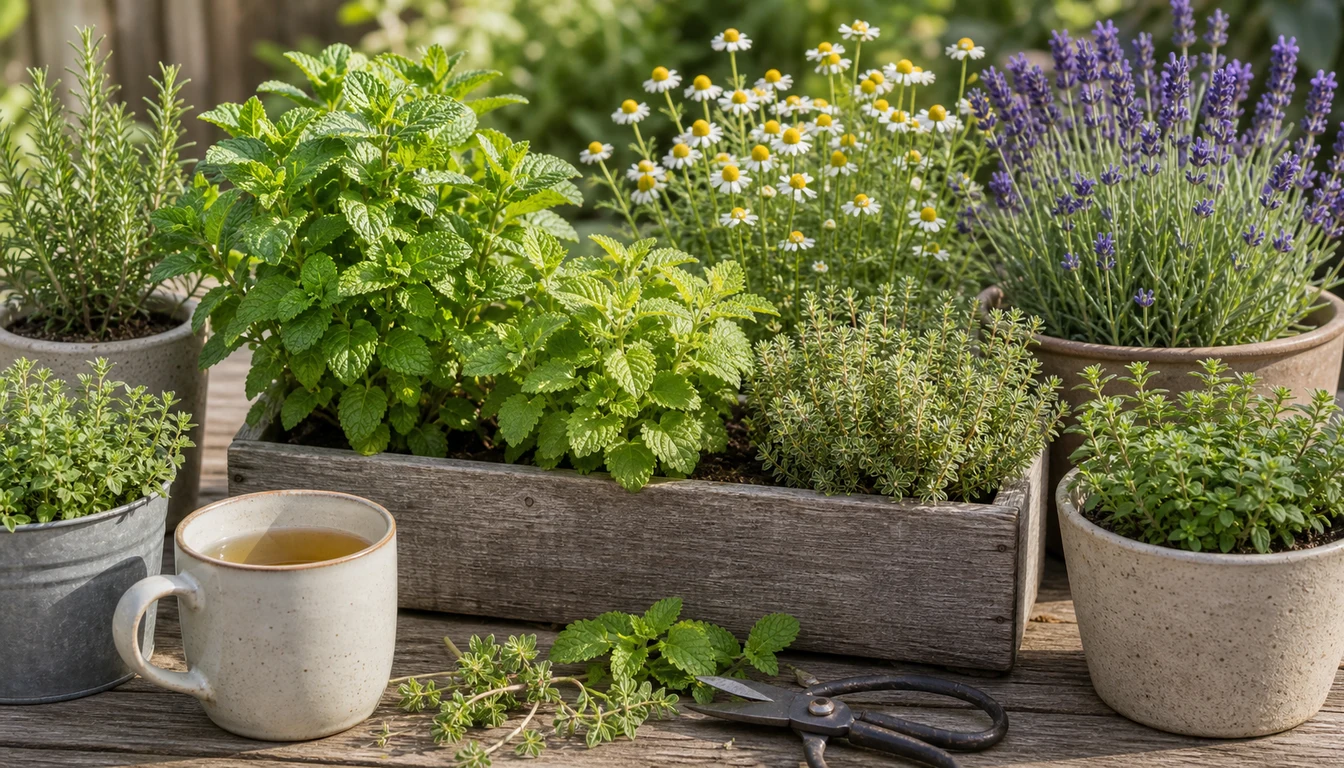
A useful tea garden starts with herbs you enjoy drinking and can grow in the space you have. Mint or lemon balm may suit a leafy infusion, while a floral blend calls for a separate flower harvest.
Plant selection, storage, and brewing are different decisions. A vigorous plant can outgrow its container, a damp harvest can spoil in a jar, and a cooking substitution does not automatically give the right amount for a cup of tea.
The plan below connects those decisions, from choosing a small planting to preparing a fresh cup or keeping a dried supply. Individual plant profiles cover detailed care; this page focuses on bringing those plants together for culinary use.
Which Cup Do You Actually Want to Drink?
Flavor is a useful starting point, followed by the growing conditions and the part of the plant you will harvest. A garden does not need every herb in a blend: buying one ingredient can make more sense than growing a plant that does not suit your site.
| Drink or ingredient | Possible plants | Garden decision |
|---|---|---|
| Mint or lemon-scented leaves | Mint, lemon balm | Separate root containment from control of seedlings |
| Lemongrass infusion | Lemongrass | Check warmth, available space, and local overwintering needs |
| Savory additions | Thyme, sage, rosemary | Grow a culinary herb you already use; adjust blends to taste |
| Flower ingredients | Chamomile, calendula, lavender | Identify the edible species and harvest the appropriate flowers |
Oregon State Extension lists these leaves and flowers as examples for herbal tea. That list is a starting point for known culinary plants, not permission to brew any ornamental with a similar common name.
An accurate plant label matters before the first harvest. An unidentified volunteer or mixed bag of dried leaves cannot be made into a known ingredient by its scent alone.
How Much Space Does Each Herb Need?
Planting proportions follow your habits rather than a fixed recipe ratio. Someone making occasional fresh mint tea needs a different harvest from someone drying several blends for winter.
A small planting gives you a way to learn which flavors you actually use. Keeping notes on the herb, harvest amount, and finished blend is more useful than assuming every household needs the same number of plants.
Space also depends on growth habit. A separate mint container can sit beside the rest of a tea garden without letting its roots share the bed, while each neighboring plant still needs suitable light, drainage, and room.
Fresh use and storage create different workloads. A larger planting is only useful for dried tea if there is enough clean drying space to handle the harvest promptly; a crowded pile of cut herbs is not extra usable supply.
When Do You Cut Leaves and When Do You Cut Flowers?
Harvest timing depends on the species and the ingredient. Most leafy herbs for drying are gathered before flowering, but Iowa State describes exceptions, including sage at early flowering and thyme in full flower.
A flower harvest follows its own stage of development. Lavender intended for drying, for example, is harvested before its florets have fully opened; a rule to cut every flower at full bloom would miss that distinction.
Dry foliage after the morning dew has evaporated is easier to handle. Harvesting does not replace washing: fresh herbs still need a rinse before use or drying.
Newly established perennial herbs need enough remaining growth to recover. A few sprigs for a cup and a major harvest for storage put different demands on a plant, so repeated hard cutting is not the default for every herb in the bed.
How Do You Dry Herbs for Storage?
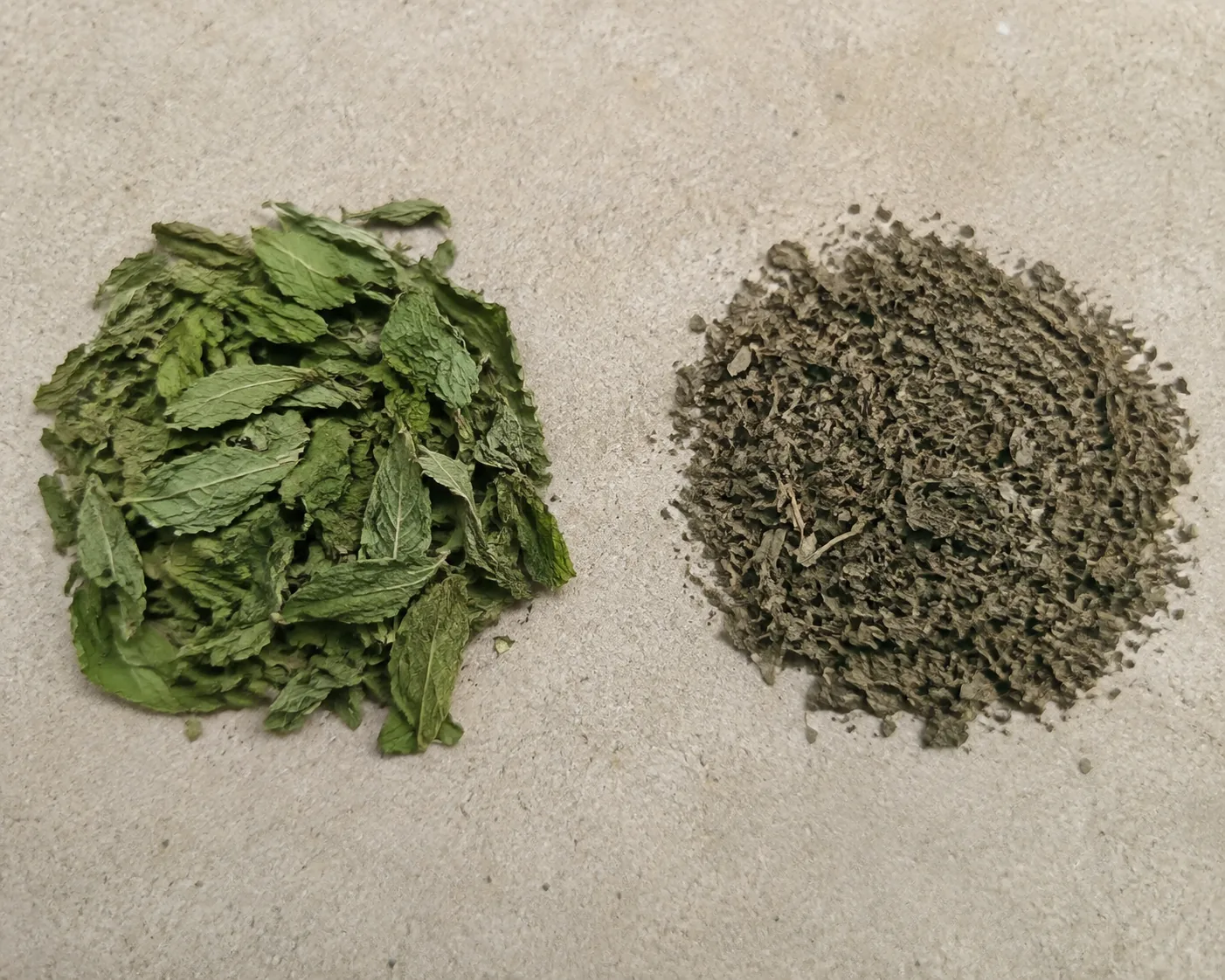
Mint and lemon balm hold enough moisture to mold if drying is too slow. Small quantities with moving air dry more reliably than dense bunches; sturdier rosemary, sage, and thyme are easier candidates for hanging in small bundles.
The National Center for Home Food Preservation recommends rinsing herbs, removing damaged material, and drying away from direct sun. A dehydrator offers controlled airflow and temperature, with the appliance instructions guiding its use.
Dryness needs a physical check. Leaves should crumble and stems should snap when bent before storage. A green color or strong scent alone does not establish dryness or food safety.
How Much Herb Goes Into a Cup?
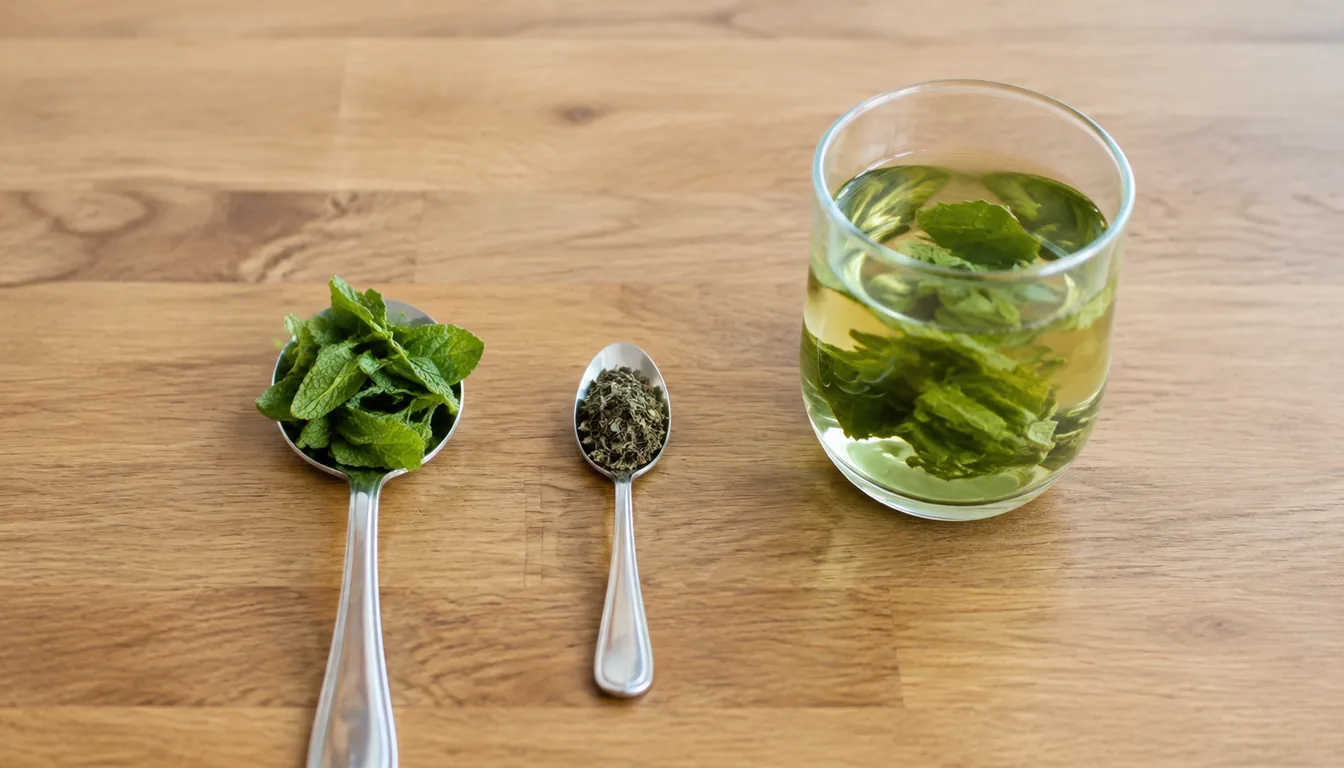
A recipe gives a clearer starting point than a universal fresh-to-dried conversion. Herb species, the part used, and how tightly leaves fill a spoon all affect what that volume contains.
Oregon State Extension's garden herbal tea recipe gives separate fresh and dried amounts for each cup of water, as shown below.
- Fresh herbs
- 2–4 tablespoons
- Dried herbs
- 1–2 tablespoons
- Steep
- 10 minutes in boiling water
- Finish
- Strain before serving
These are amounts for that culinary recipe, not a medicinal dose or a rule for every plant. Its directions include washing hands, rinsing fresh herbs under running water, and refrigerating leftover tea within two hours.
The familiar smaller amount of dried herb in a cooking substitution answers a different question. It does not establish that one fresh spoonful and one dried spoonful will make identical tea.
For a blend you already know is suitable for food, recording the ingredients and amount used makes the next cup easier to adjust. Changing one ingredient at a time also helps distinguish a flavor preference from a storage or preparation problem.
Which Tea Herbs Take Over the Bed?
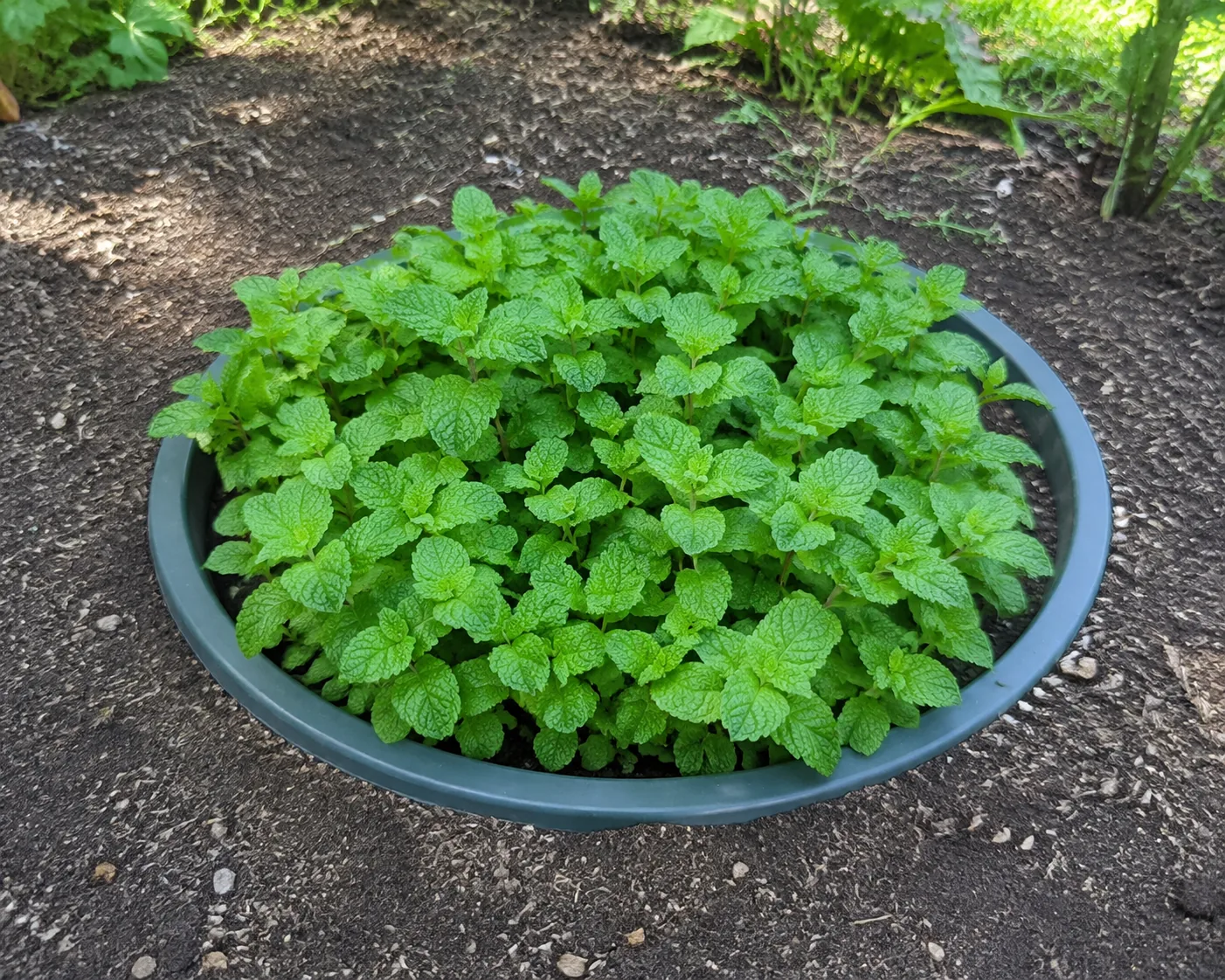
Mint and lemon balm both need room to grow without taking over neighboring plants. Mint spreads by underground stems, and lemon balm can spread by rhizomes as well as seed. Their different flavors do not make one reliably restrained.
A separate container limits root spread into the bed. For a sunken mint pot, the RHS recommends leaving its rim above the soil to reduce shoots rooting over the edge. Escaping growth still needs attention.
Removing lemon balm's faded flowers limits self-seeding, but it does not stop the established clump from expanding. The mint and lemon balm comparison explains why containment and seed management are separate jobs.
Is the Bed Clean Enough to Drink From?
A plant grown for ornament is not automatically suitable for the kitchen. Known identity, the edible plant part, and its treatment history all matter before leaves or flowers enter a cup.
Pesticide directions are specific to the product and crop. EPA explains that food-crop uses must be covered by the label, including an applicable crop group; an ornamental use does not by itself authorize use on an herb harvested for food. Any harvest interval and other restrictions on that label still apply.
If the treatment history is unknown, a waiting period guessed from another product does not resolve it. The product label and local Extension advice can help establish whether that harvest is usable.
What Is Worth Growing Again?
The most useful end-of-season notes connect the garden with what you drank. An unused jar might reflect an unwanted flavor, too much harvest, or a blend that was difficult to prepare; it does not prove the plant grew badly.
A favorite herb that was repeatedly unavailable suggests a different problem. More planting space may help, but so may separating fresh harvests from a planned drying harvest or reducing the amount stored at once.
The next planting can then follow a specific observation: more of a flavor you used, less of one you avoided, or a simpler drying schedule. There is no need to add another variety just to make the garden look more complete.
Recommended Plants
5 herbs worth considering.
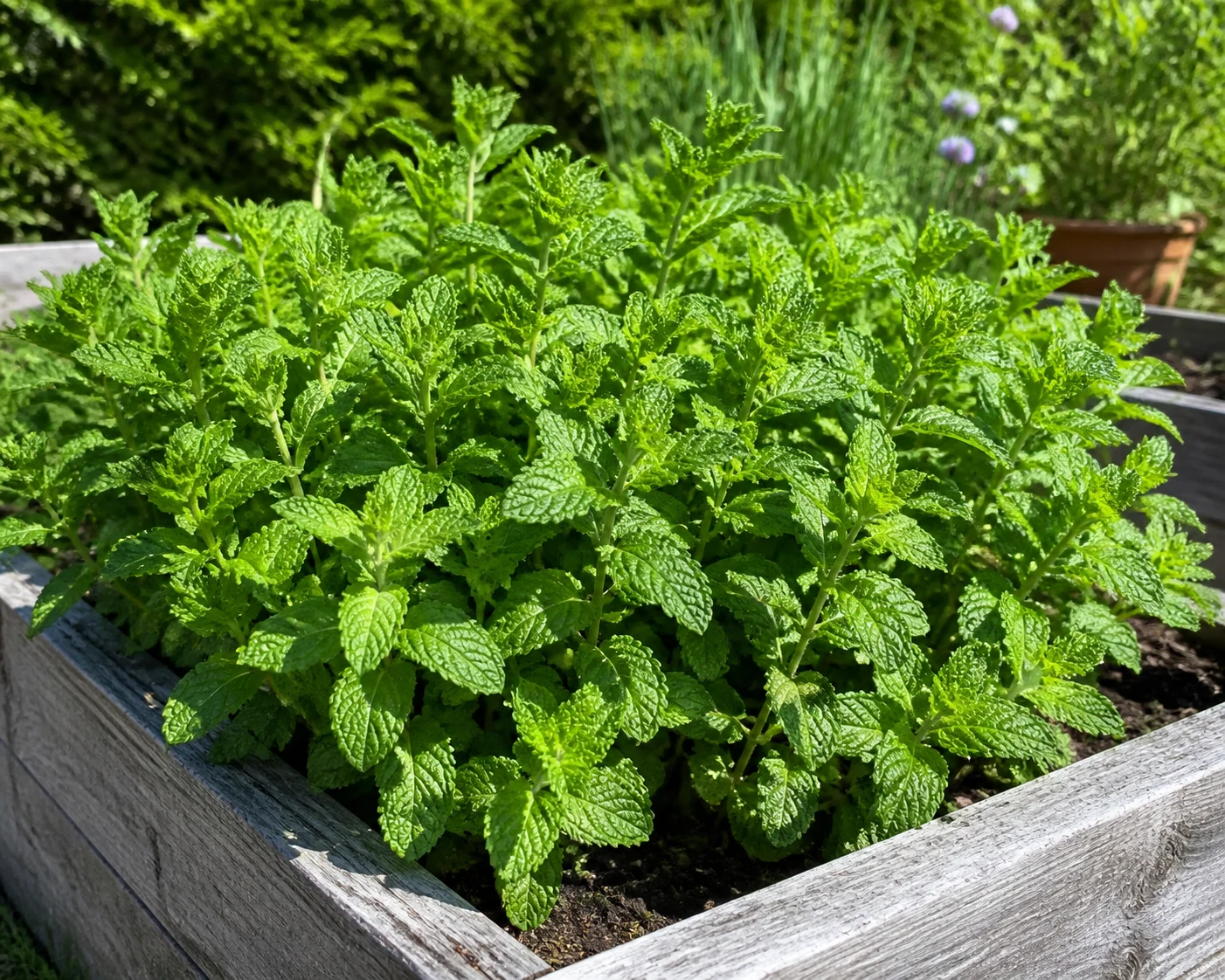
Mint
Mint spreads two ways at once. Its square stems root wherever they touch the ground and its rhizomes travel sideways…
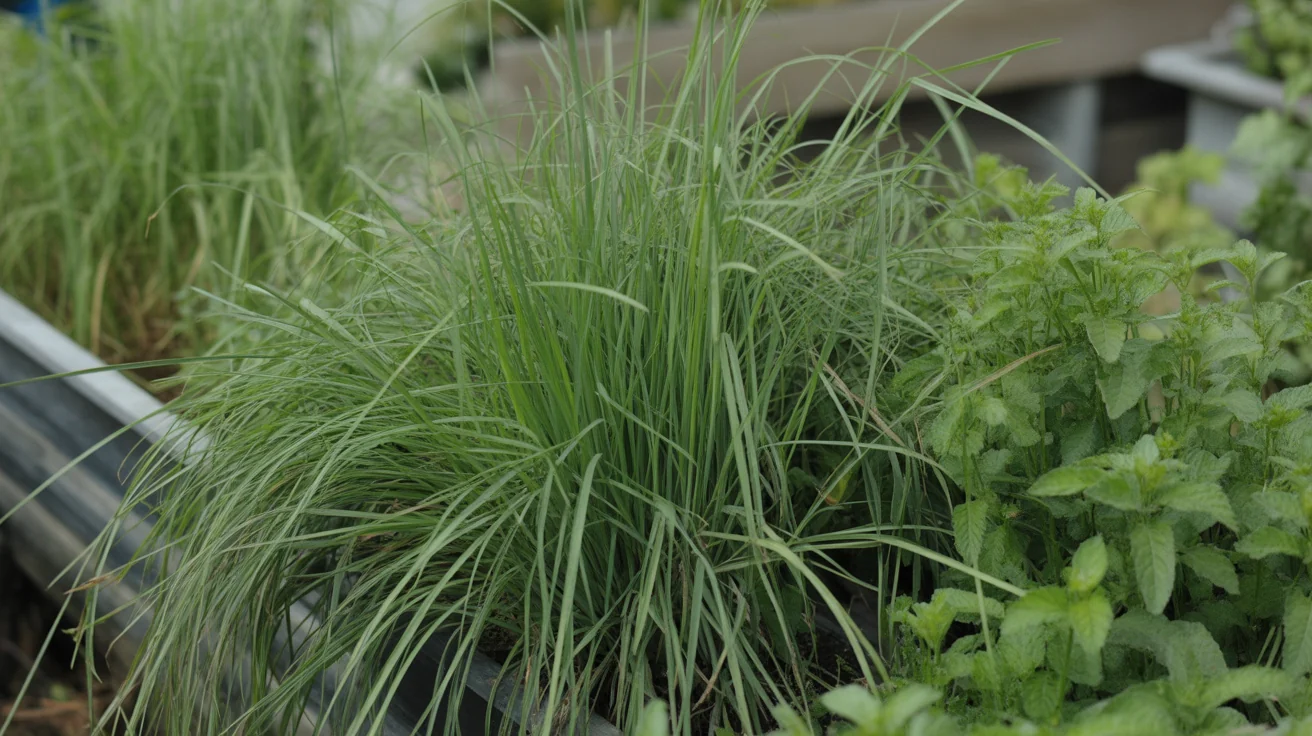
Lemongrass
Lemongrass is a tender tropical grass that does almost nothing until summer heat arrives and then increases…
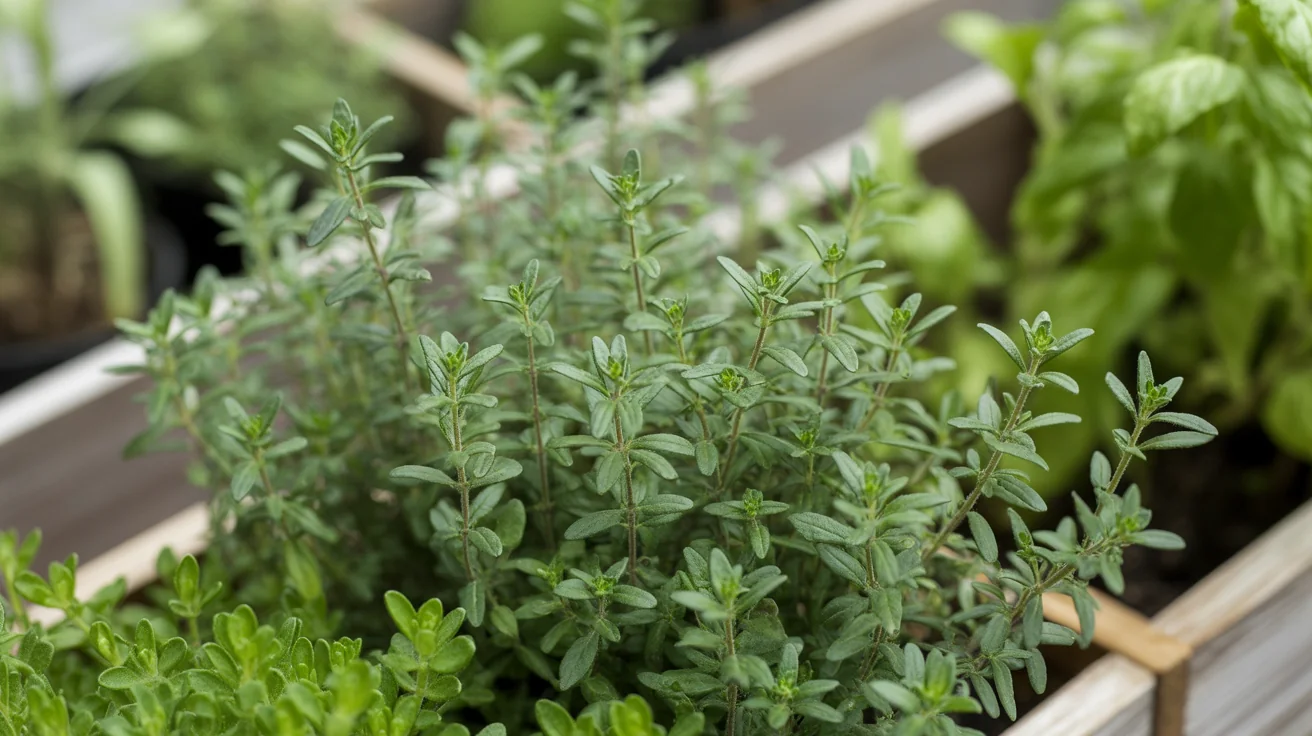
Thyme
Thyme is sold beside the soft herbs but it is a small evergreen shrub, and it lives or dies on drainage rather than on…
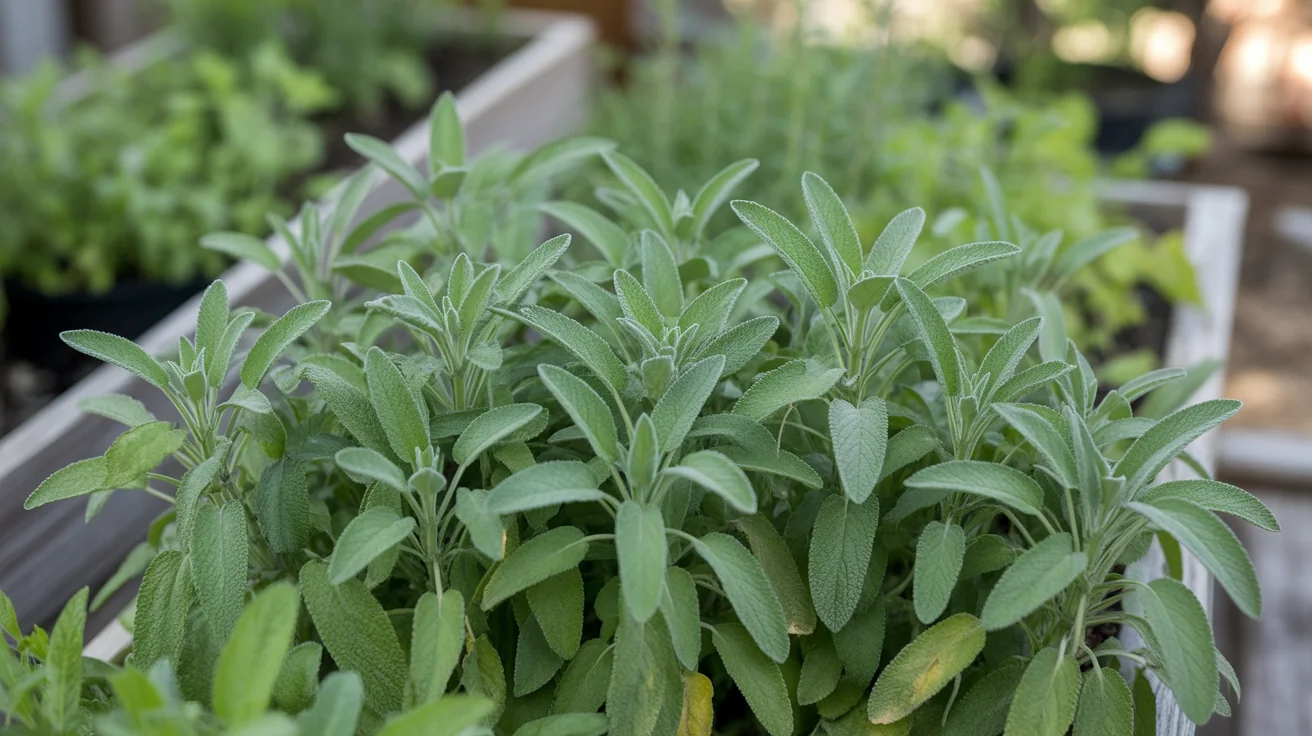
Sage
Sage is sold as a herb but grows as a small evergreen shrub that spreads wider than it grows tall, and it is…
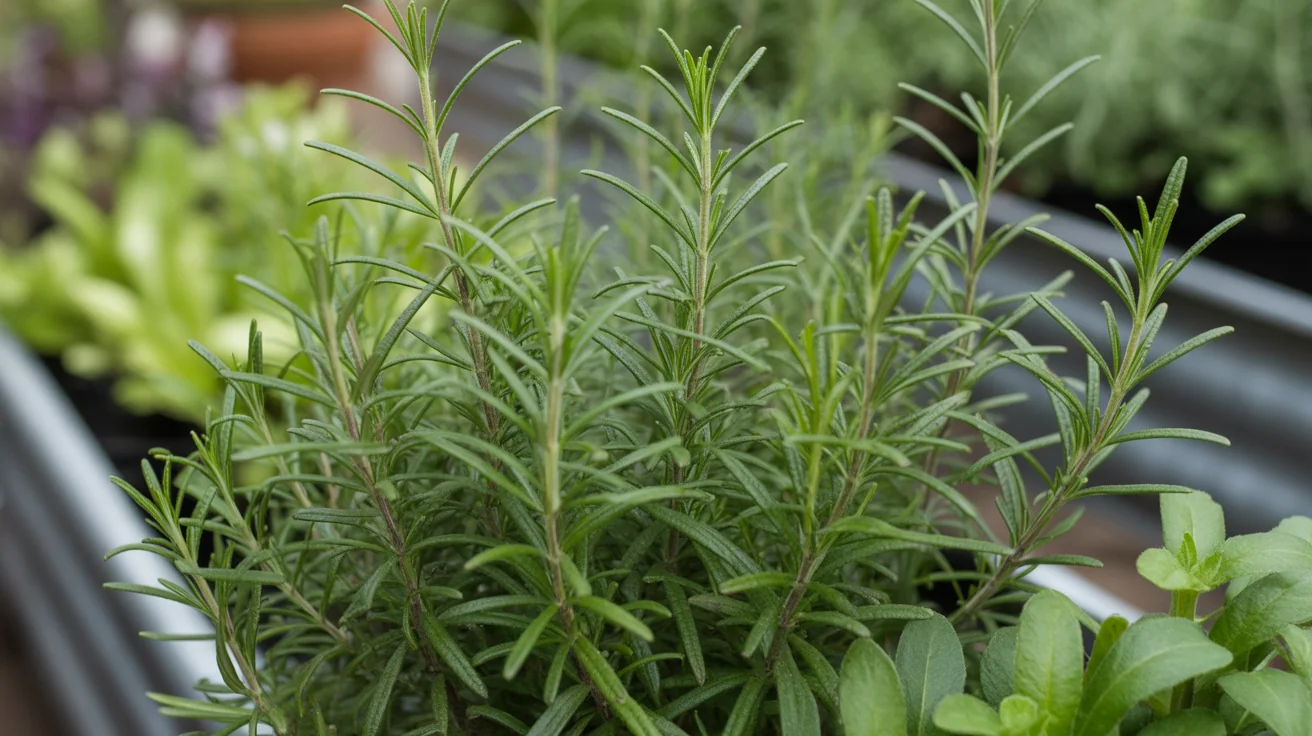
Rosemary
Rosemary is an evergreen shrub that dies far more often from wet roots and cold winters than from neglect, so the site…
Sources & References
- Oregon State University Extension, Garden Herbal Tea
- NC State Extension: Melissa officinalis
- RHS: How to grow mint
- RHS: How to grow lemon balm
- National Center for Home Food Preservation: Herbs
- Iowa State University Extension: Growing, Harvesting, and Drying Herbs
- US EPA: Pesticide Labeling Questions & Answers — food crop uses and harvest intervals