
Plantingschedule10 min read
Drainage Holes in Pots: Simple Rules That Prevent Rot
Learn how many drainage holes your pots need, how big they should be, and what to do if a container has none so you can keep roots healthy indoors and outdoors.
Most pots that “mysteriously” kill plants have one thing in common, cramped or missing drainage holes. Water has nowhere to go, roots suffocate, and rot moves in.
This guide shows you exactly how to size, place, and add drainage holes so your containers behave like healthy garden soil. We will cover indoor cachepots, grower nursery pots, patio planters, and even tricky self-watering setups. Along the way we will point you to indoor watering habits that match draining pots. We will also connect that to repotting houseplants so every container in your home and yard drains predictably.
water_dropWhy Drainage Holes Matter More Than Soil Type
Roots need air as much as water; when a pot cannot drain, those air pockets disappear and roots suffocate. Even the best mix fails if excess water cannot leave the container. That is why nursery pots with lots of holes often outperform prettier planters. A pothos vine can forgive a watering mistake in a slotted grower pot. A snake plant in a sealed decorative pot often cannot. For dry-soil plants like lavender or rosemary, fast drainage is not optional.
content_cutHow Many Holes And How Big They Should Be
You do not need dozens of holes. You need enough open space for water to leave quickly. A few clear holes beat many clogged pinpricks. Small pots can use one central hole. Wider pots need several holes spread across the base so water drains evenly. Shallow bowls for string of pearls often need extra holes near the rim because water collects there first. Match hole count to pot width, not to aesthetics.
Guide — See AlsoPlan a Succession Planting Schedule That Actually WorksLearn how to build a practical succession planting schedule so your beds stay full and your harvests stay steady from sp
chevron_rightyardFixing Pots With No Drainage Holes
If a pot has no drainage, either drill it or use it as a cover pot. Drilling is usually safe on clay, plastic, and some ceramics if you use the right bit and go slowly. If the container is expensive or brittle, slide a draining nursery pot inside instead. That pot-in-pot setup works especially well for spider plants or monstera in decorative containers. > Rocks at the bottom do not replace drainage holes.
Email Updates
Join the KnowTheYard update list
Zone-specific advice, seasonal reminders, and new plant guides — no filler.
potted_plantUsing Saucers, Liners, And Double Pots Safely
Saucers and liners are fine only if they empty quickly. Water can sit in a tray for a few minutes, but not all day. Dump it within 15 to 30 minutes so roots keep breathing. Self-watering pots fit peace lily containers or boston ferns better than desert plants. Dry-soil species should stay in standard pots with open holes. A tray should protect your floor, not turn the pot into a swamp.
Guide — See AlsoGround Cover Plants for Low‑Work, High‑Impact BedsLearn how to pick, plant, and maintain ground cover plants that fill in, control weeds, and match your light and zone wi
chevron_rightwater_dropAfter Planting: Monitoring Drainage The First Month
The first few weeks after potting tell you if your drainage holes are doing their job. Watch how fast water disappears from the soil surface and from any saucer under the pot.
Healthy drainage means water vanishes from the saucer within 30 minutes. If it sits longer, the mix is staying saturated at the bottom and roots for plants like peace lilies will struggle.
Check soil 2 inches down with your finger before each watering. Cool and damp soil means wait. Dry and crumbly means water, even if the top half inch still looks slightly dark.
Rotate pots that sit near walls or railings. Airflow around the container helps the drainage holes release moisture instead of trapping damp air at the base.
- fiber_manual_recordSaucer check: Empty any standing water that remains after 30 minutes.
- fiber_manual_recordSoil test depth: Push a finger or wooden skewer 2 inches down before watering.
- fiber_manual_recordEarly warning signs: Yellowing lower leaves or a musty smell hint at slow drainage.
bug_reportTroubleshooting Slow Or Clogged Drainage Holes
Slow-draining pots often come from compacted soil plugging the holes, not from the holes being too small. One sign is water backing up and pooling on the surface every time you irrigate.
Lift the pot and look underneath. If roots from a vigorous grower like container tomatoes are circling the base, they may be blocking the outlets and need trimming during a repot.
You can clear minor clogs without repotting by using a chopstick or narrow dowel. Gently poke up through each drainage hole to loosen soil while the mix is only slightly moist, not sopping wet.
Never hammer nails or drill into a pot while it holds soil and roots. Vibration and shattered edges can damage the root ball.
Clear the hole only after you know whether soil, salts, or roots are blocking the exit.
- fiber_manual_recordRoot binding: Check for roots forming a mat over the holes before blaming the soil.
- fiber_manual_recordSalt crusts: White buildup around the base can narrow openings and slow flow.
- fiber_manual_recordSoil refresh: Plan to replace compacted mix every 2–3 years in long-term containers.
Guide — See AlsoHow to Grow Raspberries for Big Summer HarvestsStep-by-step guide to growing raspberries at home, from choosing canes and preparing soil to trellising, pruning, and wa
chevron_rightecoMatching Drainage To Plant Type And Potting Mix
Plants from different habitats want very different drainage speeds. A thirsty plant like potted hydrangea tolerates slower flow than a desert plant in gritty mix.
Succulents and cacti, and drought lovers such as lavender in pots, should have fast-draining mixes with extra mineral material. That faster mix relies on fully open holes, since water runs straight through instead of holding in peat.
Moisture-loving plants like hostas in containers can sit in heavier soils. Shade ferns behave similarly if you pot them. Here, a standard number of holes is fine but you still want water to escape instead of collecting in the bottom inch.
Drainage holes cannot fix the wrong soil mix, but the right mix will always fail without decent drainage holes.
- fiber_manual_recordGritty blends: Use coarse sand or perlite for succulents and add extra holes if roots ever sit wet.
- fiber_manual_recordPeat-based mixes: Pair with standard hole counts for most foliage houseplants.
- fiber_manual_recordOutdoor potting soil: Avoid dense garden soil in pots since it collapses and smothers holes.
calendar_monthSeasonal Adjustments: Winter, Summer, And Rainy Spells
Season changes how often water moves through your pots, even if the holes never change. In cool weather, evaporation slows and soil stays wet much longer between waterings.
Outdoor containers with perennials or shrubs such as boxwood in pots need especially good drainage heading into winter. Freezing, saturated soil around roots can be more harmful than cold air alone.
In hot summers, holes may seem to "work better" simply because water disappears fast. Still, check that it is not only evaporating from the top while staying soggy near the base, especially in large plastic pots.
Rainy weeks are the true test. If storms refill saucers around your potted azaleas, move the pots under cover or lift them higher so water can run away from the base. Patio roses need the same lift during multi-day rain.
- fiber_manual_recordBefore winter: Raise pots on feet so frozen saucers cannot trap meltwater.
- fiber_manual_recordSummer heat: Water deeply but less often and rely on drainage to carry salts away.
- fiber_manual_recordStorm setup: Slide containers a few feet under eaves during multi-day rain events.
Guide — See AlsoAir Purifying Plants for Cleaner Indoor AirLearn how to pick, place, and care for air purifying plants so they help your indoor air instead of just looking pretty.
chevron_rightyardAdvanced Tricks: Layering, Feet, And Grouped Containers
A few small upgrades keep drainage holes working longer. Pot feet keep containers off patios so holes stay clear. Mesh over the base stops soil from washing out without trapping much water. Grouped containers need space too. Leave air under and between pots so a trailing pothos or large shrub planter does not block the outlet of the one beside it. The bottom of the pot should always have a clear path for water and air.
tips_and_updates
Pro Tips
- check_circleDrill slowly and keep the bit cool with a little water to avoid cracking ceramic pots.
- check_circleTilt containers slightly when watering so you can see excess water run freely from the drainage holes.
- check_circleSet thirsty herbs like potted basil clumps in pots with extra holes and a light mix so roots never sit in soup.
- check_circleGive succulents from snake plant offsets and aloe cuttings the grittiest mix and the most aggressive drainage.
- check_circleIf a saucer fills every time you water, add one more hole or upsize an existing one by a drill bit step.
- check_circleGroup pots on a single large tray filled with pebbles so drainage water sits below the pot bottoms, not against them.
- check_circleCheck older wooden planters yearly, clogged or rotted holes can turn them into hidden buckets even if they drained well before.
- check_circleWhen repotting a root-rotted plant, trim damaged roots and move to a container with more holes plus a chunkier soil mix.
quiz
Frequently Asked Questions
Can I use rocks at the bottom instead of drainage holes?expand_more
No. Rocks at the bottom do not replace real drainage holes. They raise the water table and often keep roots wetter, which can cause rot. Use a well-draining mix and real openings at the base of the pot.
Do indoor houseplants always need drainage holes?expand_more
Indoor plants grow far better with drainage holes, even drought-tolerant types like snake plant varieties. Holes let excess water escape and make watering more forgiving, especially if you sometimes overwater.
How many drainage holes does a large pot need?expand_more
For big containers over 14 inches wide, aim for at least three to five evenly spaced holes about 1/2 inch across. Very tall pots may benefit from more holes clustered toward the center so water in the deepest area can escape.
Can I add drainage holes to ceramic pots after buying them?expand_more
You can drill unglazed terracotta or some ceramics using a masonry bit, painter's tape, and slow speed. Work with an empty pot, support it well, and wear eye protection. Avoid very cheap, brittle pots that may crack even with care.
Why do my pots drain but plants still get yellow leaves?expand_more
Drainage solves only the excess water buildup problem. Yellowing can also come from pests, low light, or nutrient issues. Check for problems like pothos yellow leaves style symptoms and adjust light and feeding as needed.
menu_book
Sources & References
- 1.University of Illinois Extension, Container Gardeningopen_in_new
- 2.Clemson Cooperative Extension, Growing Plants in Containersopen_in_new
- 3.Penn State Extension, Watering and Fertilizing Container Plantsopen_in_new
- 4.University of Minnesota Extension, Selecting Containers and Growing Mediaopen_in_new
Related Guides

Air Purifying Plants for Cleaner Indoor Air
Learn how to pick, place, and care for air purifying plants so they help your indoor air instead of just looking pretty.
11 min read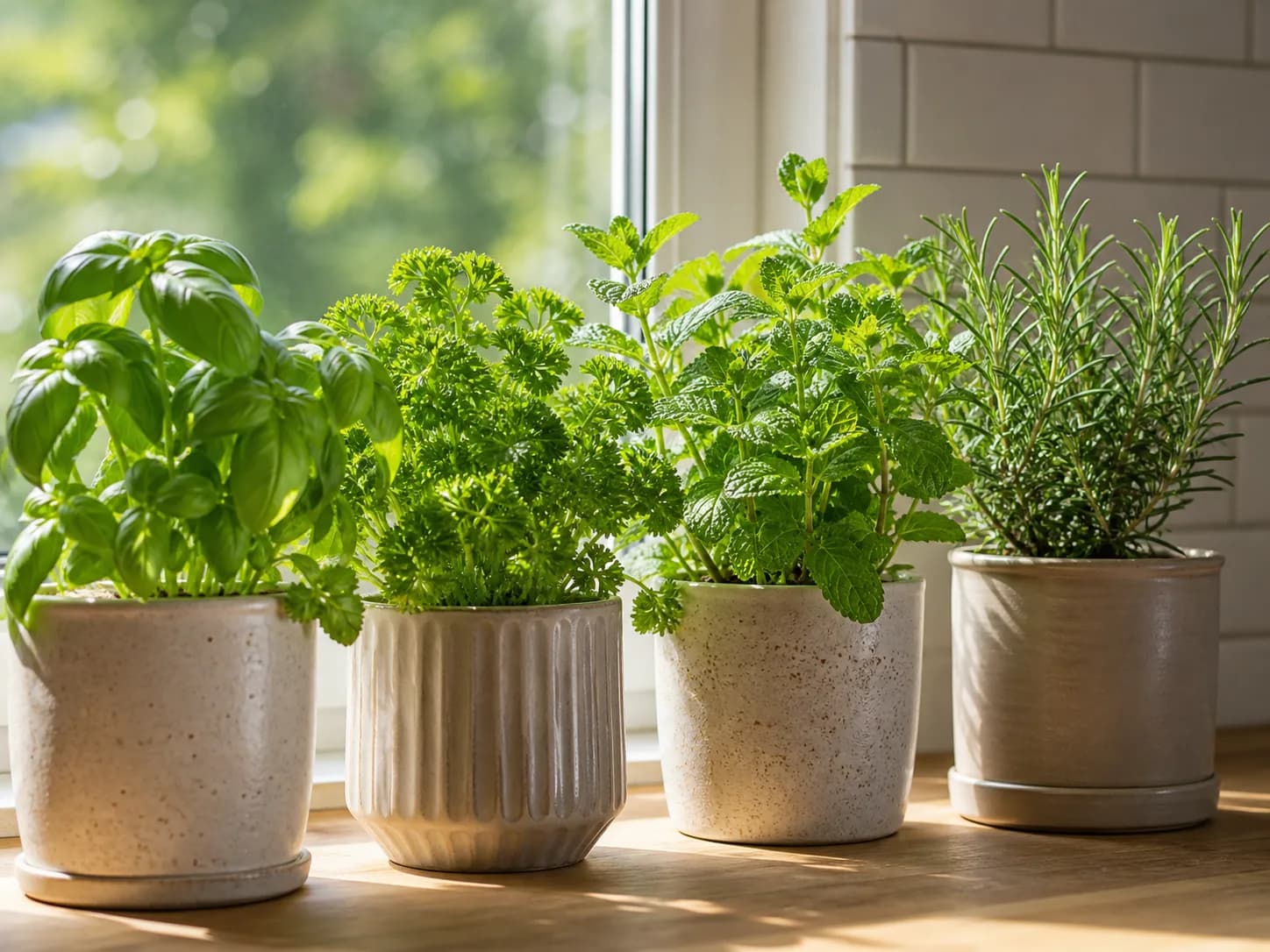
Best Herbs to Grow Indoors for Real Harvests, Not Spindly Pots
Choose indoor herbs that can actually produce in your light, temperature, and container setup, then match each one to the right harvest rhythm and watering style.
10 min read
Best Indoor Plants for Every Room and Light Level
A practical guide to choosing the best indoor plants for your home, covering beginner-friendly picks, low light champions, bright light lovers, watering basics, and how to avoid the most common mistakes.
13 min read