
Plantingschedule11 min read
Full Sun Perennials for All-Day Hot Spots
Practical planting guide for full sun perennials, from choosing tough varieties to soil prep, spacing, and watering so your sunniest beds stay colorful, not crispy.
South-facing beds and hellstrips beside driveways do not have to be crispy dead zones. With the right full sun perennials, you can get color and structure from spring to frost with less work than babysitting annuals.
Here is what you need to know: choosing tough plants, prepping soil that drains well but still holds moisture, and spacing so your perennials fill in instead of fighting. You will see practical examples using sun lovers like purple coneflower clumps and fragrant lavender mounds; simple watering habits keep them alive during heat waves.
wb_sunnyKnow What “Full Sun” Really Means
Six hours of direct sun is the bare minimum for “full sun.” Many tough perennials prefer 8 or more hours and still look good in August.
Afternoon sun is harsher than morning. A west-facing slope that bakes from noon to evening is tougher on plants than a spot that gets bright light only before lunch.
Tall neighbors change things. A new fence, young crepe myrtle sapling, or even a parked RV can turn full sun into part sun over a few years.
Zones matter too. In zone 3, six hours of sun can feel mild, but in zone 9 heat the same exposure can stress shallow-rooted perennials.
Most failed full sun beds come from guessing instead of measuring actual hours of direct light.
Spend one clear day checking the bed every hour. Write down when the sun first hits and when shade arrives.
Do not trust window light or reflections. Only count spots where you would squint without sunglasses.
Once you know your real sun pattern, match plants to it; salvia spikes handle brutal driveways especially well. Lantana mounds can take the same punishment, while more tender bloomers can sit where a tree throws late-day shade.
local_floristChoose Tough, Proven Full Sun Perennials
Plant choice does most of the work for you. Some perennials simply shrug off heat and drought while others sulk by July.
In the center of a sunny border, sturdy bloomers like coneflower drifts, black eyed susan clumps, and russian sage clouds hold color when annuals are begging for water.
For edging and fragrance, thread in herbs that behave like perennials, such as lavender hedges and woody rosemary. Heat-loving thyme carpets fill the same role; they feed pollinators and your kitchen.
If you want long strappy foliage with repeat blooms, daylily fans carry a bed from early summer into fall with very little fuss. Yarrow plates can stretch that season further.
In cooler areas like zone 5 gardens, cottage plants such as tall phlox can help. Hardy asters pick up the color late without much extra work.
Skip thirsty divas that always look sad without daily water. If a plant label screams “needs constant moisture,” treat it as a part shade choice.
Here are reliable full sun workhorses for most yards:
- fiber_manual_recordConeflower: 2–4 feet tall, drought tolerant, heavy pollinator traffic.
- fiber_manual_recordBlack eyed susan: Long summer bloom, self-sows a bit, bright gold color.
- fiber_manual_recordRussian sage: Airy blue wands, loves reflected heat beside driveways.
- fiber_manual_recordLavender: Needs sharp drainage, great along paths and patios.
- fiber_manual_recordYarrow: Handles poor soil, flat flower heads suit cutting gardens.
Mix at least three types with different heights and bloom seasons so the bed never looks empty.
Guide — See AlsoHow to Start a Vegetable Garden From ScratchStep-by-step guide to starting a productive vegetable garden from bare ground, including site choice, bed layout, soil p
chevron_rightyardPrep Soil So Roots Survive Heat
Sun alone rarely kills full sun perennials. Poor soil structure that bakes hard or stays soggy is the real problem.
Most sun lovers want well-drained, moderately rich soil. If rain puddles for more than 30 minutes, add drainage. If it dries into concrete, you need organic matter.
On new-build lots or former lawn, start by stripping grass and loosening soil at least 10–12 inches deep. Break up big clods so roots can move.
Blend in compost across the whole bed, not just the planting holes. Two to three inches of compost tilled or forked in improves both drainage and water holding.
Do not create “compost bathtubs” by amending only individual holes in heavy clay. Roots circle the soft spot and drown during wet spells.
Plants that hate wet feet, like lavender plants and russian sage crowns, appreciate slightly raised beds or mounded rows.
Rough in any drip lines before you plant. Trenches are easier to dig before roots are in the way, especially in wide borders.
For super hot strips beside pavement, consider mixing in gravel or sand under the top few inches so water drains quickly, then rely on mulch to slow evaporation.
If you are mixing shrubs such as compact spirea with perennials, give the shrub zones a bit more depth so larger root systems have room to anchor.
Email Updates
Join the KnowTheYard update list
Zone-specific advice, seasonal reminders, and new plant guides — no filler.
compostPlanting, Spacing, and Mulch That Work With the Sun
Good spacing keeps full sun perennials from cooking their own roots or leaving bare soil to bake and crack.
Check the mature width on the tag and space plants so they just touch in 2–3 years. For example, a 24 inch wide salvia clump should sit about 20–24 inches from its neighbor.
Crowding young plants because they look small now leads to mildew and weak, leggy stems once everything fills in.
Set each plant so the crown sits level with the surrounding soil, not sunk in a bowl. Water settles in low spots and rots crowns on plants like daylily clumps and yarrow mats.
Water thoroughly after planting, then apply 2–3 inches of organic mulch, such as shredded bark or chopped leaves, keeping it a couple of inches away from stems.
Thick mulch right against the crown holds moisture and heat where stems meet soil, which encourages rot and vole damage.
In extremely hot areas, consider a light colored mulch that reflects some heat. Dark rock can overheat roots for plants that prefer cooler crowns, such as tall phlox patches.
Use low growers like catmint drifts at the front of the bed to shade soil quickly. Their foliage acts as living mulch and cuts how often you need to water.
If you plan a mixed bed with shrubs like bush roses, give them a bit more elbow room and slightly thicker mulch rings. Sun tolerant hydrangea shrubs usually need the same extra root space, since those deeper roots mine moisture differently.
Guide — See AlsoAir Purifying Plants for Cleaner Indoor AirLearn how to pick, place, and care for air purifying plants so they help your indoor air instead of just looking pretty.
chevron_rightwater_dropWatering and Feeding After Planting
New full sun perennials stall out or fry when we treat them like mature plants. Freshly planted roots sit close to the surface, so they dry faster and heat up more. Plan on babying them the first season.
Aim for deep watering every few days at first, not constant sprinkles. Soak the root zone until moisture reaches 6–8 inches down, then let the top inch dry before watering again. This copies what deep roots will eventually experience.
After about three weeks of steady growth, you can stretch the gap between waterings. In clay soil that holds moisture, check with your finger or a trowel before adding more water to avoid soggy roots.
Skip strong fertilizer in the planting hole. It can burn tender roots on plants like young coneflower clumps and shasta daisy divisions. Instead, mix in compost before planting and top dress lightly once they are established.
Balanced slow‑release fertilizer in spring works better than constant feeding. Sun perennials like border salvia patches and daylily fans often flop or grow weak if we push them with high‑nitrogen lawn food.
Overwatering in hot sun kills more new perennials than drought does.
Use a simple schedule for first‑year care.
- fiber_manual_recordWeek 1–2: Water every 2–3 days in dry weather, more often in sand.
- fiber_manual_recordWeek 3–6: Water once or twice a week, depending on rain and soil.
- fiber_manual_recordAfter 6 weeks: Switch to deep weekly watering during dry spells.
- fiber_manual_recordFeeding plan: Add slow‑release food each spring once growth starts.
- fiber_manual_recordExtra boost: Scratch in compost around heavy bloomers after flowering.
calendar_monthSeasonal Timing and First‑Year Expectations
Heat and cold timing matter as much as light for sun perennials. Spring and fall planting give roots time to settle before temperature extremes hit. Summer planting in zones 8–11 works only with tight watering and mulch.
In colder areas like zone 4 or zone 5, spring planting lets plants such as peony clumps build roots before winter freeze. Garden phlox benefits from the same head start. Fall planting there is better for tough types like black eyed susan that shrug off cold.
First‑year plants often look smaller and bloom lighter than the tag promises. They spend most of that early energy building roots. Year two is usually when full sun perennials really show what they can do.
Deadhead lightly the first season so plants do not pour everything into seed. On strong growers like catmint edging, cutting back by one‑third after bloom often triggers a fresh flush of flowers and denser growth.
Avoid moving or dividing plants their first year unless they are clearly in the wrong spot. Disturbing roots too early sets them back and can delay those big second‑year displays you want from sun tolerant hydrangea shrubs and similar plants.
Use this rough calendar as a guide, then adjust for your zone.
- fiber_manual_recordEarly spring: Plant cold‑hardy types once soil is workable.
- fiber_manual_recordLate spring: Set out heat lovers after frost risk passes.
- fiber_manual_recordMidsummer: Only plant if you can water deeply and mulch well.
- fiber_manual_recordEarly fall: Plant in warm soils so roots grow before hard frost.
- fiber_manual_recordLate fall: Focus on mulching, not new plantings, in cold zones.
Guide — See AlsoBest Herbs to Grow Indoors for Real Harvests, Not Spindly PotsChoose indoor herbs that can actually produce in your light, temperature, and container setup, then match each one to th
chevron_rightcontent_cutPruning, Deadheading, and Division
Spent blooms left in full sun can turn into a mess of seed heads and floppy stems. Regular clean‑up keeps energy going to new flowers instead of seeds and helps plants hold their shape through summer storms.
Deadhead by cutting back to a strong side bud or leaf set. This works well for sturdy plants such as lantana mounds and verbena drifts, which often rebloom harder after a haircut. Use sharp pruners and avoid tearing stems.
Some sun perennials respond better to a full shearing once or twice a season. Border workhorses like russian sage and catmint clumps can be cut back by one‑third after their first big flush to prevent them from flopping onto paths.
Division is your main tool for keeping crowded clumps blooming. If you notice bare centers on plants such as fall aster or reduced flowers on yarrow mats, it is time to dig and split during cool weather.
Never divide or hard prune stressed plants during a heat wave or drought spell.
Use this simple maintenance pattern for most sun perennials.
- fiber_manual_recordSpring: Cut back old stems and shape winter‑damaged growth.
- fiber_manual_recordEarly summer: Deadhead regularly, removing individual spent stems.
- fiber_manual_recordMidsummer: Shear back leggy mounds to a tidy dome where appropriate.
- fiber_manual_recordFall: Leave seed heads for birds on sturdy plants, trim only hazards.
- fiber_manual_recordEvery 3–5 years: Divide clumps that are thinning or crowding neighbors.
pest_controlTroubleshooting Sun Stress, Pests, and Diseases
Crispy edges on leaves do not always mean plants need more water. Sun scorch often shows as pale, bleached patches on leaves facing the hottest afternoon light, especially on dark‑leaf varieties and new transplants.
Check soil 2–3 inches down before reacting to damage. If it is still cool and damp, watering more will only suffocate roots. Perennials like daylily clumps and coneflower stands tolerate short dry spells better than standing in mud.
In humid climates, crowded full sun beds can still battle mildew and leaf spots. Airflow stays more important than spraying. Space plants like phlox borders wide enough that mature leaves barely touch when wet.
Many common pests prefer stressed plants. Sap‑sucking insects build up on weak stems of droughted hydrangea rows or overfed rose plantings. Focus first on fixing water and soil issues, then tackle bugs with targeted methods.
Use gentle controls before reaching for broad chemicals. Handpicking, sharp sprays of water, and spot treatments such as oils or soaps often solve the issue without harming pollinators visiting black eyed susan clusters.
Random spraying in sun can scorch foliage and wipe out helpful insects.
Run through this quick check when plants look rough.
- fiber_manual_recordSoil moisture: Is the root zone soggy, bone dry, or just right?
- fiber_manual_recordMulch depth: Maintain 2–3 inches, never piled on stems.
- fiber_manual_recordAirflow: Thin or move plants if foliage stays damp overnight.
- fiber_manual_recordSun path: Watch for new shade from trees or structures.
- fiber_manual_recordPest focus: Treat specific insects rather than blanketing the whole bed.
If disease keeps returning on certain species, consider swapping to tougher options in the sun perennial category instead of fighting the same problem every year.
Guide — See AlsoBest Indoor Plants for Every Room and Light LevelA practical guide to choosing the best indoor plants for your home, covering beginner-friendly picks, low light champion
chevron_rightyardDesign Tweaks and Advanced Sun‑Bed Tips
Mature full sun beds are more forgiving if the design supports the conditions. Taller plants in back can shade roots of shorter ones, and staggered bloom times keep the soil covered before heat peaks in midsummer.
Mix deep‑rooted perennials like tall russian sage with shallower spreaders such as low sedum groundcovers. Different root depths share water instead of competing at one level. This also anchors soil in windy, exposed sites.
Color and texture also play into heat tolerance. Silver or gray foliage, like that on sunny lavender hedges and yarrow leaves, reflects some light and handles harsh exposure better than broad, dark leaves.
In very hot zone 9–11 sites, consider narrow beds that you can reach from both sides. That keeps you from stepping into soil around daylily rows or salvia blocks, which would compact the root zone and reduce drainage.
Use drip hoses or inline emitters under mulch where budgets allow. These systems give slow, deep moisture right at the root line and keep foliage dry, which lowers disease risk without wasting water in hot sun.
A well‑placed shade source for the gardener often matters as much as perfect plant spacing. You are more likely to keep up with weeding and deadheading if working that bed does not mean standing in baking sun for an hour.
Tie your sun perennials into the rest of the yard with a few repeating plants. For example, echo a drift of knock out roses near the patio with another patch by the mailbox to make the whole space feel planned.
You can also match these beds with nearby shrubs and trees. Pair bright borders with small flowering trees such as serviceberry accents. Redbud trees can provide that same light shade during the hottest late-day sun while still counting as full exposure.
tips_and_updates
Pro Tips
- check_circleTrack real sun hours in each bed before buying plants so you match species to exposure accurately.
- check_circleGroup perennials with similar water needs so you are not soaking drought lovers beside thirsty plants.
- check_circleUse a soaker hose or simple drip line under mulch to water deeply without wetting foliage.
- check_circleStagger heights, with tallest at the back or center, so shorter sun lovers are not shaded out by year three.
- check_circleLeave seed heads on coneflower and black eyed susan into fall to feed birds and add winter texture.
- check_circleTop up mulch every spring to maintain a 2–3 inch layer and bury new weed seeds.
- check_circleDeadhead lightly on heavy bloomers like salvia and yarrow to extend flowering into late summer.
quiz
Frequently Asked Questions
How many hours of sun do full sun perennials really need?expand_more
Most full sun perennials perform best with 6–8 hours of direct sun daily. In very hot climates, four to six hours of strong morning sun plus light afternoon shade usually gives better color and less stress than all‑day exposure.
Can I plant full sun perennials in partial shade?expand_more
Yes, but expect fewer flowers and looser growth. Plants that tolerate some shade, like daylily clumps and coneflower borders, handle bright partial shade better than heat lovers that demand all-day sun.
Do I need to fertilize full sun perennials every year?expand_more
Most beds do well with compost plus a light spring feeding. Over‑fertilizing, especially with high‑nitrogen lawn food, often makes stems weak and floppy. Heavy bloomers like salvia plantings appreciate a modest slow‑release dose once growth starts.
How often should I water an established full sun perennial bed?expand_more
Once established, deep watering about once a week during dry weather is usually enough. Adjust for soil type and recent rain. Sandy beds may need more frequent soaking, while heavy clay requires longer gaps between waterings to prevent root rot.
Which full sun perennials are best for beginners?expand_more
Tough choices include black eyed susan groups, yarrow clusters, and daylily varieties. These handle some neglect, rebloom reliably, and adapt to a range of soils if drainage is reasonable and they receive enough direct sun.
Related Guides

Air Purifying Plants for Cleaner Indoor Air
Learn how to pick, place, and care for air purifying plants so they help your indoor air instead of just looking pretty.
11 min read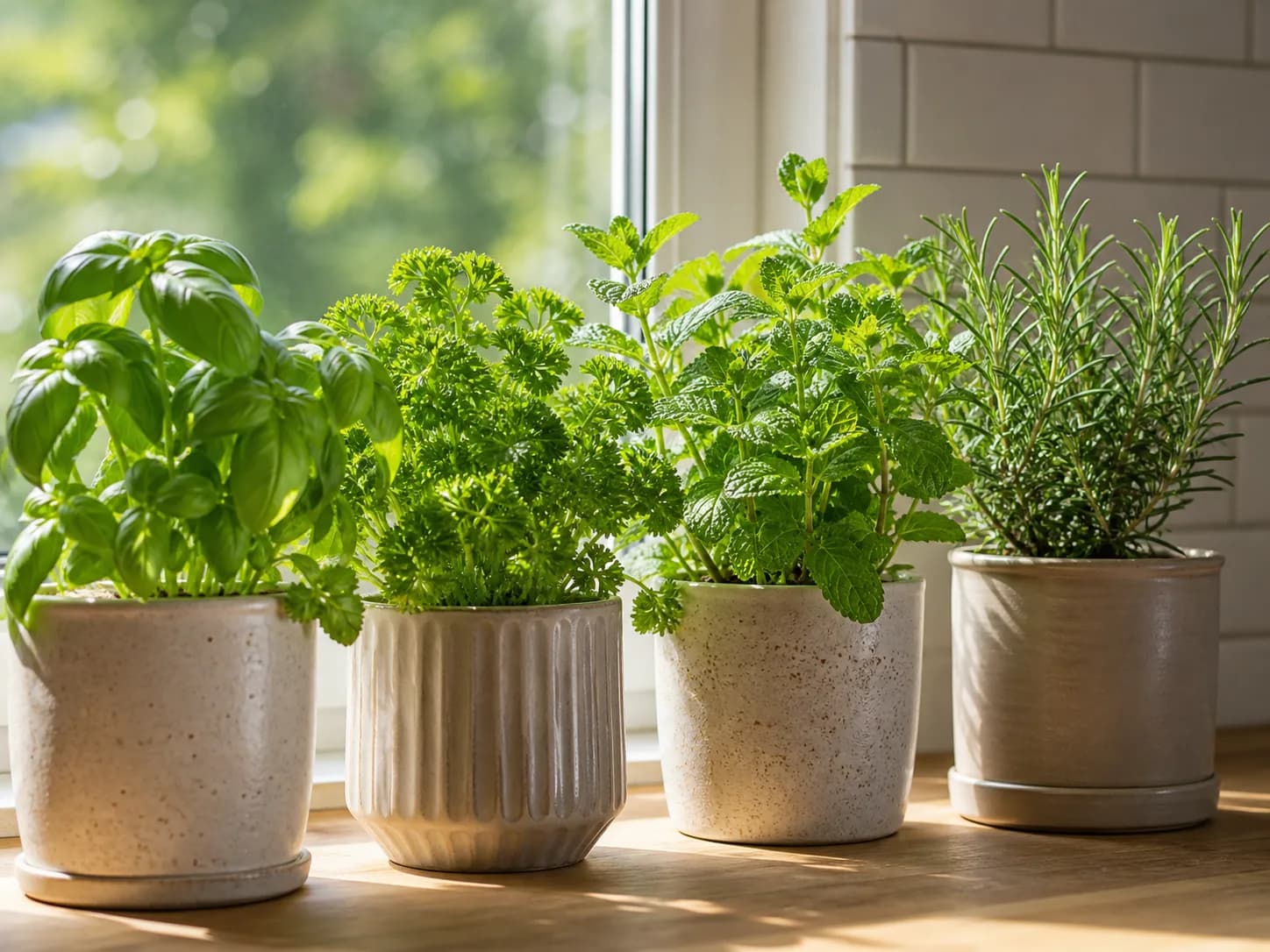
Best Herbs to Grow Indoors for Real Harvests, Not Spindly Pots
Choose indoor herbs that can actually produce in your light, temperature, and container setup, then match each one to the right harvest rhythm and watering style.
10 min read
Best Indoor Plants for Every Room and Light Level
A practical guide to choosing the best indoor plants for your home, covering beginner-friendly picks, low light champions, bright light lovers, watering basics, and how to avoid the most common mistakes.
13 min read