How to Make Homemade Liquid Fertilizer and Use It Safely on Food Plants
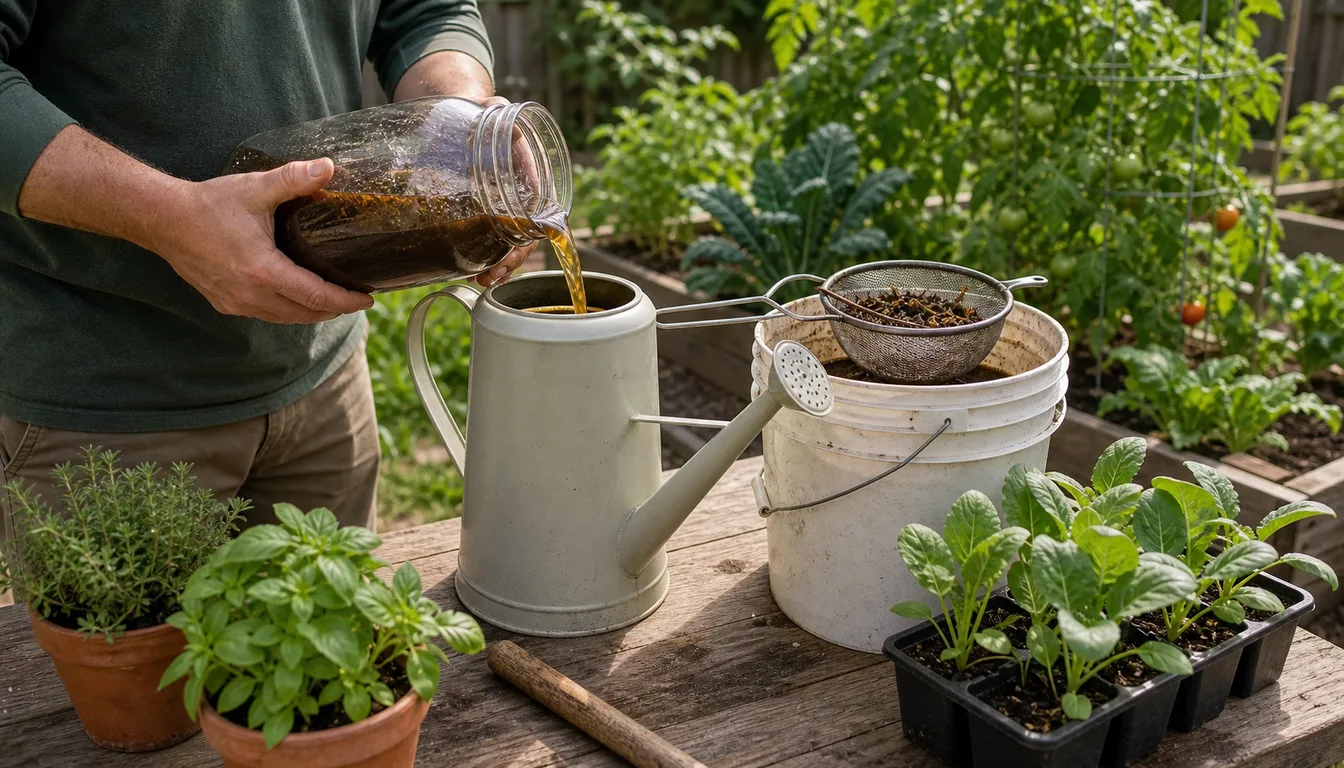
A homemade liquid fertilizer is easy to make and hard to measure. Compost tea, the most common one, is finished compost soaked in…

Garden Guides / Fertilizing
Guides that start with whether a plant needs feeding at all, then cover when each part of the yard is fed, how much goes on per bed, homemade options and soil texture.
Use the foundation first, then choose a narrower guide for your exact task.
These guides help you decide whether a plant needs fertilizer at all, which product fits it, and when an application will feed roots instead of burning them or washing away.
Product guides start from the plant and where it grows, such as raised beds, in-ground rows, and containers for vegetables, or a complete fertilizer labeled for houseplants indoors. Two guides cover homemade mixes.
Timing guides tie each feeding to growth stage, soil temperature, and weather, including whether to spread lawn fertilizer before or after rain and on wet grass.
Soil guides cover problems fertilizer cannot fix, such as compacted ground that leaves fertilizer sitting on the surface. Compost guides explain what compost does and how long a pile takes to finish.
19 matching guides
Search checks titles, introductions, and summaries inside this topic. Reading depth uses the listed minutes; sorting uses update date, title, or reading time.
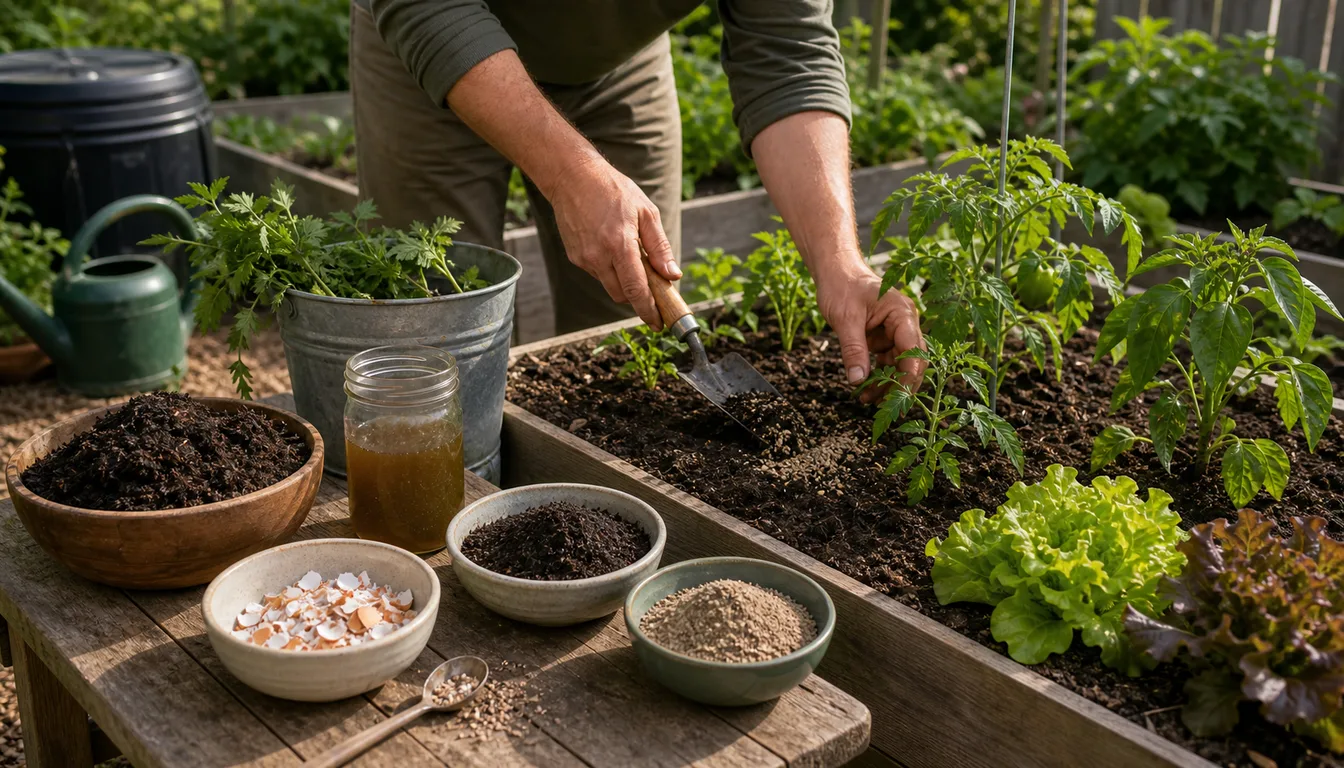
A homemade liquid fertilizer is easy to make and hard to measure. Compost tea, the most common one, is finished compost soaked in…
A homemade vegetable fertilizer works when it is built from what each material actually contains, and most kitchen remedies contain…
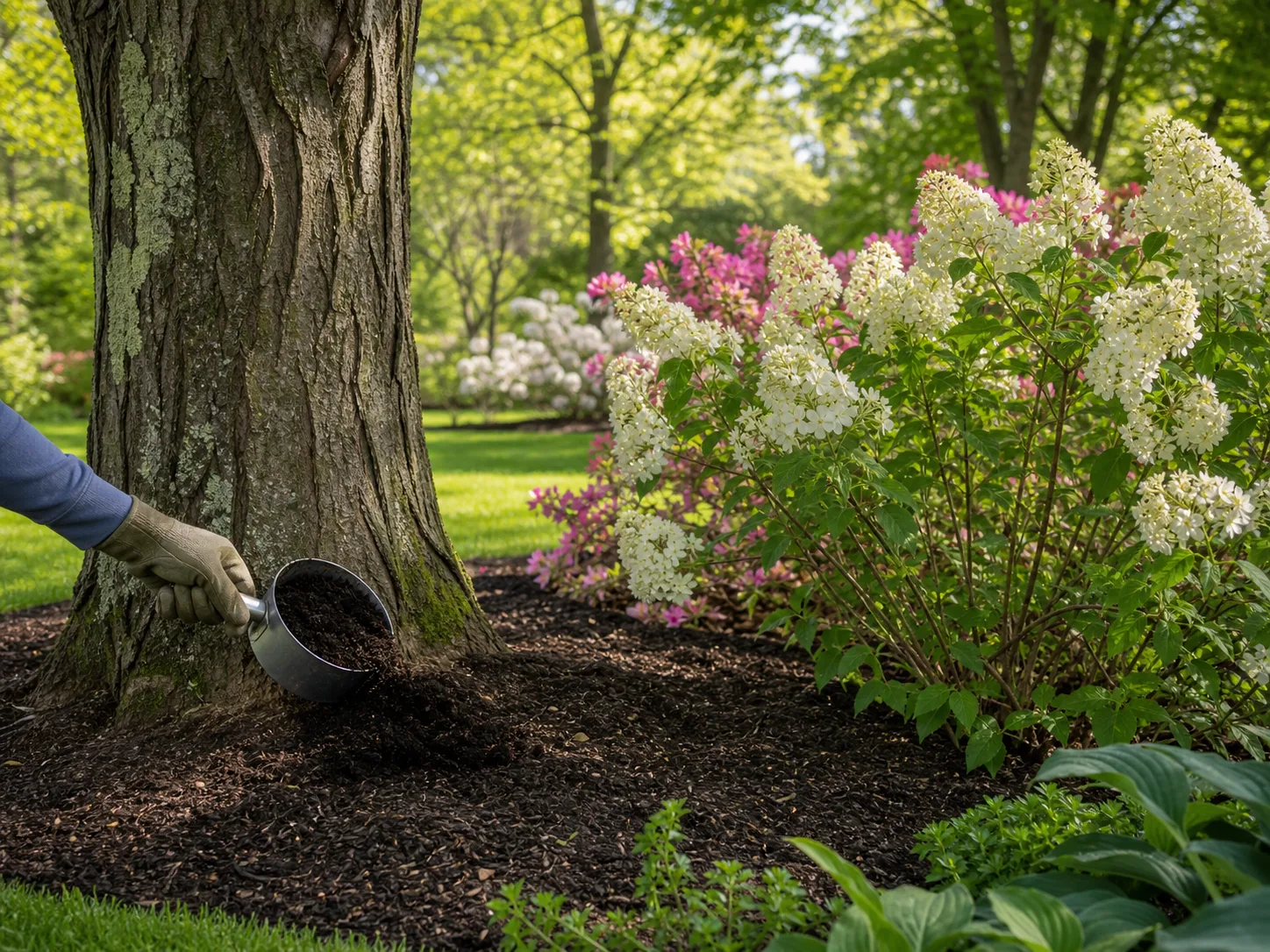
Before the question of when, there is a question of whether. Colorado State says feeding a tree growing in fertilized turf will likely…
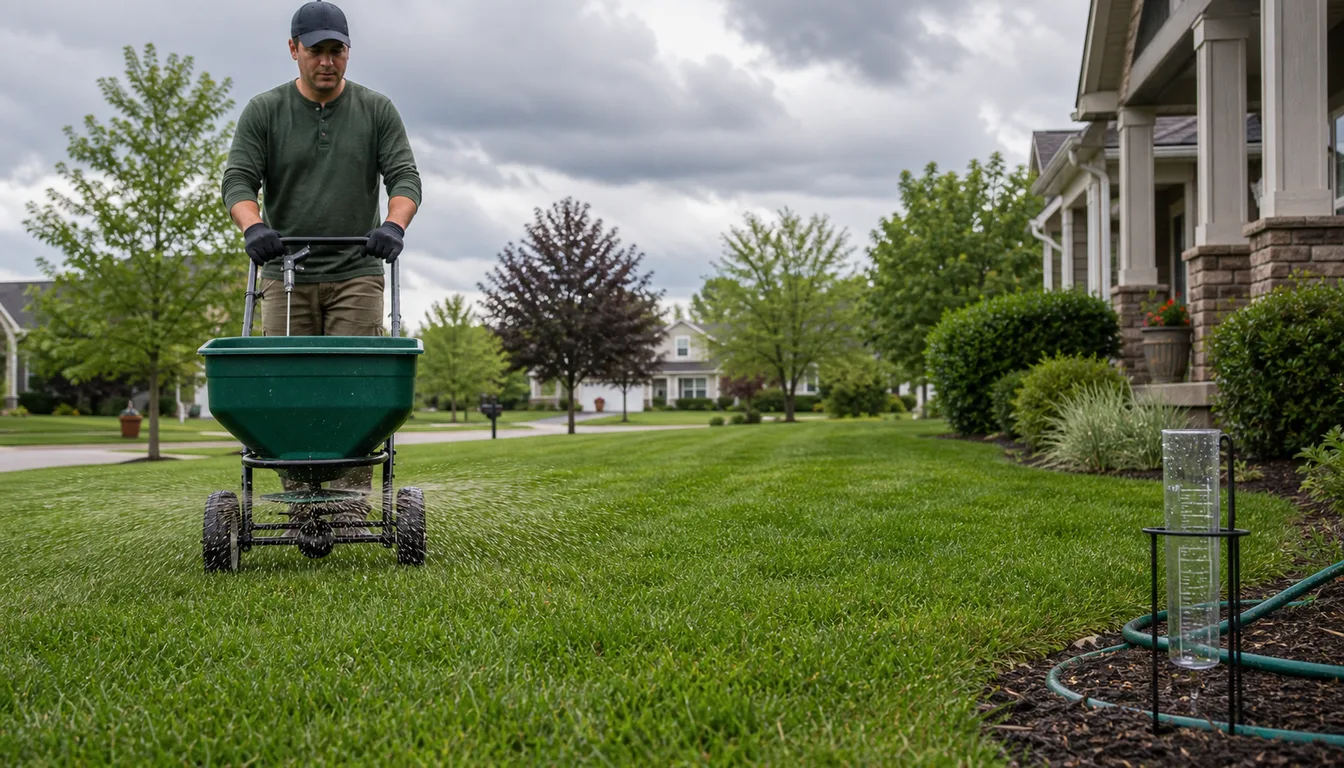
Should you fertilize a lawn before or after rain? After the storm is the safer default.
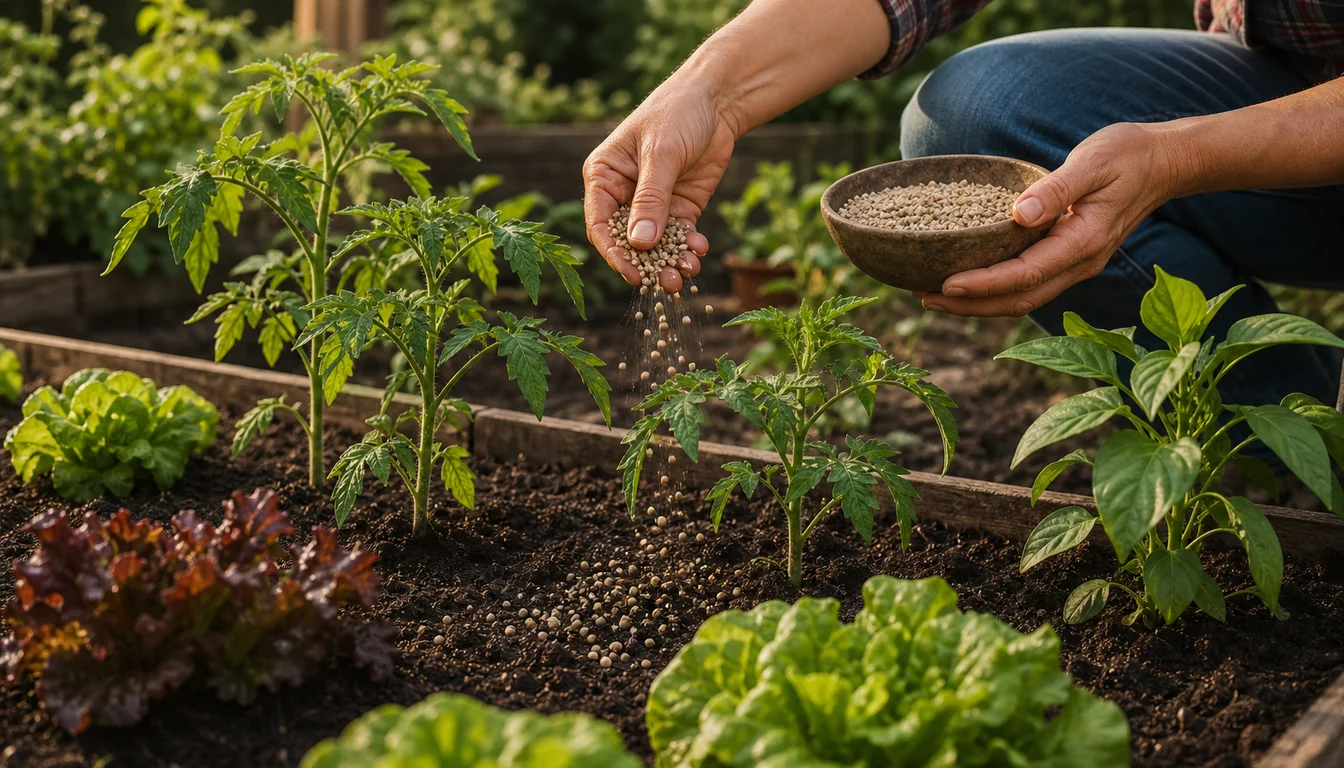
A vegetable fertilizer chart has to answer two questions. One is how much of a nutrient a crop needs, usually given as pounds of…
Compost is fertilizer you make from material you are already throwing away.
Use growth, soil history, and a soil test when the cause is uncertain.
Match the N-P-K label and application rate to the crop and bed size.
Keep granules off leaves and hard surfaces, then follow the product water-in directions.