
What Are the Benefits of Composting?
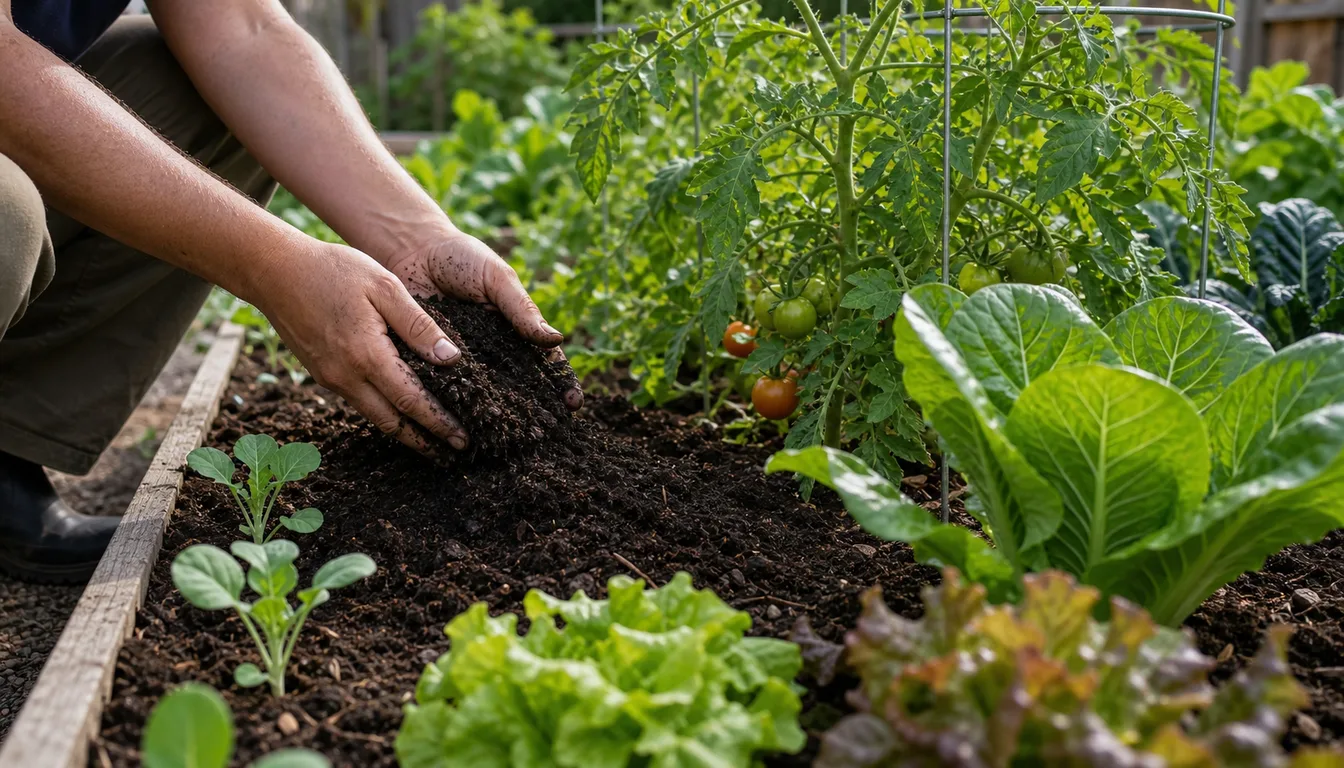
Compost is fertilizer you make from material you are already throwing away.
Kitchen scraps and yard debris break down into dark, crumbly matter that feeds soil life and the plants growing in it. No special bin is needed, and no gadget improves the result.
What it changes is the soil rather than the plant. Bagged fertilizer feeds a plant directly for a few weeks, while compost rebuilds the ground that plant has to live in for years.
It works anywhere the ground thaws, across zones 3 through 11, and the same pile serves a courtyard and an acre.
At a glance
How Composting Works In Plain English
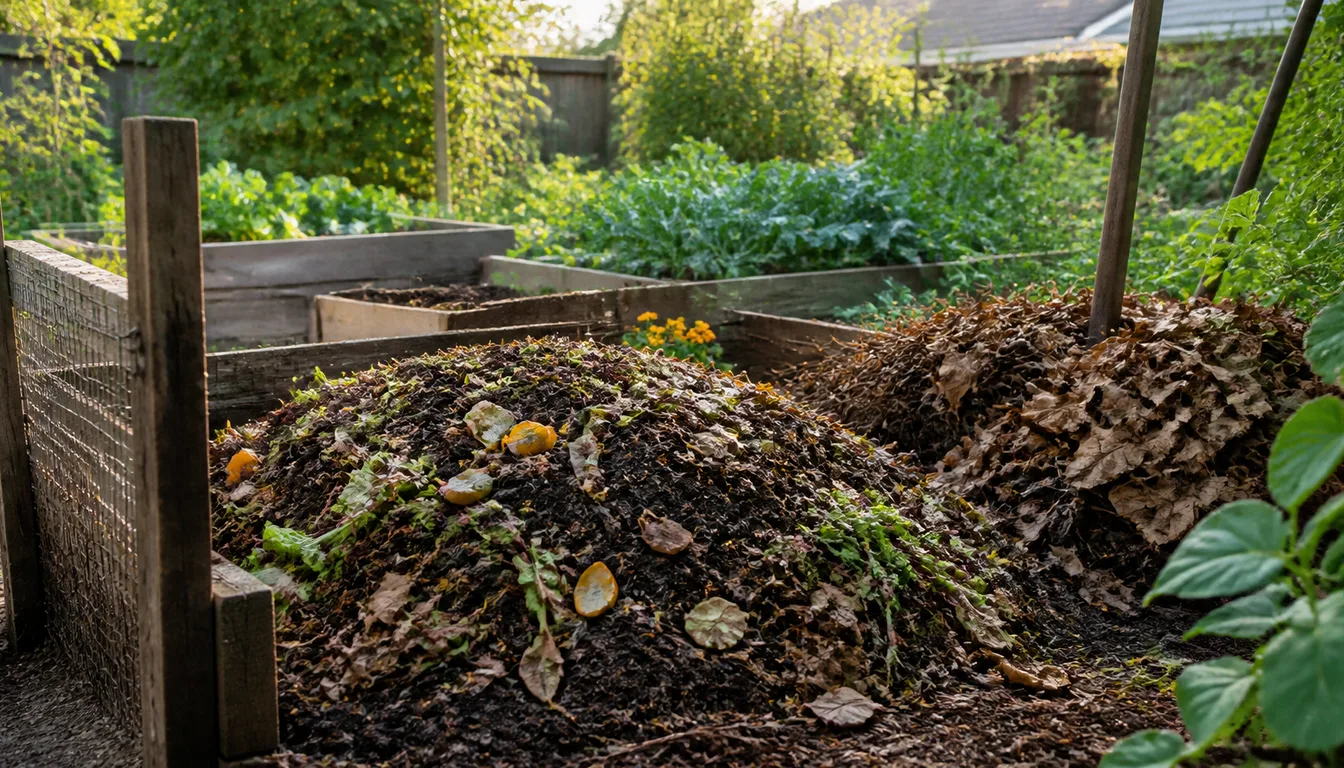
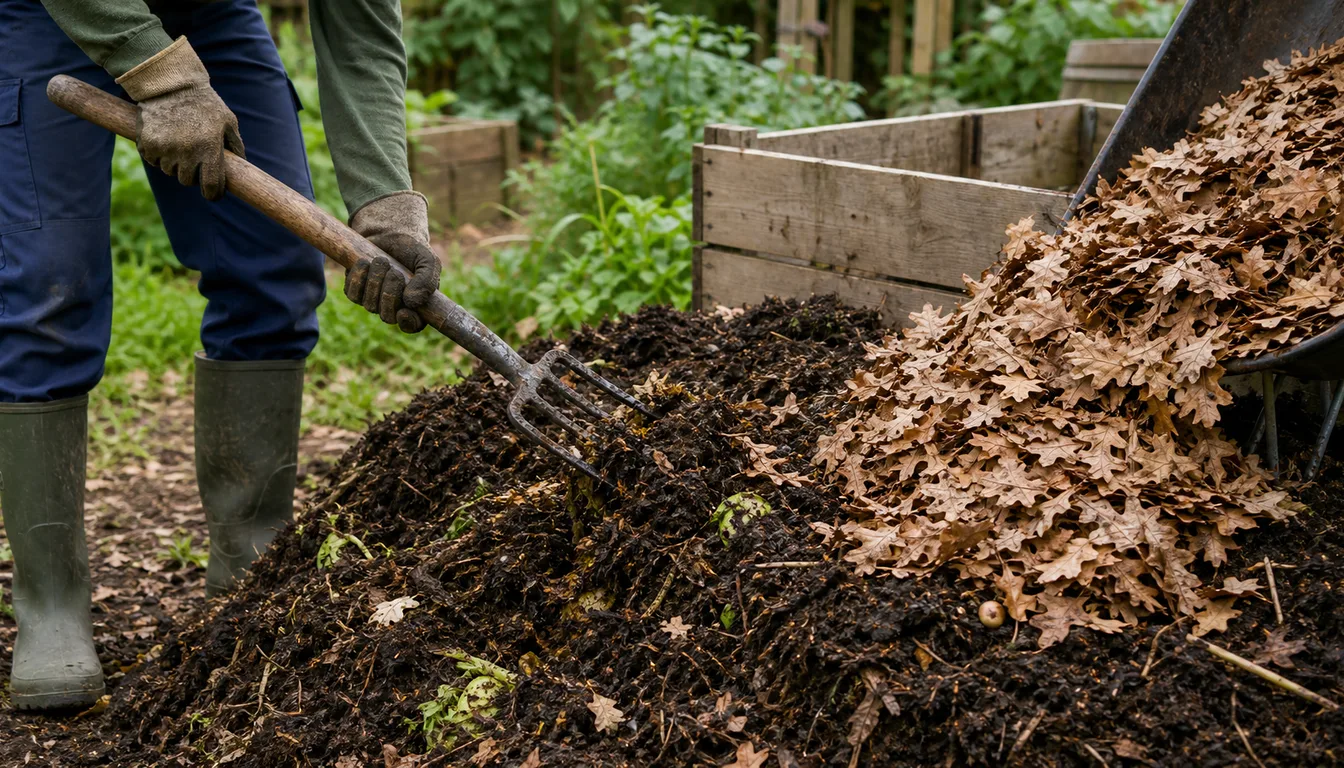
A compost pile is organic matter breaking down where you can steer it.
Microbes, worms and insects chew through leaves, food scraps and grass clippings until what is left is stable and soil-like.
Those workers need three things. Moisture, air, and a workable ratio of carbon to nitrogen.
Browns like dry leaves carry the carbon. Greens like fresh clippings and kitchen scraps carry the nitrogen, and getting the balance close is what makes a pile heat, smell earthy and shrink.
- Browns, the carbon
- Dry leaves, shredded cardboard, straw, small twigs
- Greens, the nitrogen
- Food scraps, green clippings, coffee grounds, trimmings
- Moisture
- Squeezed by hand it should feel like a wrung-out sponge
- Air
- Loose enough that the pile is not packed tight
- What you get
- Usable compost in a few months rather than a few years
This is the forest floor with the timeline shortened. The control is the point, because you decide what goes in and where the finished material lands.
Bagged fertilizer and compost are not competitors. One feeds the plant, the other feeds the ground the plant is standing in.
Soil Health Benefits You Actually Notice
The biggest change happens under your feet rather than above them.
Compost alters soil structure, which decides how water, air and roots move through the ground. Clay loosens and sand holds moisture longer, which sounds contradictory until you see that both are structure problems.
In heavy ground, digging gets easier within a season or two.
Roots from rose bushes and peony clumps push down instead of circling in a sticky pocket.
In light, sandy beds compost behaves like a sponge. Beds holding blueberry shrubs or daylily clumps carry moisture between waterings, so you water less and lose fewer plants to a hot afternoon.
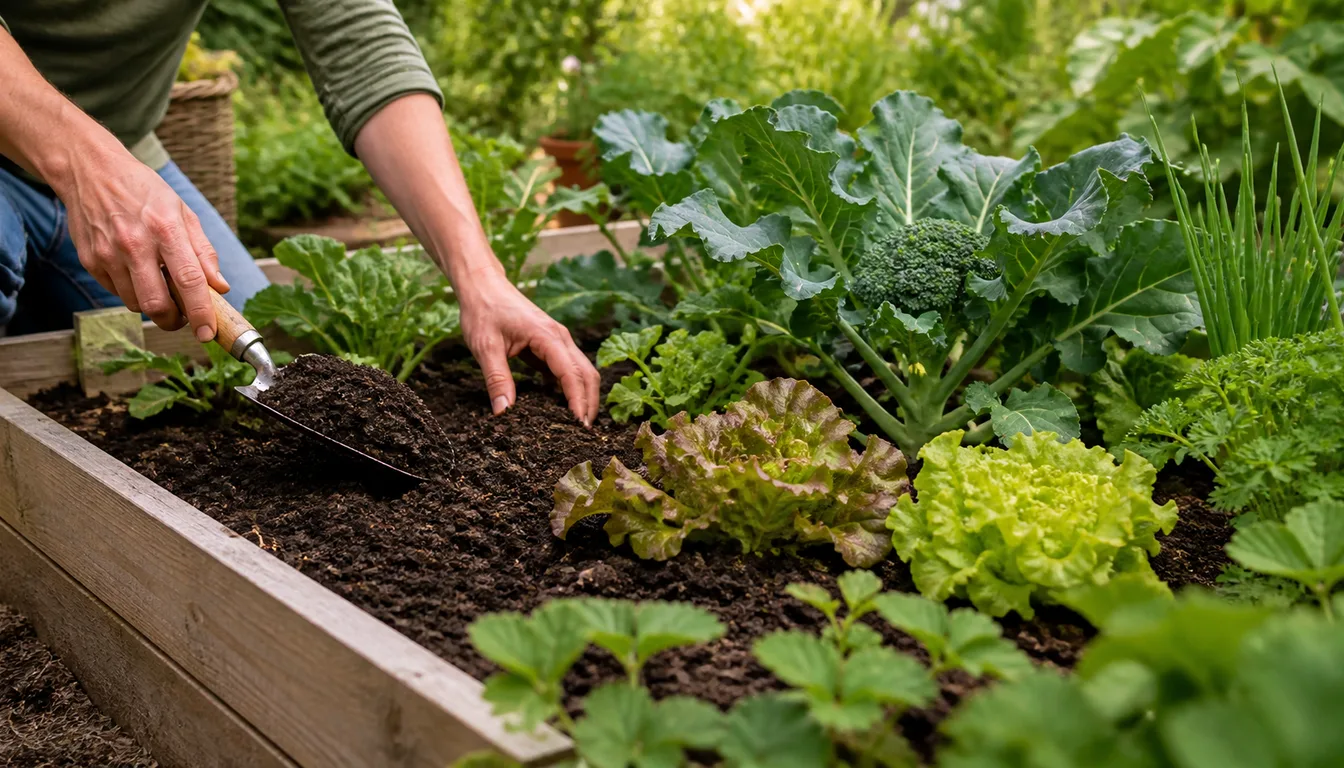
Soil life climbs with it. Earthworms, fungi and bacteria all increase, and they are what turn locked-up nutrients into forms a root can take.
That living soil forgives a missed watering in a way bare, over-tilled ground does not.
Plant Growth, Yield, And Fewer Problems
Better soil usually shows up as thicker stems, deeper leaf color and better fruit set.
It does not replace fertilizer. It makes every pound of fertilizer you do buy work harder, because the nutrients land in ground that can hold them.
Vegetable beds respond fastest. Tomato plants set more clusters, pepper plants keep producing later into summer, and root crops pull easier because loose soil does not fork a carrot.
Flowering plants hold blooms longer once the root zone improves.
Border shrubs like hydrangea often show stronger color and less flop, and coneflower clumps follow the same pattern.
Some disease pressure drops with it, though indirectly. Plants stressed by poor drainage or compacted roots invite trouble, from powdery mildew on rose canes to yellowing foliage indoors, and steadier moisture removes the stress that opened the door.
What Compost Will Not Do
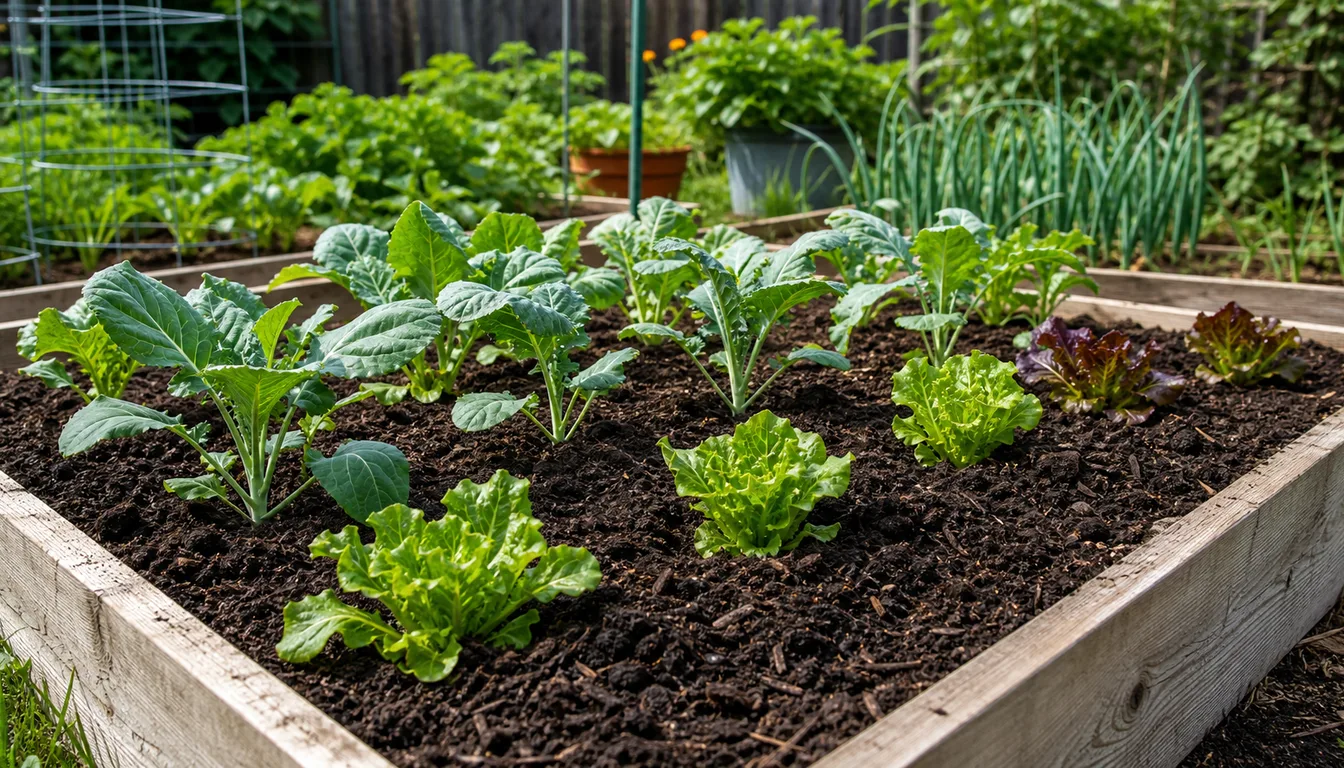
Compost is a soil amendment rather than a fertilizer, and treating it as the second thing is the commonest disappointment.
Nutrients in finished compost are bound in organic matter and released slowly as microbes work on them, so it feeds at a trickle rather than on demand.
A hungry crop in the middle of its season will not be rescued by a top dressing. It needs something available now, and compost is building the bank rather than making a payment.
The nutrient content is also low and variable.
Two batches from different feedstocks can differ several times over in nitrogen, which is why no bag of compost carries the guaranteed analysis a fertilizer label does.
It does not fix a drainage fault either. A bed that sits in water because the grade sends water into it stays wet, and adding organic matter to standing water makes an anaerobic layer rather than a solution.
Sterilizing is the last thing it does not do. A cool pile that never heated through carries whatever weed seed and disease went into it, which is the argument for keeping diseased material and seed heads out at the top rather than trusting the process to handle them.
Saving Money And Cutting Waste
A simple pile keeps a surprising amount of material out of the trash.
Scraps, coffee grounds, eggshells and yard debris all become inputs instead of weight you pay someone to haul away.
Finished compost then replaces a share of what you would otherwise buy.
You might still want a starter fertilizer for a new vegetable bed, but you can skip a great deal of bagged garden soil.
Houseplants benefit at a smaller scale. A little screened compost refreshes the mix in pots of snake plant or monstera, which stretches the interval between full repottings.
Lawns take a thin topdressing over cool-season grasses such as Kentucky bluegrass or tall fescue, which supports color without leaning on high-nitrogen feed.
The saving that matters is the slow one. Healthier soil needs fewer fixes, fewer rescues and less frequent replanting.
Compost Benefits For Different Garden Types
One pile serves very different spaces, as long as the amount and the placement change with the space.
Vegetable beds respond fastest, because crops like indeterminate tomatoes pull nutrients hard all season and a side dressing keeps them going.
Perennial borders want a calmer hand. A yearly layer around hosta clumps feeds slowly and improves the soil without disturbing roots.
Containers are the exception that catches people out.
Mix 10 to 25 percent finished compost into fresh potting mix rather than filling a pot with it.
| Where | How much | How to put it down |
|---|---|---|
| Vegetable beds | 1 to 2 inches a year | Worked into the top few inches before planting |
| Perennial borders | A thin yearly layer | Spread around the clump, not over the crown |
| Containers | 10 to 25 percent of the mix | Blended into fresh potting mix, never used alone |
| Lawns | 1/4 inch per topdressing | Screened, spread after aeration so it falls into the holes |
| Trees and shrubs | 1/2 inch | Out to the drip line, held back from the trunk, mulched over |
Trees and shrubs need the least and suffer most from getting it wrong. Scatter a thin layer out to the drip line of plants like azalea and cover it with mulch, keeping everything clear of the trunk.
When Compost Helps Most Through the Year
Timing stretches the benefit and keeps plants from pushing soft growth at the wrong moment.
In zones 5 to 7, spring is the main window. Spread compost before cool crops like spinach go in, then add another thin layer ahead of the summer crops.
Hotter regions run the opposite way.
In zones 8 to 10 the large additions belong in fall, so microbes work through winter and the beds are ready early.
Perennials take an early spring feed as growth emerges, then a lighter one after the first flush of bloom fades.
Lawns take it best while actively growing. Cool-season turf such as tall fescue wants early fall and late spring, while bermuda prefers late spring once it has fully greened up.
Even indoor plants run on a rhythm. Refresh the mix when you repot a fiddle leaf fig at the start of its growing season.
Troubleshooting Smelly Or Slow Compost
Smell and stalling are the two reasons people give up on a pile, and both come from the same short list.
Sour or rotten smell
Too many greens and not enough air. Stir in about twice as much dry browns, such as leaves or shredded cardboard, and turn the pile.
Matted grass clippings
A soggy layer that seals air out. Mix clippings with chopped leaves or straw and break the clumps apart with a fork.
Cold, inactive pile
Short on nitrogen or water. Add fresh greens such as pulled weeds without seed, then water until it feels like a wrung-out sponge.
Clouds of small flies
Exposed food scraps. Bury kitchen waste under 6 inches of browns and keep meat, grease and dairy out of a home pile.
Raccoons or rats digging
An open pile is an invitation. Switch to a sealed tumbler, or trench the scraps between rows so they break down underground.
Almost every fault traces back to the same four things. Greens, browns, air and water, in that order of likelihood.
Correct the ratio and the pile recovers on its own, usually within a couple of turns.
How to Tell When Compost Is Finished
Unfinished compost is the single most common cause of a bed that goes backwards after an amendment, and it is easy to check.
Finished material is dark, crumbly and uniform, and nothing in it is recognizable as what went in.
It smells of earth and nothing else. Sour, sharp or ammonia notes all mean the process is still running.
Temperature settles the question in an active pile. A pile still working sits warm in the middle days after turning, and a finished one stays at air temperature.
- Looks
- Dark, crumbly, uniform, nothing recognizable
- Smells
- Earthy. Sour or ammonia means it is still working
- Feels
- Cool in the middle several days after a turn
- Volume
- Roughly half or less of what went in
- Bag test
- Sealed damp in a bag for three days, it should still smell earthy
- Seedling test
- Beans sown in it germinate and grow normally
The bag test is worth the three days it costs. Seal a double handful damp in a plastic bag, open it after three days, and a sharp or sour smell means the material is still anaerobic inside.
The seedling test catches the other failure, which is a herbicide the composting did not break down. Sow a few beans or peas in a pot of the compost and compare them to the same seed in ordinary potting mix.
Distorted, cupped or fern-like new growth points at aminopyralid or clopyralid carryover, which arrives through manure or hay and survives the pile.
If either test fails, the material is not wasted. Spread it on a path, use it as a mulch around established woody plants, or return it to the pile and give it another few months.
Using Compost Safely Around Edibles And Indoors
Finished compost is safe in a food garden when the ingredients were clean and the breakdown was complete.
Those are the two conditions, and the second one is the one people rush.
Manure from backyard chickens or rabbits needs the pile to age at least four months before it goes near root crops like beets. A cool pile needs longer than that.
- Age any manure at least four months, longer if the pile never heats
- Keep pet waste and cat litter out entirely, because parasites survive a home pile
- Use compost as a surface mulch around raw-eaten greens rather than working it in
- Brush soil off leaves at harvest instead of rinsing it into the heart of the plant
- Blend only a small share into indoor potting mix, or you invite fungus gnats
- Judge it finished when it is dark, crumbly and holds no recognizable scraps
Pet waste is the one absolute. Bag it and bin it rather than sending it through a bin that sits near a strawberry patch.
For leafy greens eaten raw, such as loose leaf lettuce, keep the compost on the surface as mulch.
Indoors deserves a lighter hand still. If gnats do appear, cut the watering back and work through a fungus gnat plan rather than blaming the compost.
Taking Compost Benefits To The Next Level
Once a pile is running, the gains come from matching the amount to the plant.
Compost tea is the usual first upgrade. Soak a shovelful of fully finished material in a bucket of water for a day, strain it, and drench heavy feeders such as repeat-blooming roses.
New perennial borders want depth rather than surface. Work a couple of inches into the planting hole while leaving native soil beneath, so roots are not sitting in a soft pocket they refuse to leave.
Compost and mulch do different jobs and pair well.
Spread a thin layer of compost, then top it with wood chips around fruit trees or blueberry bushes. The compost feeds now and the mulch holds moisture while it breaks down later.
Before buying another specialty product, read its label against what compost already supplies. For most mixed borders, compost and a sensible feeding schedule is the whole program.
Pro Tips
- Keep a small covered pail by the sink so kitchen scraps make it to the compost pile.
- Chop or tear large materials into smaller pieces so they break down noticeably faster.
- Layer greens with browns instead of dumping in big clumps to avoid slimy, smelly pockets.
- Aim for compost moisture that feels like a wrung‑out sponge, not dripping wet or bone dry.
- Turn or poke holes in the pile every couple of weeks to keep air moving for faster breakdown.
- Skip diseased plant material and seedy weeds so you do not spread problems around the yard.
- Use a half‑inch layer of finished compost under mulch around shrubs and trees each spring.
- Screen finished compost before using it in seed starting mixes to remove sticks and clumps.
- Compost feeds slowly, so a crop that is hungry now needs a fertilizer rather than a top dressing.
- Sow a few beans in a sample before spreading unfamiliar compost, and watch for curled new growth.
- Seal a damp handful in a bag for three days. A sour smell means it is still working.
Frequently Asked Questions
How long does it take to see benefits from composting?
You usually see looser soil and better moisture in one season after adding 1 to 2 inches of compost. Big changes in structure and fertility show up after two to three years of regular applications.
Can I use compost instead of fertilizer?
Compost often replaces part of your fertilizer, especially in vegetable beds. For heavy feeders like sweet corn blocks or large tomato vines, you still get better yields by combining compost with a balanced fertilizer at key growth stages.
Is compost safe for all plants?
Most garden plants benefit, but a few prefer leaner, faster-draining ground than compost creates. Use a smaller amount around Mediterranean lavender and woody rosemary, and put the bulk of it on vegetables, lawns and moisture-loving shrubs.
How much compost should I add each year?
Beds take 1 to 2 inches on top each year and lawns only about a quarter of an inch per topdressing. Containers want compost as roughly a fifth of the mix rather than as the whole of it.
Does composting attract pests or rodents?
A poorly managed pile with exposed food scraps will attract pests, so bury kitchen waste under browns and keep meat and dairy out. Balanced and covered, a pile smells earthy and draws mostly worms and insects you want.
How do I know if compost is finished?
It should be dark and crumbly with nothing recognizable in it, smell only of earth, and sit at air temperature several days after a turn. Sealing a damp handful in a bag for three days catches the rest, since a sour smell on opening means it is still anaerobic inside.
Can compost replace fertilizer entirely?
Not for a crop that needs feeding now, because nutrients in compost release slowly as microbes break the organic matter down. It builds the soil that holds nutrients rather than delivering them on demand, and its analysis varies too much between batches to dose from.
Sources & References
Related Guides
Best Fertilizer for Indoor Plants: How to Choose
The best fertilizer for most indoor plants is a complete fertilizer labeled for houseplants, with…
15 min read
Best Fertilizer for Vegetables by Garden Type
Fertilizer only helps vegetables if it matches what your soil and crops need.
11 min read
Can You Fertilize Wet Grass Safely?
A wet lawn right when you planned to fertilize creates second thoughts fast.
11 min read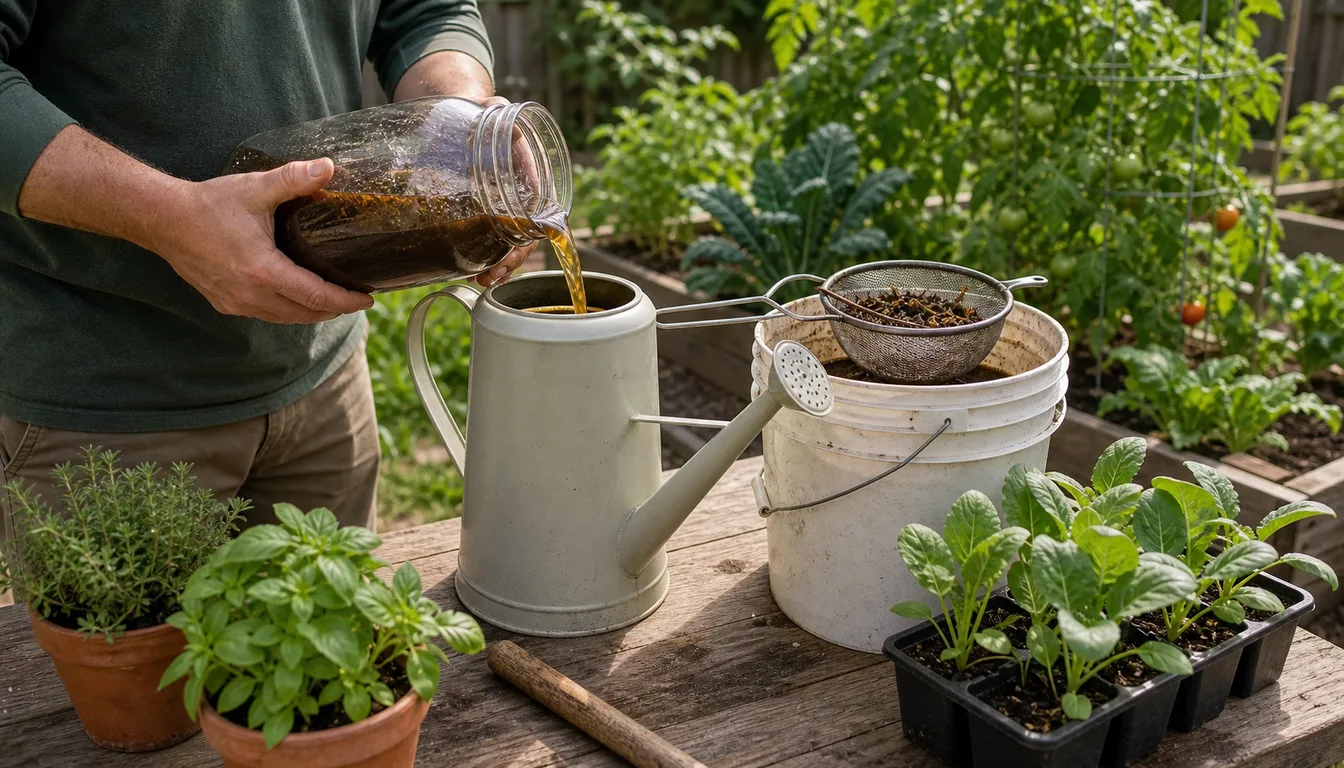
Homemade Liquid Fertilizer for Healthier Plants
Store-bought fertilizer works, but most of us already own everything needed to brew homemade liquid…
11 min read
How Long Does Compost Take to Be Ready?
Compost does not follow a calendar, it follows conditions.
11 min read
How to Fertilize Tomatoes Without Overfeeding
Fertilize tomatoes according to a soil test and product label, not a fixed weekly calendar.
15 min read