
Grow Fruit for Preserving by How It Behaves in the Pan
See which fruits carry enough pectin to jam, how acidity controls safe canning, and why slightly underripe fruit often sets better.
At a glance
Fruit that is a pleasure to eat fresh is not automatically fruit that behaves in a pan. The difference comes down to pectin and acid, and a garden planted entirely on flavor ends up with several crops that refuse to set.
This page sorts the crops by how they work in a preserve rather than by how they taste. What actually makes a set, why acidity decides what can safely go into a sealed jar, and why the fruit for the pan should be picked a little earlier than the fruit for the bowl.
Pectin Is What Makes a Preserve Set
A set is not the pan thickening as water boils off. It is pectin forming a mesh fine enough to hold the liquid in place, and that mesh needs three things present together.
Pectin is the structural material and it lives in the cell walls, concentrated in skins, cores and pips, which is why old recipes throw in apple cores or a strip of citrus peel rather than reaching for a packet.
Acid makes the pectin strands link to each other, so a low-acid fruit often fails to set even with plenty of pectin in the pan. That is why lemon juice appears in recipes that are not remotely lemon flavored, and why a lemon tree earns its place in a preserving garden well beyond its own fruit.
Sugar does structural work as well as sweetening, pulling water away from the pectin so the mesh can form, which is why heavily reduced-sugar recipes need a pectin formulated for the job rather than simply less sugar.
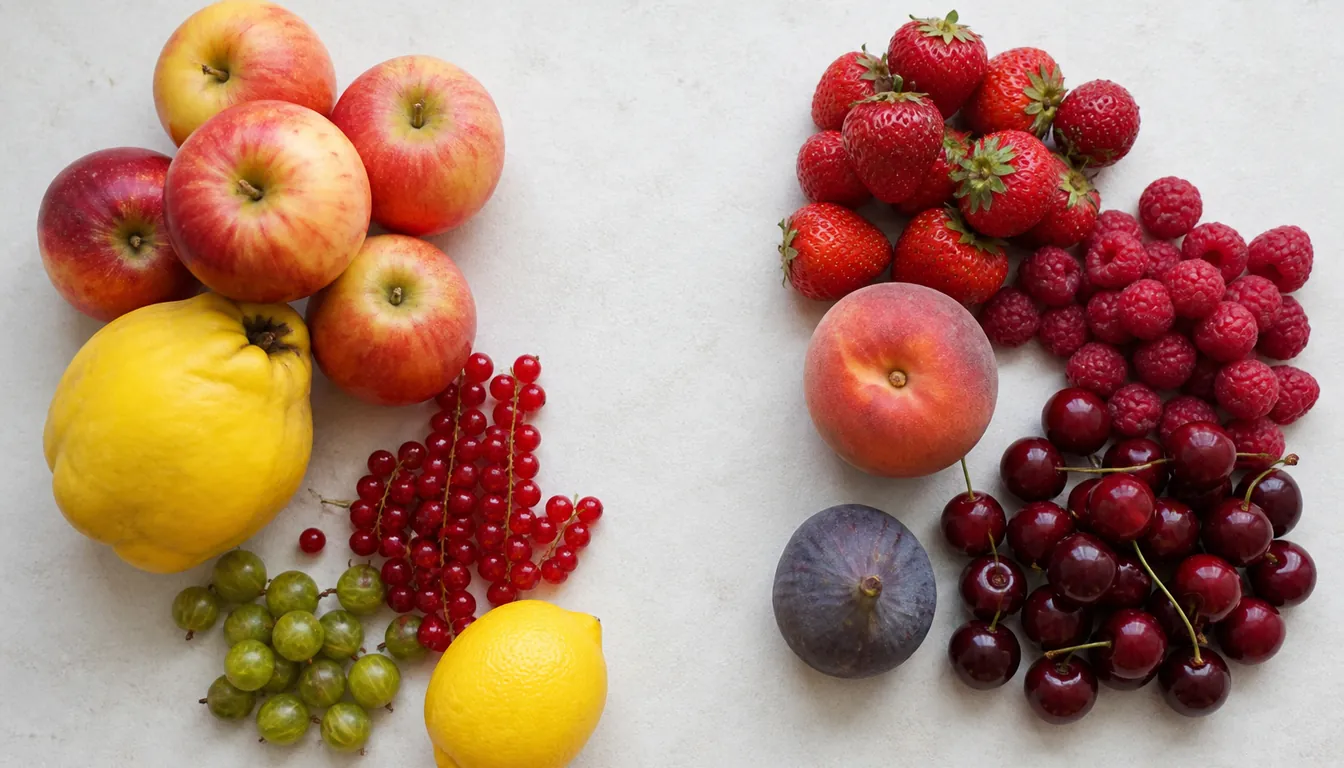
Fruits divide sharply on this. Apple, quince, crab apple, currant, gooseberry, cranberry and citrus peel carry plenty of pectin, while strawberry, raspberry, peach, cherry, blueberry, fig and pear carry very little.
A low-pectin fruit has two honest routes to a set, which are pairing it with a high-pectin fruit or adding commercial pectin. Boiling it for longer is the third thing people try and it costs the flavor that made the fruit worth growing.
Pectin
The structural mesh. Without enough of it the preserve stays syrup however long it boils.
Acid
Links the pectin strands together. Without it a pectin-rich fruit can still fail to set.
Sugar
Draws water off the pectin so the mesh can form. Cutting it heavily needs a different pectin, not just less.
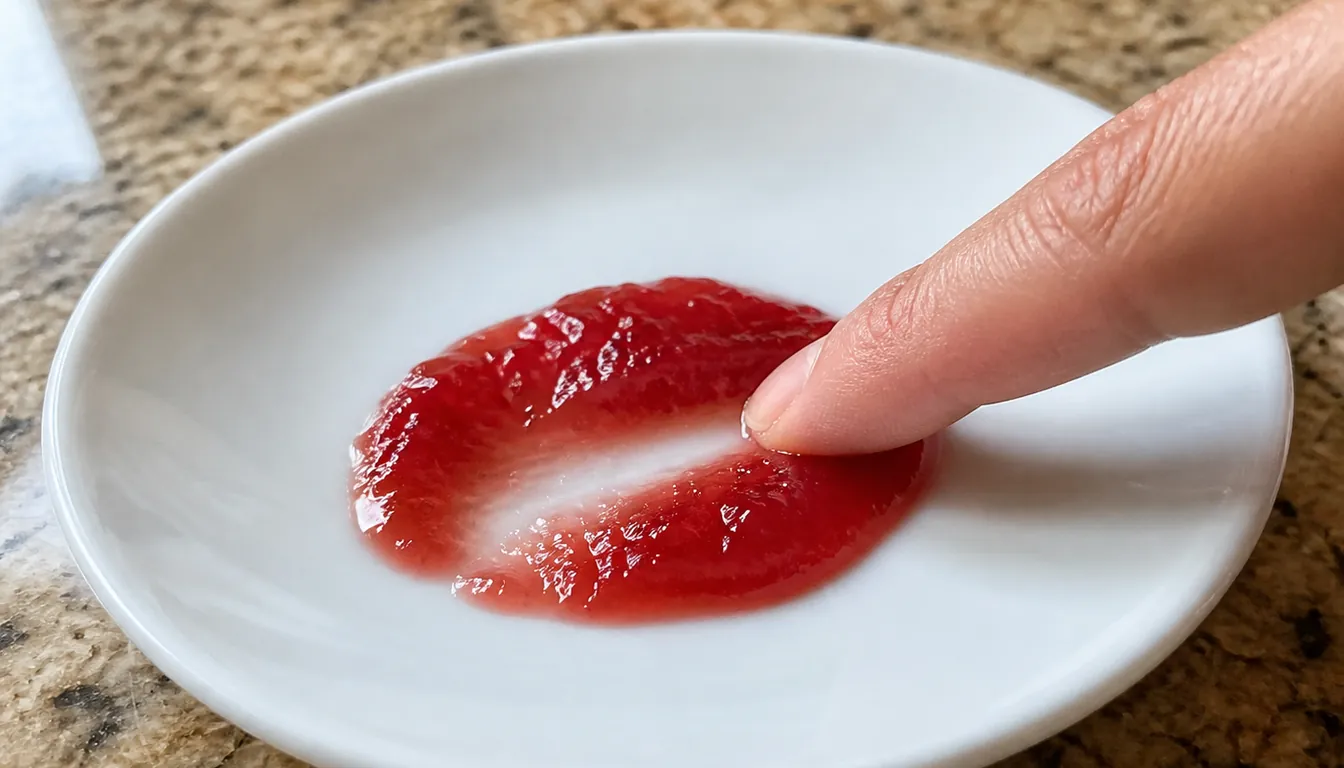
None of that tells you the batch in front of you has set, which is what the cold plate does. Chill a saucer, drop a spoonful on it and push a finger through after a minute, because jam that wrinkles and holds a clean channel is done and jam that runs back together is not.
Acidity Is a Safety Question Before It Is a Flavor One
Once a jar goes on a shelf rather than into the fridge, acidity stops being about flavor and starts being about whether the contents are safe to eat months later.
The dividing line for home canning sits at pH 4.6, because the organism behind botulism cannot grow below it, so foods on the acid side can be processed in a boiling water bath while anything above it needs a pressure canner.
Most fruit sits comfortably on the safe side, which is why fruit preserving is where almost everyone starts. A few do not, and figs, some Asian pears and very ripe fruit of several kinds sit close enough that tested recipes add lemon juice or citric acid to bring them down.
Procedures and processing times are not a garden page's job, so choose the crop here and take the method from an extension service or another tested source where the numbers have actually been validated.
The Fruits Worth Growing for the Pan
Fruit that is a joy to eat fresh is not automatically fruit that behaves in a pan, and sorting by taste is how people end up with four crops that all refuse to set.
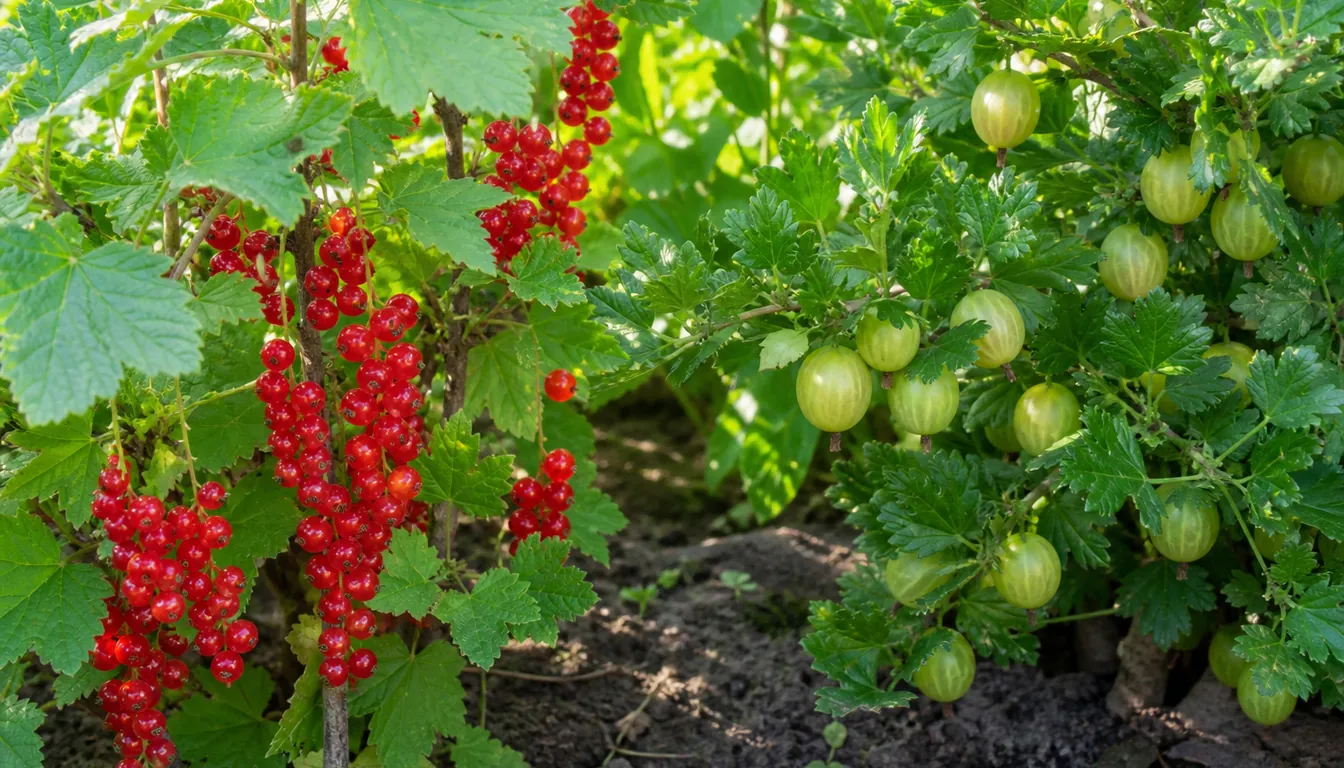
The backbone crops set on their own, and currant, gooseberry, crab apple and quince all carry enough pectin and acid to jam without help.
The flavor crops are the ones people actually want and they need a partner. Strawberry and raspberry deliver the taste and rely on something else for structure, which is exactly what a comparison of the two comes down to in a preserving garden.
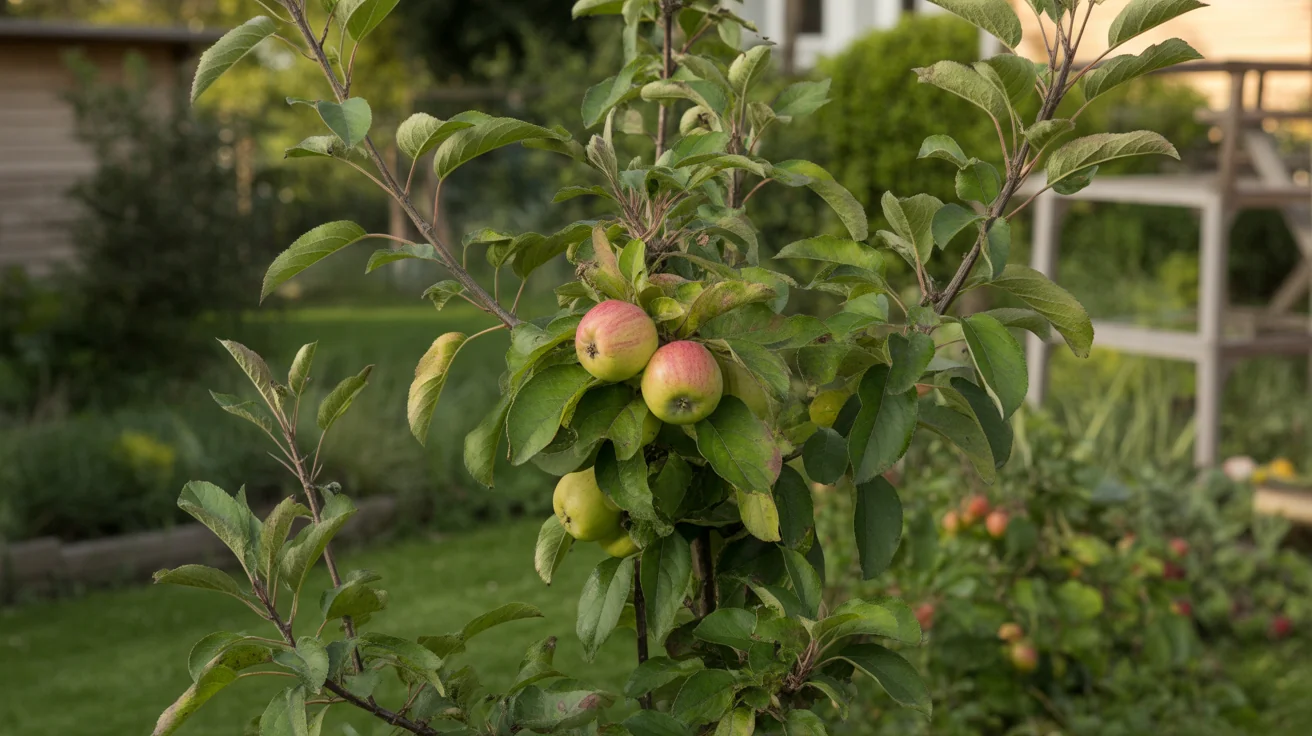
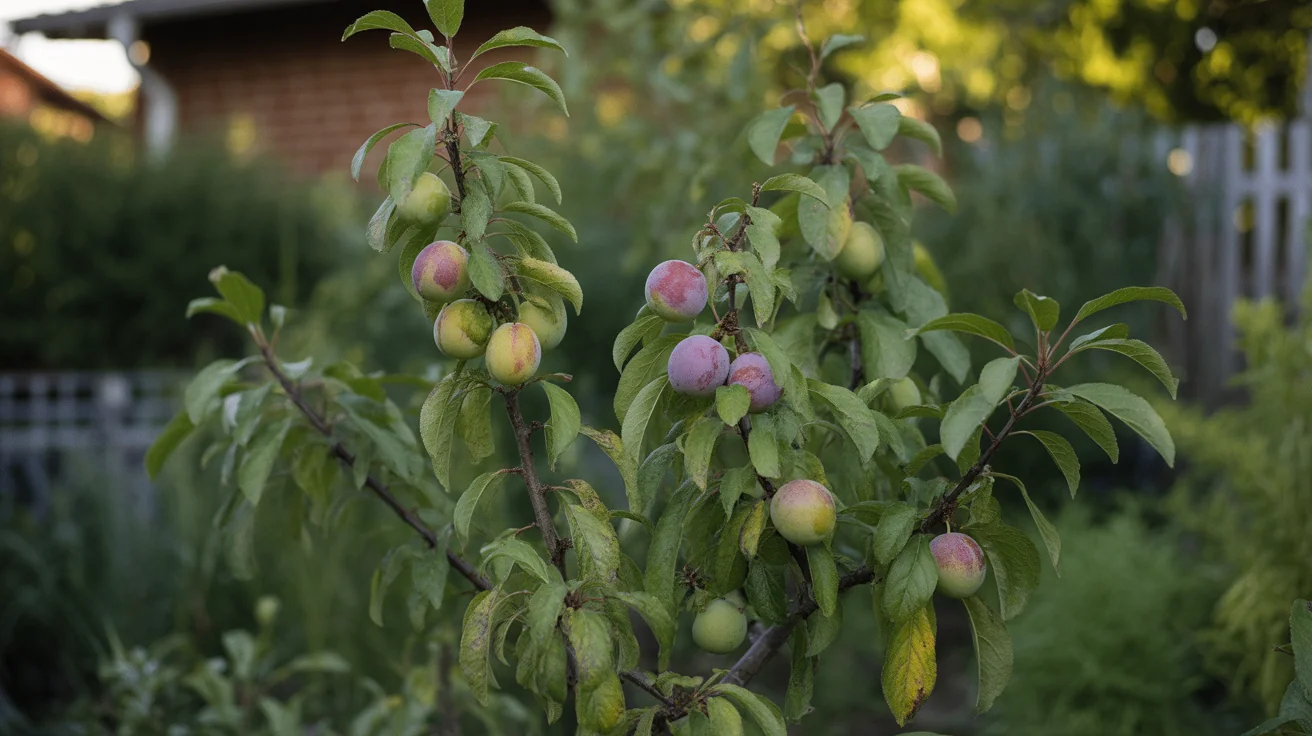
Tree fruit sits in between and pulls its weight on volume. Apple and plum carry enough pectin to set and enough bulk to fill jars quickly, and both reward pruning aimed at crop rather than shape.
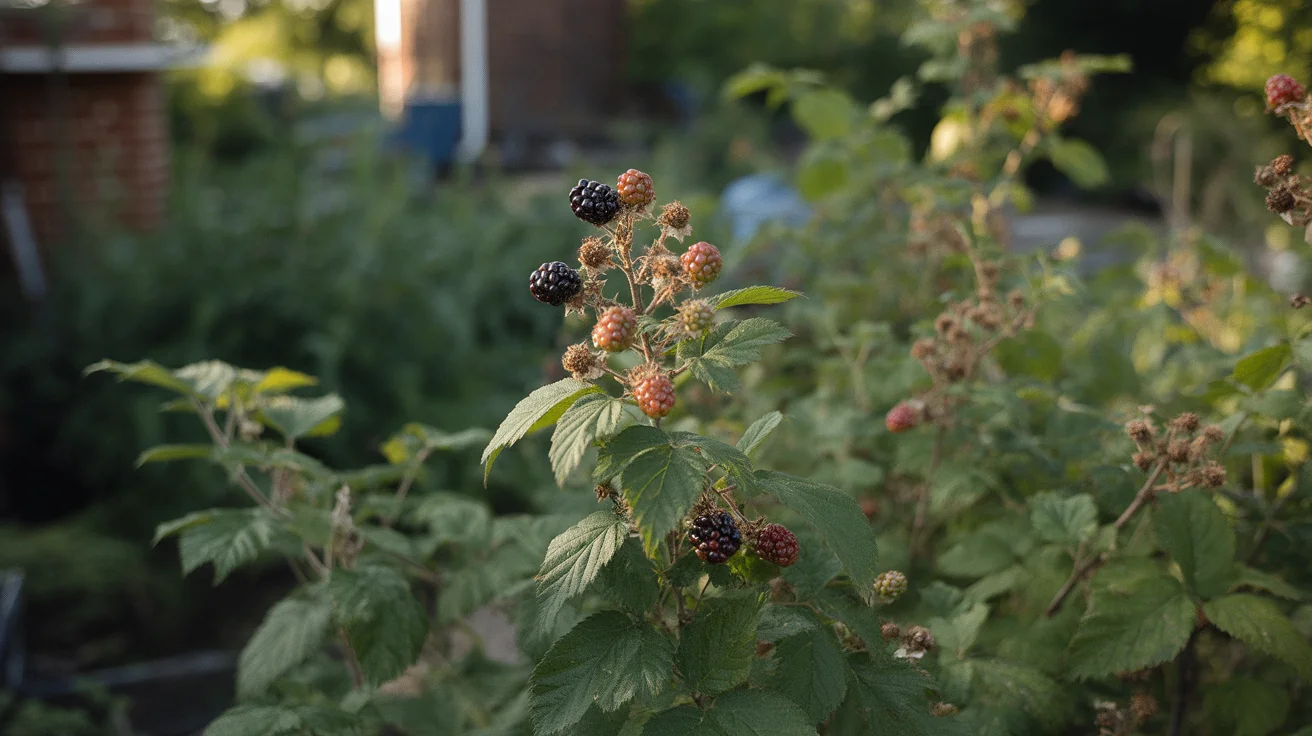
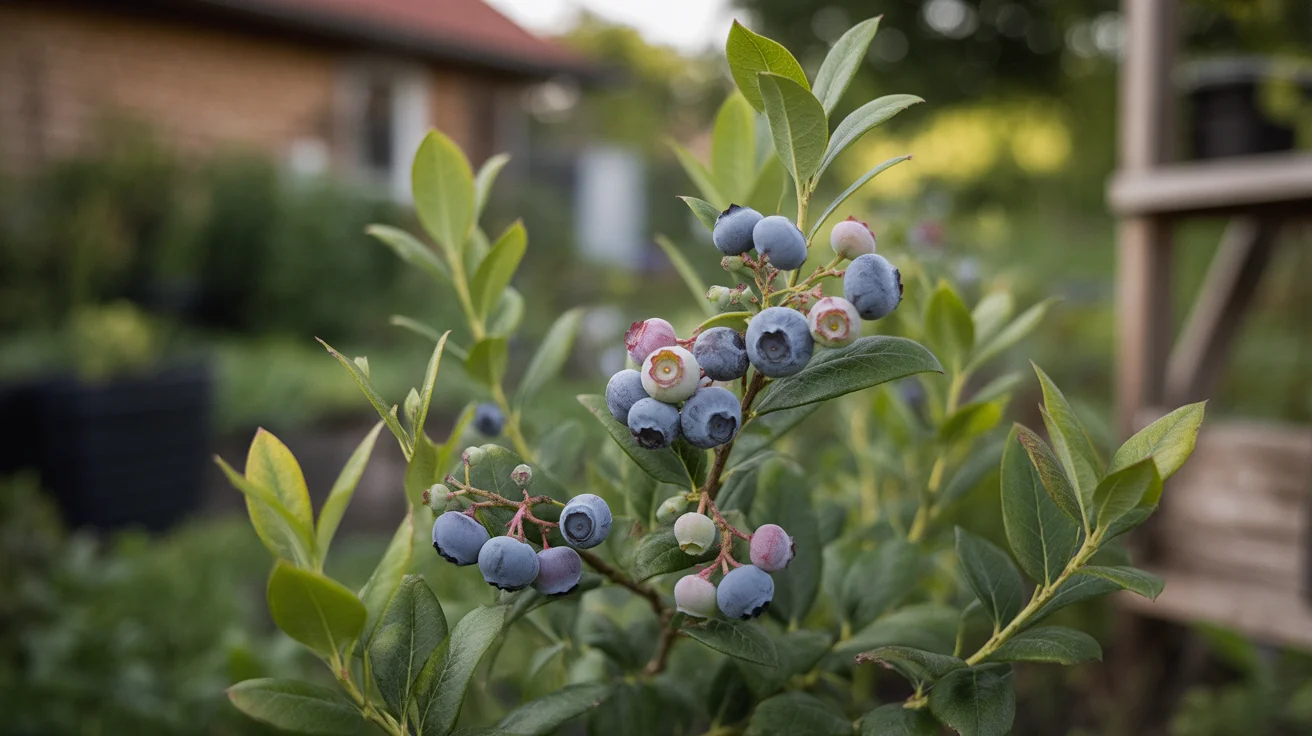
Some fruit is better not jammed at all, since peach, cherry and fig do better canned in syrup while blueberry and blackberry freeze so well that jamming them is often the worse use of the crop.
If the shelves are the point, plant one high-pectin crop alongside two flavor crops, which covers most of a preserving year. The fresh-eating page is the better guide for the opposite priority, and the wider fruit directory covers growing each crop in detail.
| Fruit | Pectin | Acidity | Best made into |
|---|---|---|---|
| Currant | High | High | Jelly, jam, sets alone |
| Gooseberry | High | High | Jam, sets alone |
| Crab apple | High | High | Jelly, or a partner for others |
| Quince | High | Moderate | Paste, jelly |
| Apple | High | Moderate | Butter, sauce, jelly base |
| Plum | Moderate | High | Jam, whole in syrup |
| Grape | Moderate | High | Jelly, juice |
| Strawberry | Low | Moderate | Jam, with added pectin |
| Raspberry | Low | Moderate | Jam, with added pectin |
| Blackberry | Low | Moderate | Freeze, or jam with a partner |
| Blueberry | Low | Low | Freeze |
| Peach | Low | Moderate | Canned in syrup |
| Fig | Low | Low | Tested recipe with added acid |
Pick It Slightly Underripe
Pick fruit for the pan a little earlier than you would pick it for the bowl. It runs against every instinct about waiting for fruit to be at its best, and it is the reason a lot of jam fails.
Pectin and acid are both at their highest just before full ripeness and fall away as the fruit softens. Ripening is partly the plant breaking its own pectin down, which is exactly why an overripe fruit goes soft and exactly why it will not set.
Aim for roughly three quarters just-ripe fruit with a quarter slightly underripe mixed through. Genuinely green fruit is a different thing and brings no flavor with it, so this is a small shift in timing rather than a different harvest.
One Bush Does Not Fill a Shelf
A modest batch of jam takes a surprising weight of fruit, and one bush cropping a handful at a time over three weeks never produces enough on any single day to be worth heating the pan for.
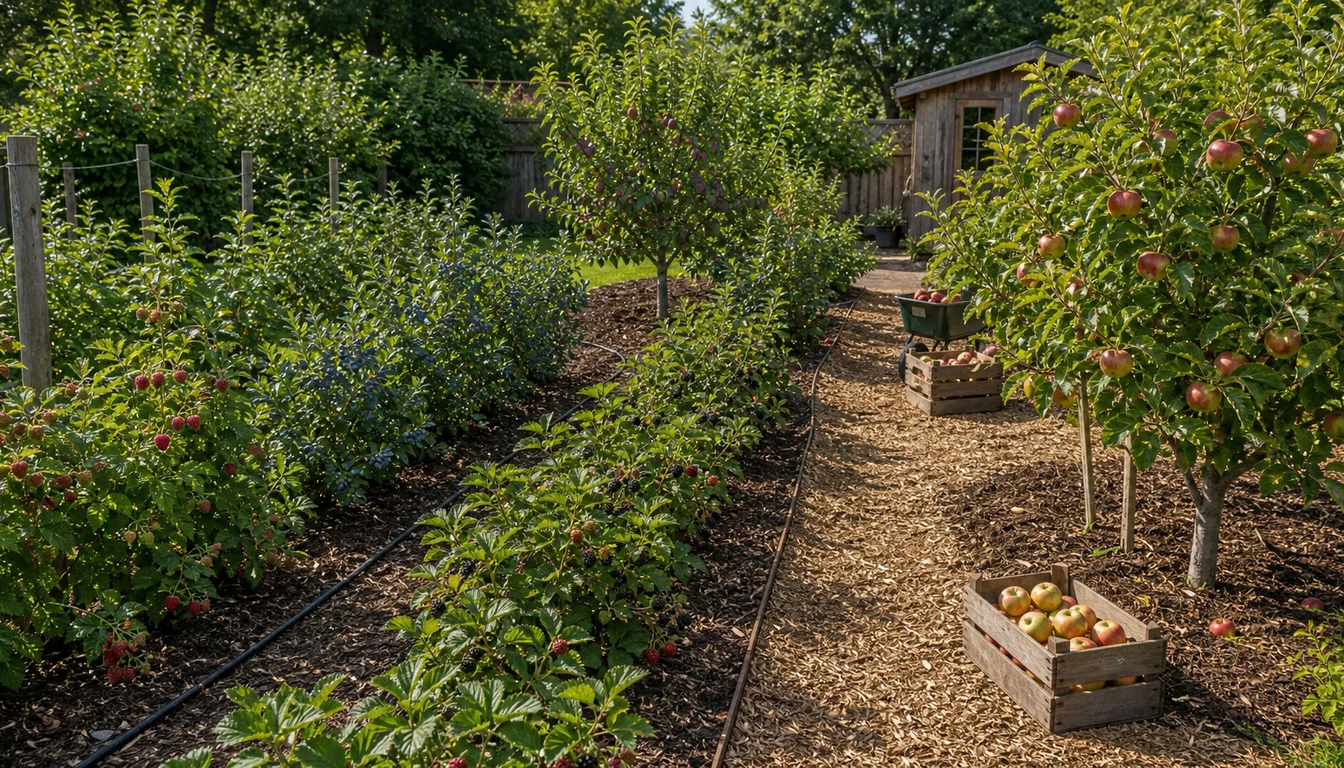
Plant several of the same crop so they ripen together, because preserving is a day's work rather than a running task, and the arithmetic that matters is how much fruit arrives at once rather than how much the plant yields in a season.
Quick Tips
- Check whether a fruit is high or low in pectin before planting it for jam, since that decides whether it sets on its own.
- Grow one high-pectin crop such as currant or gooseberry to partner the flavor fruits you actually want.
- Add acid rather than boiling longer when a batch will not set, because extra boiling costs the flavor.
- Follow a tested canning recipe rather than adapting one, since changing fruit, sugar or acid changes the safety margin.
- Pick a quarter of the batch slightly underripe, because pectin and acid peak just before full ripeness.
- Plant several of one crop rather than one of everything, so enough fruit arrives on the same day to be worth a batch.
Recommended Plants
8 fruits worth considering.
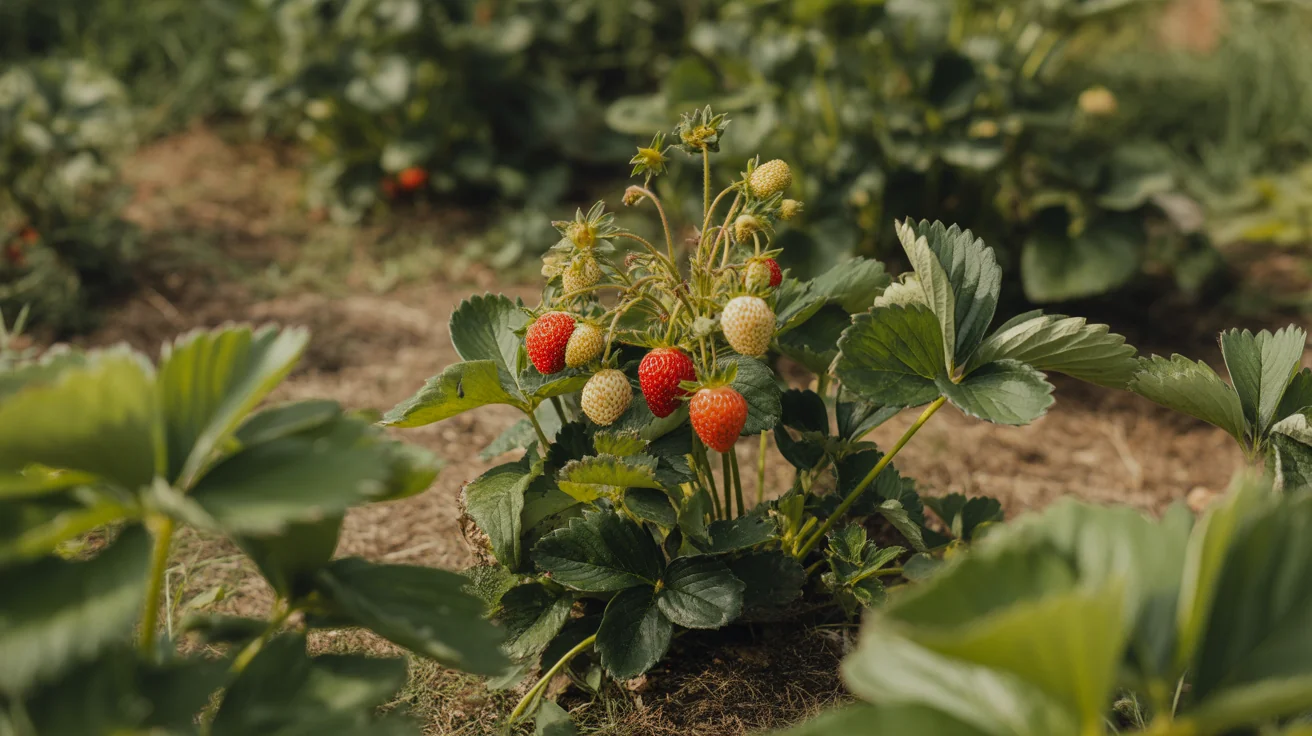
Strawberry
Strawberries are low perennial fruit plants that reward good bed prep, correct crown depth, steady moisture, mulch, and…
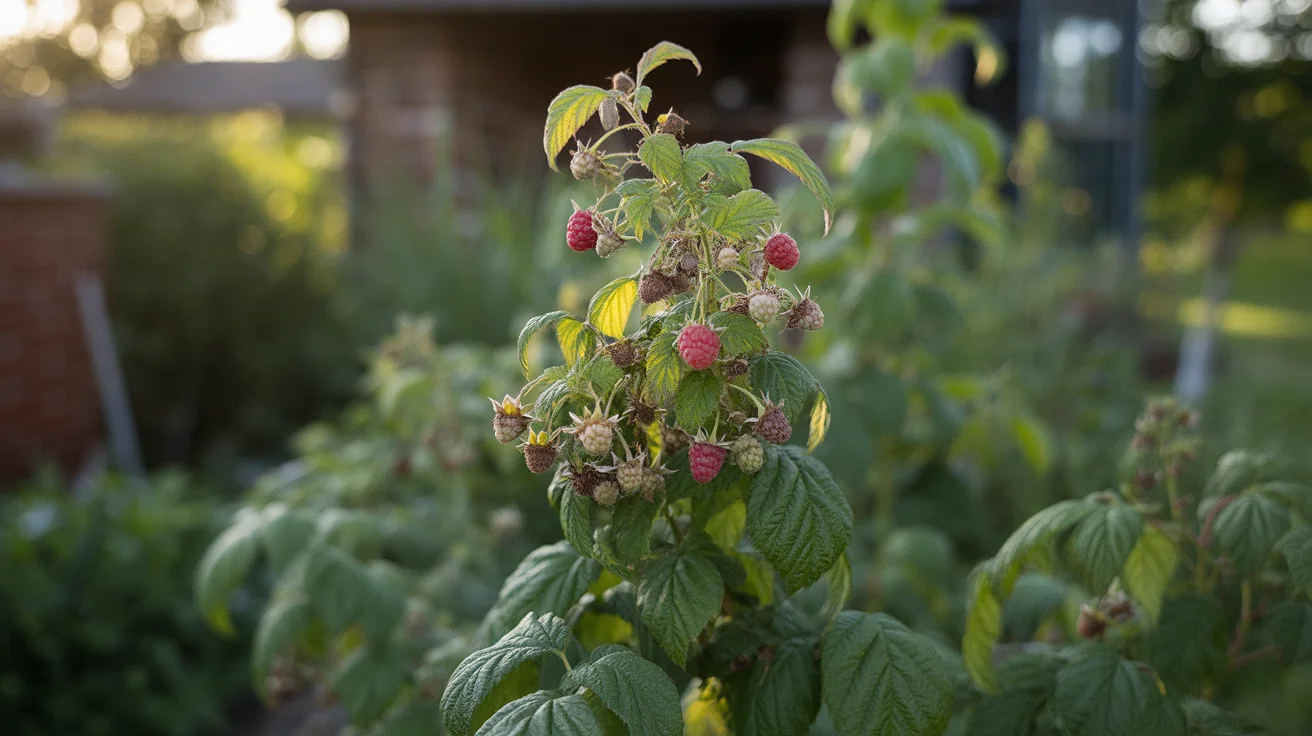
Raspberry
Raspberries are perennial brambles grown for fruit on temporary canes.
Blackberry
Blackberries are perennial brambles grown for summer fruit on managed canes.
Blueberry
Blueberries are long-lived fruiting shrubs that reward careful soil prep more than constant fussing.
Apple Tree
Apple trees can be excellent backyard fruit trees when the variety, rootstock, pollination partner, sun, and pruning…
Plum Tree
Plum trees are rewarding backyard stone fruits when the type, pollination partner, sun, pruning, and disease plan match…
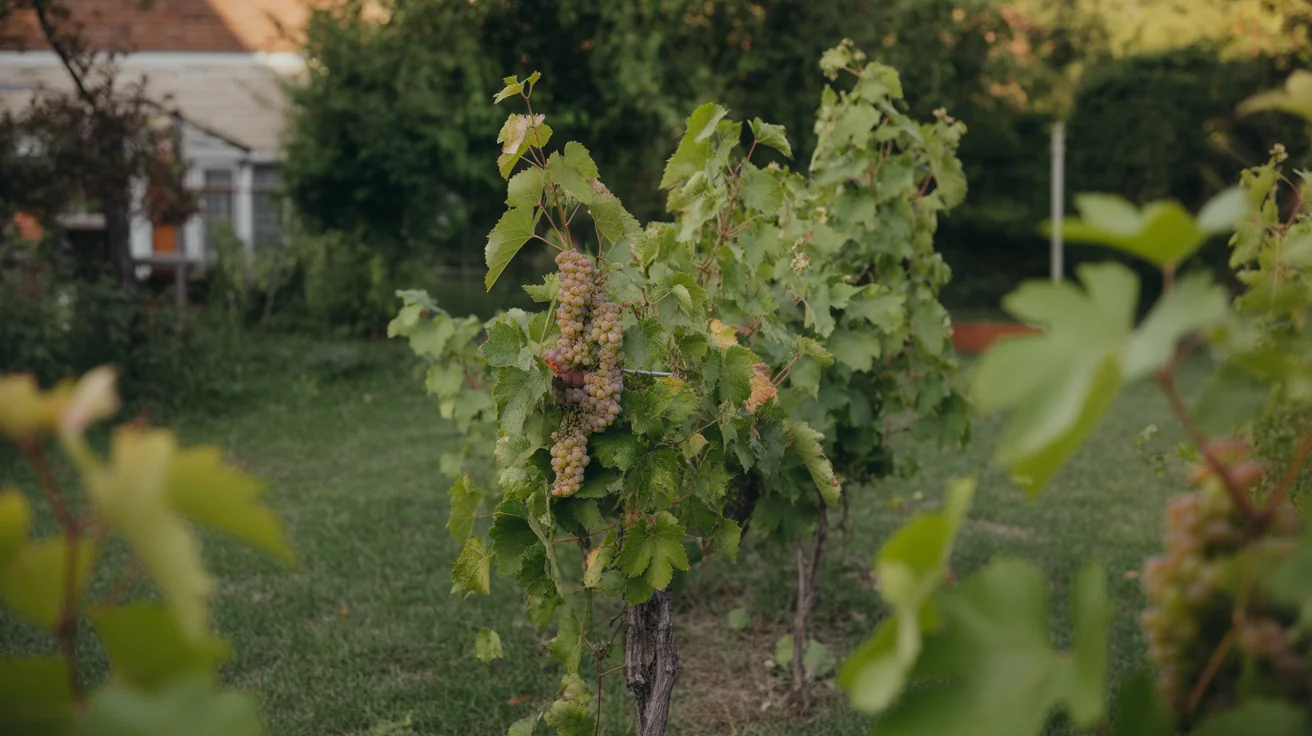
Grape Vine
A sunny fence, arbor, or wire trellis can become a productive fruiting vine, but the crop needs training more than…
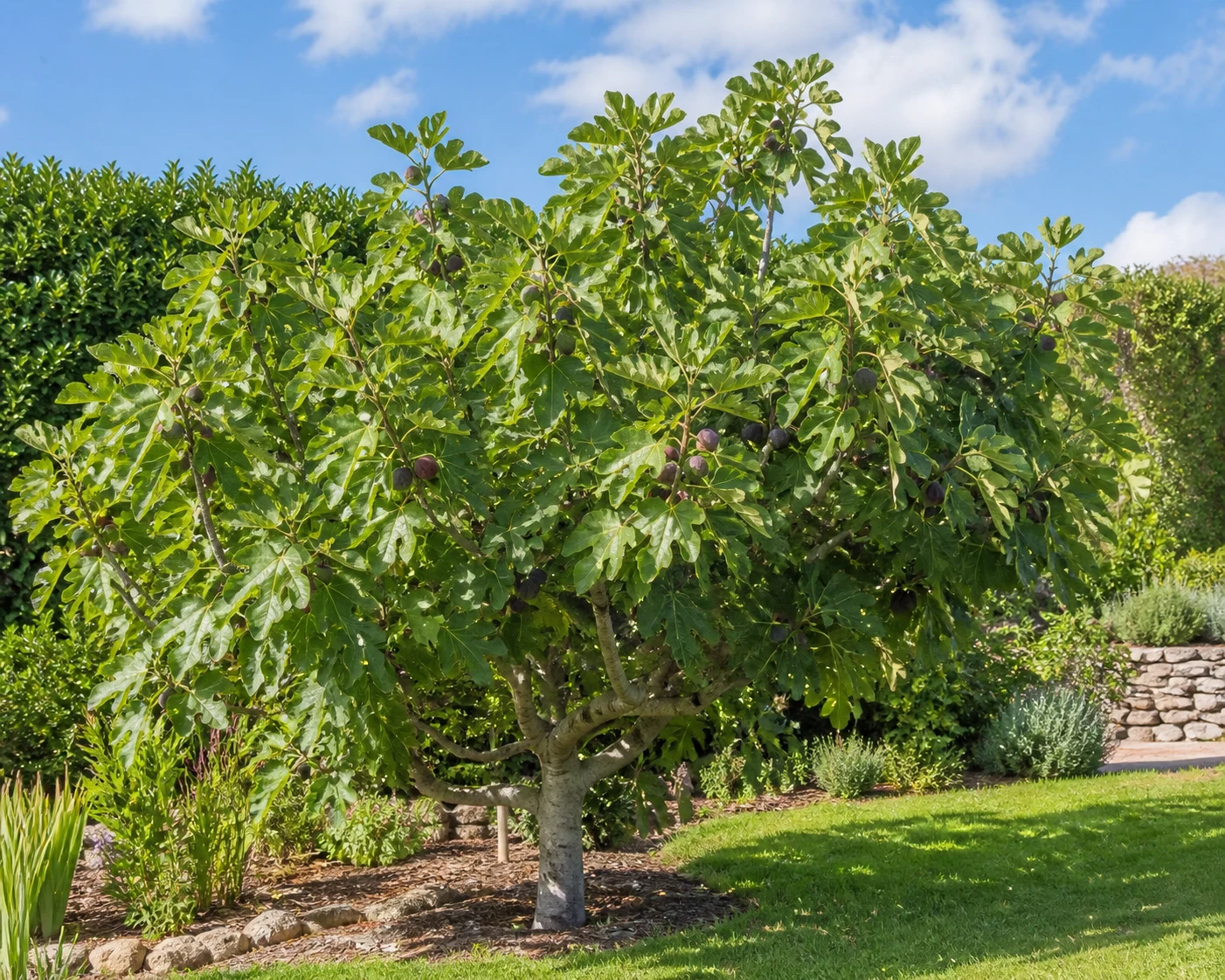
Fig Tree
Fig trees are small deciduous fruit trees or large shrubs grown for soft late-summer fruit, bold leaves, and…
Frequently Asked Questions
Which fruits are best for making jam?
Currant, gooseberry, crab apple and quince set on their own because they are high in both pectin and acid, which makes them the backbone of a preserving garden. Strawberry and raspberry carry the flavor most people want but are low in pectin, so they need a high-pectin partner or added pectin to set.
Why did my jam not set?
A set needs pectin, acid and sugar together, so it fails when any one of them is short rather than because it was not boiled long enough. Low-pectin fruit such as strawberry, peach or blueberry is the usual cause, and pairing it with a high-pectin fruit or adding commercial pectin fixes it where longer boiling only damages the flavor.
Which fruits are safe to can at home?
Most fruit is acidic enough for water-bath canning, which is why fruit is where almost everyone starts. Figs, some Asian pears and very ripe fruit of several kinds sit close to the pH 4.6 line where safety depends on added acid, so use a tested recipe from a food preservation authority rather than adapting one.
Should I pick fruit ripe or underripe for preserving?
Slightly earlier than you would for eating, because pectin and acid both peak just before full ripeness and fall as the fruit softens. A mix of roughly three quarters just-ripe fruit with a quarter slightly underripe sets far more reliably than fully ripe fruit alone.
How many plants do I need to fill a shelf?
More of each crop than most people plant, because a batch takes a serious weight of fruit and one bush cropping a handful at a time never delivers enough on a single day. Plant several of the same crop so they ripen together rather than one of everything.
Is it worth jamming blueberries and blackberries?
Often not, because both are low in pectin and both freeze extremely well with their texture and flavor intact. Freezing keeps the option of using them later for anything, while jamming them commits the crop and needs added pectin to work.