
How to Grow a Fig Tree for Fruit in Your Climate or a Pot
Ficus carica Moraceae
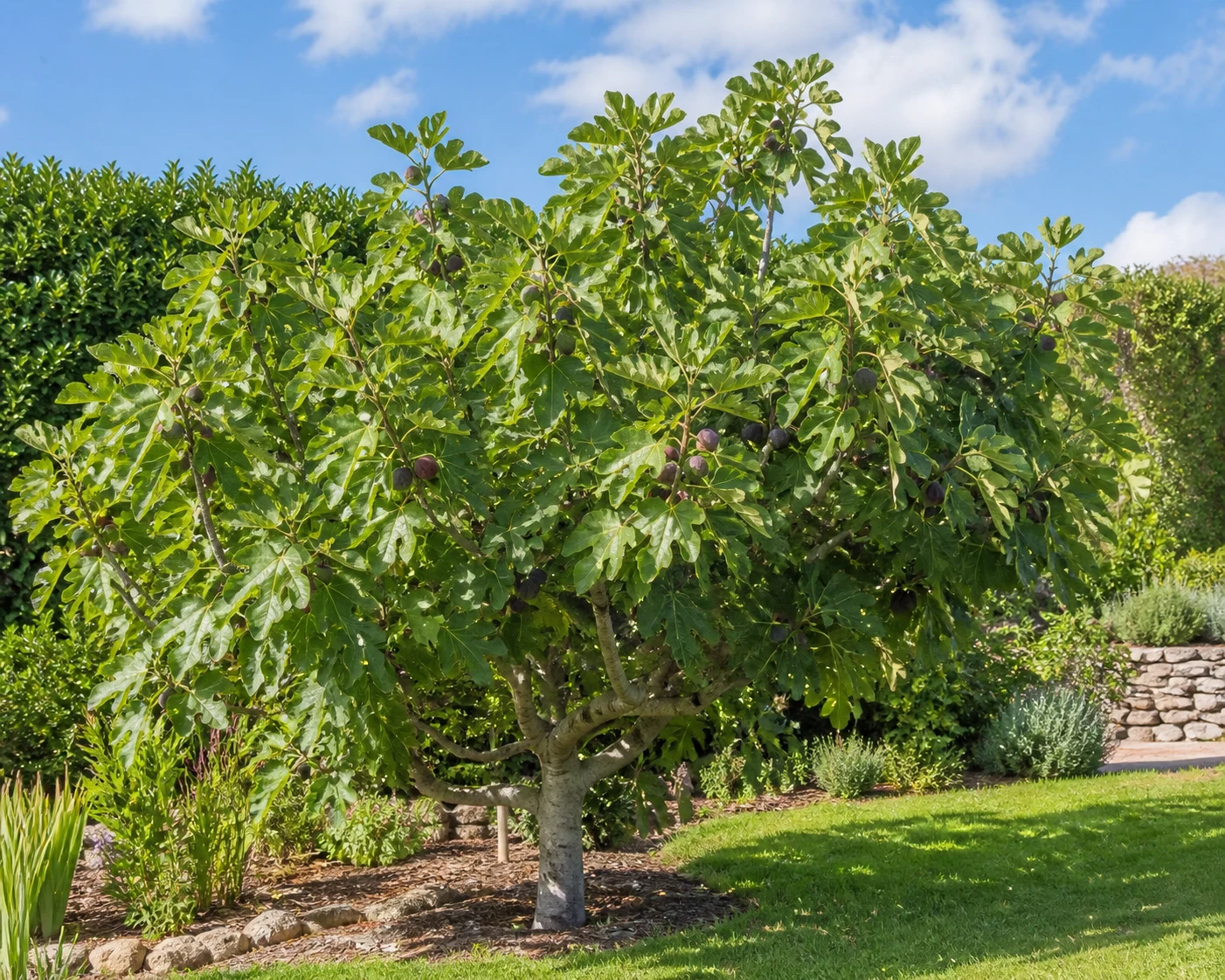
Fig trees are small deciduous fruit trees or large shrubs grown for soft late-summer fruit, bold leaves, and container-friendly habits. They are forgiving in warm climates, but colder gardeners need the right variety, pruning timing, and winter protection to get reliable crops.
Care snapshot
Why Figs Work as Trees, Shrubs, or Containers
In garden terms, Fig tree is naturally flexible, becoming a small spreading tree in warm climates, while in colder gardens it often behaves like a multi-stem shrub that regrows after winter dieback.
Most common backyard figs are self-fruitful and do not need a second tree or the specialized pollination that some wild fig types require. That makes one well-placed tree enough for many home gardeners.
Compared with apple trees, figs need less formal training but more attention to winter protection and pruning timing if cold damage is common.
Figs can produce a breba crop on older wood and a main crop on new growth, depending on cultivar and climate. That distinction matters when winter dieback removes last year's stems.
Common fig varieties develop fruit without pollination at all, through a process called parthenocarpy, which is specifically why they never need the tiny fig wasp that pollinates wild and Smyrna-type figs. That difference is also why a common fig planted alone in a backyard reliably fruits every year without any special pollinator planning.
A fig is technically not a simple fruit but a syconium, an inverted cluster of tiny flowers enclosed inside the fleshy structure people eat. That inside-out flower arrangement is part of why common fig varieties can set fruit without any pollinator ever reaching the flowers at all.
A fig tree in the ground can live for decades and keep expanding its canopy each year if winters stay mild, eventually reaching the top of its mature height and spread range. Containers naturally limit that ceiling, which is part of why patio growers choose compact cultivars instead of expecting a full-size tree in a pot.
Full Sun for Sweet, Ripe Figs
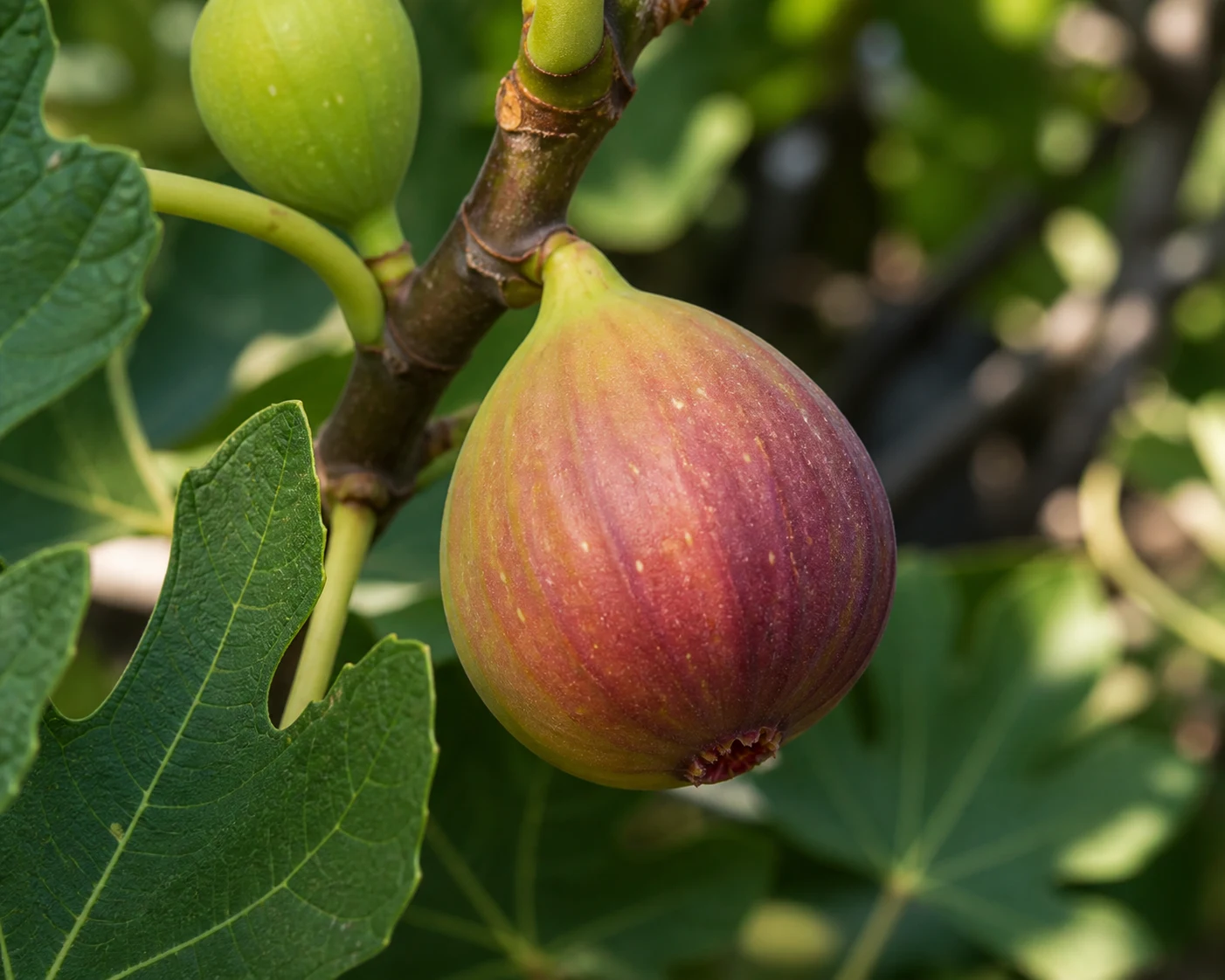
The bloom and fruiting cue is light, since Fig trees need 6-8 or more hours of direct sun to ripen sweet fruit. Shade gives big leaves and weak fruit quality.
In cool climates, plant near a warm wall, driveway, or south-facing exposure where heat helps wood mature before winter. In hot climates, light afternoon relief can reduce leaf stress without sacrificing the crop.
Container figs should spend the growing season outdoors in sun whenever possible. Indoor windows rarely provide enough light for a heavy crop.
A sunny fig site is also a winter-management decision. The tradeoff in fig vs olive tree often comes down to whether your yard favors a fruiting shrub that can resprout or an evergreen tree that hates cold wet roots.
- Best site: full sun and reflected warmth in cool regions.
- Hot sites: mulch roots and allow light afternoon relief.
- Containers: move outdoors after frost danger passes.
- Poor-light clue: leafy growth with slow, bland fruit.
Choosing Cold-Hardy, Early, or Container Types
Choose a fig tree by ripening time first. Short-season gardens need early main-crop varieties that can ripen before fall cools down.
Cold-hardy names such as 'Chicago Hardy' are useful where top growth may freeze, because they can fruit on new shoots after dieback. In warm climates, flavor, fruit color, and size can matter more than cold recovery.
Common figs are the practical choice for most home growers because they fruit without a specialized pollinator.
The bigger decision is whether you need cold-hardiness, breba crop potential, container size control, or fresh-eating flavor.
- Cold-hardy types
- Best where winter dieback is likely and new wood must fruit
- Early ripening types
- Best for short summers and cool fall weather
- Container types
- Best with compact habit, reliable fruiting, and manageable pruning
- Warm-climate types
- Best where wood survives winter and long seasons ripen fruit fully
Popular named cultivars include Brown Turkey, Celeste, Black Mission, and Desert King, each with different fruit color, size, and cold tolerance. Brown Turkey and Celeste both take modest winter dieback in stride, while Black Mission wants warmer, longer summers to ripen its full, richly flavored crop.
Soil, Drainage, and Containers
The planting bed matters because Fig trees prefer well-drained soil with moderate fertility. They are more tolerant than many fruit trees, but wet roots in heavy clay are still a problem.
In cold climates, raised planting or a warm slope helps roots drain and warm earlier. In containers, use a fast-draining potting mix and a pot large enough to buffer water swings.
Unlike blueberries, figs do not require strongly acidic soil. Average garden soil is usually workable if drainage is good.
A fig in the ground can handle leaner soil than a fig in a pot. Container figs need a mix that drains well but still holds enough moisture to carry fruit through hot afternoons.
In containers, refresh part of the potting mix when growth slows rather than stepping up to a huge pot every time. Too much wet mix around a modest root ball can cause the same sour-root problems as poor ground drainage.
- Best texture
- Loam or sandy loam with reliable drainage
- Fertility
- Moderate; avoid heavy nitrogen
- Container size
- Often 15-25 gallons for long-term patio trees
- Mulch
- Useful for moisture and winter root protection
Fig trees are light feeders overall, with a single application of balanced fertilizer in early spring usually enough for an established in-ground tree. Container figs need slightly more regular feeding since nutrients wash out with each watering, so a diluted liquid feed every few weeks during active growth keeps color and vigor without pushing weak, leafy growth.
In-ground fig trees need real room to mature, with standard types spreading 15-20 ft wide over time even where winters keep them shrubby. Planting too close to a house foundation or fence means fighting an oversized shrub for the rest of its life instead of giving it space from the start.
Steady Moisture Without Fruit Splitting
The root zone decides watering, since Fig trees tolerate some drought once established, but fruit quality drops if soil swings from bone dry to soaking wet during ripening.
Water deeply during long dry spells, especially while fruit is swelling. The deep watering pattern builds stronger roots than shallow daily watering.
The key is avoiding big swings, since a fig that dries hard and then gets soaked is more likely to lose fruit quality.
Figs tolerate dry soil once established, but fruit quality depends on even moisture while figs are swelling. Severe swings can cause fruit drop, splitting, or bland texture, especially in containers where roots heat up quickly.
Pruning and Rooting Fig Cuttings
New plants start with timing, since Fig trees root readily from hardwood cuttings, which is one reason gardeners share varieties so freely. Take dormant one-year wood from a healthy known tree.
Pruning depends on climate. Warm-climate trees can be trained as small open trees, while cold-climate figs are often kept as low multi-stem shrubs that are easier to wrap or bend down.
Avoid removing all last-year wood if your variety makes a breba crop. If main-crop figs are the goal, pruning can be more aggressive after winter damage.
That crop distinction matters after a cold winter. Cutting a breba-bearing fig to the ground may still give regrowth, but it can erase the early crop and leave only the later main crop if the season is long enough.
- Remove dead or winter-killed wood first.
- Keep the framework low enough to harvest and protect.
- Thin crowded stems so light reaches ripening fruit.
- Root dormant cuttings from healthy one-year shoots.
- Label cuttings by variety before they leaf out.
Air layering offers a second propagation option for a mature tree, wounding a stem section and wrapping it in moist moss until roots form before cutting it free. It takes longer than a hardwood cutting but lets a grower start a new tree from a specific high branch without waiting for dormant wood.
Seasonal Care and Winter Protection
Spring care starts with assessing winter damage. Cut dead wood back to live tissue, then wait for strong shoots before deciding how much shape to keep.
Summer care is mostly watering, mulch, and harvest timing. Pick figs when they soften, droop at the neck, and detach easily.
For container gardeners, figs are easier than lemon trees in winter because they can go dormant and do not need bright evergreen conditions.
In colder zones, winter protection is about preserving live wood. A fig that dies to the ground may regrow, but the crop timing changes, so insulating stems or growing in a movable container can protect earlier fruiting wood.
Prune winter damage and resume watering as growth starts.
Water during fruit swell and harvest ripe figs often.
Clean fallen fruit and prepare winter protection.
Protect roots and young wood in cold climates.
Ripeness shows up as a cluster of small signals working together, since the fruit droops on its stem, the neck softens, the skin dulls or changes color, and often a bead of sugary sap appears at the eye. Waiting for all of these signs together beats picking on color alone, since some ripe figs barely change shade before they are ready.
Cold-climate growers sometimes use the Minnesota tip method, bending a young, flexible trunk to the ground and burying or mulching it heavily before hard freezes arrive. That buried wood survives temperatures that would kill the same wood left standing upright and exposed to wind.
Pests, Rust, Wasps, and Souring Fruit
Pest work starts with diagnosis, since Fig trees are fairly low-spray, but ripe fruit attracts birds, ants, wasps, beetles, and fruit flies if harvest is delayed.
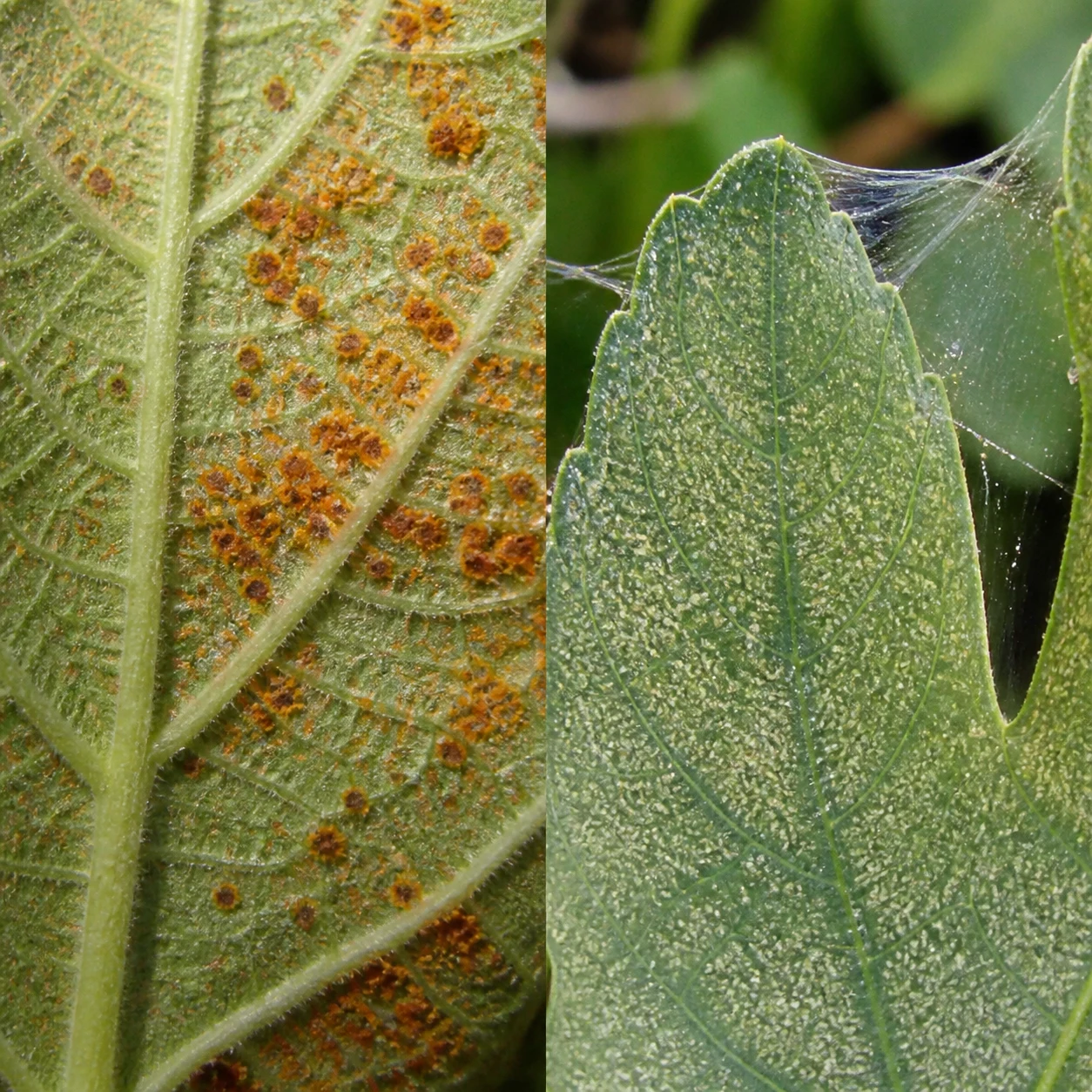
Fig rust can spot leaves in humid climates and cause early leaf drop. Clean fallen leaves and improve airflow if it repeats every year.
Birds, ants, and splitting often become bigger harvest problems than leaf pests. Pick figs when they droop and soften, not days later, because fully ripe fruit turns into a sugar signal for everything nearby.
Fig rust and spider mite damage get confused at a glance, since both leave spotted, discolored leaves late in the season. Rust leaves rusty orange-brown spots with a slightly powdery texture on the leaf underside, while mite damage shows up as fine pale stippling and silky webbing with no orange color.
Net small trees or harvest as soon as fruit droops and softens.
Remove split and overripe fruit promptly.
Improve airflow and clean infected leaves.
Inspect indoor containers before moving them back outside.
Fig Sap, Pets, and Wildlife
Ripe figs are edible, but fig tree sap can irritate skin and eyes. Wear gloves and long sleeves when pruning or harvesting heavily.
Leaves, stems, and sap can also irritate pets that chew them. Keep prunings away from dogs, cats, and livestock.
Harvest and cleanup decide how much wildlife pressure you invite, since ripe figs left too long become a different kind of garden signal.
Frequently Asked Questions
Do fig trees need another tree for pollination?
Most common backyard fig trees are self-fruitful, so one tree is enough. You do not need a second variety for typical common figs.
Can fig trees grow in containers?
Yes, Fig trees grow well in large containers, especially where winter protection is needed. Use a fast-draining mix and protect the pot from deep freezes.
How much sun does a fig tree need?
A fig tree needs at least 6-8 hours of direct sun for sweet ripe fruit. Cooler climates need the warmest, sunniest site available.
When should I prune a fig tree?
Prune a fig tree during dormancy or after winter damage is clear. Avoid removing all last-year wood if you want a breba crop.
Why are my figs splitting?
Figs often split from uneven moisture, especially drought followed by heavy watering or rain near ripening. Keep soil moisture steadier during fruit swell.
Are fig trees safe for pets?
Fig trees are not ideal pet-safe plants. Ripe fruit is edible, but leaves, stems, and milky sap can irritate pets that chew them.
Sources & References
Related Plants
Olive Tree
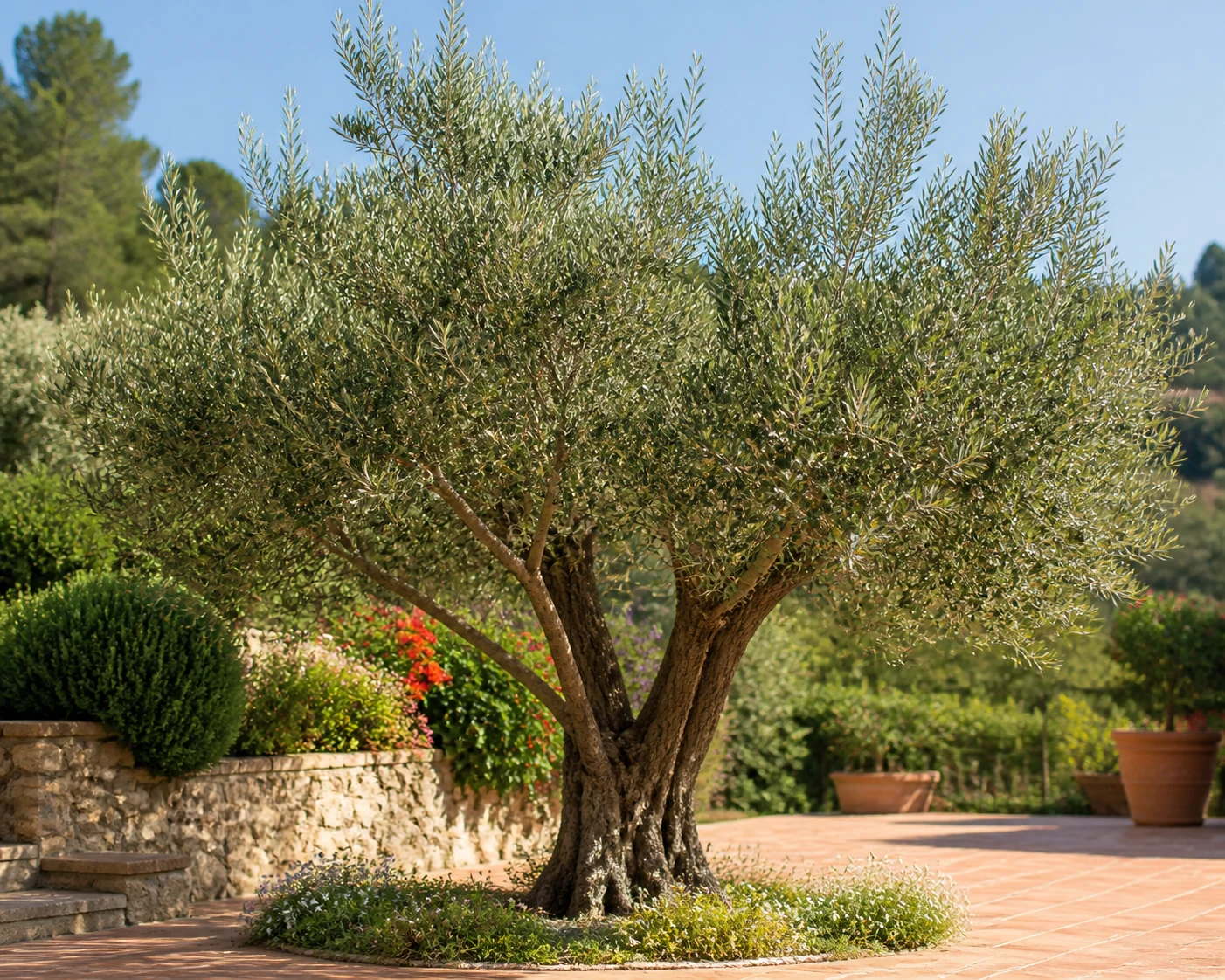
Another Mediterranean fruit tree for warm, sunny, well-drained sites.
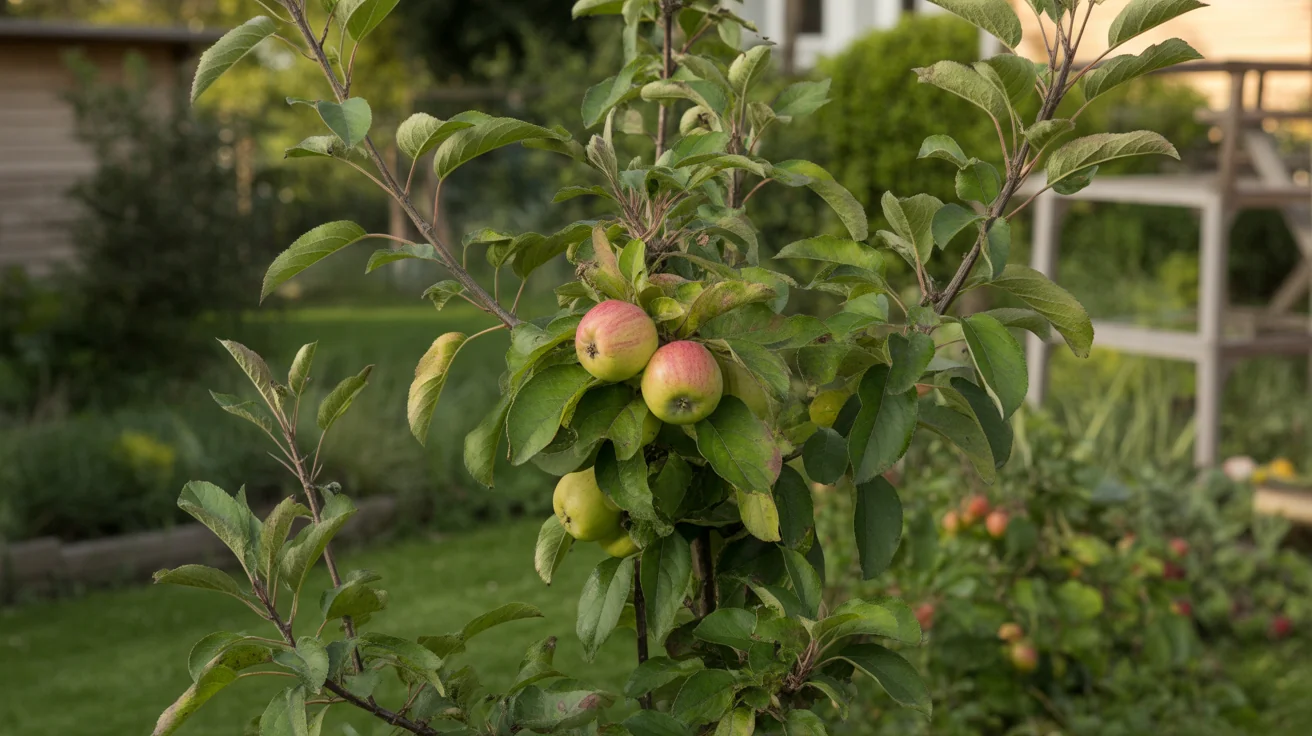
Apple Tree
A colder-climate orchard tree with different pruning and chill needs.
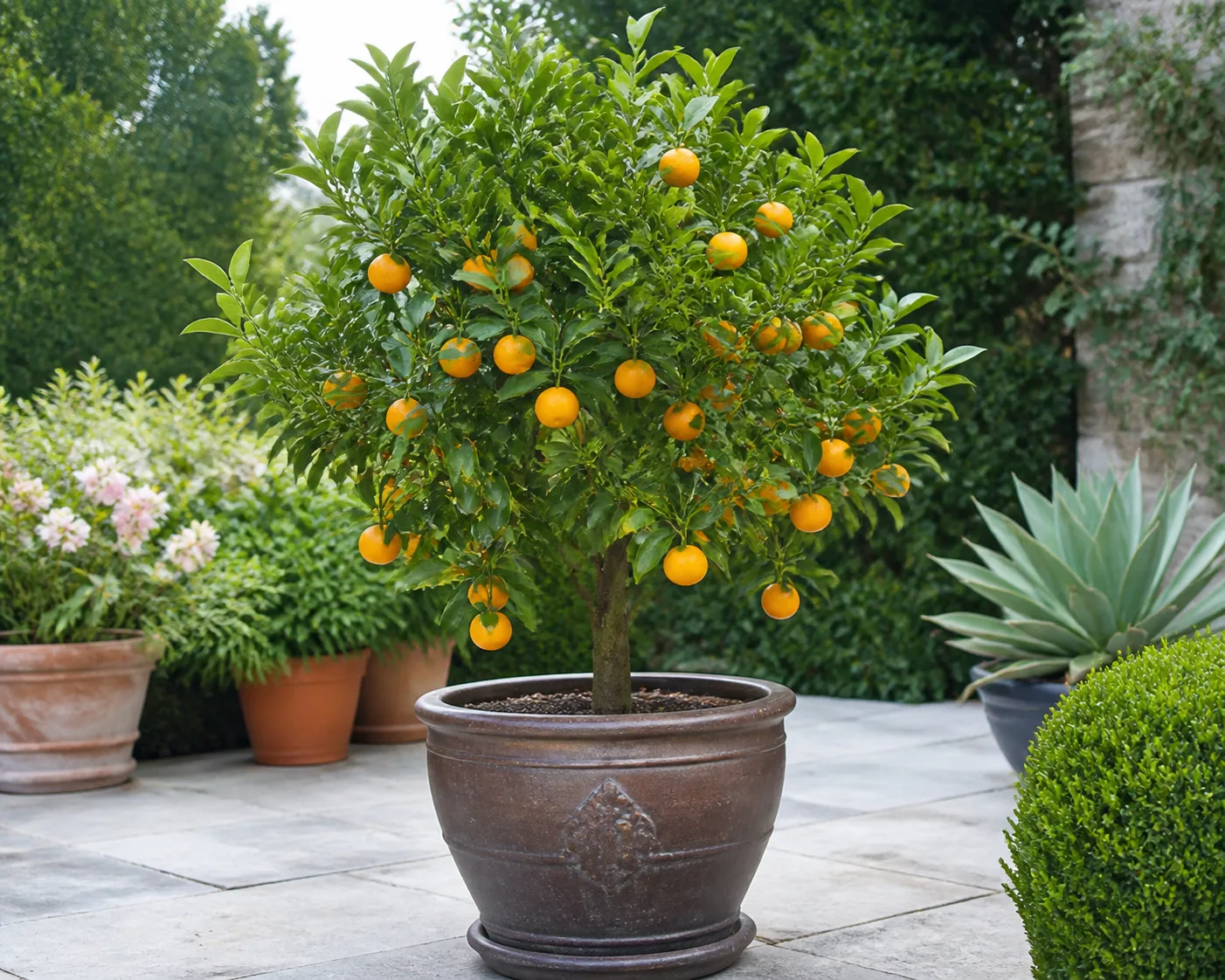
Dwarf Citrus
A container fruit option for gardeners who overwinter plants indoors.
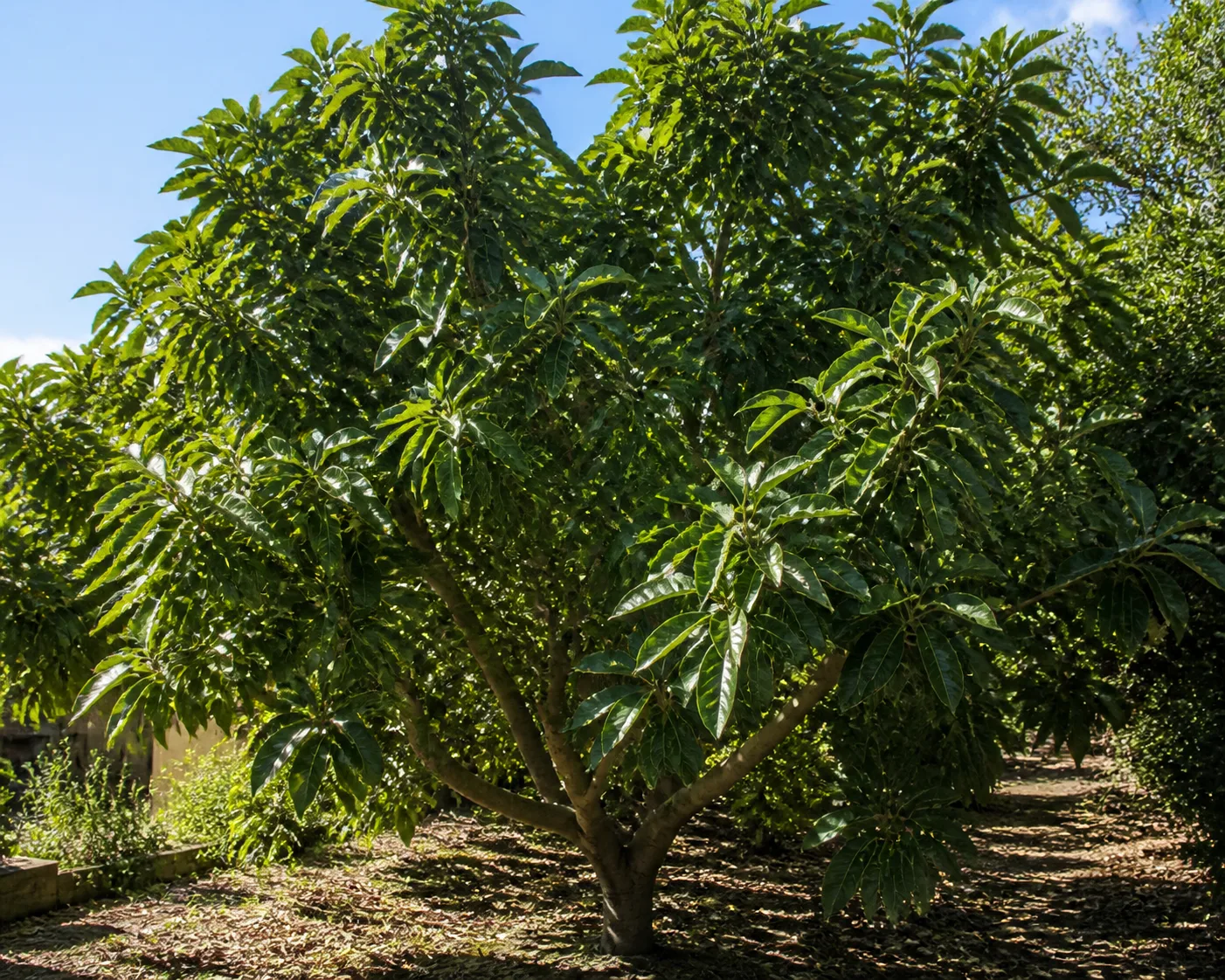
Avocado Tree
Avocado tree is a subtropical evergreen fruit tree for frost-free gardens, warm patios, and bright indoor…
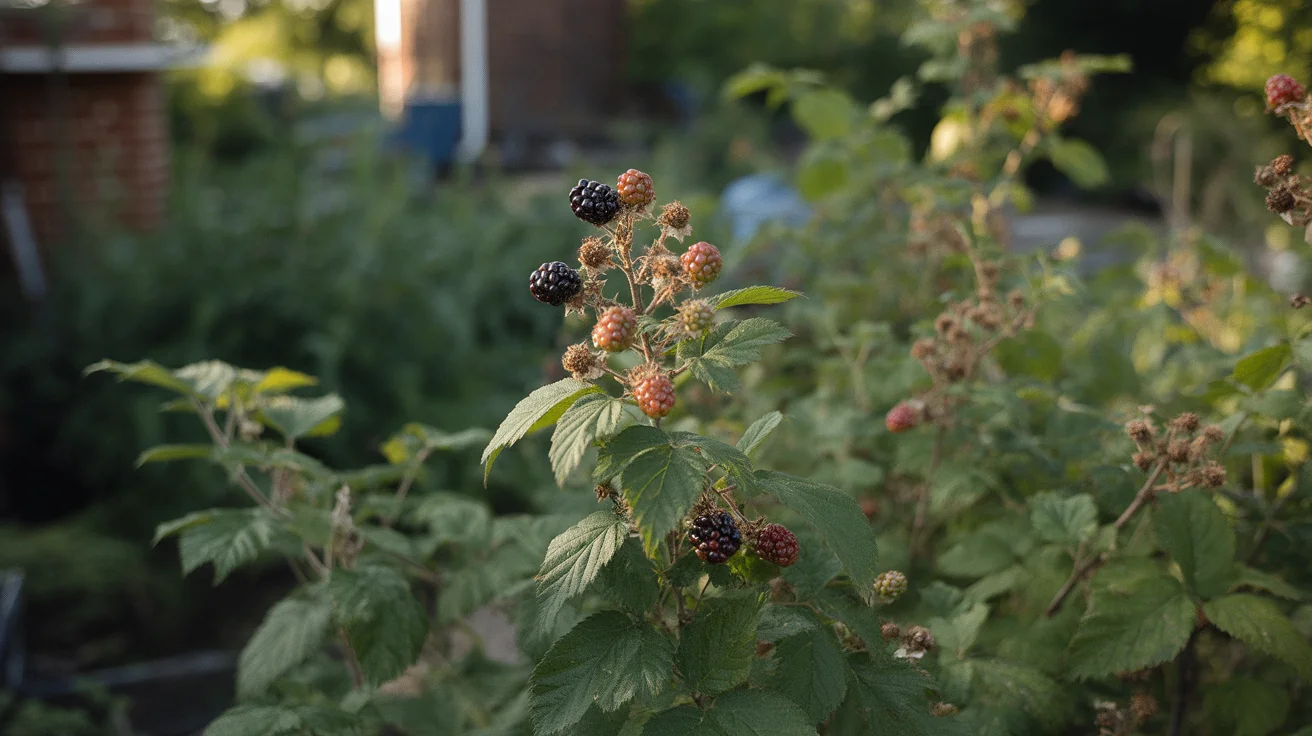
Blackberry
Blackberries are perennial brambles grown for summer fruit on managed canes.
Blueberry
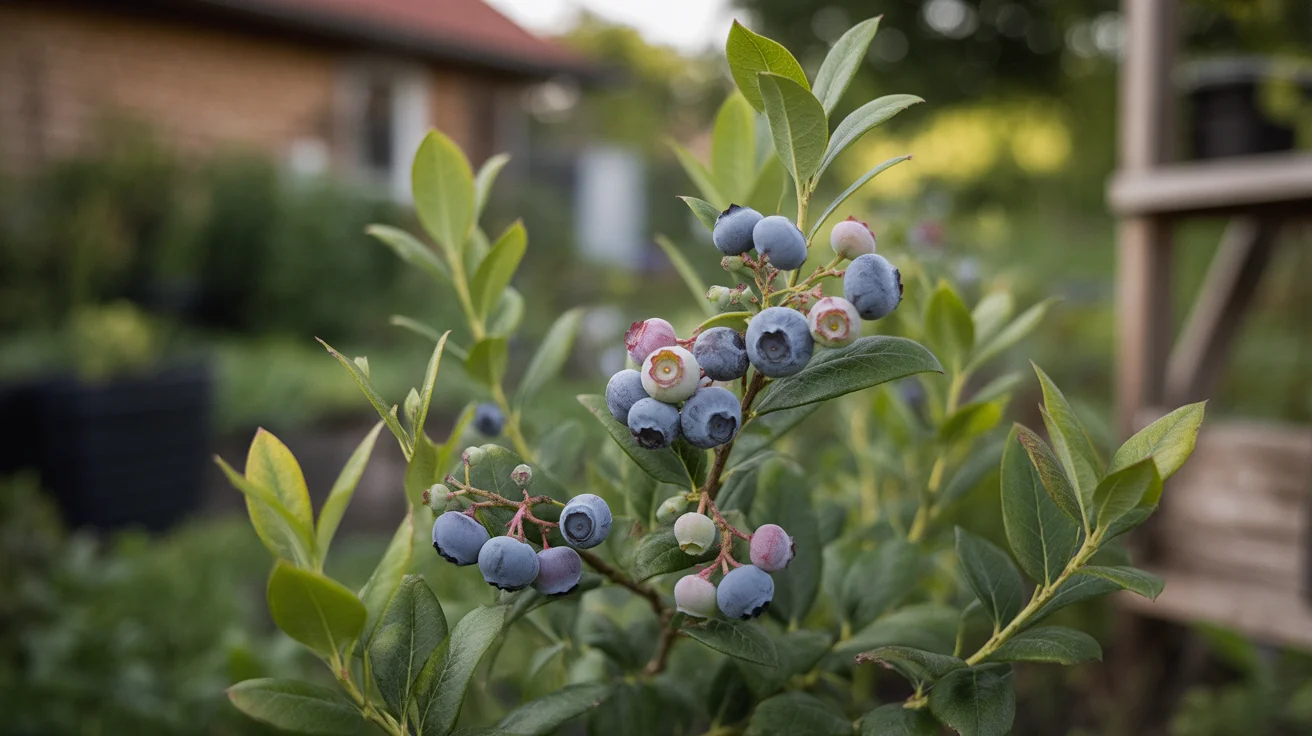
Blueberries are long-lived fruiting shrubs that reward careful soil prep more than constant fussing.