
Which Fruits Are Best for Fresh Eating From the Garden?
Compare the best fresh-eating fruits by flavor advantage, site fit, ripeness cues, harvest timing, picking access, and final-days protection.
At a glance
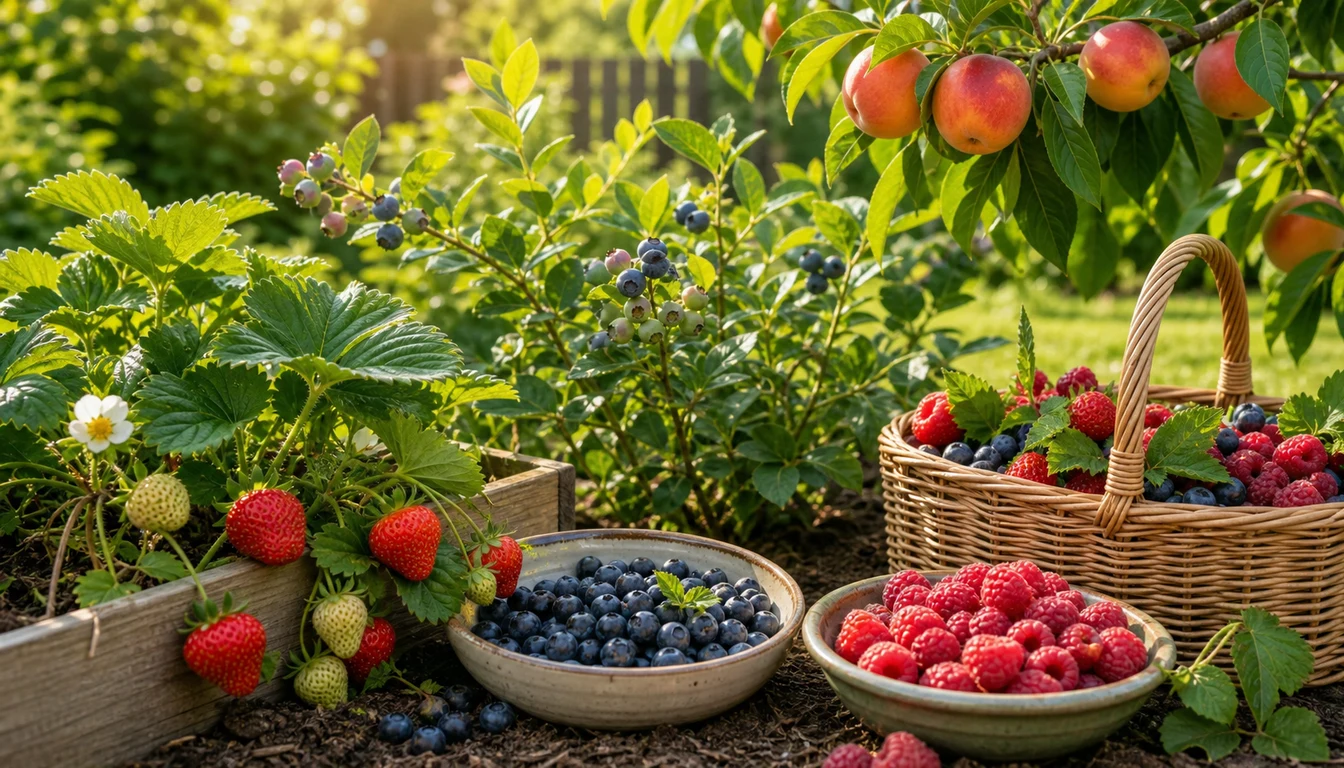
Fresh-eating fruit earns garden space when it can stay on the plant long enough to develop flavor, then reach your table before its texture fades. That advantage is strongest in soft berries, ripe figs, tree-ripe peaches, and table grapes chosen for flavor rather than shipping.
Start with your site and the way your household harvests. A celebrated blueberry is a poor choice in alkaline soil, while a perfect raspberry row still wastes fruit when nobody can pick it every day during its peak.
The best collection combines fruit you genuinely like with ripening windows you can watch, then puts the most perishable crops close enough to check before birds, heat, rain, or overripeness take the final bite.
Which Fruits Give the Biggest Fresh-Eating Reward?
The strongest choices are fruits that lose aroma, tenderness, or balance when they are picked early for transport. Strawberries, raspberries, blackberries, blueberries, figs, peaches, and carefully chosen table grapes all offer a clear reason to grow your own.
Soft berries lead because fully ripe fruit bruises easily and has a short useful life after picking. A garden lets you trade shipping toughness for tenderness and flavor, provided you can harvest often.
Tree fruit asks for more patience and management, but a ripe peach can justify that work because fruit meant for shipping cannot stay on the tree as long. Apples offer a different reward through crisp texture and cultivars that local stores may never carry.
Table grapes belong only when the cultivar suits eating fresh because seed size, skin texture, aroma, acidity, and the length of your warm season matter more than whether the nursery tag simply says grape.
Strawberry
Fast path to fragrant fruit, with frequent picking and bed renewal as the tradeoff.
Raspberry
Delicate berries with strong fresh-picked value, balanced against cane control and a short shelf life.
Blackberry
Productive fresh fruit when fully colored, with thorns, spreading canes, or trellising depending on cultivar.
Blueberry
Excellent flavor after full ripening, but only where acidic soil and bird protection are realistic.
Fig
Soft fruit that is difficult to ship ripe, with winter survival and enough heat to finish the crop as the limits.
Peach
Exceptional tree-ripe quality, balanced against thinning, pruning, pests, and a shorter-lived tree.
Table grape
A long picking window and distinctive cultivars, earned through a strong trellis and annual pruning.
Apple
Crisp fruit and unusual cultivars, with pollination, disease pressure, and years of training to consider.
What Should You Check Before Buying a Fruit Plant?
Check climate, soil, mature form, and pollination before flavor descriptions so you remove plants that cannot ripen well or require a second cultivar you have no room to add.
Climate fit includes winter cold and the length of the growing season. A fruit can survive winter yet still fail to finish its crop, while a high-chill cultivar may grow but flower poorly after a warm winter.
Soil can settle the choice just as quickly. Blueberries need acidic conditions that are difficult to maintain in some yards, while brambles and tree fruit need drainage that keeps crowns and roots from remaining saturated.
Mature form decides how much permanent space and support you are accepting. A strawberry bed stays low, a raspberry row spreads through canes, a grapevine needs a durable framework, and even a dwarf fruit tree needs room for light, pruning, and harvest access.
Pollination is cultivar-specific, with many peaches, figs, strawberries, raspberries, and table grapes able to fruit alone while apples and numerous blueberries produce better or require compatible bloom partners.
| Fruit group | Site test | Partner question | Recurring commitment |
|---|---|---|---|
| Strawberries | Sunny, drained bed with clean picking access | One cultivar can crop | Frequent harvest and periodic bed renewal |
| Blueberries | Acidic soil with steady moisture | Two compatible cultivars often improve yield | pH care, pruning, and bird exclusion |
| Raspberries and blackberries | Open, drained row with room for canes | Most garden cultivars can crop alone | Trellising, cane pruning, and spread control |
| Figs | Warm, sheltered position with time to ripen | Many common garden figs fruit alone | Winter protection where stems die back |
| Table grapes | Full sun and a strong permanent trellis | Most table grapes are self-fruitful | Heavy annual pruning and cluster checks |
| Apples and peaches | Full sun, airflow, and local chill fit | Apples often need a partner, peaches vary | Training, thinning, pruning, and pest care |
Choose the fruit whose recurring work you will still do after the novelty fades because a smaller crop that fits the site beats a famous cultivar that needs conditions you cannot maintain.
How Can You Tell When Garden Fruit Is Ready to Eat?
Color tells you to begin checking, but it does not settle ripeness for every fruit. The reliable cue may be aroma, background color, easy release, softness, or a taste from the slowest-ripening part of a cluster.
That distinction protects the homegrown advantage. Picking too soon produces fruit that looks finished but never develops full flavor, while waiting without checking can move a delicate crop from perfect to spoiled in a day.
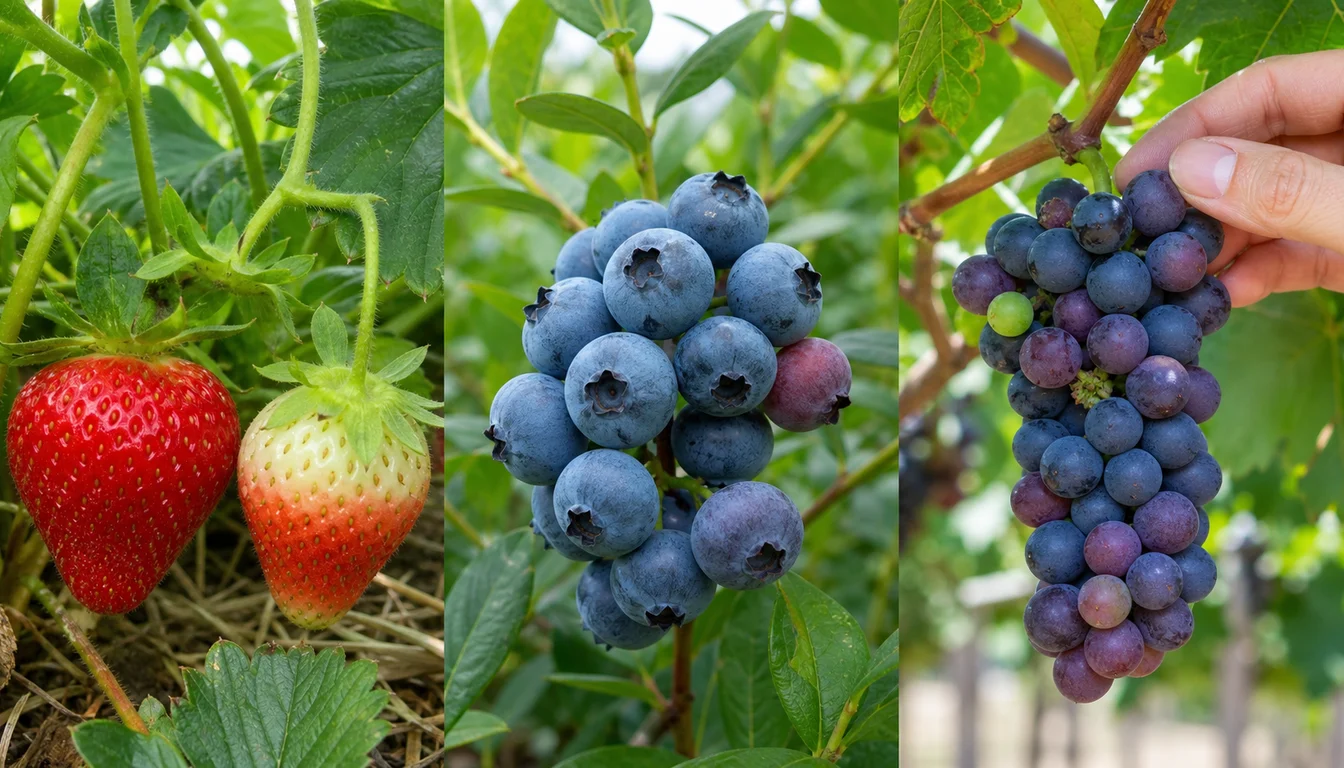
| Fruit | Cue that settles harvest | Misleading shortcut |
|---|---|---|
| Strawberry | Red fruit with no pale or white shoulder | Picking when only the exposed side is red |
| Blueberry | Fully blue fruit left several more days, then tasted | Picking the first day the berry turns blue |
| Raspberry | Full color, good aroma, and release with a gentle pull | Tugging firm fruit from the receptacle |
| Blackberry | Full dark color, plump drupelets, and the cultivar's ripe flavor | Assuming every black berry has finished sweetening |
| Fig | Drooping neck, softness, and the expected mature color | Waiting for firm fruit to improve after picking |
| Table grape | Flavor from a berry at the tip of the cluster | Judging the whole cluster by skin color |
| Peach | Ground color shifting from green toward cream or yellow, plus aroma | Using red blush as the maturity test |
| Apple | Cultivar timing confirmed by taste and easy release | Harvesting every apple when the first fruit colors |
Pears are the useful exception to the stay-on-the-plant rule because many European pears are picked mature but firm and allowed to finish indoors, while softness on the tree can mean the center is already past its best.
Taste remains a valid home-garden tool. Sample the same cultivar over several days and record the date when acidity, aroma, and texture balance the way your household likes them.
How Do You Spread Fresh Harvests Instead of Creating a Glut?
Build the season from bearing patterns rather than copying a national month-by-month calendar because local weather moves dates, while the difference between a concentrated crop and a repeat picker stays useful everywhere.
June-bearing strawberries create a focused flush, while day-neutral types trade that rush for repeated picking. Summer-bearing raspberries crop on older canes, while primocane types can carry the handoff toward late summer or fall.
Grape and blueberry cultivars are sold in early, middle, and late windows, so pairing those windows deliberately is more reliable than planting several cultivars whose tags use the same vague season.
First fresh taste
A compact early strawberry or early blueberry planting starts the season without committing the whole garden.
Repeat picker
Day-neutral strawberries or primocane raspberries supply smaller harvests across a longer window.
Late handoff
A later blueberry, fig, peach, or regionally suitable bramble carries fresh eating beyond the first berry rush.
Fruit that can hang
A well-adapted table grape or apple cultivar gives more harvest flexibility than a bowl of soft berries.
Use one role only when that is all your household needs. Succession should reduce waste and picking pressure, not become a reason to collect more plants.
Where Should Fresh-Eating Fruit Go in the Yard?
Put the shortest-lived fruit on a route you already walk because a strawberry bed beside the kitchen path is checked more reliably than a larger patch hidden beyond the shed.
Distance should increase as harvest becomes less urgent. Raspberries, blackberries, and strawberries belong close because warm weather can move ripe fruit quickly, while apples can sit farther away if the tree remains easy to inspect.
Reach matters as much as distance, so keep ripe clusters visible, leave a stable place for both feet, and provide enough room to carry a bowl without brushing fruit or canes onto the ground.
Children and gardeners with limited mobility need fruit within a comfortable reach from a firm path. A lower trained branch, narrow strawberry bed, or open-sided berry row often produces more usable fruit than a taller or deeper planting.
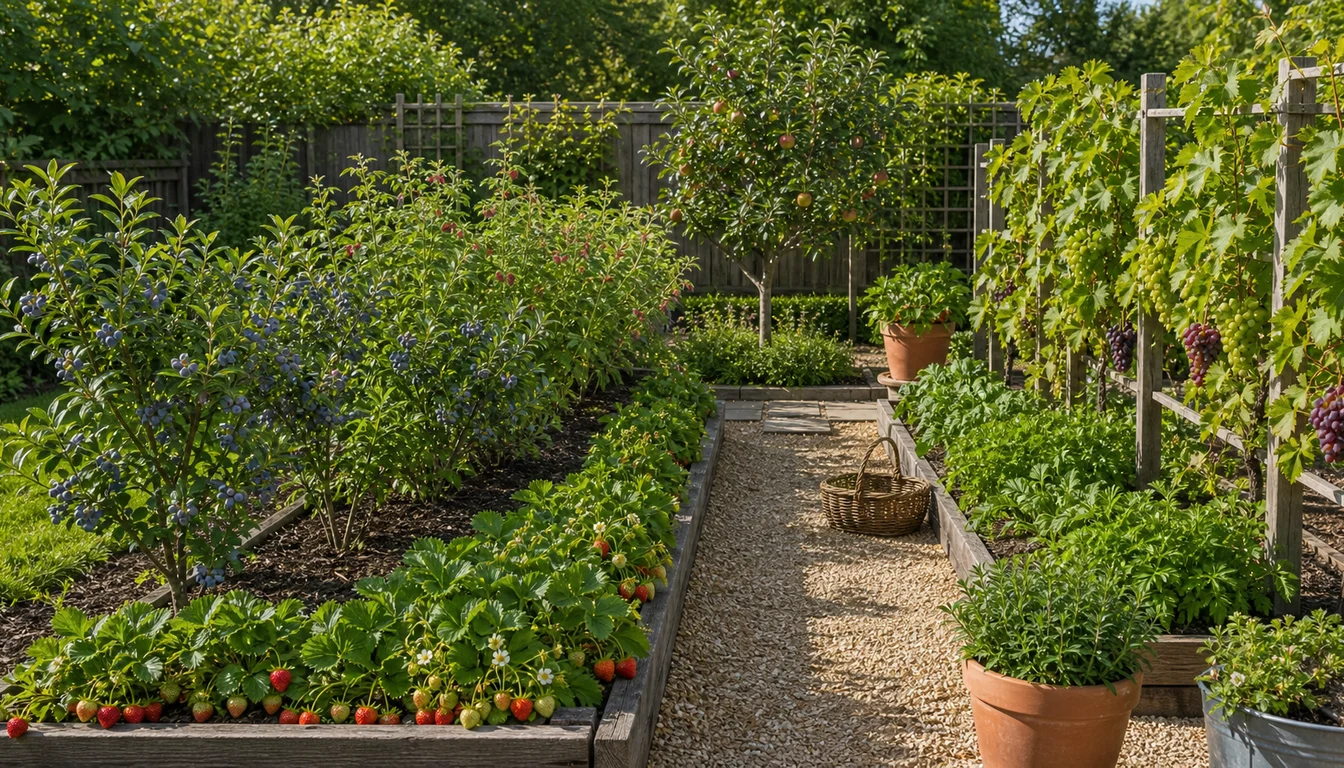
- The crop is visible from a route used most days.
- The mature plant will not close the picking path.
- Ripe fruit can be reached without stepping into the bed.
- A bowl or picking tray can be carried with both hands free.
- Netting or a cover can open without dragging across fruit.
- Water reaches the root zone without wetting ripe fruit.
How Do You Protect Flavor During the Final Ripening Days?
The final days create both the flavor gain and the highest loss risk because Blueberries become sweeter after they first turn blue and table grapes build aroma late, while birds and decay are waiting through the same interval.
Identify the likely thief before adding protection. Birds call for exclusion, wasps follow damaged or very ripe fruit, rain raises cracking and rot risk, and hot dry weather can soften berries or stall figs before they finish.
A rigid frame makes netting safer and easier to use than mesh draped over foliage when the lower edge is sealed, the mesh stays away from fruit, and the opening is large enough to harvest without leaving gaps behind you.
Moisture should stay even during fruit fill. A drought followed by heavy watering can damage texture or encourage splitting in susceptible fruit, while constant wetness around ripe berries invites decay.
Picking frequency is the final control because strawberries may need attention every one to three days, while hot or rainy weather can shorten the safe interval for other soft fruit.
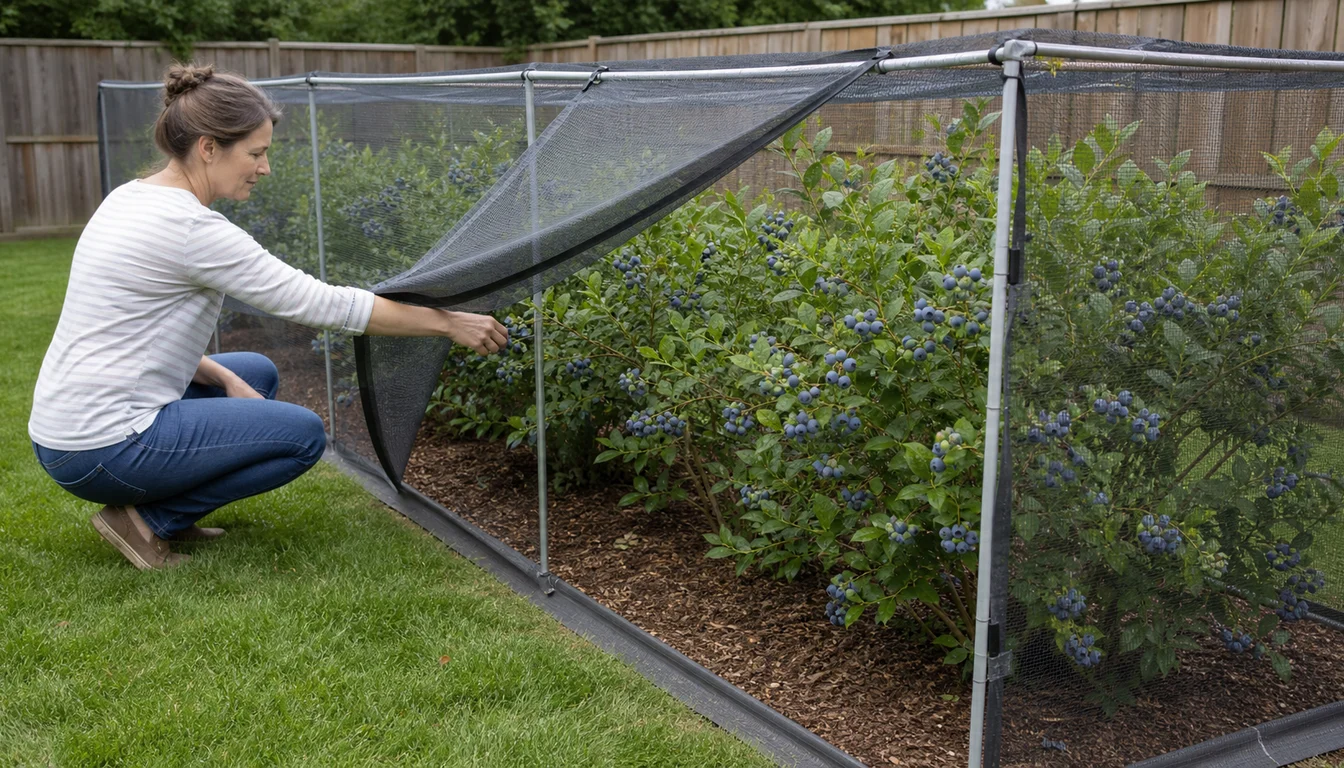
- Confirm ripenessUse the crop's real cue before deciding that another day will improve flavor.
- Check the forecastBring vulnerable fruit in before cracking rain or a severe heat event when quality is already high.
- Secure the barrierClose the frame at the ground and inspect every opening before birds discover the crop.
- Pick clean and dryHarvest after surface moisture dries, handle fruit gently, and cool what will not be eaten soon.
Waiting is worthwhile only while flavor improves faster than the risk rises, and harvest becomes the better decision once the fruit has the aroma, texture, and taste you want.
What Earns a Place in Next Season's Fresh-Fruit Garden?
Judge each crop by the fruit eaten at peak quality rather than by the heaviest basket, since a productive planting can still fail when harvest arrives during travel, tastes flat in a suitable site, or requires protection nobody installs.
- Record the first ripe date and the best-flavor date.
- Note how often the crop needed picking at peak.
- Separate bird, weather, and decay losses from fruit eaten.
- Write down who actually ate the fruit and how quickly.
- Mark whether pruning, netting, and watering fit the time available.
- Compare the best cultivar with the weakest one rather than averaging them together.
Keep a crop that tastes good and fits the harvest routine, move one whose site or access caused the failure, reduce one that overwhelms the household, and replace one that stays disappointing after its basic needs are met.
This review can favor a small strawberry edge over a larger berry row. The smaller planting wins when its fruit is seen, picked, and eaten during the brief window that made it worth growing.
Quick Tips
- Taste local cultivars before giving one permanent space.
- Check pollination and chill needs before buying.
- Use ripeness cues that fit the crop.
- Keep soft fruit beside a daily path.
- Build bird protection before fruit changes color.
- Pick berries after surface moisture has dried.
- Record peak flavor, losses, and actual use.
Recommended Plants
8 fruits worth considering.
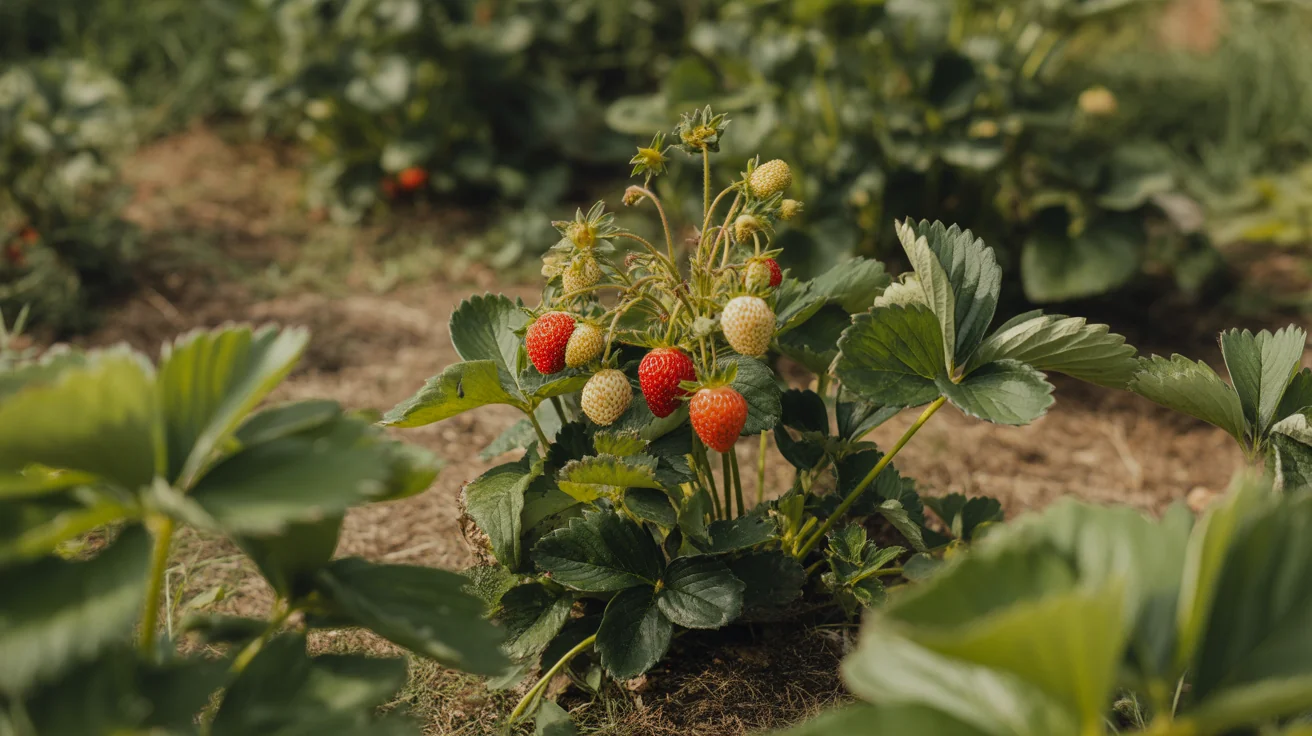
Strawberry
Strawberries are low perennial fruit plants that reward good bed prep, correct crown depth, steady moisture, mulch, and…
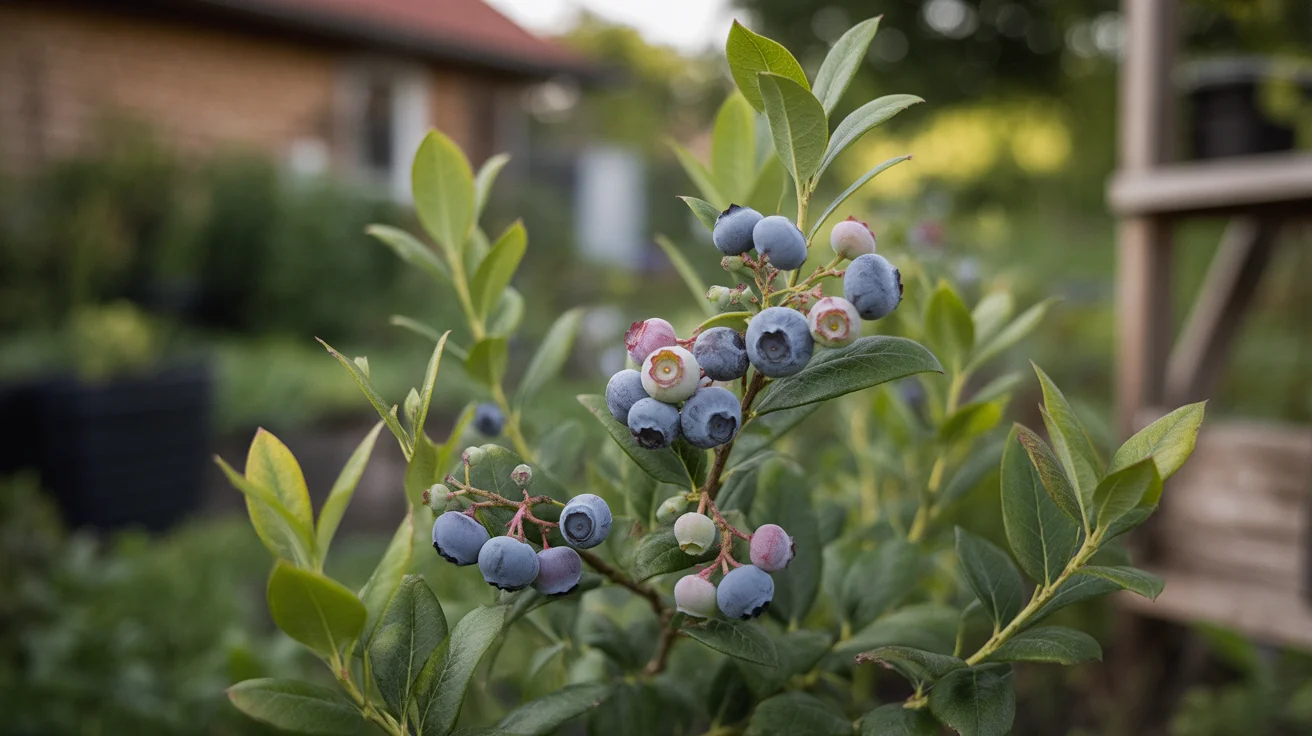
Blueberry
Blueberries are long-lived fruiting shrubs that reward careful soil prep more than constant fussing.
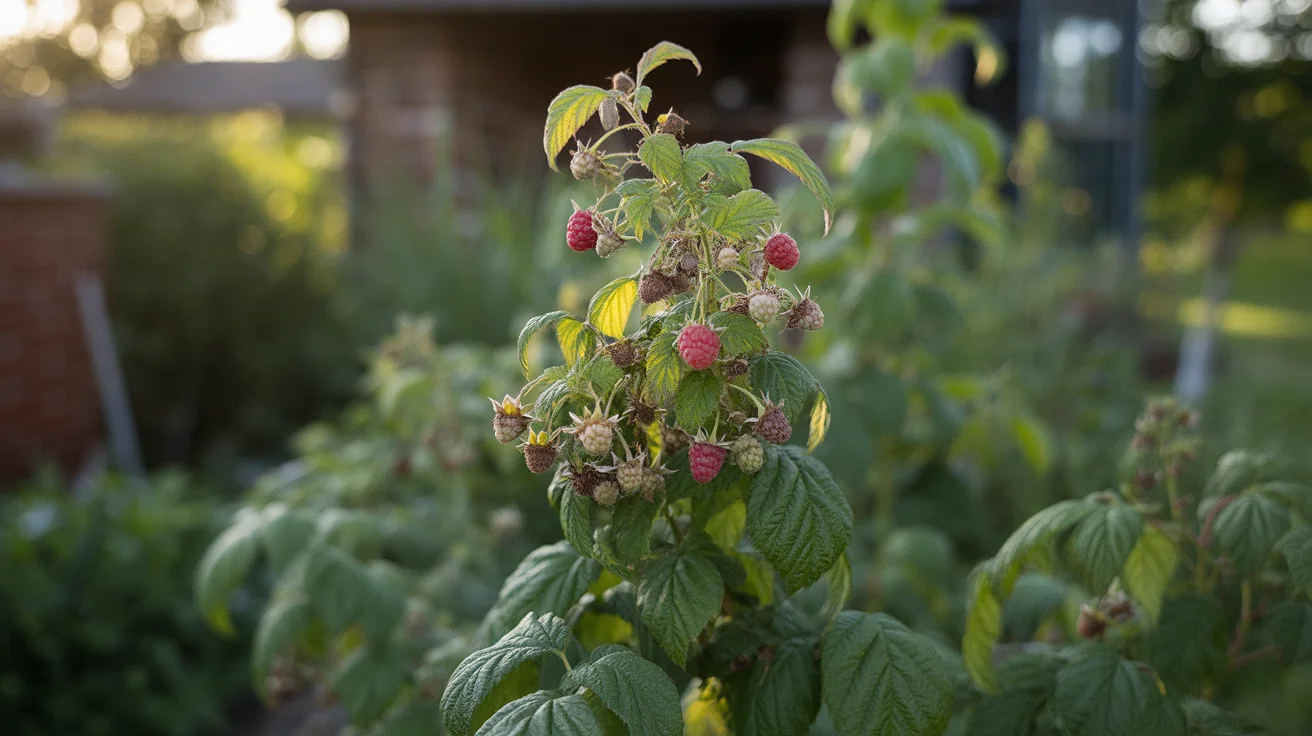
Raspberry
Raspberries are perennial brambles grown for fruit on temporary canes.
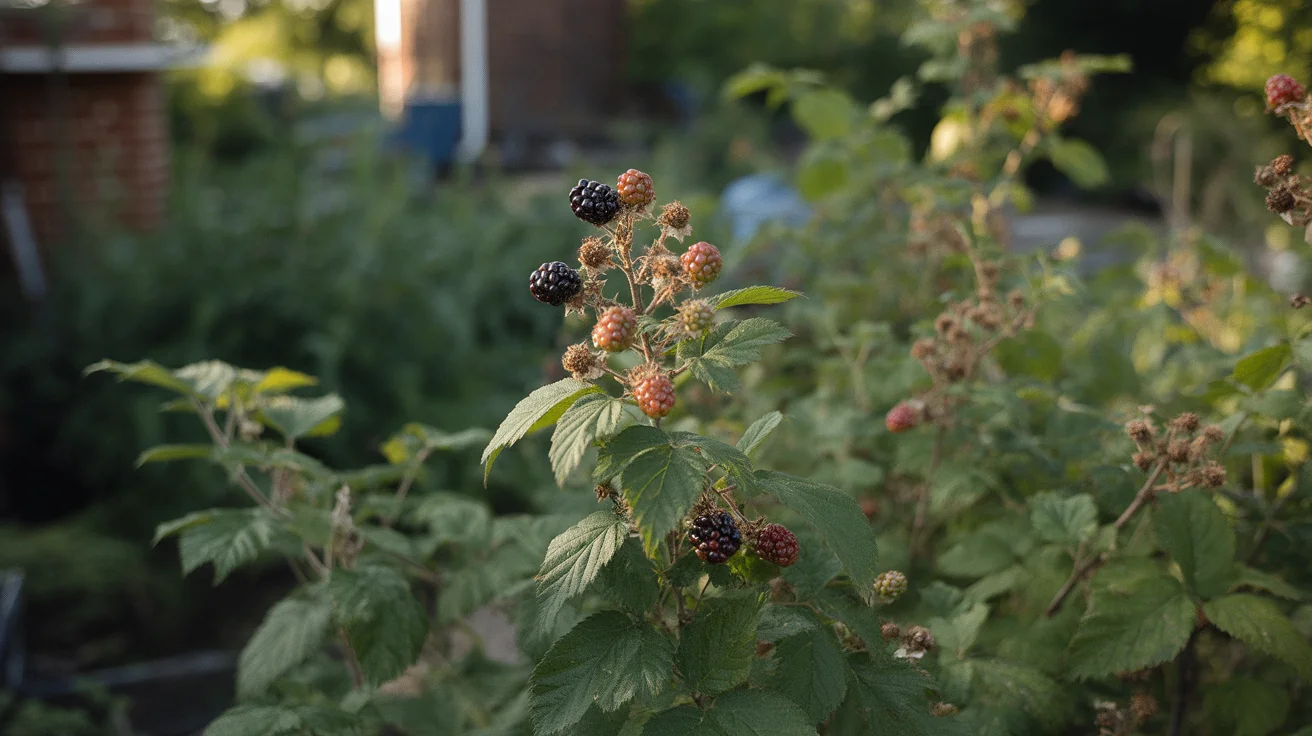
Blackberry
Blackberries are perennial brambles grown for summer fruit on managed canes.
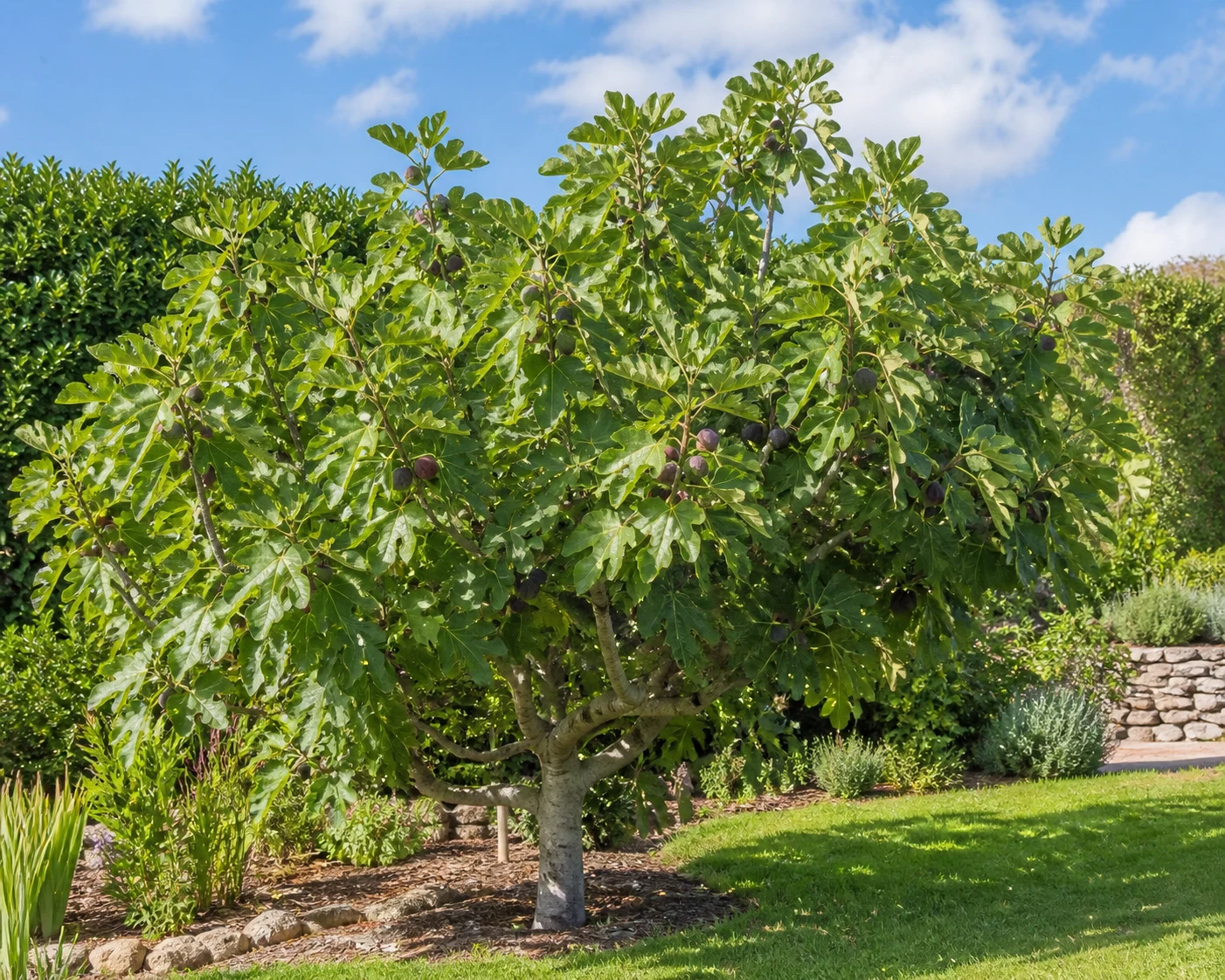
Fig Tree
Fig trees are small deciduous fruit trees or large shrubs grown for soft late-summer fruit, bold leaves, and…
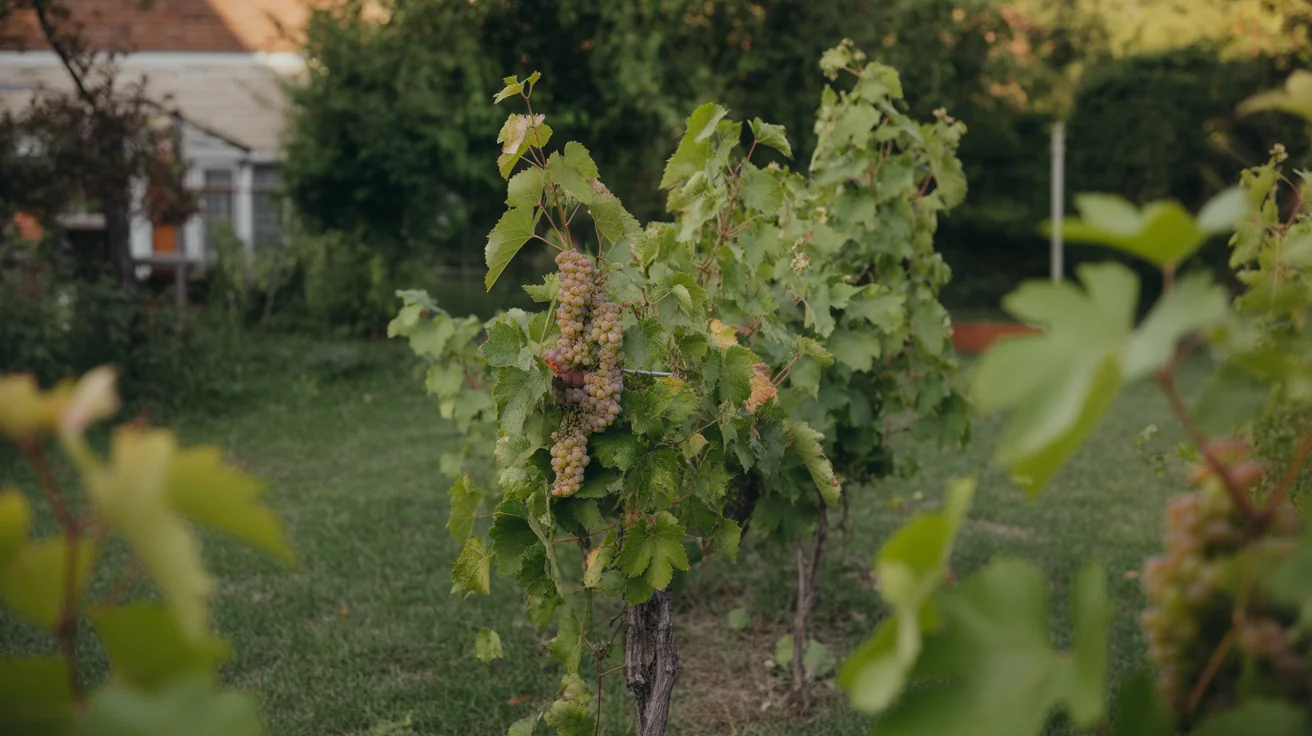
Grape Vine
A sunny fence, arbor, or wire trellis can become a productive fruiting vine, but the crop needs training more than…
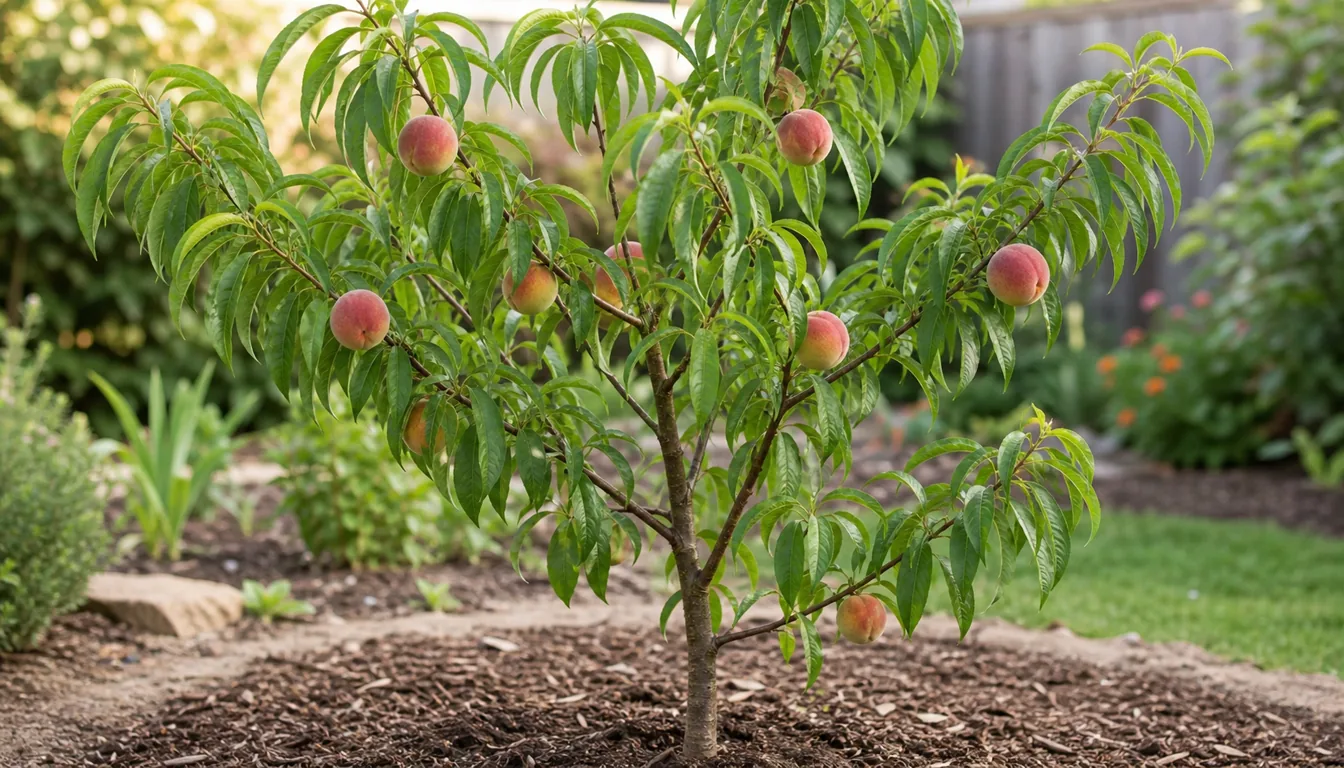
Peach Tree
Peach trees are fast-bearing backyard fruit trees, but they are not plant-and-forget trees.
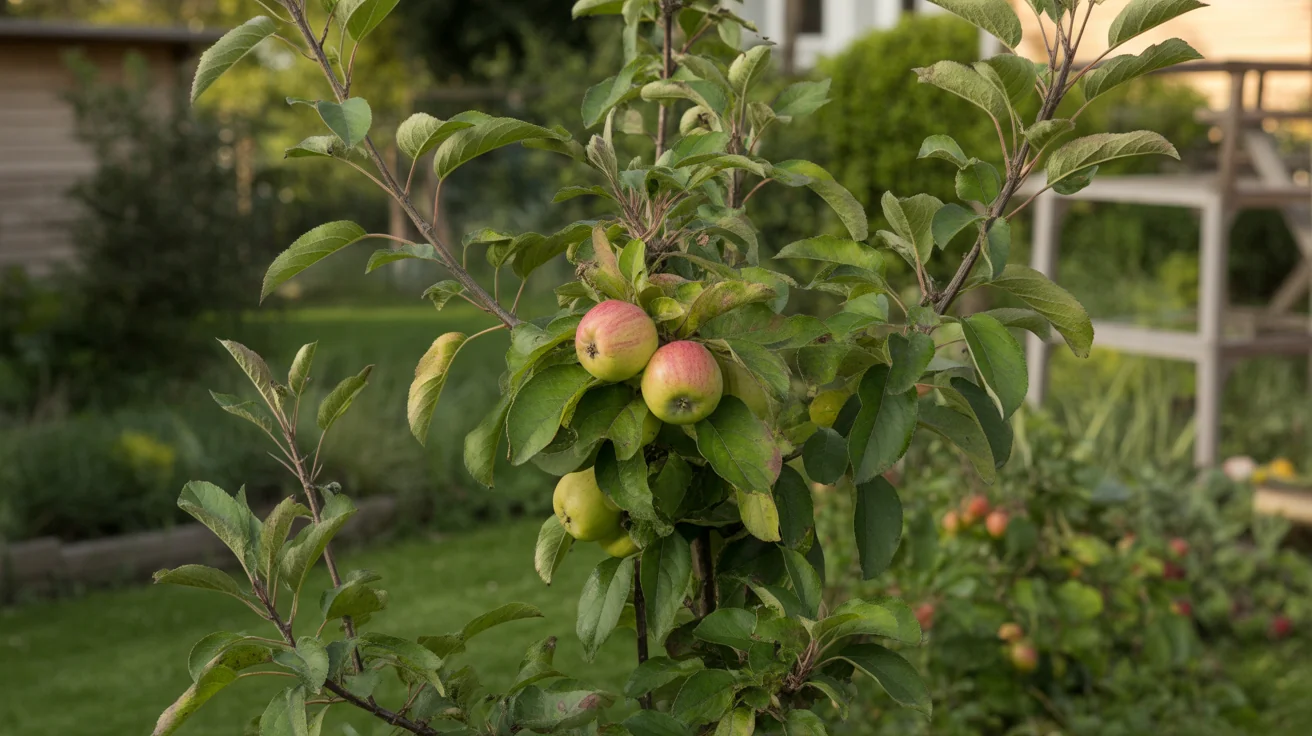
Apple Tree
Apple trees can be excellent backyard fruit trees when the variety, rootstock, pollination partner, sun, and pruning…
Frequently Asked Questions
What fresh-eating fruit is easiest for a beginner?
Start with a small fruit that suits your soil and climate. Strawberries and primocane raspberries can reward a new grower sooner than tree fruit, while blueberries are a good beginner crop only where acidic soil can be maintained.
Do you need two fruit plants to get fruit?
The answer depends on the crop and cultivar because many strawberries, raspberries, peaches, figs, and table grapes can crop alone, while apples often need a compatible pollination partner and many blueberries yield better with another compatible cultivar.
Which fresh fruit works best in a small yard?
Strawberries use a low bed, raspberries can occupy a narrow trained row, and grapes use vertical trellis space. A dwarf fruit tree can also fit, but its rootstock, mature spread, pollination needs, and pruning access still need room.
How do you choose a fresh-eating fruit cultivar?
Taste locally grown cultivars at a farm, market, or extension trial when possible, then check whether the flavor, skin, seediness, harvest window, chill requirement, and disease resistance fit your site and the way you eat fruit.
Should fresh fruit be washed before storing?
Keep berries dry during harvest and storage because surface moisture speeds decay. Rinse them under clean running water shortly before eating, and cool fruit promptly when it will not be eaten right away.
Sources & References
- University of Maryland Extension: Starting a Home Fruit Garden
- University of Minnesota Extension: Harvesting Strawberries
- Penn State Extension: Blueberries in the Garden and the Kitchen
- Oregon State University Extension: Growing Table Grapes
- University of Georgia Extension: Home Garden Peaches
- Rutgers Cooperative Extension: Fruit Production for the Home Gardener