
How to Grow a Lemon Tree in a Warm Yard or Movable Pot
Citrus x limon Rutaceae
True lemon trees such as Eureka and Lisbon produce tart fruit on evergreen trees. Successful care starts with a sunny, well-drained site and a cultivar/rootstock suited to local conditions, or a movable container with a bright winter home.
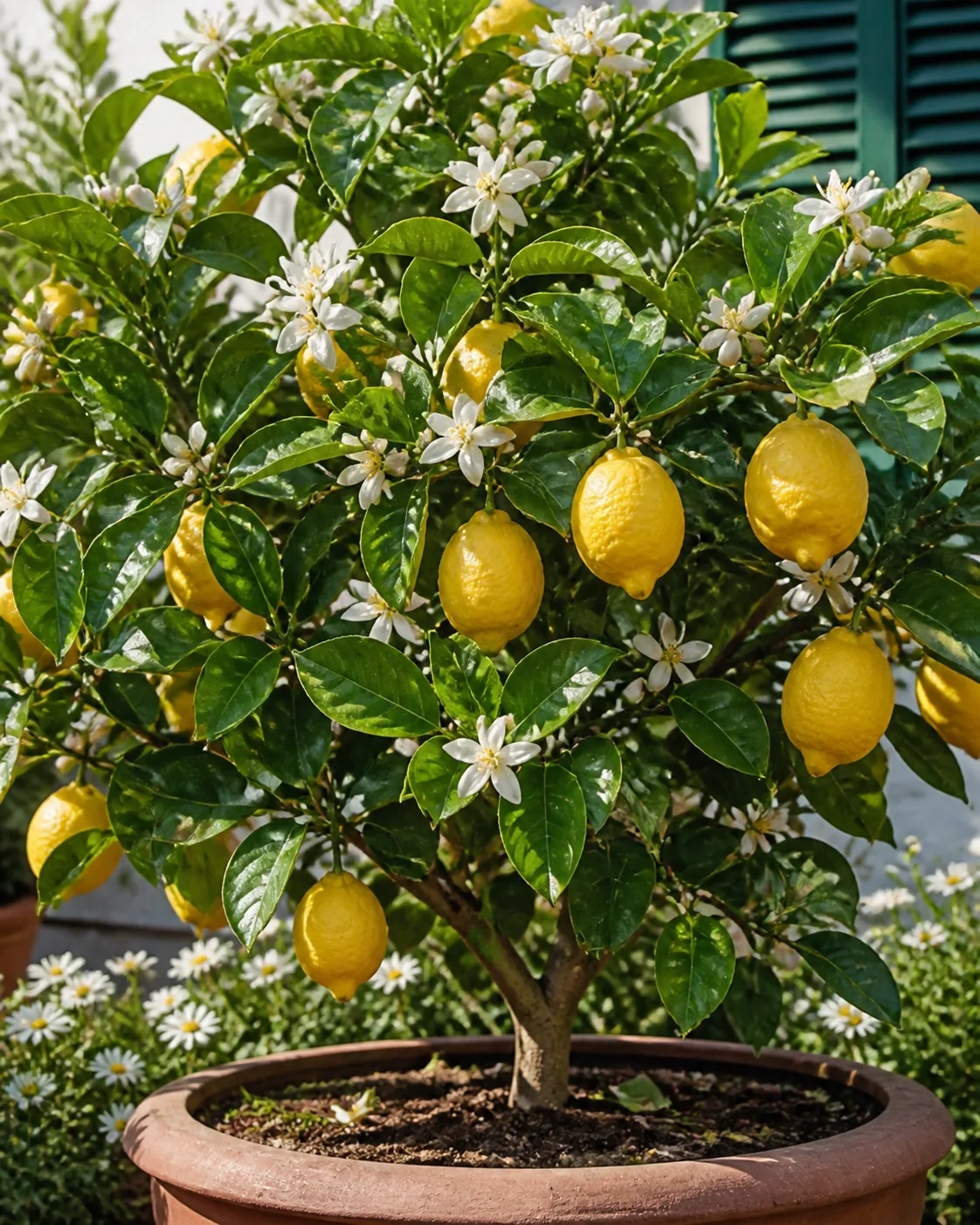
Care snapshot
True Lemons Need a Suitable Year-Round Home
Eureka and Lisbon are true lemons, grown for strongly acidic juice. Meyer is a separate lemon-type hybrid with milder fruit and a different growth habit. A label identifying the cultivar matters when choosing for flavor, thorns, and available space.
Lemon trees remain evergreen and can carry flowers and fruit together. An outdoor site therefore has to work beyond the summer growing season. Where winters are too cold, a container allows the tree to move into protection, but its leaves still need light.
Warmth alone does not make a location suitable. UC IPM recommends full sun, shelter from strong winds, and well-drained soil. A lemon in frequently irrigated lawn can receive more water than its root zone needs, even when its own irrigation schedule seems modest.
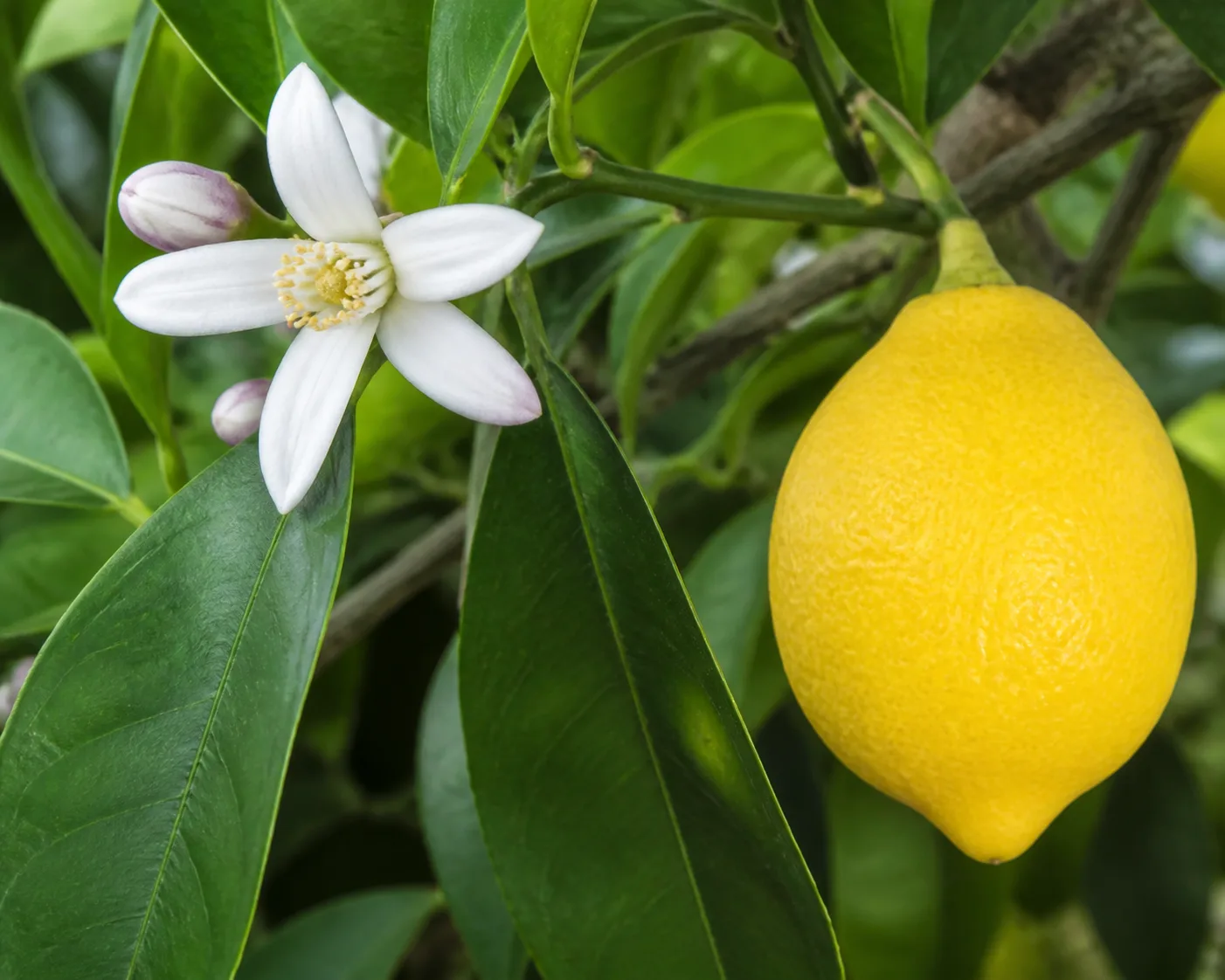
Sun and the Move Between Indoors and Outdoors
An open sunny site supports flowering and fruit development. Nearby trees and buildings can shade the lower canopy as a young lemon grows, so its planting position needs room for the mature tree rather than just the nursery pot.
For a container overwintering indoors, the available direct light at the leaves is the relevant condition. A bright south-facing window can help in the Northern Hemisphere, with supplemental lighting where daylight is inadequate. A tree may survive winter indoors without producing a dependable crop.
Outdoor sun is a substantial change after indoor winter light. A gradual transition through a sheltered, partly shaded location reduces the risk of leaf scorch. The reverse move also changes water use, so the pot needs reassessment rather than the same care calendar carried indoors.
Cultivar Choice Depends on Climate and Rootstock
- Eureka
- Generally an open, spreading tree with relatively few thorns. A familiar choice for tart lemons, but not a cold-hardy substitute for an orchard fruit.
- Lisbon
- Typically vigorous and thornier. Canopy size and access matter when planting near paths.
- Meyer
- A milder lemon-type hybrid with a relatively small, shrubby habit. Its care and fruit characteristics differ from true lemons.
- Dwarf grafted lemon
- A named lemon on size-controlling rootstock. The fruiting cultivar and the rootstock both belong on the purchase record.
Regional disease pressure can change the recommendation. UF/IFAS warns that true lemons can be troublesome in Florida home gardens because of disease susceptibility. That does not mean Eureka is unsuitable in every climate, or that a Florida recommendation transfers unchanged to a dry western garden.
Rootstock affects soil adaptation and disease response as well as size. A rootstock used for alkaline soil may have a different tradeoff from one chosen for size control. Local citrus nursery or Extension advice is useful here because a cultivar name alone does not describe the roots being planted.
Planting, Root Health, and Nutrition
In the ground, drainage and the rootstock/soil match are decisions to settle before planting. Burying the trunk or graft union creates problems that fertilizer cannot fix. Mulch and irrigation need to stay clear of the trunk rather than keeping its base persistently damp.
In a pot, a suitable container mix provides both drainage and moisture storage. Garden soil often becomes heavy and poorly aerated in that setting. The container needs an open drainage outlet and enough space for developing roots, without surrounding a small root ball with a large wet mass.
The graft union stays above the soil. If the scion above the union forms its own roots, it may lose the intended influence of the rootstock. It does not become the rootstock variety. Shoots arising below the union are a different issue because they grow from the rootstock itself.
Nutrient needs depend on tree size, growth, soil, and whether the roots are confined to a pot. Citrus fertilizer can supply nitrogen and needed micronutrients, but the product label and local recommendations determine the rate. A Florida ground-tree schedule is not a dose for an indoor container.
Water the Roots, Not a Calendar
A newly planted outdoor tree has a limited root system and needs closer moisture checks than an established one. The original root ball and surrounding ground may dry differently. Water needs to reach those roots without leaving the planting site saturated.
Container trees can dry rapidly outdoors during hot or windy weather. Checking below the surface and comparing the pot with its drained weight helps determine when it needs water. A thorough watering ends with free drainage and an emptied saucer, not a permanently wet base.
Indoors, lower light and slower growth often lengthen the interval between waterings. Leaf drop can occur with both excessive drying and overly wet roots, so it is a reason to inspect conditions rather than automatically pour more water.
Soluble salts from fertilizer or water can accumulate in containers. Where that is the problem, appropriate leaching through an open outlet can remove some salts. Persistent deposits or leaf-edge damage warrant examining the water and feeding program instead of imposing a flushing schedule on every tree.
Flowers, Propagation, and Picking Fruit
Common true lemons do not require another tree for cross-pollination. Indoor flowers may benefit from gentle pollen movement where insects are absent, but a lack of pollination is only one possible reason fruit fails to develop.
Named nursery trees are commonly budded or grafted. Cuttings are another propagation route where the root and disease conditions suit them. Seedlings can be interesting to grow, but they do not provide a dependable copy of a named cultivar or a guaranteed time to first harvest.
Flowers and fruit at several ages can occur together, and harvest timing varies with cultivar and climate. Rind color alone does not establish eating quality. A sample fruit gives a better indication of juice and flavor than treating every yellow fruit as ready or every green one as immature.
Mature lemons can lose green rind color after picking. That change is different from expecting an immature fruit to gain sweetness off the tree. Snipping rather than tearing a fruit away protects its skin and the attached shoot.
Light, selective pruning retains more potential crop than routinely cutting back the whole canopy. Removing a fruiting branch removes its crop too. Rootstock shoots below a graft can be removed without treating every vigorous branch higher in the canopy as the same kind of sucker.
Winter Protection and Freeze Recovery
Cold injury depends on the cultivar, duration of the cold, recent acclimation, and the part exposed. Fruit and young growth can be harmed before an established trunk dies. A tree surviving a previous cold night does not establish that its next crop will survive similar weather.
A spring move outdoors follows local weather and gradual exposure to sun. Before the fall move inside, inspecting leaf undersides, shoots, and stems helps keep an existing pest problem from entering the house.
After a freeze, damaged fruit may look sound outside while its flesh has dried inside. UC IPM recommends waiting for new growth before deciding how much cold-damaged wood to remove. Broken branches posing a hazard need separate attention.
Pests, Disease, and Look-Alike Symptoms
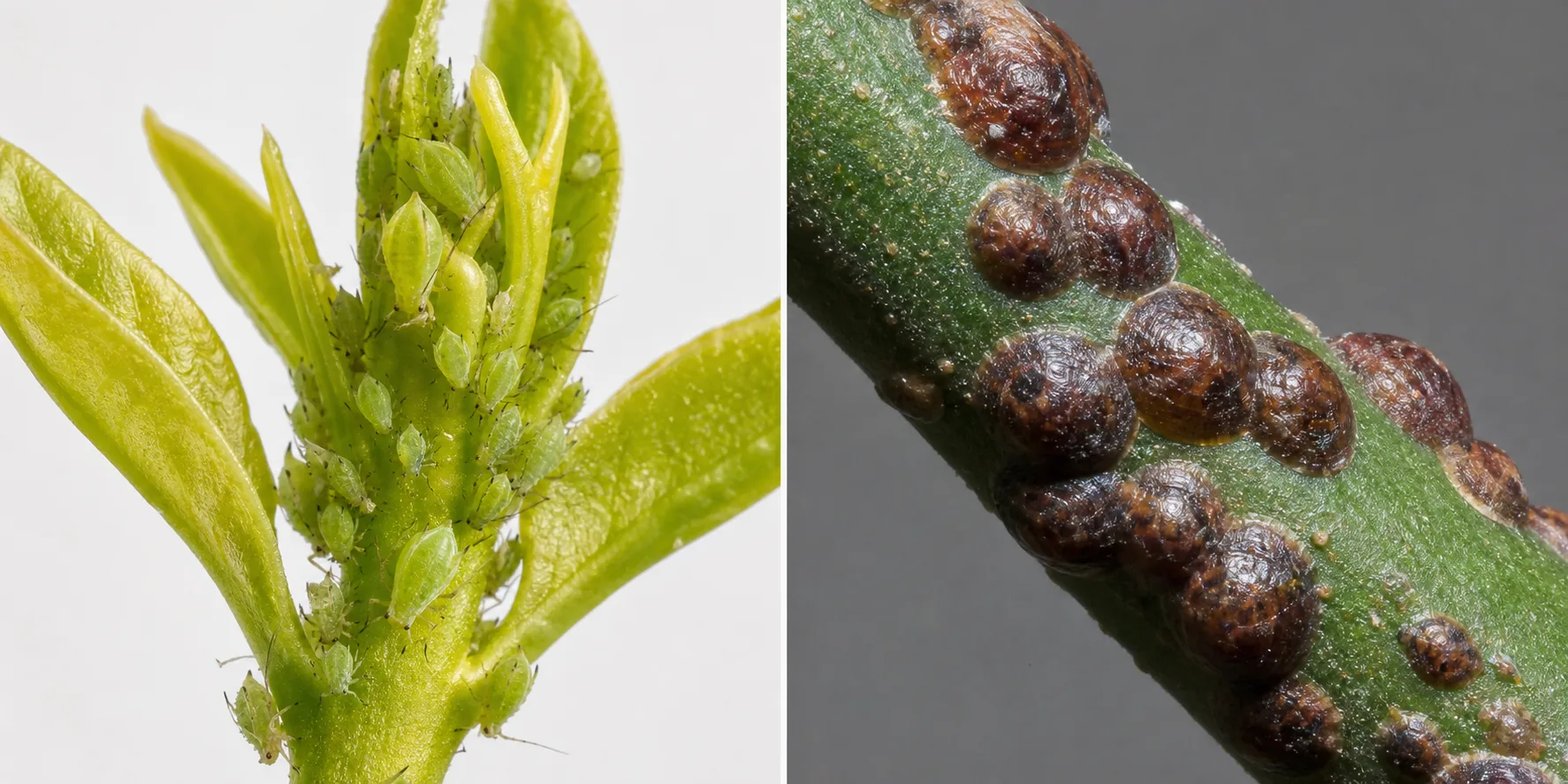
Aphids cluster on tender growth, while many adult scales appear as attached bumps on leaves or stems. Some scales produce honeydew and others do not, so sticky residue is a clue to inspect rather than a way to identify every scale insect.
Fine stippling and webbing can suggest spider mites. Treatment depends on the organism found and the product label for edible citrus and the intended location. A spray suitable outdoors is not automatically suitable inside a home.
Citrus leafminer makes winding mines in tender young leaves. Mature backyard trees often tolerate this damage, while young trees with little established foliage may lose growth. Repeatedly removing affected leaves can sacrifice useful leaf area and stimulate more susceptible young growth.
Unexplained persistent decline, unusual fruit, or suspicious mottled leaves deserves local diagnostic help, especially where regulated citrus diseases occur. New plants from certified nursery sources reduce the chance of introducing problems, but they do not make a tree permanently immune.
Pets and Handling the Tree
NC State lists lemon as a concern for dogs, cats, and horses and identifies plant material and skins as potential sources of problems. Juice and zest used in human food do not establish pet safety. Leaves, peelings, and concentrated oils should stay out of reach rather than being offered as treats.
Thorns and possible skin irritation also affect how people handle the tree. Gloves help during pruning and harvest, and enough space around the canopy reduces contact along a narrow path.
Sources & References
- Lemon Growing in the Florida Home Landscape, UF/IFAS
- UF/IFAS - Citrus Culture in the Home Landscape
- UC IPM - Citrus Site Selection
- University of Maryland Extension - Growing Dwarf Citrus
- University of Minnesota Extension - Growing Citrus Indoors
- Royal Horticultural Society - How to Grow Citrus Fruit
- UC IPM - Freezing and Frost Damage to Citrus
- UC IPM - Citrus Leafminer
- NC State Extension Gardener Plant Toolbox - Citrus x limon
- UF/IFAS Gardening Solutions - Citrus
- UC IPM - Scales, armored and soft scale distinctions
Related Plants
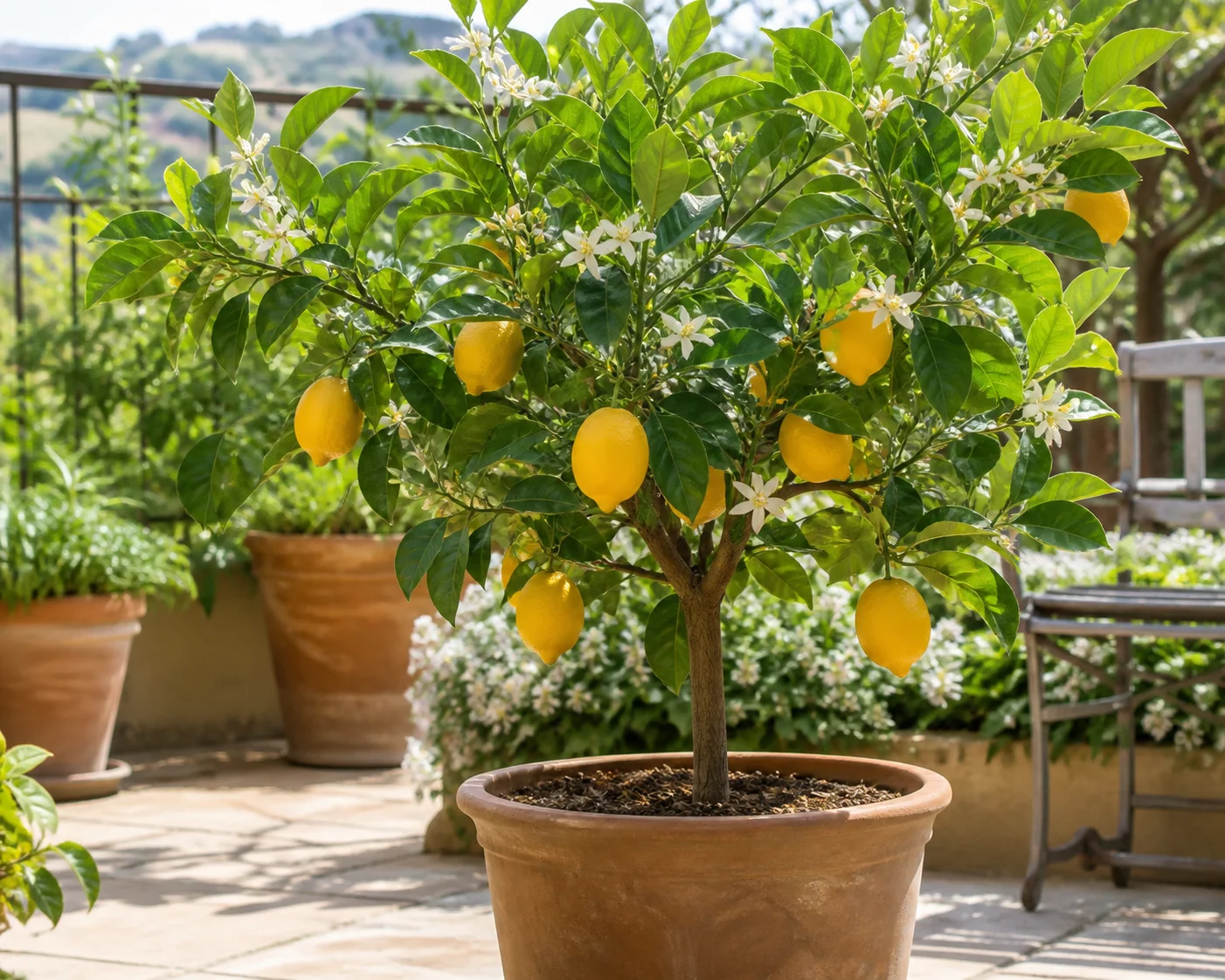
Meyer Lemon
A sweeter lemon hybrid that is especially popular in containers.
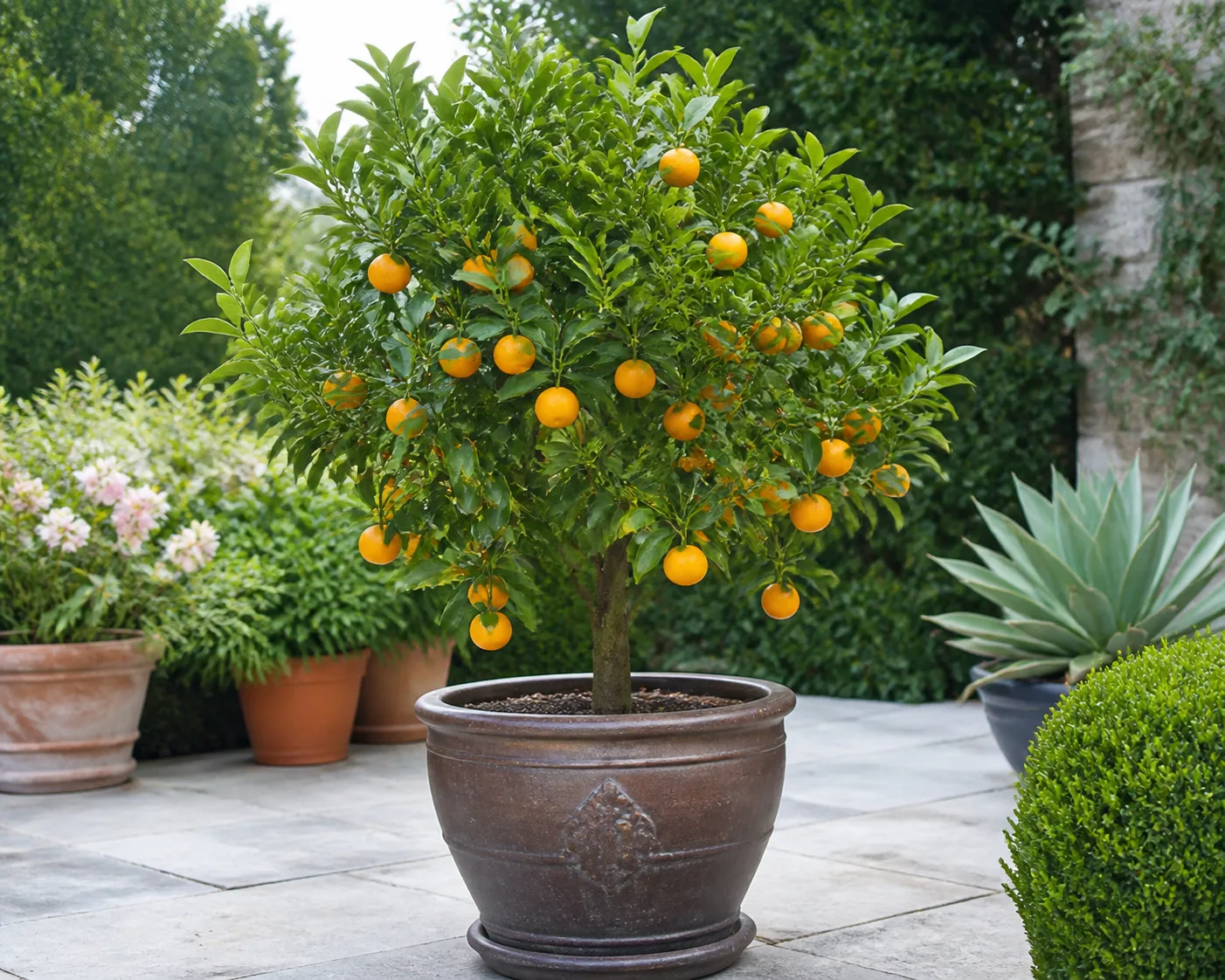
Dwarf Citrus
Compact citrus choices for patios, pots, and indoor overwintering.
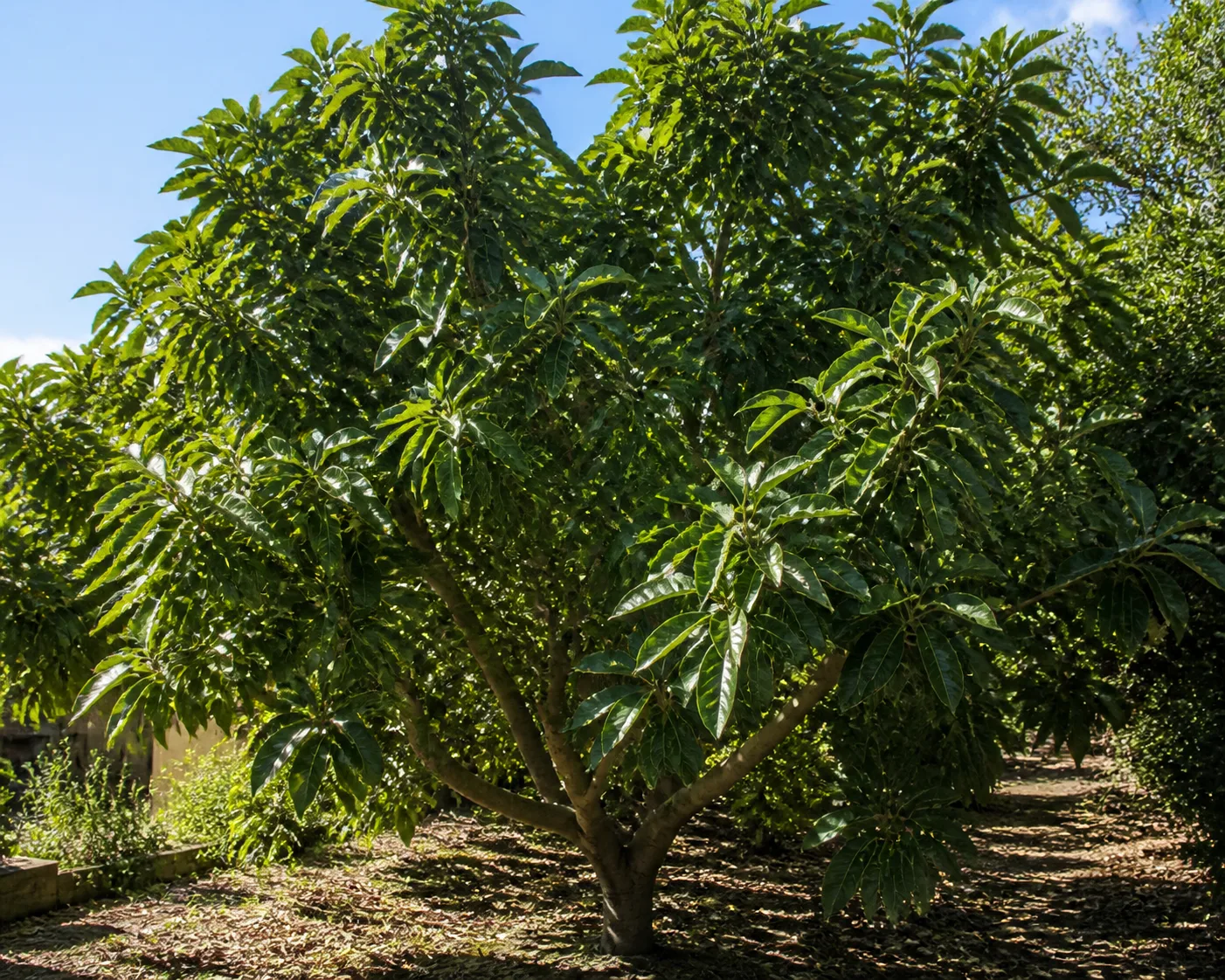
Avocado Tree
Another warm-climate evergreen fruit tree with frost limits.
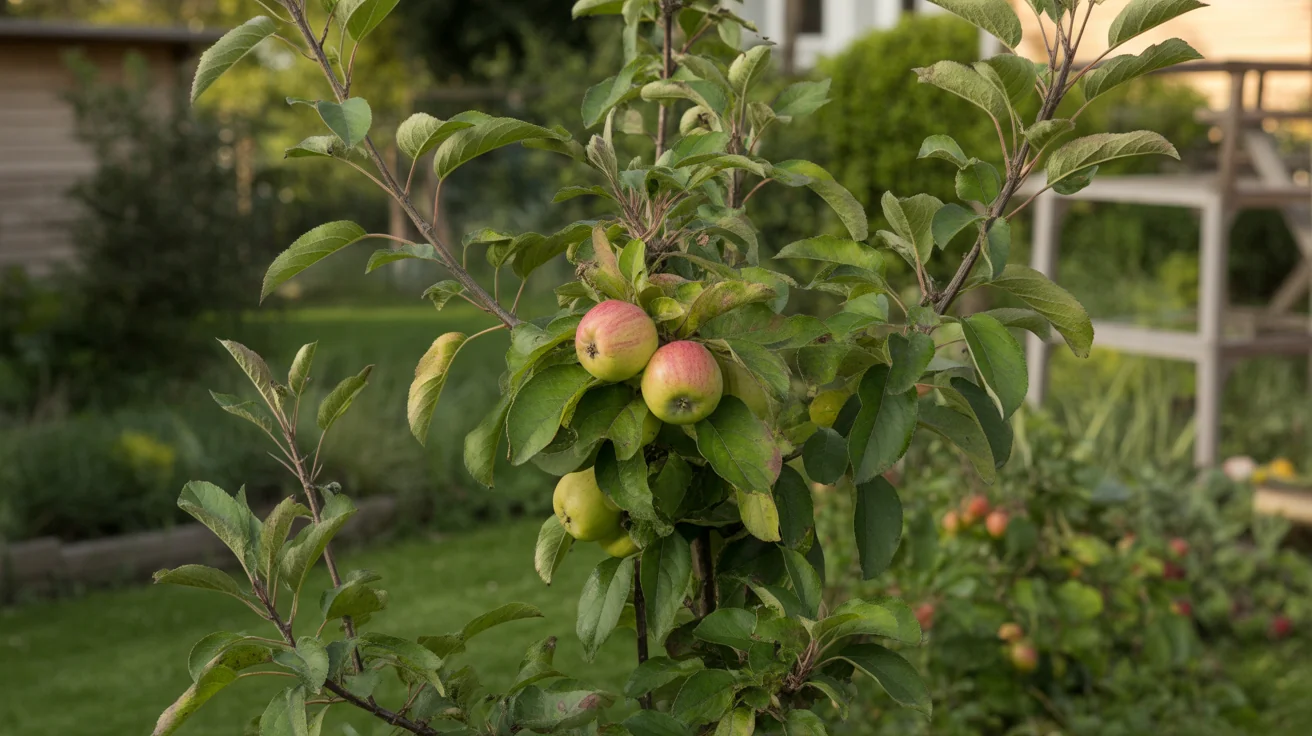
Apple Tree
Apple trees can be excellent backyard fruit trees when the variety, rootstock, pollination partner, sun, and pruning…
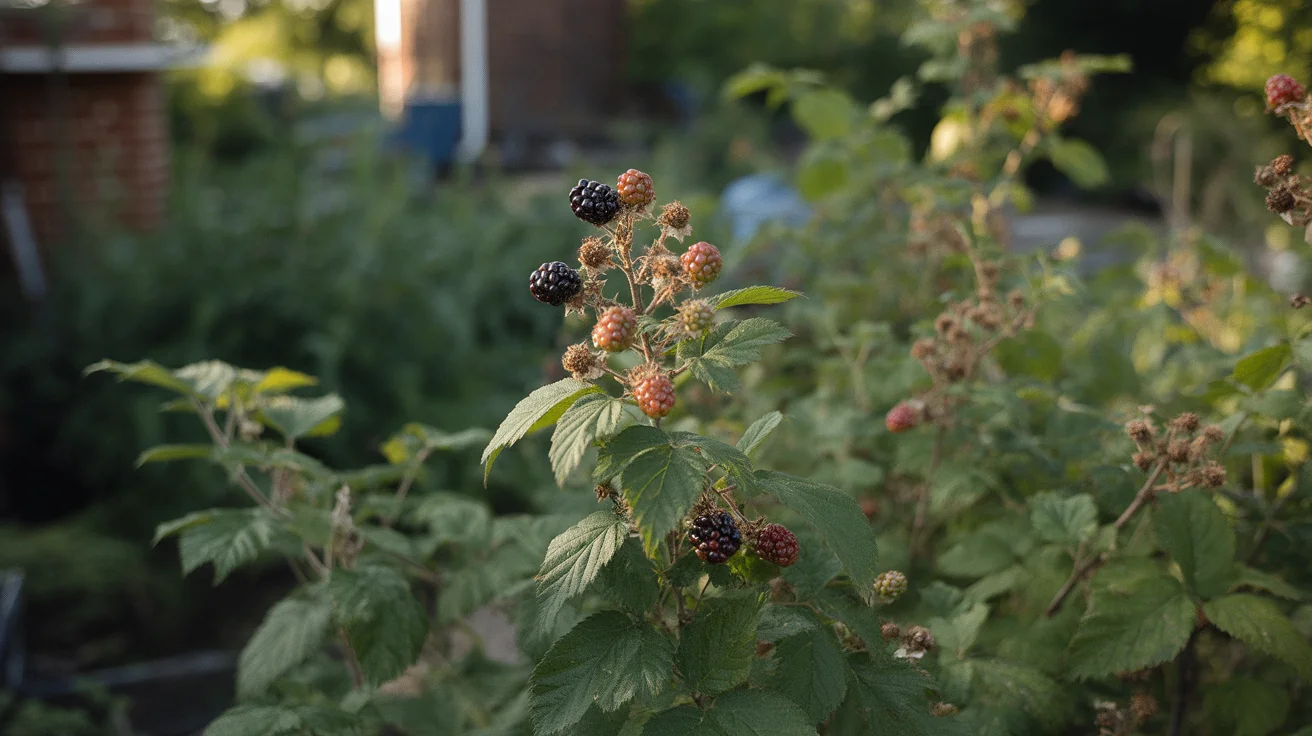
Blackberry
Blackberries are perennial brambles grown for summer fruit on managed canes.
Blueberry
Blueberries are long-lived fruiting shrubs that reward careful soil prep more than constant fussing.