
How to Grow Raspberries and Prune the Right Fruiting Canes
Rubus idaeus Rosaceae
Raspberries are perennial brambles grown for fruit on temporary canes.
A productive patch depends on understanding primocanes and floricanes, choosing the right fruiting type, keeping rows narrow, watering during fruiting, and removing old canes before the row becomes a thicket.
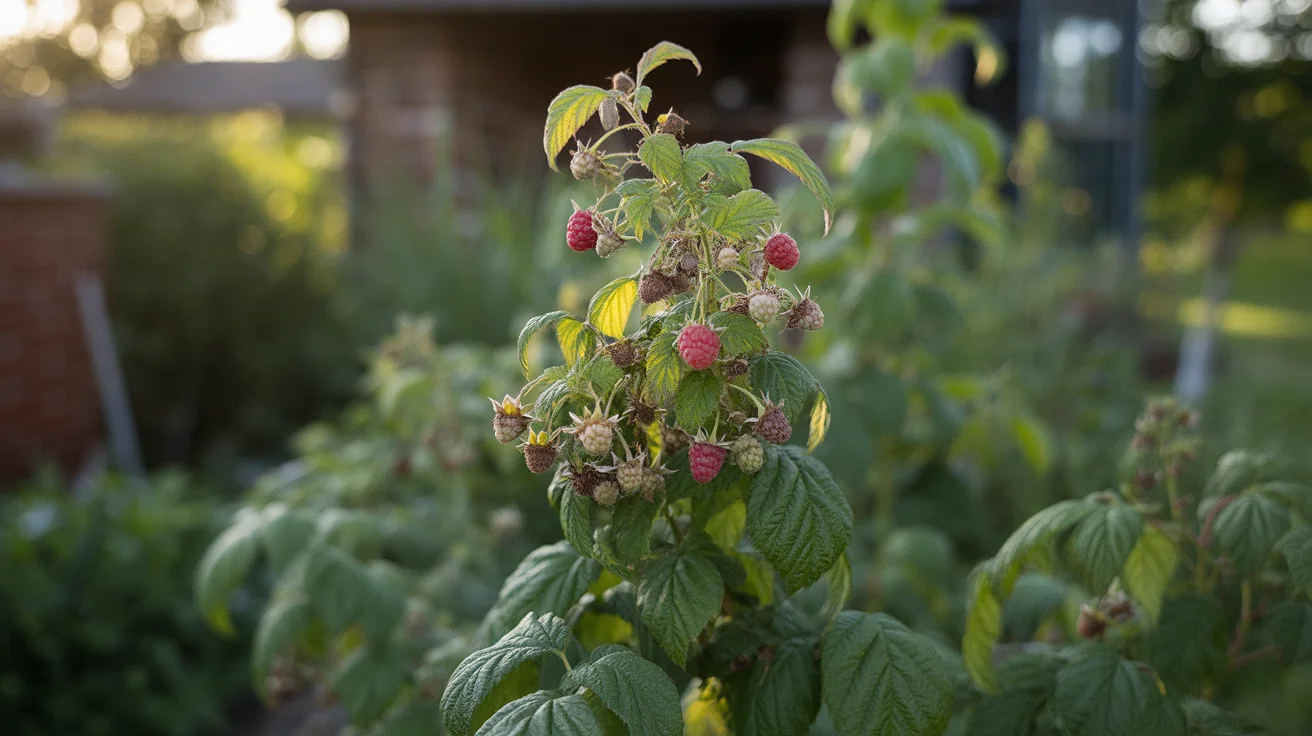
Care snapshot
Understand the Cane Cycle First
The growth habit explains the care, since Raspberries grow from perennial crowns and roots, but the canes are temporary. That is the whole care system.
Botanically, a raspberry is not a true berry. It is an aggregate fruit made of many tiny drupelets clustered around a hollow core, which is why the fruit slides cleanly off the plant when picked.
Primocanes are first-year canes. Floricanes are second-year canes that fruit on many summer-bearing types, then die after harvest.
Primocanes and floricanes are not different plants. They are the same crown producing canes of different ages in the same season.
Fall-bearing raspberries can fruit on primocanes in late summer or fall. If you prune them like summer-bearing types without understanding that difference, you can remove the crop.
Compared with blackberries, raspberries are usually less rugged in heat but often easier to keep productive in cool-summer gardens.
Raspberry pruning depends on whether the canes are summer-bearing or fall-bearing. Summer-bearing types fruit on second-year canes, while fall-bearing types can crop on first-year canes, so the wrong pruning system can remove the harvest.
Sun for Sweet Berries, Shade Only for Heat Relief
Start with the site, since Raspberries need 6-8 or more hours of direct sun for strong canes and sweet fruit in mild climates.
In hot-summer regions, light afternoon shade can protect berries from softening and sunscald. Morning sun with airflow is better than deep all-day shade.
Good airflow around the canes matters as much as sun exposure. Wet leaves that stay shaded too long invite fungal cane diseases like spur blight and cane botrytis.
Rows that are too wide shade themselves. Keep the fruiting row narrow enough that light reaches lower buds and pickers can see ripe berries.
Light also changes how wide the row can stay.
The practical split in strawberry vs raspberry is that raspberries need upright cane light and harvest lanes, while strawberries need low, even bed exposure.
- Best site: full sun with air movement.
- Hot areas: morning sun plus light afternoon relief.
- Avoid: tree-root competition and deep fence shade.
- Row width: keep canes narrow enough for light and harvest access.
Summer-Bearing, Fall-Bearing, Red, Yellow, Purple, and Black
Choose raspberry cultivars by fruiting habit first. Summer-bearing types give one main crop on floricanes, while fall-bearing types can give a simpler late crop on primocanes.
Fall-bearing types are a relatively recent breeding development. Growers bred them specifically to simplify pruning, since a single mow-down each winter replaces the two-stage floricane system.
Red and yellow raspberries often spread by suckers and form rows. Black and purple types behave more like arching brambles and are usually managed as individual clumps.
Yellow raspberries are genetically red raspberries that lack the red pigment, not a separate species. They often taste milder and sweeter than red types from the same planting.
Disease resistance matters. If your region has cane blight, root rot, or virus issues, a resistant cultivar is worth more than a flavor description on a tag.
Thornless or nearly thornless selections help around paths and children, but they do not remove the pruning job. Fruiting habit, cane vigor, and disease resistance still decide how easy the row feels by year three.
Choose raspberry types around harvest management. Summer-bearing raspberries give a concentrated crop, while fall-bearing types can be cut down for a simpler single late crop if disease or pruning confusion is a problem.
- Summer-bearing
- One main crop on second-year floricanes
- Fall-bearing
- Main crop on first-year primocanes; simplest if mowed annually
- Yellow raspberries
- Often sweet and delicate; protect from rough handling
- Black raspberries
- Managed more as clumps; prune differently from red row types
Rich, Drained Soil and a Controlled Row
Start below the surface, since Raspberries like well-drained, organic-rich soil with a slightly acidic pH. They are not as acid-demanding as blueberries, but alkaline or compacted soil can still weaken growth.
Prepare the whole row before planting, similar to a serious garden bed rather than one small planting hole. Remove perennial weeds, loosen the strip, mix in compost, and set a boundary plan before suckers start moving sideways.
Avoid planting raspberries where tomatoes, potatoes, eggplant, or strawberries grew recently. Those crops can leave verticillium wilt in the soil, and raspberry canes are notably sensitive to it.
Raspberries spread by suckers, so bed edges matter. A narrow row is easier to pick, prune, and keep disease-free than a wide thicket where old canes, new canes, and weeds compete.
- Soil texture
- Loose loam with compost and good drainage
- pH
- Slightly acidic is usually best
- Row prep
- Weed-free strip, compost, mulch, and trellis space
- Spread control
- Mow, dig, or edge suckers before they form a second row
Consistent Moisture During Bloom and Fruiting
Read the soil before the calendar, since Raspberries have shallow, fibrous roots, so they feel drought quickly. Dry soil during bloom and fruit sizing leads to smaller berries and weaker new canes.
Raspberry roots stay shallower than blackberry roots, which is one reason raspberries dry out faster in the same bed. Gardeners who grow both often water the raspberry row first.
Use deep watering with drip or soaker lines when possible. The goal is evenly moist soil, not wet leaves and daily surface sprinkling.
A raised bed or slightly mounded row drains faster after heavy rain, which matters most in the weeks right before harvest when soaked roots can encourage crown rot.
If the row is already mulched, look next at cane density and irrigation depth, since crowded roots can mimic a simple watering problem.
Raspberries have shallow roots and heavy fruit demand. Mulch and drip irrigation keep the root zone even, while drought during bloom or berry fill gives crumbly, undersized fruit even when the canes look green.
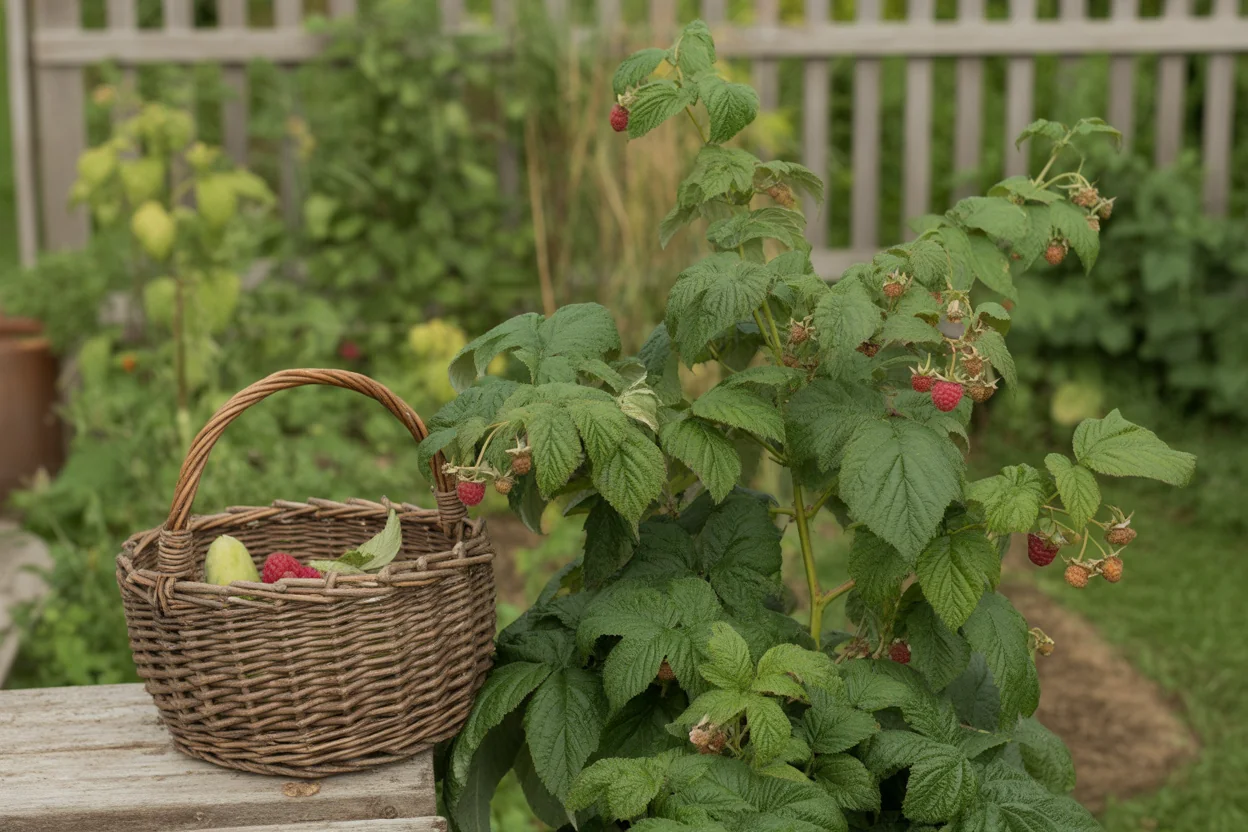
Pruning and Trellising by Cane Type
Summer-bearing raspberries need spent floricanes removed after harvest or during dormancy.
Keep healthy primocanes because they carry next year's crop.
Fall-bearing raspberries can be managed two ways. For the simplest system, mow all canes down in late winter and harvest one fall crop on new canes.
Black raspberries rarely sucker the way red types do. Instead, propagate them by tip layering, where an arching cane tip roots on its own after touching the soil.
A two-crop system is possible on some fall-bearing cultivars, but it is fussier. You keep the lower part of selected canes for an early crop, then manage the new primocane crop, so many home growers choose one clean fall crop because it is easier and less disease-prone.
Propagation is easy from suckers, but only move disease-free plants. Cane diseases and viruses travel with shared planting material.
Always dig suckers in early spring while they are still dormant. Transplanting during active summer growth stresses the small root system and slows establishment.
- Identify whether your cultivar fruits on floricanes, primocanes, or both.
- Remove canes that already fruited on summer-bearing types.
- Thin weak and crowded canes so the row breathes.
- Tie remaining canes to wires before they flop.
- Dig suckers for propagation only from healthy productive rows.
Seasonal Raspberry Row Care
Late winter is pruning and trellis repair season for many raspberries. The right cuts depend on the fruiting type, either summer-bearing or fall-bearing.
Spring is cane selection, mulch refresh, and light feeding season. Keep the row narrow before growth gets tall and tangled.
Cold hardiness varies by type.
Many red raspberries tolerate winters down to Zone 3 or 4, while purple and black types are usually safer bets only from Zone 5 up.
Fall is cleanup and boundary control season. If you also grow strawberries, keep berry cleanup routine across both crops so soft fruit does not sit and attract pests.
Cane renewal keeps the patch productive. Remove spent floricanes after harvest, thin weak canes, and keep rows narrow enough that you can reach berries without crushing new growth.
Late-season nitrogen pushes soft new growth that will not harden off before frost. Most feeding is best finished by mid-summer rather than repeated through fall.
Prune by cane type, remove dead wood, and repair trellis wires.
Thin crowded shoots, feed lightly, and refresh mulch.
Water during fruiting, harvest often, and remove spent canes.
Clean fruit debris and control suckers outside the row.
Fruit Flies, Beetles, Aphids, Mites, and Cane Disease
Look for the pressure point, since Raspberries attract spotted wing drosophila, Japanese beetles, aphids, mites, cane borers, and fungal cane diseases. Dense, wet rows make every issue worse.
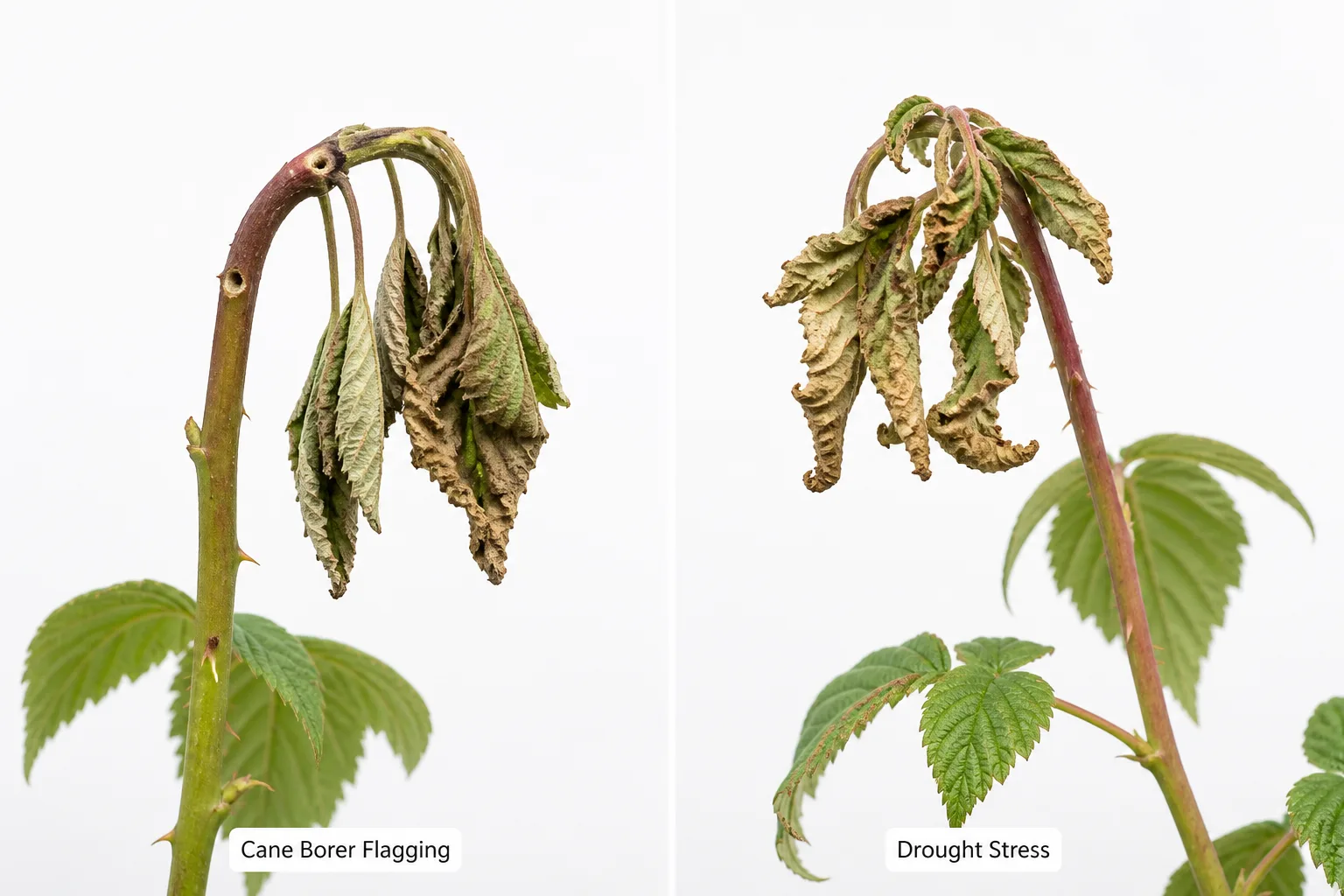
A wilting cane tip, sometimes called flagging, is the classic sign of a cane borer rather than drought. The insect girdles the cane just below the tip as it tunnels in.
Harvest frequently and chill fruit quickly where fruit flies are active.
Overripe berries left in the patch invite more trouble.
Aphids also spread virus diseases between canes, so an aphid problem is worth treating early even when the honeydew and curled leaves look minor on their own.
Use the same targeted mindset as natural garden pest control. Identify the pest, clean up the row, then choose a control that matches the actual problem.
Harvest hygiene is part of pest control. Pick often, remove soft berries, and keep the row open, since overripe fruit left in the canopy invites insects and gray mold.
Soft berries with larvae. Pick often, chill fruit, and remove overripe berries.
Skeletonized leaves and chewed fruit. Hand-pick early and protect bloom.
Curled tips, honeydew, stippling, or webbing. Reduce stress and treat early.
Spots, dieback, or wilting canes. Prune out infected wood and improve airflow.
Safe Fruit, Scratchy Canes, and Pollinators
Ripe raspberries are edible for people, but neither the ASPCA nor NC State gives a pet toxicity rating for the plant, and too much fruit can upset stomachs. The bigger yard issue is thorny or scratchy canes near paths.
Dried raspberry leaves are a common ingredient in herbal teas, a traditional use separate from the fruit itself. That use does not change the pruning or care the plant needs.
Keep access paths wide enough for picking and pruning. Eye protection helps when tying canes or cutting old wood from a tight row.
Thorned cultivars cause more scratches during pruning than during casual garden walks, so most injuries happen at trellis-tying and cane-removal time, not from simply walking past the row.
Raspberry flowers support bees, so avoid insecticides during bloom. Nearby pollinator plants can extend forage before and after the berry flowers.
For a balanced berry patch, combine raspberries with other brambles only if you can keep rows pruned and separated. Low fruit crops are easier when space is tight.
Site the row where canes can be tied and picked from both sides if possible. A productive raspberry patch becomes frustrating when every harvest requires reaching through thorny growth or stepping into the crown zone.
Frequently Asked Questions
Do raspberries come back every year?
Yes, since Raspberry crowns and roots are perennial, but individual canes are temporary. Many canes grow one year, fruit the next, then die.
What is the difference between primocanes and floricanes?
Primocanes are first-year raspberry canes. Floricanes are second-year canes that fruit on many summer-bearing types and then die after harvest.
Do raspberries need a trellis?
Raspberries do best with a simple trellis because support keeps canes upright, improves airflow, reduces disease, and makes harvest easier.
When should I prune raspberries?
Prune raspberries by type. Remove spent floricanes after harvest on summer-bearing types, or mow fall-bearing types in late winter for one simple fall crop.
Can raspberries grow in containers?
Compact raspberries can grow in large containers with rich draining mix, consistent water, and winter root protection in cold climates.
Are raspberries safe for dogs?
Neither the ASPCA nor NC State gives a pet toxicity rating for raspberries. Too much fruit can upset a dog's digestion, and thorny canes should be kept away from play paths.
Sources & References
- University of Minnesota Extension - Growing Raspberries in the Home Garden
- Oregon State University Extension - Growing Raspberries and Blackberries
- North Carolina State Extension - Blackberries and Raspberries in the Home Garden
- Penn State Extension - Growing Raspberries in Your Backyard
- North Carolina Extension Gardener Plant Toolbox - Rubus idaeus
Related Plants
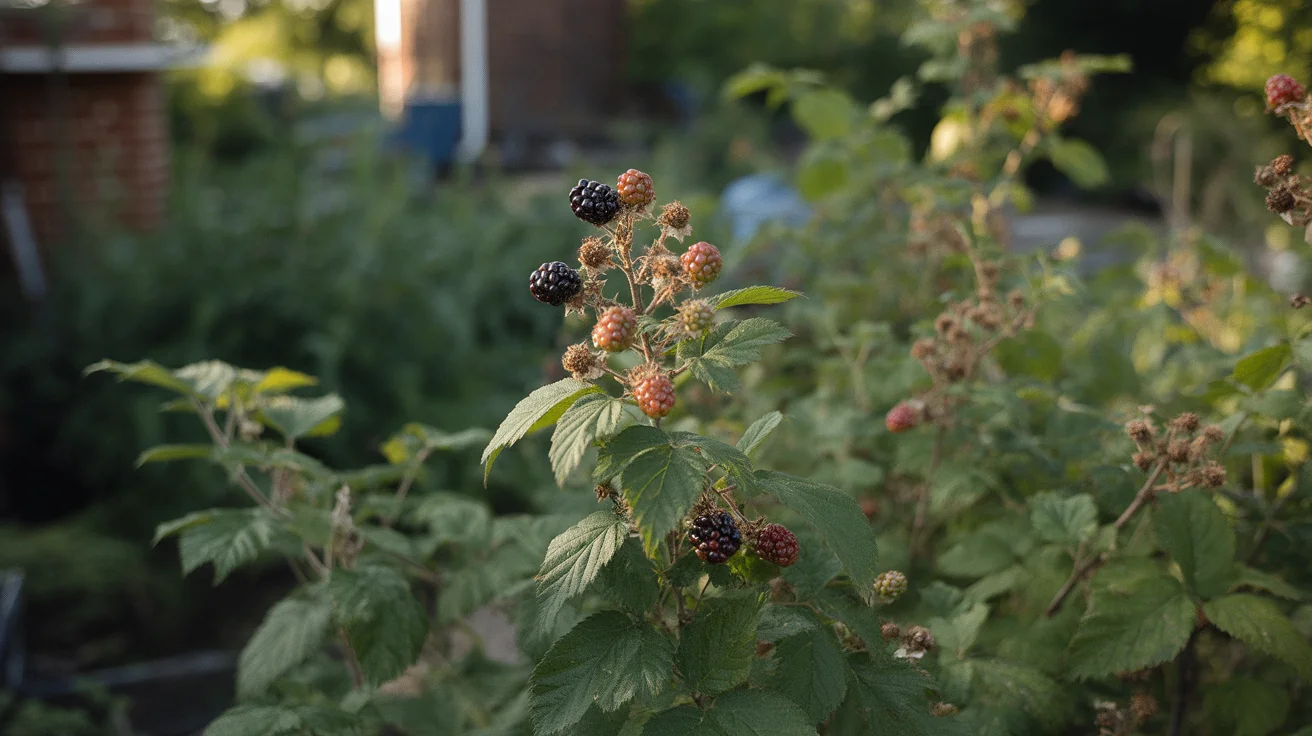
Blackberry
A close bramble relative with similar cane management and different heat tolerance.
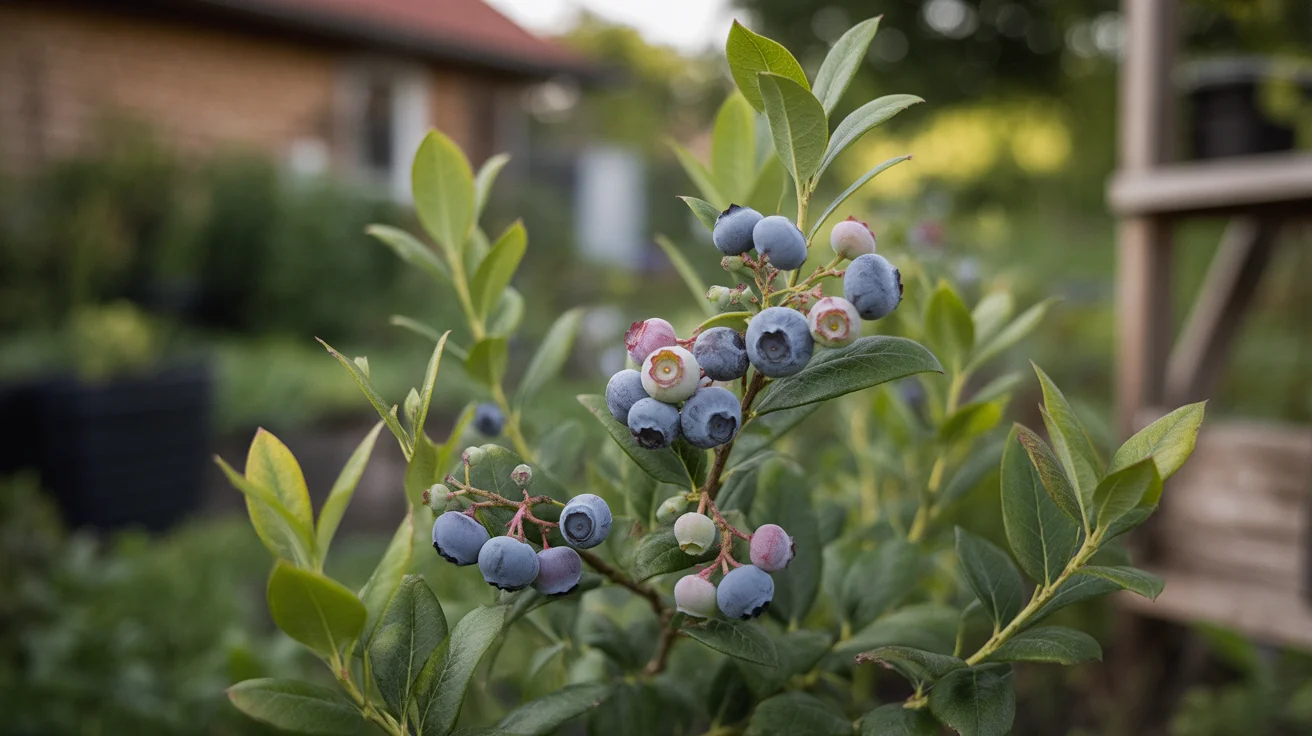
Blueberry
A shrub fruit with very different acidic soil needs.
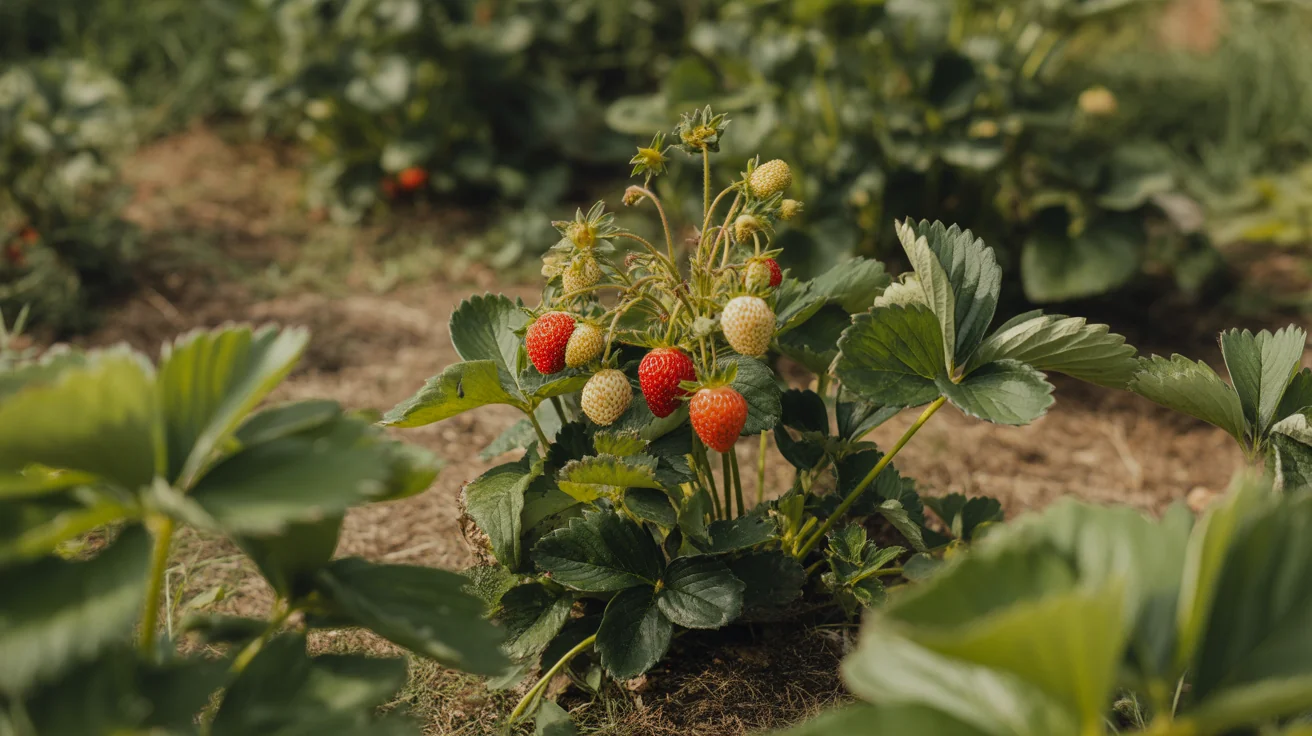
Strawberry
A low-growing fruit for gardeners who want easier picking height.
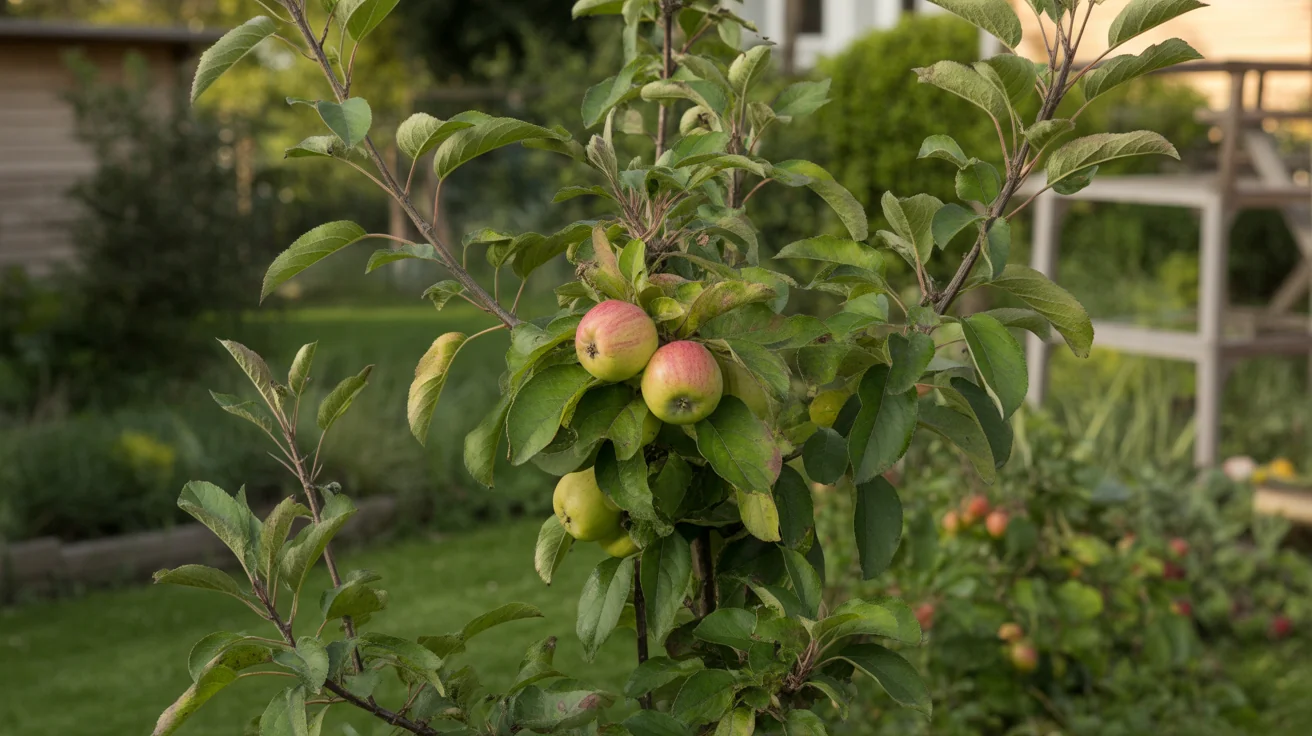
Apple Tree
Apple trees can be excellent backyard fruit trees when the variety, rootstock, pollination partner, sun, and pruning…
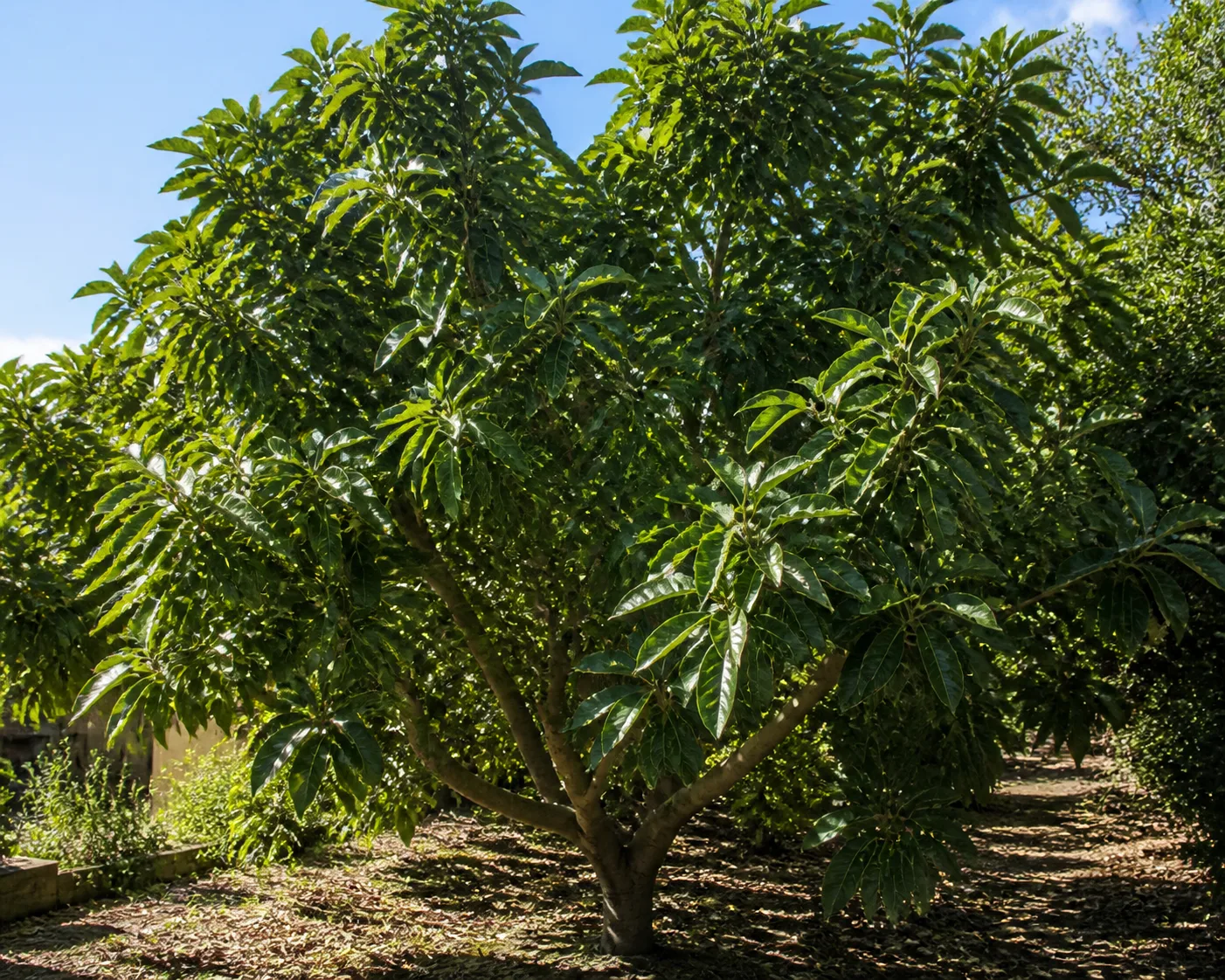
Avocado Tree
Avocado tree is a subtropical evergreen fruit tree for frost-free gardens, warm patios, and bright indoor…
Dwarf Citrus
Dwarf citrus includes different fruiting varieties grown on size-controlling rootstocks, along with naturally smaller…