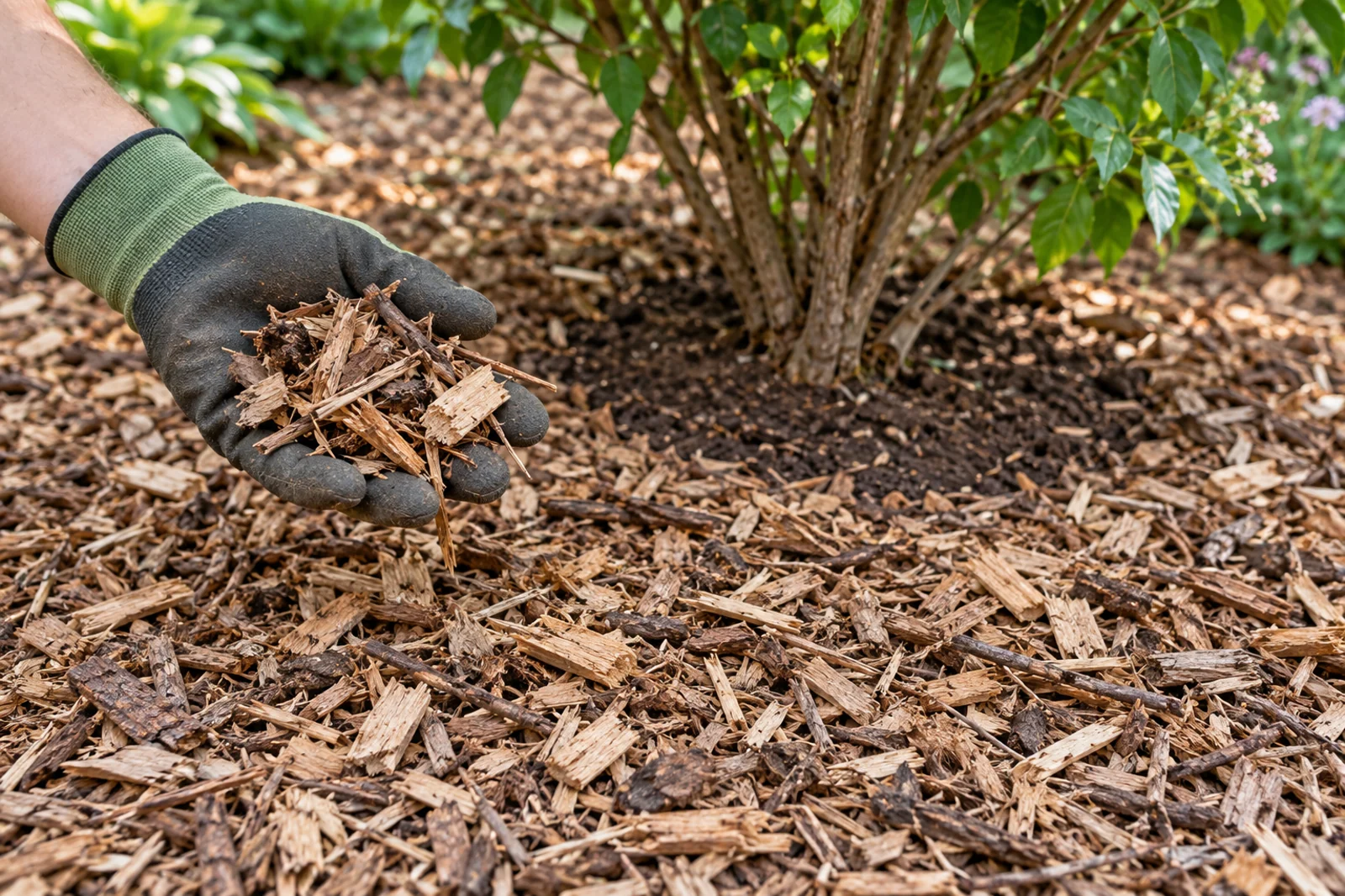
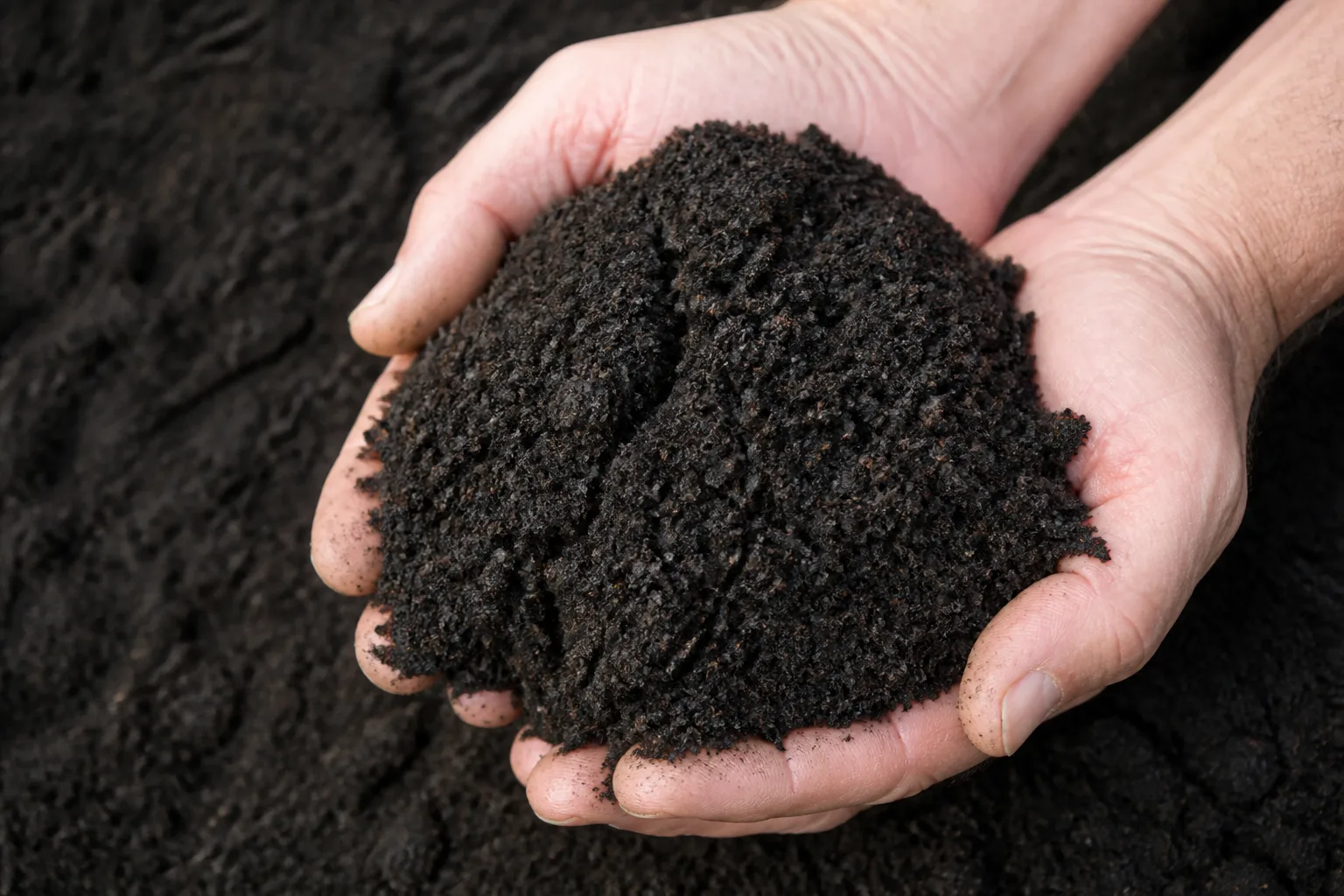
Mulch vs Compost
Choose mulch when bare soil needs a protective surface layer. Choose compost when the soil needs stable organic matter, or use…

54 Side-by-Side Guides
Put two plants side by side and choose using climate, mature size, maintenance, and the role each one will fill.
The best choice often becomes clear when you check the constraints before appearance.
Check cold tolerance, heat, humidity, and the length of your growing season.
Compare height, spread, roots, and the distance from paths or structures.
Consider pruning, watering, cleanup, replacement, and recurring pest pressure.
54 matching comparisons
Search checks both plant records, the comparison title, URL name, and page summary. Sorting uses the update date or pair name.
Choose mulch when bare soil needs a protective surface layer. Choose compost when the soil needs stable organic matter, or use…
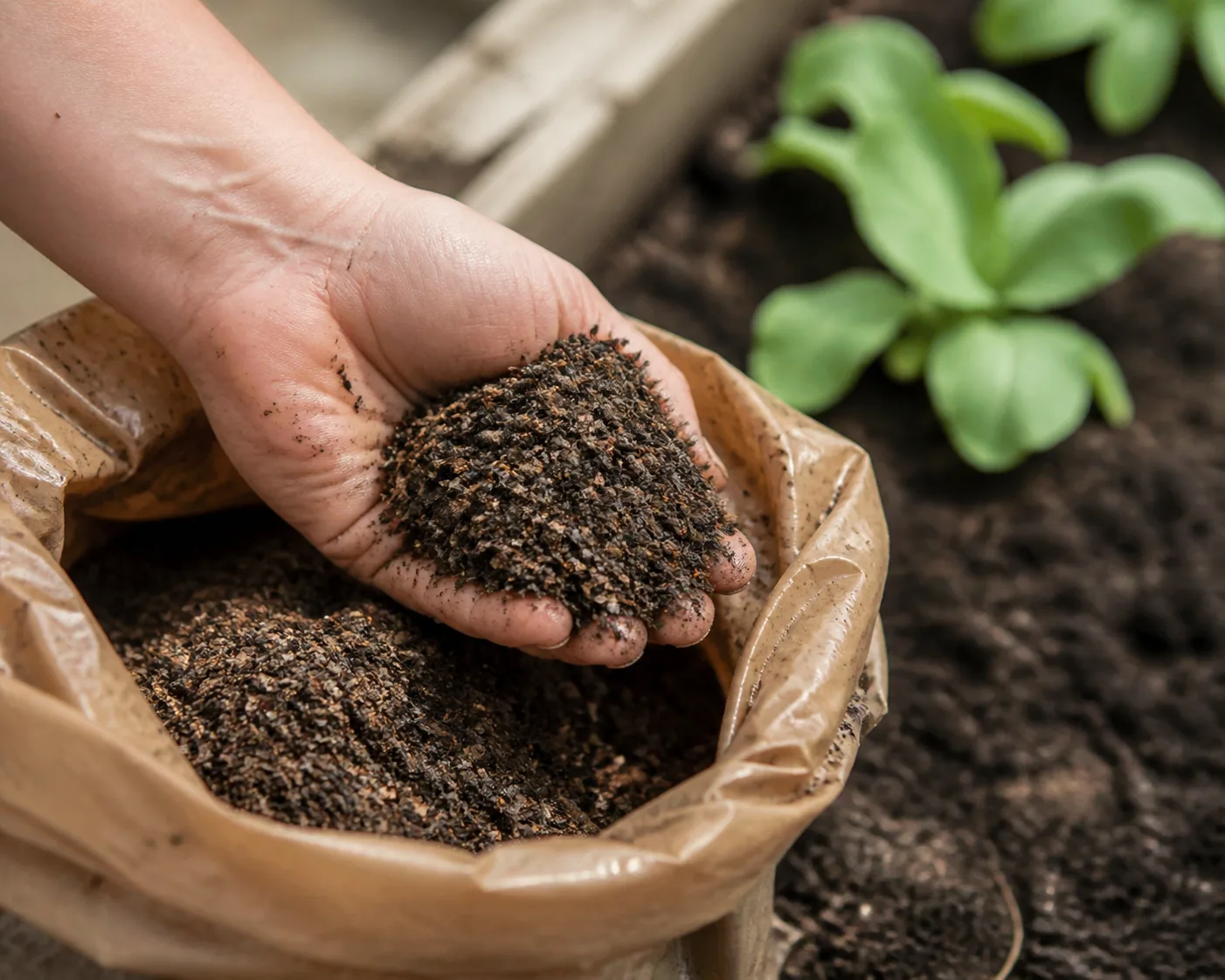
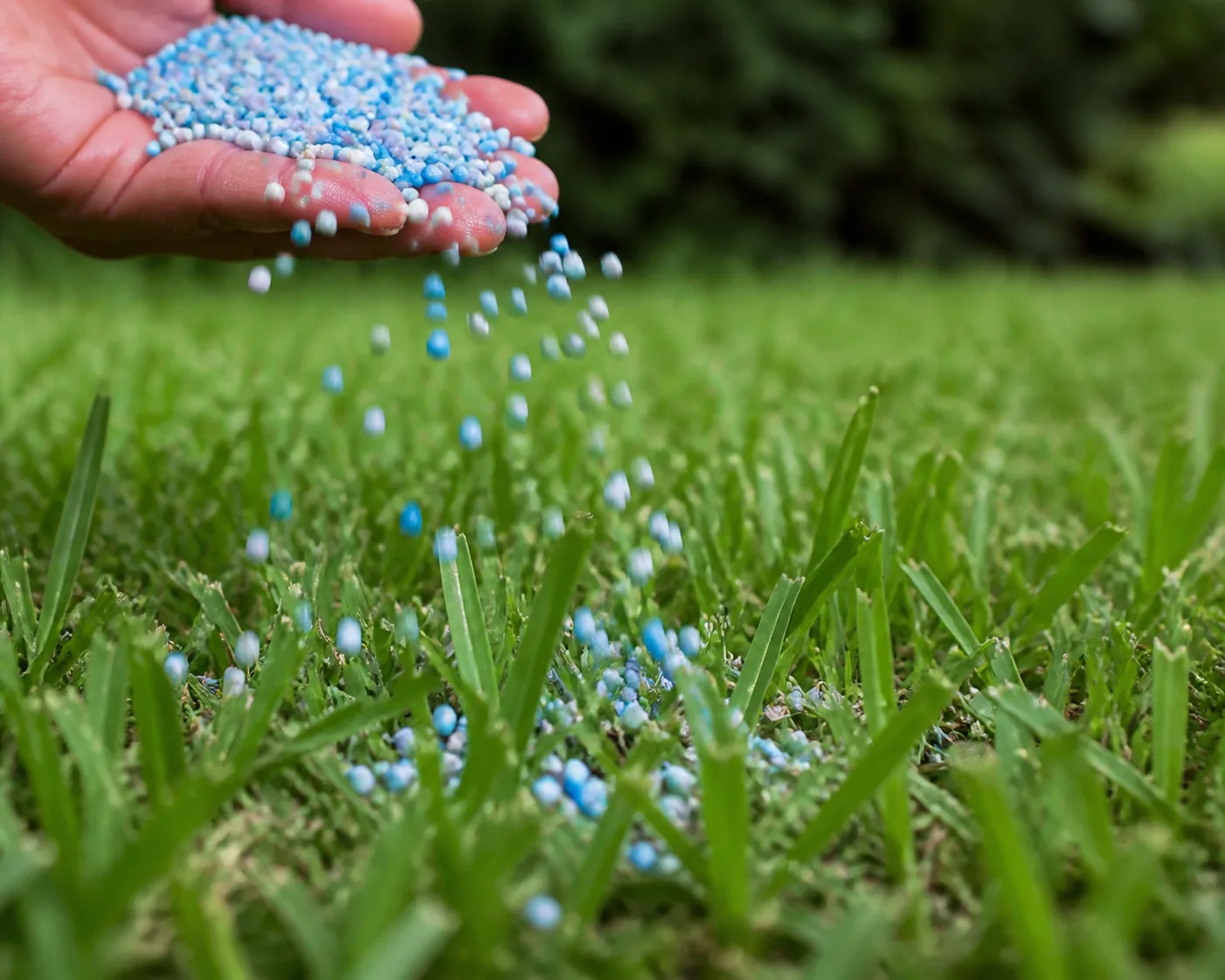
Neither fertilizer category is automatically better. Match the nutrient analysis, release behavior, rate, timing, and placement to a…
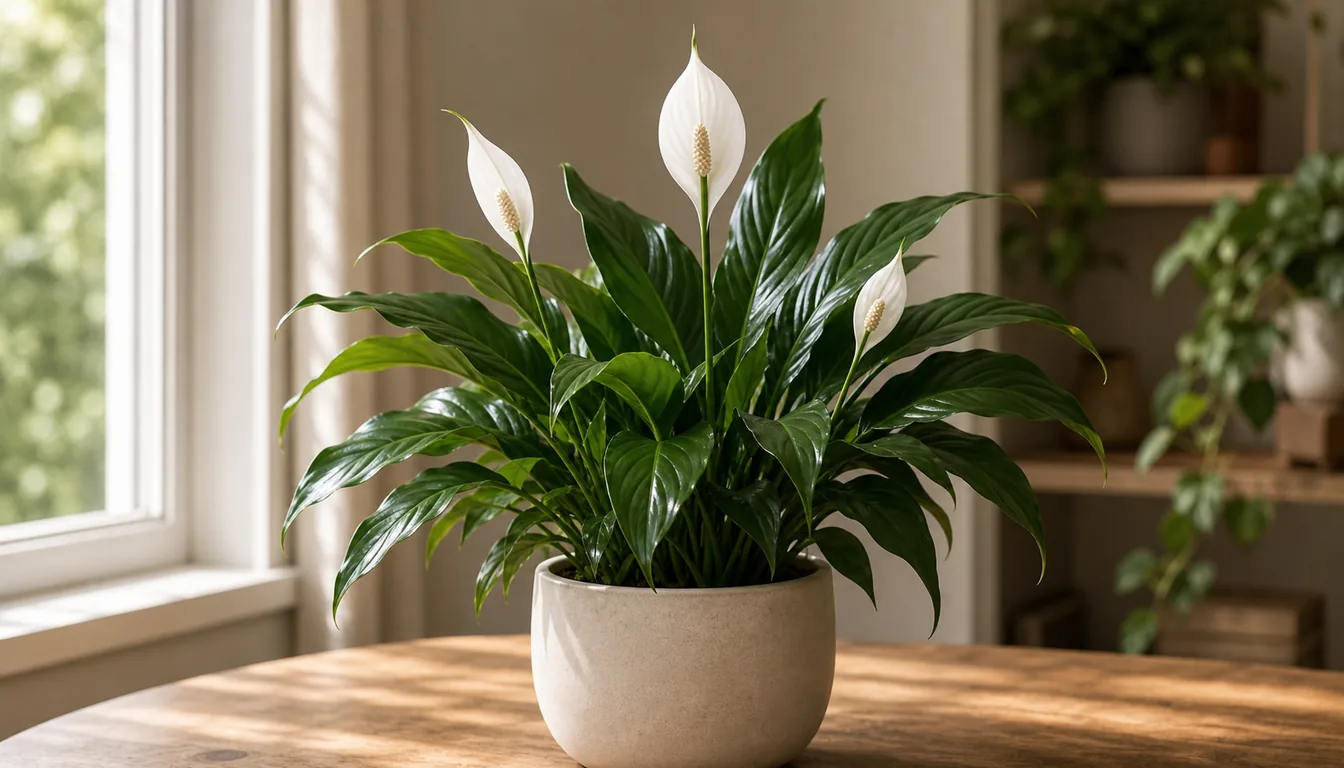
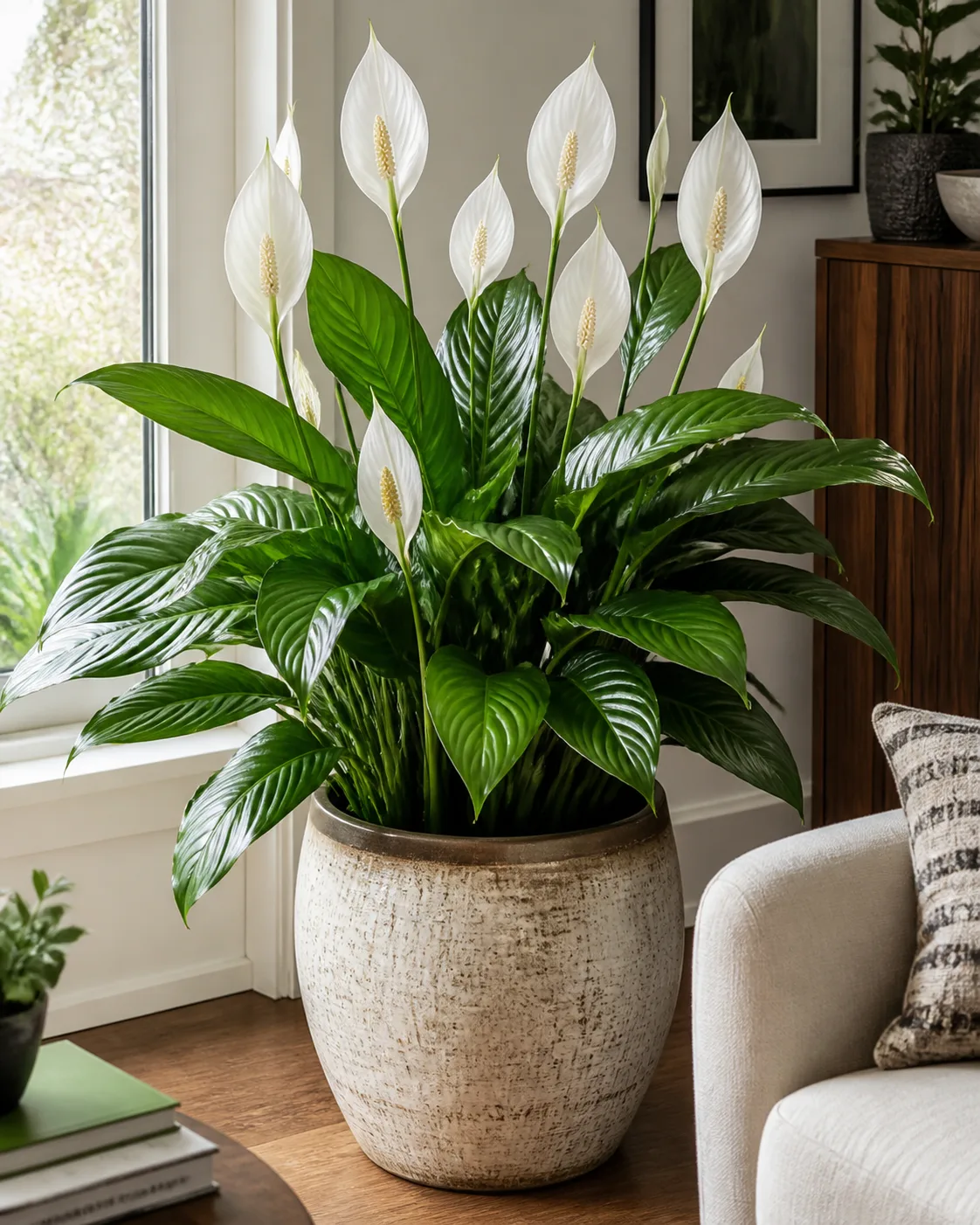
Peace lily is the common name for plants in the genus Spathiphyllum. The two labels do not describe rival houseplants, so use the…
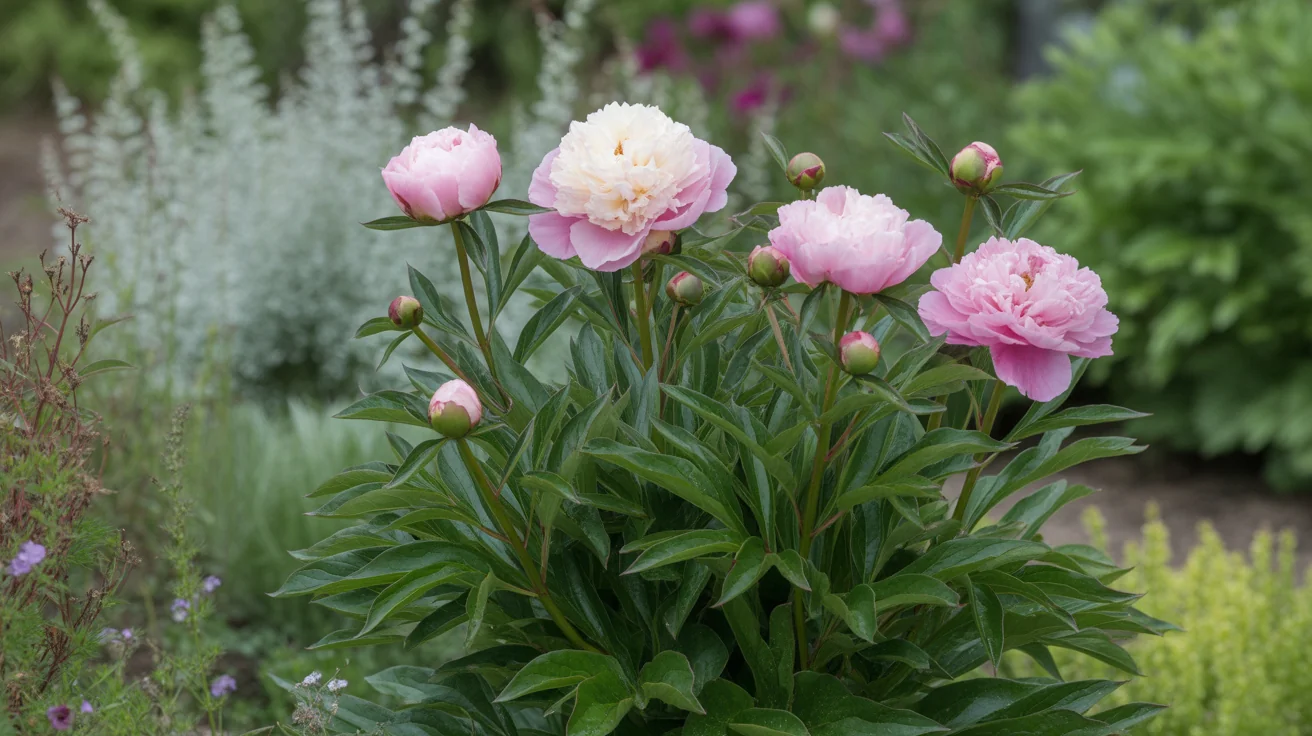
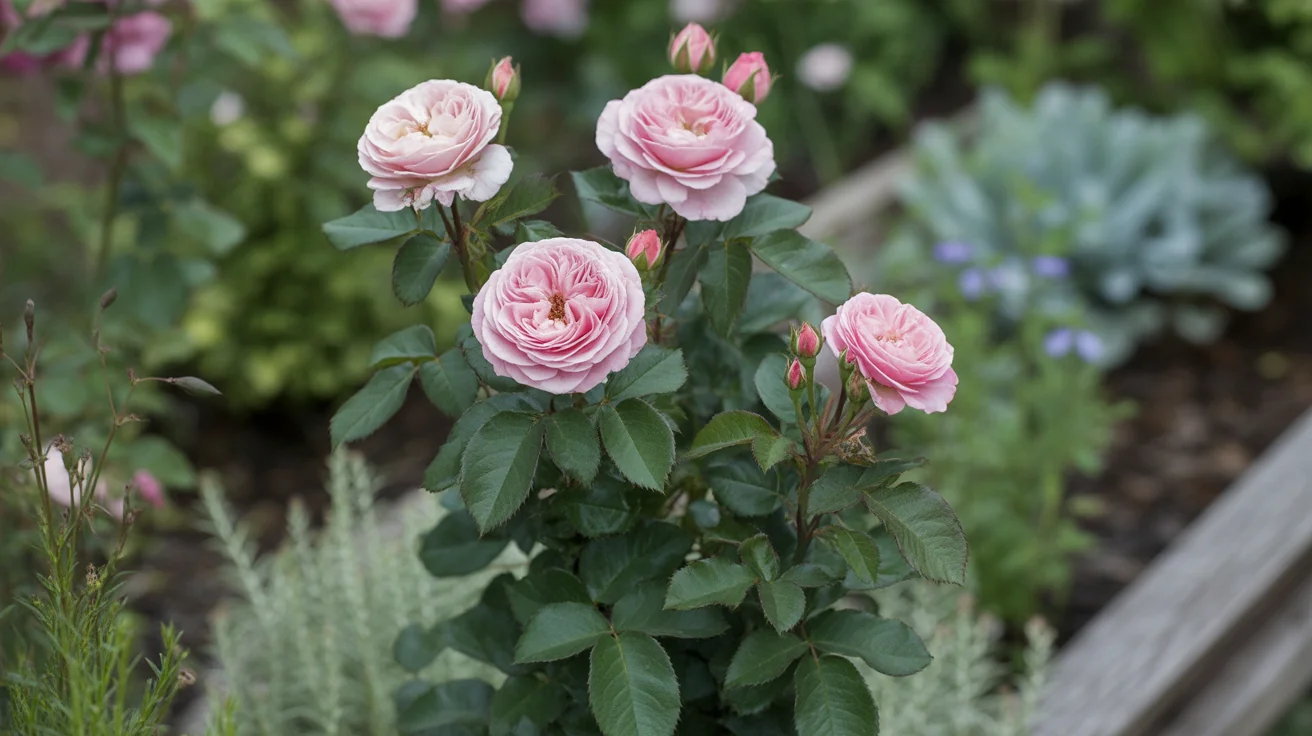
Herbaceous peony gives a concentrated spring display. A repeat-blooming rose can extend the flower season, while a locally hardy shrub…
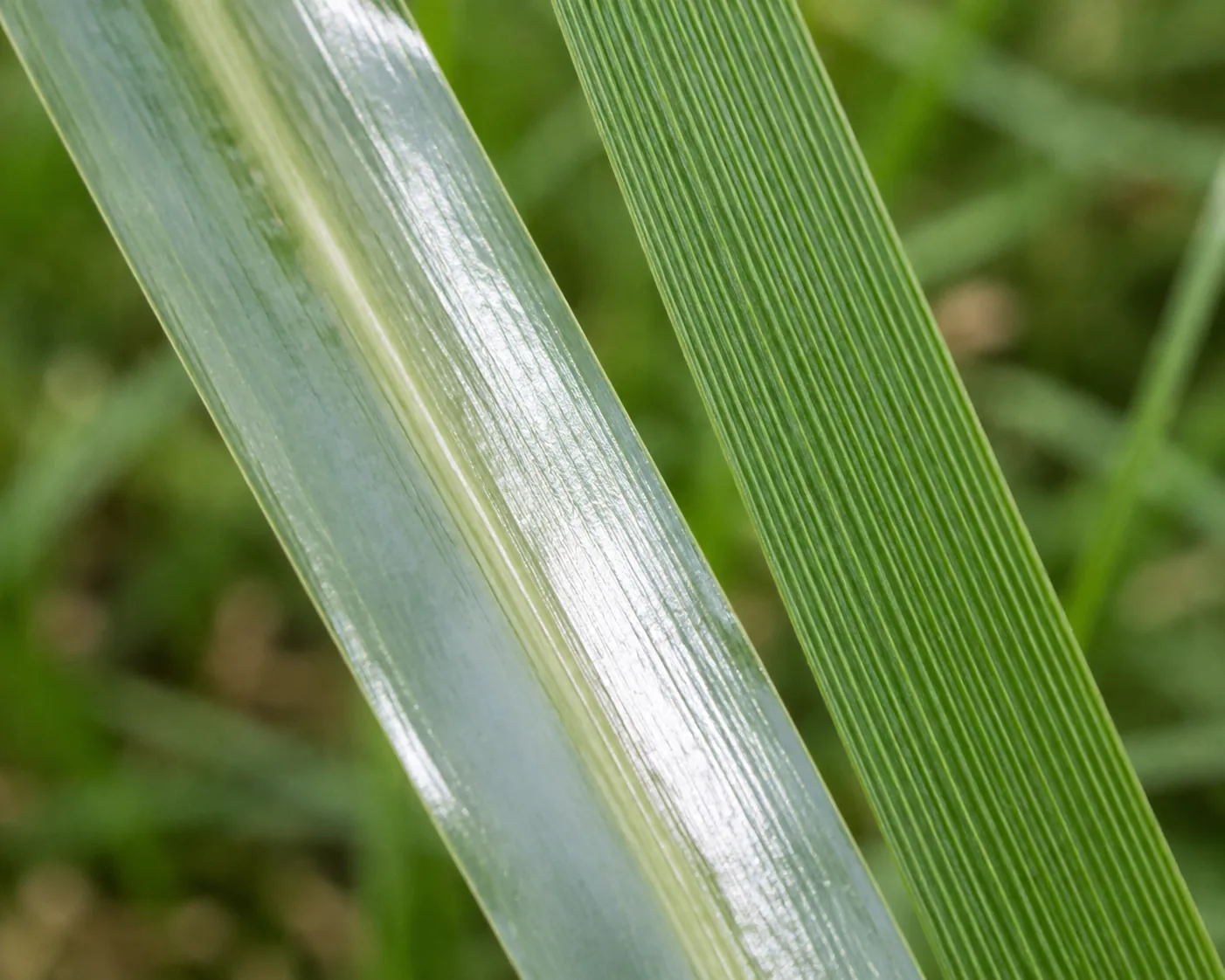
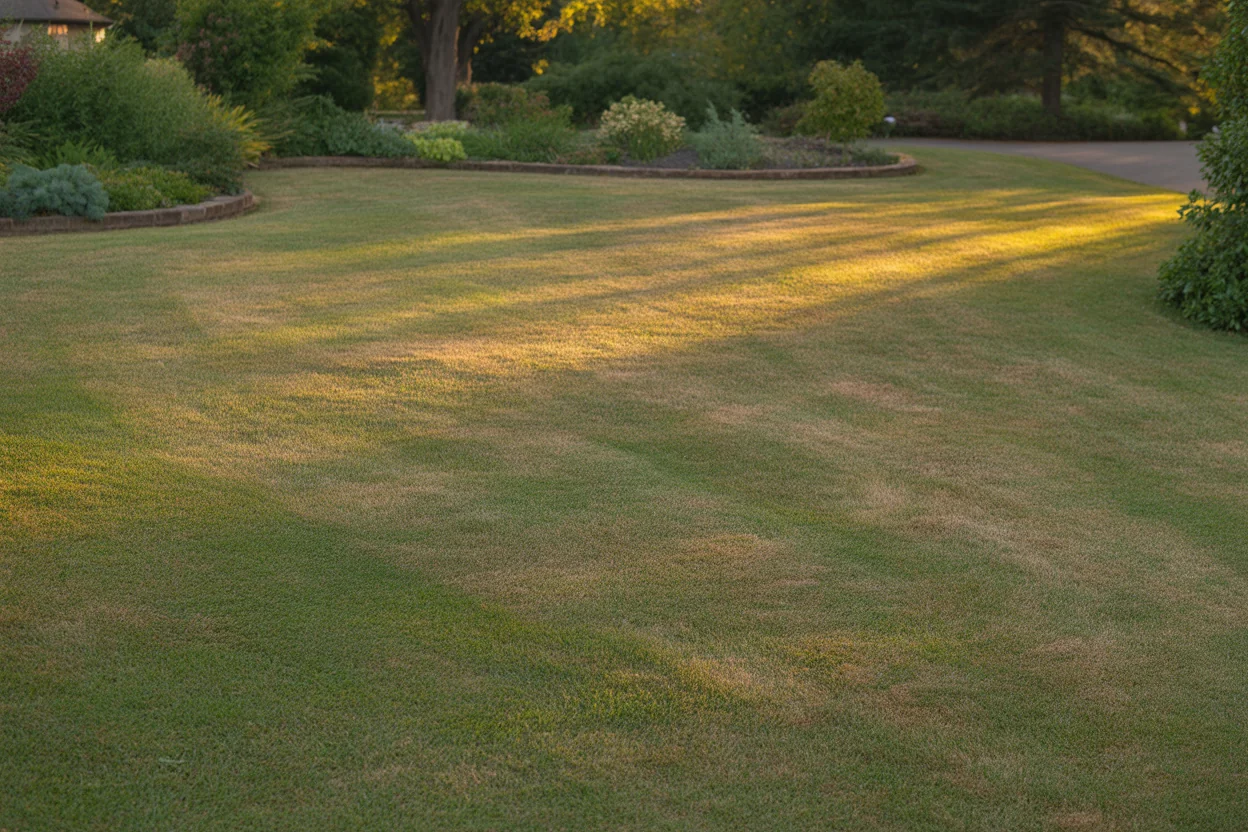
Perennial ryegrass establishes quickly and tolerates wear well. Kentucky bluegrass starts more slowly from seed but spreads into small…
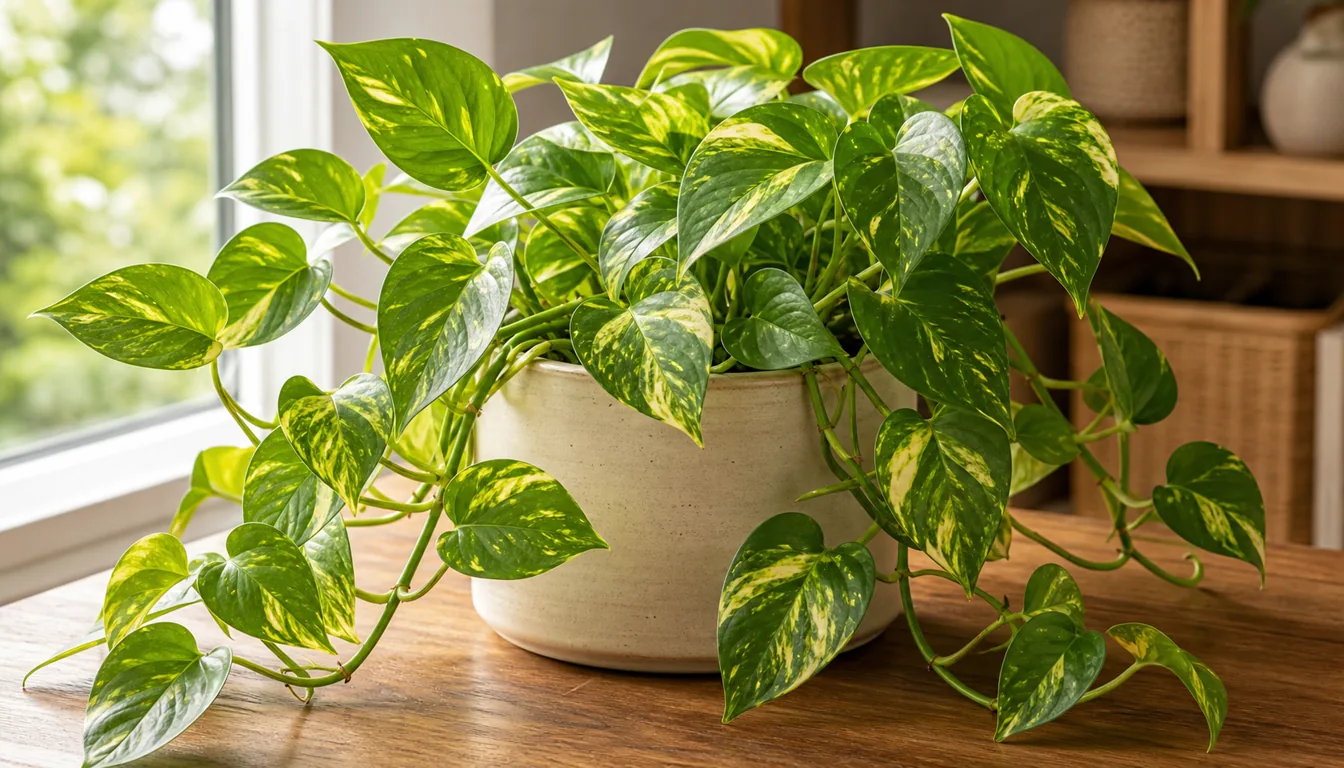
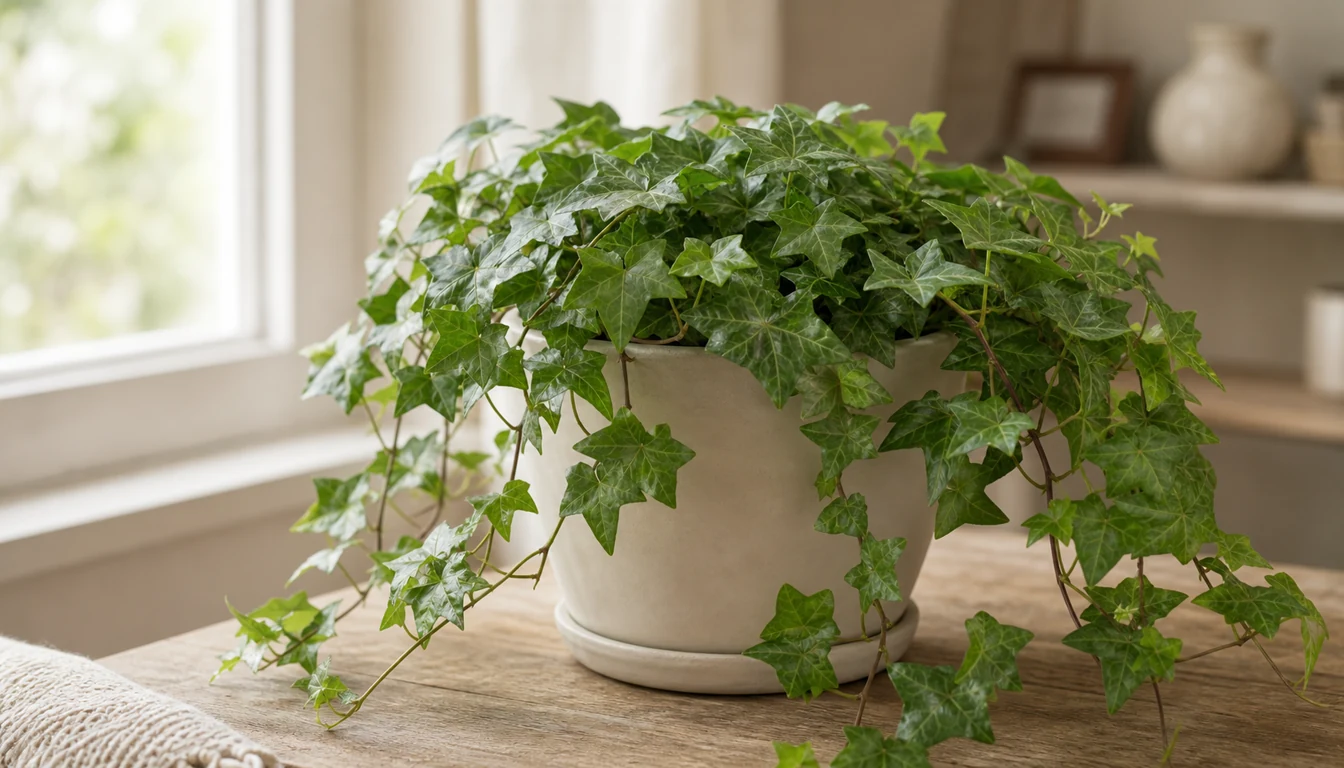
Pothos is usually the easier starting point for a warm room. English ivy offers smaller lobed leaves and works well on a frame, but…