Bermuda Grass vs Zoysia Grass
Bermudagrass is usually the stronger choice for a sunny lawn that needs quick recovery from wear. Zoysiagrass offers dense, wear-resistant turf and more tolerance of light shade, but damaged areas generally fill more slowly.
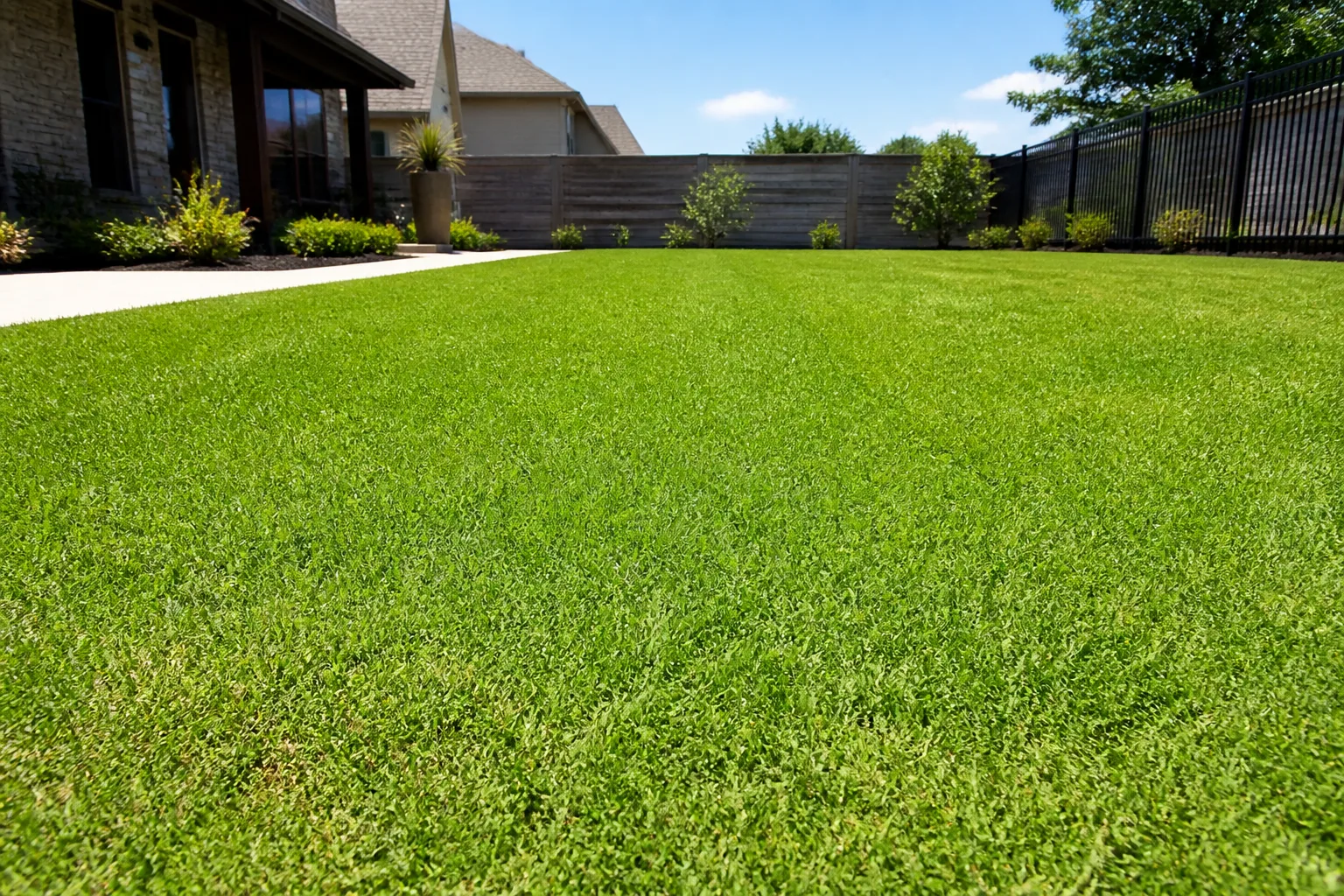
Bermuda Grass
Cynodon species and hybrids
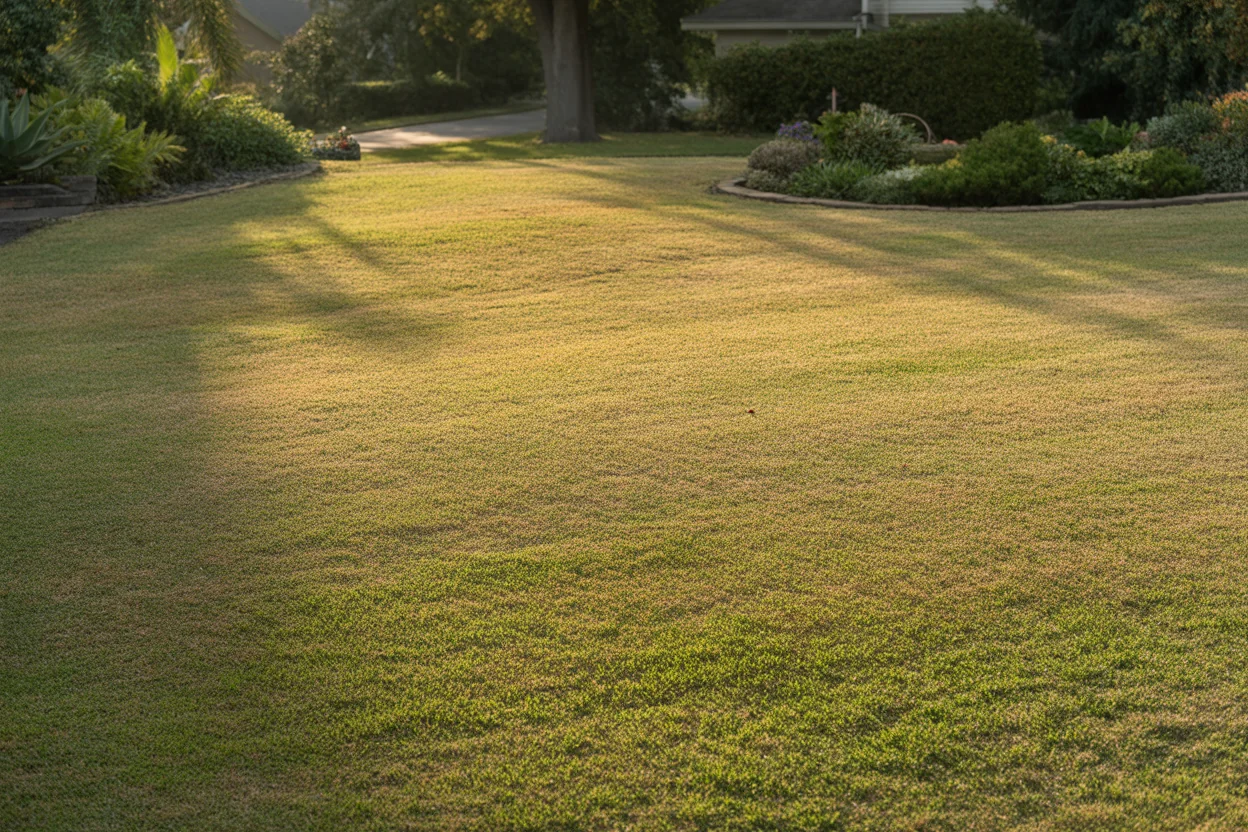
Zoysia Grass
Zoysia spp.
Bermudagrass and zoysiagrass both spread across a lawn, but they do not respond to damage at the same speed. That difference matters in a yard used for regular play or repeated dog traffic.
Wear resistance and recovery are separate traits. Zoysia can resist damage in a well-established stand while taking longer to refill an area worn bare. Bermudagrass combines wear tolerance with faster growth during warm weather.
The decision also depends on the cultivar, available sun, and mowing equipment. A fine-textured hybrid Bermuda lawn and a seeded common Bermuda lawn can demand different care, just as fine- and coarse-textured zoysias differ.
Specifications
Compare the traits that change the growing decision.
| Feature | Bermuda Grass | Zoysia Grass |
|---|---|---|
| Light | Open, sunny sites | Sun to light shade, depending on cultivar |
| Wear and repair | High wear tolerance and rapid recovery while actively growing | Dense, wear-resistant turf but generally slower recovery |
| Spread | Stolons and rhizomes; vigorous movement into adjacent areas | Stolons and rhizomes; usually slower lateral spread |
| Drought response | Strong tolerance once established; green color may be lost | Strong tolerance once established; green color may be lost |
| Establishment choices | Seed for suitable cultivars; sod, sprigs or plugs for others | Seed for selected cultivars; sod or plugs for others |
| Mowing considerations | Frequent cuts may be needed at low heights | Less frequent than Bermuda in comparable conditions, but stiff leaves need sharp blades |
| Winter behavior | Dormancy and cold tolerance depend on climate and cultivar | Dormancy and cold tolerance depend on climate and cultivar |
A cultivar name and the supplier's maintenance guidance matter before purchase. Seed from another cultivar will not necessarily match an existing vegetatively established lawn.
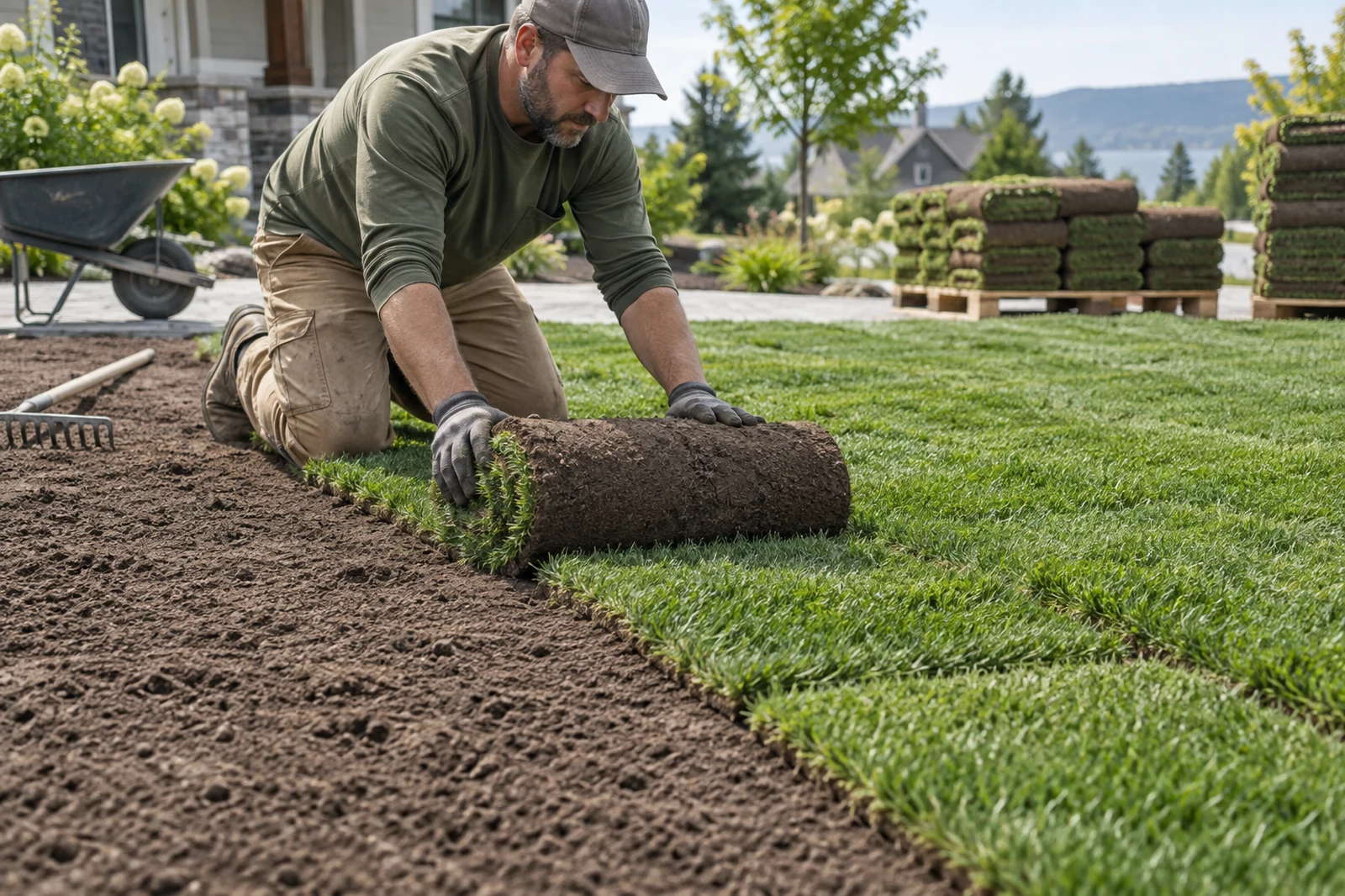
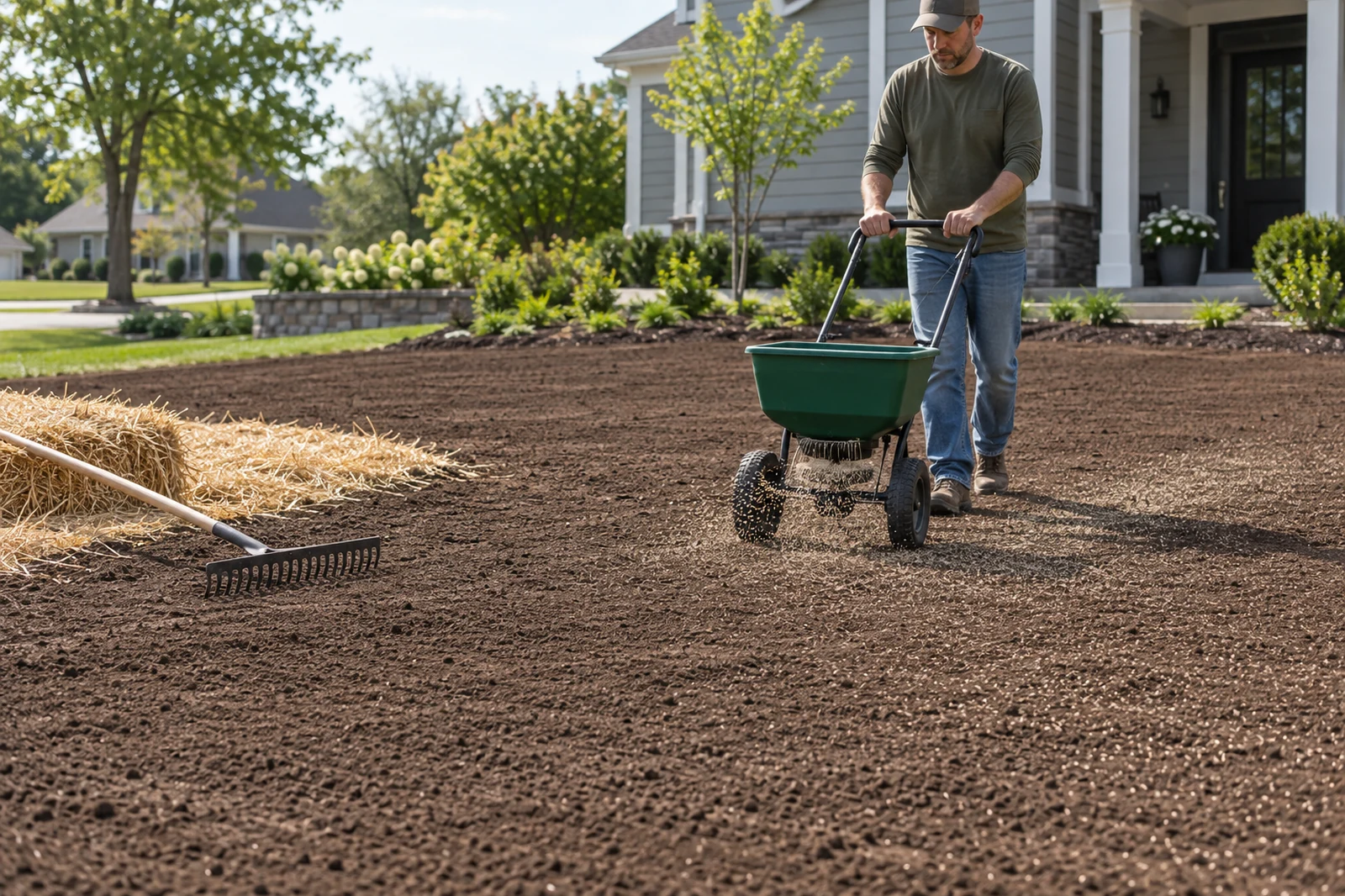
For installation tradeoffs, sod versus seed compares immediate cover with establishment work. Neither option eliminates the need to prepare the site and protect young roots.
Cost & Value
Bermuda Grass
- Common and some improved bermudagrass cultivars can be seeded. Other cultivars require sod, sprigs or plugs, so seed pricing cannot represent every Bermuda lawn.
- Rapid repair can reduce the need to replace small damaged patches when the surrounding turf is healthy and growing.
- Frequent mowing and edging may outweigh a lower initial planting cost for an owner with limited maintenance time.
Zoysia Grass
- Seed is available for certain zoysia cultivars, including Zenith and Compadre. Other cultivars are established vegetatively.
- Plugs reduce the area of sod purchased but leave gaps while the lawn fills. Establishment can take multiple growing seasons, depending on cultivar, spacing and conditions.
- Sod gives immediate surface cover, but rooting and readiness for use still take time. A green surface is not proof that the new lawn can withstand traffic.
Sustainability
A lawn that fits its light and traffic conditions is less likely to need repeated renovation. Keeping a lawn green through drought can require more irrigation than allowing temporary dormancy, and that choice affects both use and appearance.
A regional lawn fertilizer plan should account for the grass, soil and intended use. Numbers of applications alone do not describe nutrient input, because products and rates differ. More fertilizer does not solve shade or worn paths.
Best Use Cases
Choose by the job the planting needs to do.
Sun and light shade
Site fit before appearance
Bermudagrass performs best in open sun. Its ability to recover quickly is of little help if insufficient light keeps the turf thin.
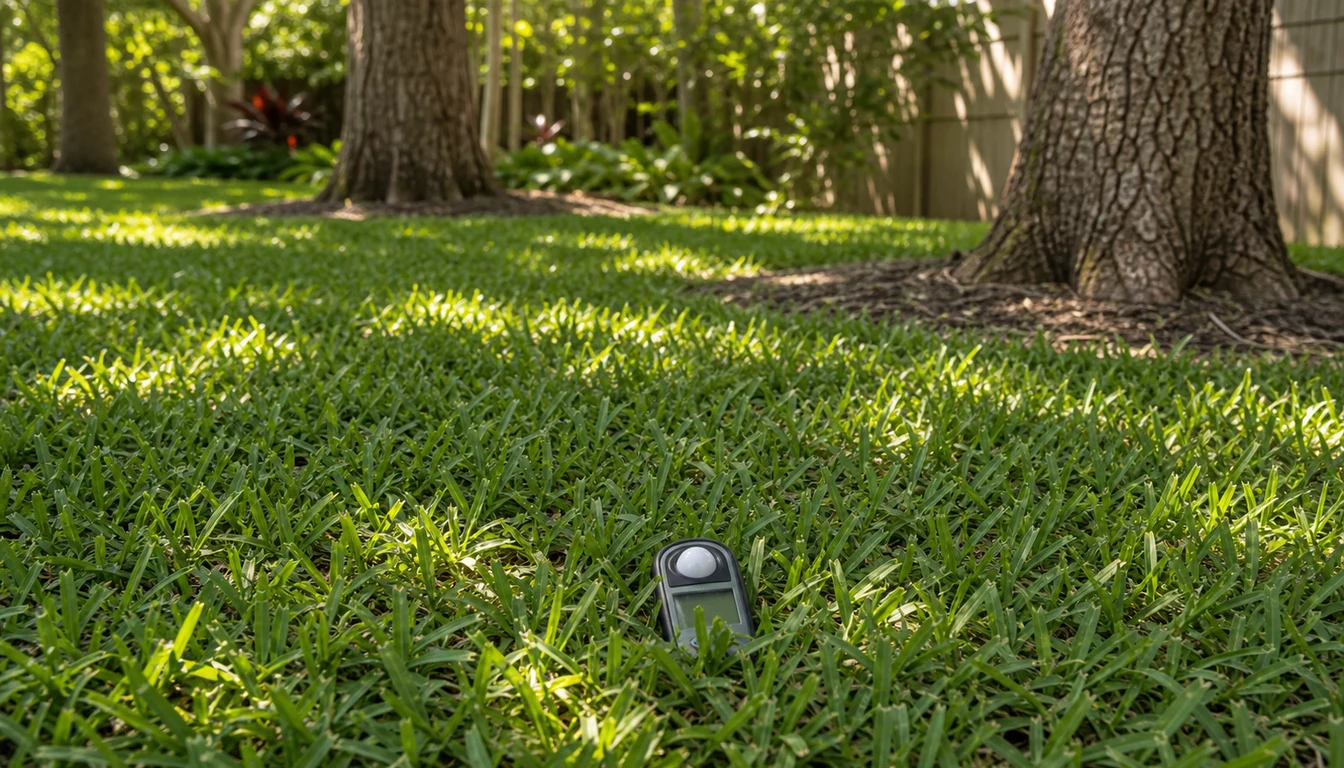
Zoysia tolerates more shade than Bermuda, with differences among cultivars. It still needs adequate light. Dense shade can make both choices unsuitable, especially where traffic also wears the grass down.
Heavy traffic
Kids, pets, and sports
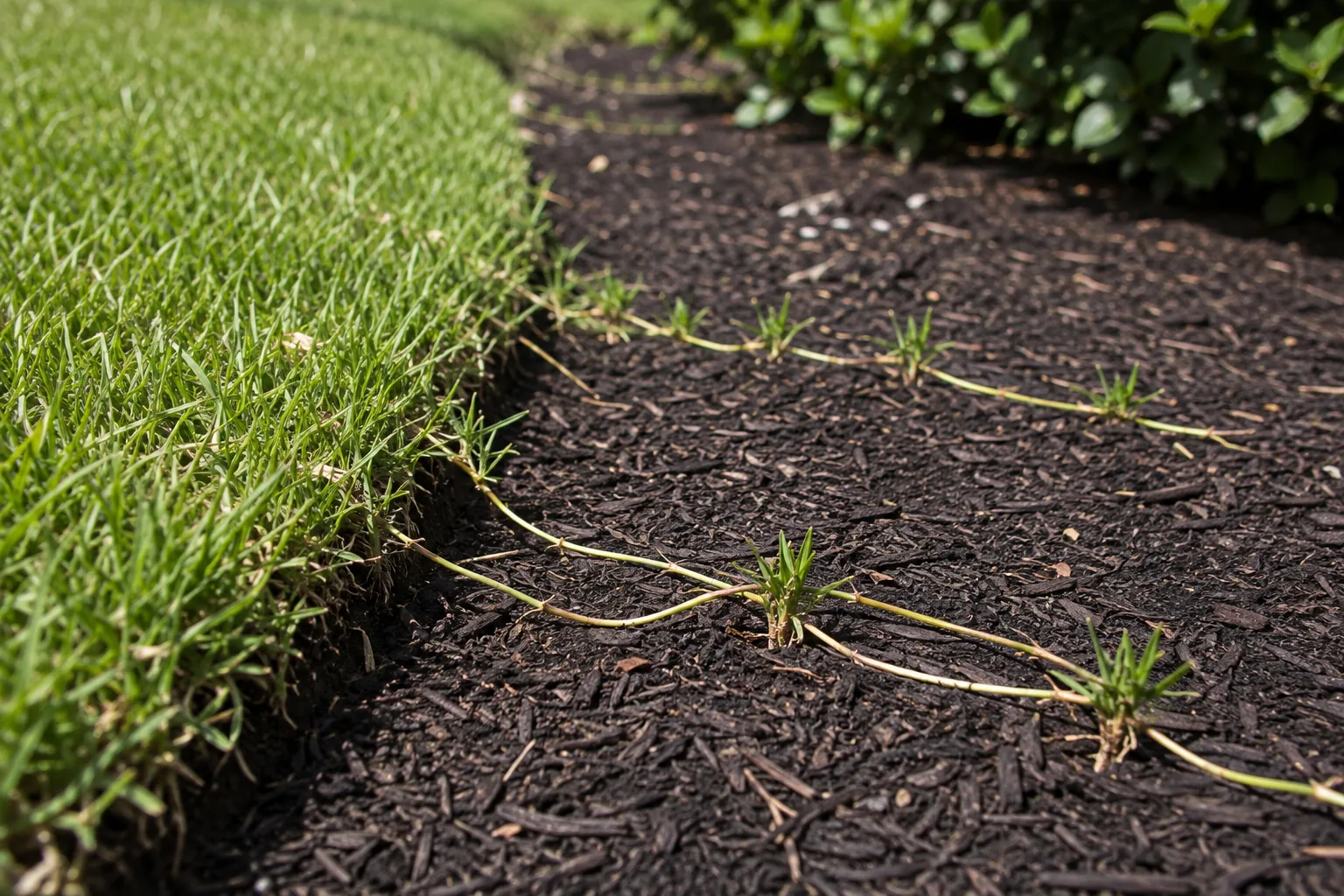
Bermudagrass spreads through surface runners called stolons and underground stems called rhizomes. During active growth, that spreading habit helps it repair worn areas. The same habit makes it difficult to contain beside planting beds.
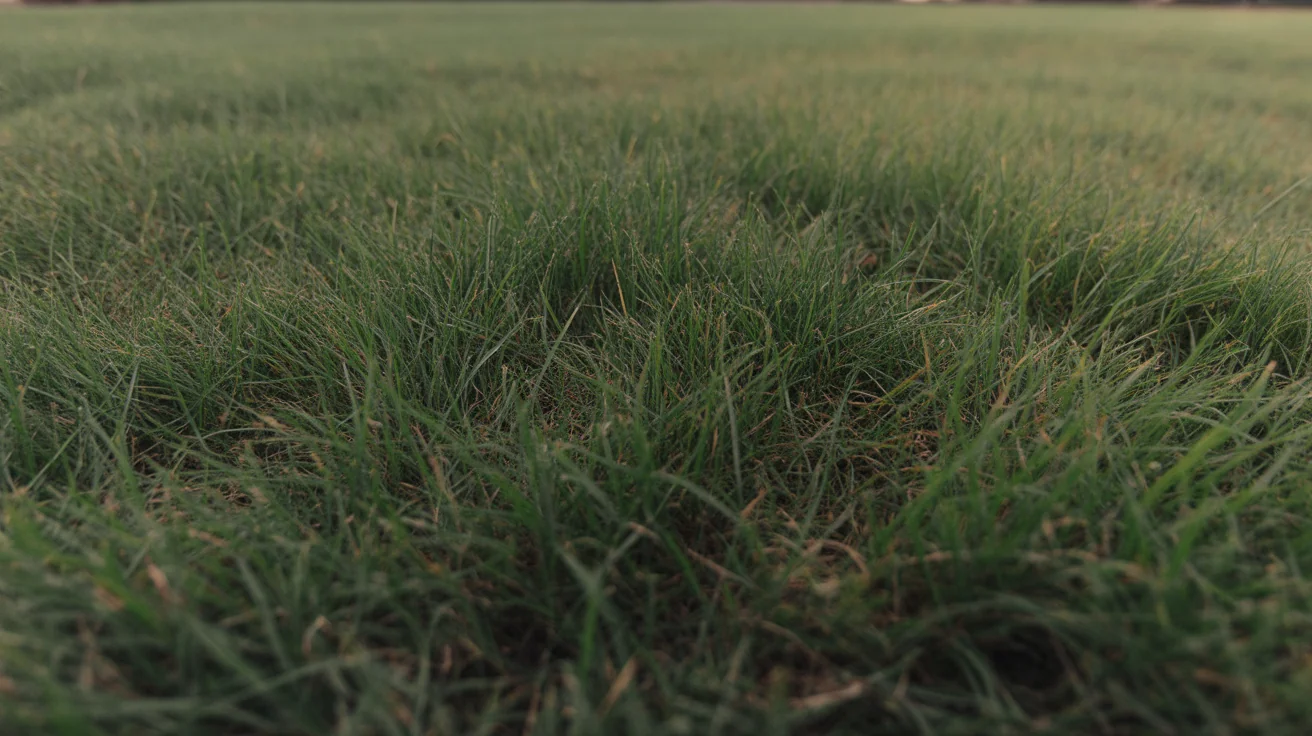
Zoysia produces a dense surface that stands up to use once established, but its slower recovery matters where damage recurs in the same place. A permanent dog route or shortcut may be better served by a path than repeated turf repair.
Low watering
Drought and restrictions
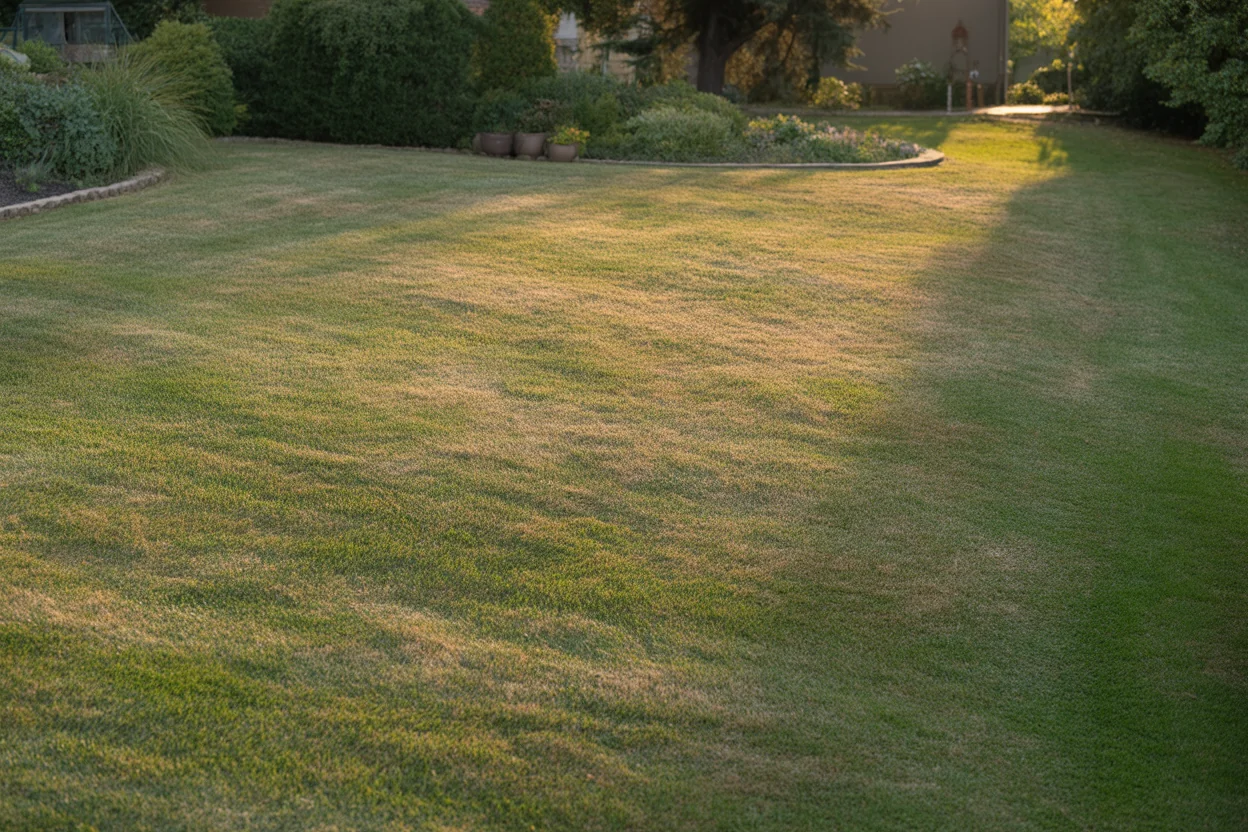
Established bermudagrass has strong drought tolerance. It can lose green color during dry conditions without every brown leaf indicating that the lawn has died.
Zoysia is also drought tolerant, but survival and staying green are different goals. Soil, weather, rooting and cultivar affect how long either lawn keeps its color. Irrigation needs are better judged from the site than from a promised extra number of green weeks.
Maintenance load
Mowing and edging
Bermuda grows quickly in warm conditions. Maintaining a low, even surface can require frequent cutting, particularly for fine-textured hybrids. The chosen mowing height has to suit the cultivar, mower and ground levelness.
Zoysia generally needs less frequent mowing than Bermuda, but its stiff leaves can be harder to cut cleanly. Sharp blades matter, and some low-cut lawns benefit from a reel mower. The actual leaf growth determines when the next cut is needed.
Cool shoulder seasons
Spring and fall color
Bermudagrass becomes dormant as conditions cool. Cold tolerance and spring recovery vary among cultivars, so a broad species name does not establish how it will perform at a northern site.
Zoysia also loses color during winter dormancy. Some cultivars are more cold tolerant than others. Local trials and recommendations help distinguish winter survival from how long a particular lawn stays green.
Invasive spread
Beds and hardscape
Stolons and rhizomes let Bermuda enter adjoining beds. Edging needs continued inspection because a barrier at the surface does not necessarily stop underground growth.
Zoysia also creeps, but its slower spread generally makes it easier to manage at a bed edge. It is not a clump-forming grass that stays permanently where it was planted.
What Fast Spread Means at a Bed Edge
The same growth that helps a lawn close small gaps can carry grass into nearby beds. With Bermuda, the maintenance decision includes containing that growth as well as mowing the lawn. Zoysia moves more slowly, but both grasses need a managed boundary.