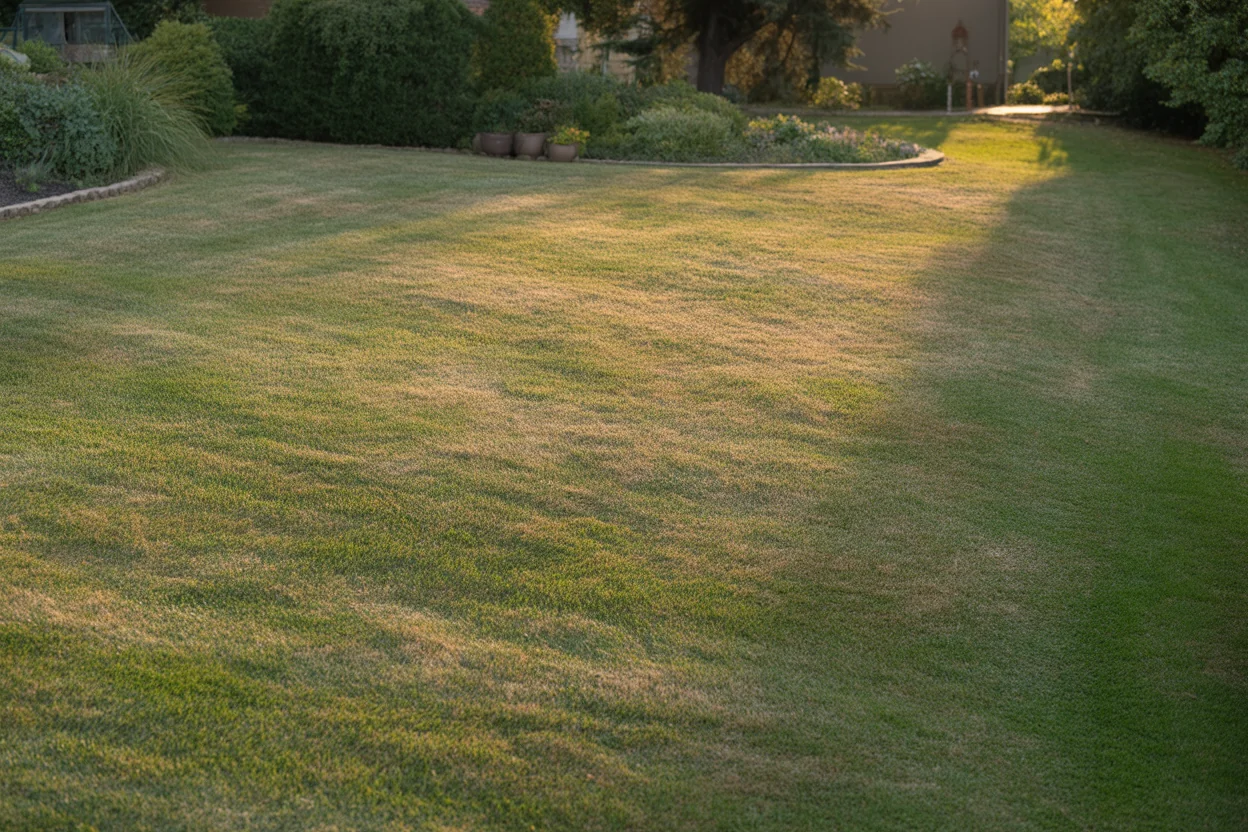
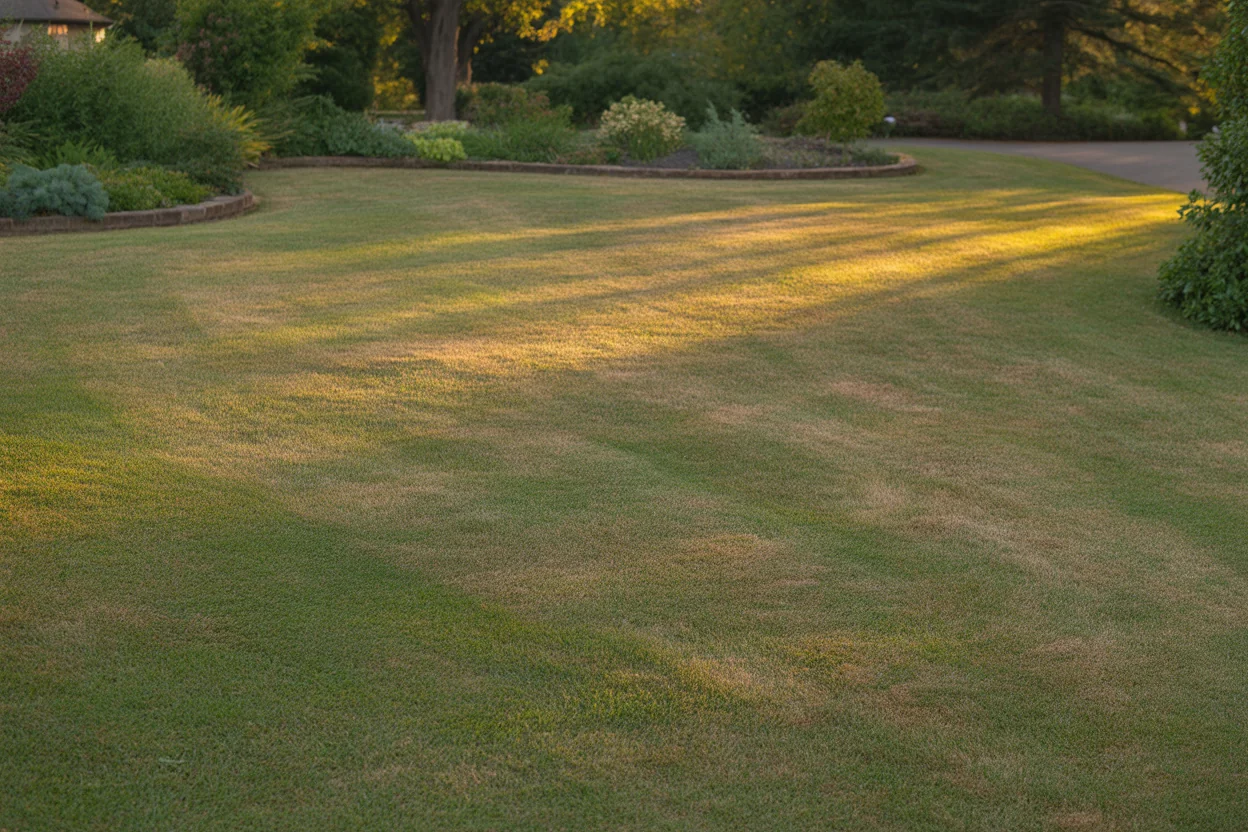
Tall Fescue vs Kentucky Bluegrass
Turf-type tall fescue often suits lawns where summer heat and drought stress are the main concern.
54 Side-by-Side Guides
Put two plants side by side and choose using climate, mature size, maintenance, and the role each one will fill.
The best choice often becomes clear when you check the constraints before appearance.
Check cold tolerance, heat, humidity, and the length of your growing season.
Compare height, spread, roots, and the distance from paths or structures.
Consider pruning, watering, cleanup, replacement, and recurring pest pressure.
54 matching comparisons
Search checks both plant records, the comparison title, URL name, and page summary. Sorting uses the update date or pair name.
Turf-type tall fescue often suits lawns where summer heat and drought stress are the main concern.
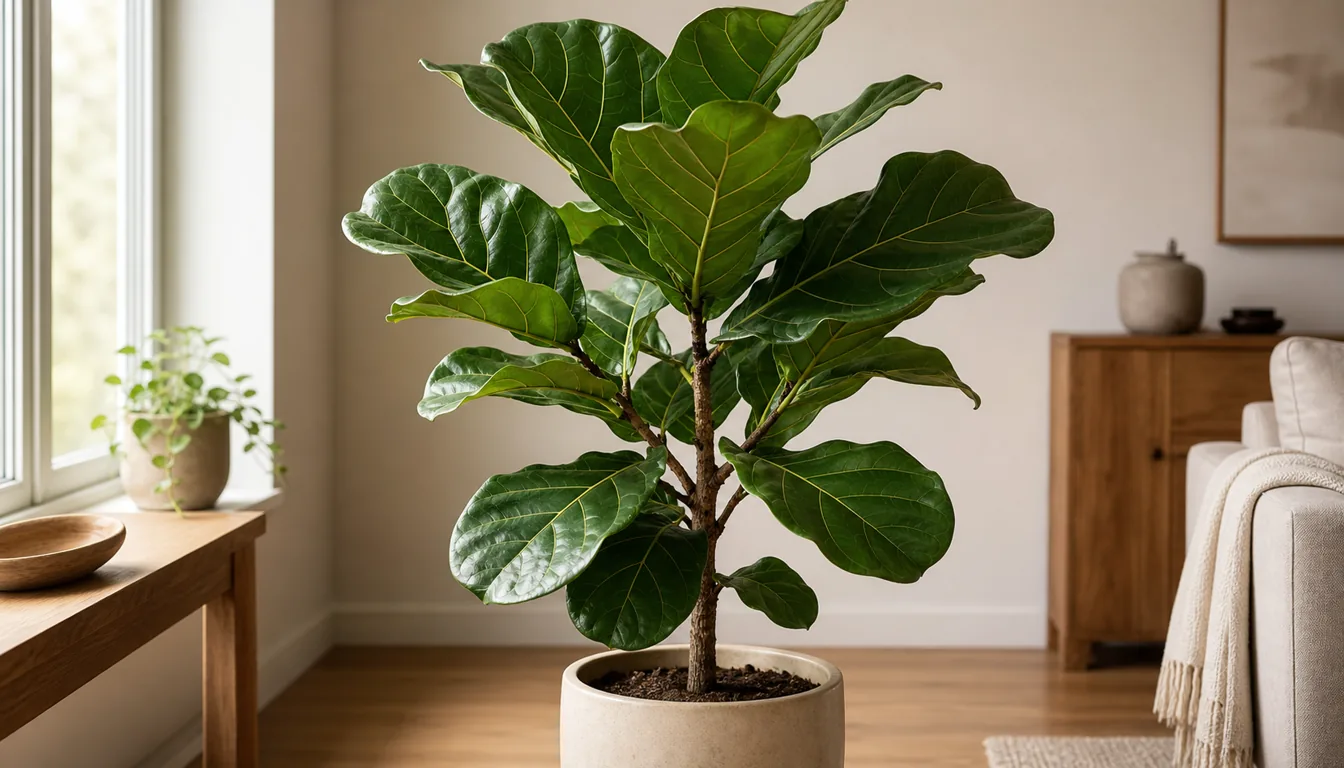
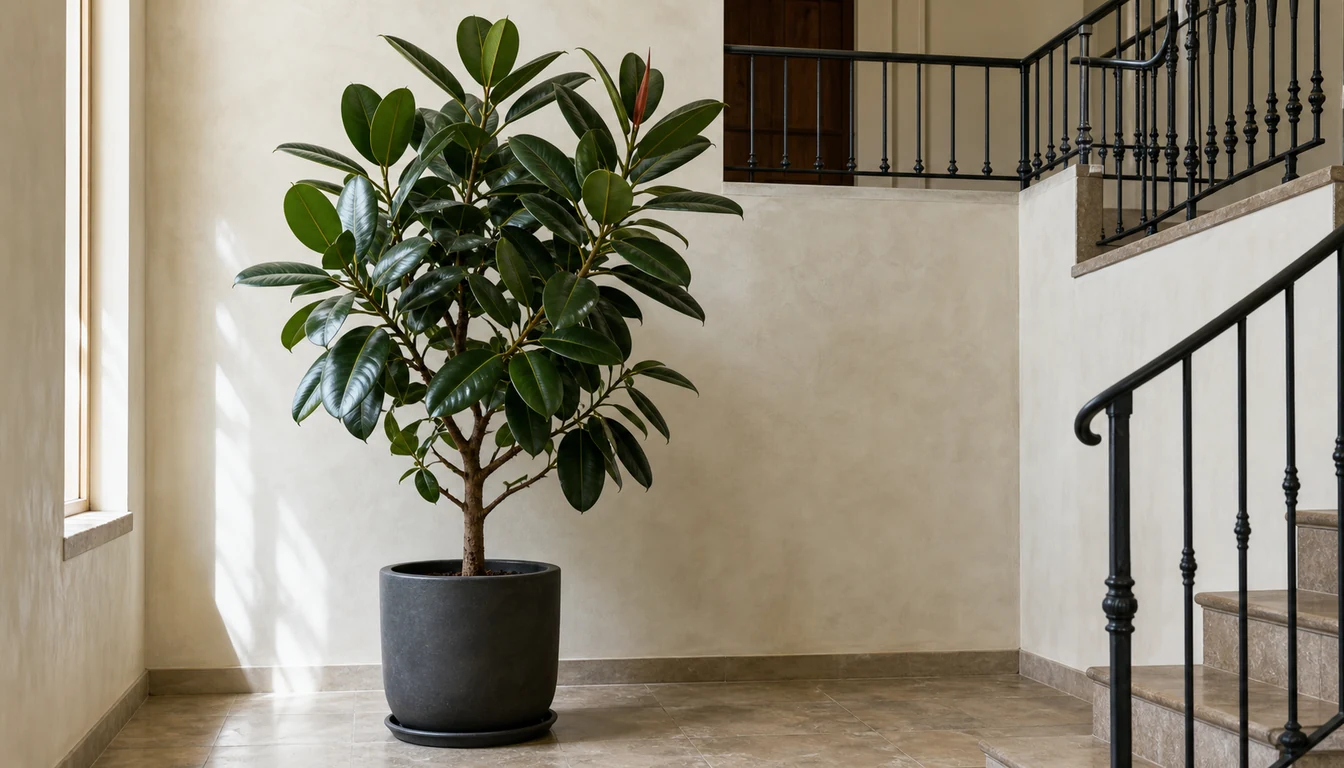
Fiddle-leaf fig offers broad, sculptural leaves; rubber plant offers glossy foliage in several colors.
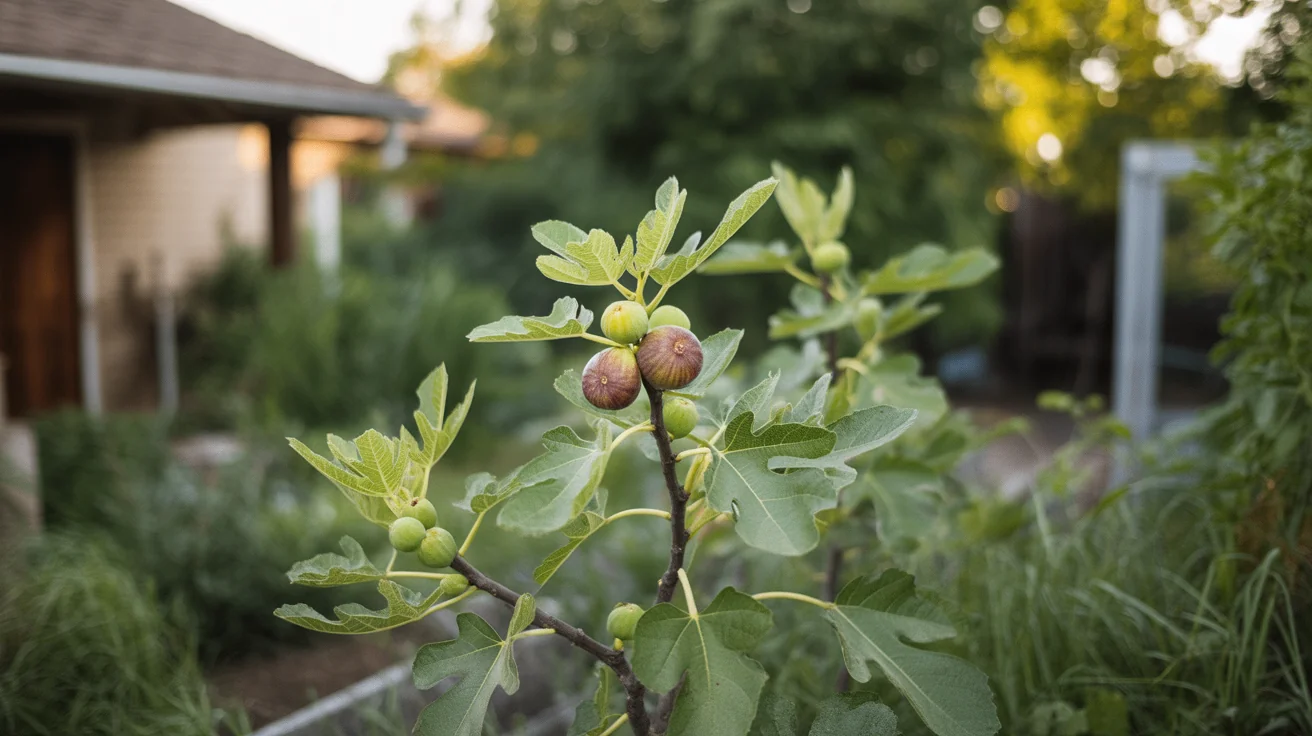
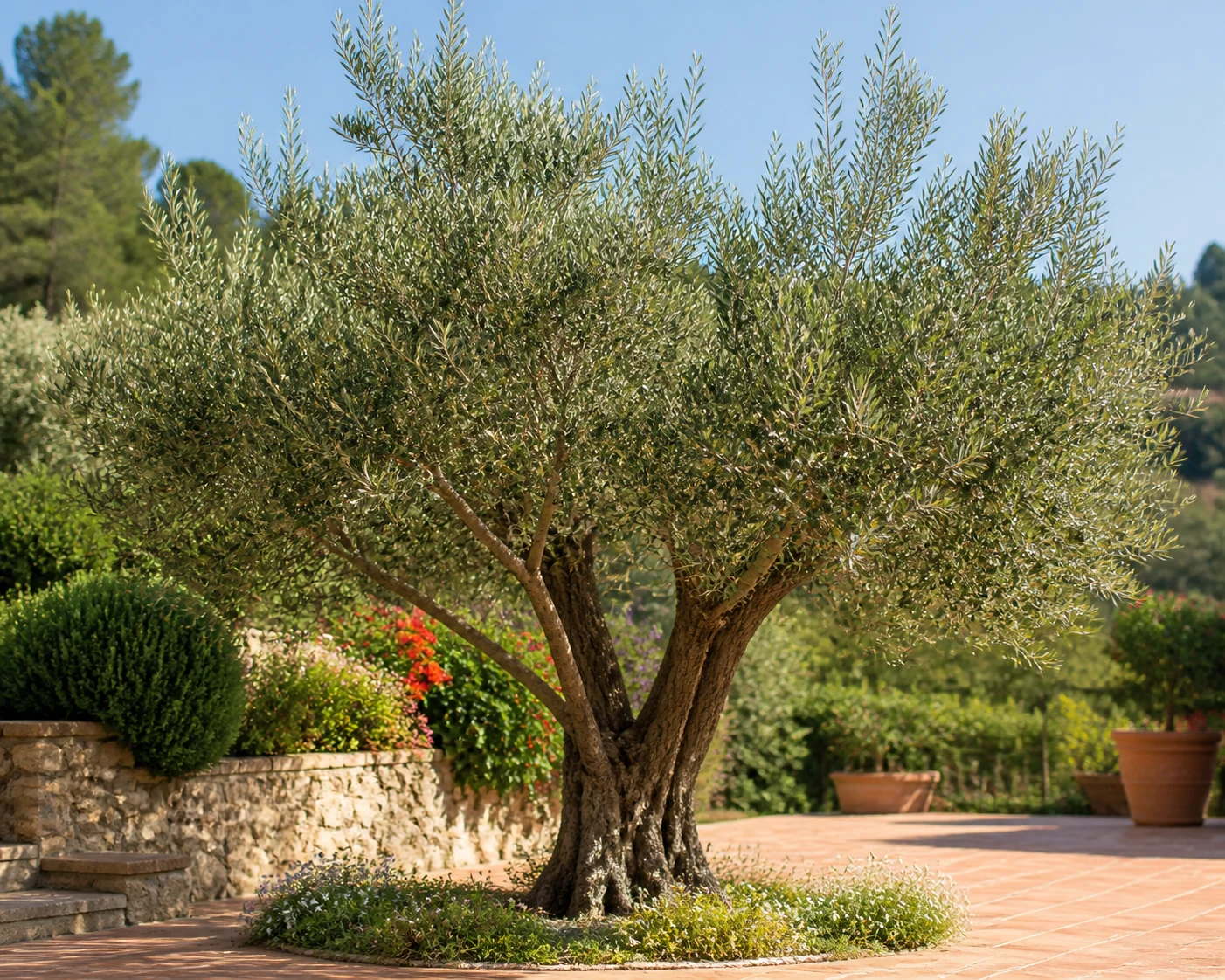
Fig suits a fresh-fruit goal; olive suits an evergreen tree in a compatible climate.
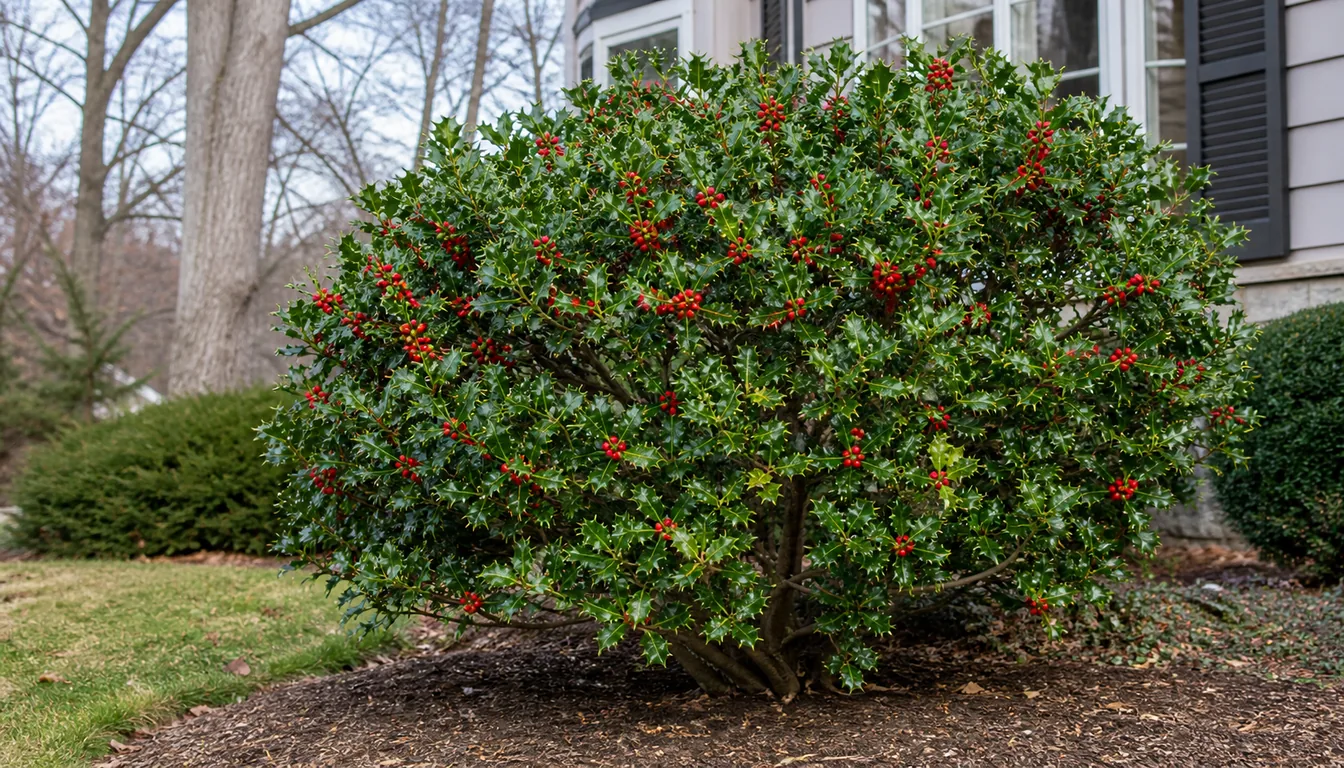
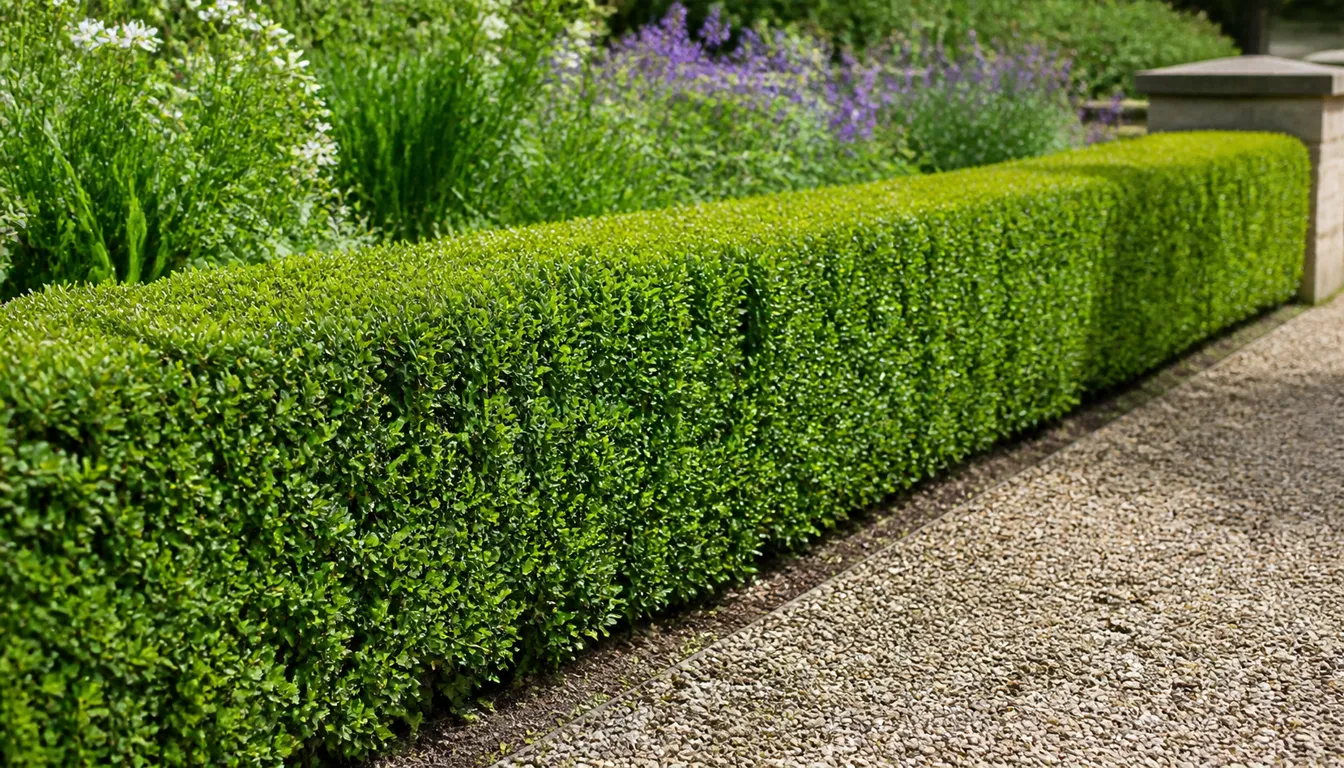
Boxwood and small-leaved hollies can both form low, clipped hedges. Taller evergreen hollies offer other screening options, while…
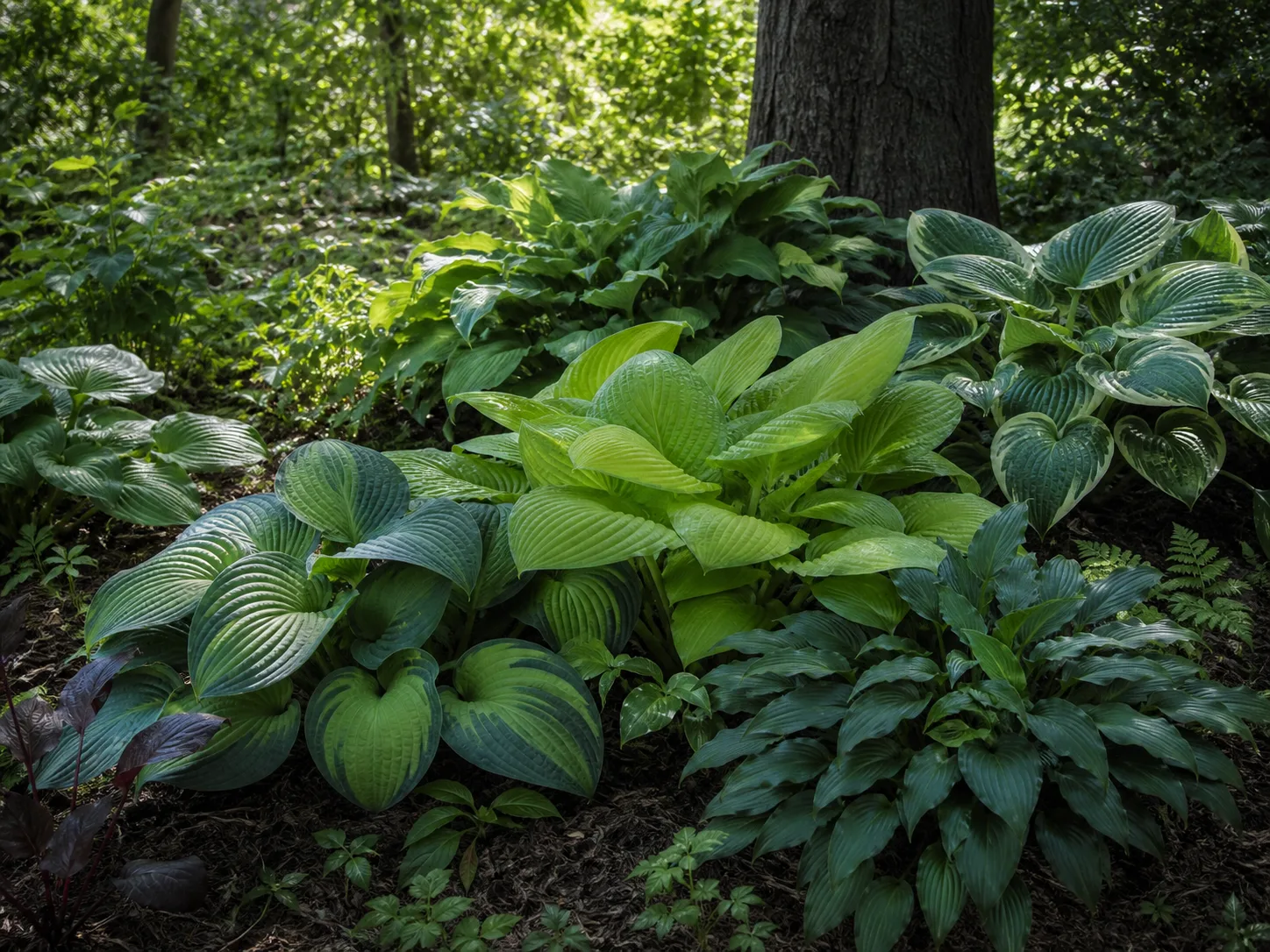
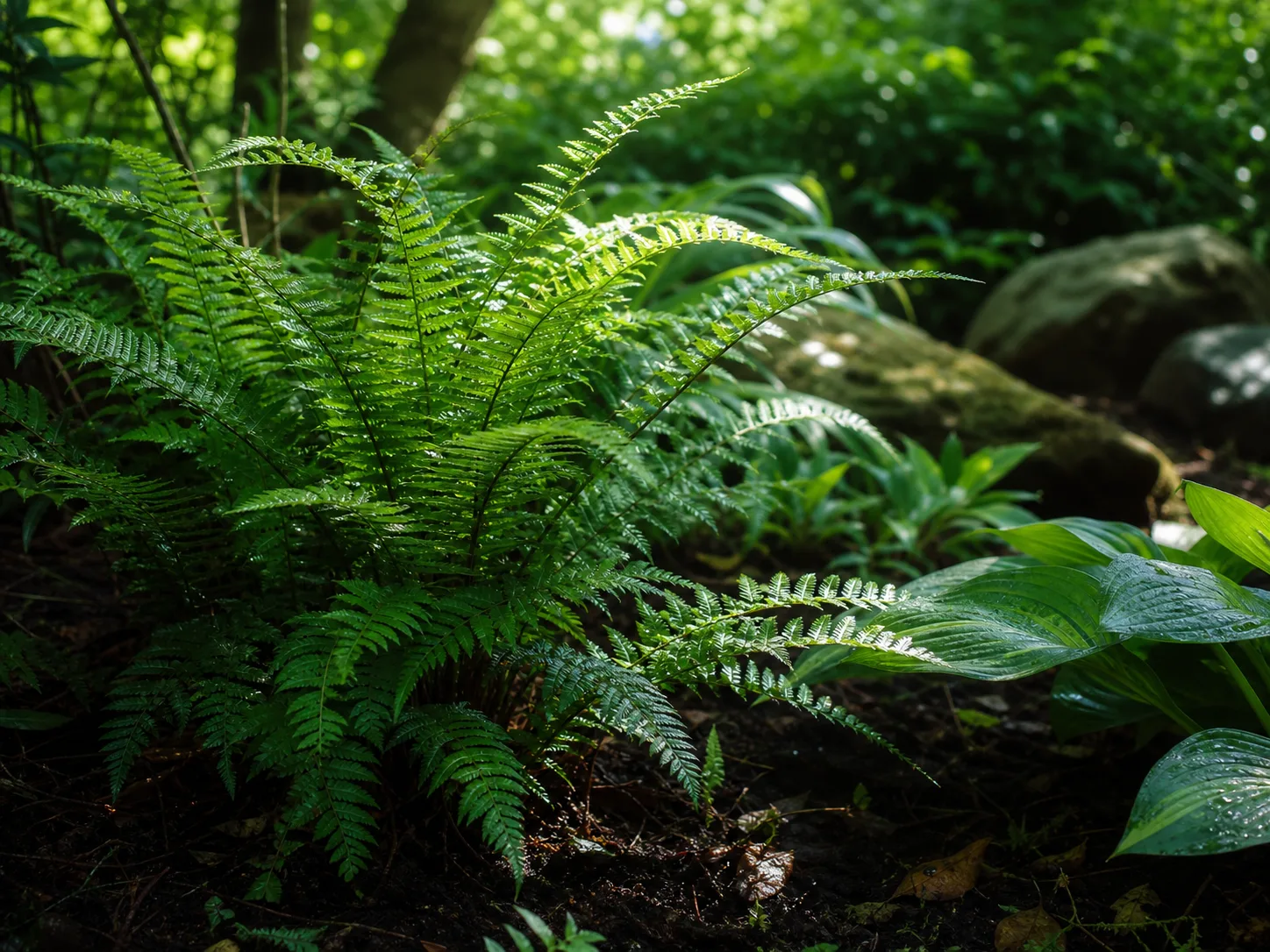
Hostas give shade beds broad, mounded foliage. Hardy ferns add divided fronds, but the species determines whether they suit a dry…
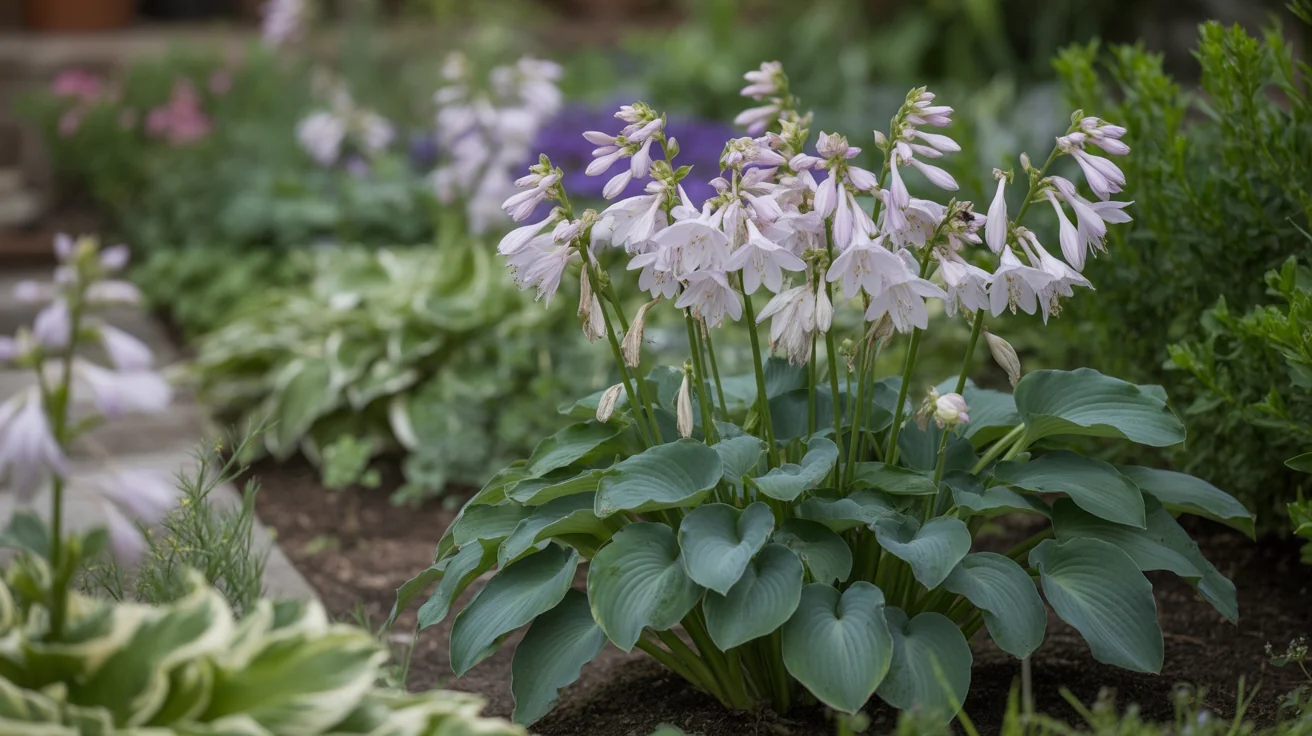
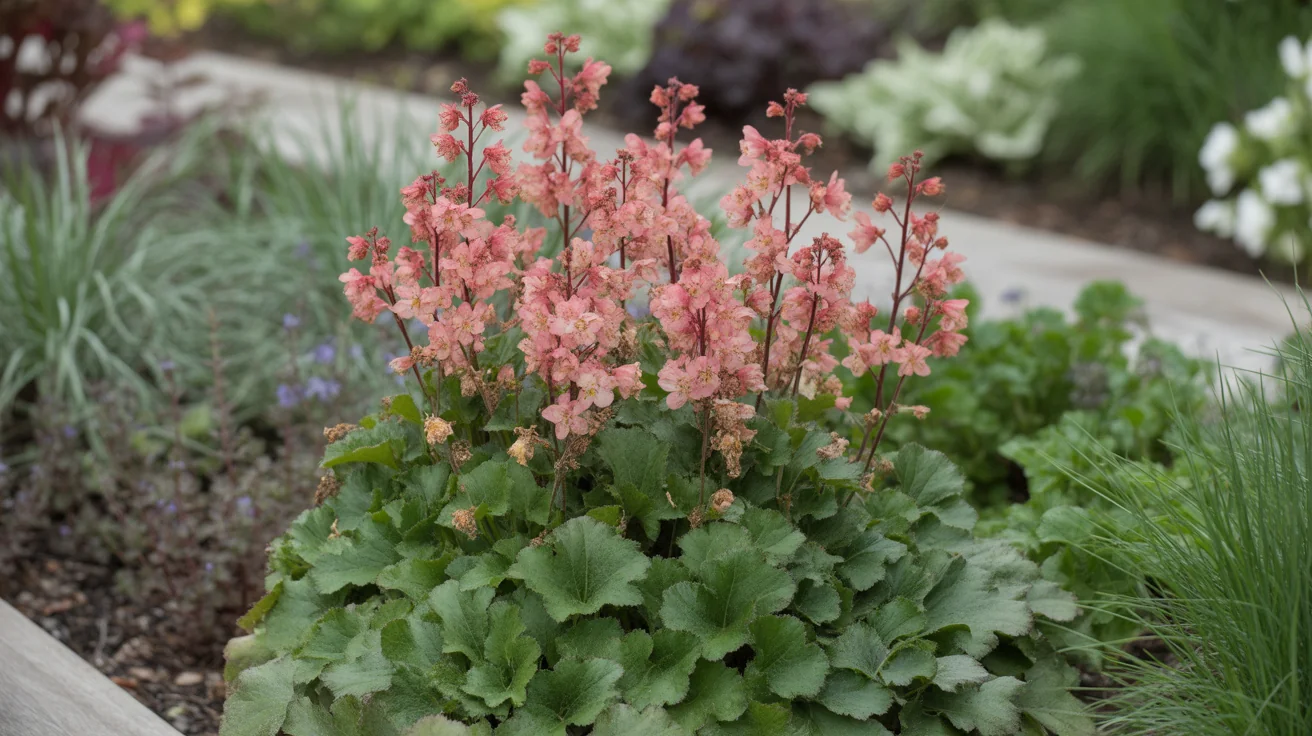
Hostas offer broad leaves in sizes from miniature to giant. Coral bells offer smaller foliage mounds with a wide color range.