Meyer Lemon vs Eureka Lemon
Meyer is a strong starting choice for a container and a milder lemon flavor. Eureka suits a preference for strongly tart, standard lemon juice. Rootstock, available light and local winter conditions still determine whether either tree fits.
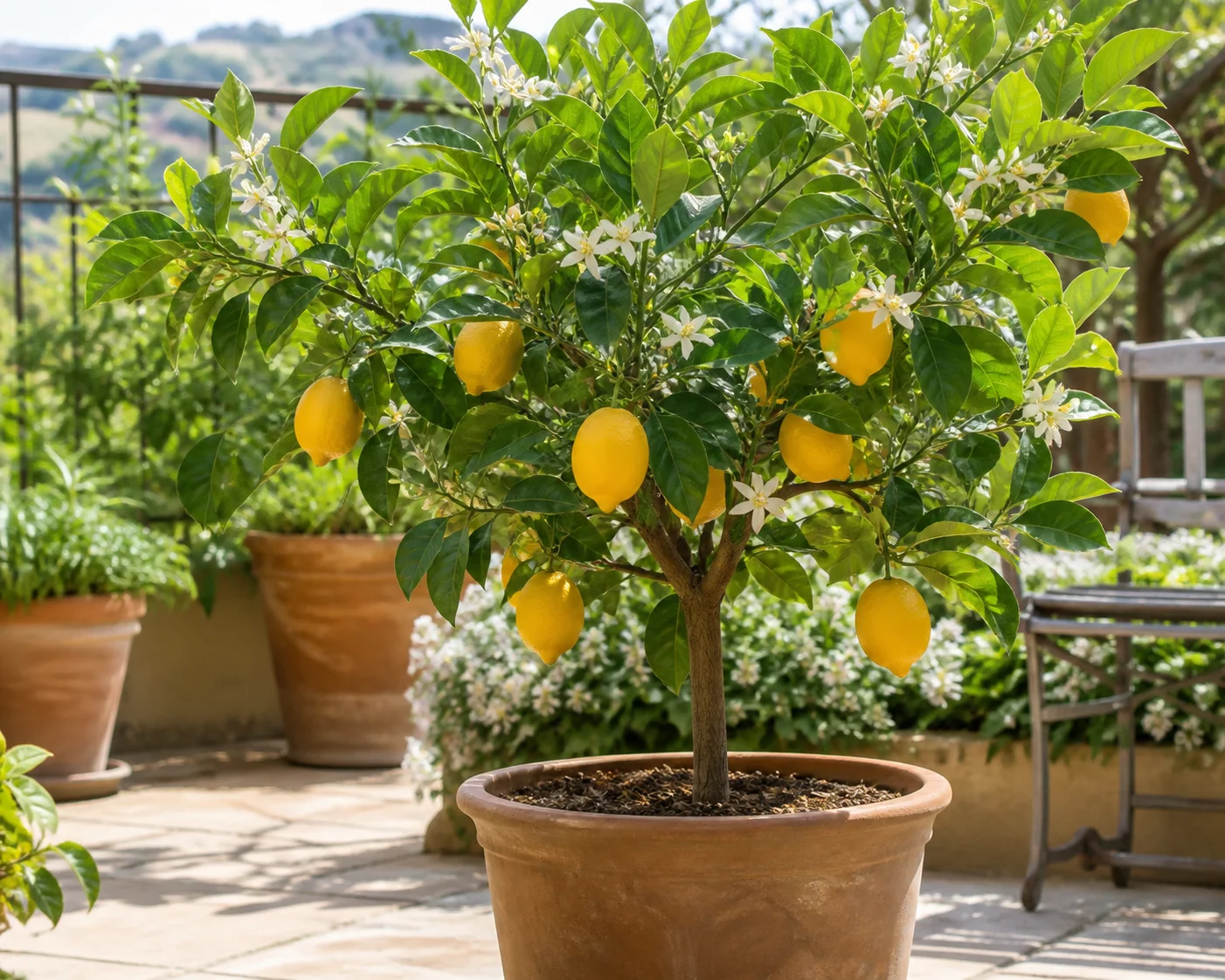
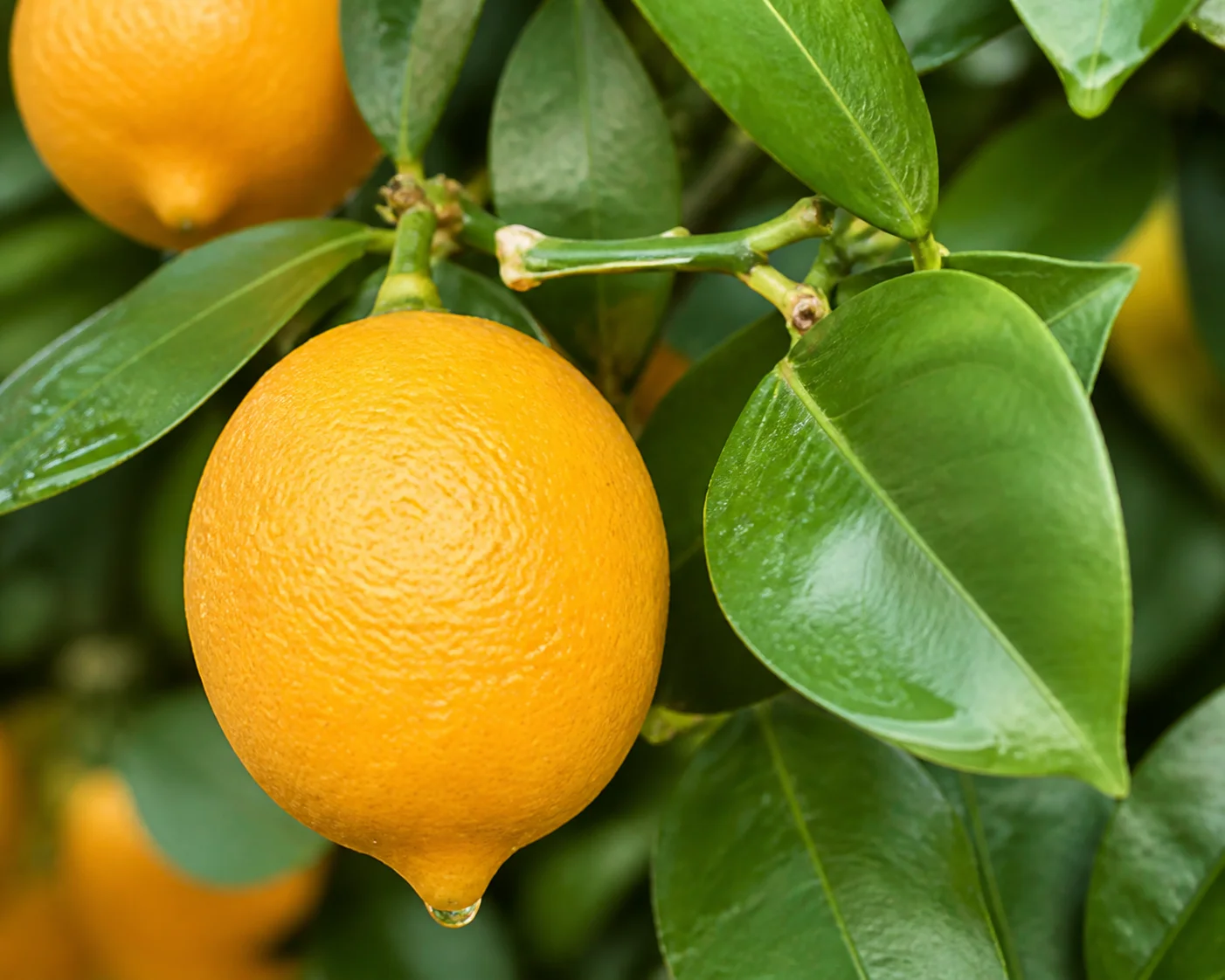
Meyer Lemon
Citrus × meyeri
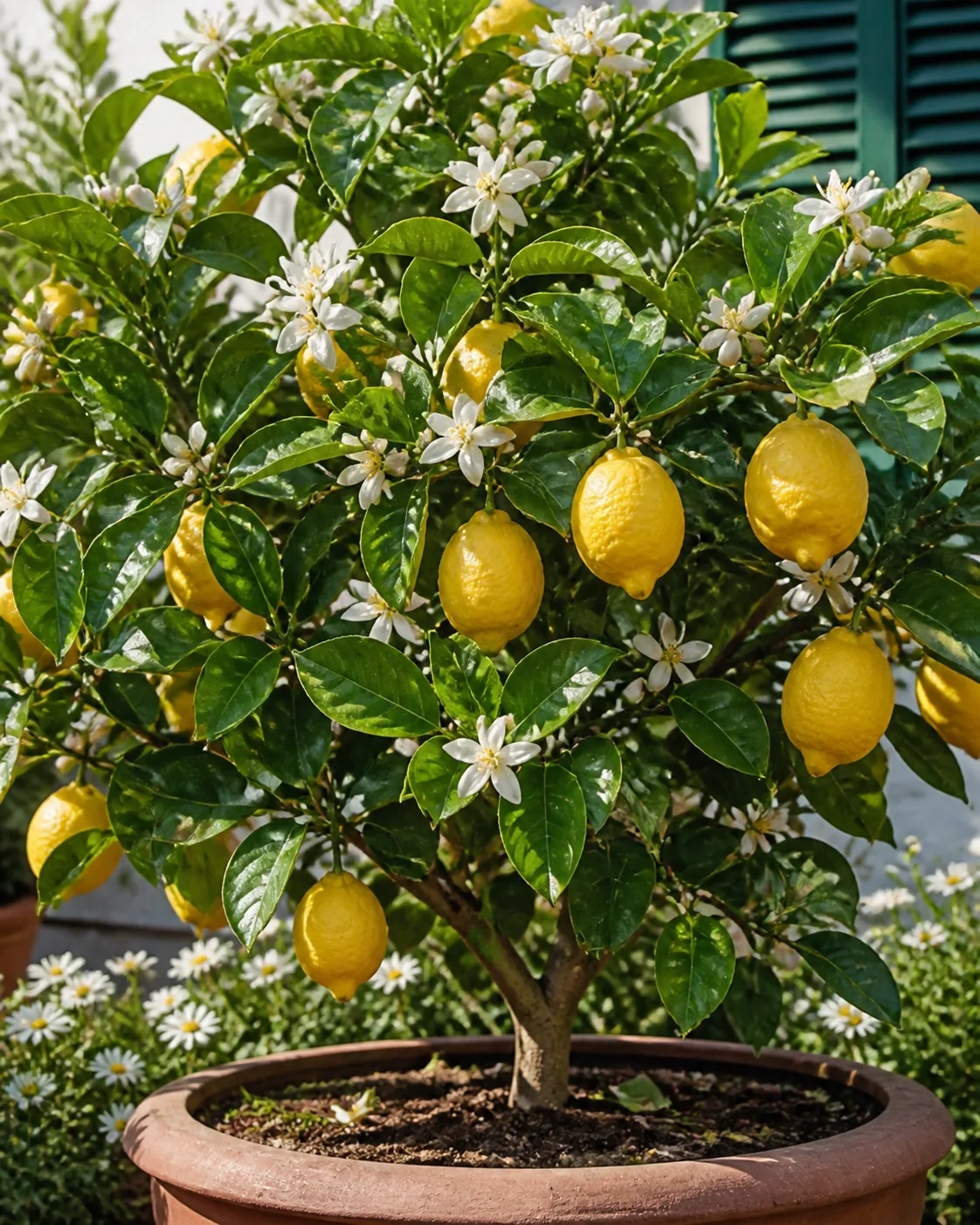
Eureka Lemon
Citrus × limon 'Eureka'
Meyer and Eureka differ in fruit character and growth habit. UCR describes Meyer as shrubby and relatively small, and Eureka as spreading, medium-sized and virtually thornless.
A nursery tree carries more information than the fruit name alone. Its propagation, health history and expected size help explain what you can grow and move, while a taste preference determines which harvest you will actually enjoy.
Specifications
Compare the named selections by the traits that matter in your garden.
| Feature | Meyer Lemon | Eureka Lemon |
|---|---|---|
| Fruit flavor | Milder, sweeter-tasting but still acidic | Strongly tart lemon flavor |
| Rind and flesh | Thin yellow-orange rind and juicy yellow-orange flesh | Yellow rind and greenish-yellow flesh |
| Habit | Shrubby, relatively small | Spreading, open, medium vigor |
| Thorns | Often few, but individual plants can have thorns | Usually few to none; not defined by heavy thorniness |
| Container choice | Widely recommended, including Improved Meyer | Possible with appropriate stock and space; not automatically temporary |
| Cold sensitivity | Relatively more tolerant, still needs protection | Cold-sensitive |
| Crop season | Mainly winter at Riverside, with some fruit at other times | Long season, with regional peaks rather than a fixed crop count |
These are plant-selection traits, not promises about every tree sold under the name. Nursery stock and local conditions can change size and cropping.
Milder Flavor and a More Delicate Rind
Meyer is a hybrid citrus selection with a distinctive flavor and a thinner rind. It tastes sweeter and less sharply tart than the standard lemon profile associated with Eureka, although it is still an acidic fruit. That can suit a cook who wants a gentler lemon flavor in a dessert or dressing.
Eureka offers the sharper juice many people expect from a grocery-store lemon. It is a sensible choice when that familiar tartness is the reason for growing the tree. Flavor preference is personal, so tasting the fruit is more useful than declaring one variety universally better for every dish.
Meyer's tender rind is also a handling consideration. Homegrown fruit can go straight from tree to kitchen, which is useful when delicate fruit would otherwise be bruised during handling. Color and shape can vary with growing conditions, so neither is a substitute for a reliable nursery label.
Tree Habit Is Only Part of Container Fit
Meyer's naturally shrubby habit makes it a practical first choice when space is limited. Mississippi State specifically recommends Improved Meyer for container growing in its regional guidance. Eureka can also grow in a container when its vigor, root system and available space are a workable match.
The rootstock helps set the eventual size. On a grafted plant, the fruiting variety grows above a different root system. Dwarfing rootstocks can restrain vigor, whereas a tree grown from a cutting relies on its own roots. The name Eureka alone does not tell you which plant you are buying.
For either tree, the mature canopy and wet container must fit the route to its winter position. A pot on wheels is useful only if it can cross the threshold and the tree can remain near adequate light. Repeated heavy pruning to force an unsuitable tree into a room can also remove potential flowering growth.
Thorns are a separate handling issue. Eureka is commonly described as nearly thornless, while Meyer can carry thorns. The branches on the actual nursery plant matter more than a general thorny-lemon stereotype.
A Long Bearing Season Is Not a Yield Guarantee
UCR records Meyer's main crop at Riverside in winter, with some production at other times. The Eureka description records a long bearing season, weighted toward late winter, spring and early summer. These observations describe plants in that growing environment, not two to four guaranteed harvests from every container.
UF/IFAS describes Meyer fruiting mainly in fall and winter in Florida and cautions that a plant kept indoors is unlikely to fruit. Flowering, fruit set and successful ripening are separate stages. A tree can look healthy or carry fragrant blossoms without giving the crop its owner expected.
One Meyer can set fruit without a second tree, and standard lemons also do not need another variety for cross-pollination. Buying a second citrus therefore does not fix inadequate light or a poor root environment. Indoor pollination may benefit from assistance, but it cannot replace the energy needed to develop fruit.
A bigger crop only helps if there is a use for it. Tree age, canopy, growing conditions and fruit you actually use determine the value of the harvest.
Relative Cold Tolerance Still Needs a Winter Plan
Meyer has more climatic flexibility than standard lemons, but relative tolerance is not permission to leave a pot outside through any Zone 8 winter. The temperature and duration of a cold spell, exposure and the condition of the plant all matter. Fruit and new growth may suffer even when the tree survives.
A protected winter location needs usable light as well as warmth. A garage that prevents a brief freeze is not necessarily a suitable home for an evergreen citrus for months. Strong indoor light, a gradual transition when moving outdoors and monitoring for scale or mites are part of keeping either selection.
Water use slows or increases with the setting. Summer outdoor watering cannot simply continue unchanged in a cooler room, and a dry surface does not always describe the whole root ball. A draining container and checks below the surface give a better basis for watering than a fixed weekly interval.
Once the winter space is workable, flavor can decide between these two. The lemon and lime comparison covers Key and Persian lime if those are also under consideration.
What Improved Meyer Means When Buying a Tree
The Improved Meyer selection came from clean stock after earlier Meyer material was found to carry tristeza virus without obvious symptoms. That history makes the source of the tree important. Improved does not mean immune to citrus greening, root disease or every future infection.
Locally registered or otherwise appropriately certified nursery stock provides a more reliable starting point than unidentified cuttings. UF/IFAS also cautions that local canker and citrus greening pressure can limit lemon production, so a favorable flavor comparison cannot settle the planting decision in every region.
Human food use does not establish pet safety. NC State lists Citrus × limon as a concern for dogs, cats and horses, and warns about skin and other plant material. Its entry is not a measured Meyer-versus-Eureka risk ranking. Pets need protection from chewing the plant or discarded peel, rather than a promise that either selection is only mildly toxic.
Sources & References
- Improved Meyer lemon, Givaudan Citrus Variety Collection at UCR
- Taylor Eureka lemon, Givaudan Citrus Variety Collection at UCR
- Meyer Lemon, UF/IFAS Gardening Solutions
- Growing Citrus in Containers in Mississippi, Mississippi State University Extension
- Growing Dwarf Citrus, University of Maryland Extension
- Lemon Growing in the Florida Home Landscape, UF/IFAS
- Citrus Site Selection, UC IPM
- How to Grow Citrus, Royal Horticultural Society
- Citrus × limon, NC State Extension Plant Toolbox
Related Comparisons
Lemon vs Lime Tree: Which Citrus Fits Your Yard
Read Comparison
Apple vs Pear Tree: Choosing a Backyard Staple
Read Comparison
Fig vs Olive Tree: Tough Fruit Trees for Dry Climates
Read Comparison